





Chapter 76
Buyeo Euija



AI Summary
- The Red Fowl’s Tent The Silla army reaches the Western camp two days late.
- Night Flight Euija leaves Sabi at night for Bear Fortress, upriver to the north-east, with fewer men than he expected to have.
- The City Gate Back in Sabi, the king’s second son, Tae, puts on a crown the next morning and means to fight.
- Falling Flower Rock When the gate opens the palace women do not wait to be counted.
- Ungjin Bear Fortress belongs to the king the way a borrowed house belongs to a guest.
- The Victory Feast Chunchu finally arrives at the scene.
- The Pagoda A month later the West carve their victory into a stone pagoda.
- Two Camps In the Western lines the Red Fowl’s staff officers are seen pacing out the distance to the Silla camp, which is not a thing allies measure.
- Characters
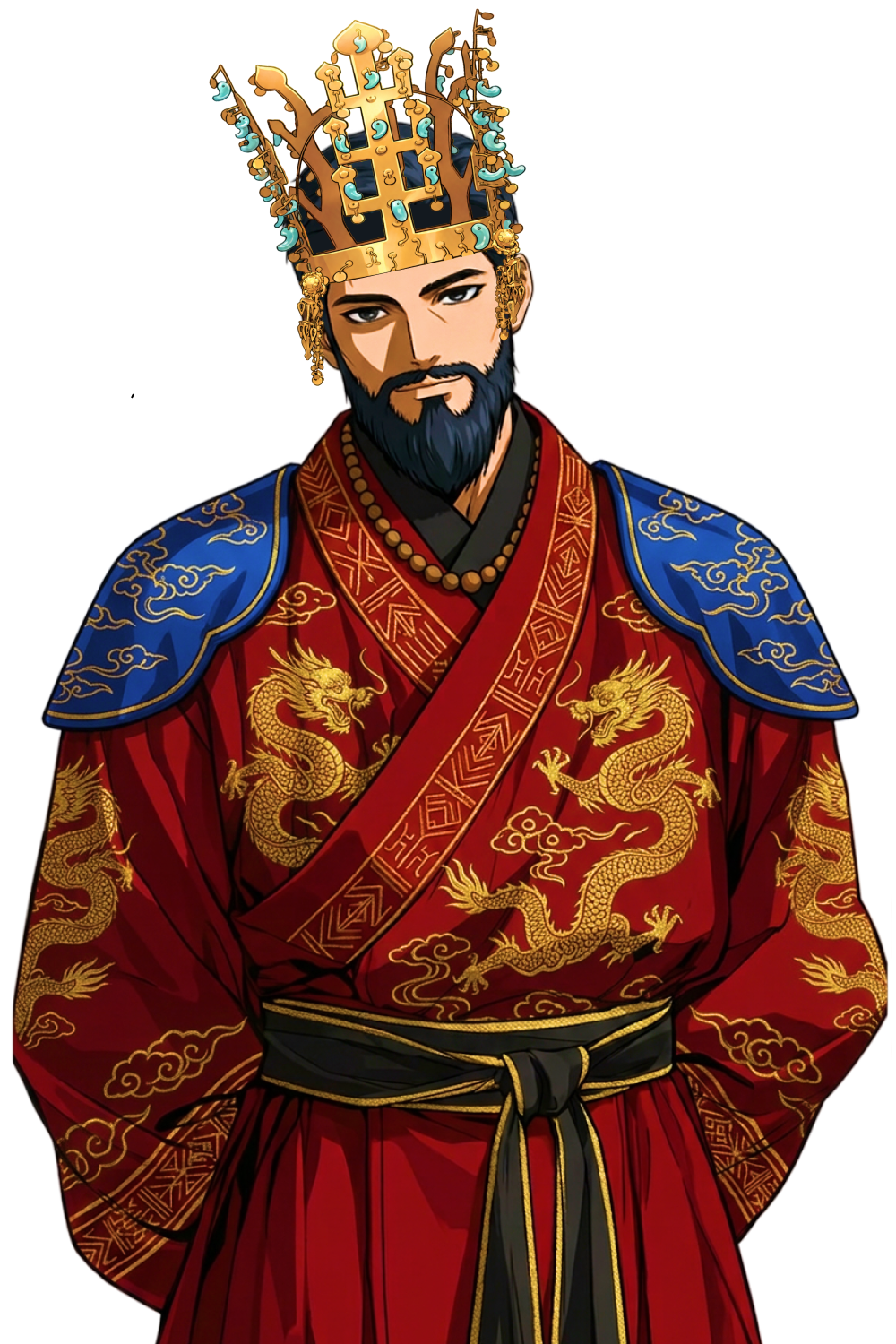

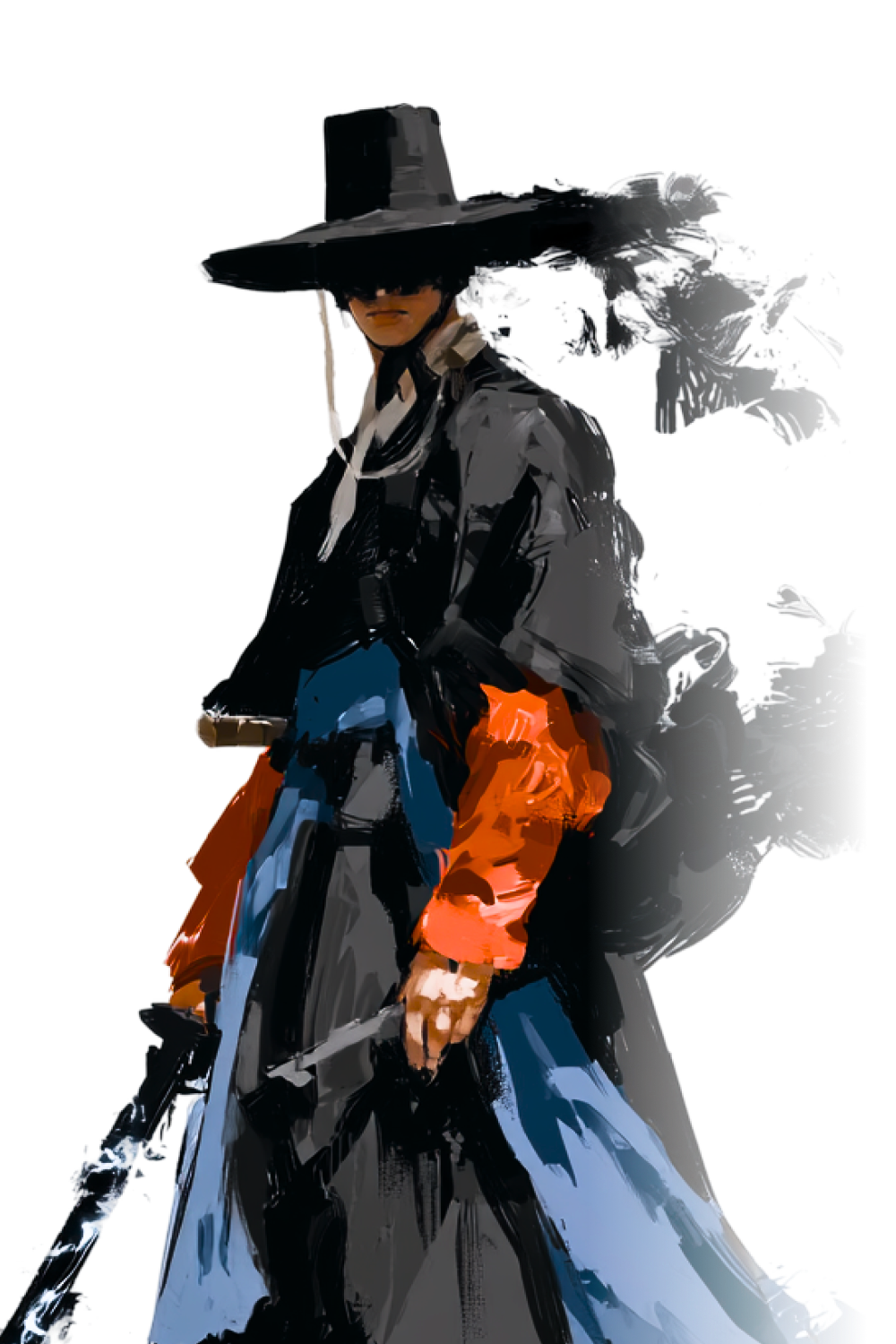
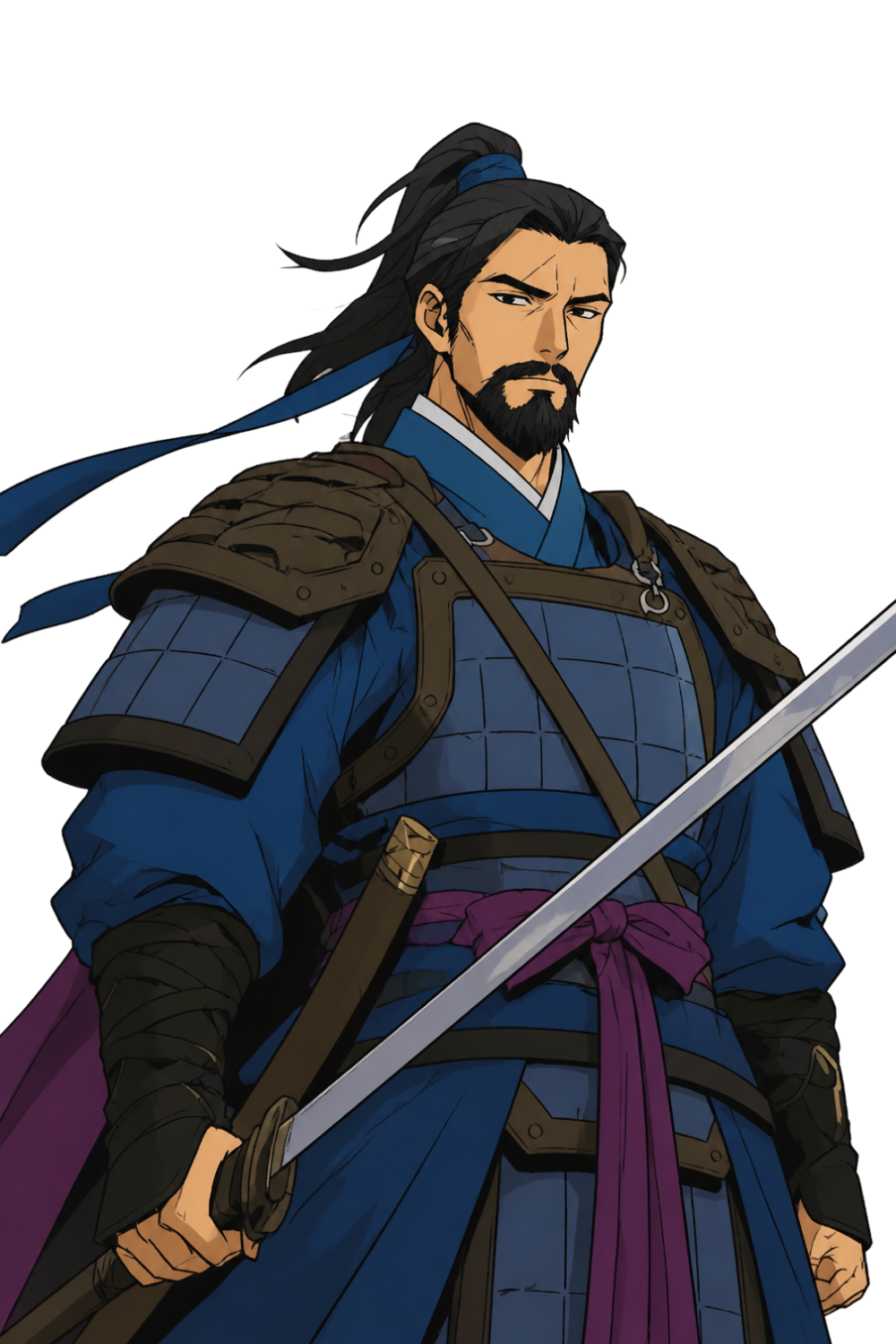
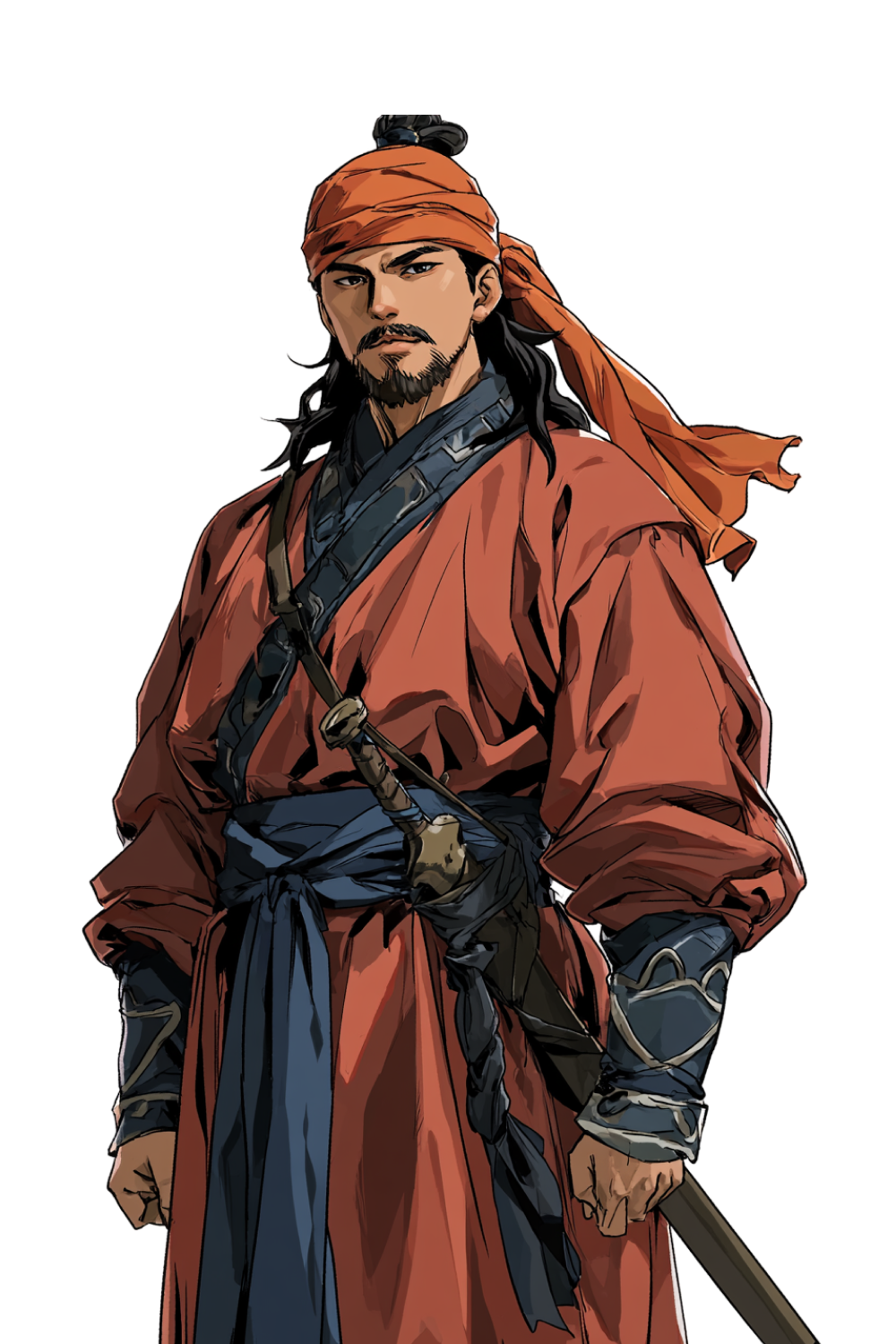
Episode· 660
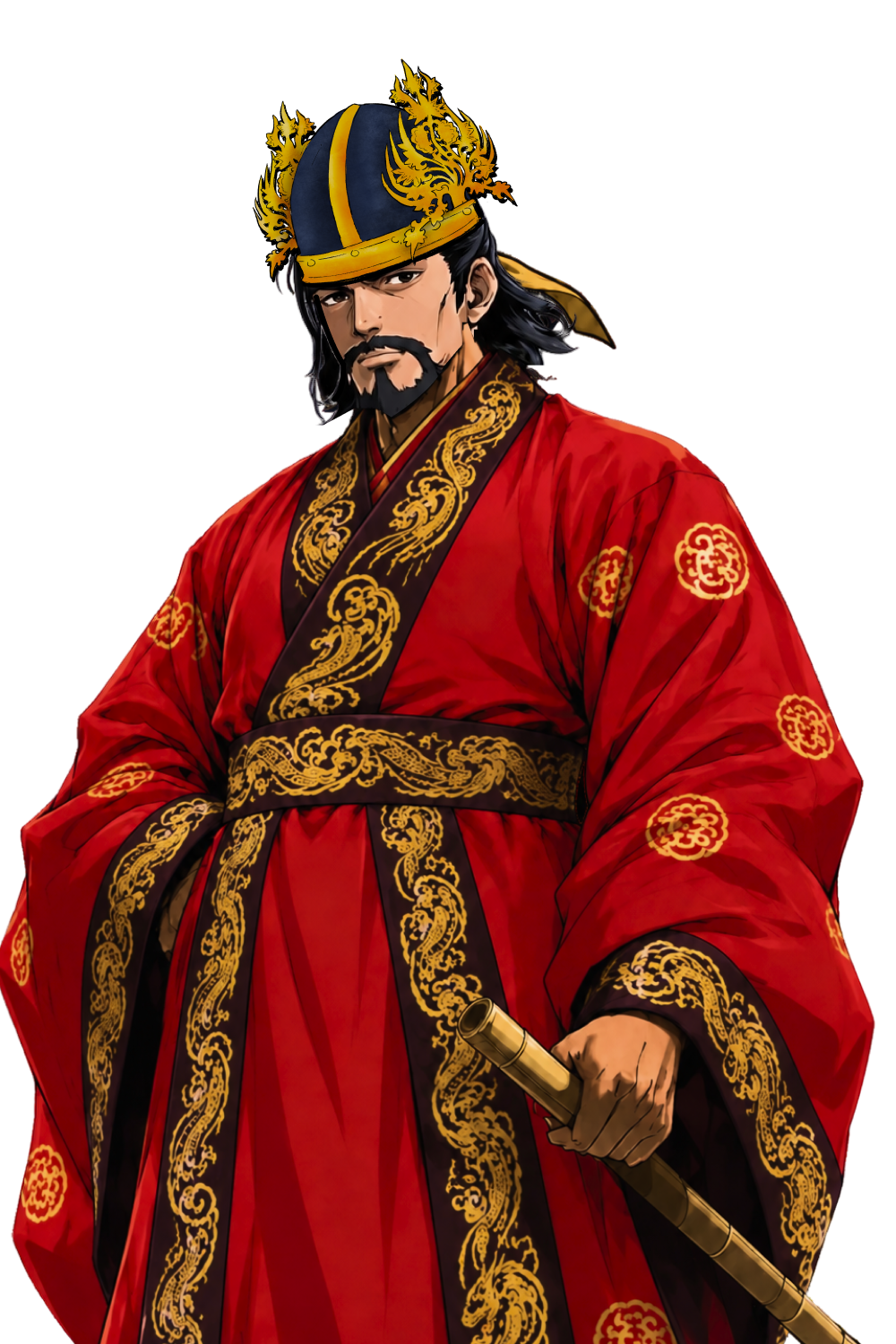
Buyeo Euija
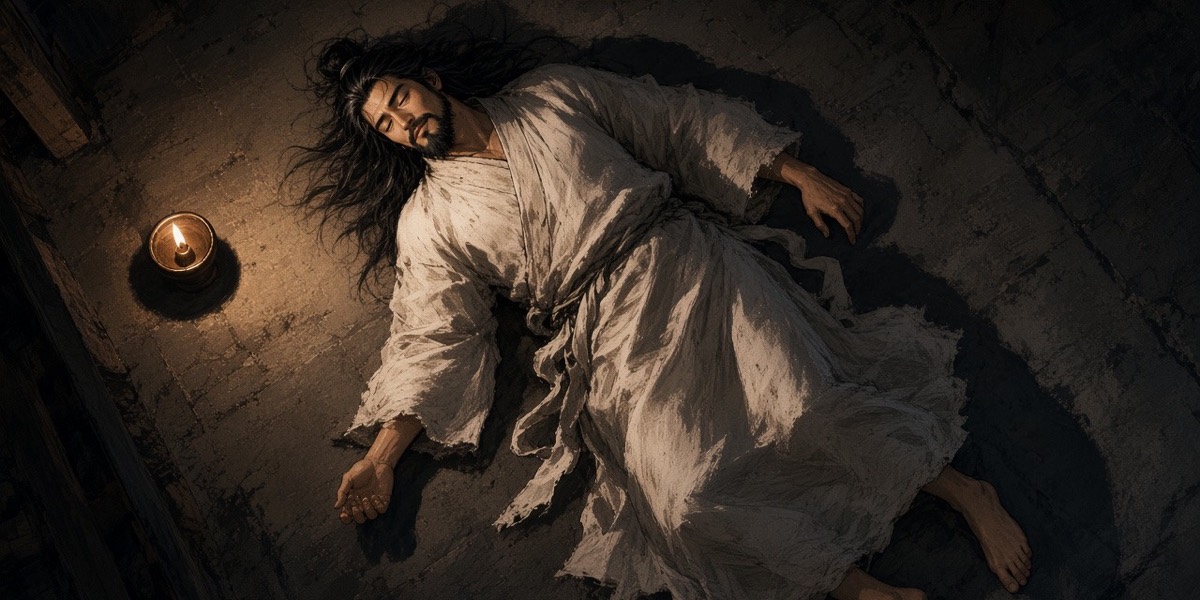
In the Western capital, a confession is already written. There’s a space at the bottom for his name.
- King Euija
- King Muyeol
- Ye Sikjin
- Kangrim
- Kim Yushin
- Gumil
- Red Fowl
- Bupmin
- Ye Gun
2 stills without a cue
An empire is not finished with a king until he has signed something.
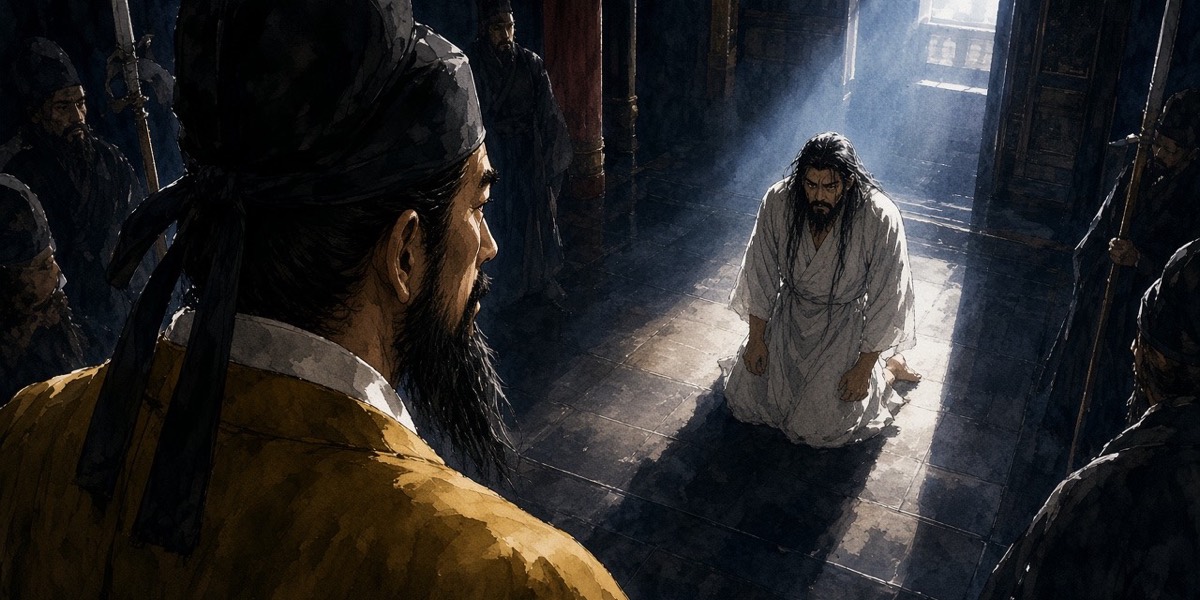
In , on the first morning of winter, is brought forth before .
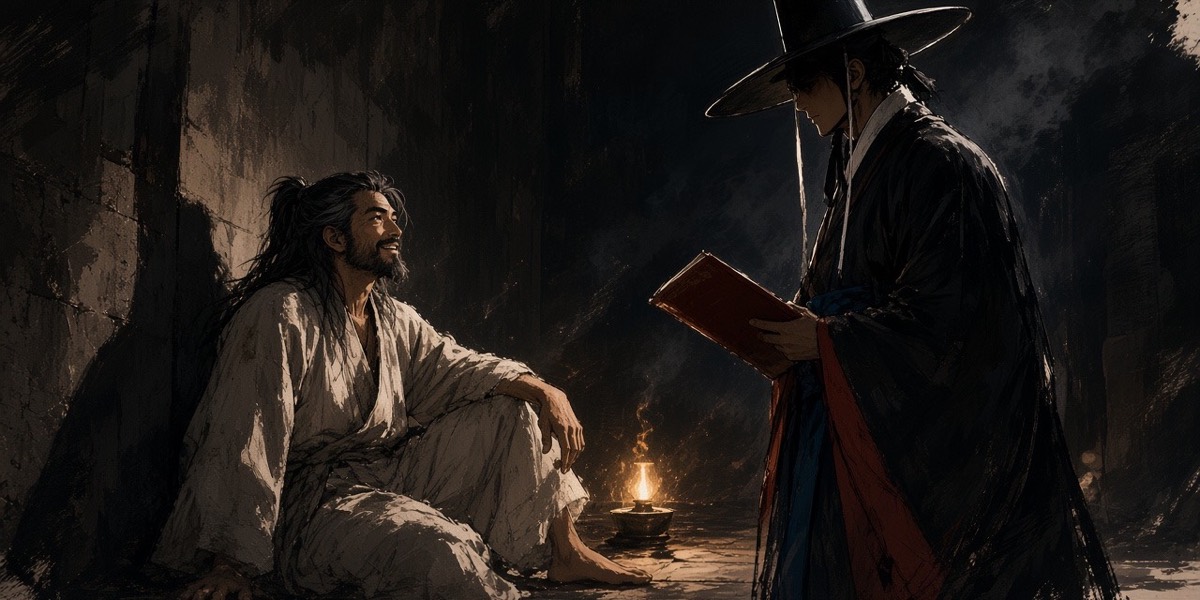
First, paperwork. A palace clerk hands the prisoner a confession, already written out in a fair hand. There is a space at the bottom for his name.
He signs in a hand so large the name runs off the edge of the paper, and gives it back. The clerk files it without looking. A confession only needs a name, and has never much minded whose.
Eleventh month, first day. The emperor went up to the Zetian Gate tower to receive the captives, and released them all, from their king down.
11월 초하루 무술일, 황제가 칙천문 누각에 나아가 백제의 포로를 받고, 그 왕 의자 이하를 모두 풀어 주었다.
Across the sea, in , is eating his supper.
The shouting burns out. What remains is a man who has finally run out of stories to sell — and one last story he cannot afford to keep.
He is shouting at the man who won. Across the sea, a quiet son with lovely handwriting is still waiting to be needed.
Then the room fills with men only he can see.
waits. He has always been good at making a room lean in.
reads his name three times in the Western capital — . . . — 's receipt before the humiliation finishes.

served his parents with a devotion people talked about, and was kind to his brothers; men of his time called him the Zeng and Min of . He reached the capital and died a few days later.
의자는 어버이를 효성으로 섬겨 이름이 났고 형제와 우애하니, 당시 사람들이 ‘해동의 증자·민자’라 불렀다. 경사에 이르러 며칠 만에 죽었다.
— —
told him. He put in a cell. told him. He had already exiled . would have told him, and he had put on a boat. A man does not fall because nobody warned him. He falls because he arranged, patiently and over years, to be somewhere the warnings could not reach.
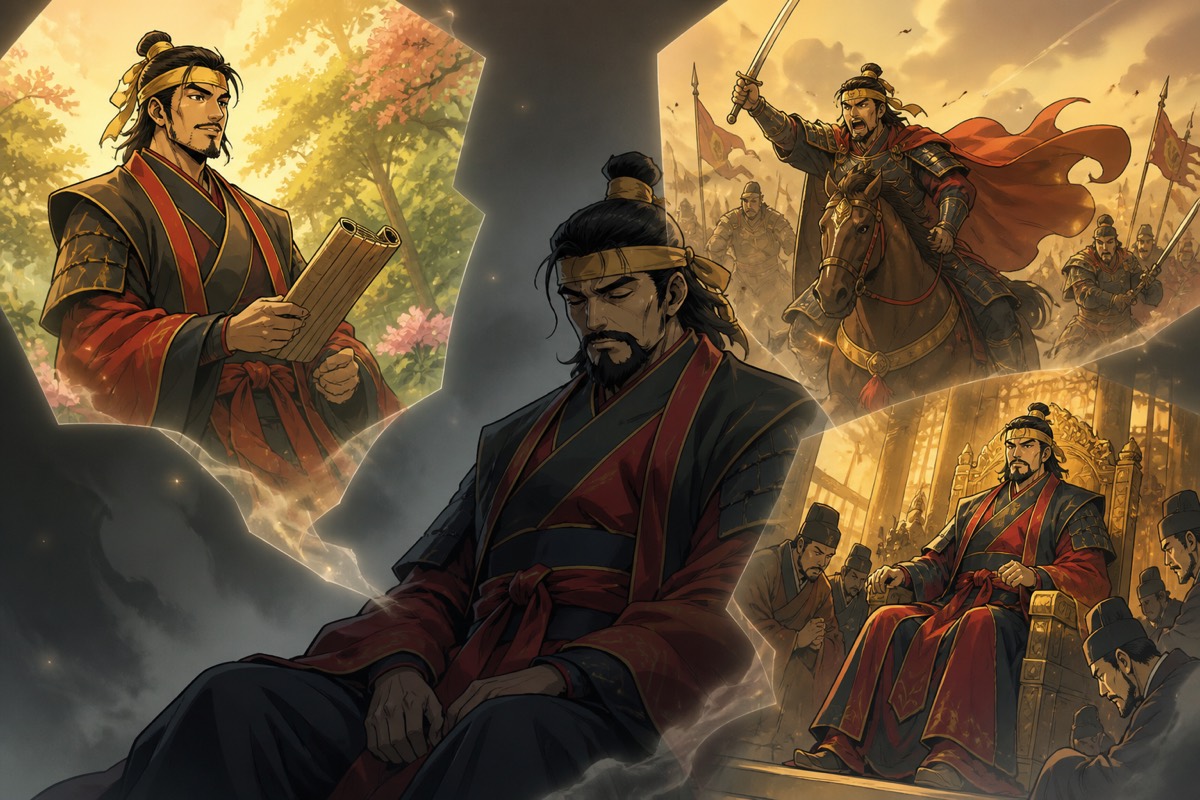
The . They called him that when he was young, and they meant it. The name was neither flattery nor wrong. He was never a fool. He was a clever man who won, and kept winning, until winning was the only instrument he had left, and then he tried to play a dying country on it.
is gone. still stands. And the man who arranged both can no longer get out of bed…?
The runner has one word. makes him say it twice.
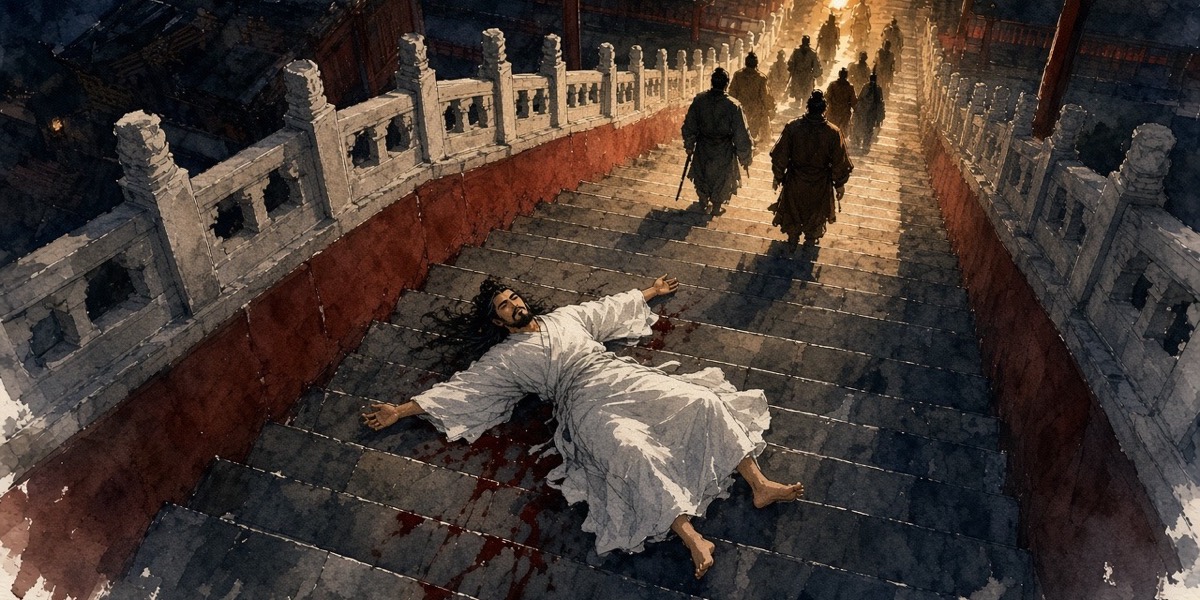
He has run all night, and he falls on the palace steps instead of kneeling. The court hears about the Fields before the king does. Courts always do.
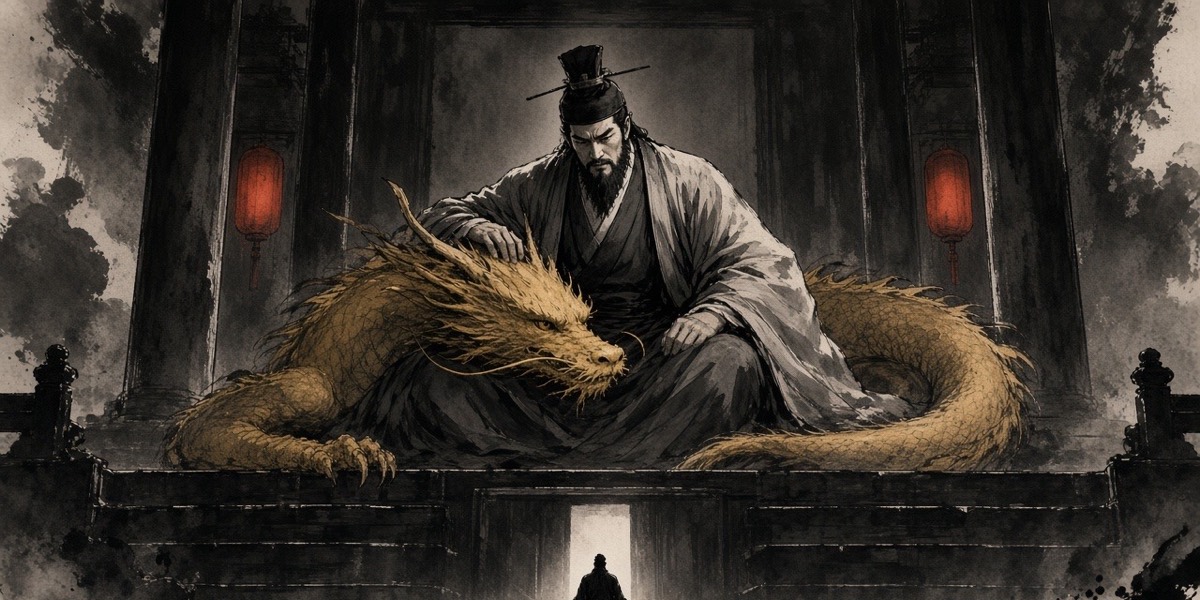
sits down on the top step, in front of everyone, which kings do not do. The court waits for an order. For the first time in twenty years he does not have one ready. So he reaches for the next thing he owns, which is an idea.
Before noon a second runner comes up the road from the river mouth, muddy to the waist, with what is left of the river-mouth line behind him.
So his first move is to send the Western camp a feast: oxen, wine, three cartloads of rice cakes. The court is told this is diplomacy.
The oxen come back that afternoon, untouched, with the drovers walking behind them.
The army reaches the Western camp two days late. The has the supply officer, Kim Munyung, dragged to his tent gate. They open his collar for the sword.
walks into the tent with a battle-axe in his hand.
Then he stood at the camp gate leaning on his axe; his angry hair stood up like planted stakes, and the precious sword at his waist leapt of itself from its scabbard.
이에 도끼를 짚고 군문에 서니, 성난 머리털이 꽂아 세운 듯하고, 허리에 찬 보검이 저절로 칼집에서 뛰쳐나왔다.
The ’s second-in-command steps on his commander’s foot.
Kim Munyung’s collar is closed again. Nobody in the tent mentions the date for the rest of the war.
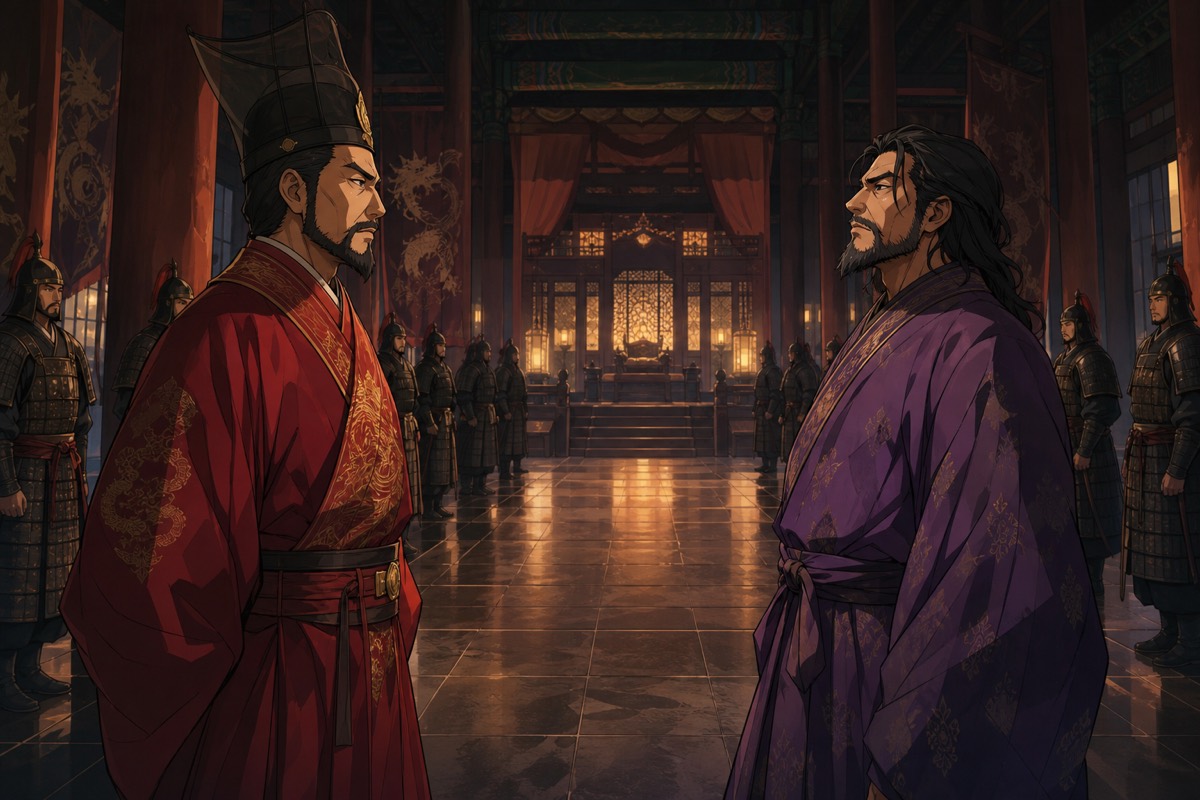
Next morning the allies come at the city together, up from their camp in the south, down the road from the east. puts everything it has left on the plain between them. watches from the wall.
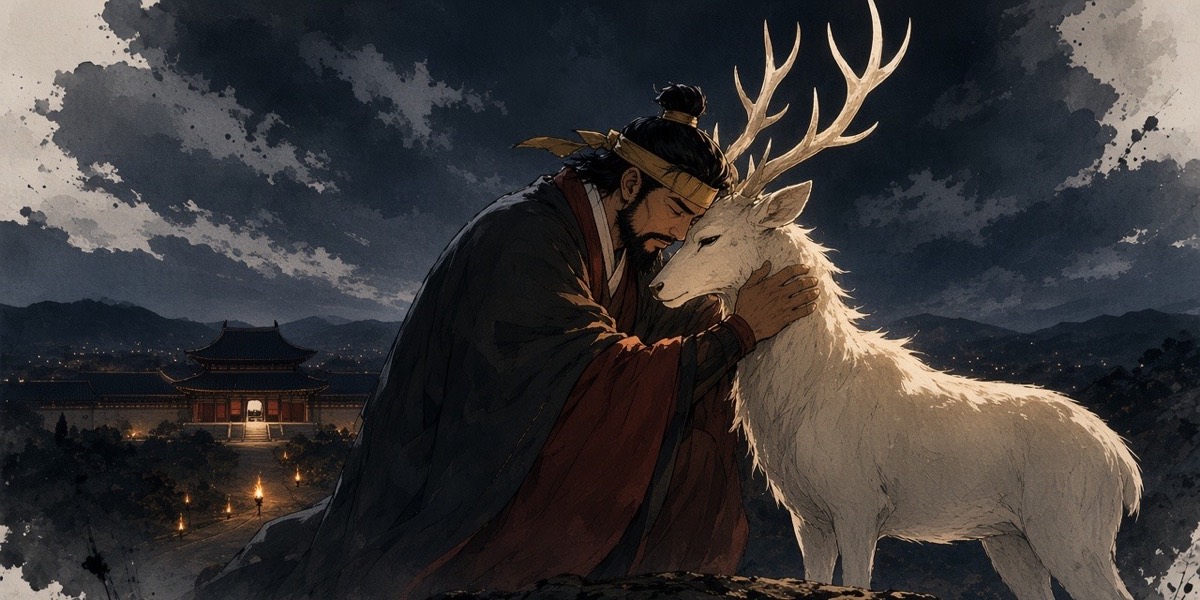
leaves at night for , upriver to the north-east, with fewer men than he expected to have.
On the river he sits in the bow and says nothing for a long time. The boatmen will remember it, because nobody had ever seen him do that before.
Back in , the king’s second son, , puts on a crown the next morning and means to fight. His nephews don’t. They go down the wall on a rope with their households, and half the city follows them down it.
The eldest is already gone. took the river gate in the night with four men and no mark on his forehead, and a boatman who will remember, years later, that the prince paid in silver and asked which way the current runs at . The answer is down. Everything at runs down, caves included.
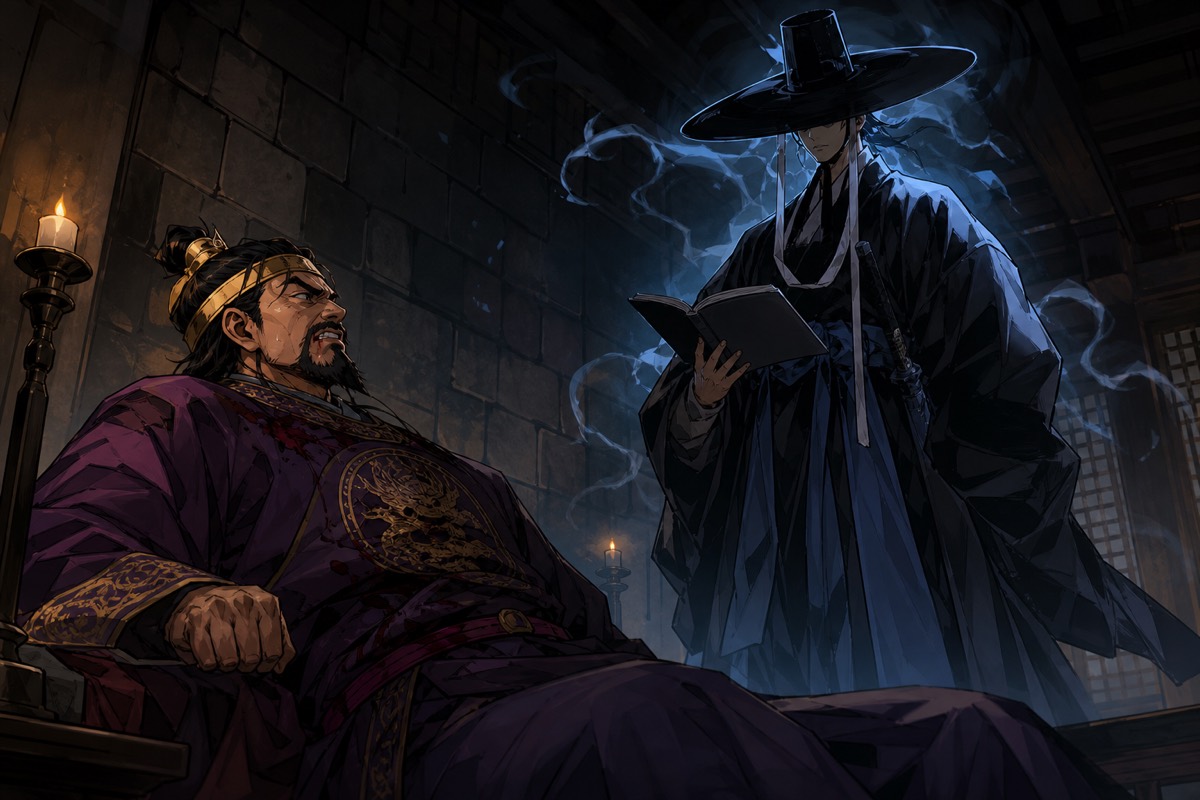
The crown prince comes out of the gate. walks a careful pace behind him. has the prince knelt in the dirt before his horse, and spits in his face.
lies flat on the ground and says nothing. The mark is still on his forehead, ground into the dirt. He wears it to the end, which is more than anyone in his house will do for him.
The queen mother does not come out. She takes the household up to Busosan, the hill fort above the river, and holds it with women and old men until a soldier opens the gate for . The lists take her name, and ’s, and twelve thousand others.
The lists keep the younger brother for a page. Then the page turns, and history loses him the way a river loses a stone. In the clerks will one day write “” where the crown prince stood — the eldest holding his brother’s place in the paperwork, the way he never held it on the Rock.
It was who opened the gate. He would like that understood as a favour.
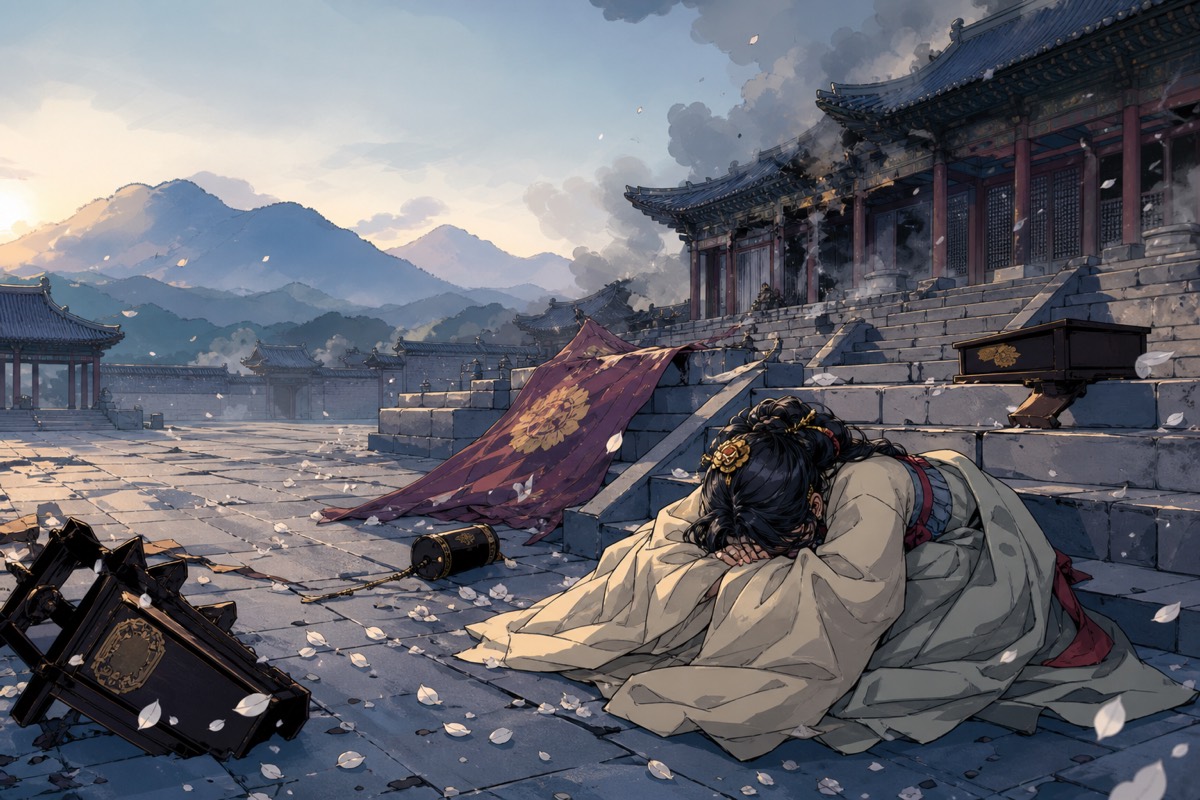
When the gate opens the palace women do not wait to be counted. They go out the back of the palace and up the ridge path to the cliff above the , where the rock drops straight into the water, and the soldiers coming up behind them find nobody at the top.
The stories that gave three thousand women give them this cliff as well, and three thousand is the number they say went over it, their skirts opening on the way down like petals. Nobody who was there wrote down how many it really was. There was no one left on the cliff to count.
Two of them go together, holding hands. They are the two who sat in a prince’s garden with a go board and a jar of wine, a lifetime ago. Nobody counts them. Nobody has counted them for years. It had been two, once, and a joke, and a modest number a man was proud of.
The rock is called the afterwards, Nakhwaam, which is a kind way of saying it, and ’s last invention.
belongs to the king the way a borrowed house belongs to a guest. The Ye family has held it for four generations. gives the king his own rooms, and goes up on the wall every morning to count the Western sails on the river.
The first morning he counts forty sails. The second morning, sixty-two. He writes both numbers on the wall in charcoal, because that is what he does with numbers.
On the third day a boatman comes up the river with still on his face. hears him out alone, on the wall. Then he takes him to the king, because that is the order things are done in.
That night his elder brother comes in by the river gate. is the family’s talker. He has been downriver all day, he says, looking at the weather. It has rained since noon. He comes back dry.
That night he opens the drawer. The list is where he left it. Forty-one names. None of them his. He reads it a third time, being careful with numbers, and puts it back. He does not close the drawer. One day the Western stonecutter will carve his father and grandfather into ’s first rank. Neither of them was ever asked to court. Tombstones are generous that way.
On the fifth night he comes into the king’s rooms with his brother and twenty men, and the king understands before anyone speaks.
By morning the king is on the river again, bound, going back down it toward ’s tent. The Ye brothers watch the boat from the wall.
His name was Sikjin, a man of Ungchun in . His grandfather, Minister Yeda, and his father, Minister Sasun, both held the first rank of that vassal court. … Upright from birth and early marked for righteousness, he read the wind in a foreign land and went toward the sun in .
공의 휘는 식진이요, 웅천 사람이다. 할아버지 예다와 아버지 사선은 모두 번국 관직 정일품이었다. … 일찍이 곧은 법도를 타고나 의로운 절개를 드러내니, 이역에서 바람을 점치고 장안의 해를 향해 나아갔다.
Back in the palace, the winners want their wine poured.
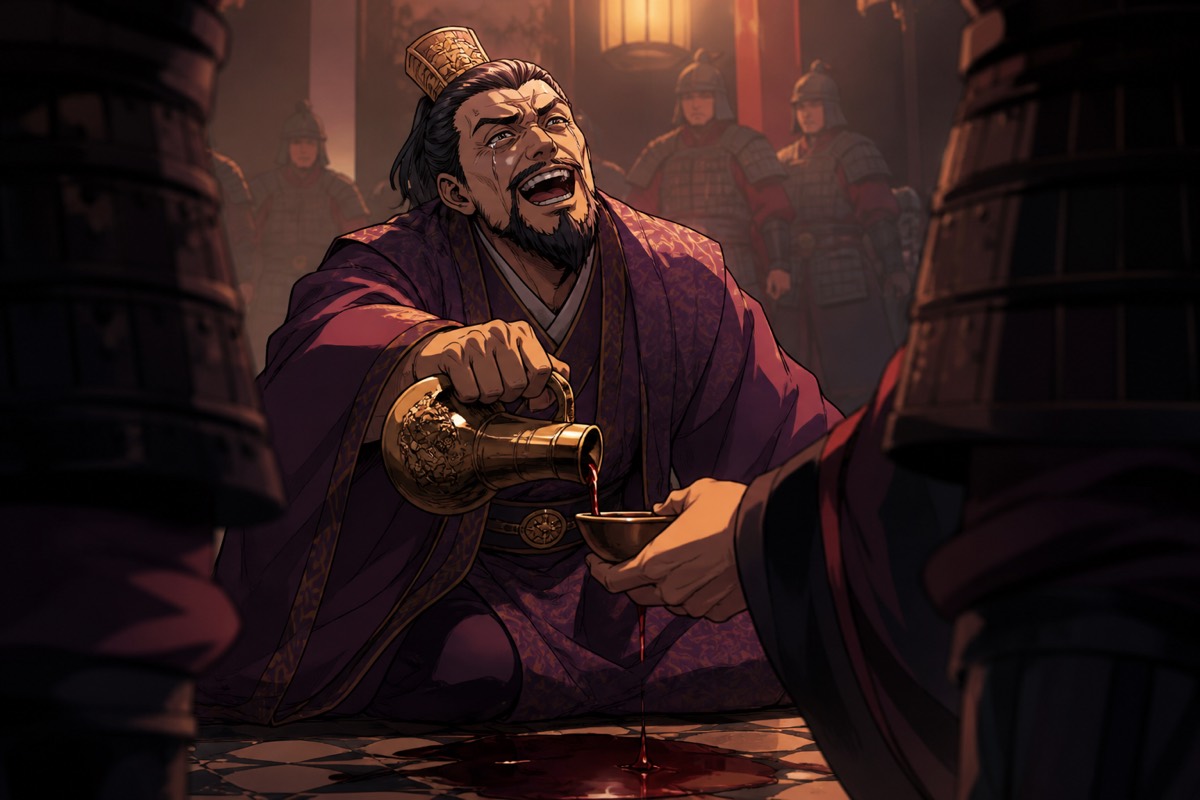
finally arrives at the scene. He makes pour his wine, and the Western general’s beside it.
A cup is put into ’s hands, and he is made to pour.
He pours for first, slowly, with a small host’s bow, and only then turns to the king.
There is one more prisoner. He has been kept for the end of the feast, the way a host keeps back the dish he cares about.
is older. The yellow sleeve is gone. Eighteen years in have not taught him to stand up straight, and they have not taught him to stop talking.
opens his mouth, and for once in eighteen years nothing comes out of it.
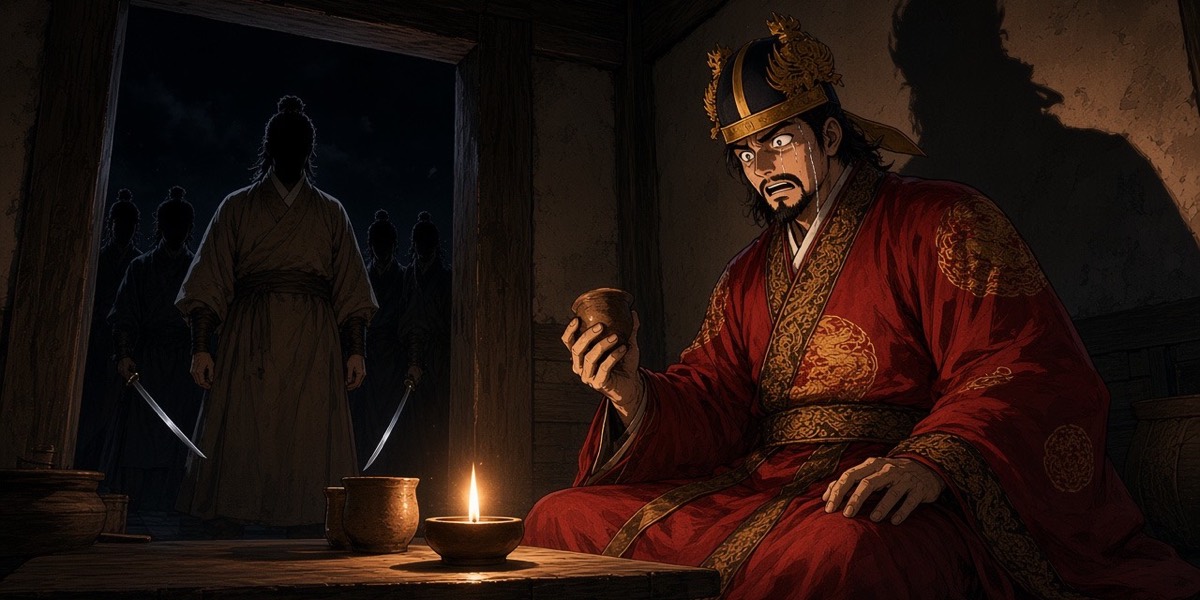
They put him to death on the riverbank before the wine is finished. does not go down to watch. He drinks the cup poured him instead, slowly, the way you finish a thing that took twenty years to pour.
A month later carve their victory into a stone pagoda. They put it low, where anyone walking round has to read it. It calls the conquest a deliverance. About ’s king it says:
Abroad he cast off his upright ministers; at home he trusted a bewitching woman.
밖으로는 곧은 신하를 버리고, 안으로는 요사한 여인을 믿었다.
Then divide into five commanderies, with the Western governor over each and men under them. Nothing in the arrangement is labelled .
In the Western lines ’s staff officers are seen pacing out the distance to the camp, which is not a thing allies measure. In the council a man proposes that their soldiers put on clothes and fall on by night.
Word of the conversation reaches ’s tent, as it was meant to.
A month later sails home with , his sons and twelve thousand captives. He leaves ten thousand men to hold the city. Beside them sits a army that has stopped smiling.
The ninth day. A hundred and thirty thousand men come in off the sea at the White River's mouth, and a few thousand Baekje soldiers wait on the high ground above a mile of mud. Far to the east, Silla is busy.
- Tang 130,000
- Silla 50,000
- Baekje 3,000+ ?
- = 1,000 men
- = size not recorded
Sources: Samguk Sagi 5, Annals of Silla, Muyeol year 7 · Samguk Sagi 28, Annals of Baekje, Uija year 20 · Samguk Sagi 42, Biography of Kim Yushin (the willow mats) · Old Book of Tang 83, Biography of Su Dingfang · New Book of Tang 111, Biography of Su Dingfang · Zizhi Tongjian 200 · Epitaph of Ye Sikjin (Tang, 672)
Across the sea, a confession is waiting for . It is already written, in a lovely hand. It only needs his name…!
