












Chapter 60
Cheonbok



AI Summary
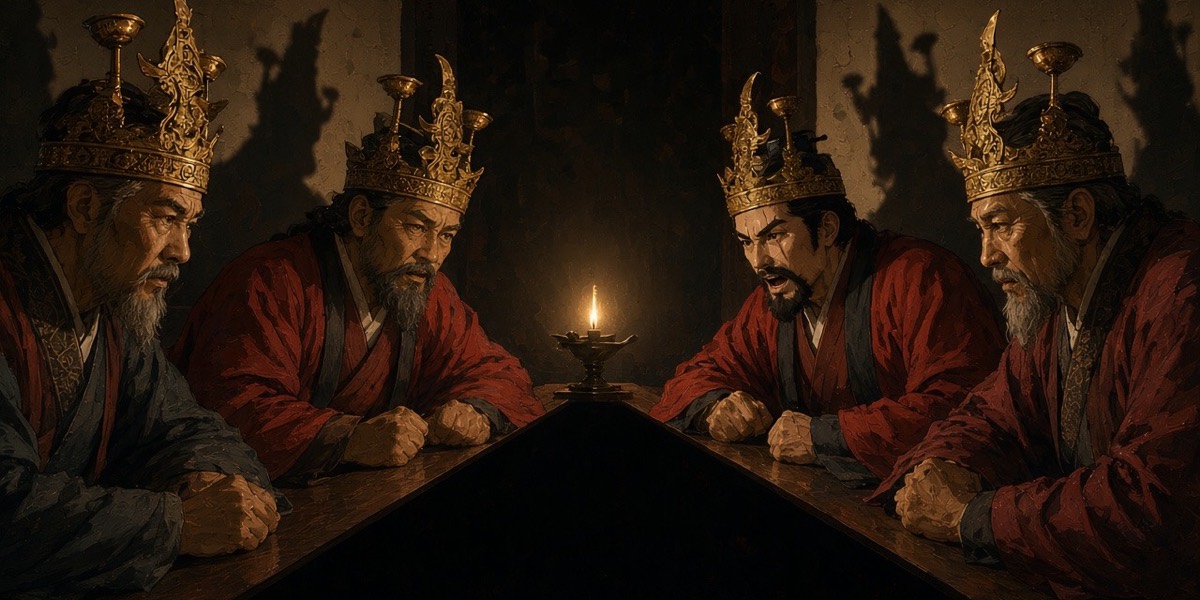
- The Monastery So the two largest houses in Baekje meet, which has not happened in living memory except across a body.
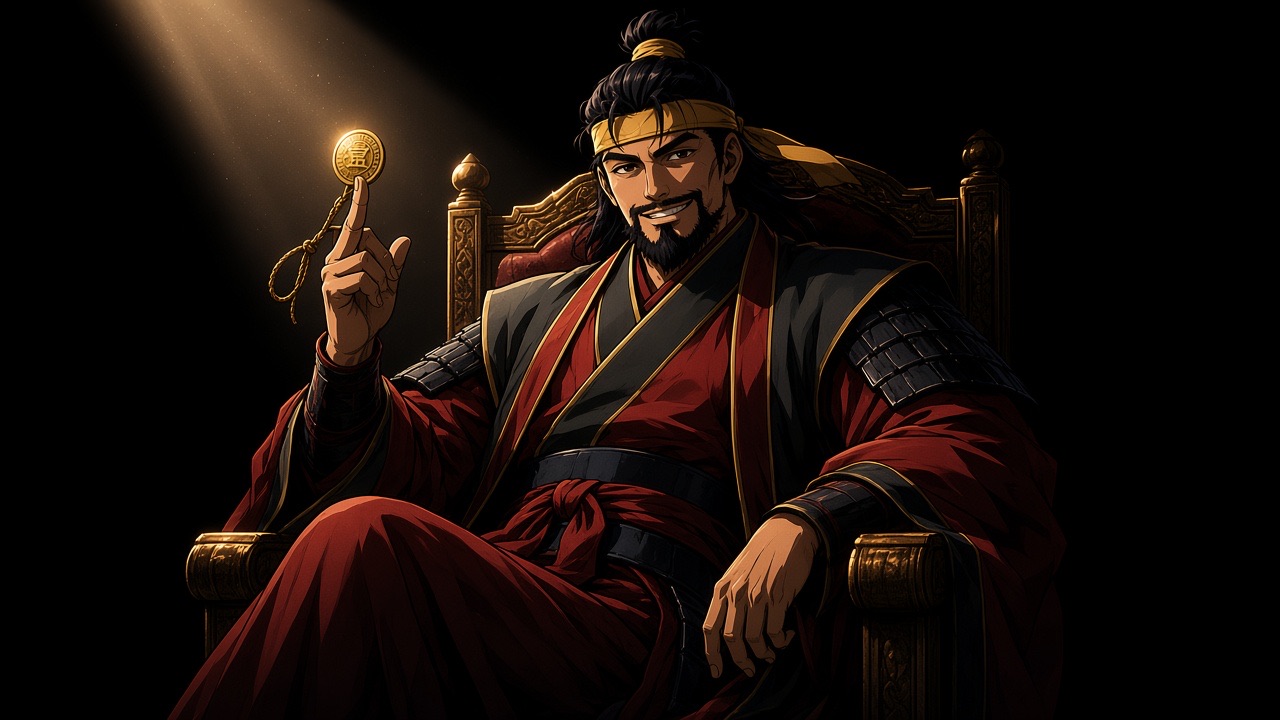
- The Offer They try the ordinary way first: they offer him a name.
- The Drill Ground The arrow comes through a tent wall at the Ungjin drill ground and takes the man standing next to him, who was taller.
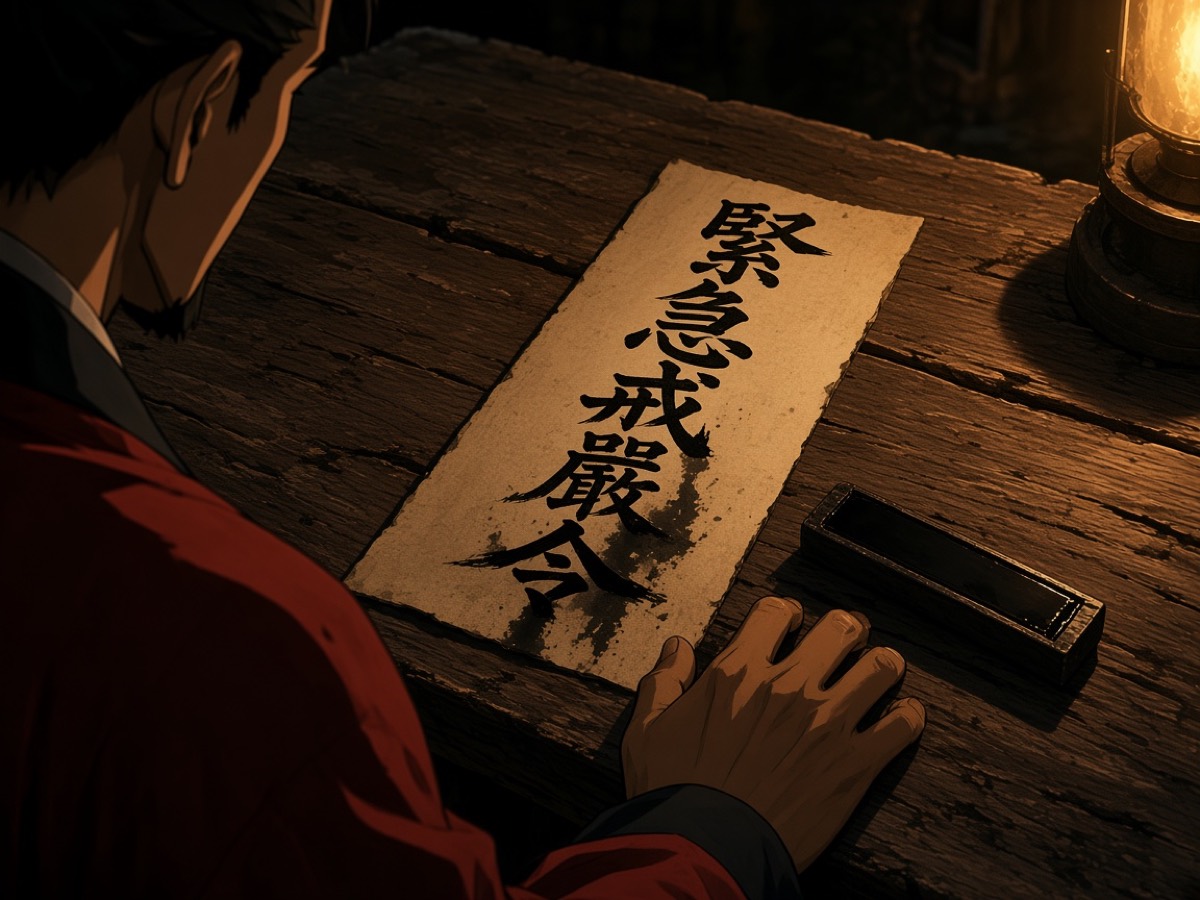
- The Sealed Order Gyebek is summoned to the hall and told to kneel, and the order is read out over his head.
- Sabi In Sabi, the order comes back to the king that evening, to be filed.
- The Rock of Politics He calls the assembly the way a gambler calls a final hand — smiling, sleeves perfect, already knowing which tiles he slipped into the set.
- The Mark Moves There is one more chair that is not a chair.
- That Night That night he writes one letter himself, with no clerk in the room.
- Chang’an
- Characters
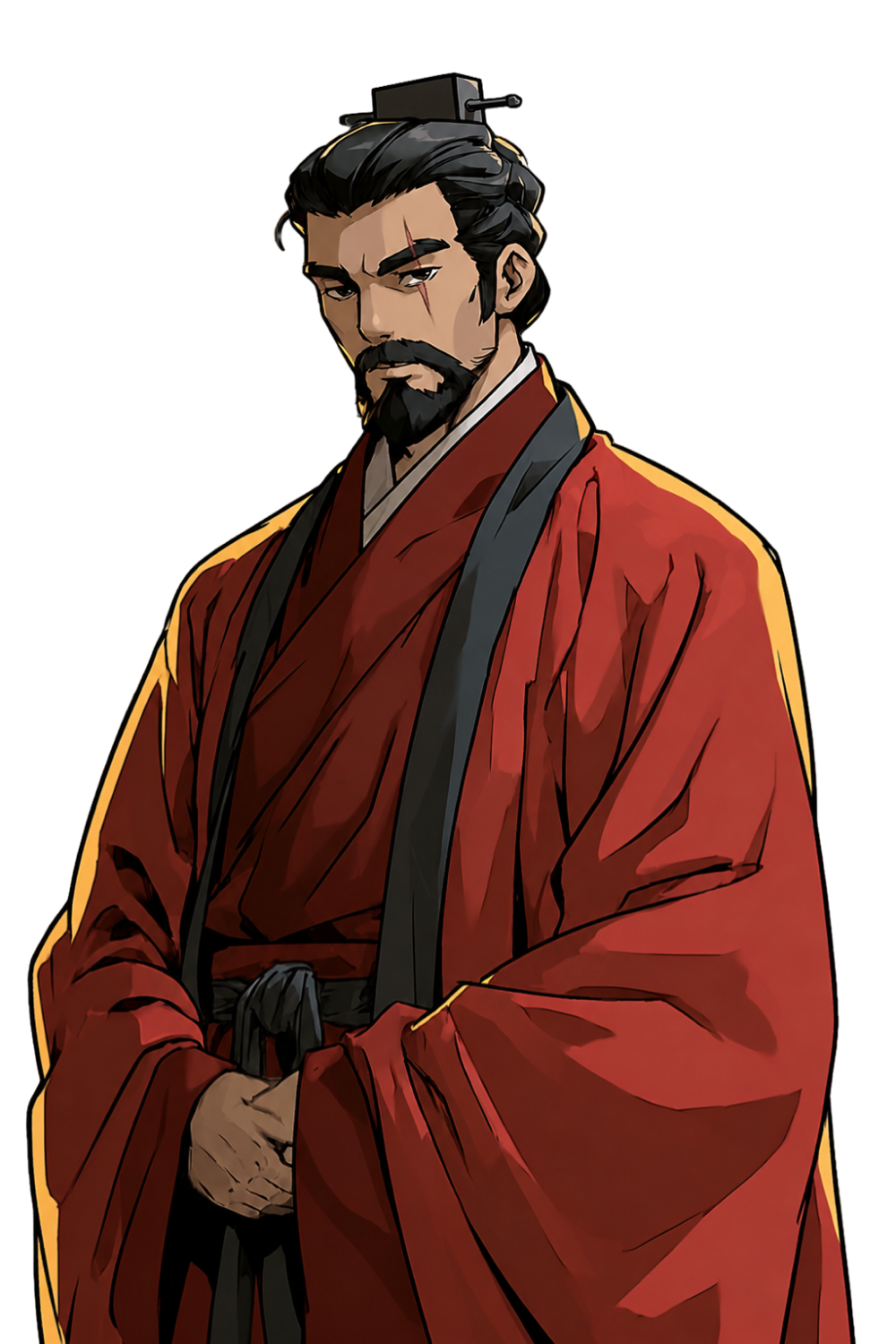

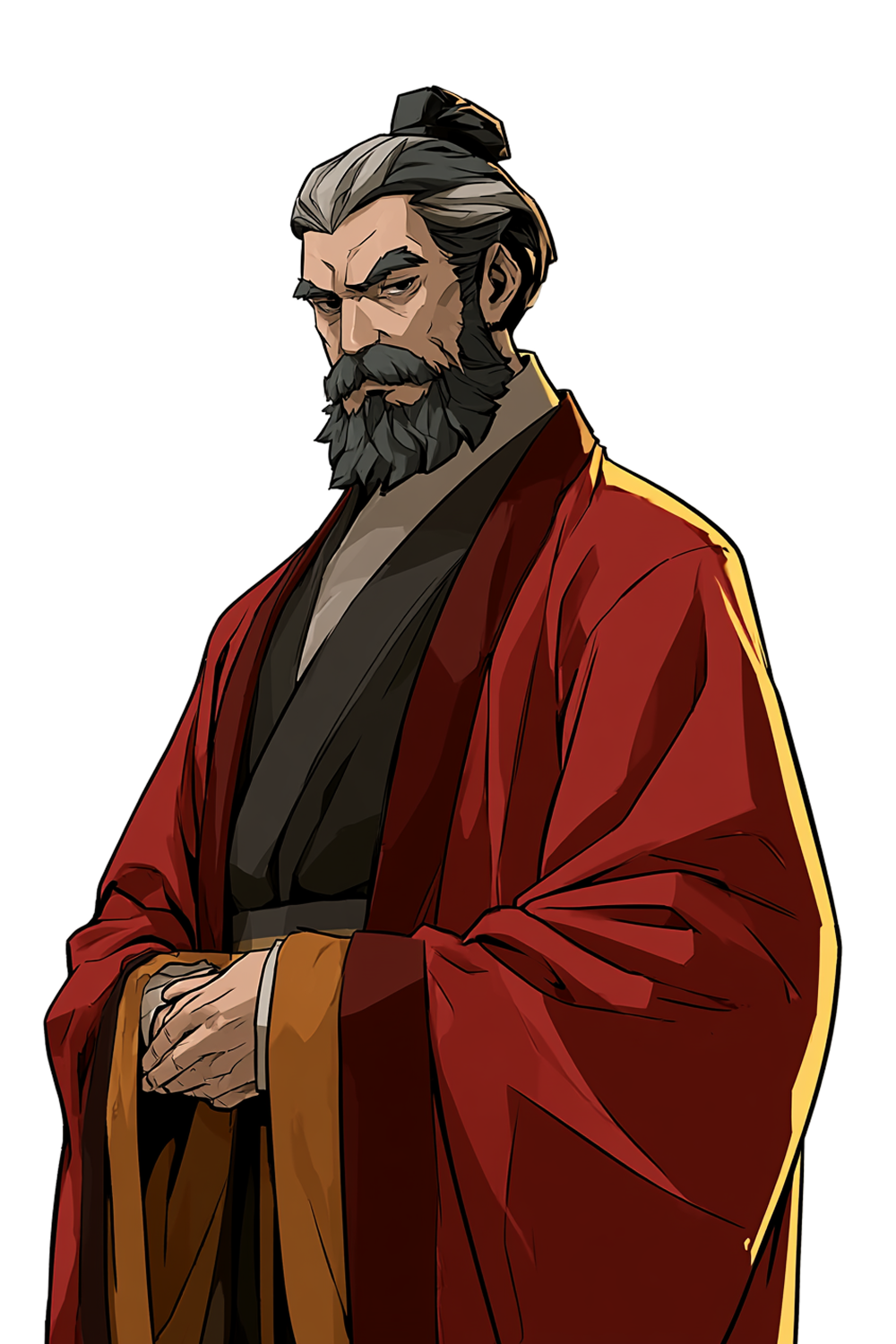
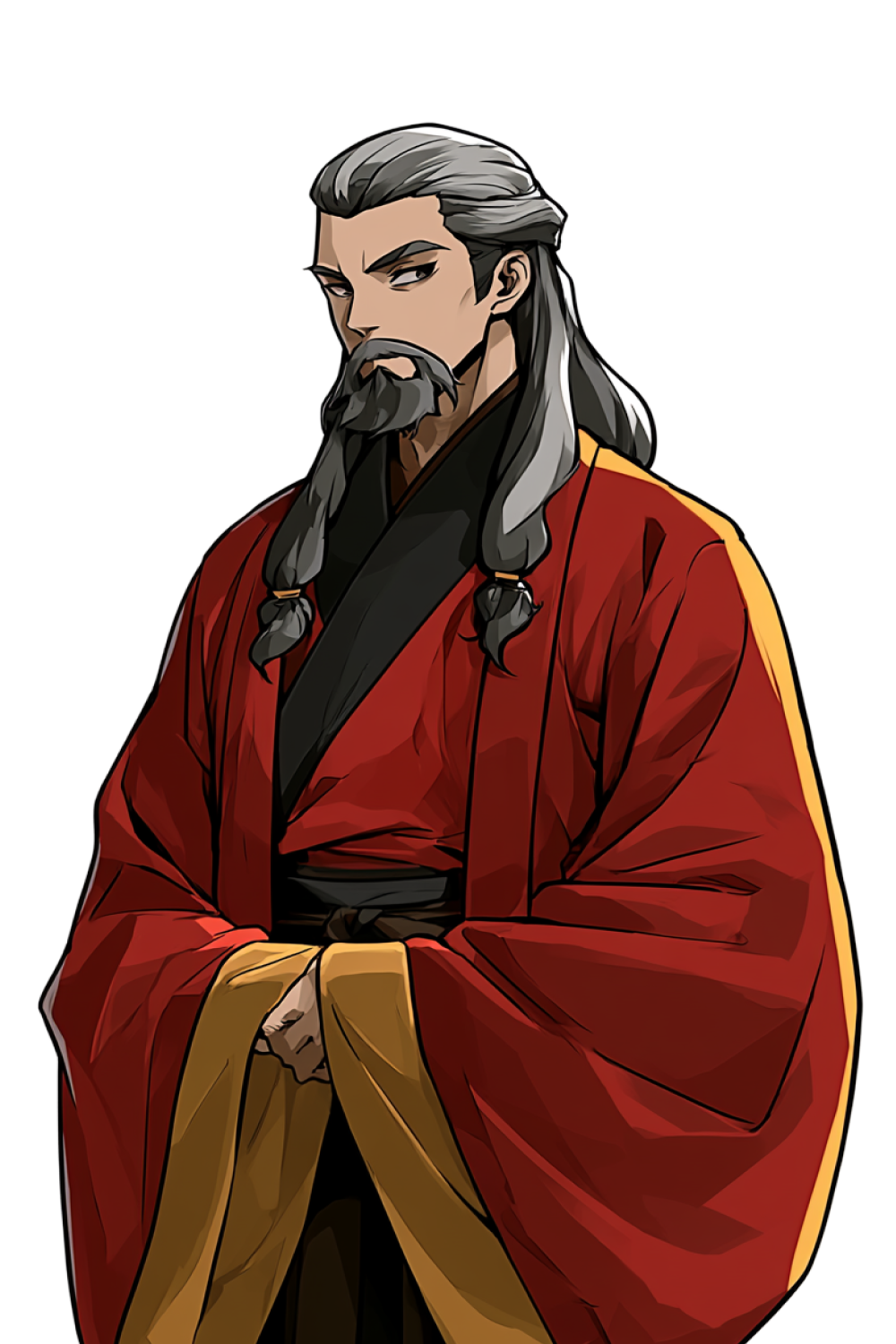
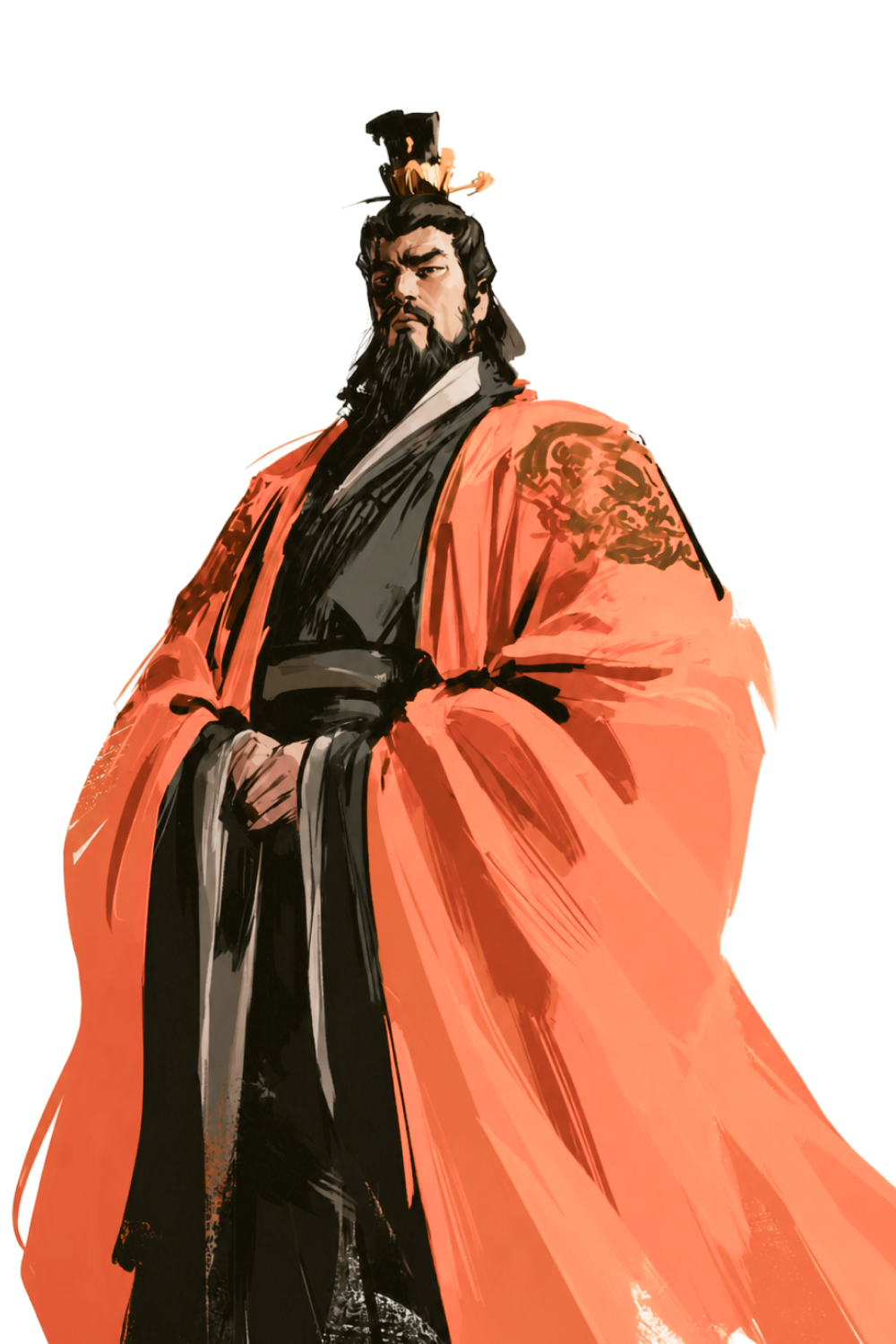
Episode· 655
Cheonbok
Queen Satek dies, and the king loses the right to say no. Two years later he takes the chairs back.
- King Euija
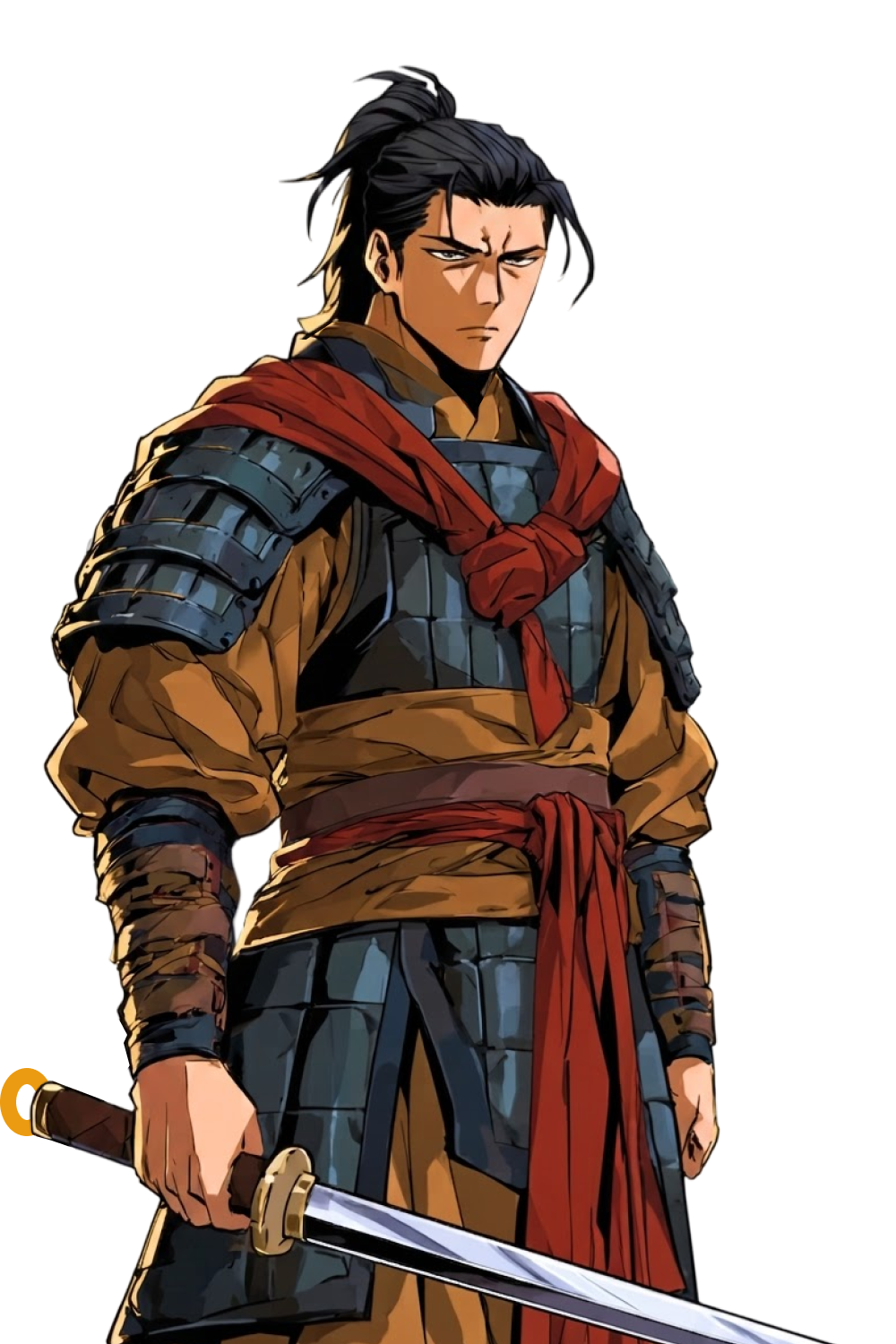
- Gyebek
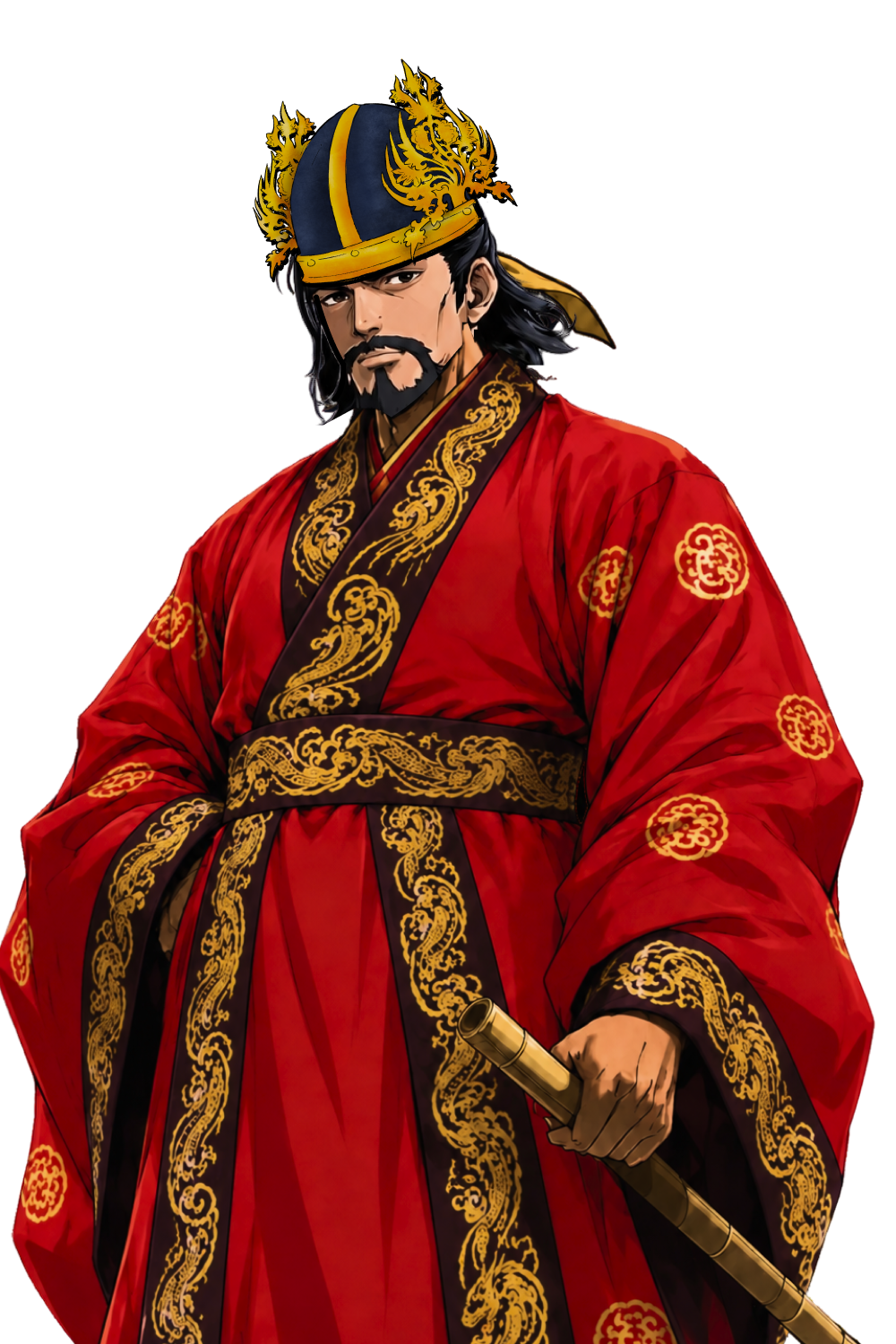
- Minister Satek
- Satek Chunbok
- Elder Satek
- Elder Yunbi
- The Third Emperor
- Sunchung
- Prince Yung
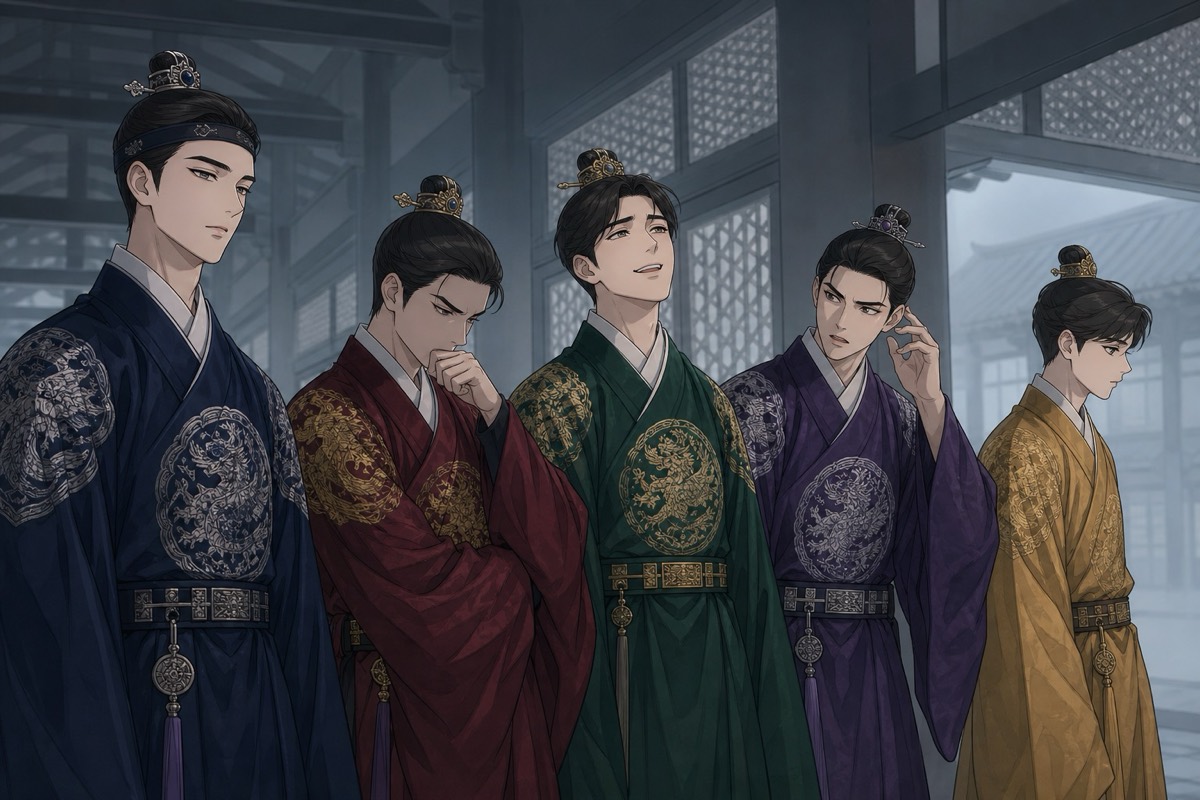
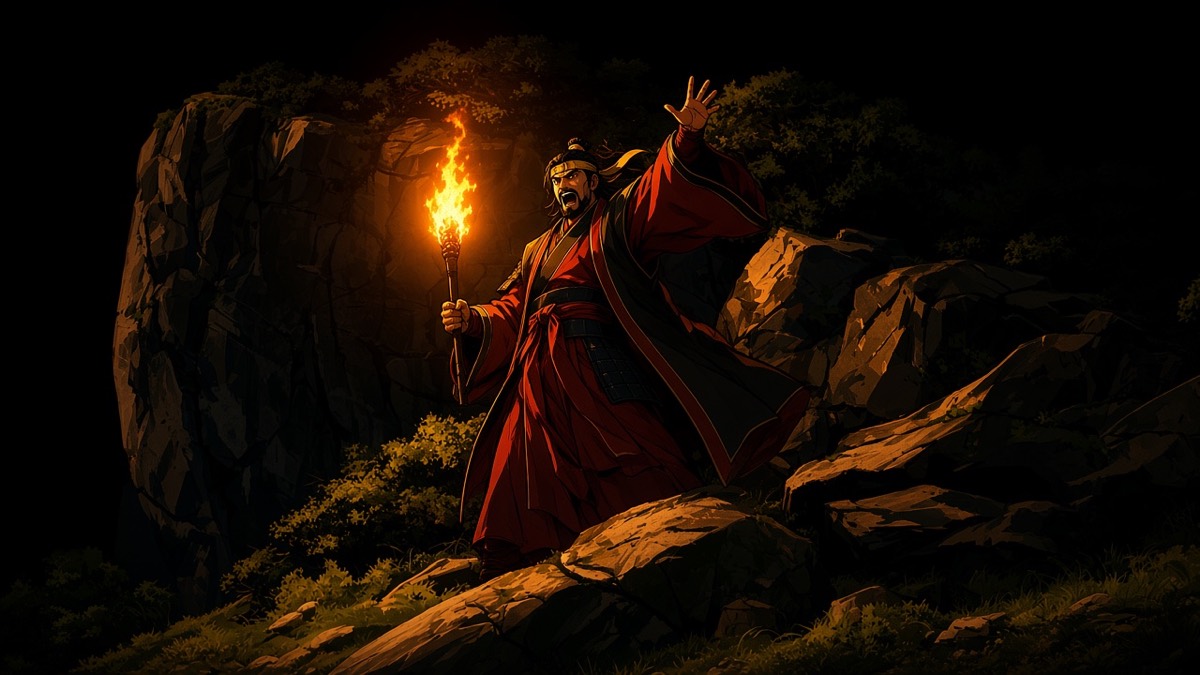
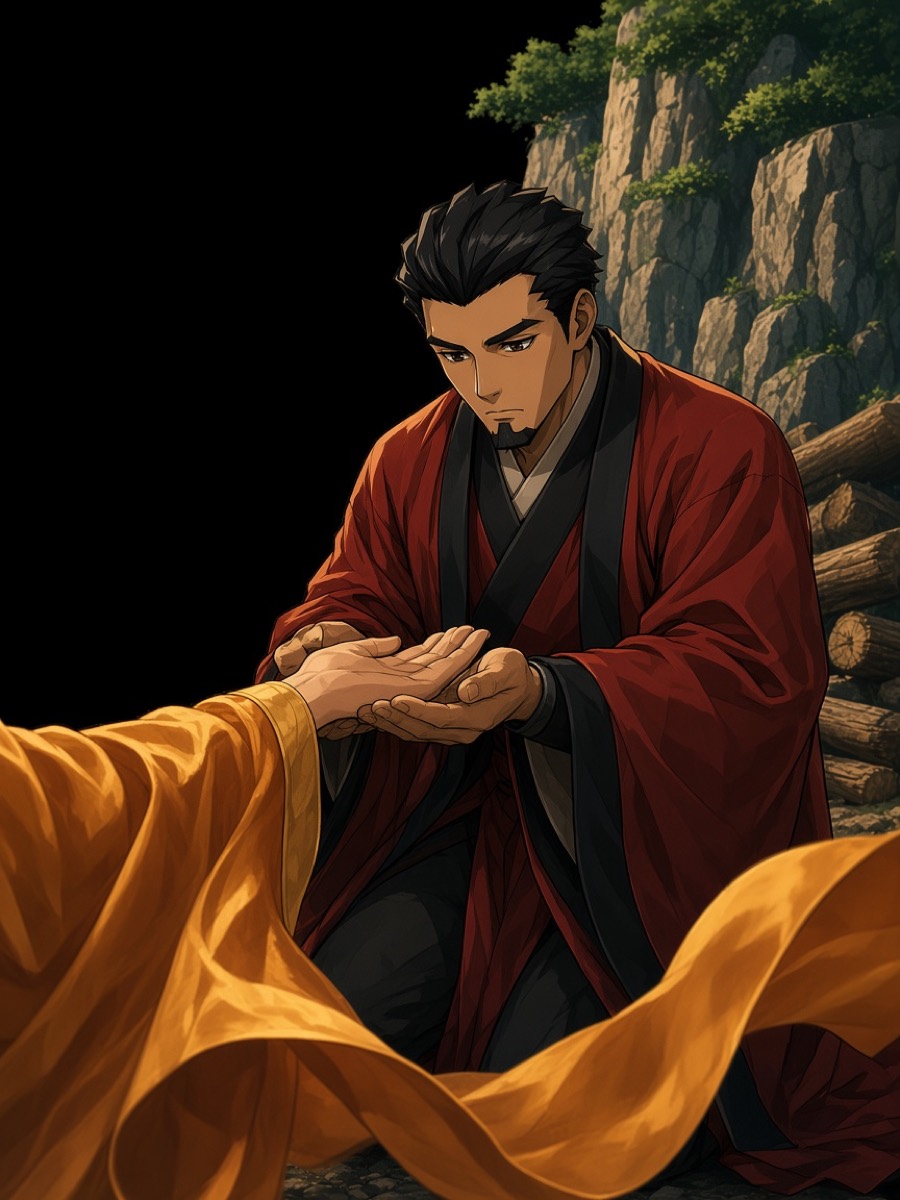
3 stills without a cue
dies, and the king, her son, loses the right to say no.
Three years of mourning, by the rite. The king may not judge, may not sign, may not overturn. Everyone in knows exactly how long three years is, and exactly what can be done inside them.
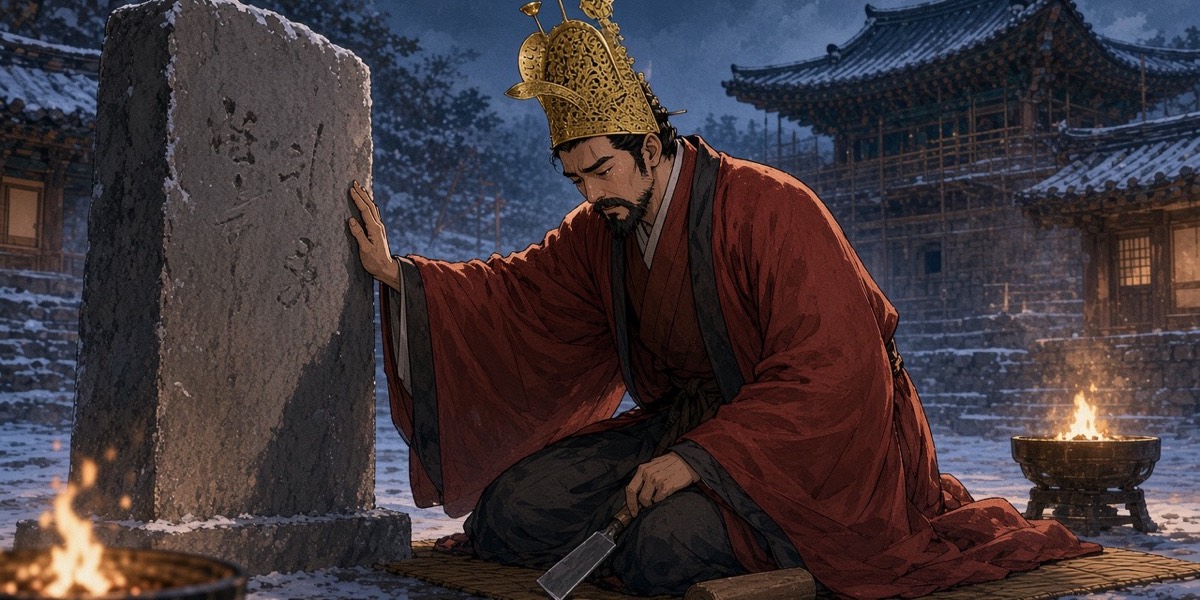
Ninth day of the first month, year of the Wood Tiger. of Naji Fortress, grieving that the body’s days go so easily and its months come back so hard, cut gold to build a precious hall and carved jade to raise a treasure pagoda.
갑인년 정월 초아흐레, 나지성의 사택지적은 몸의 날이 쉬이 가는 것을 서러워하고 몸의 달이 돌아오기 어려움을 탄식하여, 금을 뚫어 보배로운 법당을 세우고 옥을 깎아 보탑을 세운다.
carved that last year, grieving his own short days. He knows what mourning is good for.
The Queen was . Her death removes the clan’s hand from the king’s sleeve, and the clan understands, before the funeral rites are finished, that the sleeve is now free.
With her gone, the clan has one worry left. The king owns a man who cannot be bought: . And owns a horse.
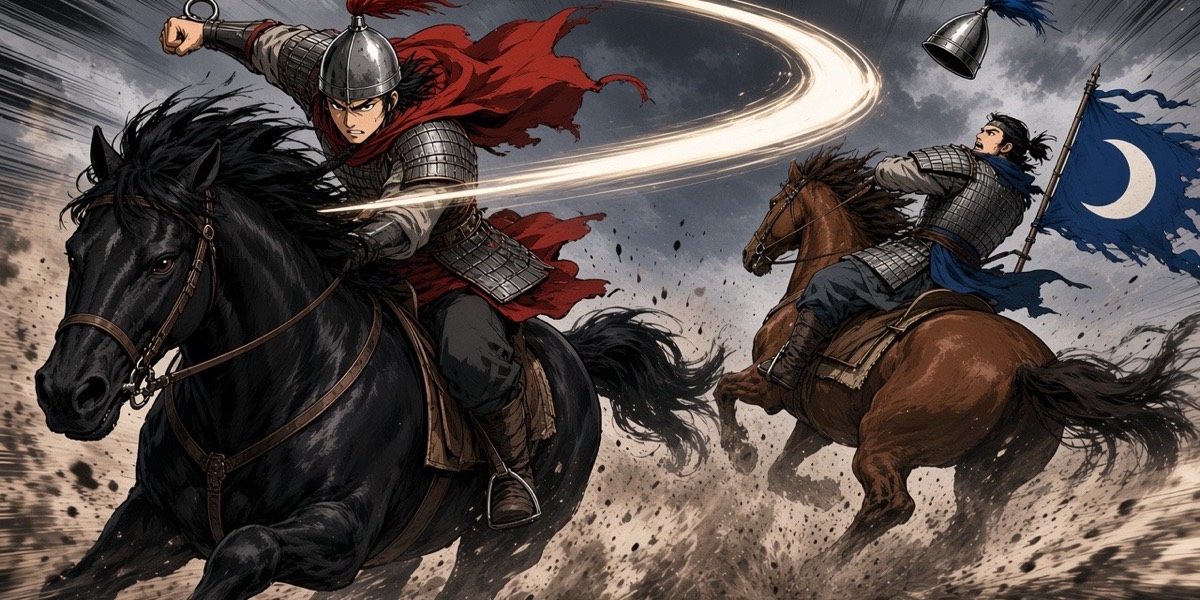
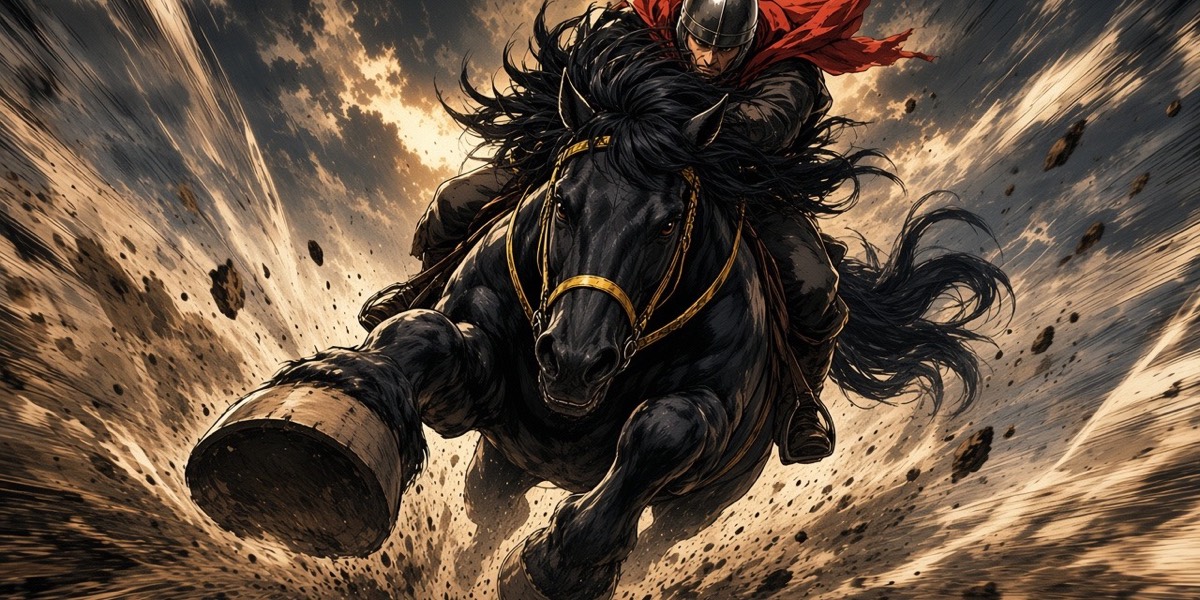
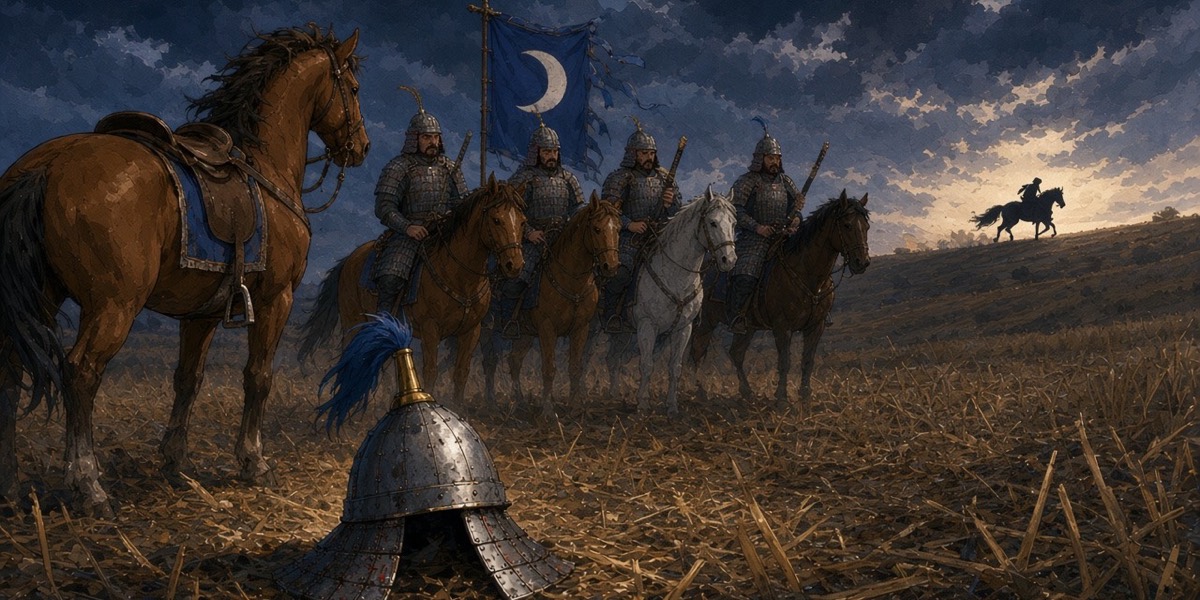
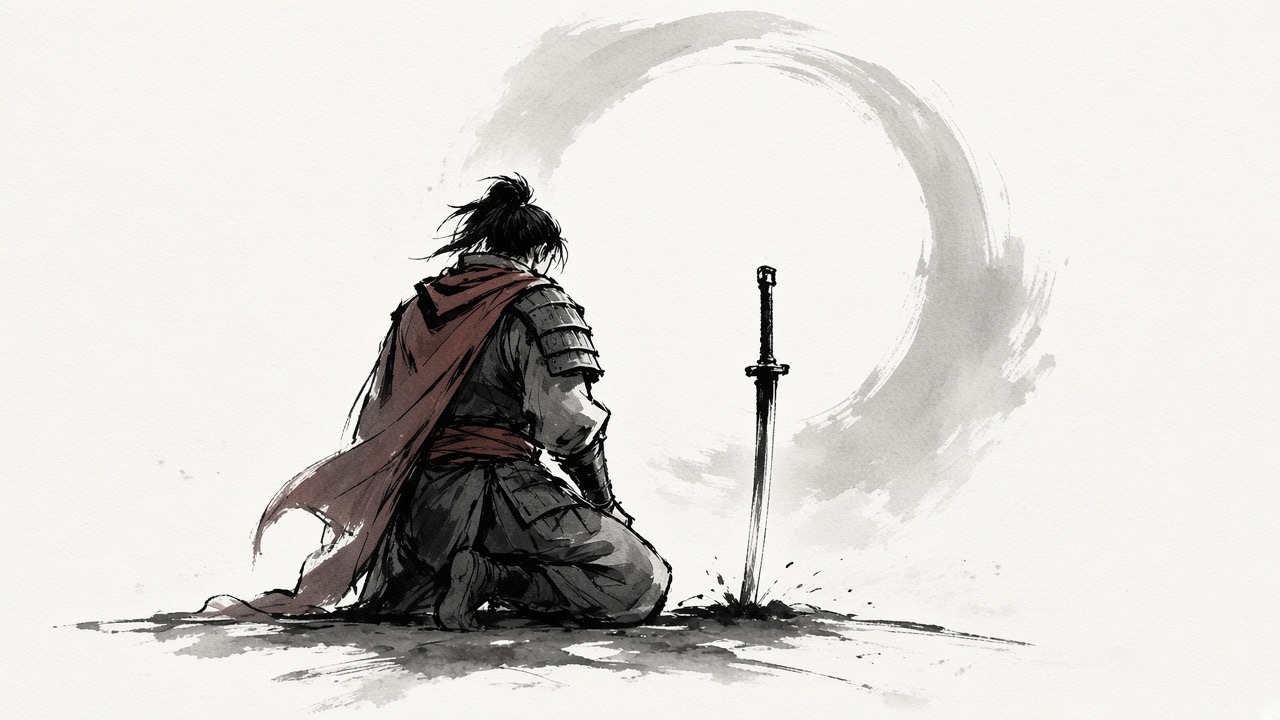
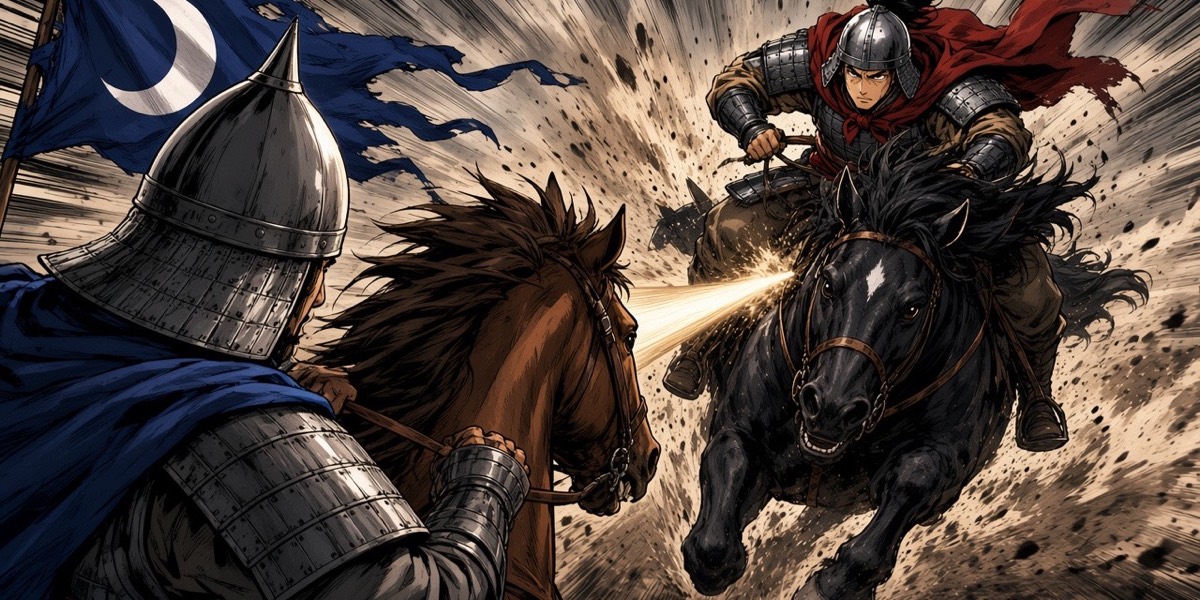
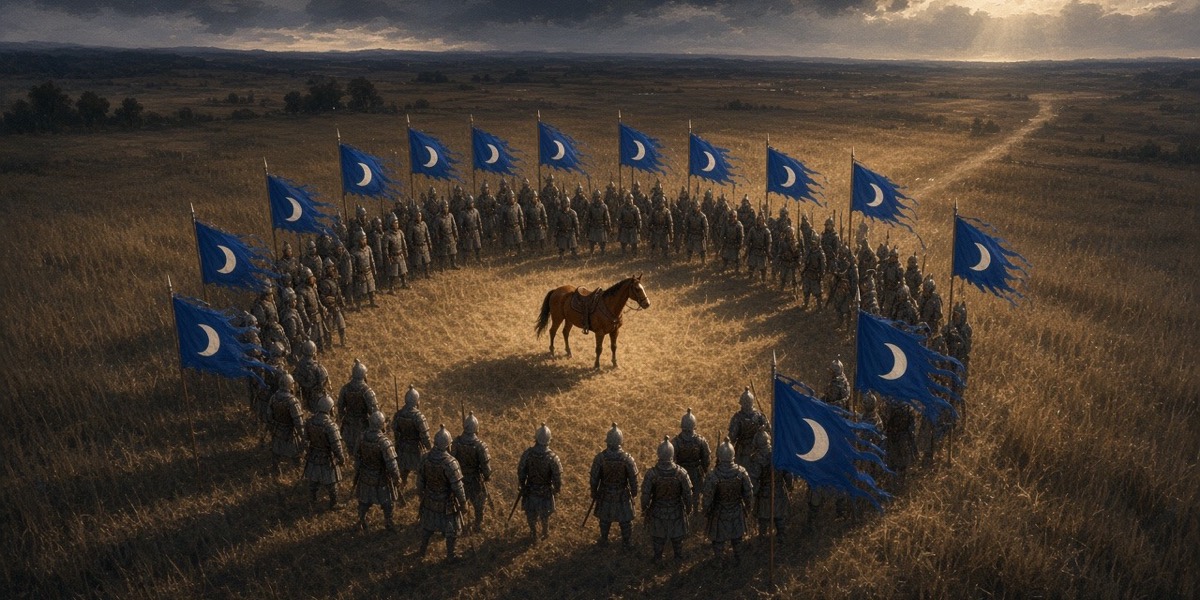
They have watched him work. On the border, earned his nickname mostly one way. He leaves the line to other men and goes looking for the general. His black horse, , is the fastest thing on four legs in . rides him flat along the neck like a thrown knife, the blade reversed along his forearm. The general sees a black shape where the field was empty. He starts to turn his horse, and does not finish turning. One cut on the pass. By the time the escort draws, the black horse is a speck on the far ridge. An army stands in a field with nobody left to tell it what to do.
has no clan. That is the whole problem. He has a wife the king found for him, and a boy and a girl who carry the name the king made up. He took the wife and the name the way he takes orders, and has kept both. A man with a clan can be bargained with: you find out what his family wants and give them some of it. A man with no clan wants only what the king wants, and there is nothing to buy.
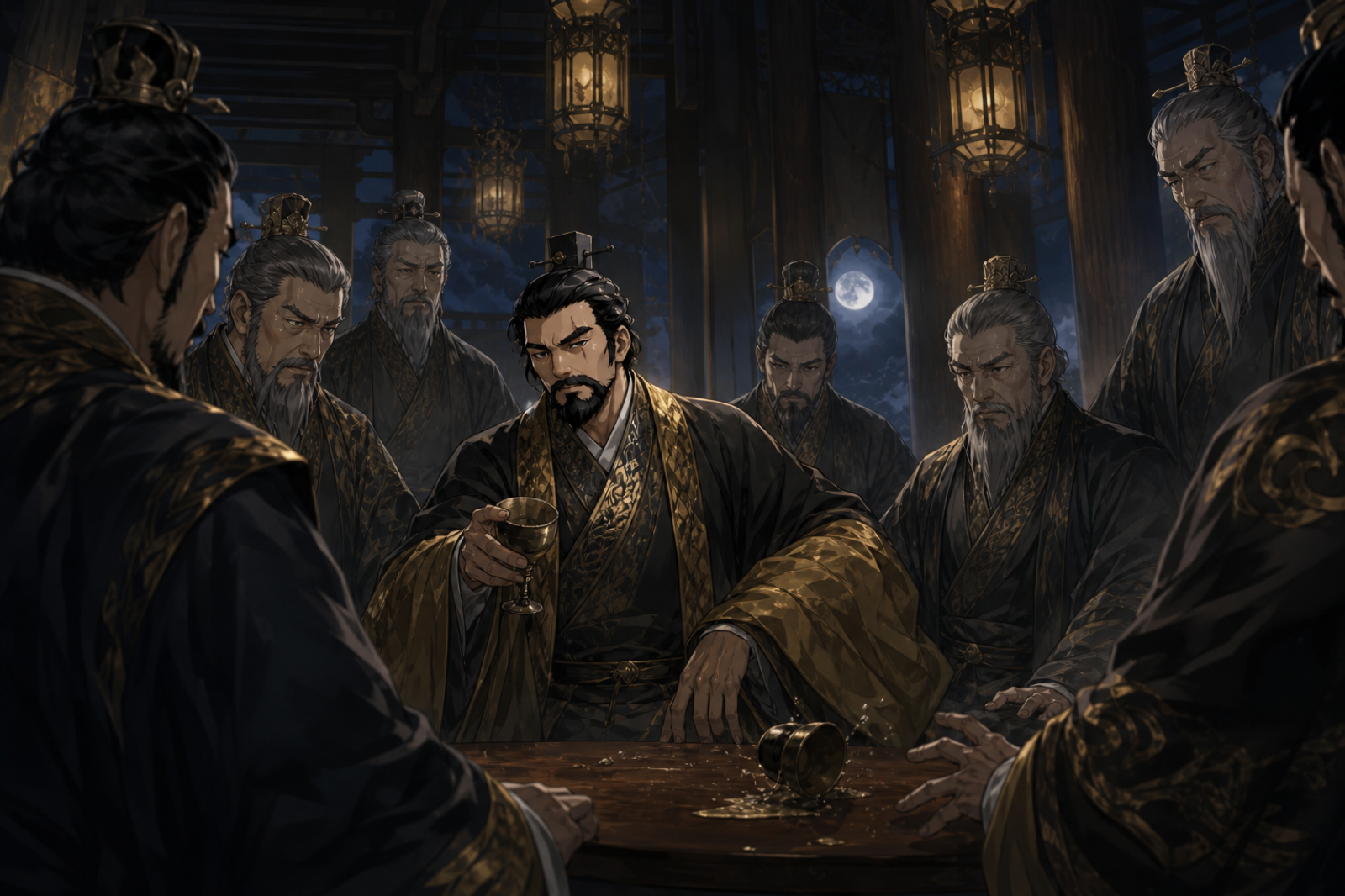
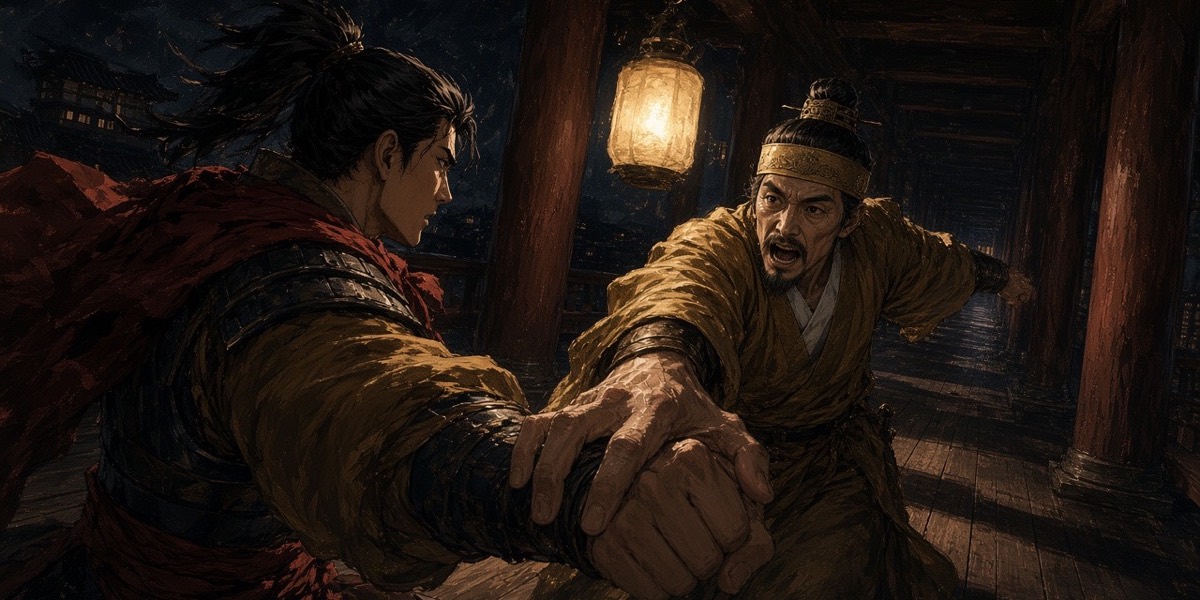
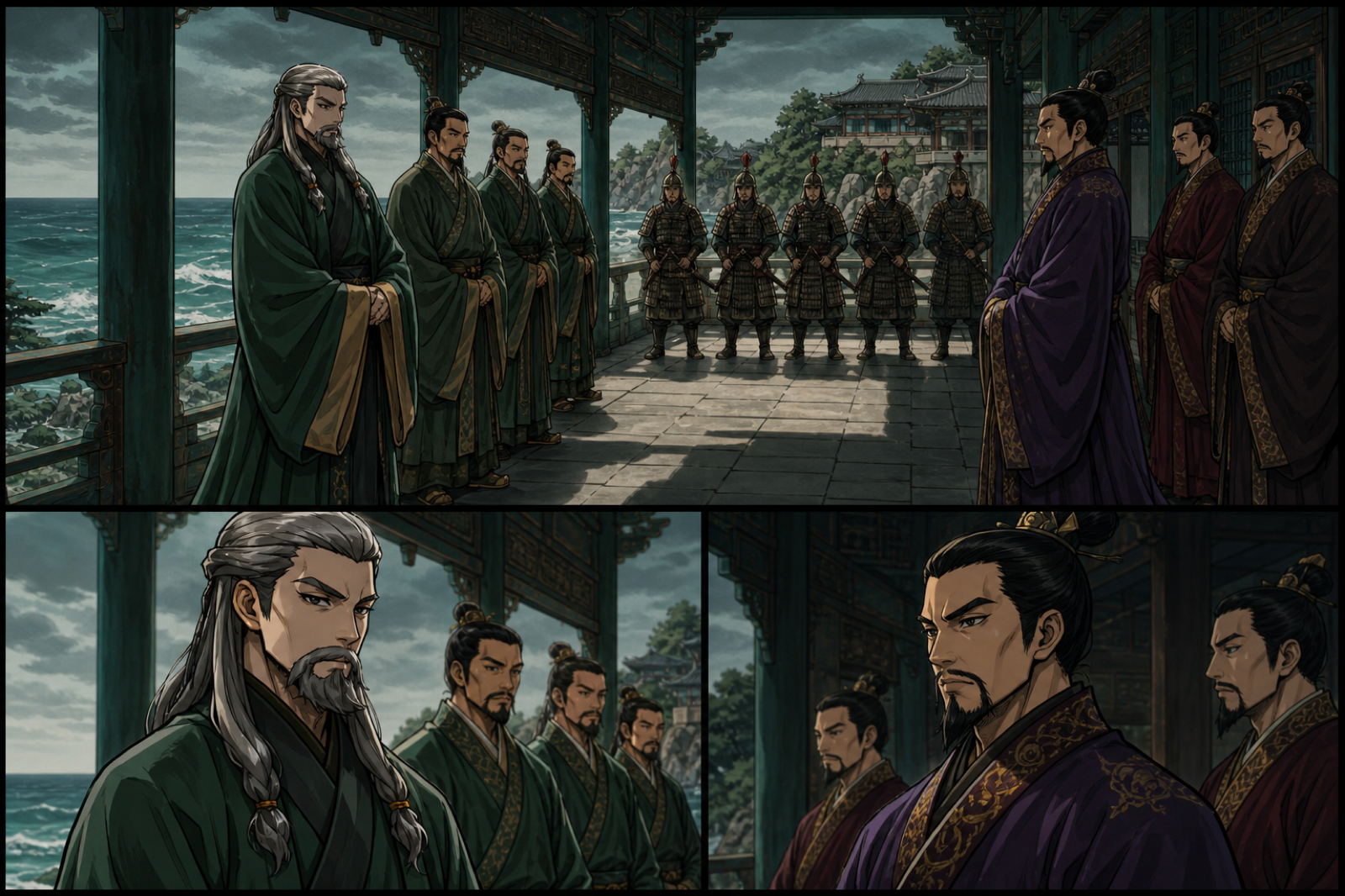
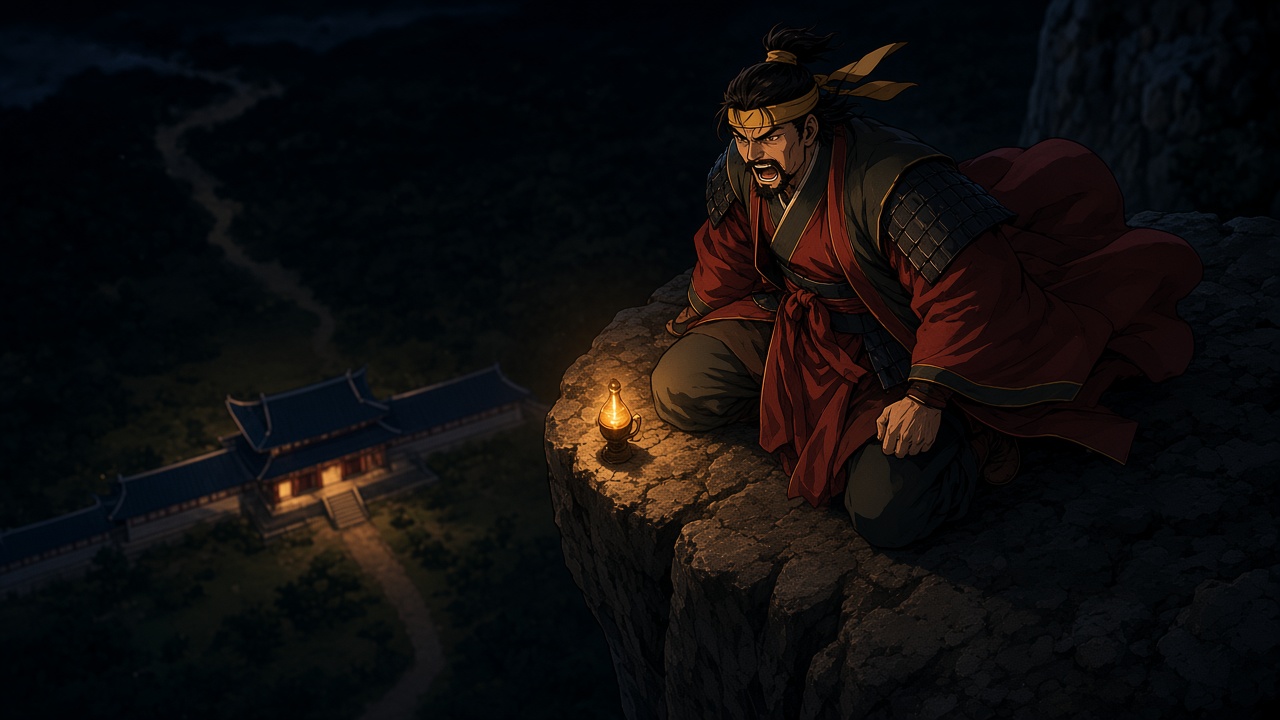
So the two largest houses in meet, which has not happened in living memory except across a body.
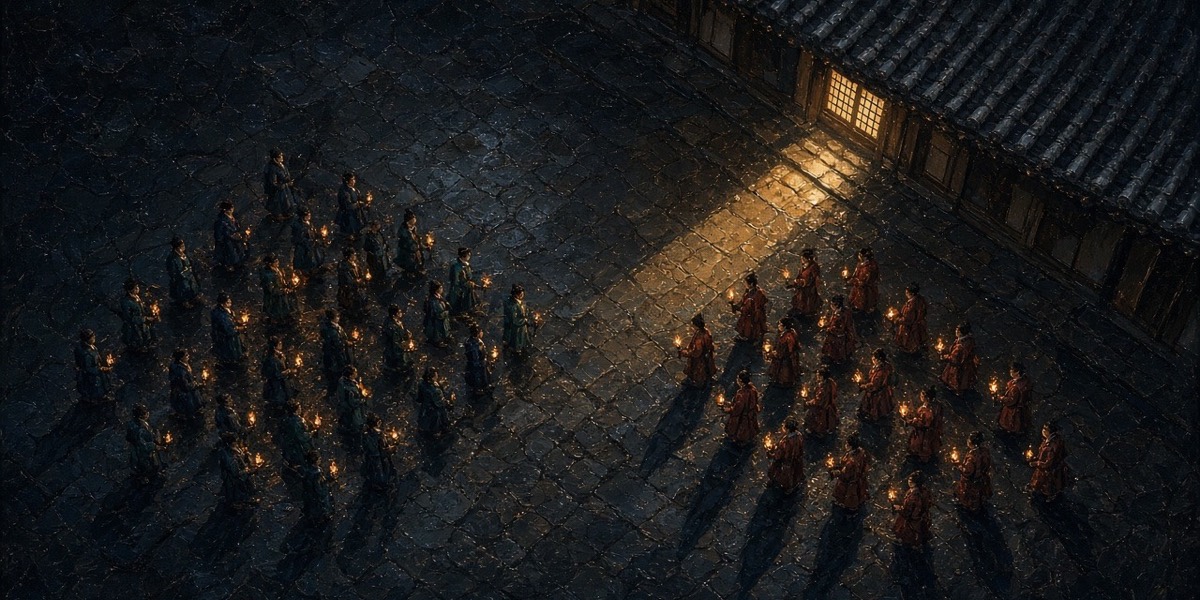
They meet at night, at a monastery that belongs to neither of them, and each brings the same number of men, counted twice at the gate by both sides.
Neither of them apologises. Nobody expected it and it would have ended the meeting.
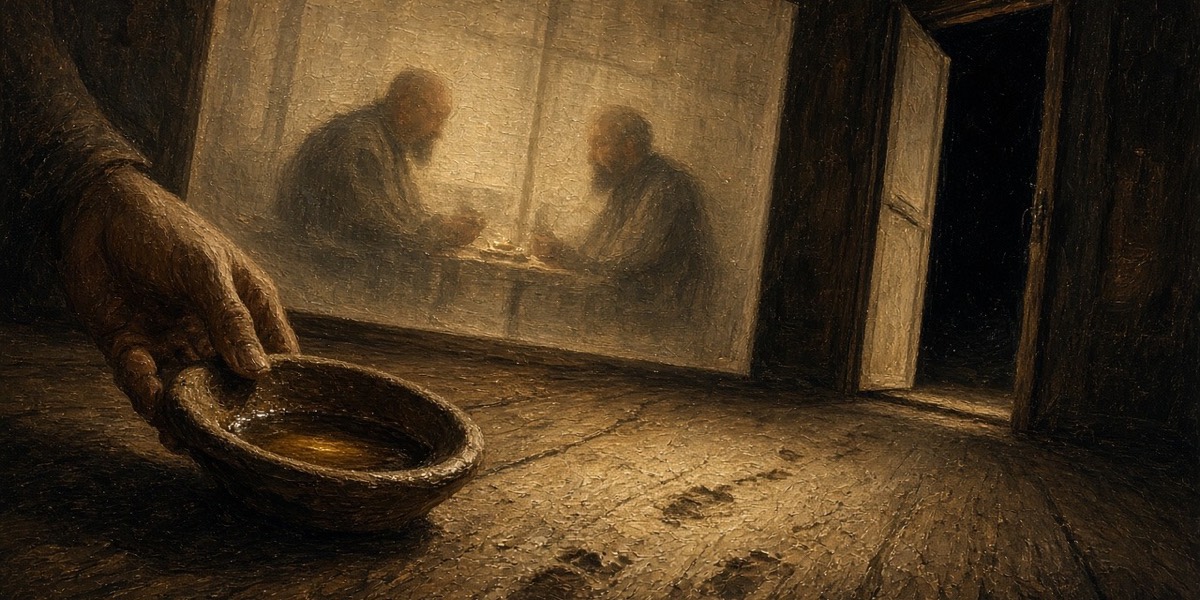
Halfway through the wine, a servant finds a second set of footprints behind the monastery screen — too small for the counted guards, too careful for a pilgrim. ’s man and ’s man look at each other and, for once, do not accuse. Someone is listening for a third house. Or for the king.
It goes quiet. Outside, the two sets of men are standing apart in the courtyard, arranged by habit into the shape of a fight.
They do not say his name at the table. Two houses that have not agreed on anything since before the capital moved agree, in under an hour, on one soldier with no family — and the agreement is written down nowhere, because agreements like that never are.
They try the ordinary way first: they offer him a name. A real one, an old one, the eighth branch of a minor house, papers and a grave-line and ancestors, and a clan chair at the end of it for his son. It is a serious offer, and it is the only thing he has ever wanted.
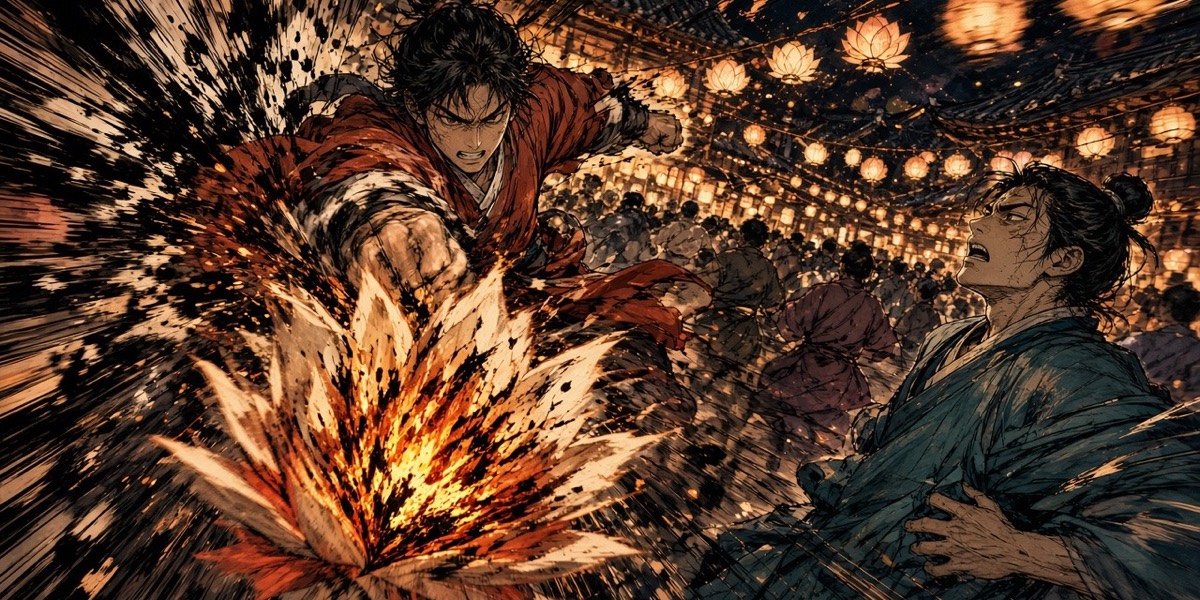
The arrow comes through a tent wall at the drill ground and takes the man standing next to him, who was taller. Nobody is ever charged. The fletching is army issue, which narrows it to about nine thousand people, which is the point of using it.
He stops eating food he has not watched being cooked. He sleeps in a different room each night, which the ministers immediately report to the regency as the behaviour of a man planning something.
One minister comes to see him: , the man at court who asks the questions nobody else will.
The truce holds exactly as long as it needs to. Four generations of blood, suspended for the length of one signature, and both houses will go back to burning each other’s carts before the year is out.
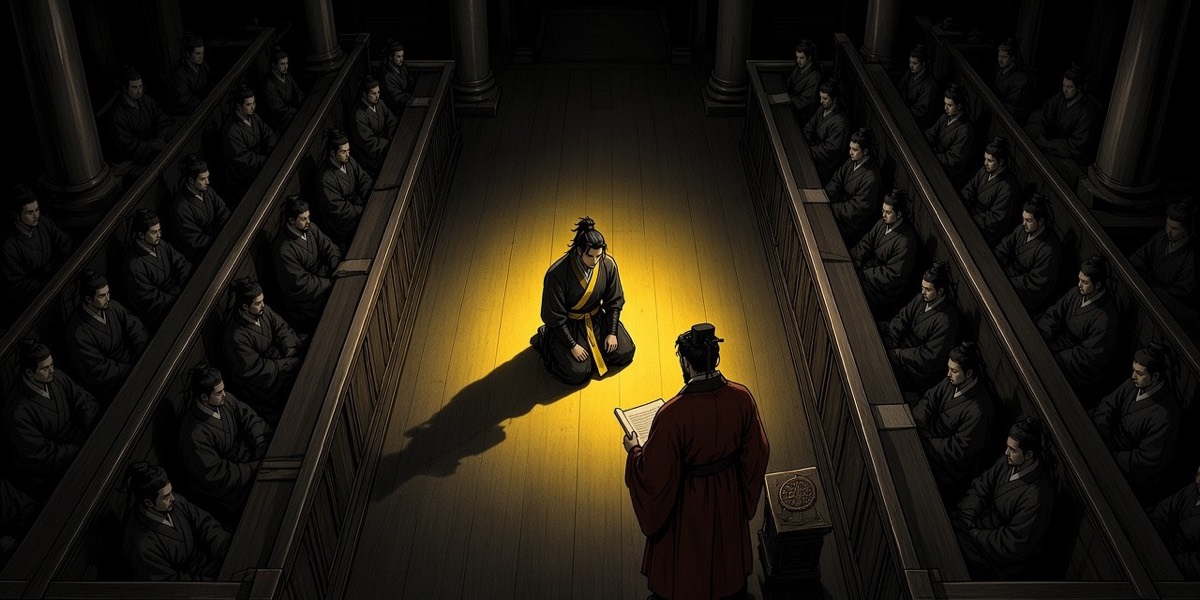
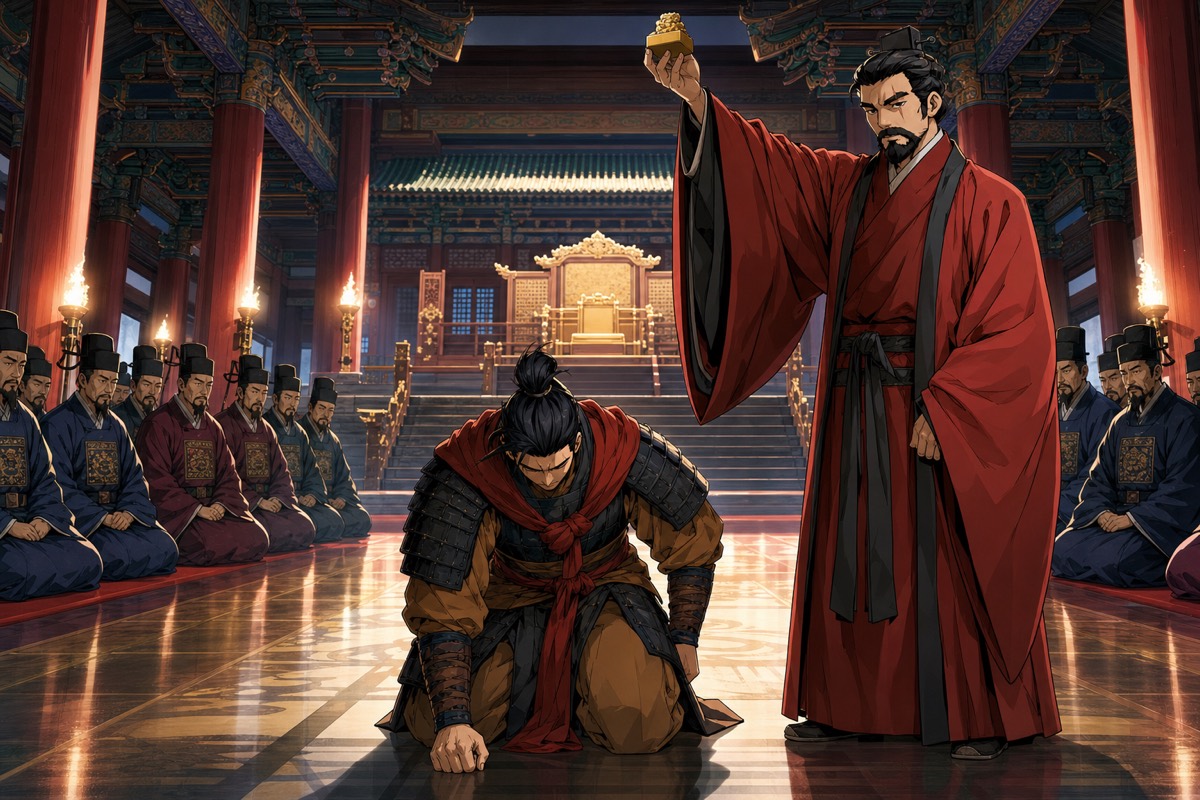
is summoned to the hall and told to kneel, and the order is read out over his head.
The order is genuine. That is the craftsmanship of it. It bears the royal seal, because a king in mourning leaves his seal with the Assembly so that the country does not stop, and the Assembly has had it for four months.
It is read with the king’s formula and the king’s seal, but not in the king’s voice. holds the Assembly’s borrowed stamp.
Remember the young who just called it His Majesty’s will. He has small feet, and he walks very carefully. He will say worse things in His Majesty’s name, later, to a much bigger king.
Nobody answers him. He is correct, and it is not the kind of correct that helps.
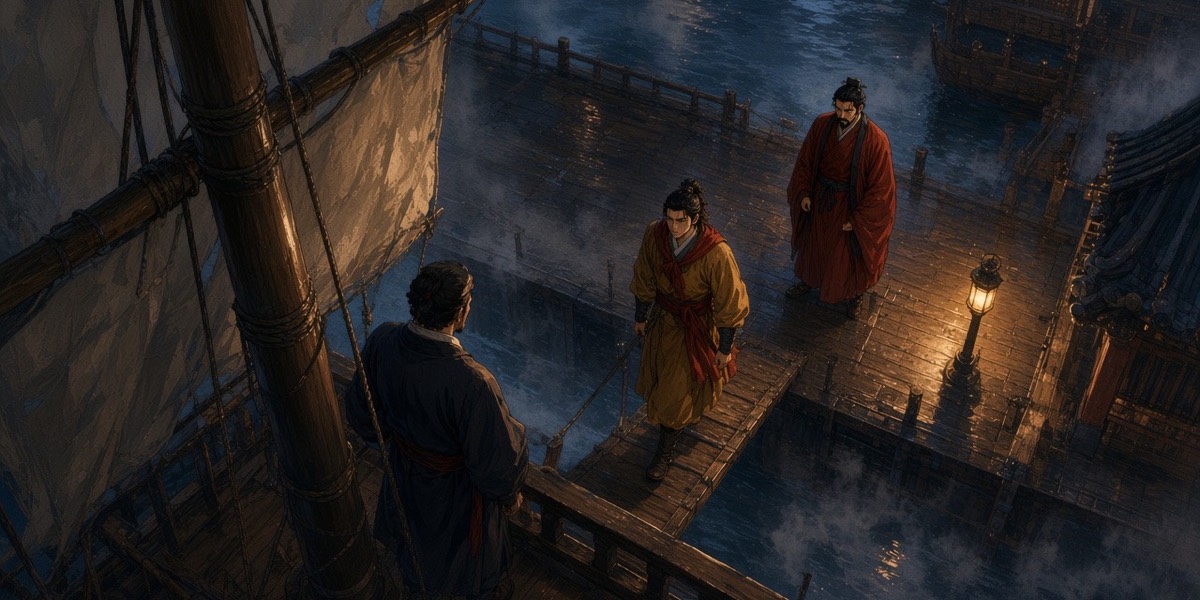
He is put on the boat the same afternoon. water at the berth; a winter contract in the captain’s sleeve. Even exile borrows a clan harbour.
His wife is at the berth with a bundle and both children. Nobody sent for her. In , news of a sealed order travels faster than the order.

The boy asks if Father is going to war. says no, because it is not a war. It is the only question all day he can answer exactly.
In , the order comes back to the king that evening, to be filed. That is the insult. His own seal sits at the bottom, a little crooked.
laughs first, the way he always does. Then he makes the minister say it again.
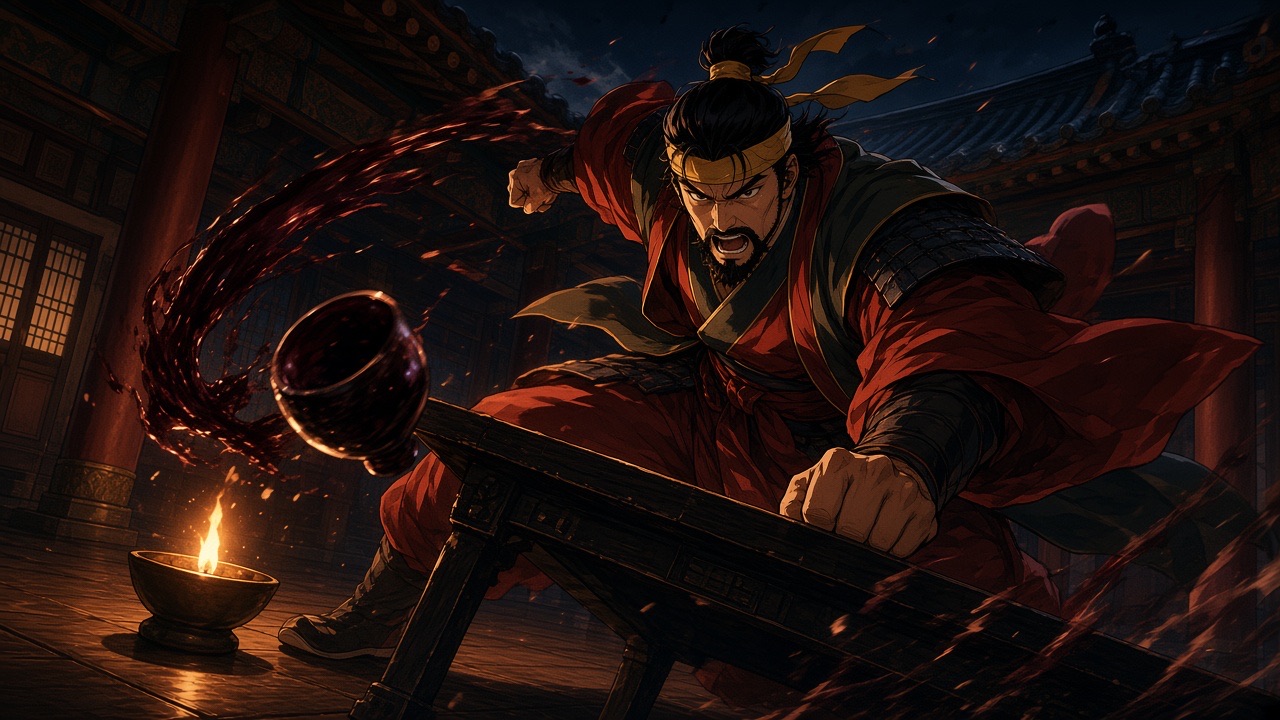
He calls the assembly the way a gambler calls a final hand — smiling, sleeves perfect, already knowing which tiles he slipped into the set.
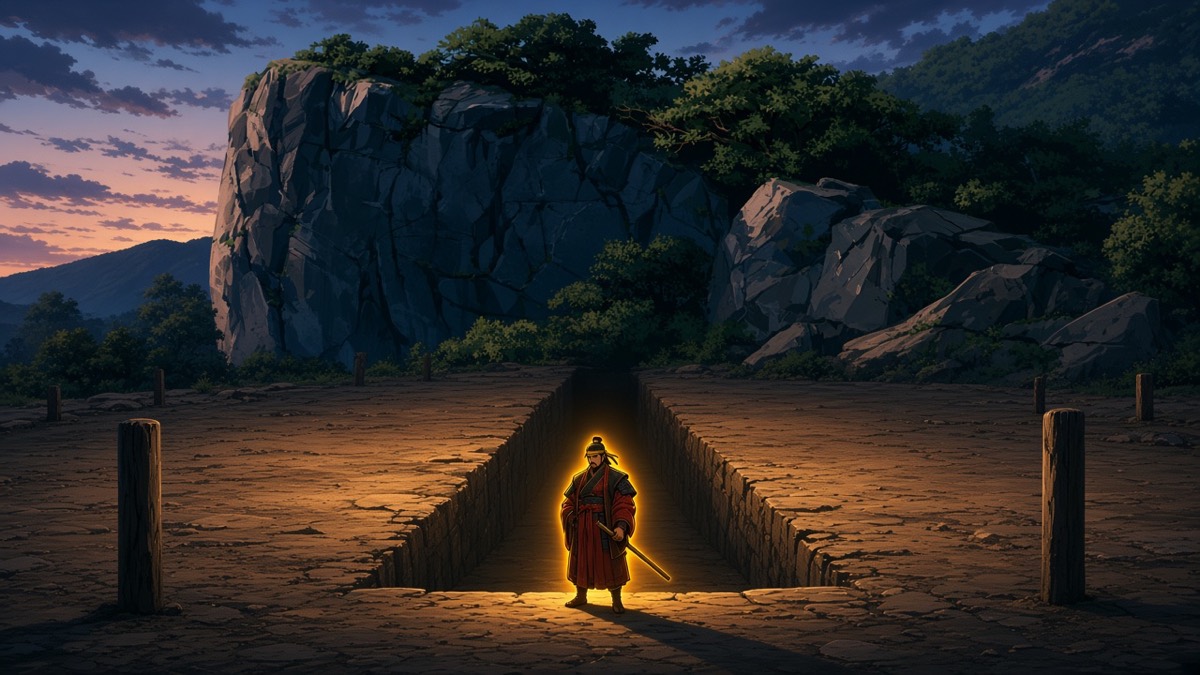
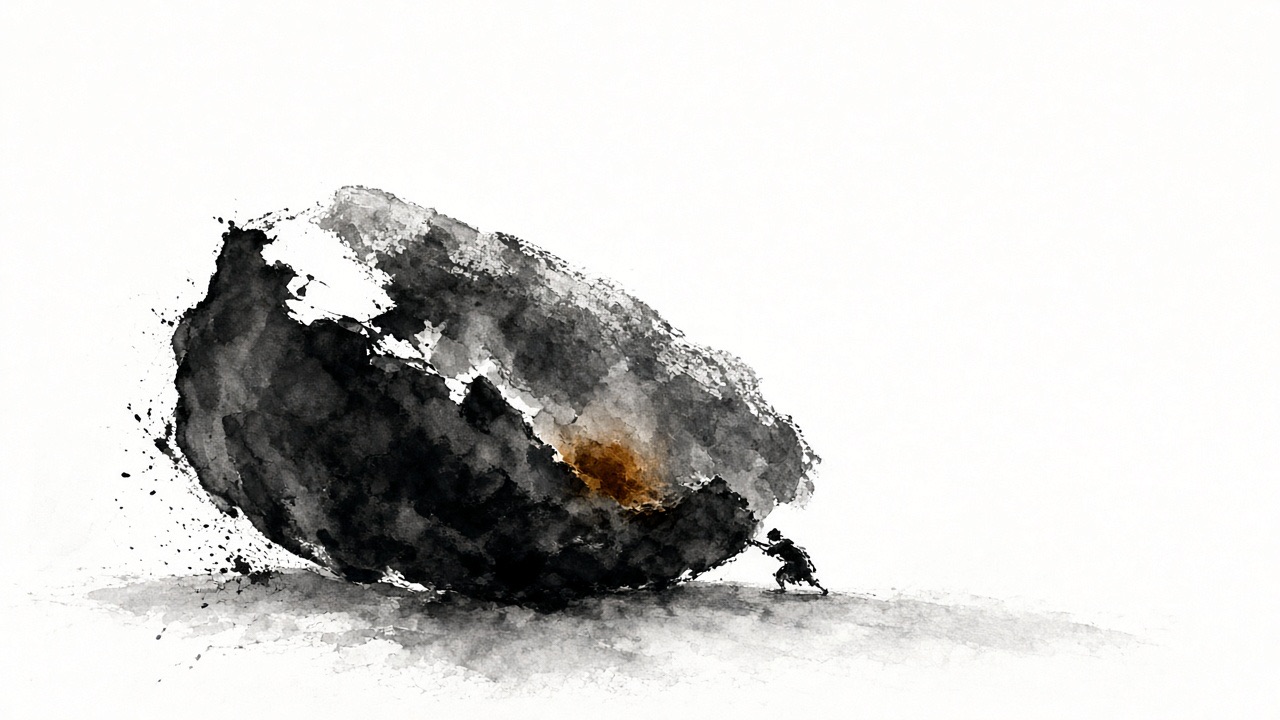
Mourning ends at dawn. By breakfast has called the to the Rock of Politics. The rock is dry. Someone forgot the brine, or remembered it and chose not to.
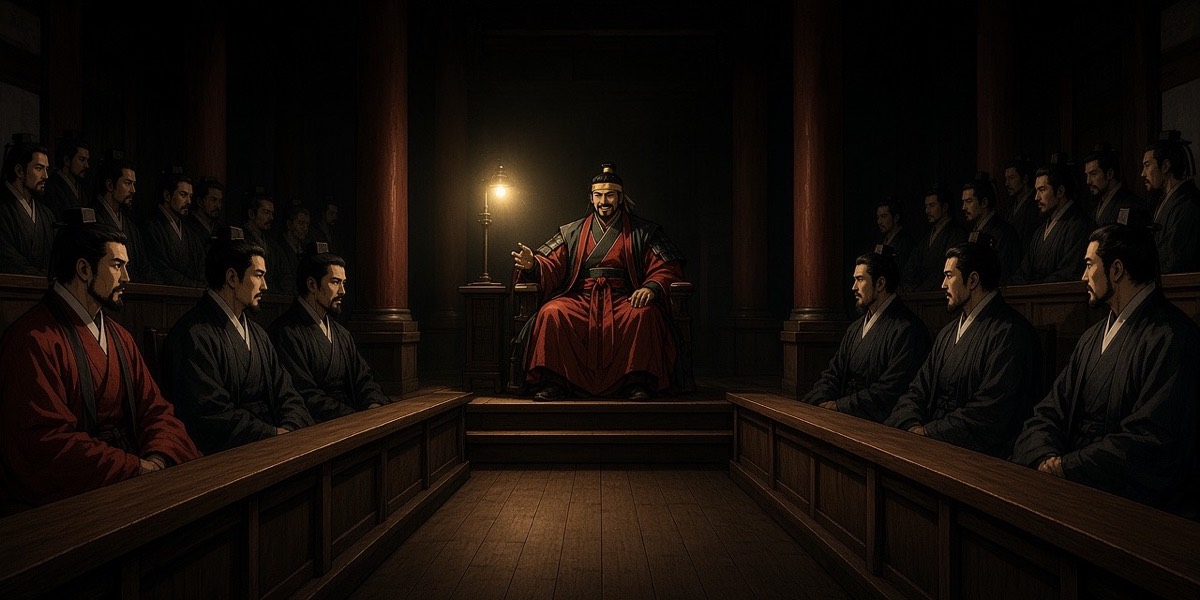
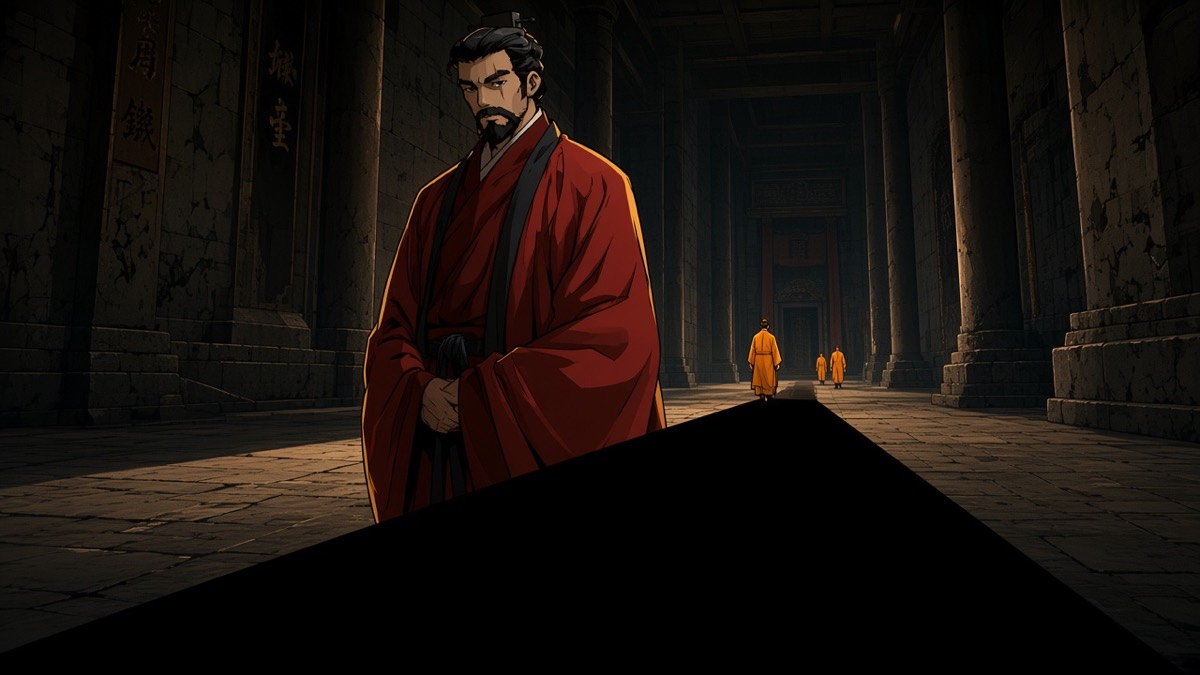
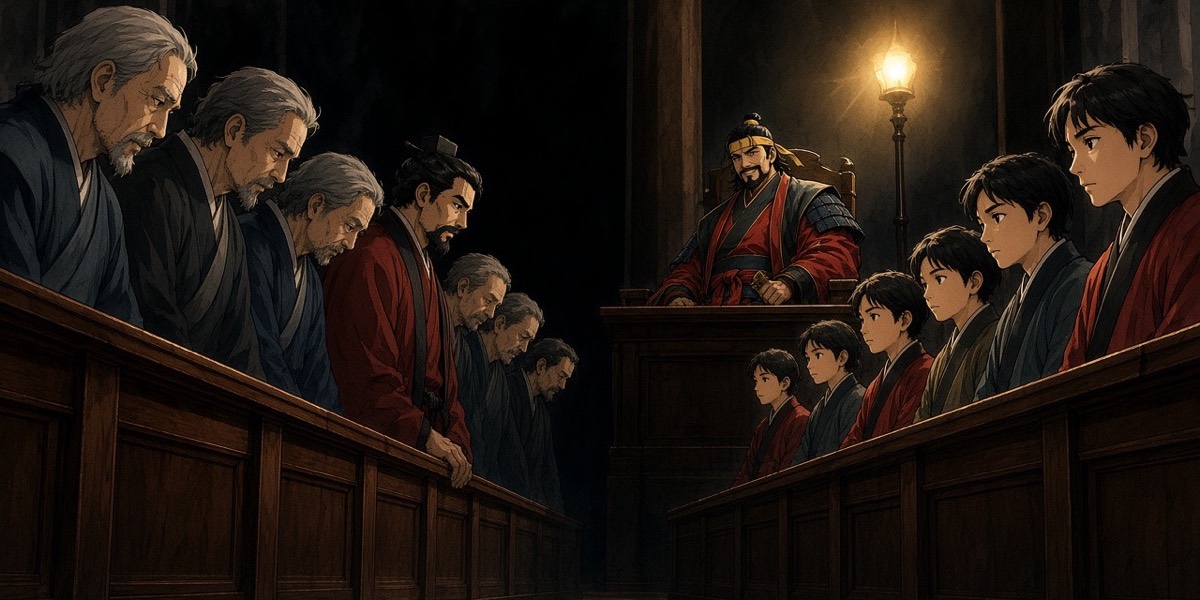
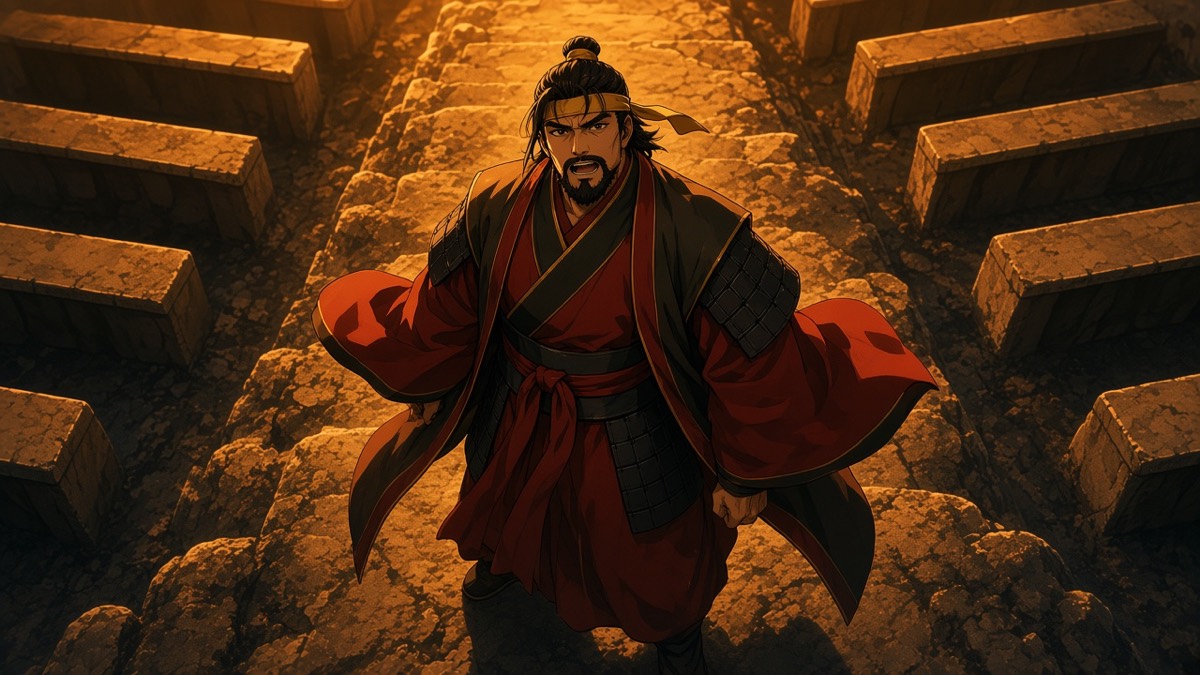
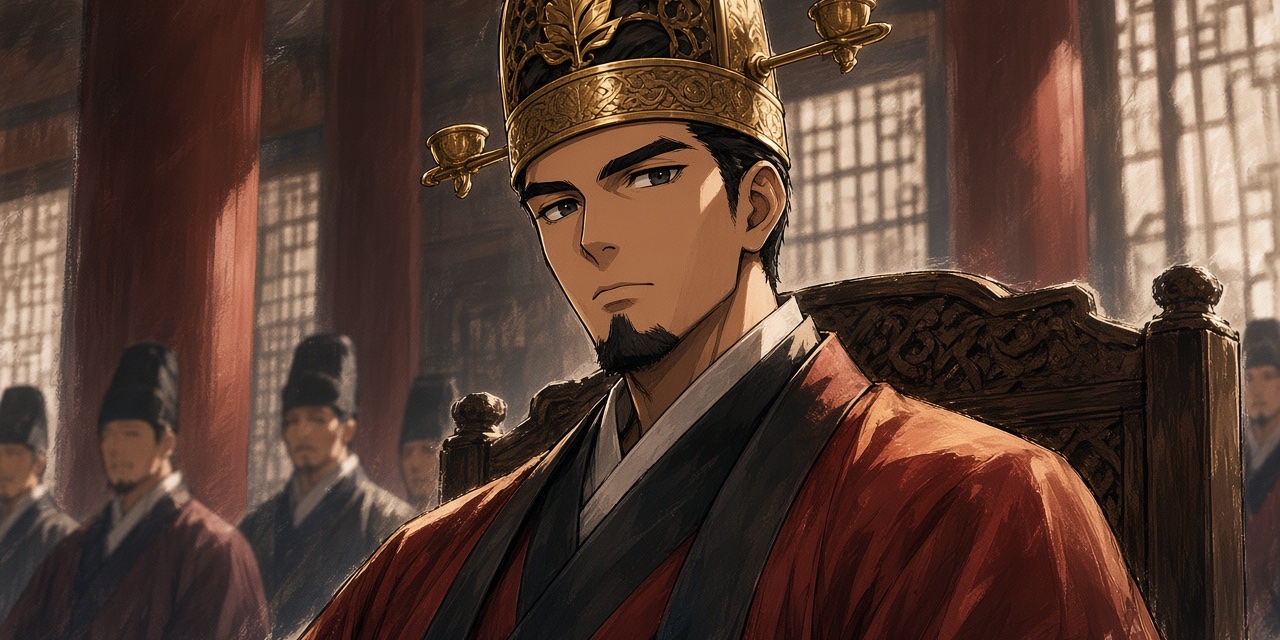
Look at the room while it still looks like this. Eight senior benches, one to a great house. Four generations, the same eight houses. and sit highest. The ’s chair belongs to , the way the brine does.
The queen is not on a bench. She is behind the screen at the king’s left, which is not a bench, and that is the point. He looks at the screen once. Then he smiles at the eight houses.
Eight senior benches, eight houses, and a Satek in the Prime Minister’s chair.
Somebody coughs. Nobody looks at the rock. On the bench a young man leans to his elder and whispers, loud enough to carry two benches over.
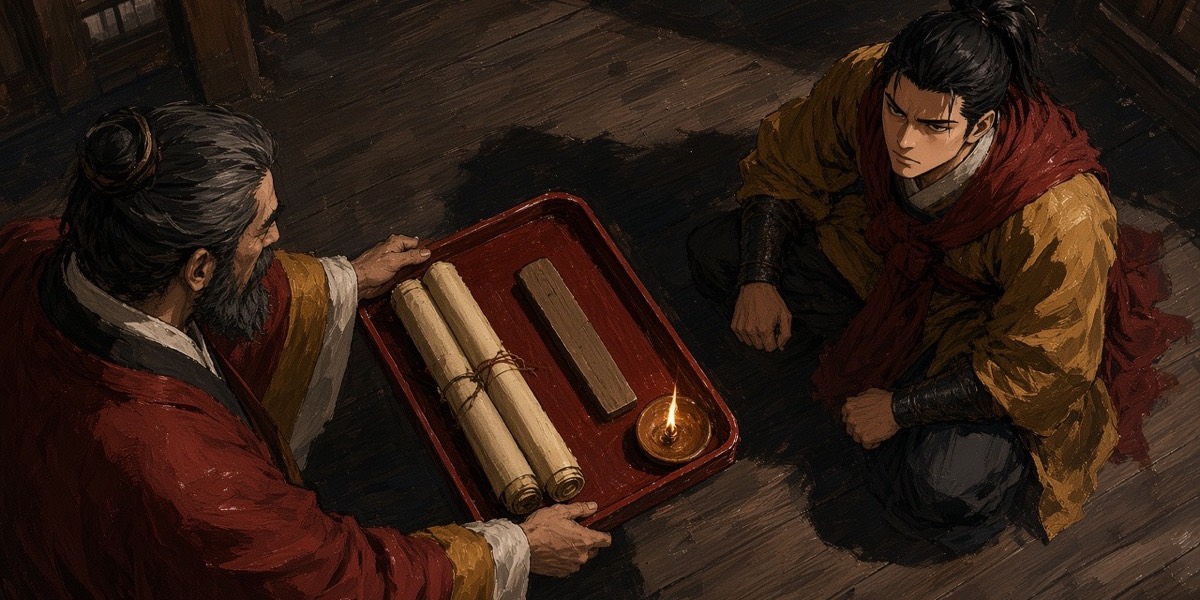
Then he unrolls a second scroll — shorter, denser, the kind of law that fits on one sheet because the power is in what it erases. The clerks name it before he does: the Law to Remedy the Distress of the People and the Country.
Nobody chooses war out loud. Choosing peace means raising a sleeve for the scroll, and for a long moment nobody does that either. Then a sleeve goes up on the bench. It belongs to , the young man who was whispering about wet ink.
The old men try to rally, calling in four generations of favors. Too late. The other houses, the ones kept out of the light for a century, raise their sleeves one after another, delighted. Some are already paid. Some are already afraid. Some are the king’s own sons, waiting in the corridor.
A face-off only works if you know your opponent’s style, and has spent twenty years teaching them his. They lined up for a duel. He had already changed who was sitting.
names forty-one of his own sons to the Assembly, firing every single existing member. Eight houses spent four generations sharpening tricks on each other. Marriages. Roads. Clerks planted in rival counting-rooms. In one morning the king clears the board. He simply changes the pieces. By noon nobody has an answer.
is named . His own clan watches him walk to the chair. The Enabling Law did not abolish the chair. It only changed who sits in it.
The same benches. Every one of them a son.

Forty-one sons need forty-one seats. None goes to the Ye family. They have held for four generations and never once been asked to court. reads the list at home, twice. Then he puts it in a drawer.
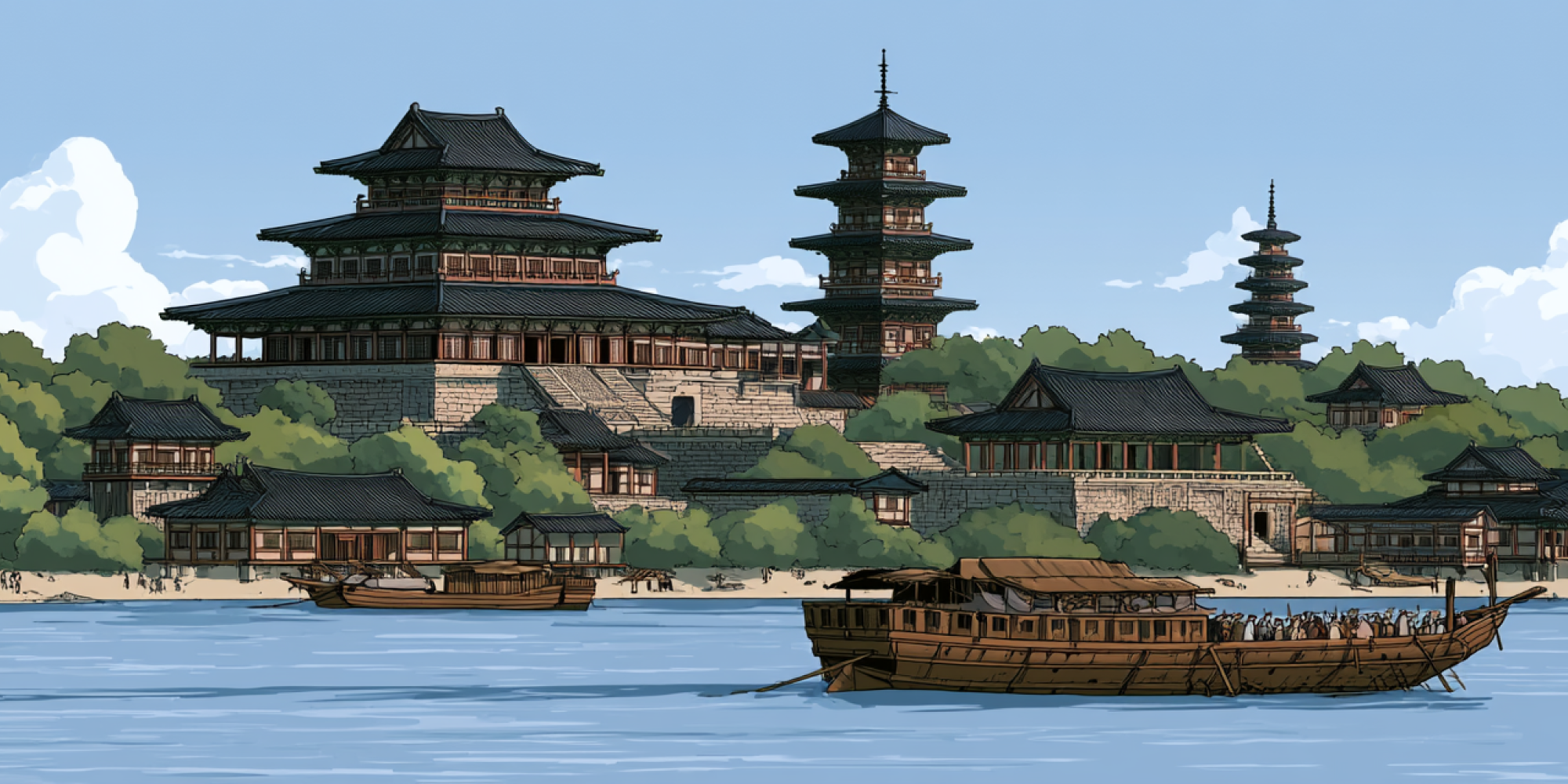
Then he hands out the quiet money that really runs . Harbour warehouses. River pilot fees. The stamp a ship needs before it sails east. The martial law was the noise. The stamps are what change.
He cannot do what did. would not forgive it, and more to the point, he would not. He does not need a banquet. He needs a majority that looks like kinship.
There is one more chair that is not a chair. The crown-prince mark has sat on ’s forehead since the boy could walk — tutors, berths, inevitability. has been counting the cost of it the way other men count harvests.
comes forward before he is called, which is the most thing he has ever done. Behind the screen, says one word — the way she ends all bargains.
bows to his father, to his brother, to the screen — three bows, three depths, the tutors watching their eleven years walk out. That night the tutors are dismissed. The resentment stays, and it starts learning to count in a new currency.
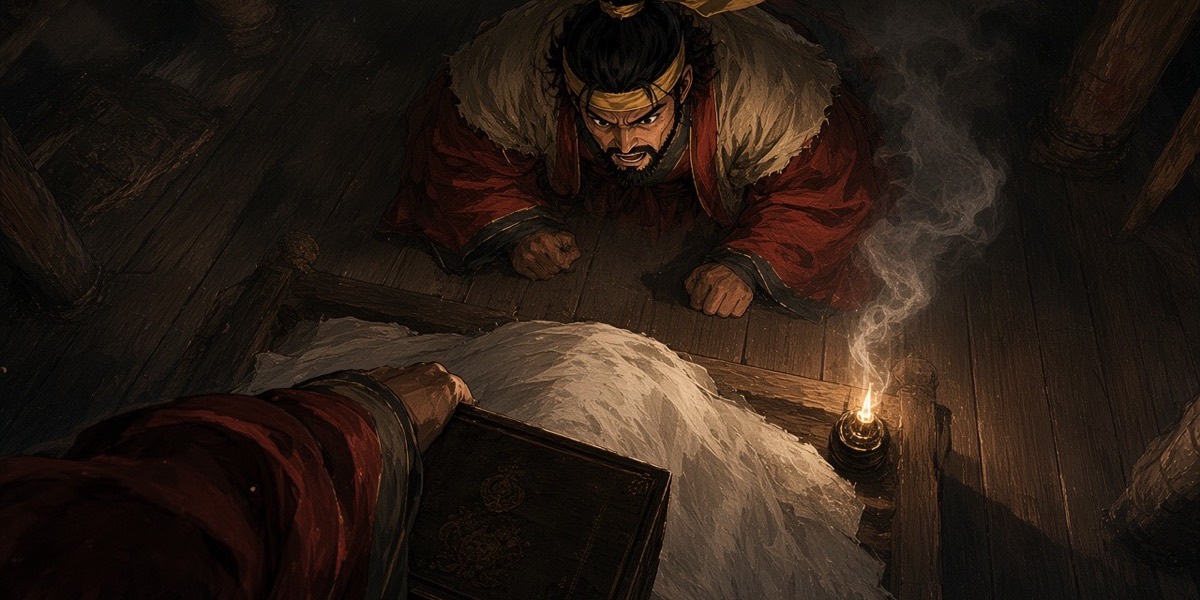
That night he writes one letter himself, with no clerk in the room. It is short, because the man it is for cannot read. A boatman will have to say it to him aloud.
He folds the letter into his sleeve. It will stay there a good deal longer than a month.
Eleven of them by morning.
Months later, the new is in , talking too much. A spy who learns his trade that well rarely works for only one house.
He beat eight houses in one morning. Now he can’t sleep. In his dreams, somebody keeps counting…?
