





Chapter 47

Muryuk



AI Summary
- The Golden Gaya palace Before dawn the king gets his three sons out of bed and walks them down the long hall in their sleeping clothes.
- Into the Helm He grows into the helm.
- The pines above the ford He comes in behind a pine, close enough to hear, and stops.
- The road to Surabol He is the youngest of three sons in the cart, and the only one who looks back.
- Treasury Count In Surabol the treasury is counted, the crown is set on a cushion, and the three princes are lined up before the dais.
- First Winter The house Silla gives them is a good one, two lanes below the Moon Palace.
- House Gate By spring the Gaya people in the city have found the house.
- Harmony Council Silla is run by a council of great lords who all have to say yes before anything happens.
- The Oath He keeps the oath.
- The Night Road Muryuk rides the cut with Silla’s commission folded inside his helm.
- Great Gaya Thirty years on, the cone is still on his head and Silla is still shopping.
- The Cut Rope That night he goes looking for the boy.
- Characters
Episode· 532
Muryuk
A king promises his youngest son everything the sun touches. Then Silla comes shopping.
- Kim Muryuk
- Kim Guhae
- Sadaham
- King Buphung
- Kim Seohyun
- Kim Noribu
- Kim Muduk
- King Sung
- Mugwan
5 stills without a cue
promised his youngest son a kingdom. It seemed a safe promise. He had one.
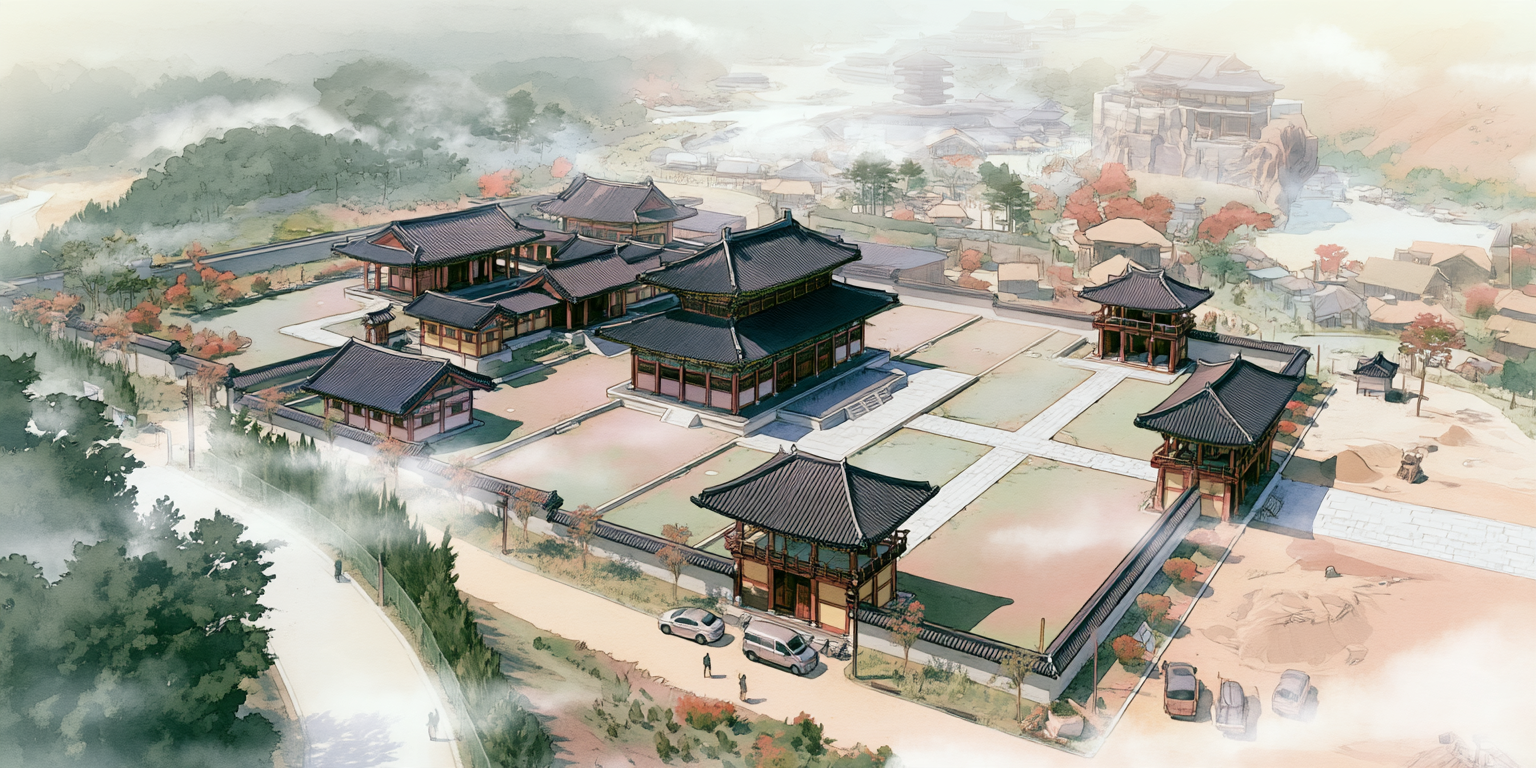
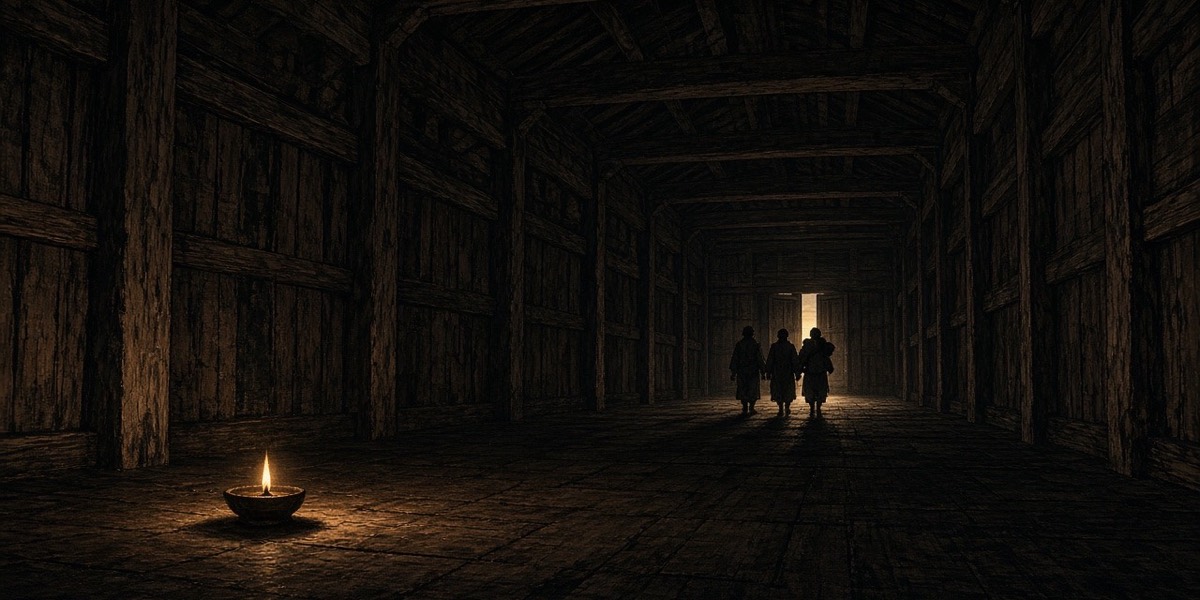
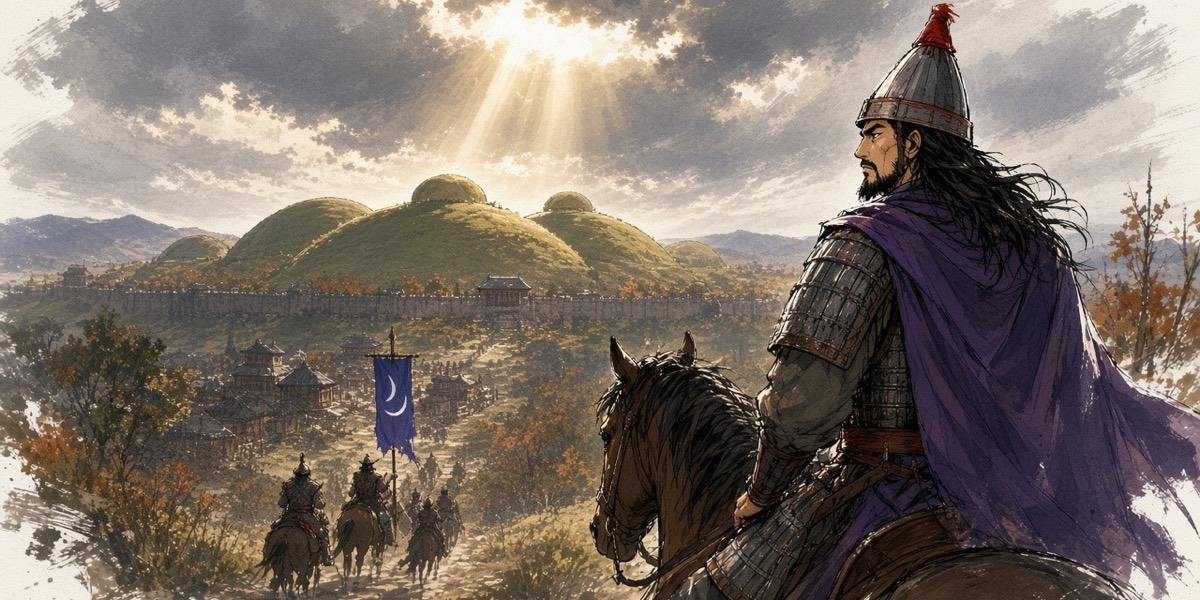
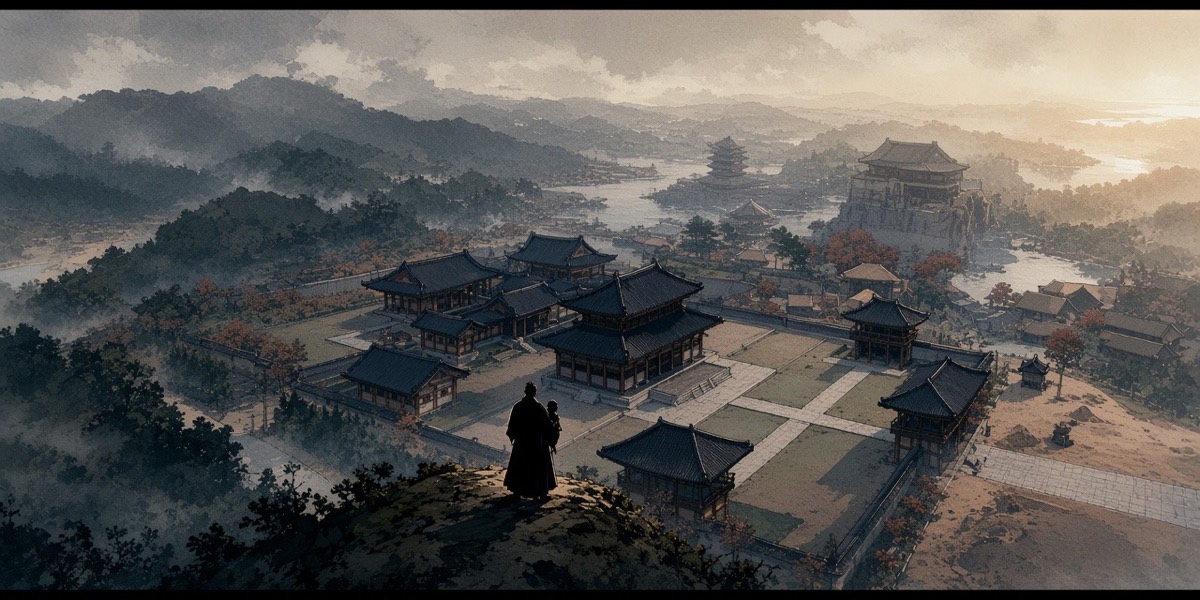
Before dawn the king gets his three sons out of bed and walks them down the long hall in their sleeping clothes. The youngest he carries. The walls are painted from floor to rafters. In the dark they are only shapes. The king has timed this. He opens the east doors, and the sun does the rest.

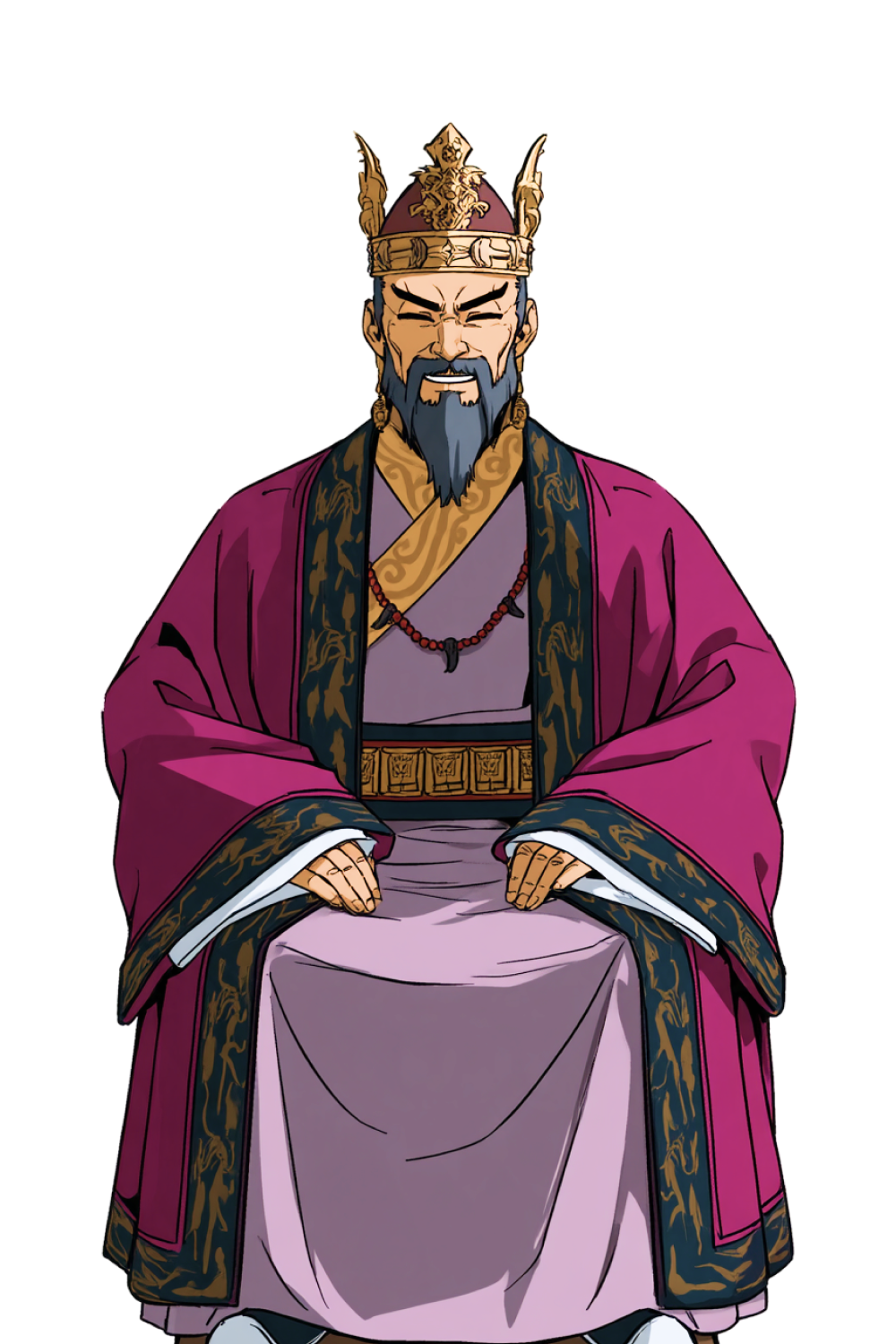
The light crawls along the wall. Nine chiefs on a hilltop, singing. A purple rope coming down out of a cloud, and on the end of it a gold box.
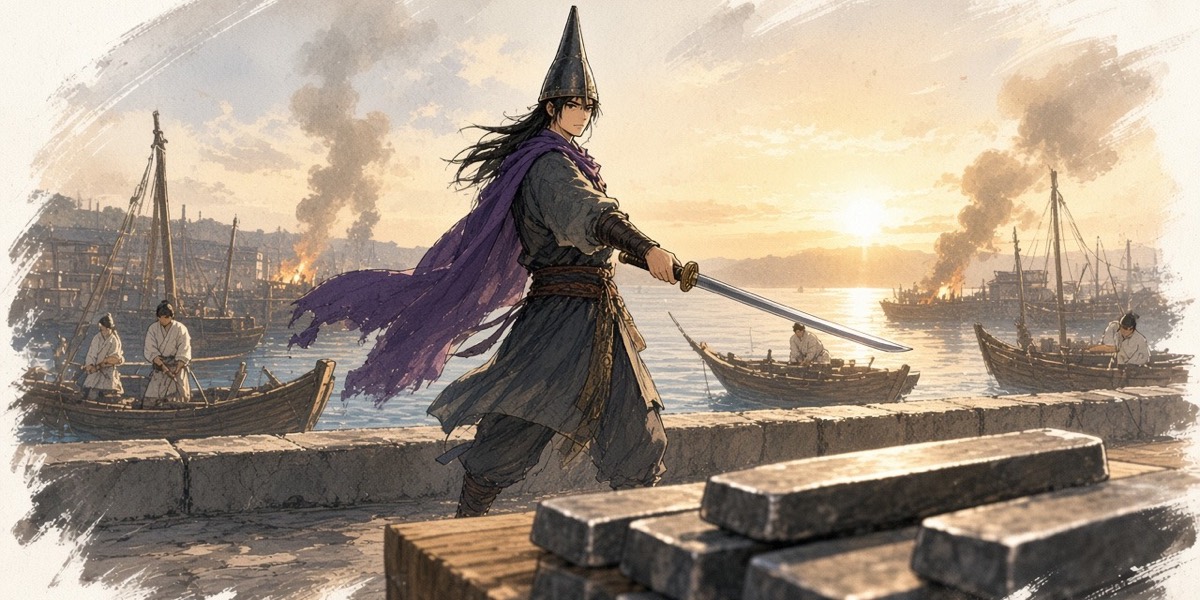
The sun reaches the end of the wall, where the plaster is still bare. The king sets the boy down on the threshold and turns him to face the harbour. Ships. Smoke from the iron sheds. The hills behind.
He has made the same promise to all three sons. is a small country, and its kings are generous with it.
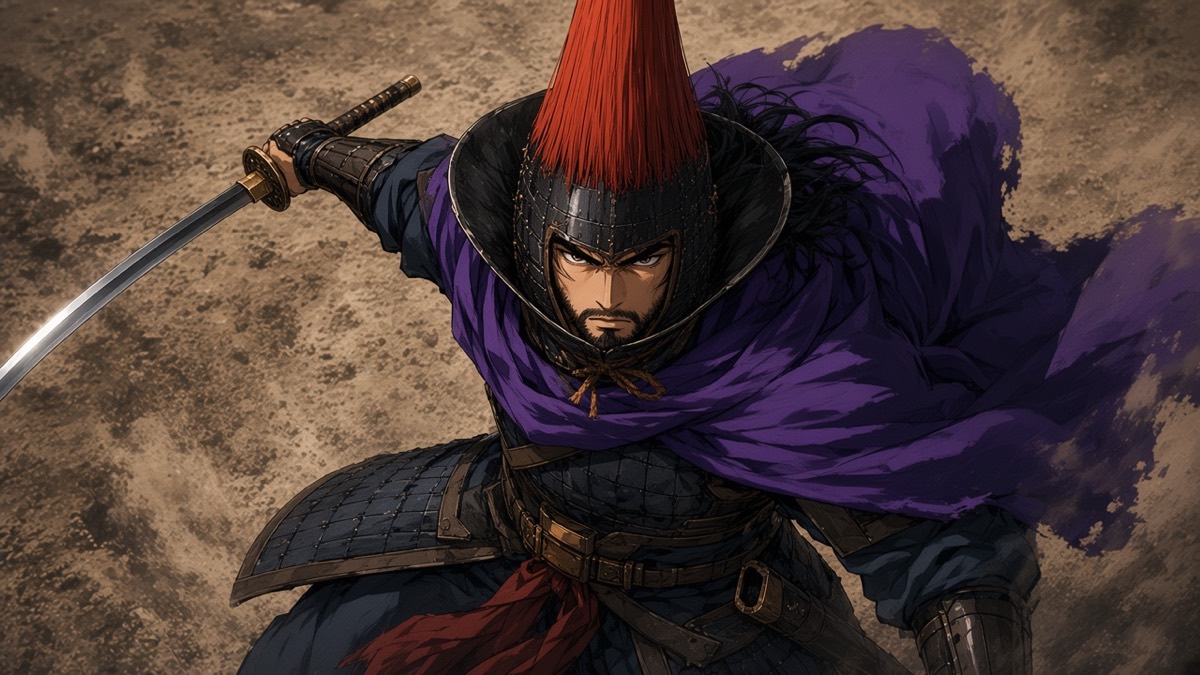
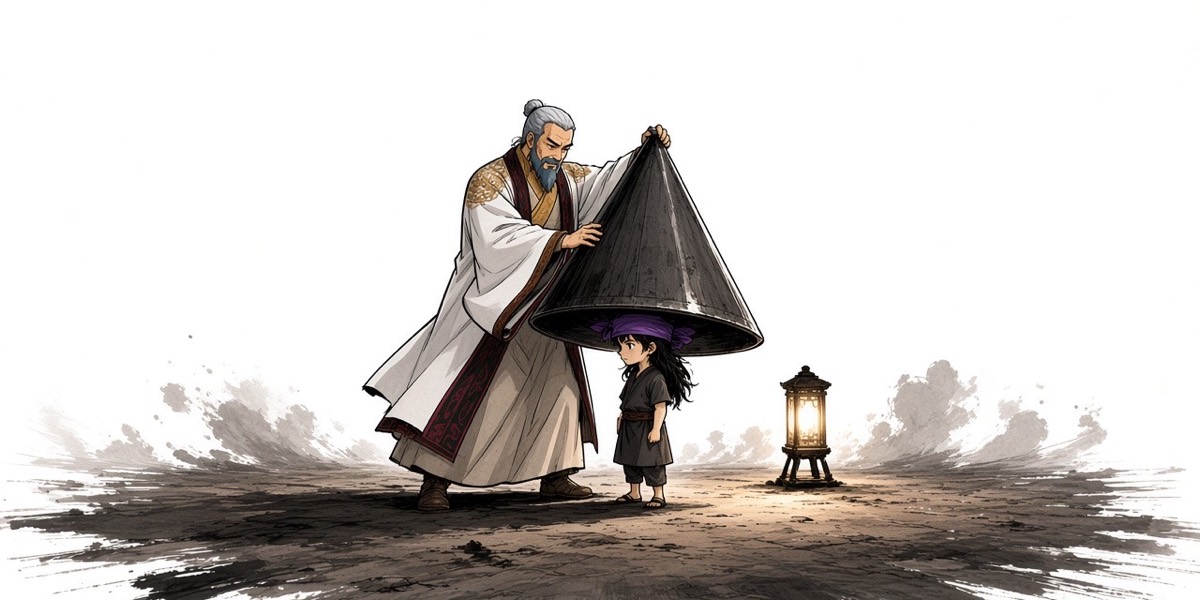
Then he lifts his own helm off its stand, the tall cone with the iron plates, and sets it on the boy’s head. It comes down over his eyes.
His name was .
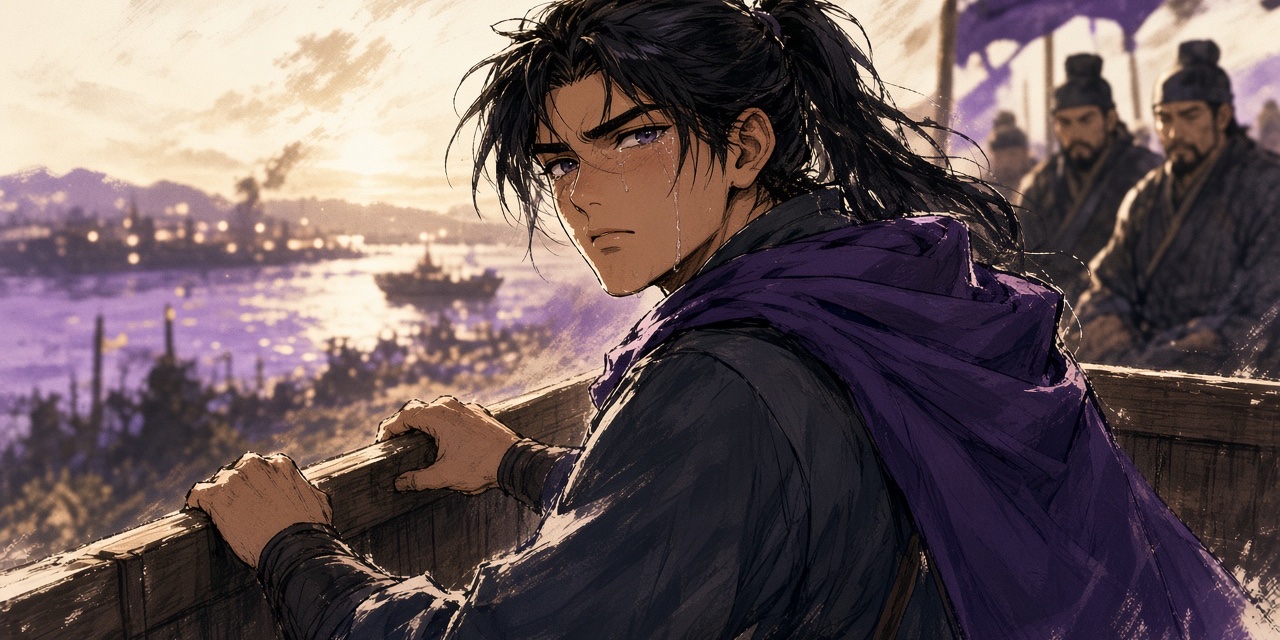

He grows into the helm. He learns the six eggs in order, the price of iron at the harbour, and which lord takes his bribes in bolts of silk. Mostly he learns the sword, because somebody has to look after all of it. prefers the ledgers. prefers whatever prefers.
Every dawn the old arms-master knocks him down in the yard. Every dawn he is up again before the man has finished turning away.

On the gate tower the king watches with his hands behind his back and does not come down. Kings are not supposed to have favourites. He has one.
For five hundred years the people of lived by iron and by six eggs, and they enjoyed great peace. Then came shopping.
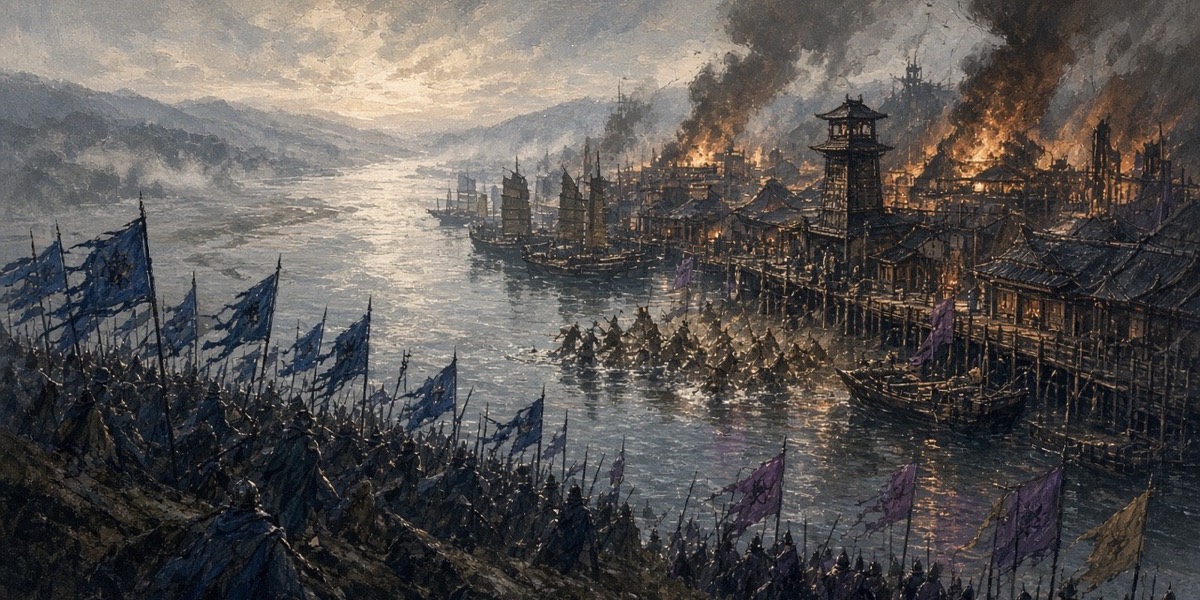
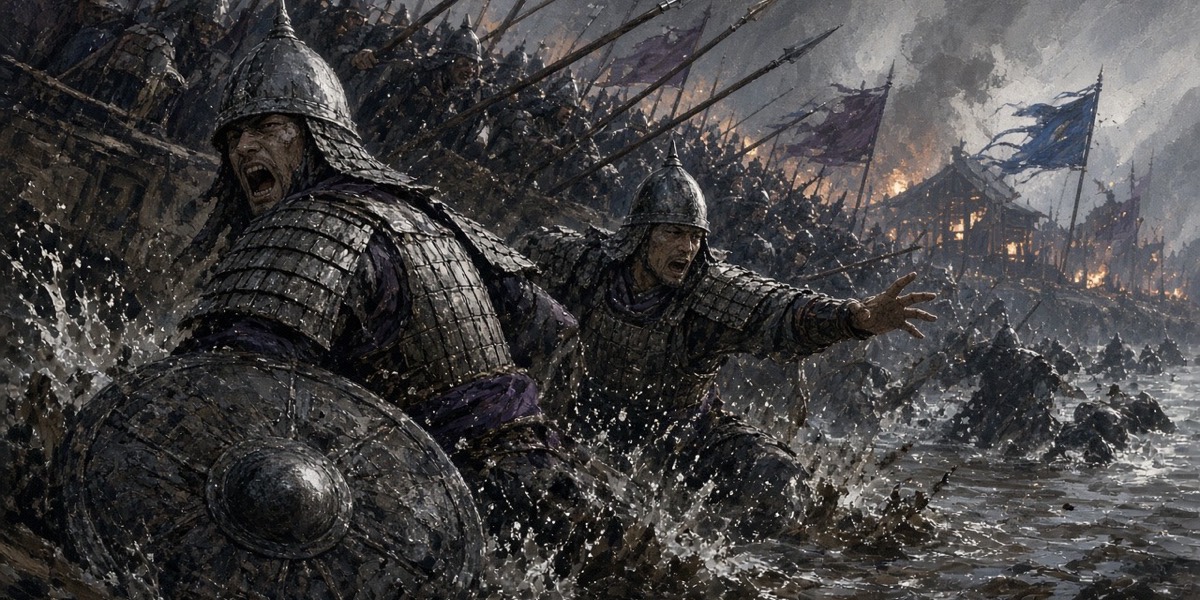
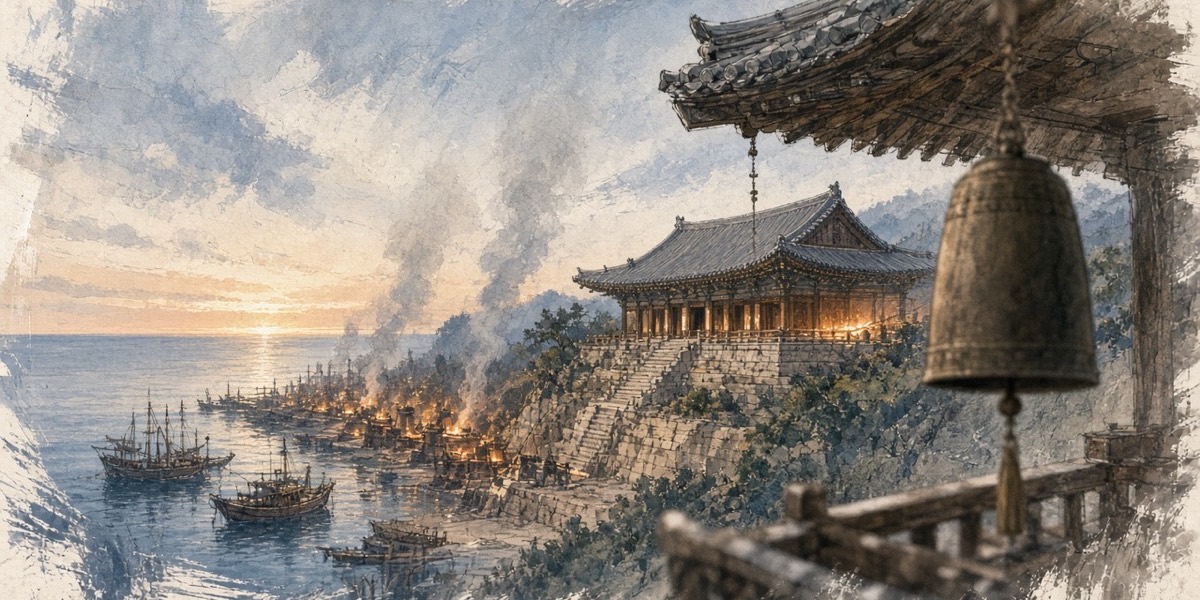
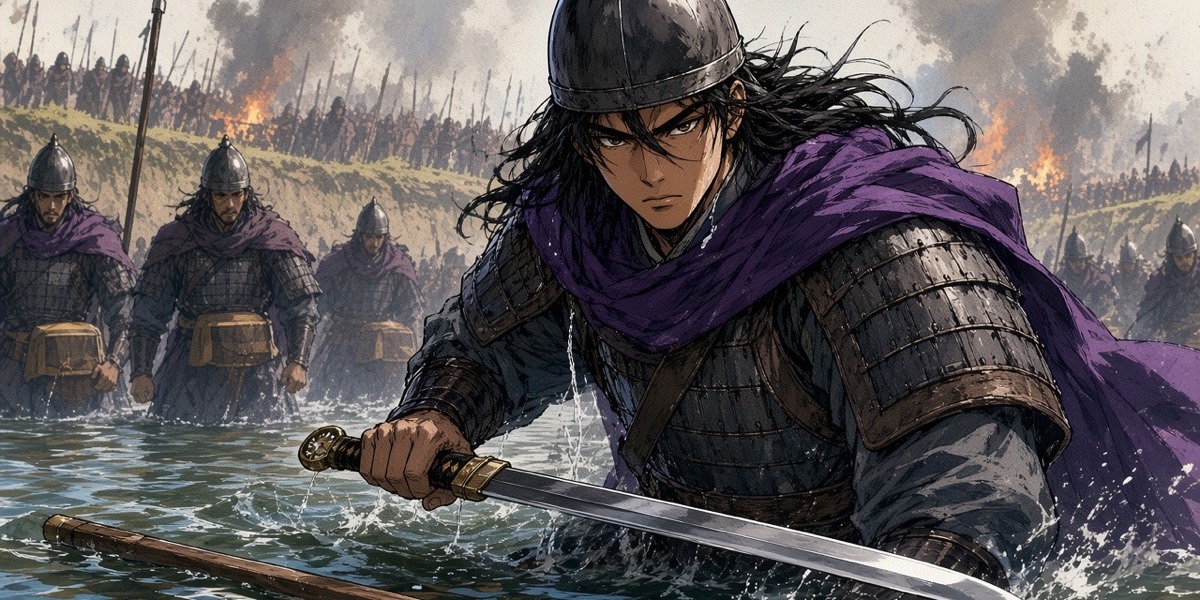
The river is full of men, and none of them are swimming. Smoke stands up off the iron sheds in black columns. The harbour bell has been ringing since dawn, and nobody has had a spare moment to tell the ringer to stop.
came down the river at first light, with more spears than has people. The king did the arithmetic first. His youngest son refused to.
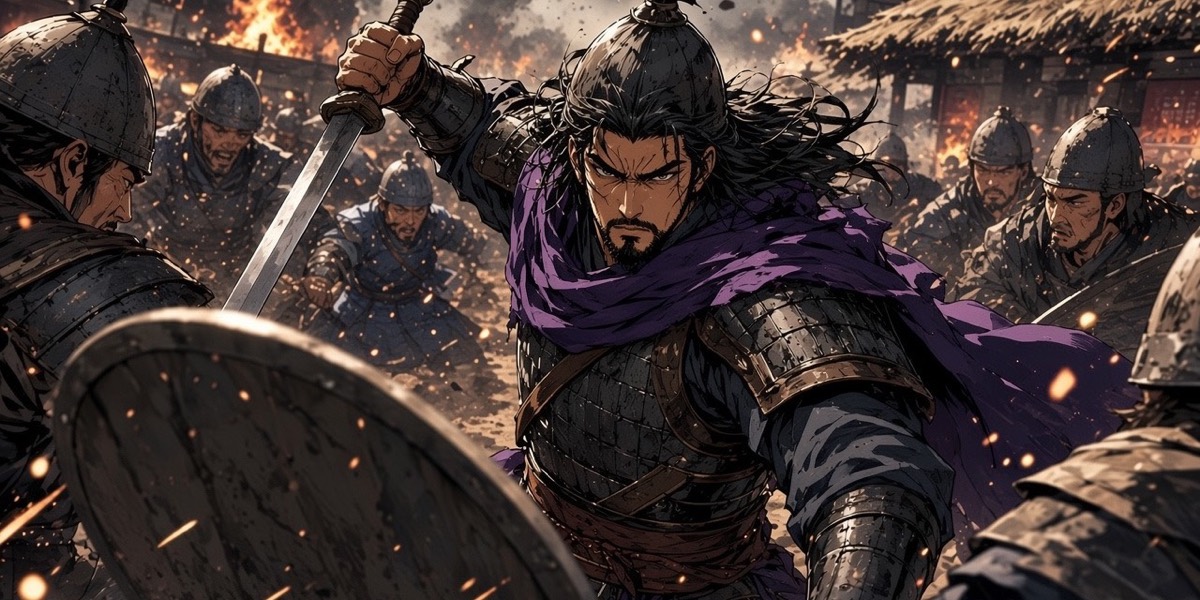
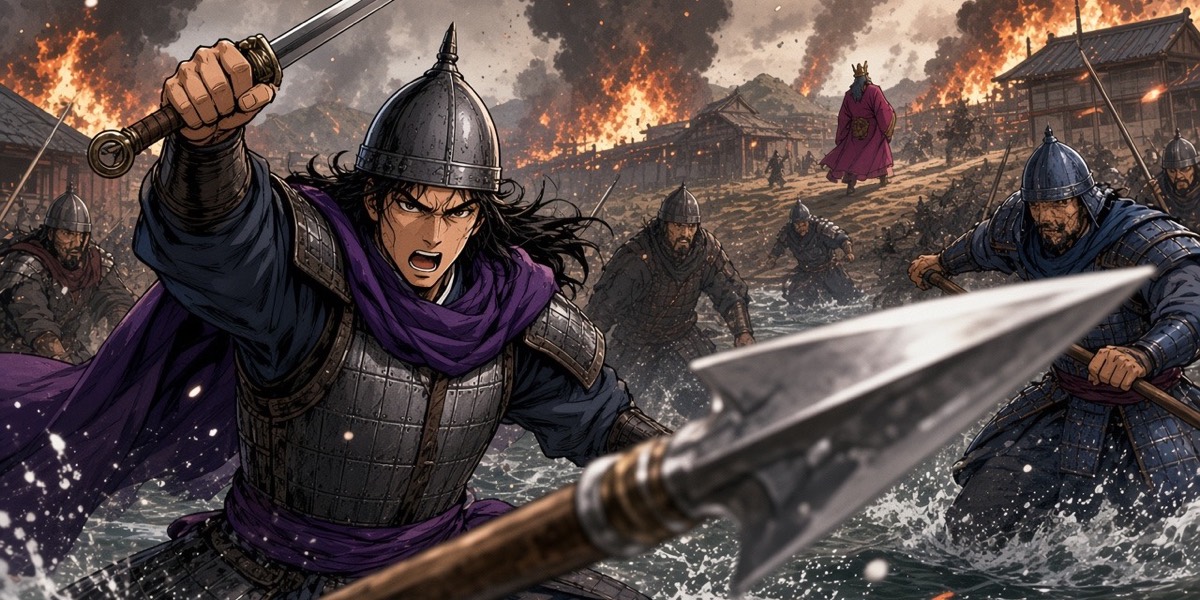
By noon the line has broken on the riverbank. The tall cone still fights. holds the ford with his father’s guard at his back, and the men who come up the bank do not come up it twice.
He stops counting somewhere past thirty. Then, up the slope behind him, his father’s standard goes down.
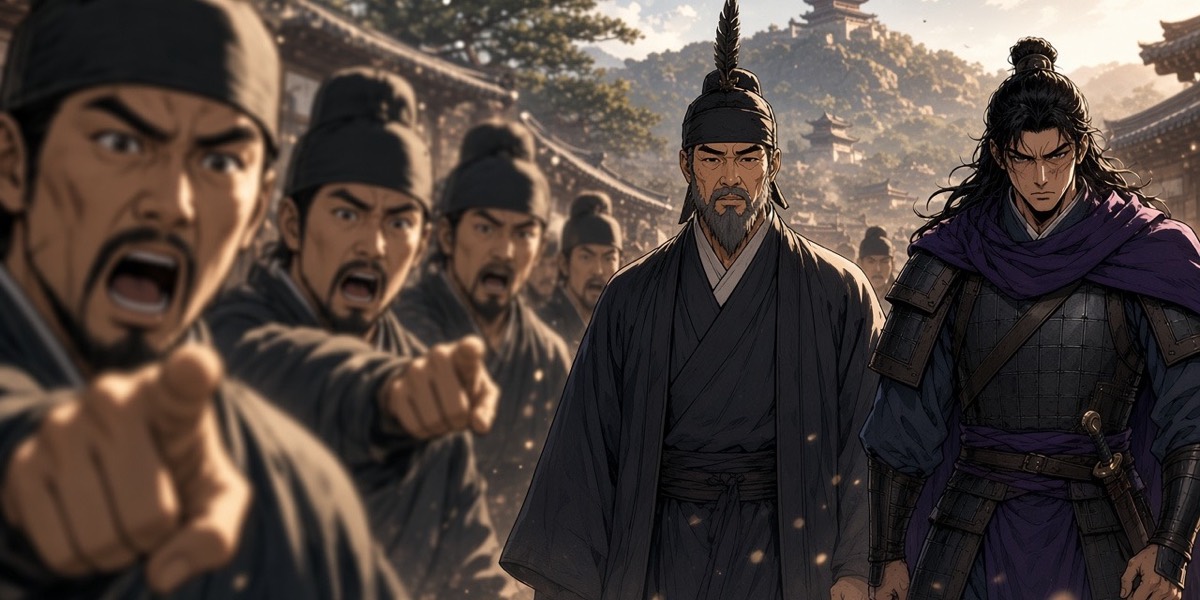
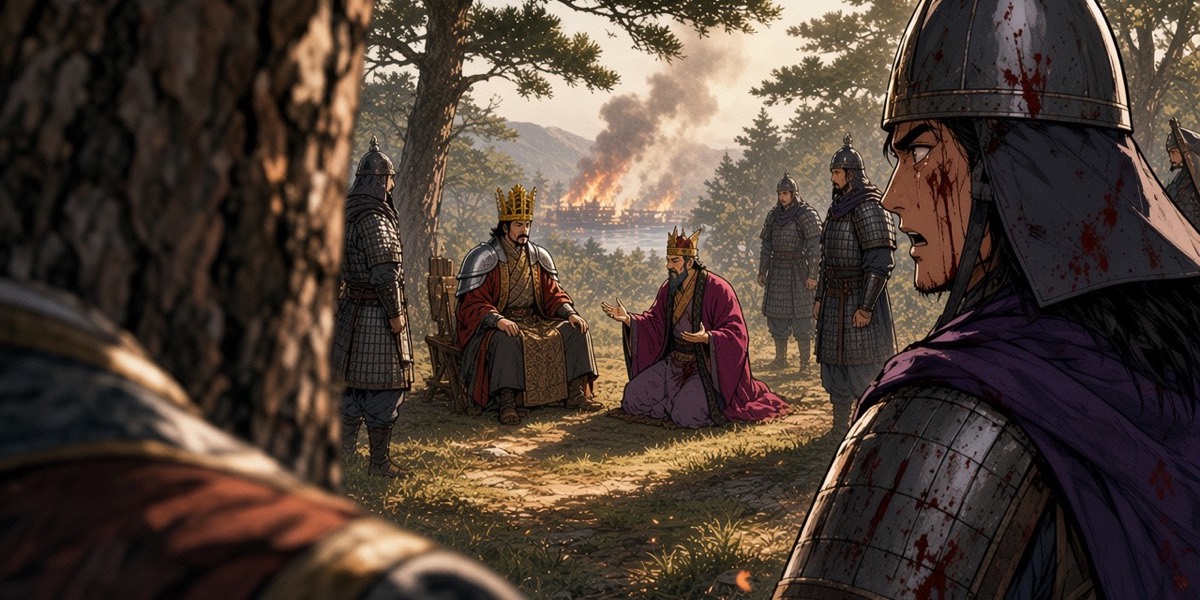
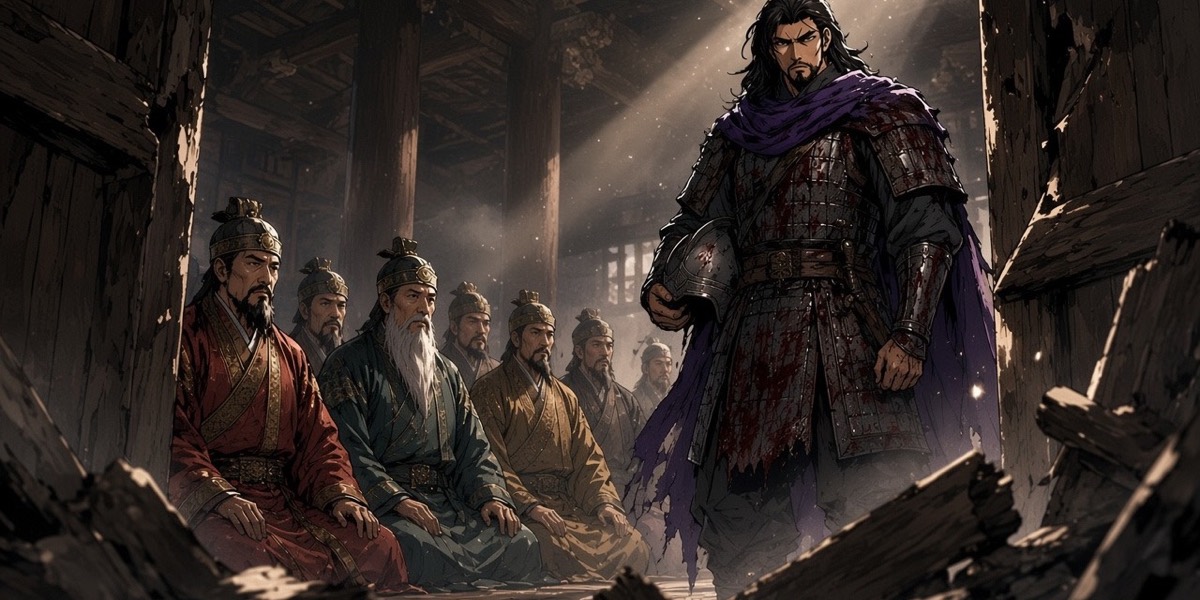
men lead the king of up the hill, to a stand of pines under a canopy. cuts his way up after him. At the trees he is red to the elbow, and alone.
He comes in behind a pine, close enough to hear, and stops. His father is not in chains. His father is on his knees, and talking.
Under the canopy sits the king of . He has bought harbours before.

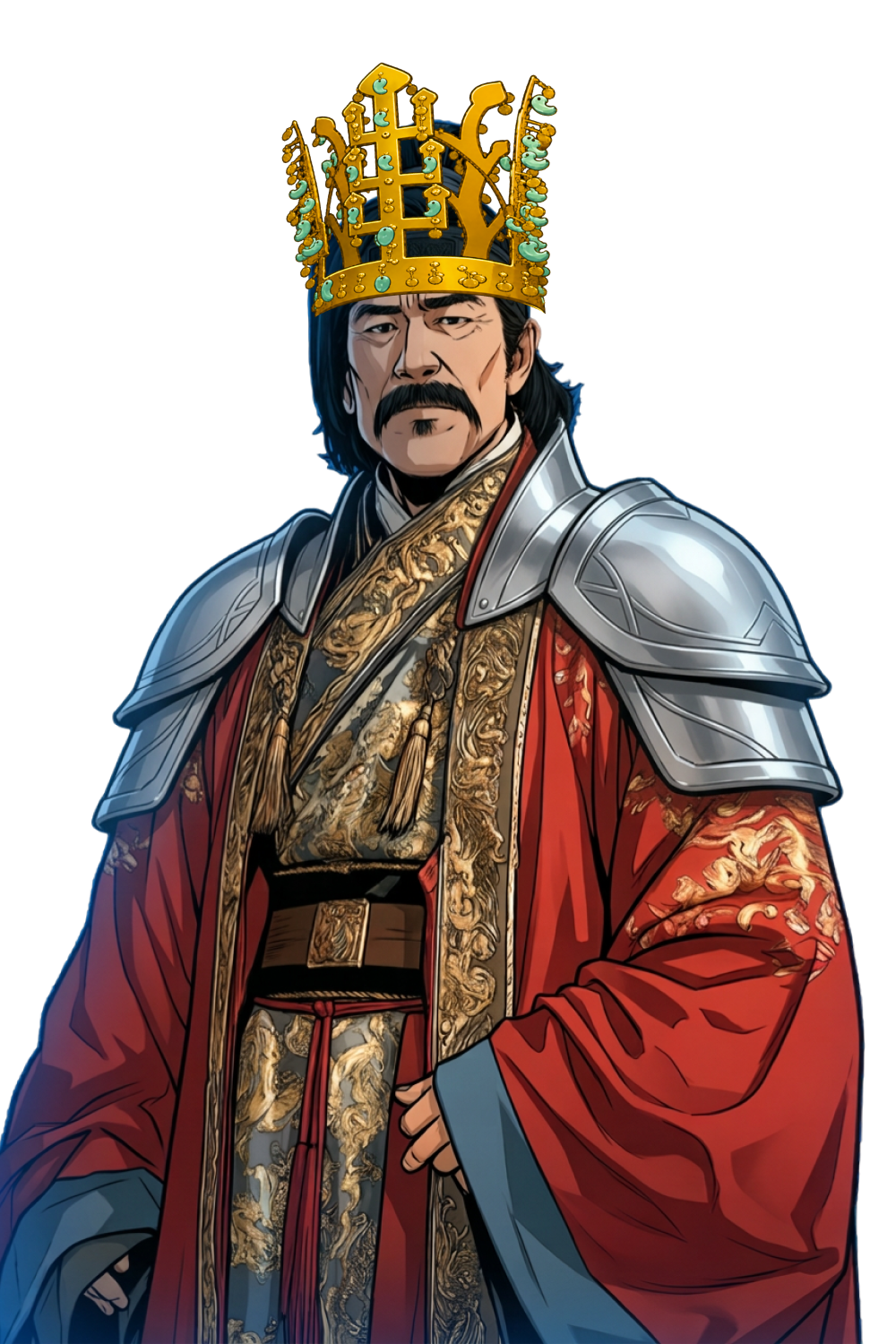
Behind the pine, the boy who held the ford all morning cannot make a sound.
First light. Silla comes down the river in boats, more spears than Golden Gaya has people. The harbour bell starts ringing and does not stop.
- Golden Gaya ?
- Silla ?
- = 1,000 men
- = size not recorded
Sources: Samguk Sagi 4, Annals of Silla, Beopheung year 19 · Samguk Yusa 2, Garakguk-gi
He stands behind the pine with his sword in his hand and the helm strap wet under his chin. He makes no sound at all. A king who can’t see has to listen. He has listened.
Then he wipes the blade on the grass, goes round the long way, and walks into the clearing from the other side, as if he had only just arrived.
He lays his sword on the ground before the king of and kneels beside his father. He never tells his father what he heard behind the pine. His father never asks.
They will call it the Royal Edict. It will be read aloud in the market, and a good many houses will spend the next sixty years complaining about it at dinner.
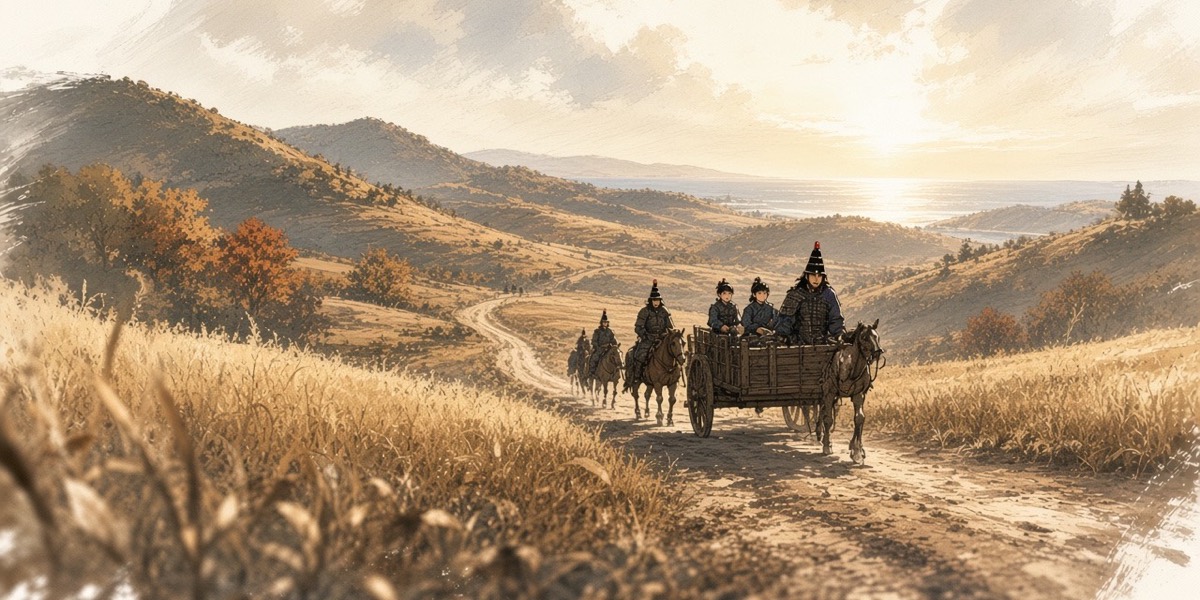
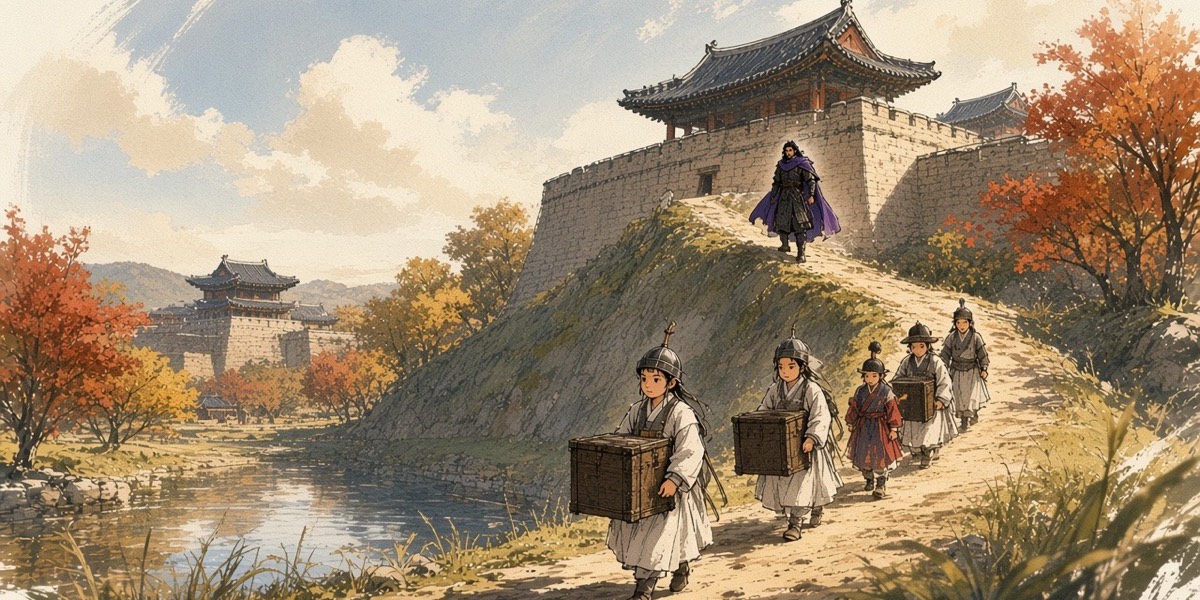
He is the youngest of three sons in the cart, and the only one who looks back.
The cart is slow. The road to is long enough for a boy to change his mind several times.
He keeps looking back until the river bends out of sight.
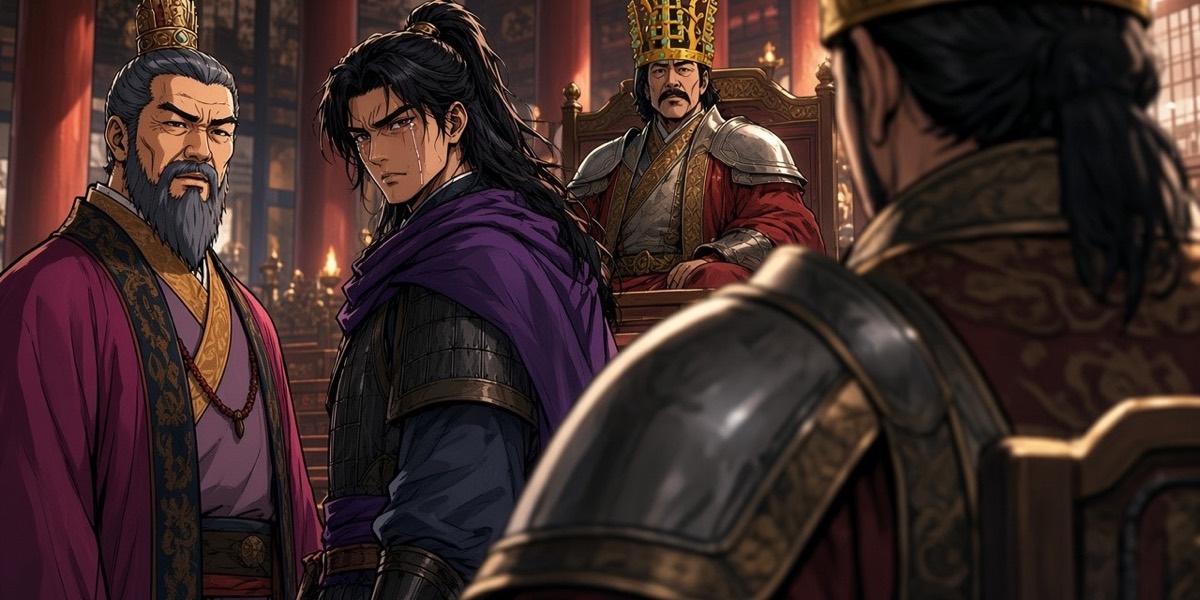
In the treasury is counted, the crown is set on a cushion, and the three princes are lined up before the dais.
The king on the dais has bought harbours before. He has never bought one that talks back.
The court goes very quiet. The king laughs, once, like a man who has just been undercharged.
Three generations later, his grandson will still be told he is not really one of them.
The house gives them is a good one, two lanes below the . The roof doesn’t leak. The wall is a hand lower than the neighbours’. The neighbours have checked.
learns the bow in a week and practises it on the servants. learns the accent. learns nothing, on purpose.
That winter he decides lost because deserved to. A harbour that sells itself is a shop, and the prince of a shop is a clerk. He keeps the helm on in the street. Better they look at that than at his face.
By spring the people in the city have found the house. A few came in the treasury carts. Most walked. They come to the gate in twos and threes with dried fish and bad news, and they kneel in the lane.
The smith bows anyway. To .
Not everyone from kneels. A handful from the river villages never forgave the canopy under the pines, and they have found the house too.
walks past them every morning on his way up the hill and never turns his head. turns his every time. He doesn’t shout back. The trouble is, he agrees with the men shouting and with the men kneeling, and he can’t work out which is worse.
is run by a council of great lords who all have to say yes before anything happens. They call it the , because nobody has ever come out of one in a good mood.
They give the old king of a seat on it, the way you give a guest the chair by the draught. Within a few years he has the middle chair. Then he is , and every lord on the bench has to wait for the man they bought to call the vote.
At home hears about it and says nothing. He polishes the helm. A bought king in a good chair is still bought, he thinks. He is wrong about a great many things that year.
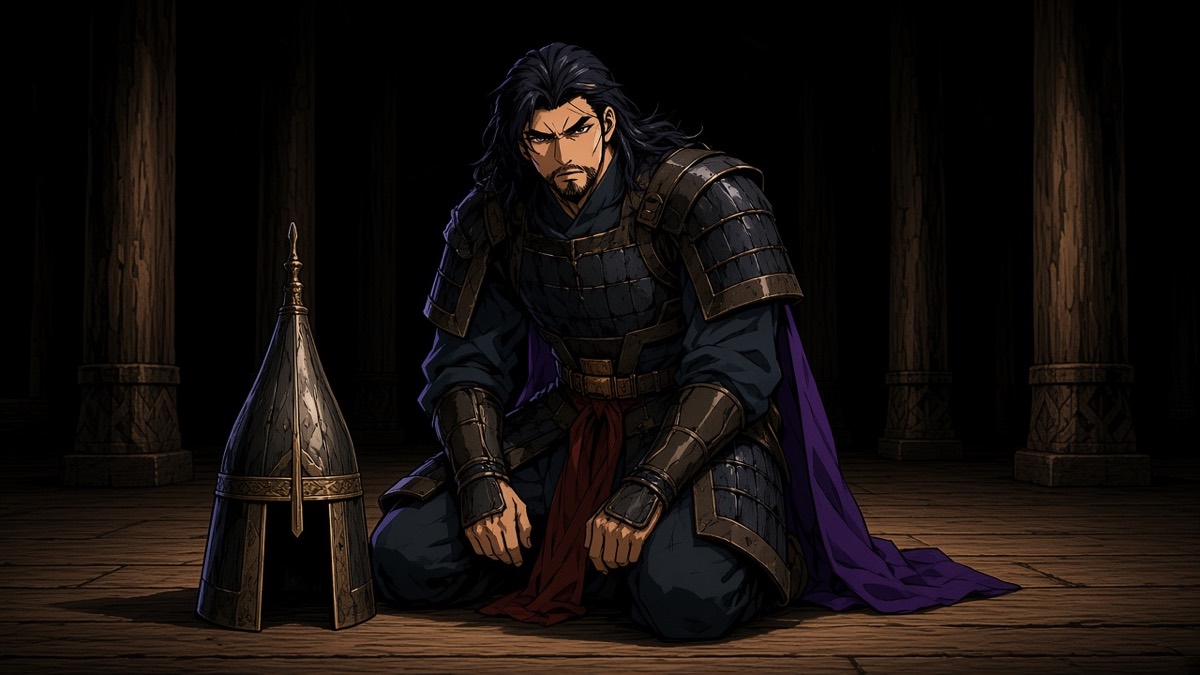
He keeps the oath. For the rest of his life he rides north and west for , and wherever the border itches, it stops. He does it well, and he does it without hope. He doesn’t marry. Why give one more boy to look down on? He never takes off the helm. One night, twenty-two years on, a king of will ride into his ditch. You have seen that night already. You just didn’t know whose ditch it was.
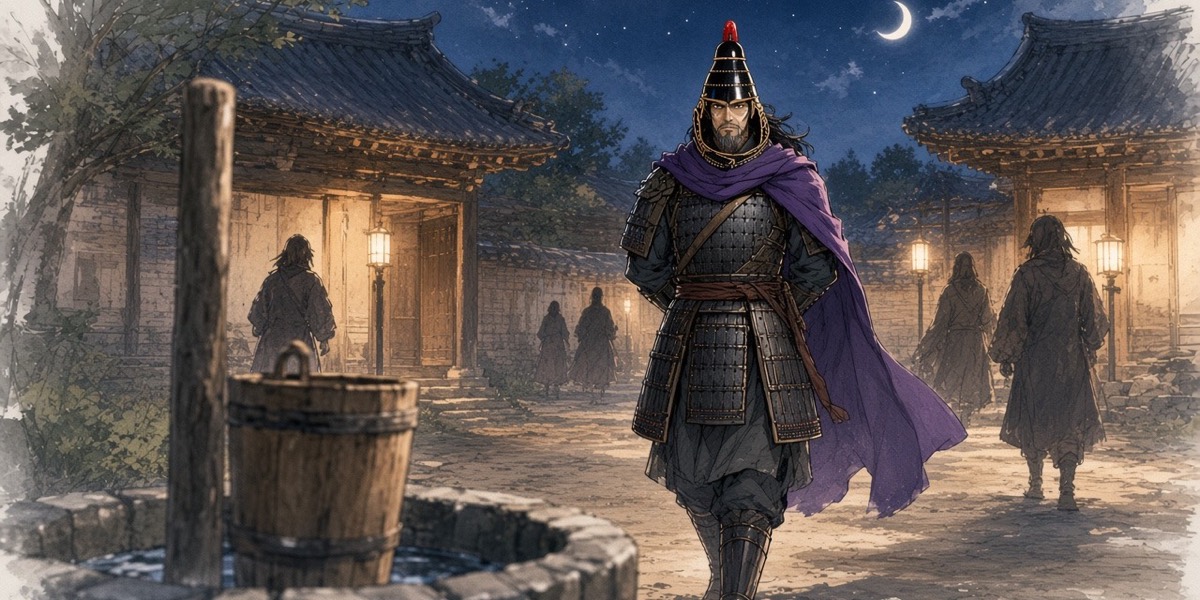
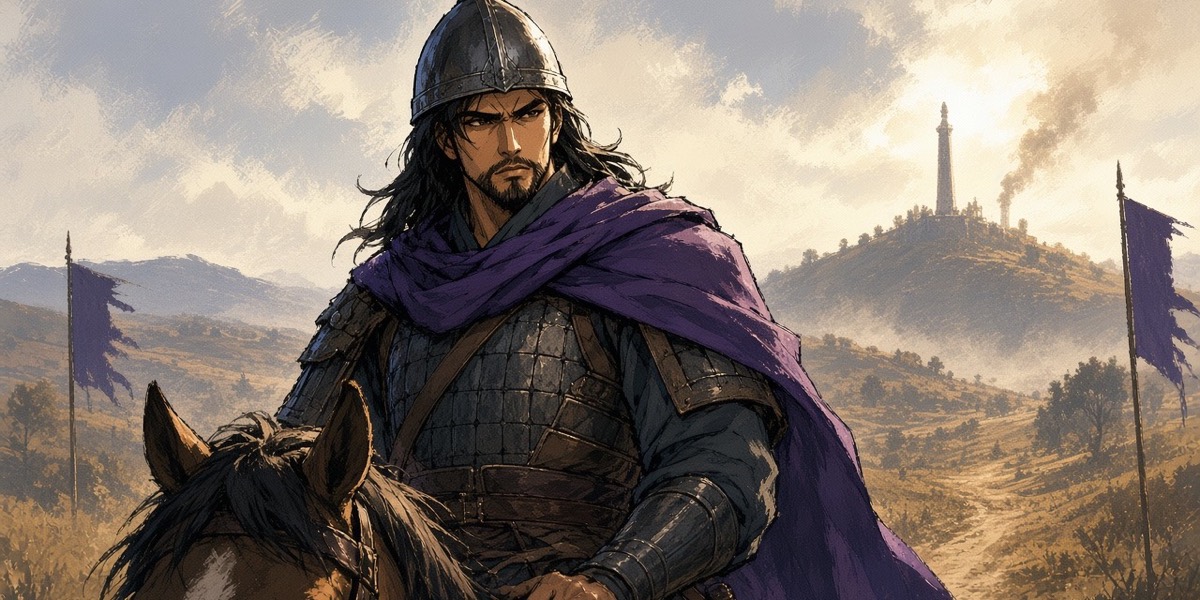
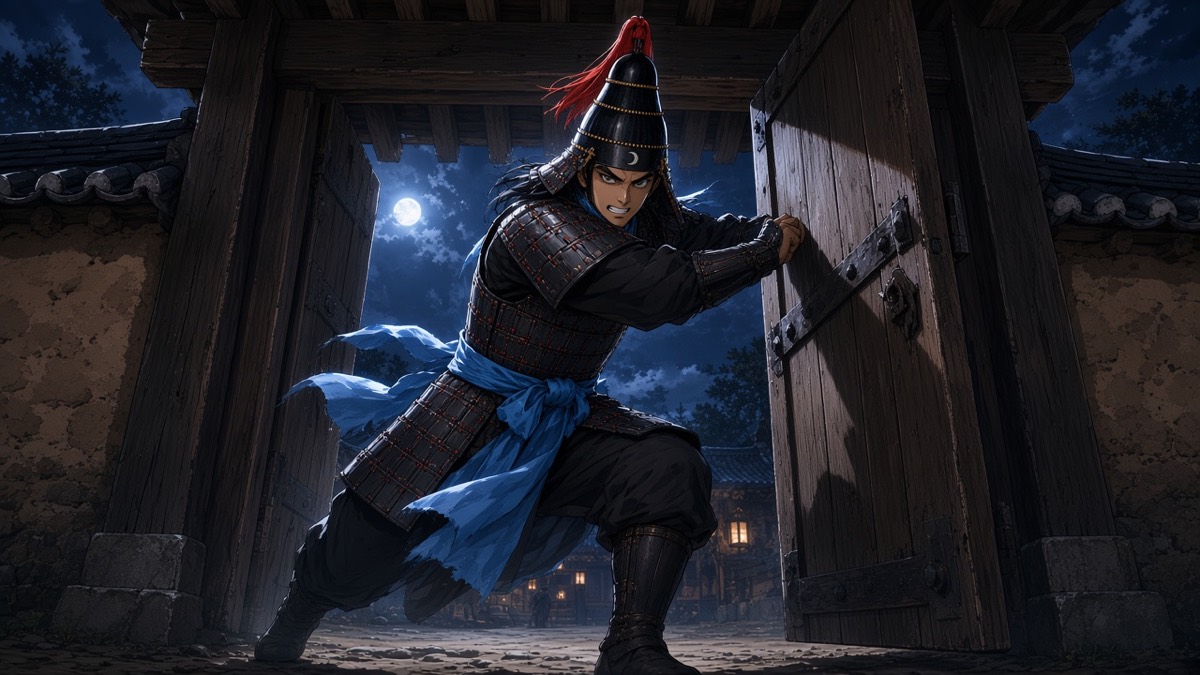
rides the cut with ’s commission folded inside his helm. Military governor of Sinju. The title fits the way the cone never will, which is to say it pinches. Below him, on the west road, fifty horse ride into ’s arithmetic.
He is first down into the cut, because the cone is the tallest thing on the ridge and hiding it is a habit he has not learned. The fallen king looks up and sees before he sees . has spent twenty-two years waiting to correct that.
They sit the king on a camp stool. A slave asks for the head, and the king refuses the slave’s hand, and says the slave’s name once, the way a door closes. . He will remember the name longer than the annals do.
The king unfastens his own knife. does not look away. Looking away is a habit of men who still think they are from somewhere else. He is tonight. He is proving it on a neck, in a helm that will not admit it. That is the whole of the loyalty. It fits the way the cone never will.
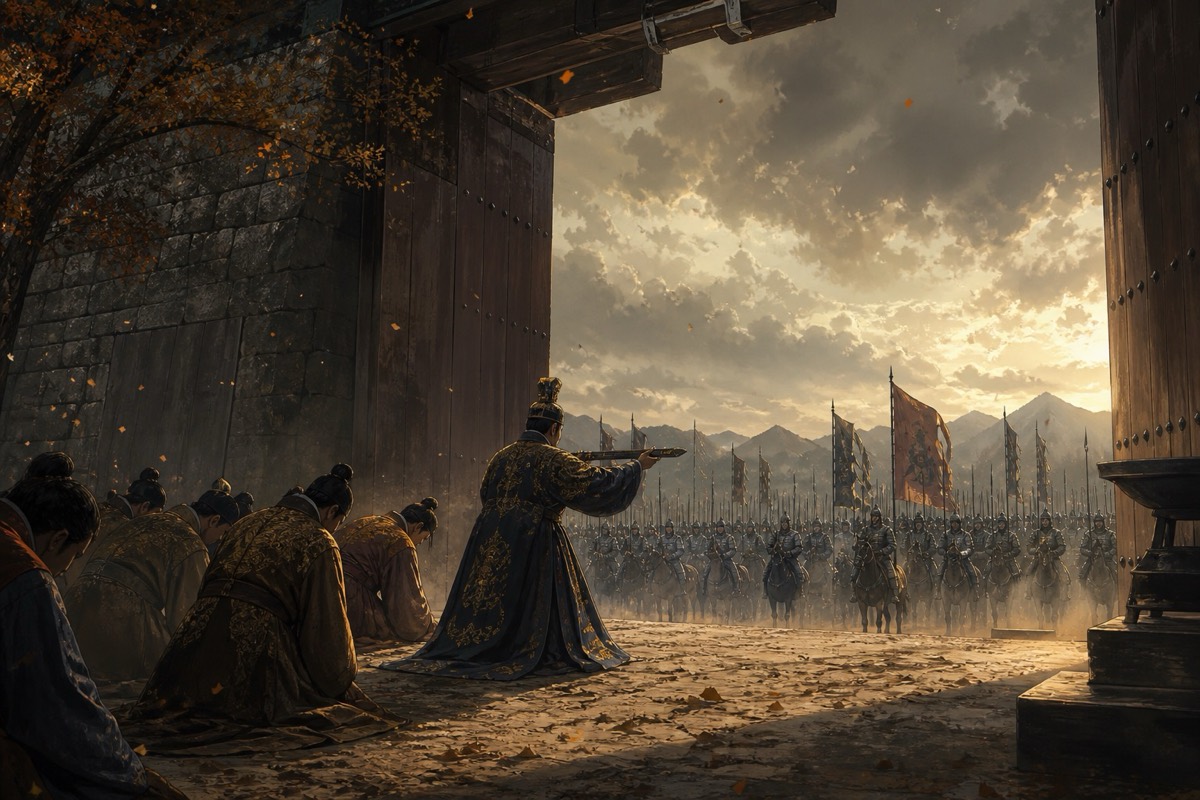
In the nineteenth year, , king of Gumgwan, came with his queen and his three sons (the eldest , the second , the youngest ), bringing the treasures from the kingdom’s storehouses, and surrendered. The king received him with courtesy, gave him the highest rank, and granted him his own country as his tax-estate. His son rose in office to gakgan.
<19년>에 금관국(金官國)의 ()가 왕비와 세 명의 아들 즉 큰 아들인 (奴宗), 둘째 아들인 (武德), 막내 아들인 무력(武力)을 데리고 나라의 창고에 있던 보물을 가지고 와서 항복하였다. 왕이 예(禮)로써 대접하고 상등(上等)의 벼슬을 주었으며, 본국을 식읍(食邑)으로 삼게 하였다. 아들인 무력은 벼슬이 각간(角干)에 이르렀다.
Thirty years on, the cone is still on his head and is still shopping. This time the shop is , the last of the six eggs still calling itself a kingdom. rides south with the army. Nobody rides behind him to hold the horses. He swore a king his sons once, and he still hasn’t got any.
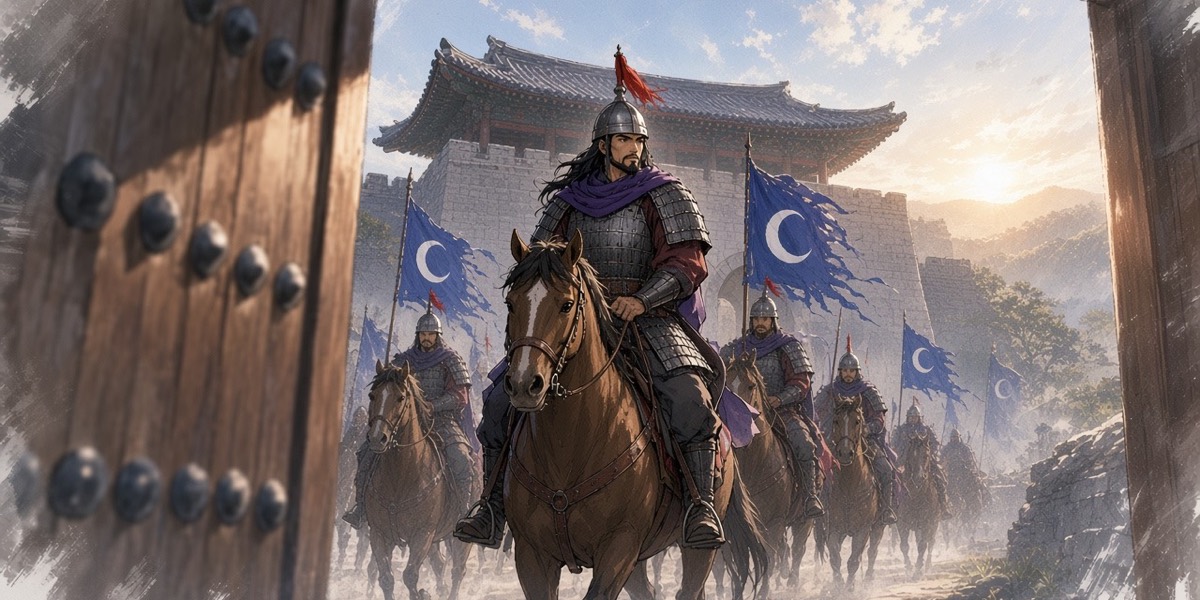
From the road, the gate of looks like every gate he grew up behind. The men on it wear his father’s helm.
He walks up the gate road bareheaded, the helm in his hand. Every bow on the wall finds him.
Behind him the boy asks for a name. does not turn. If he turns he will see a child, and lose the road.
The wall answers first. arrows, from bows, with iron on the points. has been forging ’s blades for a generation and is about to find out how good they were.
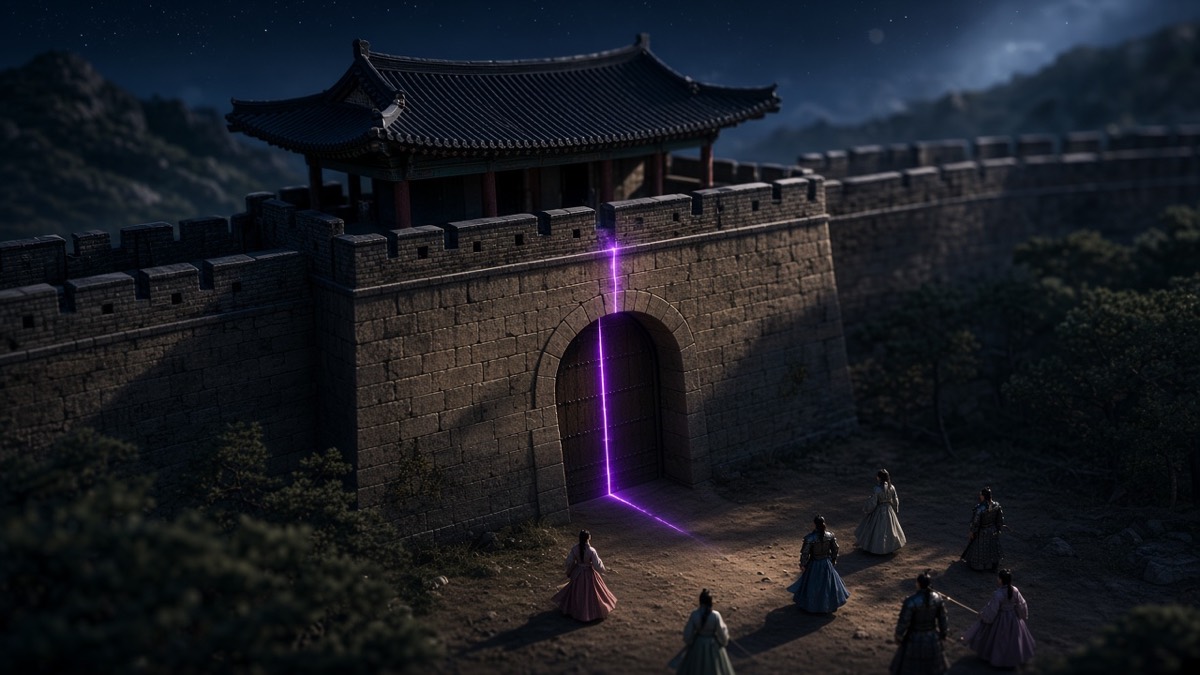
Somewhere behind him a fifteen-year-old notices where every bow is pointing, and five thousand horse go through the Jundan Gate while the archers are still busy with the old man.
In the ninth month rebelled. The king ordered to punish them, with as deputy. brought up the army, and they all surrendered at once.
구월에 가야가 배반하니, 왕이 이사부에게 토벌하라 명하고 사다함으로 보좌하게 하였다. 이사부가 군사를 이끌고 이르니, 일시에 모두 항복하였다.
Inside the walls the fighting is short and mean, street by street, the way it is when everyone knows the end and nobody wants to be the one who says it. walks up the main street with his helm in his hand. Nobody on the rooftops knows what to do with a face under a banner.
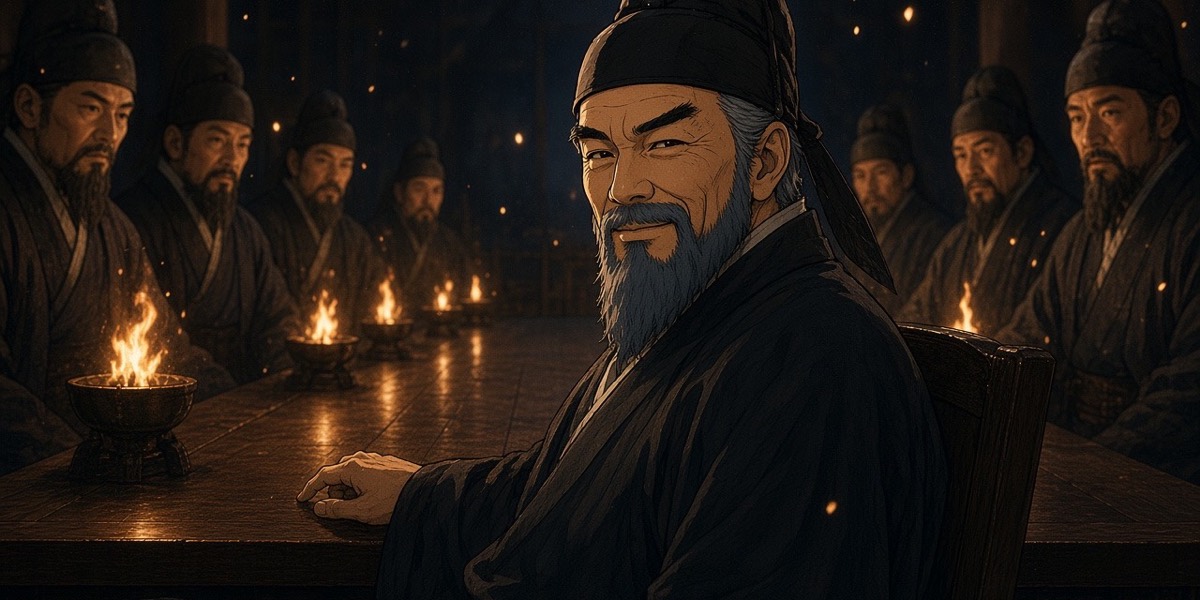
He finds the old lords of in the hall, sitting very straight, the way men sit when they have decided to die well and have not yet been told the price of living.
The old man looks at him for a long time. has always listened to a good price.
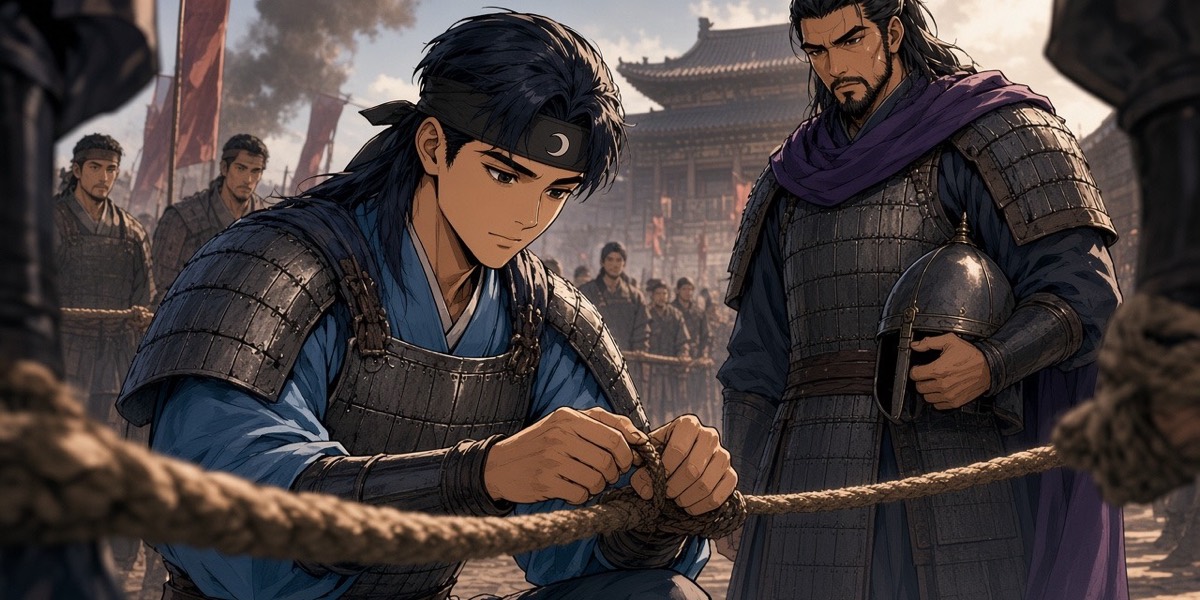
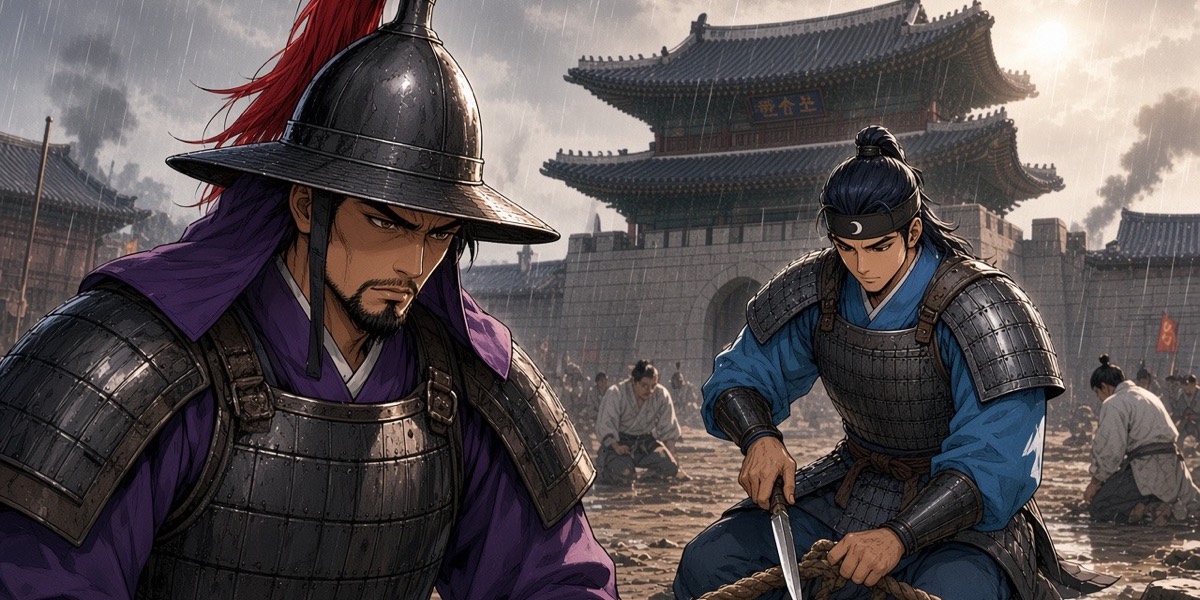
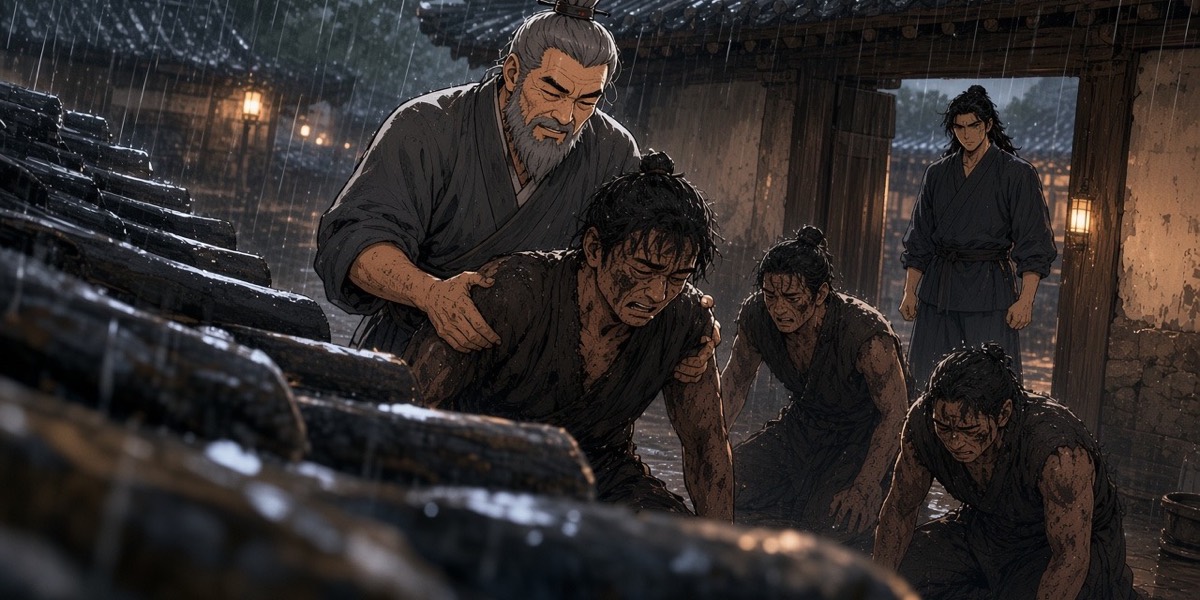
An hour later the king’s prize is roped in a line across the square below the hall: three hundred , the boy-general’s to keep. From the hall steps watches the boy walk down the line once, and start cutting.
He sees the boy’s face then, without a helm. Fifteen. Dirt on the mouth. The same grin he heard on the gate road, aimed at a knot that will not give.
Then he comes down the steps. He doesn’t know why until he hears his own voice.
He says it the way boys say things they have never had to test. Then he goes back to the knot.
stays where he is, long enough to look like a man guarding prisoners. He isn’t guarding anything. He is thinking about a cart, and a wall a hand lower than the neighbours’, and a word he has spent thirty years saying like the name of a dog that bit him.
The last rope comes off near sunset.
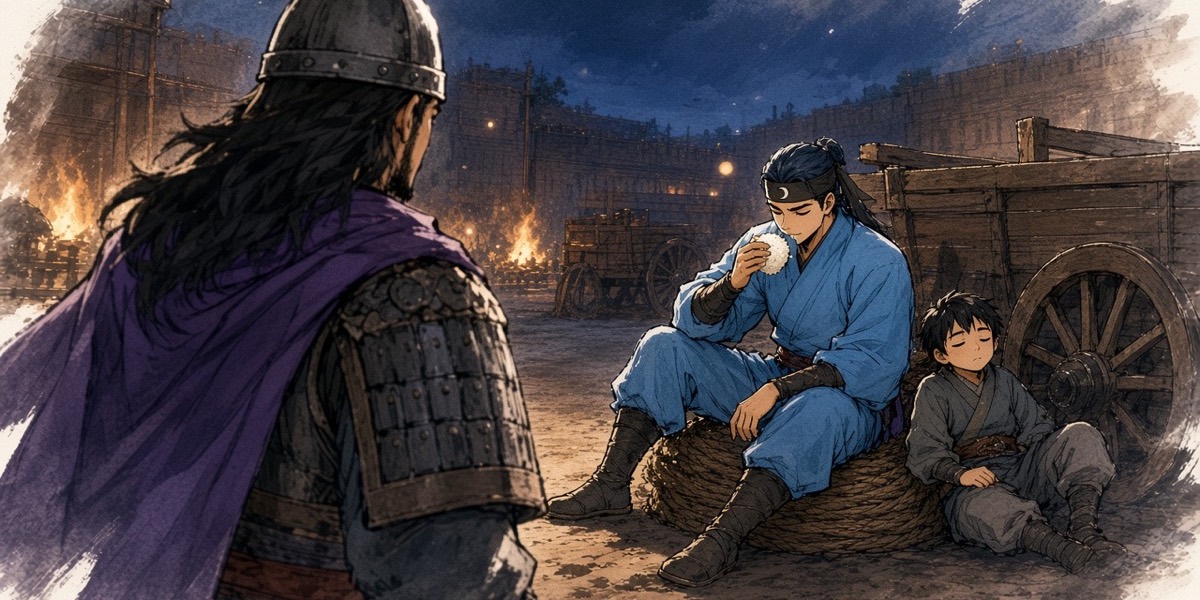
That night he goes looking for the boy. He tells himself it is for the rice. He finds him on a coil of the rope he cut, eating out of his helmet, with a friend snoring against a cart wheel.
sits down on the rope beside the boy without being asked. hands him the helmet. It is the politest thing the boy does all year.
All of them, because they talk like his mother. None of them, because he said so himself this afternoon, to an old man in a hall.
He asks who gets in, and what they swear. The boy answers the first question and points his chin at his snoring friend for the second. doesn’t need it explained.
looks across the river at ’s smoking roofs. Thirty years ago he looked back from a cart until the river bent, because somebody should remember what it looked like. He looks now until he has it. It takes less time than he thought. The boy beside him, for once in his short life, does not say anything at all.
He goes back to the horse lines alone. Nobody is waiting there to hold his horse wrong. He finds, to his surprise, that he minds.
Somewhere between and the horse lines he decides two things. He will marry. And if a boy comes, the boy goes to that yard, flowers and singing and all.
At first light he rides the ridge. Below him the three hundred are already a scatter, going home, if home is still a word. The boy is asleep on the rope he cut, mouth open, one fist still around a knife.
does not wake him. He has seen enough of the boy’s face for one war.
They ride north in the morning. rides at the back of the column, where nobody can see his face. He doesn’t look back at once. Halfway to he notices he hasn’t been trying not to.
He marries the next spring, a woman who laughs at his accent exactly once. makes the speech. corrects his vowels during it. The old king sits at the head of the table in a robe and cries, which nobody mentions.
The birth takes all night. spends it in the yard in full armour, because nobody told him what else a man wears to this.
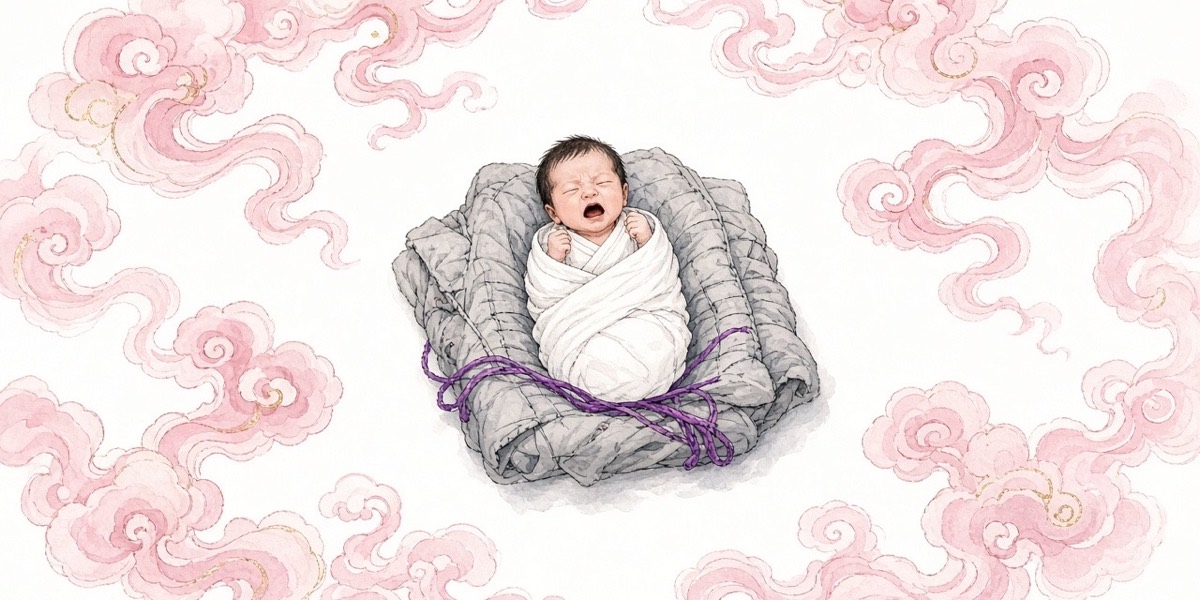
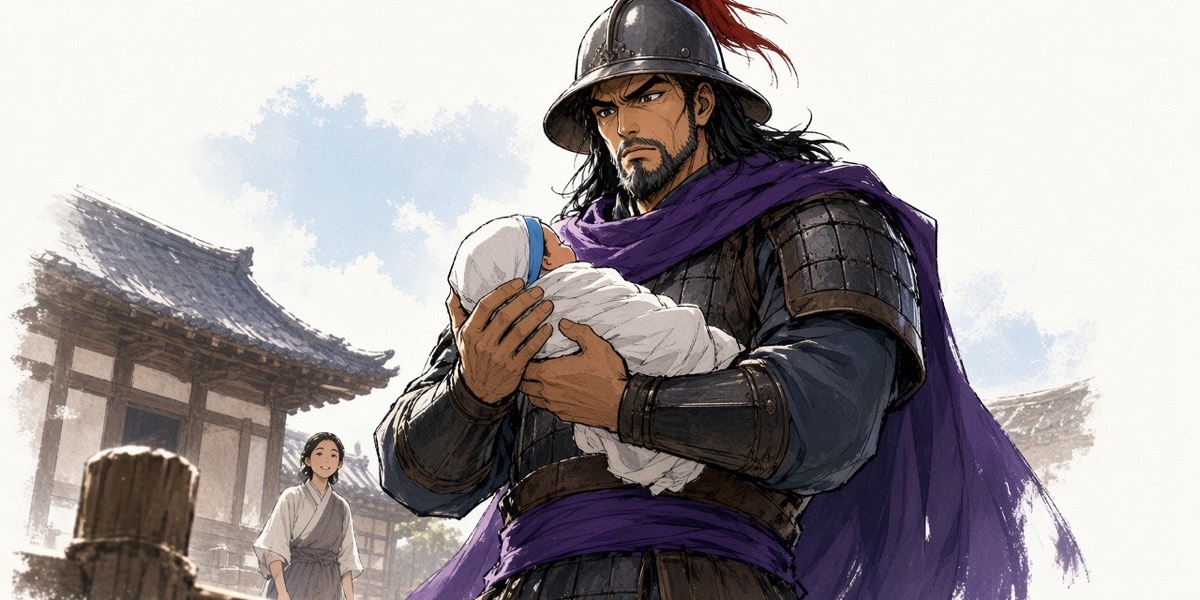
At dawn the midwife brings out a boy, red and furious, and puts him in hands that have only ever held reins and swords.
They name him . The first voice he hears is his mother’s, in a accent. His father says nothing until the boy is asleep. Then he leans over the cradle and says something very quietly, in the accent of a harbour that isn’t there any more.
He is fifty-five. He will hold this boy’s son once, for one breath, in a county house at the top of the road. That is for later.
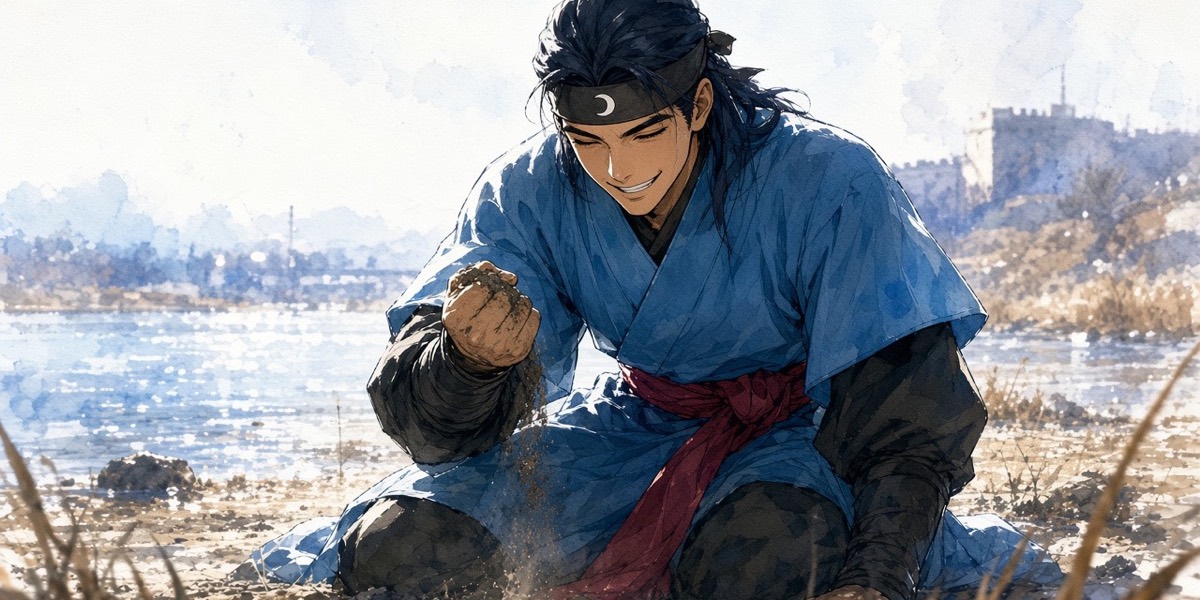
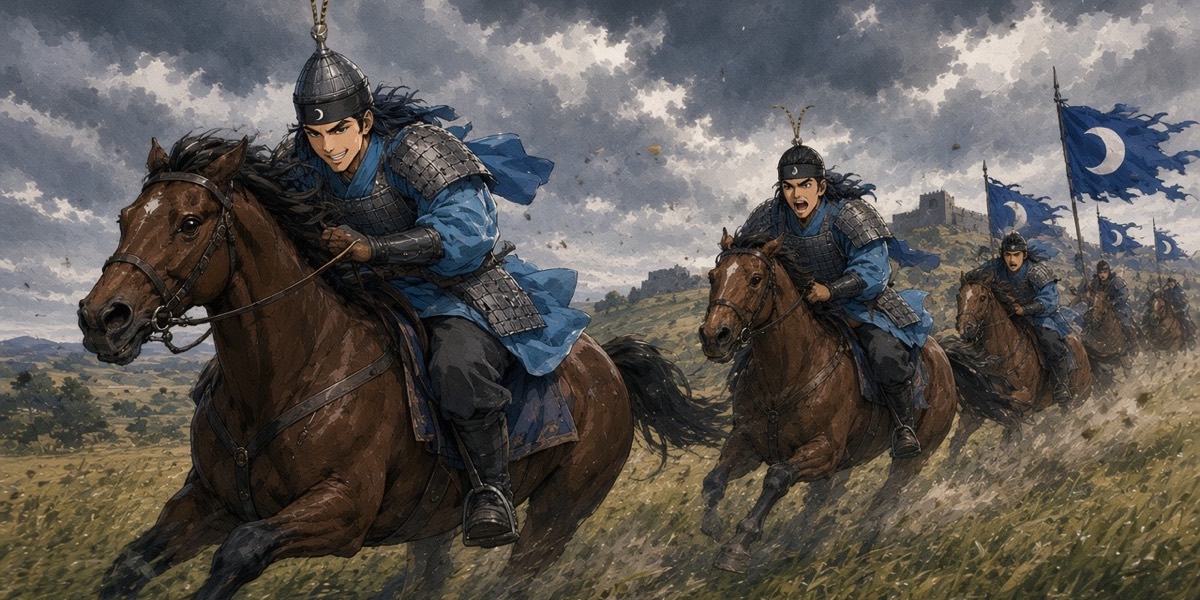
The yard is already loud when they arrive. Boys in new blue, a crescent of gold on every brow, and a master who does not wait for anyone’s father.
ties it. Once. The boy’s hands are shaking and his are not.
He does not say the name. The yard already has a song for that boy. will learn it whether anyone wants him to or not.
At dusk the boy comes home with the headband crooked and a mouth full of other boys’ names. Class Twenty-Six, he says, and he said the number wrong, and his mother does not laugh.
The helm sits on its stand by the door. He leaves it there.
His wife is in the door. His brothers are late, as usual. The wall is still a hand lower than the neighbour’s. The roof does not leak.
He watches the three of them in the one room. The house gave them. The son who came home.
He is glad. He is allowed to be.
On the sixth night there are two cups on the pavilion table. poured them himself. Last night he found out whose grandson he has been calling a ox.
Five days of grain. Two cups poured. Will the grandson of the cone helm come to tea…?
