The Seventh InvasionThree roads in and five hundred hulls. Goguryeo’s wall was built to stop one army at a time.
AI Summary
The Sickroom The Imperial Minister is dying.
The Council Hall Everything is in place.
The Third Leg In the third month an envoy arrives from Pyongyang with a request nobody in the Ministry of Rites has seen before.
Three Choices In the ninth month an envoy comes from Silla, which is losing fortresses to Baekje faster than it can count them.
Twelfth Month The report reaches Surabol in the twelfth month.
Five Hundred Li In the new year the emperor sends a man to Pyongyang to tell Goguryeo to leave Silla alone.
The Muster Youzhou, the spring the roads dry out.
Longmen Field In a poor field at Longmen, a farmer named Xue Rengui is planning to rebury his ancestors.
The Recruiting Table The recruiting table stands in the Jiangzhou market, between a melon seller and a man selling charms against arrows.
group Characters
Episode· 643
Emperor
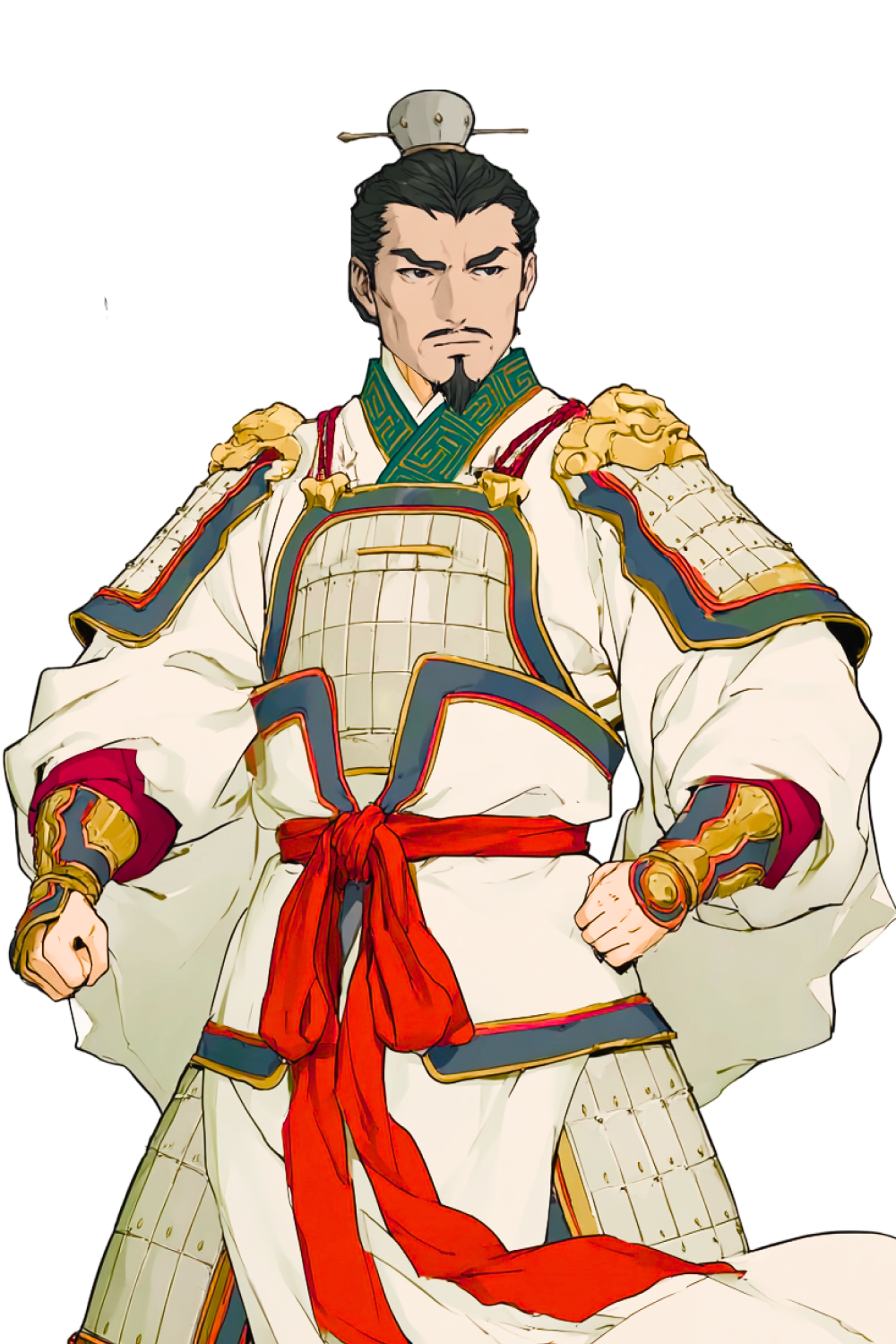
The Heaven-Sent General. The Khan of Heaven. He has many names, and he is running out of countries.
The Second Emperor
Xue Rengui
Lady Liu
Yeon Gesomun
Chu Suiliang
The Imperial Minister
Alchun
Bidam
Black Dragon
2 stills without a cue
In there is one word nobody says. It is the emperor’s name.
He never quite forbids it. The two characters of his given name simply vanish from the empire, quietly: a ministry renamed because one of them sat in its title, a bodhisattva’s name shortened by a syllable, scribes copying old books leaving one stroke off — and everyone understands.
He has plenty of other names, and those you may say all day. The . The .
Tell that to a herald from . Watch his face.
The Herald…They don’t say his name? At all?Not even his mother? Surely his mother—
Chu SuiliangHer late Majesty went to the ancestors thirty winters ago, sir.先皇后三十年前已歸祖廟矣,大人。Xiān huánghòu sānshí nián qián yǐ guī zǔmiào yǐ, dàrén.
The HeraldWell— a friend, then. A drinking friend. Somebody who knew him before.
Chu SuiliangNor written, sir. We leave off a stroke.亦不書也,大人。缺其一筆。Yì bù shū yě, dàrén. Quē qí yì bǐ.It saves everyone a great deal of trouble.省卻眾人許多麻煩。Shěngquè zhòngrén xǔduō máfan.
The HeraldThat isn’t what I asked.
Chu SuiliangNo, sir.是,大人。Shì, dàrén.
So of is a man who has not heard another person say his own name since he was crowned, and there is nobody left alive who is allowed to.
One man in the palace still holds a licence nearly as rare. He is allowed to say no. This month he is using it up.
Section 1The Envoys사신들The Sickroom병상
is dying. At the foot of the bed the court diarist, , writes down everything the emperor says.
Character臣
위징
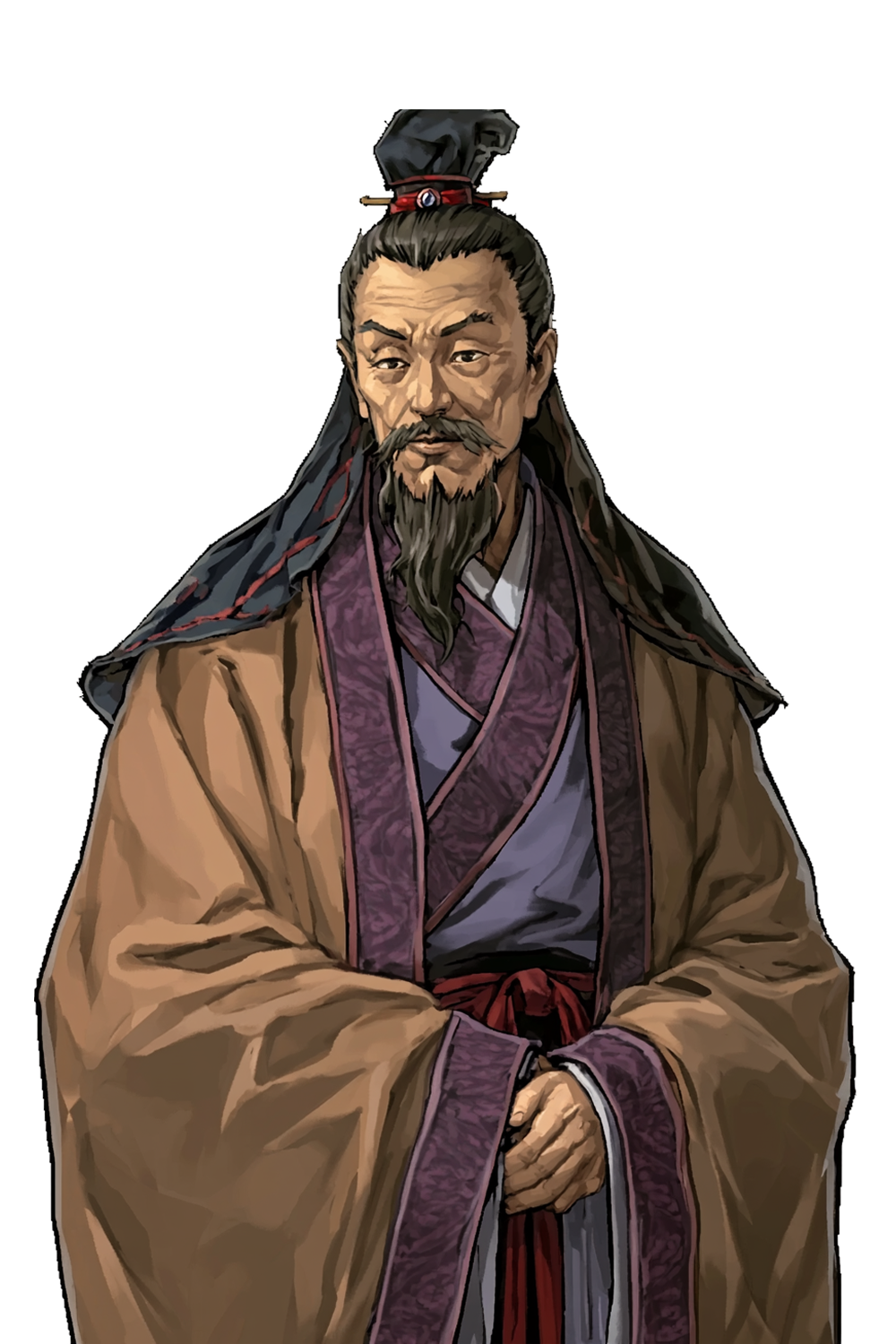
The Imperial MinisterThe emperor’s minister. His job is to say no, and he is very good at his job.
The Imperial MinisterYour Majesty. When I am gone, there will be no one left to tell you no.陛下。臣死之後,再無人敢對陛下言「不可」矣。Bìxià. Chén sǐ zhī hòu, zài wú rén gǎn duì Bìxià yán “bùkě” yǐ.
The Second EmperorWhy else do you think I put up with you for twenty years.不然朕何苦容忍你二十年。Bùrán zhèn hékǔ róngrěn nǐ èrshí nián.
The Imperial MinisterThen let me spend it while I still can.那麼臣趁還能說,便說了。Nàme chén chèn hái néng shuō, biàn shuō le..高麗。Gāolí.
The Second EmperorNot tonight.今夜不談。Jīnyè bù tán.
The Imperial MinisterTonight is what I have, Majesty.臣所餘者,唯今夜耳,陛下。Chén suǒ yú zhě, wéi jīnyè ěr, Bìxià.Liaodong ate four Western armies. It will—遼東吞了隋朝四次大軍。那地方還會——Liáodōng tūn le Suí cháo sì cì dàjūn. Nà dìfang hái huì——
He coughs, and the cough goes on longer than the sentence did. The emperor holds the cup himself. The diarist holds his brush in the air and waits.
The Imperial Minister…Chu. Write down that I said it.……褚遂良。記下臣說過。……Chǔ Suìliáng. Jì xià chén shuō guò.Not what. That.不記說了甚麼。記說過。Bú jì shuō le shénme. Jì shuō guò.
Chu SuiliangIt is written, Minister.已記,魏公。Yǐ jì, Wèi gōng.
The minister sleeps. The emperor stays on the stool, which no emperor has sat on before, turning over the bronze hand-mirror the physicians hold to a dying man’s lips to see if it fogs.
The Second EmperorWith bronze for a mirror, a man straightens his robes.以銅為鏡,可以正衣冠;Yǐ tóng wéi jìng, kěyǐ zhèng yīguān;With history for a mirror, he sees the rise and fall of states.以古為鏡,可以知興替;Yǐ gǔ wéi jìng, kěyǐ zhī xīngtì;With a man for a mirror, he sees his own faults.以人為鏡,可以明得失。Yǐ rén wéi jìng, kěyǐ míng déshī.…Today I lose one of my mirrors.……朕今日失一鏡矣。…Zhèn jīnrì shī yī jìng yǐ.
The Second EmperorYou already have.你早記了。Nǐ zǎo jì le.
He has. The minister does not see the end of the month. Two years from now, on a cold road, the emperor will wish very much that this man had lived. Chu will write that down too.
All that month the eastern reports keep coming in. In , a king has been murdered by his own minister.
The Second EmperorGai Suwen.I have been turning that name over for a month. It does not get any sweeter.
writes the name without the . was the given name of the emperor’s late father, so the word is gone from the palace. A whole family loses its surname to a dead man’s dignity. It is an old family, too. Older than , if you ask them. They will tell you anyway.
The Second EmperorThe King of was a friend I valued.高麗王是朕所重之友。Gāolí wáng shì zhèn suǒ zhòng zhī yǒu.His name… ah…其名……啊……Qí míng… ā……Yungnyu! King Yungnyu!……榮留!榮留王!…Róngliú! Róngliú Wáng!
The diarist writes friend. He leaves out the pause.
The Council Hall어전
Everything is in place. It has been for some time; he was simply waiting to be bored enough.
Black DragonMajesty, the roads east of the Liao are mud until the fifth month. Every account says—陛下,遼水以東,五月以前道路泥濘。諸記皆言——Bìxià, Liáo shuǐ yǐ dōng, wǔ yuè yǐqián dàolù nínìng. Zhū jì jiē yán——
The Second EmperorThen we leave in the sixth.那便六月啟程。Nà biàn liù yuè qǐchéng.
Black DragonThe grain alone—單是糧草——Dān shì liángcǎo——
The Second EmperorIs already on the boats. You counted it yourself, Wuji.已在船上。無忌,是你親手點的。Yǐ zài chuán shàng. Wújì, shì nǐ qīnshǒu diǎn de.
Black DragonI counted it so that you would see how much it was.臣點它,是要陛下看看有多少。Chén diǎn tā, shì yào Bìxià kànkan yǒu duōshǎo.
The Second EmperorI saw. It’s a great deal. Good.朕看了。很多。好。Zhèn kàn le. Hěn duō. Hǎo.
The empress’s brother closes his mouth. He has been losing arguments to this man since they were boys, and he knows the sound of the last one.
From the foot of the room, where nobody expects a voice, the diarist puts down his brush.
Chu SuiliangMajesty, we have invaded six times already — and you would go again?陛下,已征六次——還要再去?Bìxià, yǐ zhēng liù cì——hái yào zài qù?
The Second EmperorBecause I have not gone myself.因為朕尚未親征。Yīnwèi zhèn shàngwèi qīnzhēng.Life is not theory. It is practice.人生非理論,乃實踐。Rénshēng fēi lǐlùn, nǎi shíjiàn.
The diarist picks his brush back up and writes it down. Nobody else asks anything.
The Third Leg세 번째 다리
In the third month an envoy arrives from with a request nobody in the Ministry of Rites has seen before. The new master of would like some Daoists.
Rites clerk Daoists. He’s written Daoists.道士。他寫的是道士。Dàoshì. Tā xiě de shì dàoshì.
Senior clerk Copying error. He means physicians. They always want physicians.抄錯了。是要醫師。他們向來要醫師。Chāo cuò le. Shì yào yīshī. Tāmen xiànglái yào yīshī.
Rites clerk He’s drawn a cauldron in the margin.他在旁邊畫了個鼎。Tā zài pángbiān huà le ge dǐng.
Senior clerk …That’s not a physician.……那不是醫師。……Nà búshì yīshī.
Goguryeo envoy The says a cauldron stands on three legs.莫離支言:三教譬如鼎足,闕一不可。Mòlízhī yán: sān jiào pìrú dǐng zú, quē yī bù kě.We have the Buddha. We have Confucius.今有佛,有儒。Jīn yǒu fó, yǒu rú.He would like the third leg, if the can spare one.唯闕道教,乞天子賜之。Wéi quē dàojiào, qǐ tiānzǐ cì zhī.
The Second EmperorHe wants Laozi?他要老子?Tā yào Lǎozǐ?Give him Laozi. Our house descends from the old man anyway. Let bow to my ancestor and call it theology.給他老子。朕家本是老君之後。讓高麗拜朕的祖宗,還叫它作道。Gěi tā Lǎozǐ. Zhèn jiā běn shì Lǎojūn zhī hòu. Ràng Gāolí bài zhèn de zǔzōng, hái jiào tā zuò dào.
Goguryeo envoy And a copy of the Classic, Majesty. A good one. The reads.並乞《道德經》一部,陛下。要好本。莫離支讀書。Bìng qǐ “Dàodé jīng” yí bù, Bìxià. Yào hǎo běn. Mòlízhī dú shū.
The Second EmperorDoes he. Send him the one with all the commentaries.是嗎。給他那部注疏俱全的。Shì ma. Gěi tā nà bù zhùshū jù quán de.Let him find out how long it is.讓他知道有多長。Ràng tā zhīdào yǒu duō cháng.
Eight Daoists go east with a copy of the Daodejing. In the gives them lodgings, and the lodgings he gives them are temples. The monks are moved out the same week, with their bells.
A young monk named carries the smallest bell down the hill himself, to a lesser house that has no frame to hang it from, and sets it on the floor. He does not complain to anyone. The bell stays on the floor for twenty-five years.
「諸行無常,是生滅法。」……「生滅滅已,寂滅為樂。」
All conditioned things are impermanent; this is the law of arising and passing away. … When arising and passing away have themselves passed away, that stillness is bliss.
大般涅槃經Nirvana Sutrafasc. 14, Noble Practice (聖行品), tr. Dharmakṣema · T12n0374, pp. 450a, 451a · Sanskrit: the same verse in the Mahāparinirvāṇasūtra (Waldschmidt ed.)
The bell sits on its floor. Six months on, at the far end of the peninsula, another country comes to ask the emperor for something. It has less to trade.
Three Choices세 가지 안
In the ninth month an envoy comes from , which is losing fortresses to faster than it can count them. He has rehearsed his speech for the whole voyage. He gets one sentence in.
Silla envoy Majesty, forty fortresses have fallen since last summer, and — we ask only that the —陛下,自去夏以來,四十城陷,大耶城亦——臣等唯乞天子——Bìxià, zì qù xià yǐlái, sìshí chéng xiàn, Dàyé chéng yì——chén děng wéi qǐ tiānzǐ——
The Second EmperorYes. I have read the list.知道。單子朕看過了。Zhīdào. Dānzi zhèn kàn guò le.One. I send the and the into Liaodong, and looks north for a year.其一,朕發契丹、靺鞨直入遼東,使高麗北顧一年。Qí yī, zhèn fā Qìdān, Mòhé zhí rù Liáodōng, shǐ Gāolí běi gù yì nián.
Silla envoy That would be— yes, Majesty, that would be a great—若得如此——是,陛下,此乃大——Ruò dé rúcǐ——shì, Bìxià, cǐ nǎi dà——
The Second EmperorFor a year.一年而已。Yì nián ér yǐ.Two. I give you a few thousand red coats and the Western banners. Stand them on your walls. will think I have come, and run.其二,朕給爾絳袍丹幟數千,立於城上,百濟見之,以為朕至,必走。Qí èr, zhèn gěi ěr jiàngpáo dānzhì shù qiān, lì yú chéng shàng, Bǎijì jiàn zhī, yǐwéi zhèn zhì, bì zǒu.
Silla envoy And… when they stop running?那……他們不走了以後呢?Nà……tāmen bù zǒu le yǐhòu ne?
The Second EmperorThey notice the coats don’t move.便會發覺那些袍子不會動。Biàn huì fājué nàxiē páozi bú huì dòng.Three.其三。Qí sān.
The Second EmperorYour country is ruled by a woman, and your neighbours despise you for it. That is why they keep coming.爾國以婦人為主,為鄰國所輕,故寇不息。Ěr guó yǐ fùrén wéi zhǔ, wéi línguó suǒ qīng, gù kòu bù xī.I could send you one of my own clan to be your king, with a few soldiers to look after him. When the country is safe, you may have it back.朕遣一宗支,與為爾國主,自將兵以衛之,待爾國安,任爾自守。Zhèn qiǎn yì zōngzhī, yǔ wéi ěr guó zhǔ, zì jiāng bīng yǐ wèi zhī, dài ěr guó ān, rèn ěr zì shǒu.
The envoy says yes, and then no, and then nothing at all. The emperor watches him for a while.
The Second EmperorA mediocre man. Not the sort a country sends when it is drowning.庸鄙之人,非乞師告急之才也。Yōngbǐ zhī rén, fēi qǐ shī gàojí zhī cái yě.
Twelfth Month섣달
The report reaches in the twelfth month. has the third option read aloud twice, because the first time nobody believed it.
An old councillor The Western prince. With the Western soldiers to guard him.Think about it before you all start shouting. The raids would stop by spring.
Another councillor And Her Majesty?
An old councillor Her Majesty would… rest. She has earned a rest.
AlchunSay that again, Councillor. Louder.I want to be sure who I heard.
An old councillor I only meant that—
has read it once. He folds it in half, then in half again, small enough to lose.
BidamHe offers us a king the way a temple puts out rice for a stray.…And there are men in this hall who would bow for the bowl.
The old councillor finds something interesting on the floor. Nobody calls a vote. drops the folded letter into the brazier and watches it catch.
Section 2The Expedition원정Five Hundred Li오백 리
In the new year the emperor sends a man to to tell to leave alone. The man waits nine days in a guesthouse. is down south taking two more forts, and he comes home with the mud still on his boots.
He receives the envoy standing up, a leg of mutton in one hand, and does not offer a mat.
Western envoy The , whose virtue covers the four seas, has learned with sorrow—天子德被四海,聞之惻然——Tiānzǐ dé bèi sìhǎi, wén zhī cèrán——
Yeon GesomunSorrow. Where’s he sore?Sit— no. Don’t sit. on.
Western envoy —that troubles . is his vassal.——高麗侵擾新羅。新羅乃天子藩臣,——Gāolí qīnrǎo Xīnluó. Xīnluó nǎi tiānzǐ fānchén,As you are.與爾等同。yǔ ěr děng tóng.
Yeon GesomunVassals. Ha!When were sitting on our chest, crept in and took five hundred li of our land.Give back the dirt. Then talk to me about peace.
Western envoy That was long ago. Why quarrel over old things?往事已矣,何必追論?Wǎngshì yǐ yǐ, hébì zhuī lùn?
looks at the mutton, then at his boot. He sets the meat down, scrapes a cake of southern mud off his heel with two fingers, and presses it into the envoy’s clean palm.
Yeon GesomunOld?It’s dirt. Dirt doesn’t get old, you fool. tell him that. Use small words.
A Goguryeo officer Will I fetch the man a mat now, sir?
Yeon GesomunHe’s leaving.
The envoy carries it west word for word, and the mud too, folded in a silk kerchief because he can’t think what else to do with it. has the words read to him twice and smiles. A refusal in writing is worth an army. Now he can raise one.
The Muster출정
Youzhou, the spring the roads dry out. The plain outside the city has been shouting since before dawn and shows no sign of stopping.
Muster clerk —Hedong levy, second company, two hundred! Hedong levy, third company———河東徵兵,第二隊,二百!河東徵兵,第三隊————Hédōng zhēngbīng, dì èr duì, èrbǎi! Hédōng zhēngbīng, dì sān duì——
A recruit Is it true he’s coming himself?聽說他要親自來,真的假的?Tīngshuō tā yào qīnzì lái, zhēn de jiǎ de?
The sergeant He’s here, turnip. Look for the quiet.早來了,蘿蔔頭。往安靜的地方看。Zǎo lái le, luóbo tóu. Wǎng ānjìng de dìfang kàn.Wherever the shouting stops, that’s him.哪兒不嚷了,哪兒就是他。Nǎr bù rǎng le, nǎr jiù shì tā.
He launches the Seventh Invasion of . It’s the seventh army out of , and the first he leads himself. The clerks need three days to read the muster aloud. Horse from the frontier. Foot from the rivers. Five hundred hulls riding low with a year of grain.
of has murdered his lord and savages his people. Who could bear it? We mean to ride out to You and Ji and call Liao and Jie to account. Wherever We camp or halt, let nothing be wasted and no one be burdened. … Emperor Yang of Sui was cruel to those beneath him, and the king of was kind to his people. An army that longed for revolt struck a people at peace, and so it failed. Now, in short, there are five ways We are certain to win. One: the great strikes the small. Two: the loyal punishes the rebel. Three: order rides down disorder. Four: the rested meets the weary. Five: the glad meets the bitter. Why fear we will not prevail? Tell it to all the people. Let no one doubt, and no one be afraid.
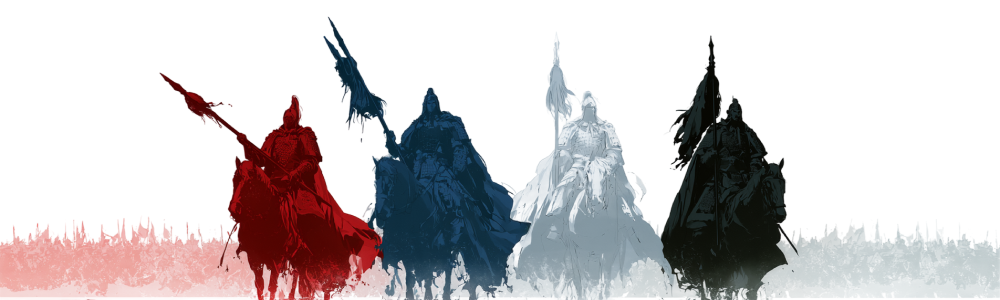
Four dragon banners go up over the muster: white, red, blue and black.
Character將
이세적
Blue DragonThe Blue DragonThe Blue Dragon. The emperor’s most patient general, which is its own kind of danger.
Character將
계필하력
White DragonThe White DragonThe White Dragon. He walked a whole tribe across the border as a boy, and has been proving it was worth it ever since.
Character將
아사나사이
Red DragonThe Red DragonThe Red Dragon. A Turkic prince with a felt tent inside the capital walls, and a perfectly good house he will not sleep in.
Character將
장손무기
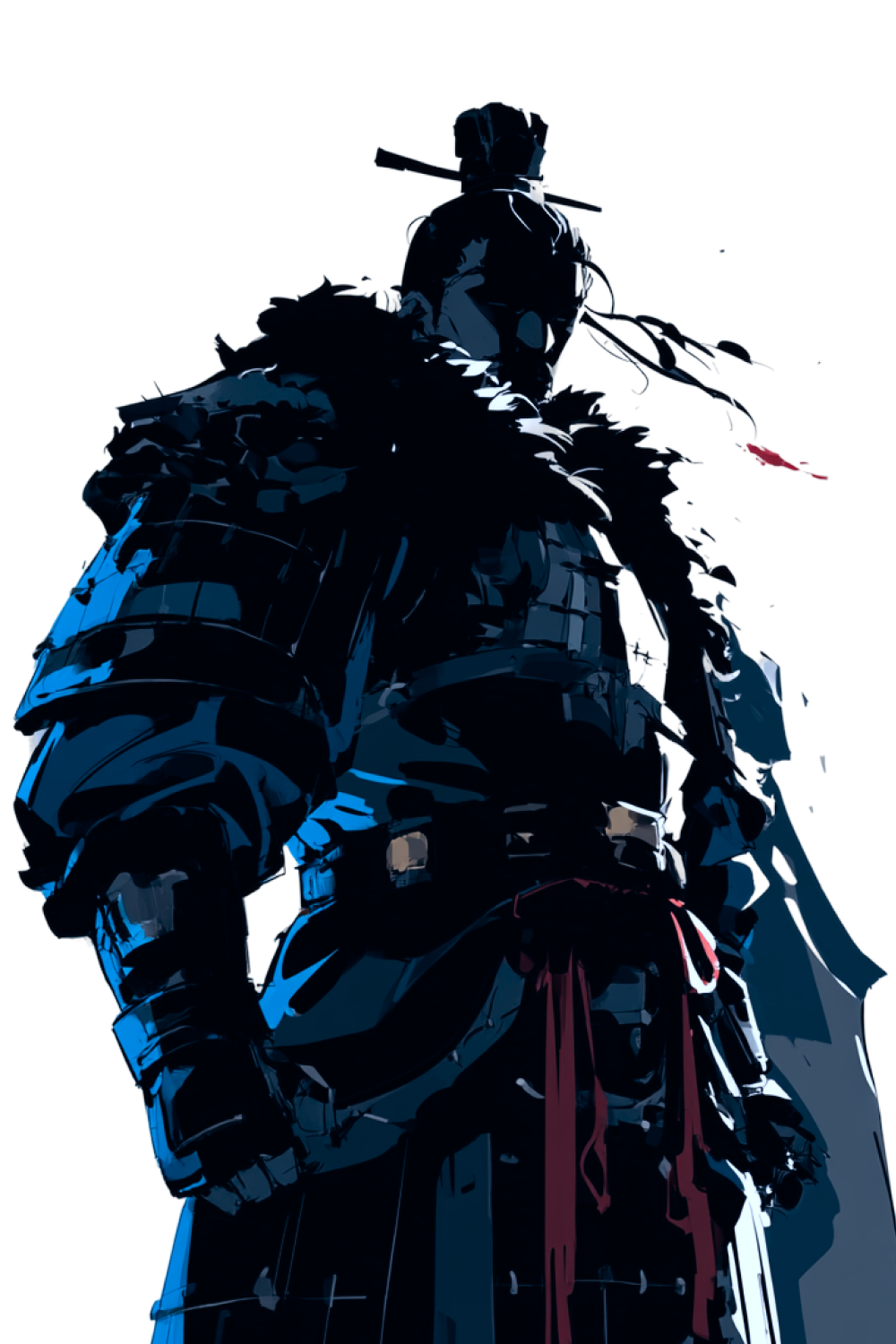
Black DragonThe Black DragonThe Black Dragon. The emperor’s oldest friend. He said no to this war out loud, and then he came anyway.
The fifth banner has no name on it at all. Everyone knows whose it is.
A recruit Which dragon’s ours?咱們歸哪條龍?Zánmen guī nǎ tiáo lóng?
The sergeant Red. A Turk. Keeps a felt tent inside the capital walls, with a perfectly good house right next to it.赤龍。突厥人。京城裡好好的宅子不住,偏在旁邊搭氈帳。Chìlóng. Tūjué rén. Jīngchéng lǐ hǎohǎo de zháizi bú zhù, piān zài pángbiān dā zhānzhàng.
A recruit Why?為啥?Wèi shá?
The sergeant Ask him. I’m not asking him.你去問他。我可不問。Nǐ qù wèn tā. Wǒ kě bú wèn.
A veteran The black one didn’t even want to come. Said so in council. Out loud.黑龍根本不想來。在朝上當面說的。Hēilóng gēnběn bù xiǎng lái. Zài cháo shàng dāngmiàn shuō de.
A recruit Then why’s he—那他幹嘛——Nà tā gànmá——
The sergeant Because the other one wanted to. Heels in, you lot, the clerk’s reaching us.因為那一位想來。都站好,文書念到咱們了。Yīnwèi nà yí wèi xiǎng lái. Dōu zhàn hǎo, wénshū niàn dào zánmen le.
Nobody gossips about . He walked his whole tribe across the border as a boy, and he has been proving it was worth it ever since. Men who are proving something are no fun to talk about.
The clerks read for three days. Somewhere deep in the third day is a name nobody on that plain has heard. A season ago, it was still at home with a hoe.
Section 3Xue Rengui설인귀Longmen Field용문
In a poor field at Longmen, a farmer named is planning to rebury his ancestors. Millet, rammed earth, a hut that doesn’t pretend to be anything. He has the right soil for graves. He doesn’t yet know he has the wrong year for quiet.
Character將
설인귀
Xue RenguiWhite Tiger IIA poor farmer with good soil for graves. His wife thinks he could do better.
The cloth on his back is plain yellow peasant hemp, the cheapest dye the village still sells, the colour of millet at the wrong hour. He hoes. His wife, Liu, keeps the hut door.
The is calling up troops for Liaodong. The edict reaches villages that have never seen a palace, and wives who have never left the furrow.
The edict comes on red paper, pasted to -house wall at the height of a man’s eyes: SERVE THE EMPEROR. Under it, in smaller characters, the quota. It does not ask for him by name. It asks for one man from every household with the right number of hands, and any man with hands will do.
A neighbour One man a household. One!一戶一個。一個!Yí hù yí ge. Yí ge!
A woman at the well Old Wang’s got three sons and he’s crying anyway.老王家三個兒子,照樣在哭。Lǎo Wáng jiā sān ge érzi, zhàoyàng zài kū.
A neighbour He’s crying because he has to pick one.他哭是因為得挑一個。Tā kū shì yīnwèi děi tiāo yí ge.
Nobody laughs. stands at the back with his hoe on his shoulder, reading the small characters twice.
A boy Uncle Xue, you can read. What’s it say?薛叔,你識字。上頭寫啥?Xuē shū, nǐ shízì. Shàngtou xiě shá?
Xue Rengui…It says the emperor wants men.……說天子要人。……Shuō tiānzǐ yào rén.
A boy Does he want you?要你不?Yào nǐ bù?
Xue moves the hoe to his other shoulder and goes home. He takes the long way, past the graves.
Character
유씨
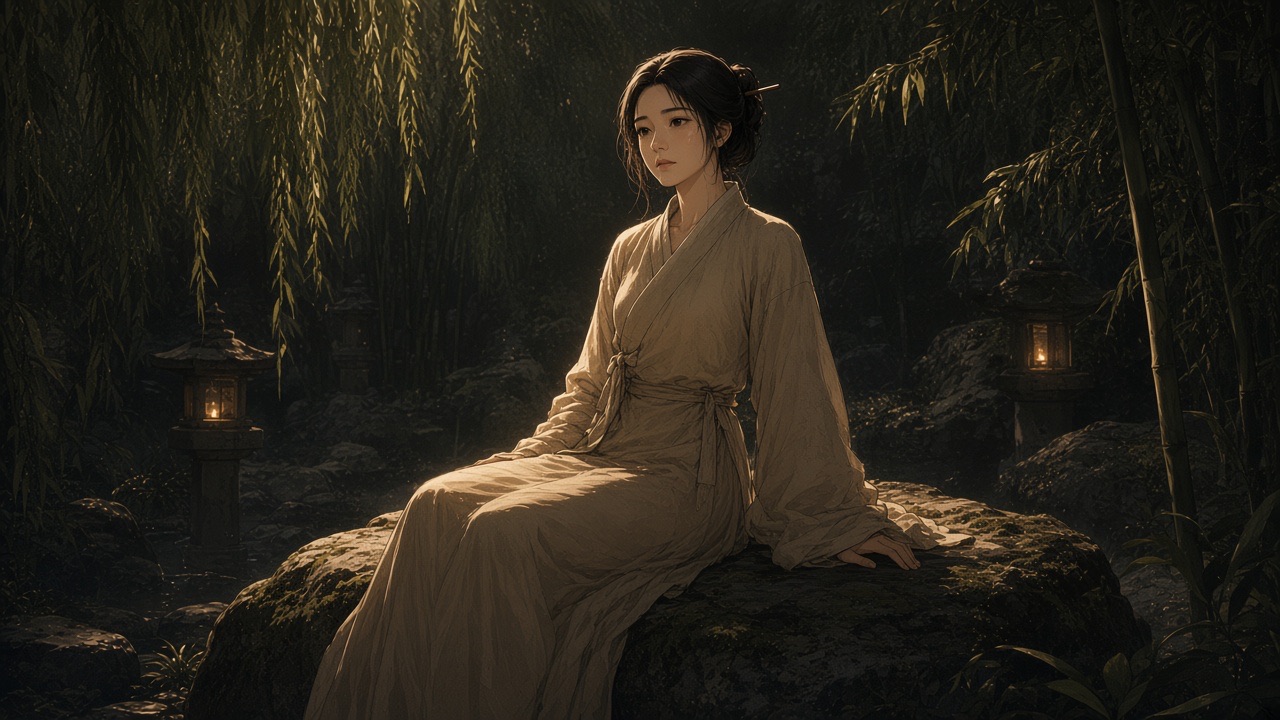
Lady LiuA farmer’s wife. The farmer has no idea what she has planned for him.
Lady LiuYou went the long way.你繞遠路了。Nǐ rào yuǎn lù le.
Xue RenguiI went past the graves.去墳地看了看。Qù féndì kàn le kàn.
Lady LiuYou went past .你去了井邊。Nǐ qù le jǐng biān.
Xue Rengui…The well’s on the way to the graves.……井在去墳地的路上。……Jǐng zài qù féndì de lù shang.
Lady LiuIt isn’t.不在。Bú zài.
Xue RenguiThe mounds… they’re not done.墳還沒圓。Fén hái méi yuán.Not the dirt. The hands.不是缺土。是缺手。Búshì quē tǔ. Shì quē shǒu.The edict — I heard it. I did.詔書——聽見了。聽見了。Zhàoshū——tīngjiàn le. Tīngjiàn le.
Lady LiuMounds don’t wait because a man is short of hands.缺手,墳也不會等。Quē shǒu, fén yě bù huì děng.And the edict doesn’t wait either.詔書更不會等。Zhàoshū gèng bù huì děng.You’re not a hoe. You’re a ji. As far as I can tell.你不是鋤。你是戟。就我看。Nǐ búshì chú. Nǐ shì jǐ. Jiù wǒ kàn.
Xue RenguiA ji.戟。Jǐ.Liu, we don’t own a ji. We own a hoe and half an ox.柳氏,咱家哪有戟。只有一把鋤,半頭牛。Liǔ shì, zán jiā nǎ yǒu jǐ. Zhǐ yǒu yì bǎ chú, bàn tóu niú.Father sold Grandfather’s ji the winter I was born. For seed.爺爺的戟,我出生那年冬天,爹賣了。換種子。Yéye de jǐ, wǒ chūshēng nà nián dōngtiān, diē mài le. Huàn zhǒngzi.
Liu goes into the hut without a word. She comes back with something long, wrapped in oiled hemp, and lays it across his arms. It is heavier than a hoe.
Under the hemp is an old ji. Dark iron, a side blade nicked in somebody else’s war, new cord bound over old wood.
Xue Rengui…Where did you—……你從哪兒——……Nǐ cóng nǎr——This is— Liu, this is his.這是——柳氏,這是爺爺的。Zhè shì——Liǔ shì, zhè shì yéye de.
Lady LiuFrom the house your father sold it to. The son had it. He didn’t even know what it was.從你爹賣給的那家。他兒子收著,連是什麼都不知道。Cóng nǐ diē mài gěi de nà jiā. Tā érzi shōuzhe, lián shì shénme dōu bù zhīdào.Eggs. Four winters of eggs.雞蛋。攢了四個冬天的雞蛋。Jīdàn. Zǎn le sì ge dōngtiān de jīdàn.You kept asking why we never had any.你老問咱家怎麼總沒雞蛋。Nǐ lǎo wèn zán jiā zěnme zǒng méi jīdàn.
Six fathers back, a Xue rode for kings with a weapon like this. The family still tells it, in the voice people keep for stories they stopped believing. Liu believed it. She has oiled that blade every new moon behind the millet jars, and he never once asked about the smell.
Xue Rengui…It’s lighter than I thought.……比我想的輕。……Bǐ wǒ xiǎng de qīng.No. Heavier.不。重。Bù. Zhòng.Liu. If I go — this door.柳氏。我要是走了——這門。Liǔ shì. Wǒ yàoshi zǒu le——zhè mén.
Lady LiuI’ll shut the door.門我關。Mén wǒ guān.Don’t you start worrying about doors.你別操心門。Nǐ bié cāoxīn mén.Talent needs its hour. If this is the hour — then go.才須遇時。若是此時——便去。Cái xū yù shí. Ruò shì cǐ shí——biàn qù.
Xue Rengui…Ancestors. Wait a little longer.……列祖列宗。再稍待片刻。…Lièzǔ lièzōng. Zài shāo dài piànkè.Until I come back carrying this ji.直至我持此戟歸來。Zhízhì wǒ chí cǐ jǐ guīlái.The yellow clothes — I’ll leave them here.黃衣——就留在這兒。Huángyī——jiù liú zài zhèr.
Lady LiuLeave them. They’re the wrong colour anyway.留下吧。顏色本來就不對。Liú xià ba. Yánsè běnlái jiù bú duì.And don’t stand at the back. Nobody ever got noticed at the back.還有,別站在後頭。站後頭的,沒人看得見。Háiyǒu, bié zhàn zài hòutou. Zhàn hòutou de, méi rén kàn de jiàn.
He goes. She is right, and a man who can lift a ji should not spend the invasion stacking earth for the dead.
The Recruiting Table모병소
The recruiting table stands in the Jiangzhou market, between a melon seller and a man selling charms against arrows. Business is good for both.
General Zhang Shigui sits behind the clerk on a camp stool, eating a melon and watching farmers lift a test stone. He has watched a great many farmers lift a great many stones.
The clerk Next. Horse?下一個。馬?Xià yí ge. Mǎ?
Xue RenguiNo, sir.沒有,大人。Méiyǒu, dàrén.
The clerk Armour?甲?Jiǎ?
Xue RenguiNo, sir.沒有。Méiyǒu.
The clerk What’s that, then. A fishing pole?那是啥。釣竿?Nà shì shá. Diàogān?
Xue unwinds the oiled hemp. The line behind him leans out to look.
A farmer in the line Oho. Look out, it’s Lu Bu.喲。快讓開,呂布來了。Yō. Kuài ràngkāi, Lǚ Bù lái le.
The line laughs. Xue doesn’t.
Xue Rengui…Who?……誰?……Shéi?
A farmer in the line Lu Bu. You know. The— never mind.呂布啊。就是那個——算了。Lǚ Bù a. Jiù shì nàge——suàn le.
The clerk Stone’s over there.石頭在那邊。Shítou zài nàbiān.
Xue sets the ji down carefully, the way you put down something you paid for in eggs. He lifts the stone to his chest, then over his head. Then, because nobody has told him to stop, he carries it to the melon seller and back.
General Zhang stops eating.
The clerk …Your name?……姓名?……Xìngmíng?
Xue Rengui, sir. Of Longmen.薛仁貴,大人。龍門人。Xuē Rénguì, dàrén. Lóngmén rén.
The clerk writes . The clerk does not look up. History will.
The first wall has a name. The men who have to take it do not sleep…!
Momal
Keeper of the record
What would you like to know?
I have read the Samguk Sagi and Yusa, Wikipedia, Namu wiki, and this book’s wiki and script. I keep the record and the chronicle apart.