










Chapter 39
Lord of Ansi



AI Summary
- Hill Town Ansi is a hill town inside a ring of stone, a day’s ride from the Liao.
- The Statue A few months later, Yeon’s messenger rides the line of the western forts with a red seal and the same short speech for each.
- Three Thousand Yeon does not come himself.
- Pyongyang The news reaches Pyongyang with the survivors, who are fewer than the men who left, and much quieter.
- The Emperor Comes Two summers later the emperor comes.
- The Earthen Mountain The Second Emperor tries the wall first.
- The Retreat Then the cold comes early.
- The Statue That winter the mason gets his way.
- Yodong A day’s ride from Ansi, a rider in red comes up the empty road from Pyongyang, alone, and stops at Yodong.
- Characters
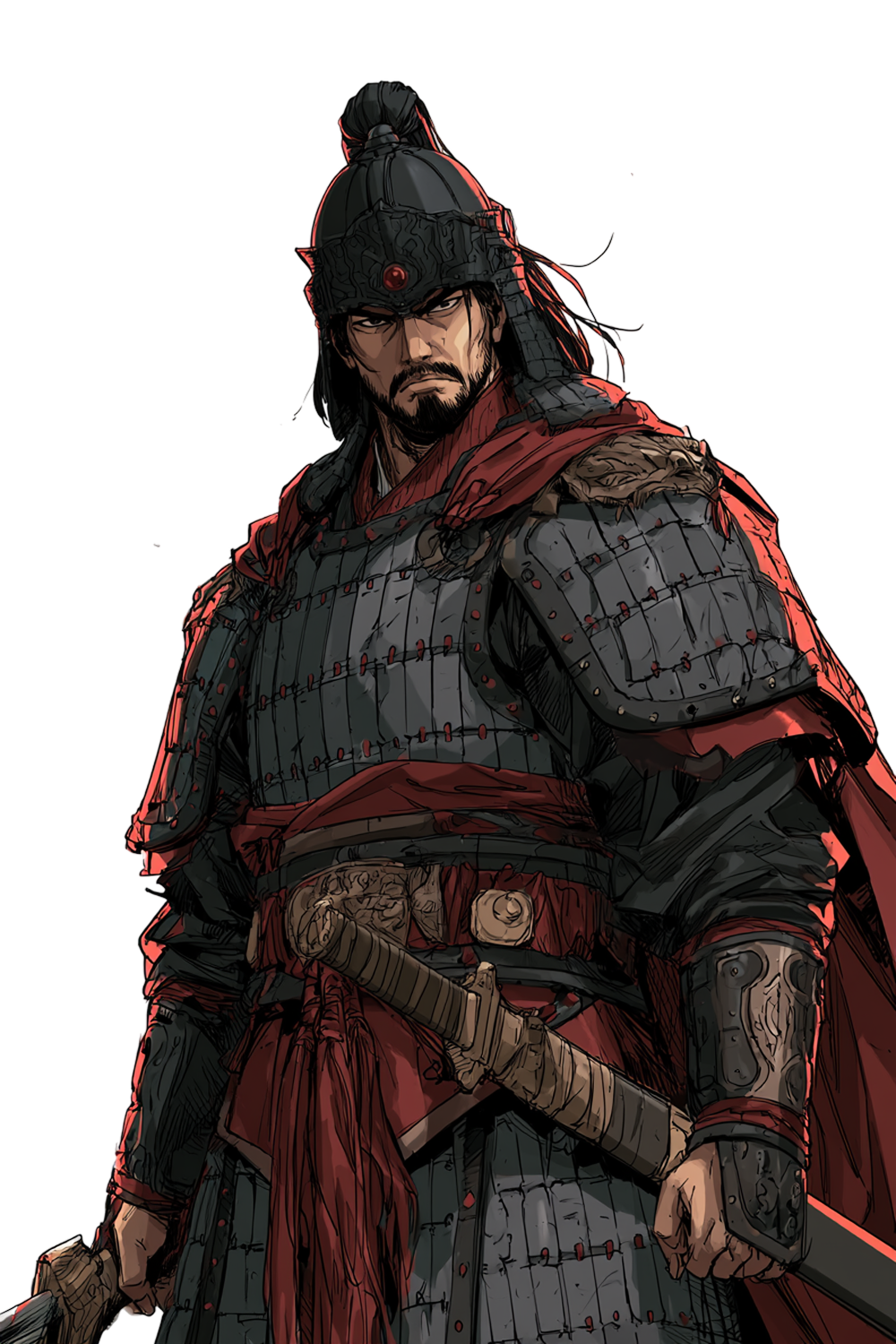
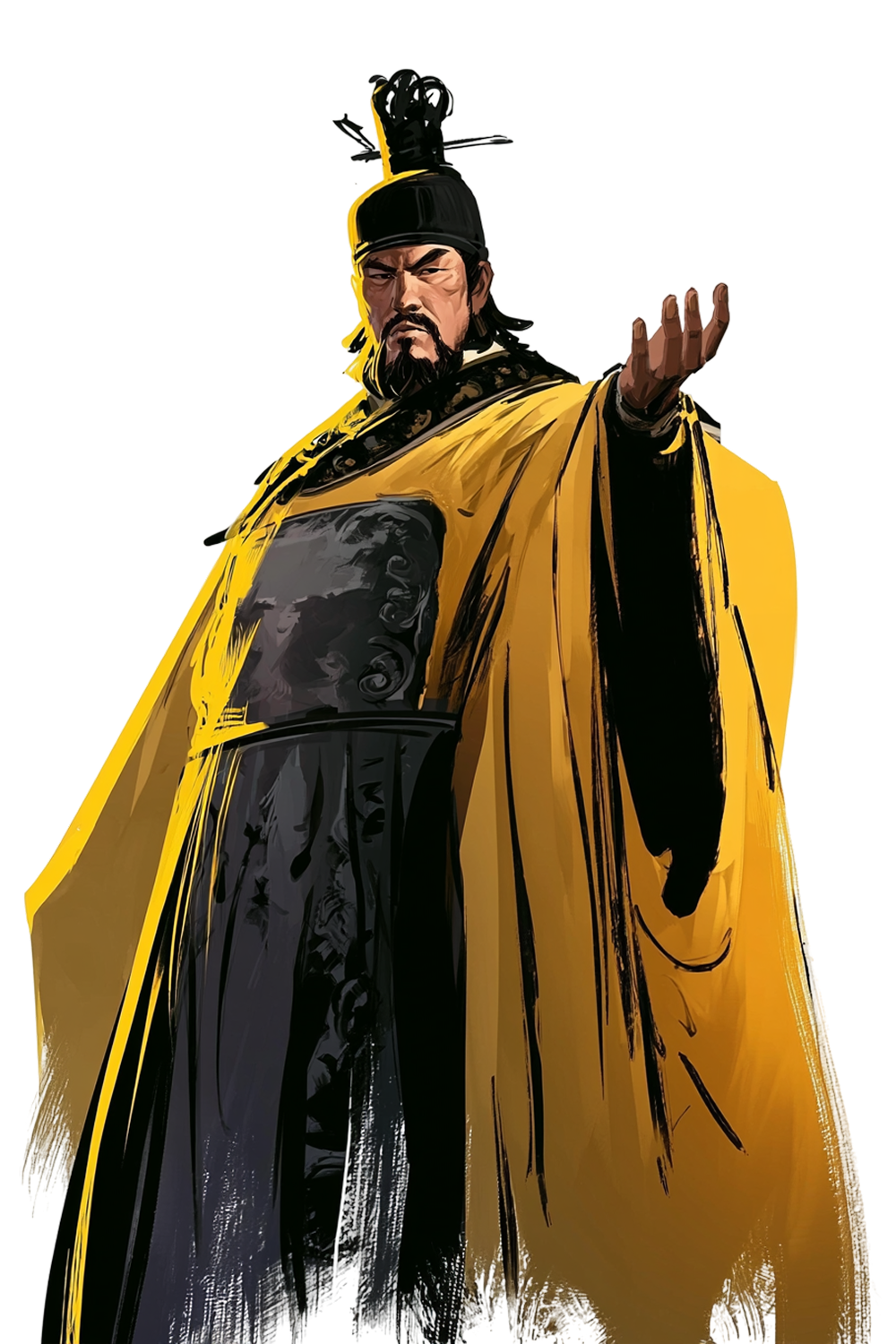
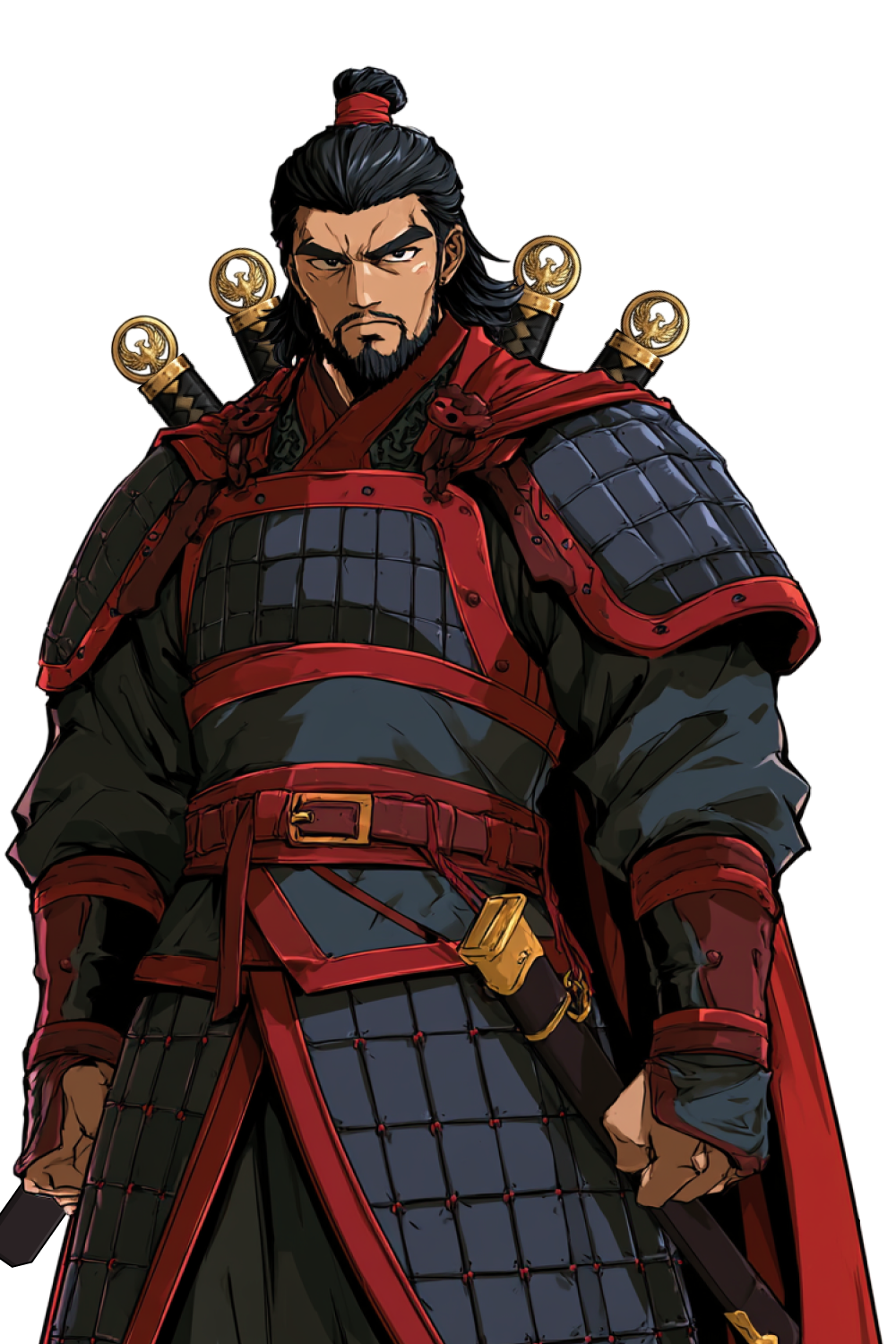
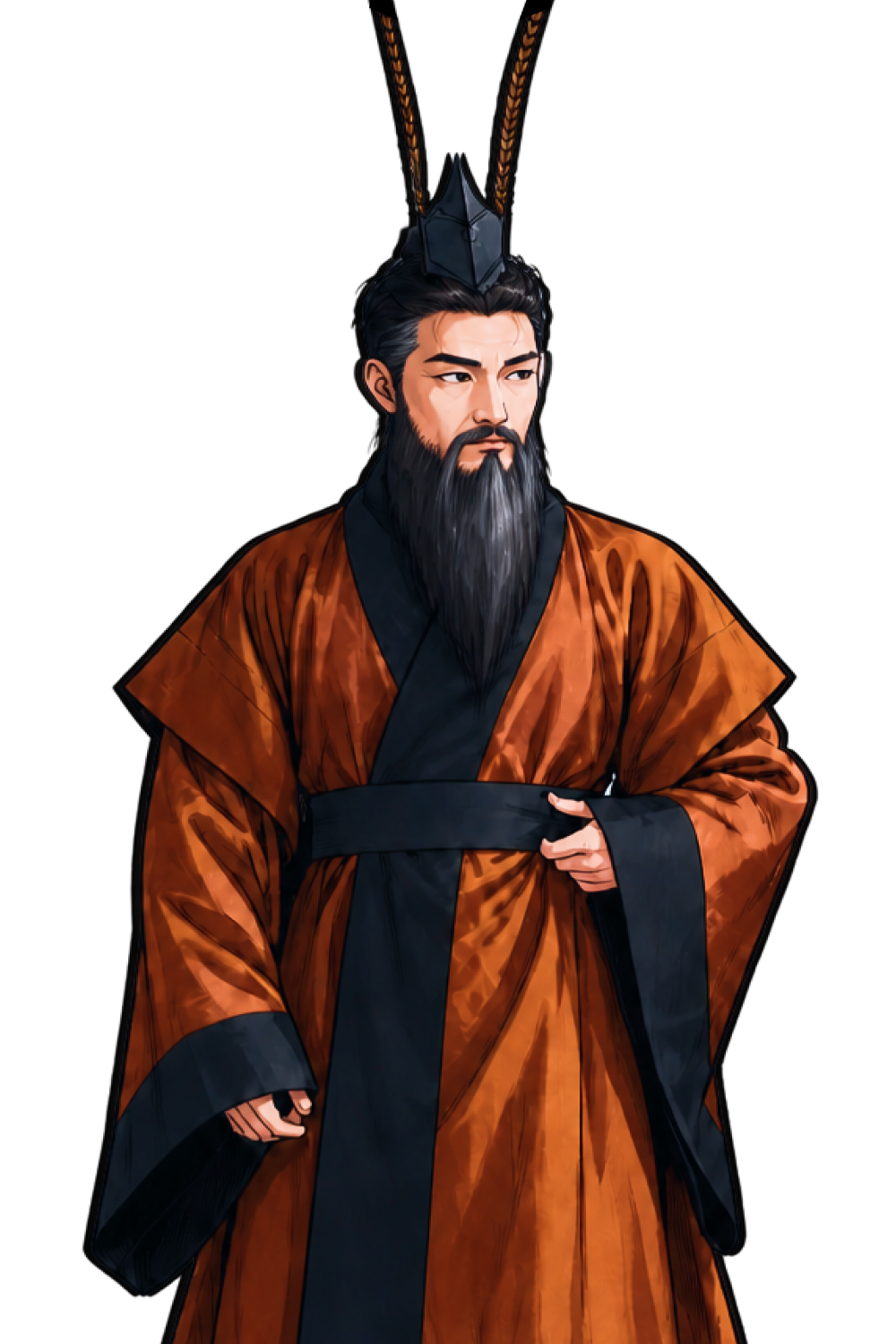
Episode· 645
Lord of Ansi
Ansi dances all night, follows a man with a lazy eye, and answers to no one. Now the emperor is at the gate.
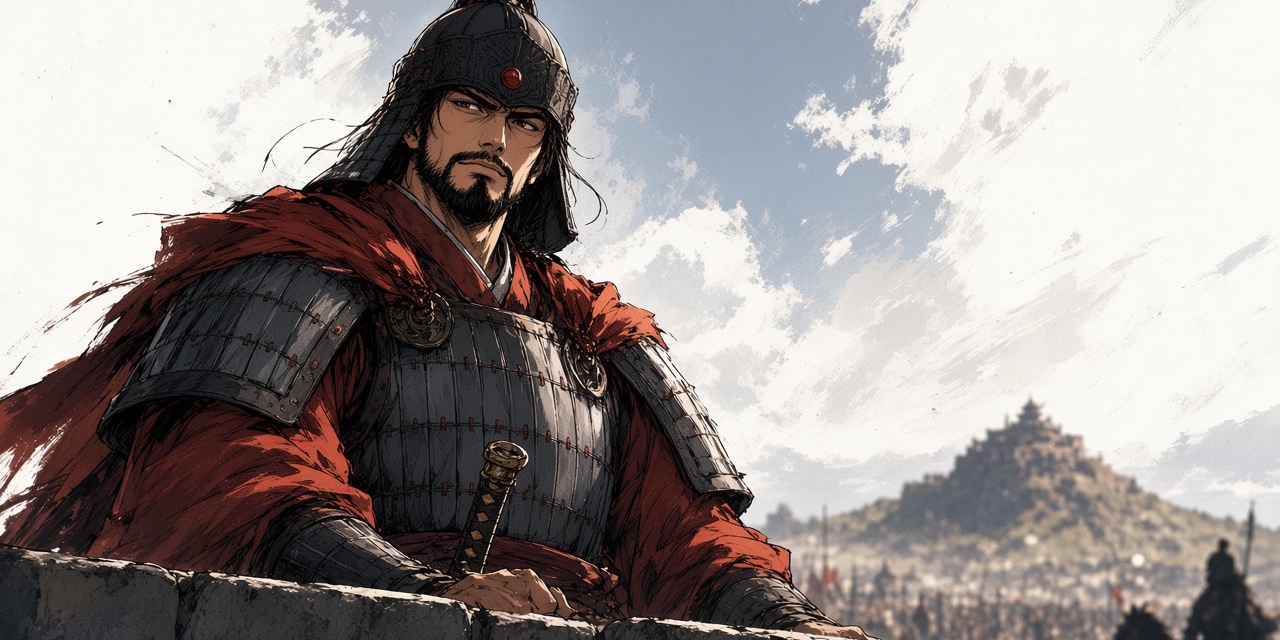
- The Guardian
- The Second Emperor
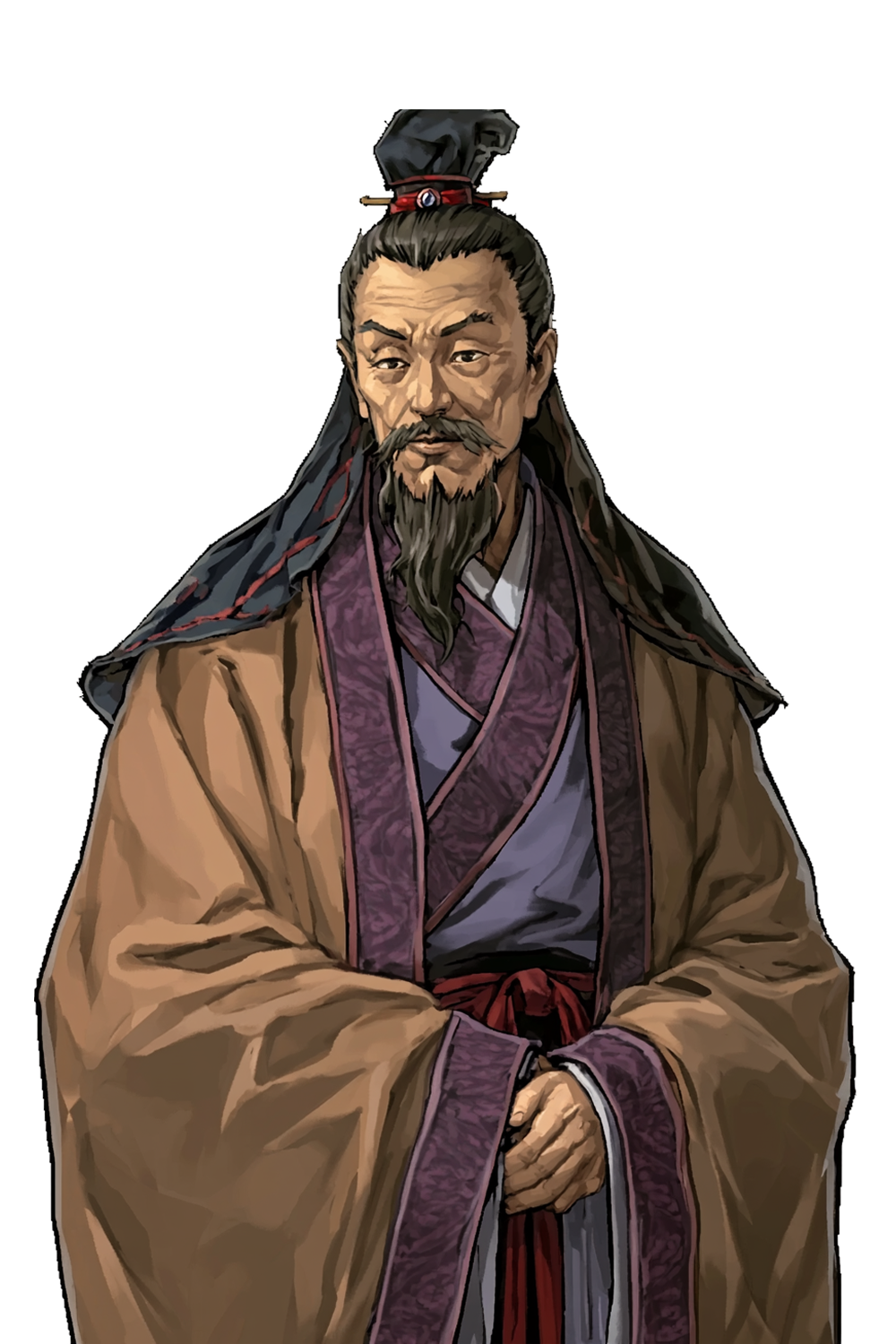
- Yeon Gesomun
- Yeon Soryu
- The Imperial Minister
3 stills without a cue
Every town has one man it would follow off a wall. ’s can’t look at you straight.
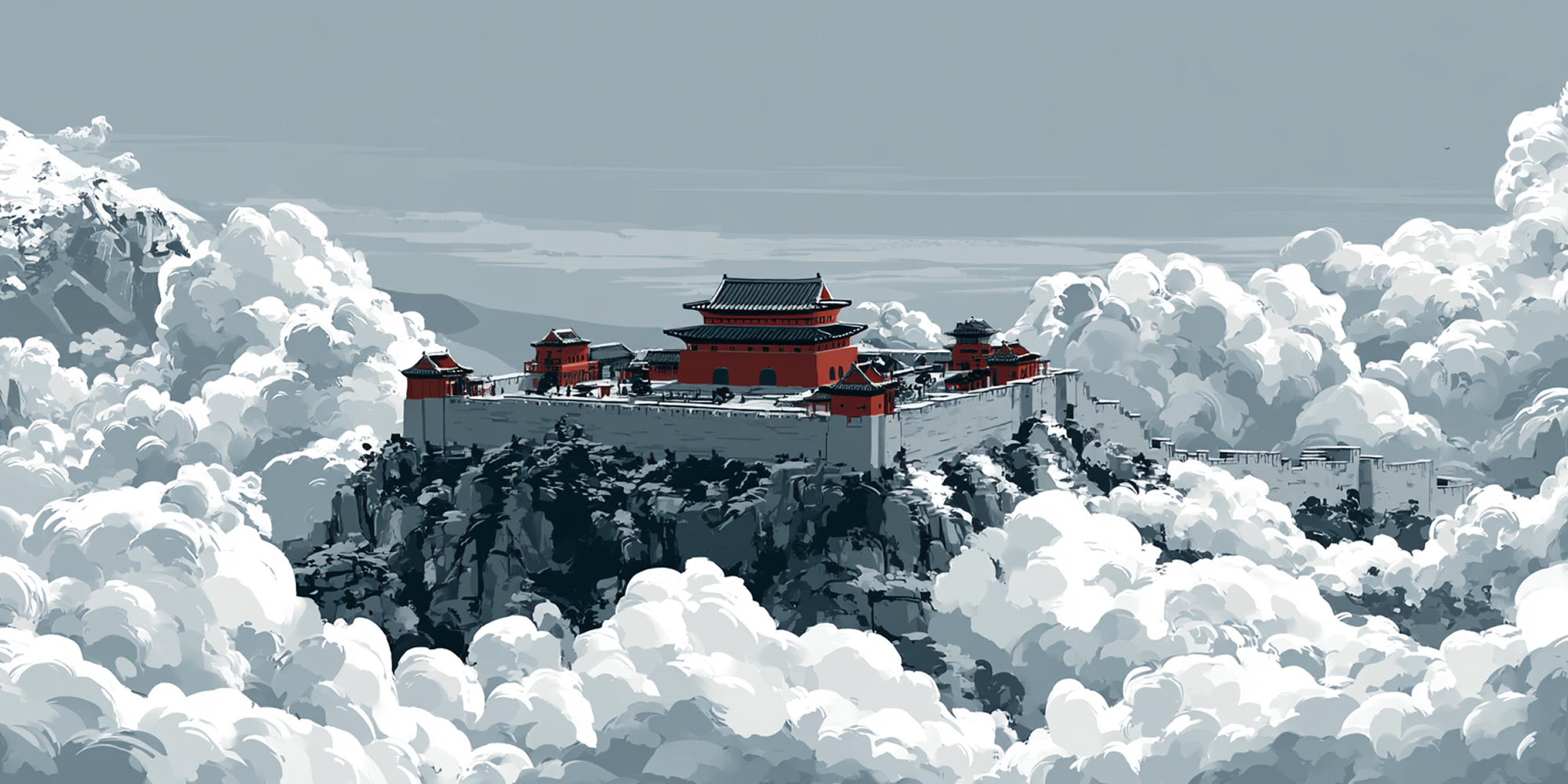
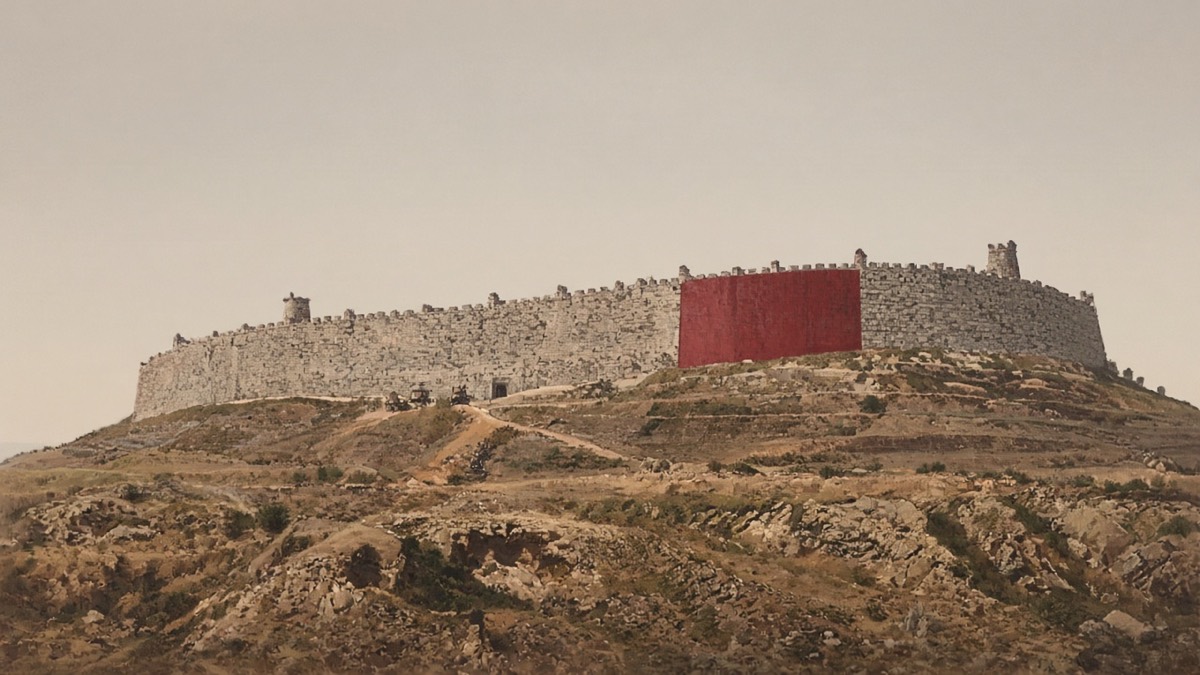
is a hill town inside a ring of stone, a day’s ride from the Liao. It grows millet, breeds horses, and goes to bed far too late.
Travellers from noticed this a long time ago. They wrote it down, a little scandalised.
Its people love to sing and dance. In the towns and villages all over the country, when night falls, men and women gather in crowds and pair off to sing and play.
그 백성은 노래와 춤을 즐긴다. 나라 안 고을과 마을마다 밤이 되면 남녀가 무리 지어 모여 서로 짝을 지어 노래하며 논다.
Tonight is in the yard under the east gate. Somebody has brought out a drum. The chief is dancing, which is the worst thing that happens to that drum all year.
Dotted ochre. Striped skirts. Black feather-caps bouncing. Rouge. Nobody brought a helmet. This is how a town goes to bed: it doesn’t.
The long sleeves take the ring. A woman wraps a mason, unwraps him, wraps him again. He is still holding his cup. She kisses the cup out of the way and then she kisses him.
He is thirty-two. One of his eyes looks where he looks. The other wanders off on business of its own, and the town has never once let him forget it.
They feed him first. They save him the warm spot by the stones. They call him the way you call a brother a bad name you like. If he ever left, would still be lit. It would just be pointed at the gate.

She pops up on her toes and kisses him. The wandering eye finds her anyway. The town makes a noise you only make for a man you would follow off a wall.
In the girls do the asking. Kkachi crosses the circle and takes a young archer by the dotted sleeve. He goes the colour of . She does not wait for him to decide.
They laugh into each other’s mouths and do not stop. His jougwan knocks her pin. Somebody whoops. The dark just past is already full of people who found each other.

At the edge of the light the mason sits on a block with a cup, squinting at the chief’s face like it owes him money.
The drum stops before the rider is through the gate. He has come from without changing horses, and it shows on both of them.
Nobody picks the drum back up. The chief turns his back to so the town can’t see his face. It doesn’t help. They can see his shoulders.
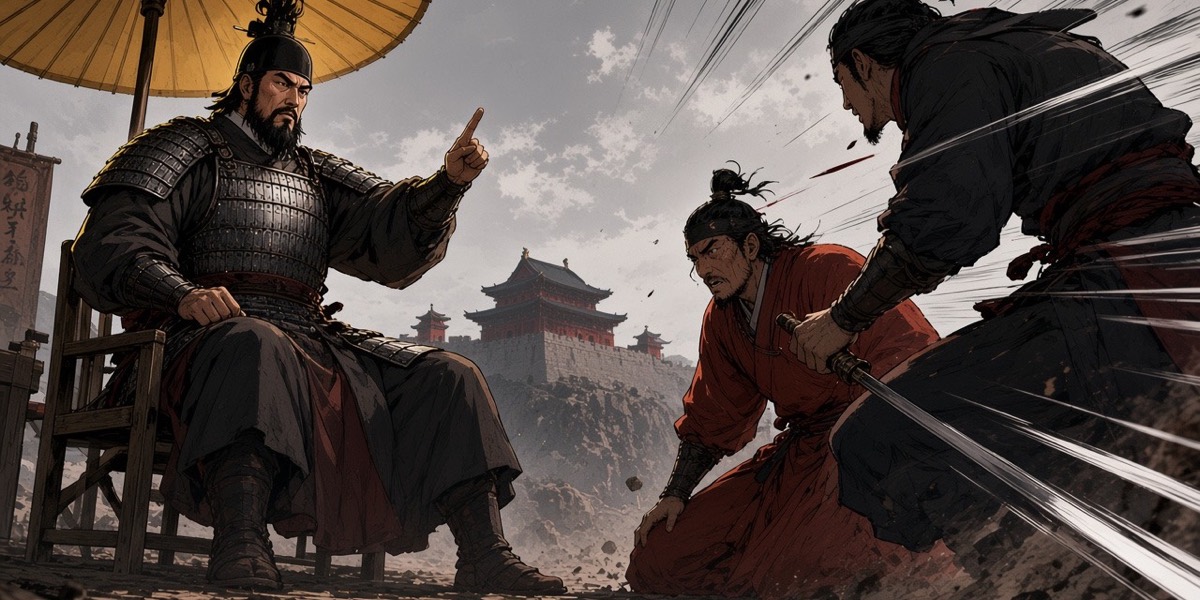
A few months later, ’s messenger rides the line of the western forts with a red seal and the same short speech for each. Every gate opens. Every lord kneels to the seal.
Then . The messenger is young, and he has had a very good month.
It is done in the yard, quickly, the way a certain young commander once did it in the snow. Nobody looks away. In that isn’t fear. They want to see if he flinches. He doesn’t, until he is alone on the wall.
does not come himself. He sends three thousand men. That is an army for a town, not a wall. They come up the valley in the thaw, under red banners. The wall flies the same red.
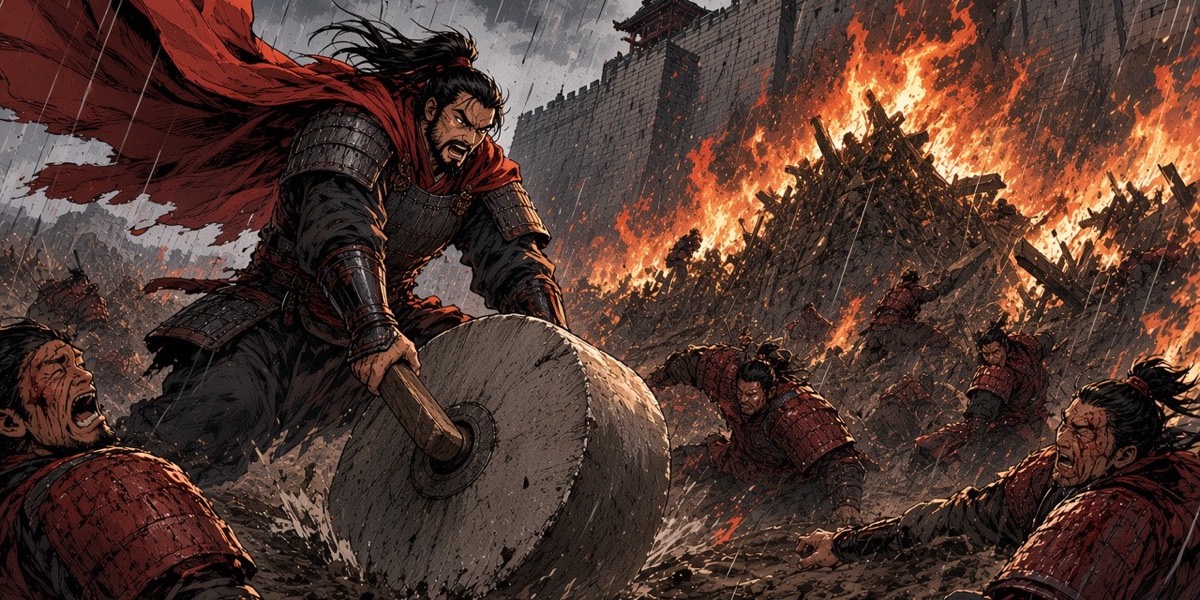
The whole town is on the wall. The weaver hauls stone. Kkachi runs arrows along the parapet in a basket bigger than she is. The mason heaves over a millstone he spent a year cutting, and watches it go with real grief.
At dusk the chief opens the gate, which nobody expects, least of all the men outside it. Half the garrison comes out behind him, and most of the town’s butchers. By dark the valley is quiet. The red banners lie in the mud with their poles snapped.
The news reaches with the survivors, who are fewer than the men who left, and much quieter.
laughs, once, like a slap.
So answers to no one. It keeps the old king’s colours on the wall, and nobody in mentions it at dinner.
Two summers later the emperor comes. burns. The forts that knelt to ’s seal fall one after another, and the road to runs right under ’s wall.
Nobody writes his name down. To the people inside the walls he is just , and that turns out to be enough.
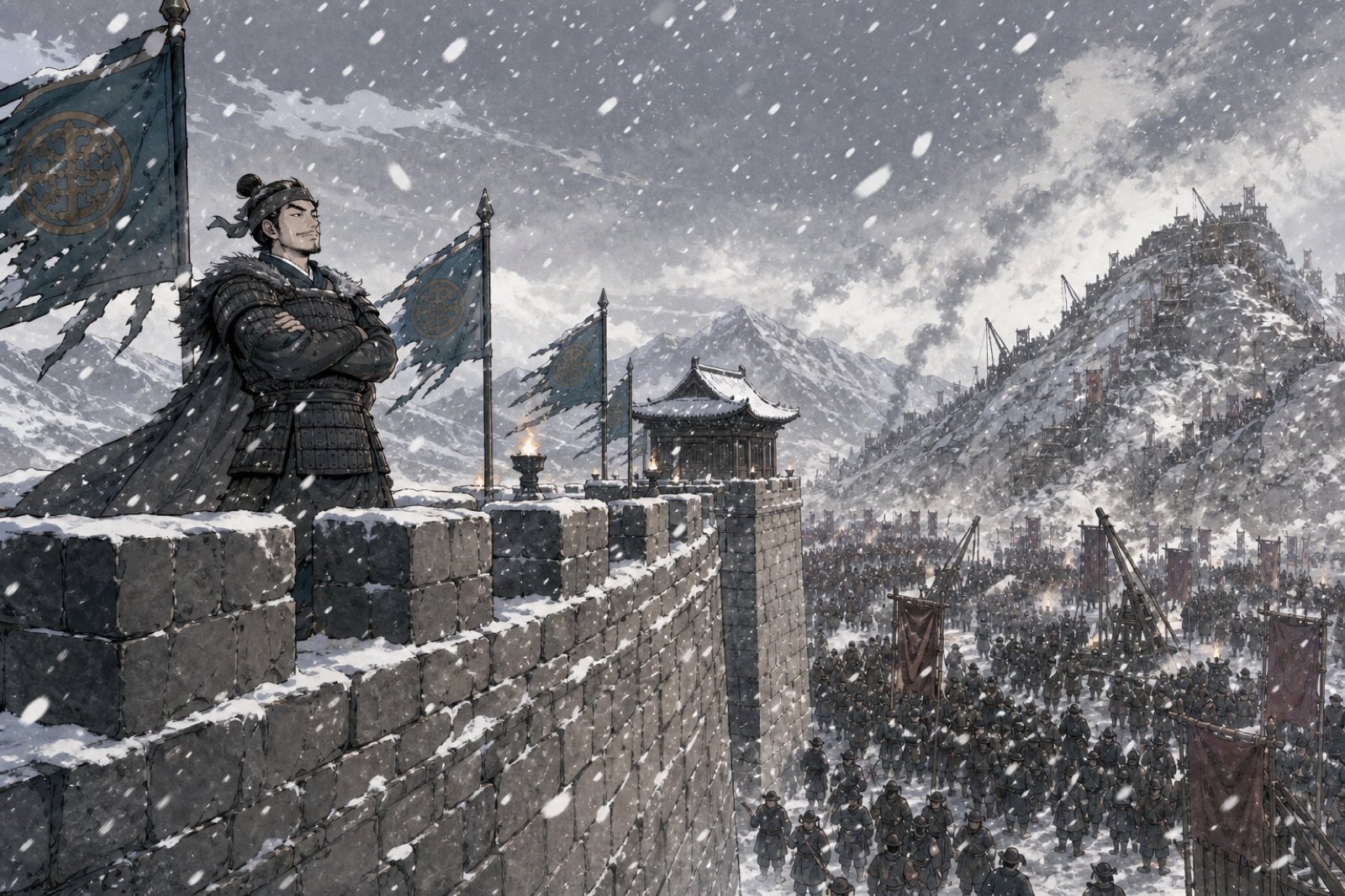
tries the wall first. The ’s rams go at the Western wall six or seven times a day. Every tower they knock down is a timber fence by dark.
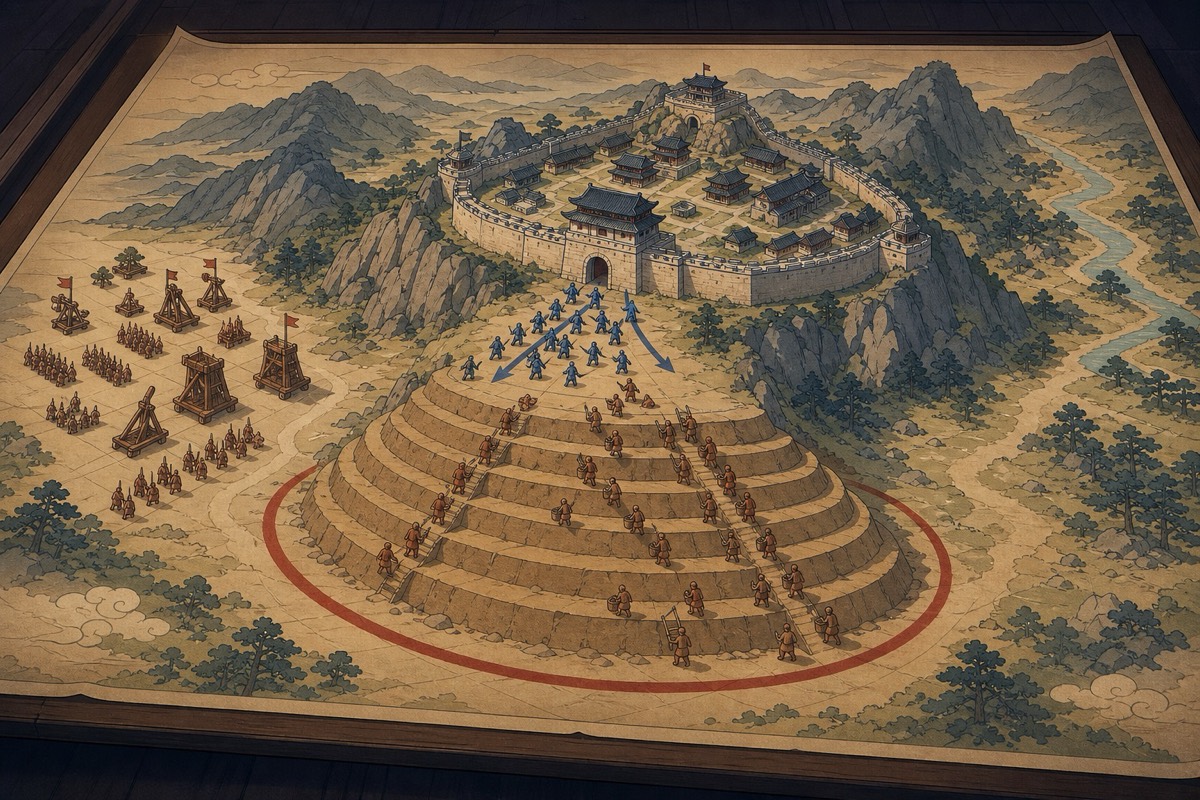
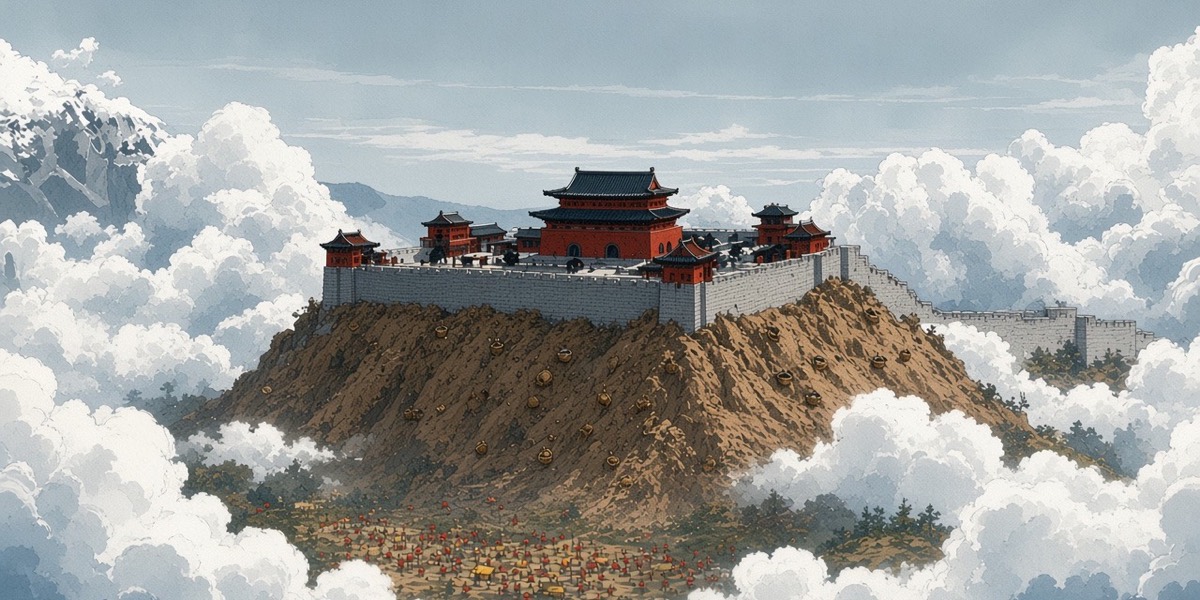
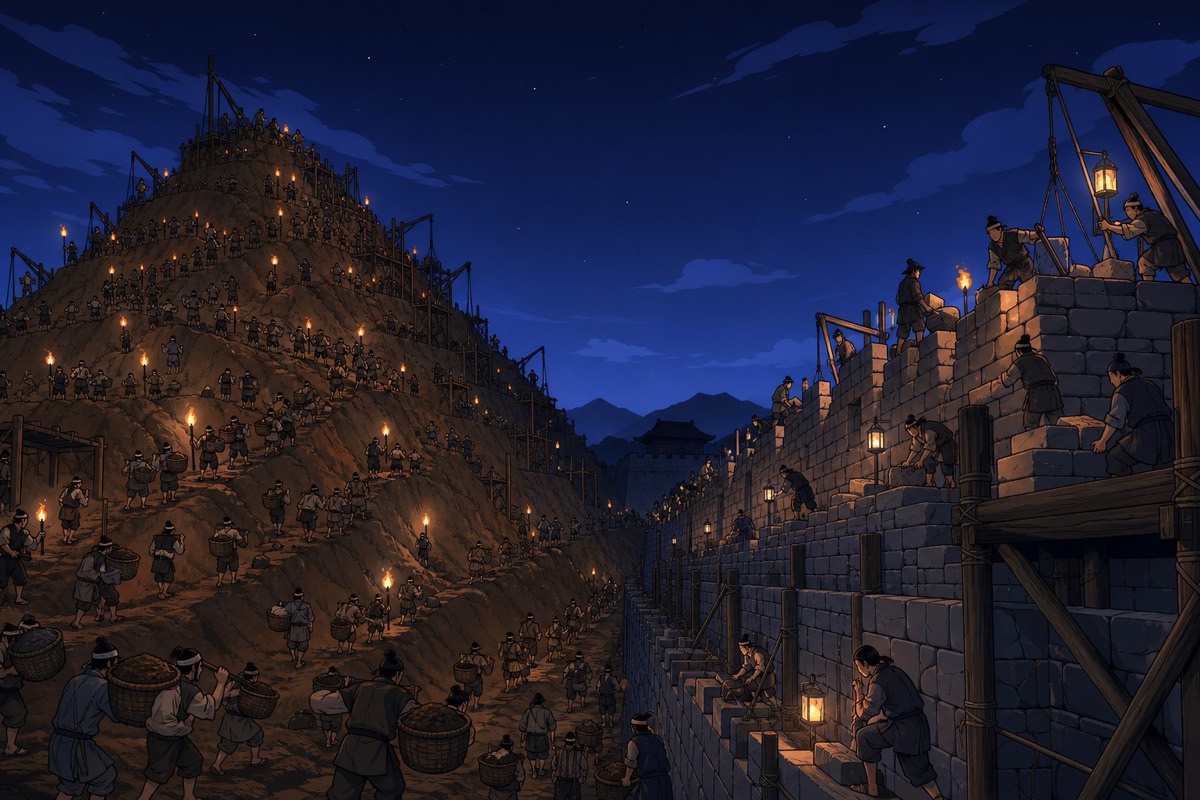
When the wall does not work he tries the ground, which is the sort of thing only an empire can afford to try. His cousin starts piling earth against the south-east corner, and the emperor moves his camp south to watch it grow. The archers on the parapet watch every basket.
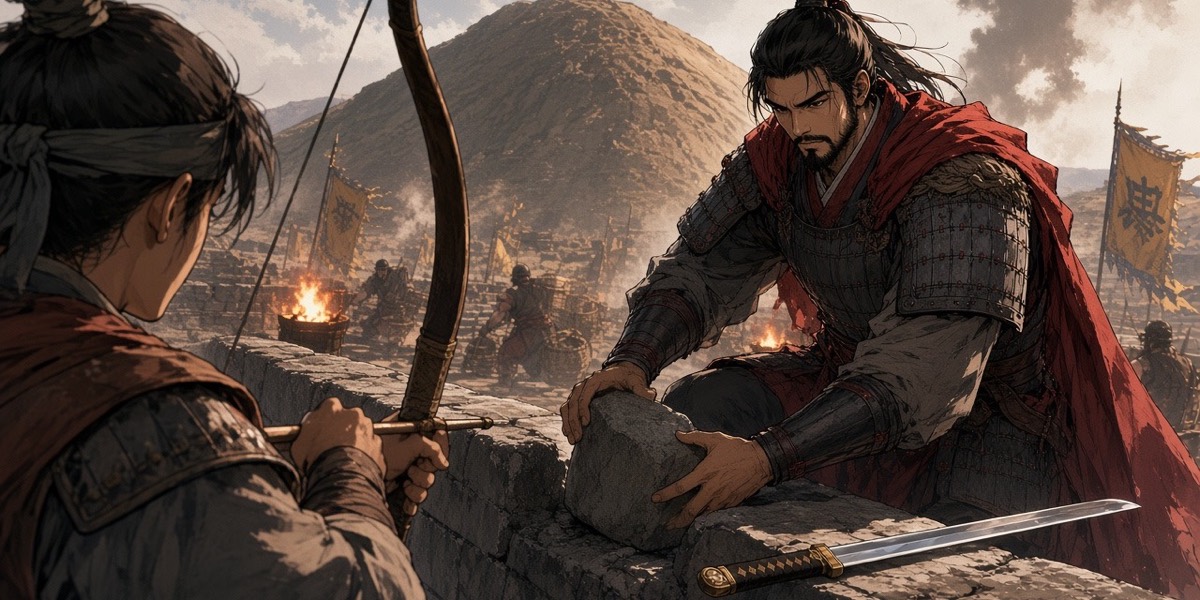
Somebody passes it. He sets it himself, on the inside face, with a tilt you could see from the emperor’s tent.
The chief doesn’t answer. He looks south-east, toward , with the eye that can be bothered. Then he holds out his hand for the next stone.
Inside the walls the stone runs out first. Then the doors. Then the roof beams of the houses nearest that corner. Families sleep in the open and pass their own lintels up the ladder.
Five hundred thousand man-days, sixty days of hauling, and the mountain’s crown stands higher than the wall. From up there you can count the cook fires.
Every night the defenders built their wall higher than the mound had grown that day. The siege became a race between shovels.
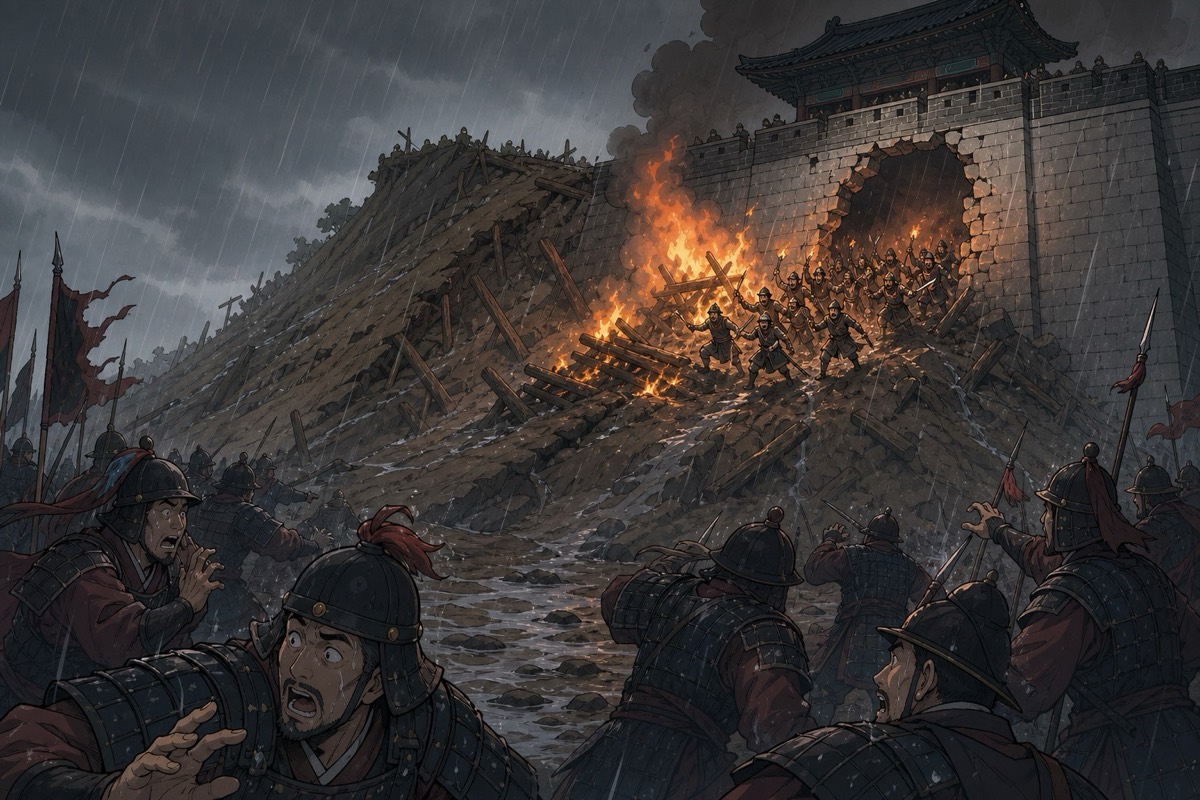
Then it rains, and the mountain slumps — sideways, into the wall it was built to overlook, taking a stretch of down with it. Both sides stare at the gap.
The officer who was supposed to be holding the mound has stepped away.
A few hundred men are standing on sixty days of the Western work. They pile timber on its slopes and set it alight. By noon there is a banner on top.
The emperor has Fu Fuai beheaded, very courteously, and orders three days of assault on the mound.
The emperor rides up to watch. Too close.
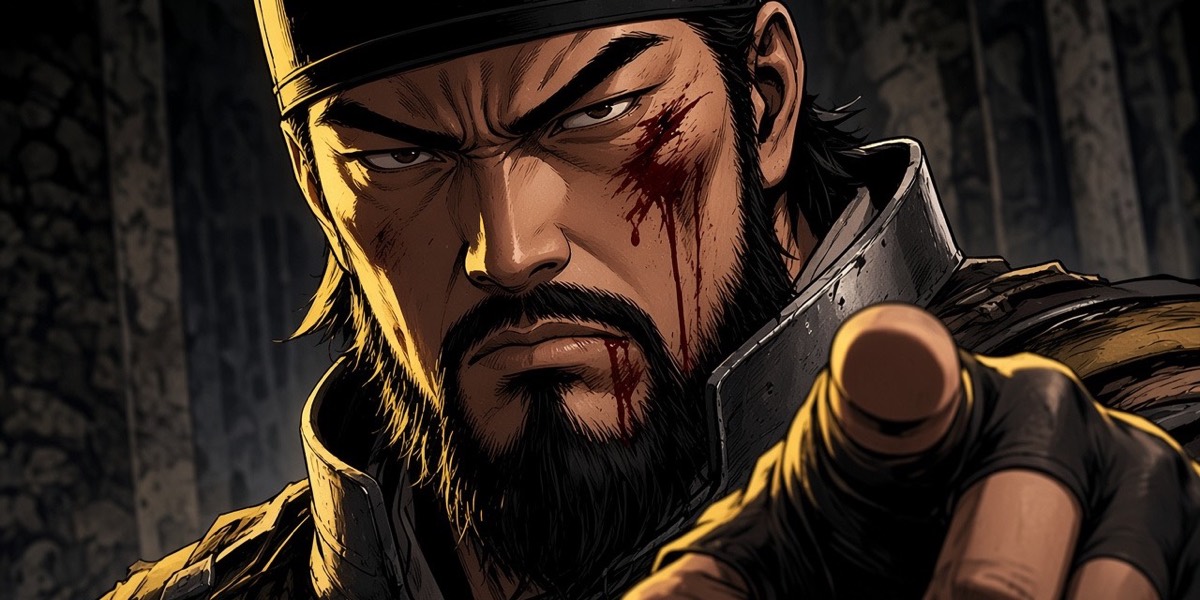
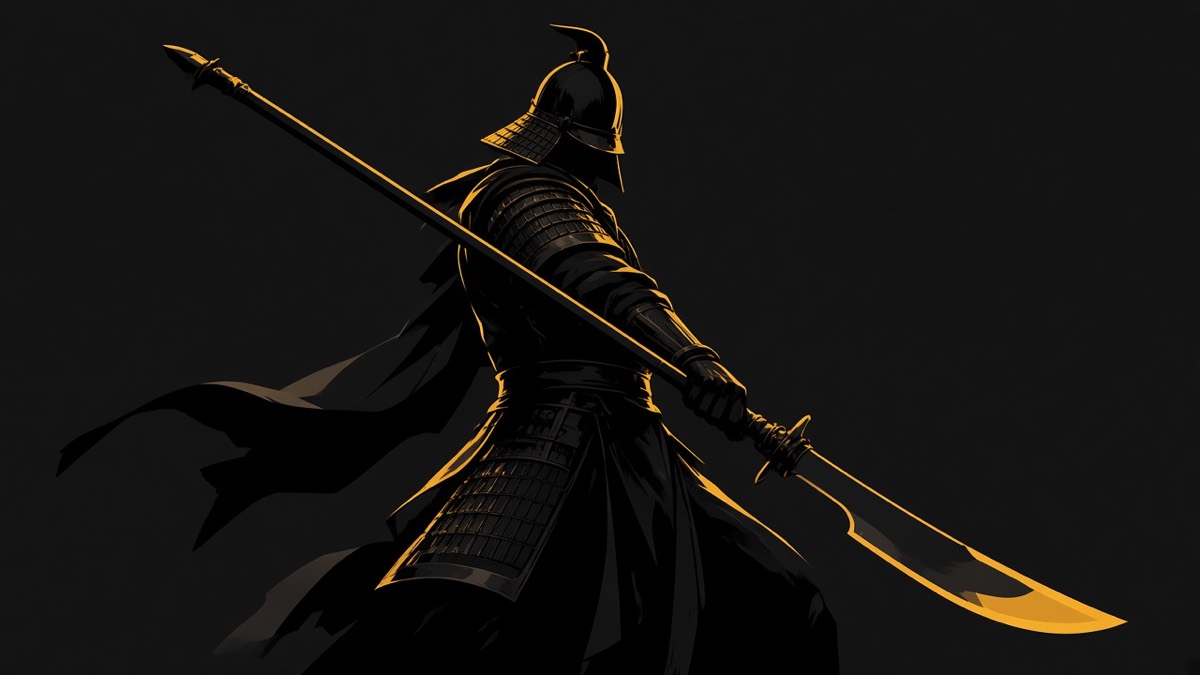
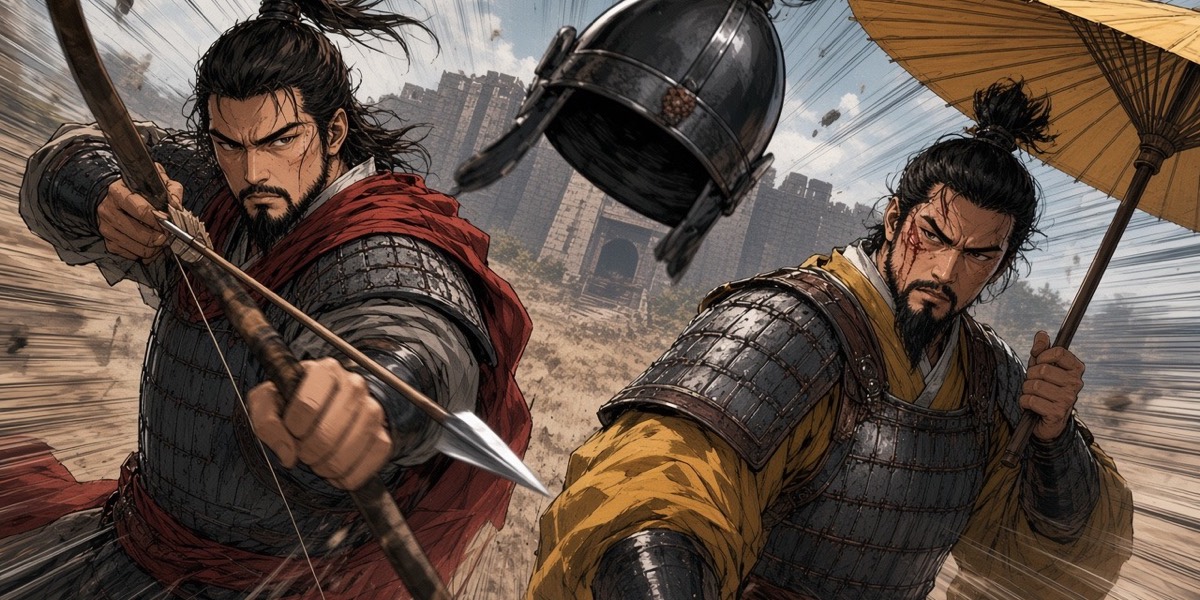
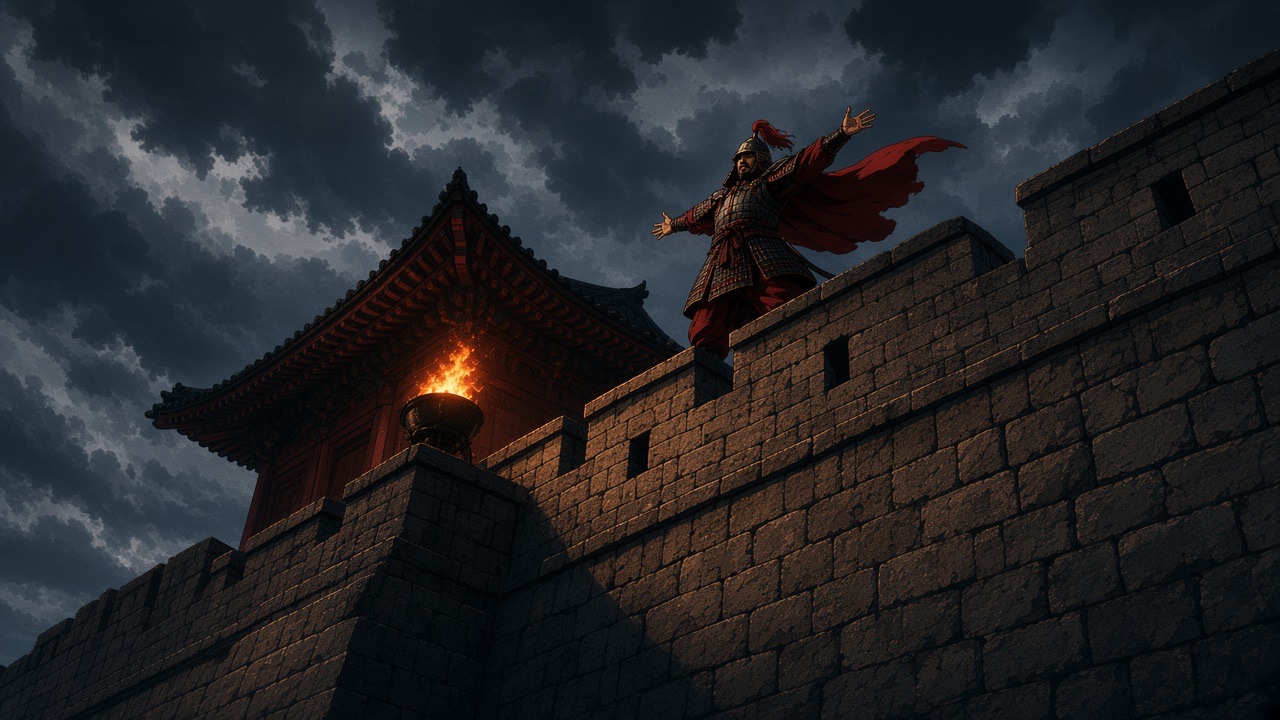
On the second day the Guardian sees him: a yellow parasol on the near slope, closer than any emperor should be. He takes the bow out of the young archer’s hands.
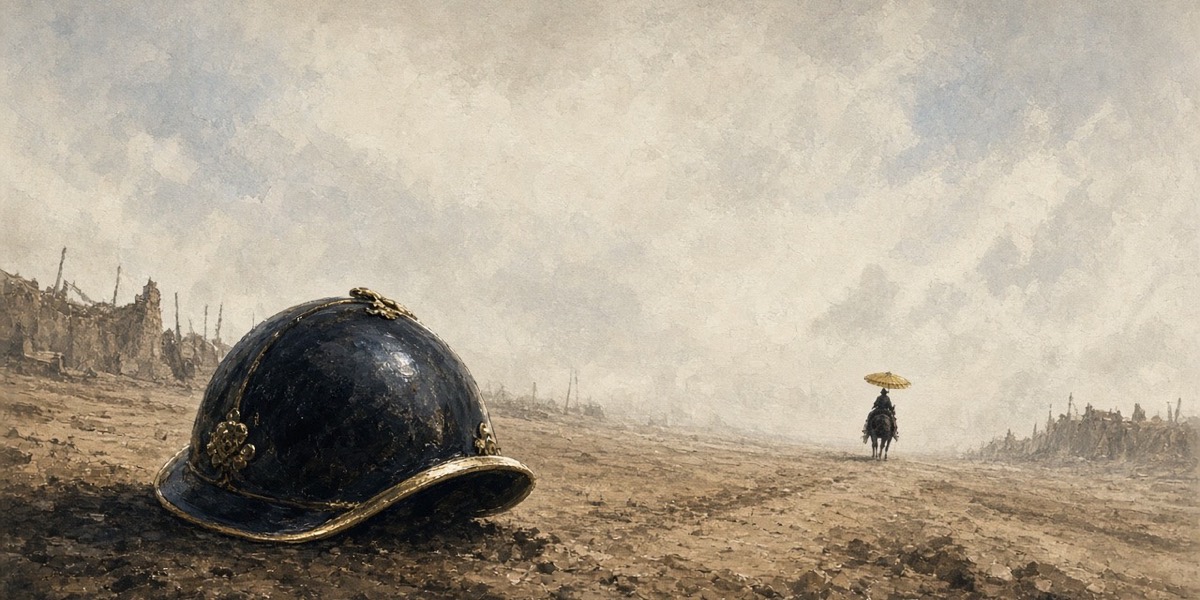
The arrow takes the helmet clean off. The lacquered bowl leaves his head and rings once on packed earth, then keeps rolling. For the first time in the siege, the two men look straight at each other.
Nobody can. A cut over the emperor’s eye bleeds into his beard. The surgeons say it is nothing, and he lets them.
Then the cold comes early. Sixty days of hauling earth were sixty days of horses eating the plain, and the plain is bare. There is nothing left to feed them.
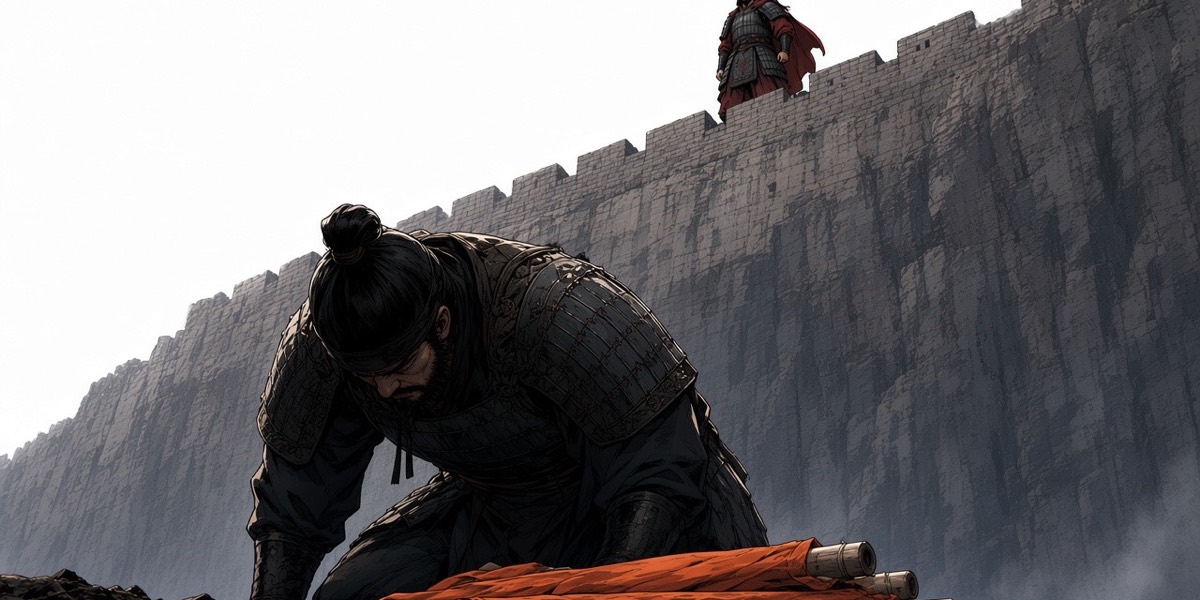
On the morning he turns for home, the emperor parades his army under the wall one last time, so the wall can see what it beat. Inside, nobody shows a face. Then one man climbs the parapet and bows.
A proper bow, from the waist. The kind you give a guest who stayed too long.
The silk goes up the wall on a rope. The name does not come down.
Then the marsh. Two hundred li of mud, and the road across it is the road he tore up himself. Nobody goes home the way they came. He said that.
Snow comes down on the column in the mud. The emperor gets off his horse and cuts brush with his own hands to fill the ruts. His officers can’t be seen carrying less.
Nobody does. That was the whole trouble.
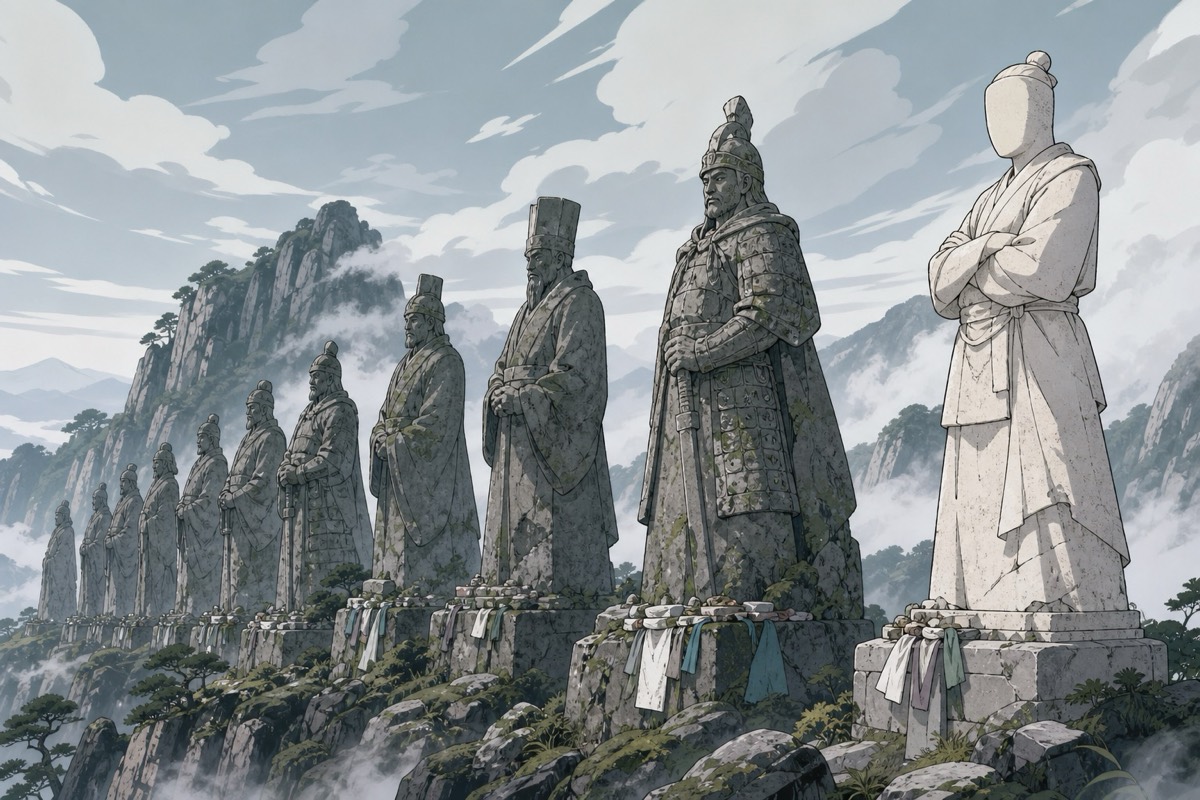
That winter the mason gets his way. The chief sits for his statue on an upturned basket in the yard, under protest, and the whole town comes to supervise.
The chisel stops. The mason looks at Granny. Granny looks at . It turns out everybody knows, and nobody can tell it.
Nobody writes down what became of him after that winter. The statue kept the eye.
A day’s ride from , a rider in red comes up the empty road from , alone, and stops at . He goes no farther. Nobody on that wall has asked him to.
The West marched ’s people west when they left, seventy thousand of them, roped in lines. What is left is ash, and a stone shrine on the hill with its door open. Inside stands the oldest statue in , black with smoke.
Under the chain mail sits a girl in red silk gone the colour of rust. A lamp beside her. She has kept it lit for three months on what the soldiers left behind.
The Blue Dragon takes the west wall with rams and throwers, six or seven fights a day. Every time a tower comes down, a timber fence goes up behind it. Whenever the emperor's banners show, the wall beats drums and jeers.
- Tang ?
- Ansi ?
- = 1,000 men
- = size not recorded
Sources: Zizhi Tongjian 198, Zhenguan 19 (645), 6th–9th months · Old Book of Tang 199A, Account of Goryeo · New Book of Tang 220, Account of Goryeo · Samguk Sagi 21, Annals of Goguryeo, Bojang year 4 · Encyclopedia of Korean Culture, 'Ansi Fortress' (site)
Thirty years before this wall, another general made a river boil without fire…!
