





Chapter 61
Lady Ungo



AI Summary
- Nightmares He starts dreaming about the Rock of Politics.
- The Hall The first man to say the obvious thing out loud is Hungsu.
- Gomamiji Gomamiji is a posting, not a retirement.
- The Rock of Politics The letter reaches the Rock on a morning when the Prime Minister is in Chang’an and the king is in bed.
- The Corridor
- The Stair On the stair between the Rock and the wine, the two princes meet coming opposite ways.
- The Banquet Hall He stops holding court.
- The Queen’s Rooms Three courtyards away it is very quiet.
- The Monastery Across the city, at the monastery that belongs to neither of them, two old men have nothing to do but talk.
- The Cell Sunchung starves in a cell within earshot of the feast.
- Charcoal Pass
- The Empty Rock That night the queen goes to the Rock alone, with the same lamp.
- Characters
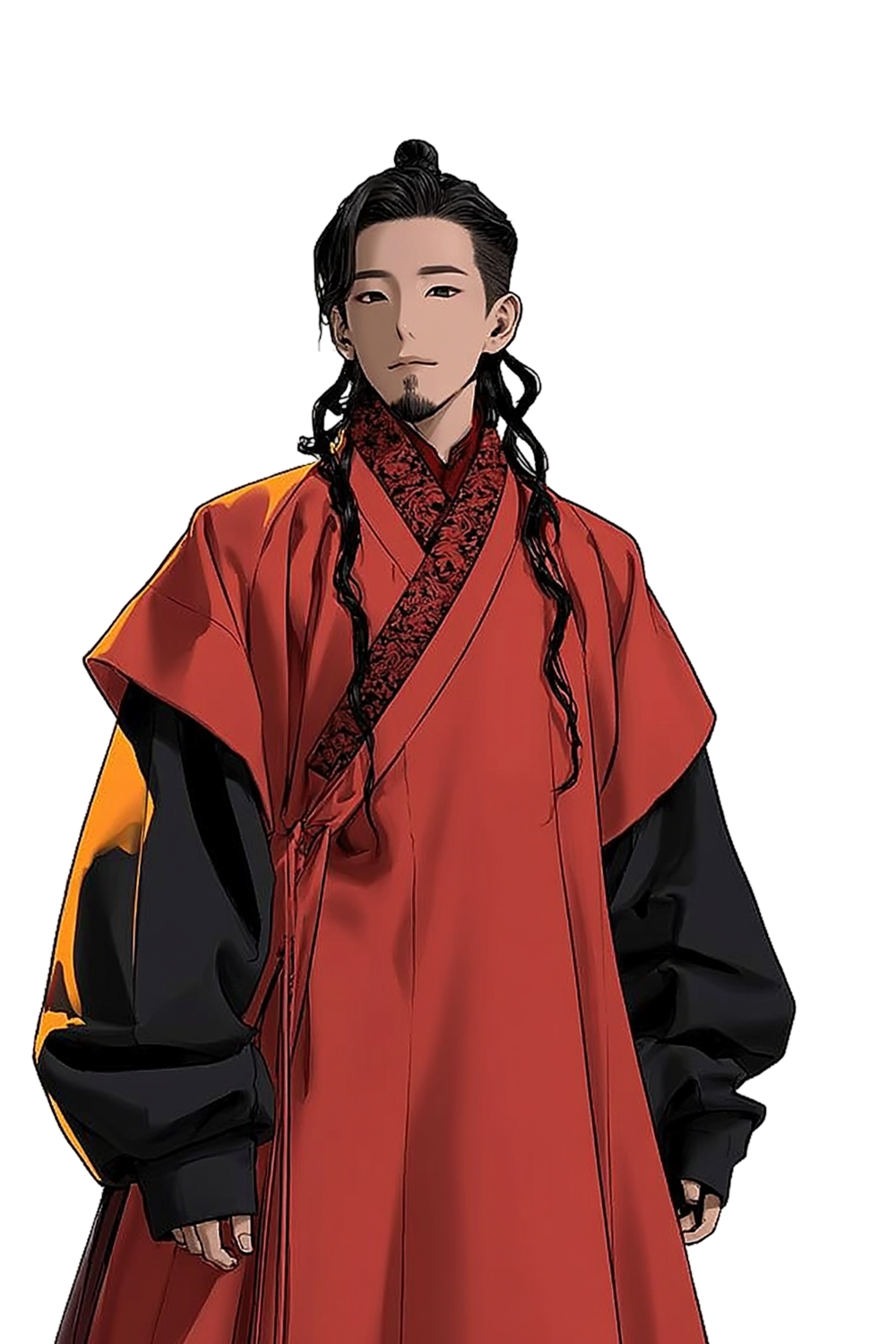
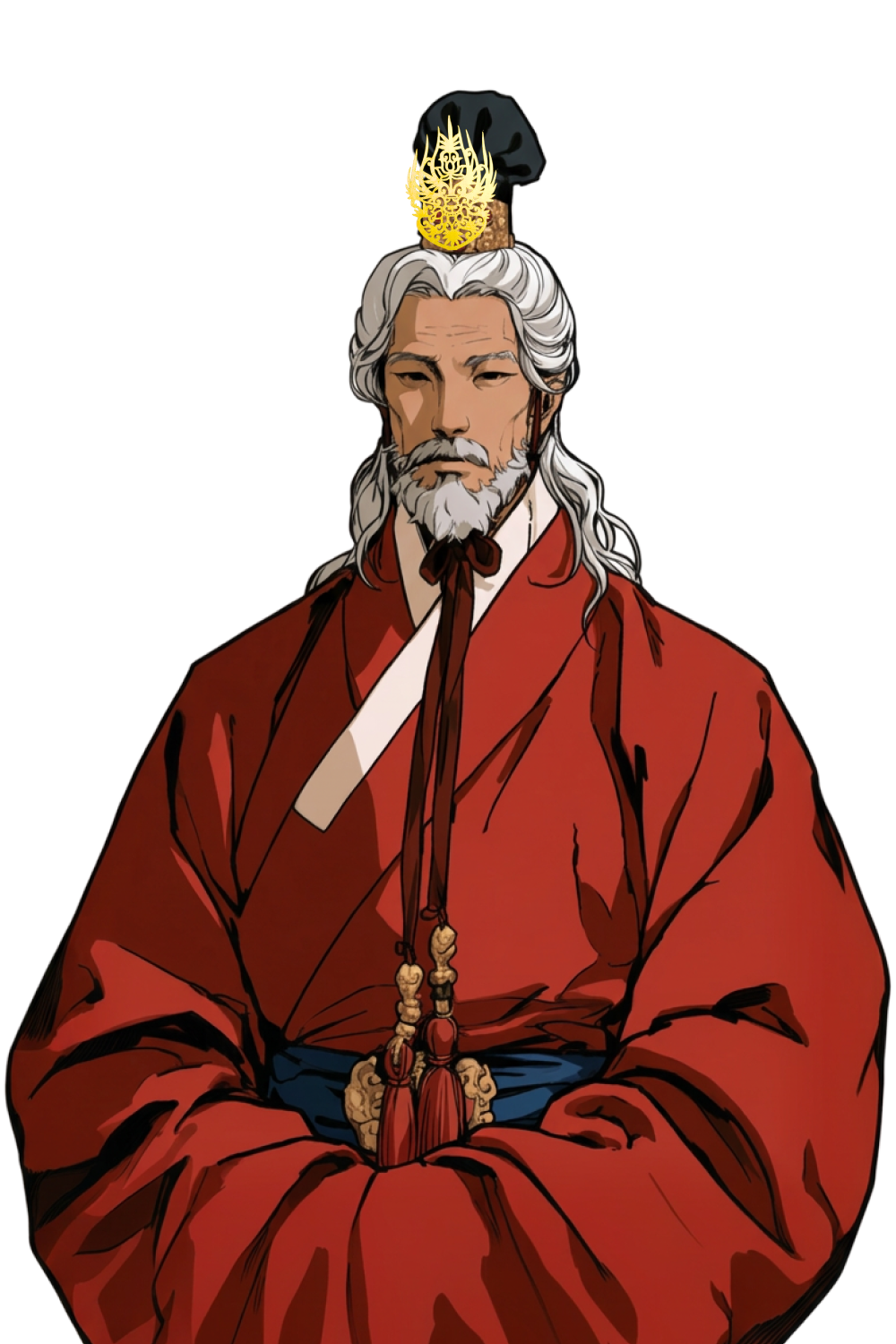
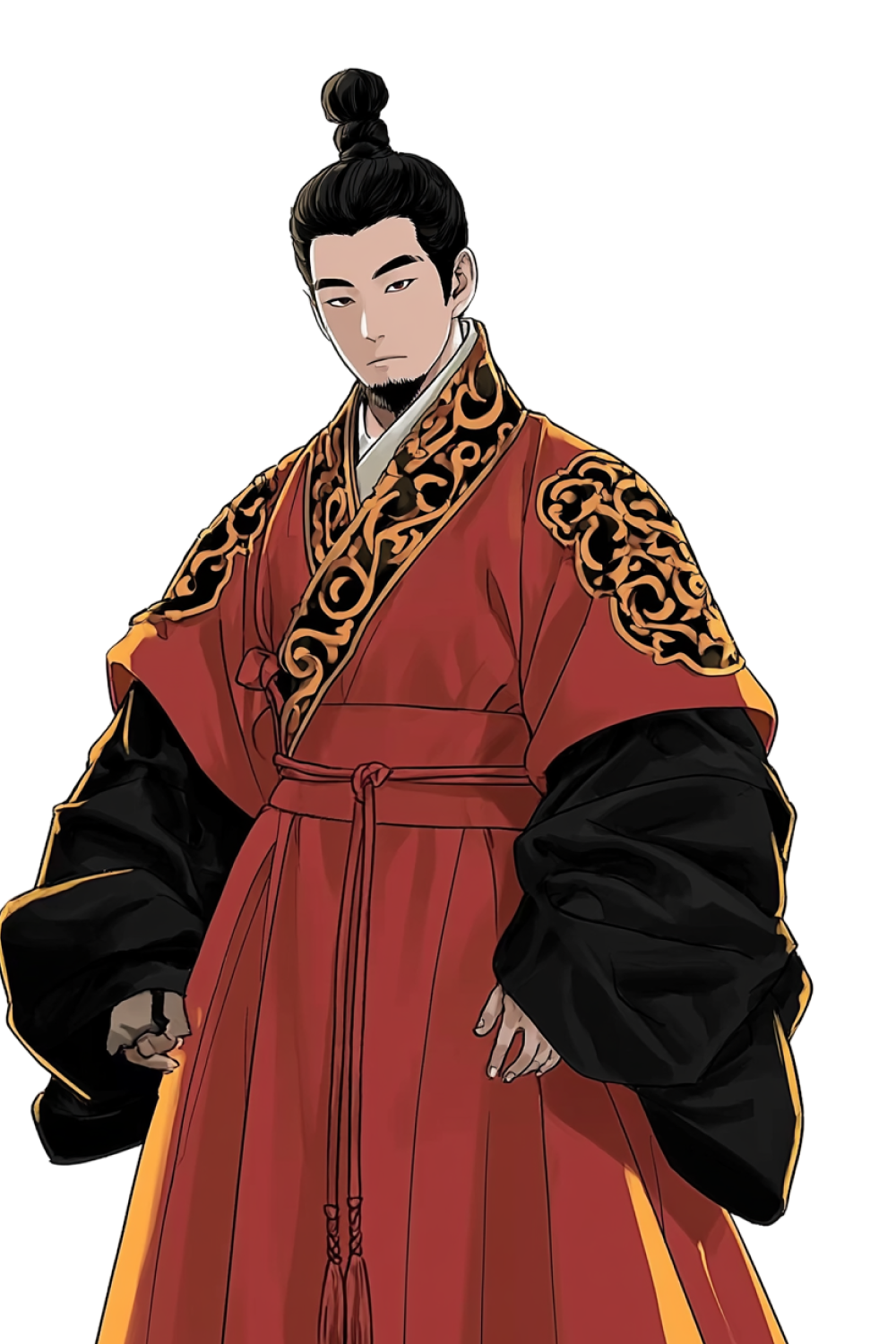
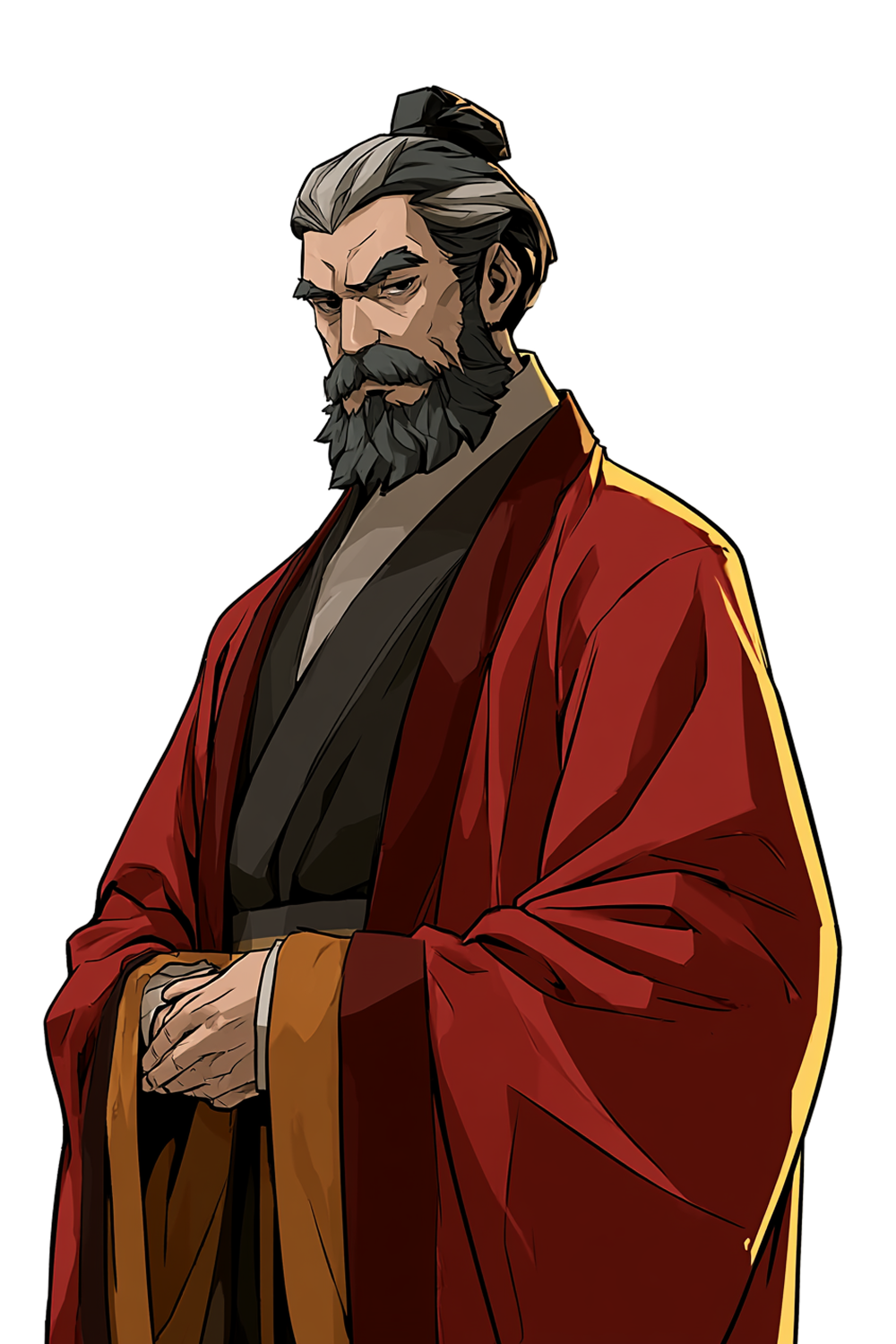
Episode· 657
Lady Ungo
Eight grudges, forty-one sons, and not one loyalty he didn’t create by decree.
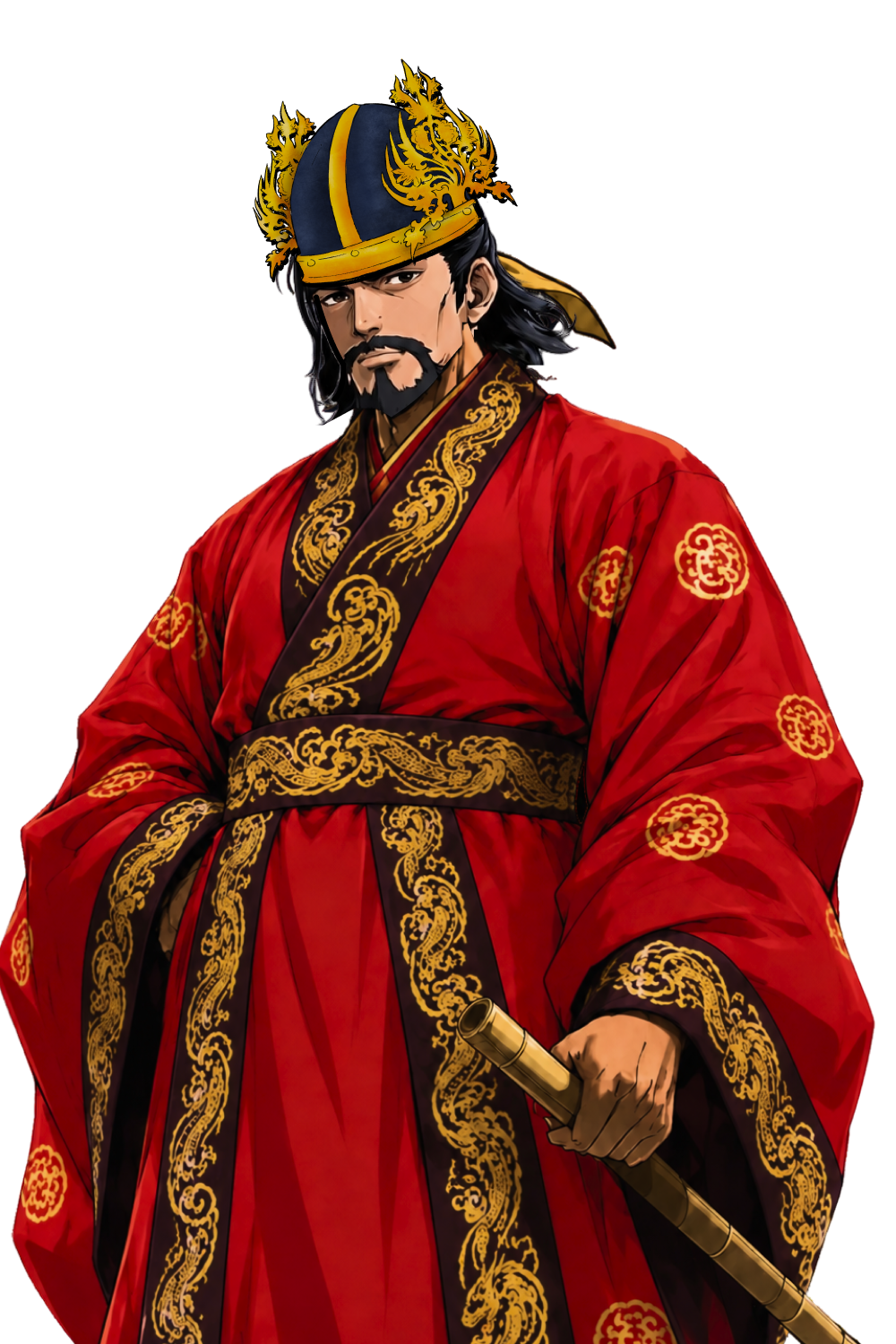
- King Euija
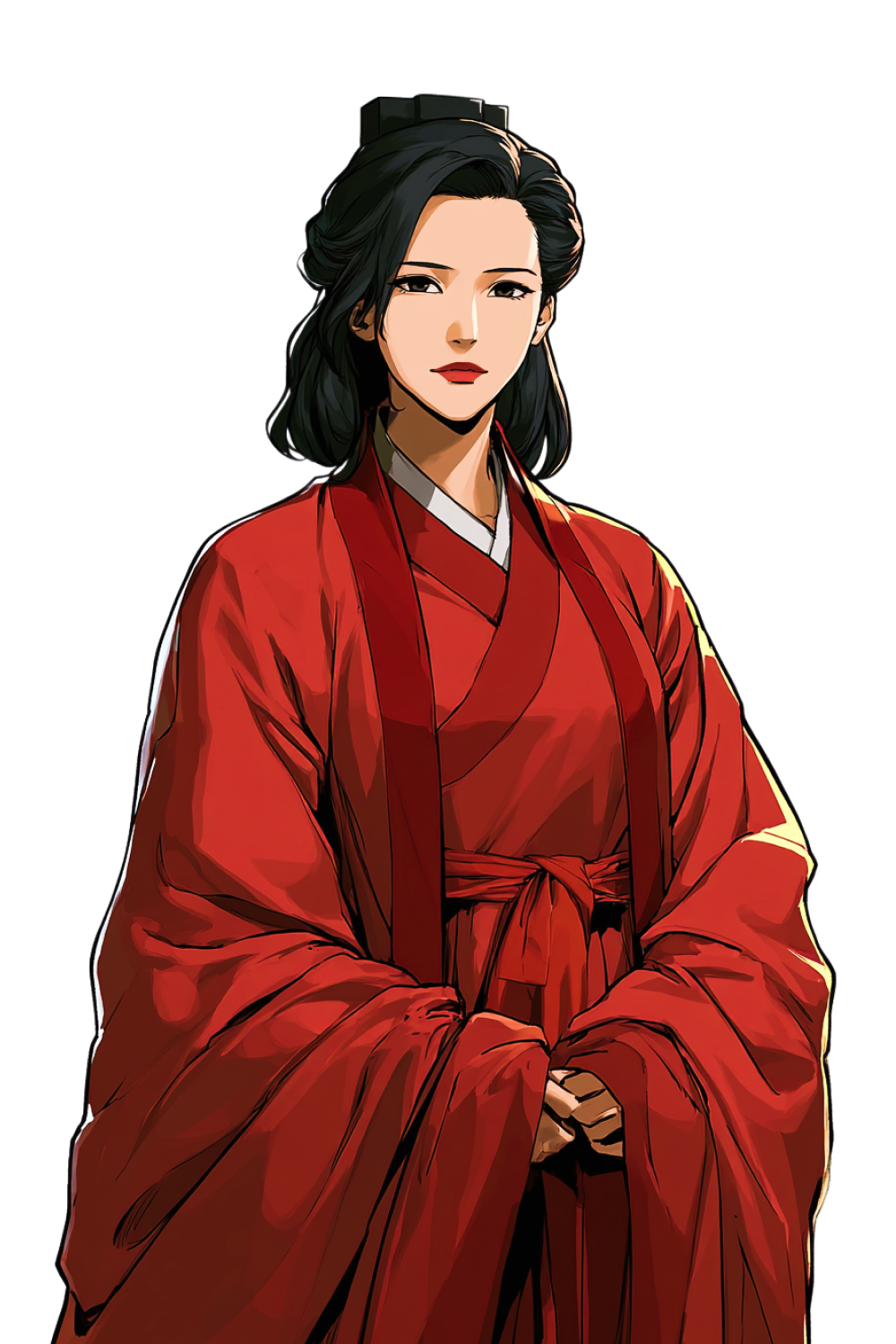
- Queen Ungo
- Prince Hyo
- Sunchung
- Prince Yung
- Elder Satek
- Hungsu
- Elder Yunbi
- Kangrim
2 stills without a cue
When a kingdom falls, somebody always finds a woman to blame. had one picked out years early.
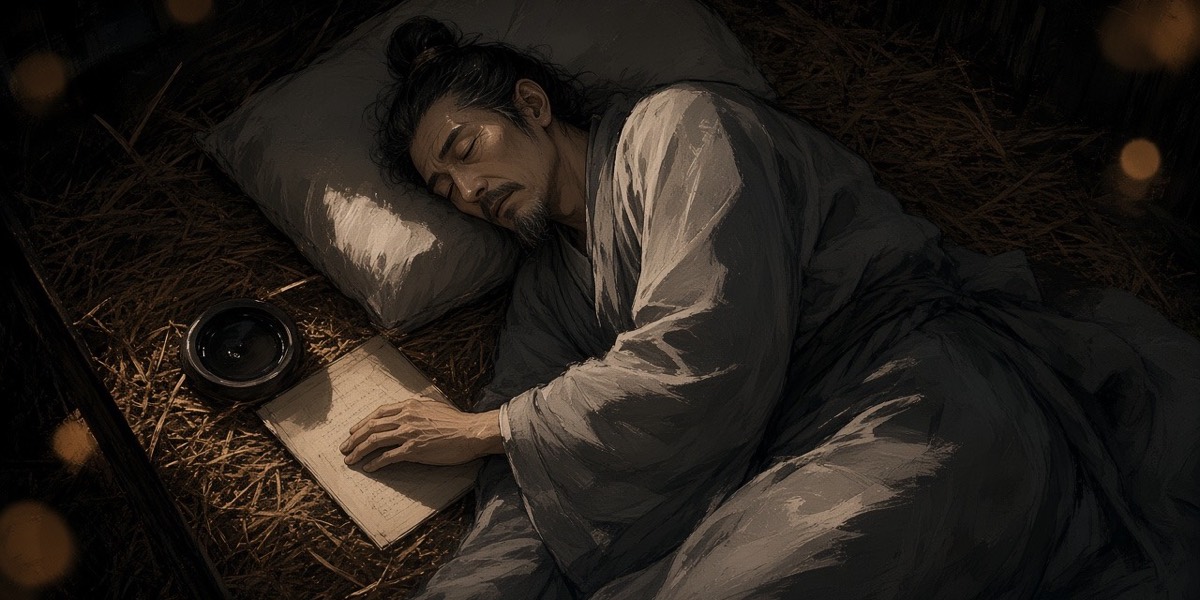
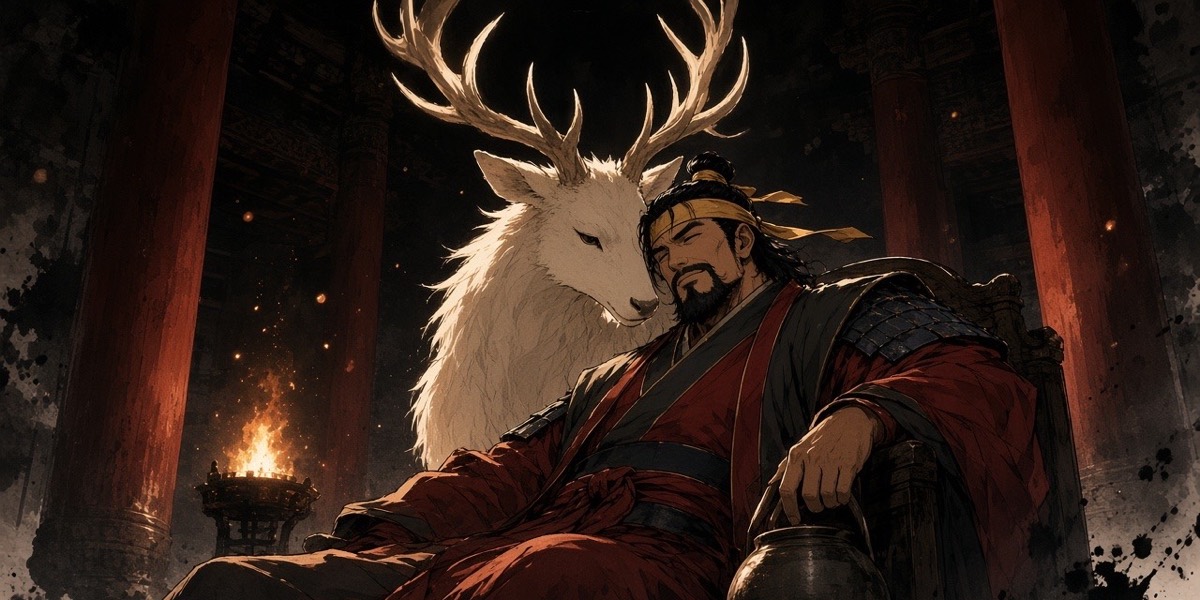
He starts dreaming about the Rock of Politics. In the dream it is dry, and he is rubbing it with brine, and the brine will not stay. Every time he lifts the cloth the stone is dry again, and the eight elders are standing round it waiting for it to sweat.
Some nights it is the white deer, come back out of the dark it was kept in, and too big for the hunting ground. Some nights it is a boat on the water with a man sitting very straight in the stern, not rowing, counting.
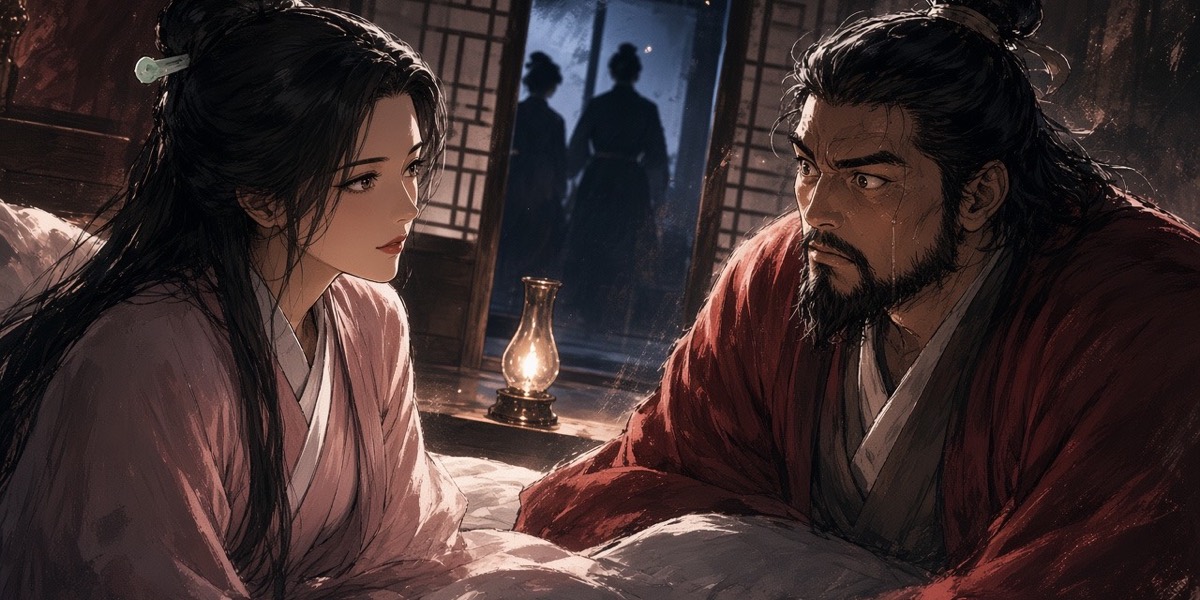
The light comes before the wine does. carries it herself, across three courtyards, in her sleeping robe. The maids find somewhere else to be.

She sets the lamp where he can see her face, and sits on the edge of the bed like a woman who has done this before. She has. Most nights this year.
She does not ask what the number is. She was in the year a minister counted it at his door every morning.
He means it as a compliment. It is the most important order he gives all year, and he is asleep again before the lamp gutters.
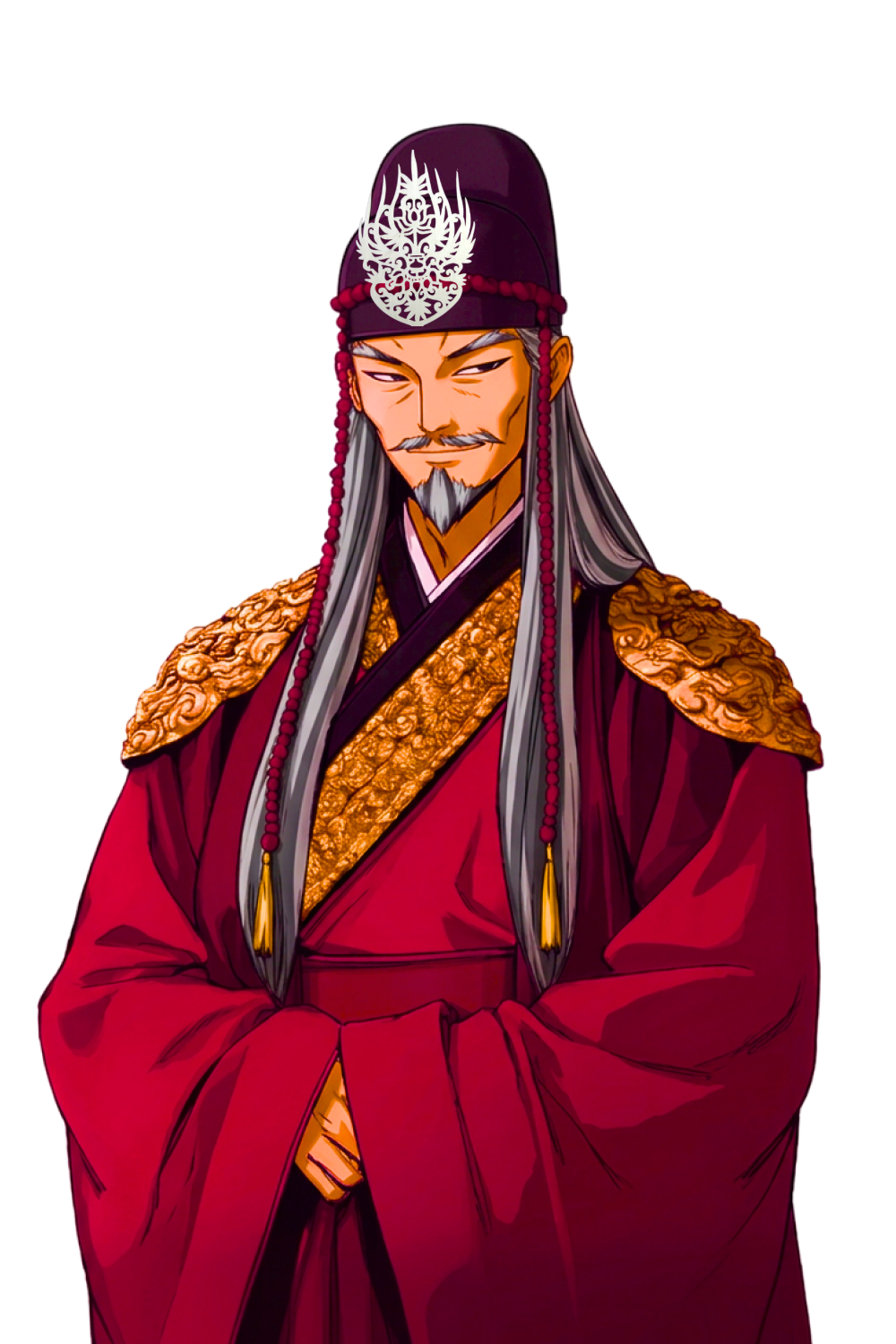
The first man to say the obvious thing out loud is . He says it smiling, the way he says everything.
calls it a temporary posting. The court knows better. The paper names a county far to the south: packed earth, a magistrate’s hut, and a long way from anyone who matters.
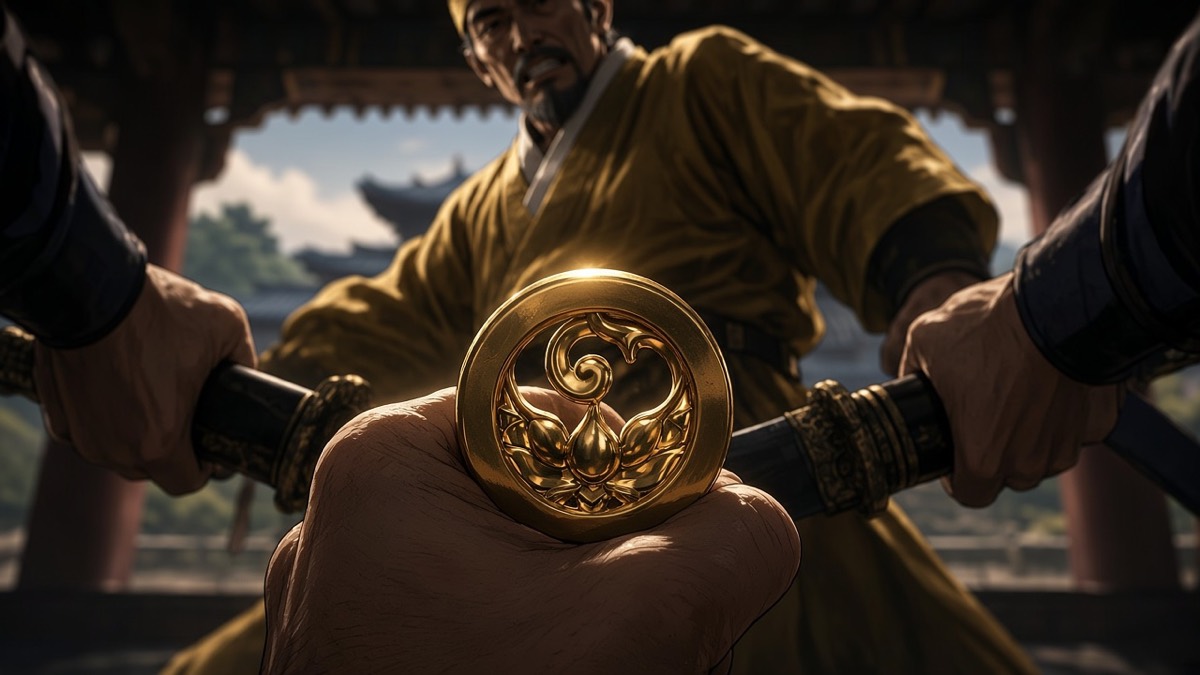
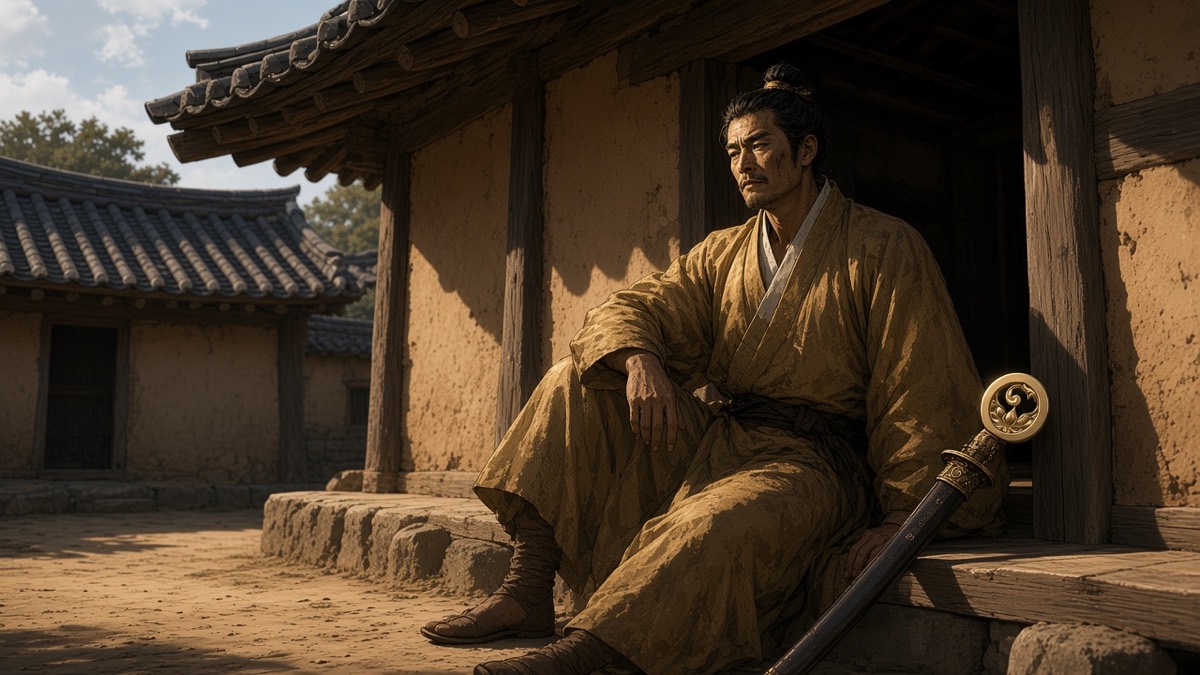
Gomamiji is a posting, not a retirement. He sits on the threshold until the dust on the hem looks like the hem. His office sword hangs on the doorpost. Nobody from writes.
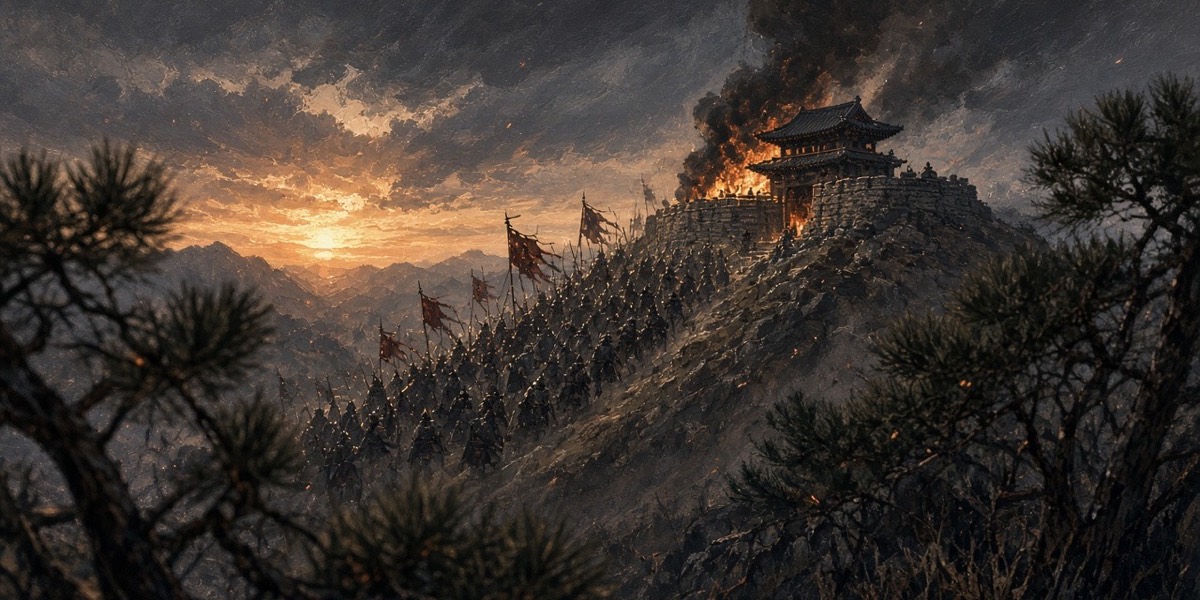
Somebody does write, from the other direction. The letter comes from a hill fort east of . It is short, because the fort is gone.
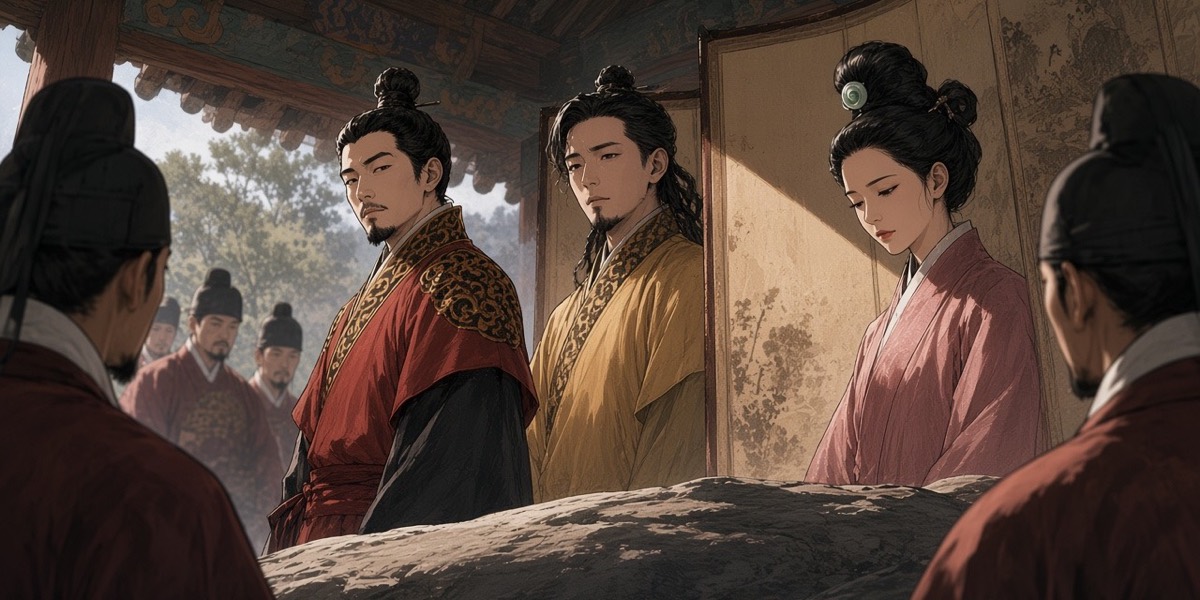
The letter reaches the Rock on a morning when the is in and the king is in bed. That leaves forty-one sons and one screen.
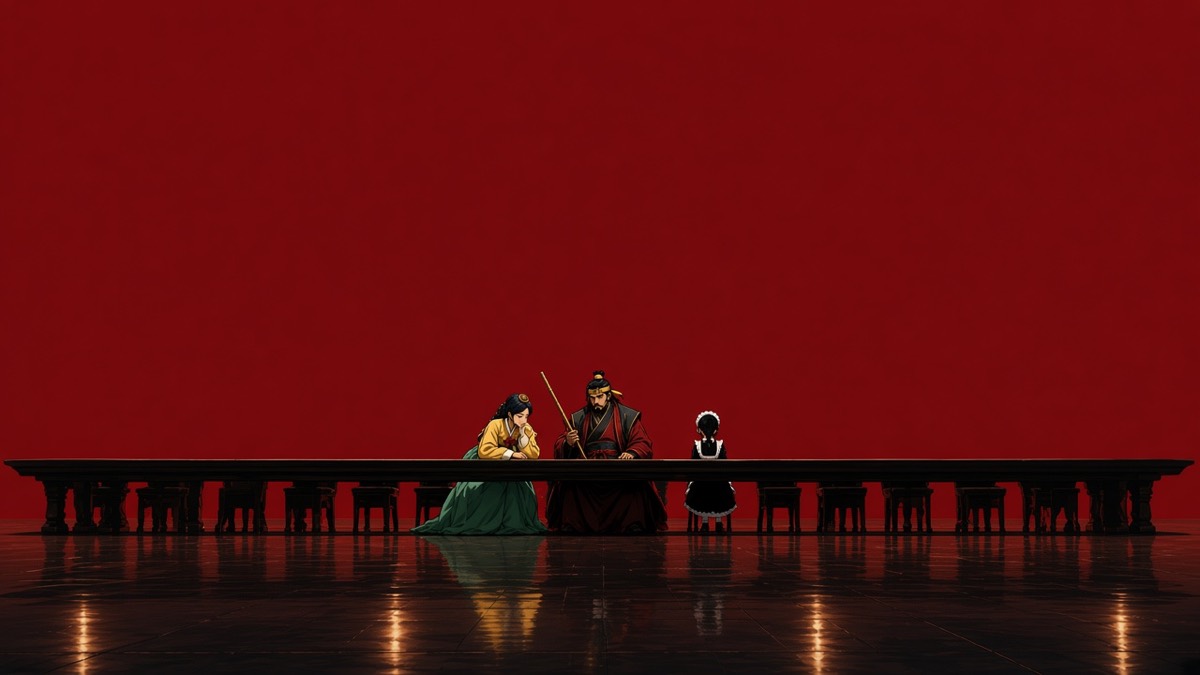
Behind the screen sits . The king told her to, half asleep. Nobody else heard him say it.
The clerk reads standing. Nobody tells him to sit, because two princes at the far end are using the only spare cushion to settle something.

laughs at his own joke. He is the only one.
Forty heads turn to the screen, then away from it, as if it were hot.
The clerk writes it. bows to the screen as though he had paid something. The screen paid more, and everyone on the Rock knows exactly how much.
The men march nine days later. They arrive in time to count the smoke.
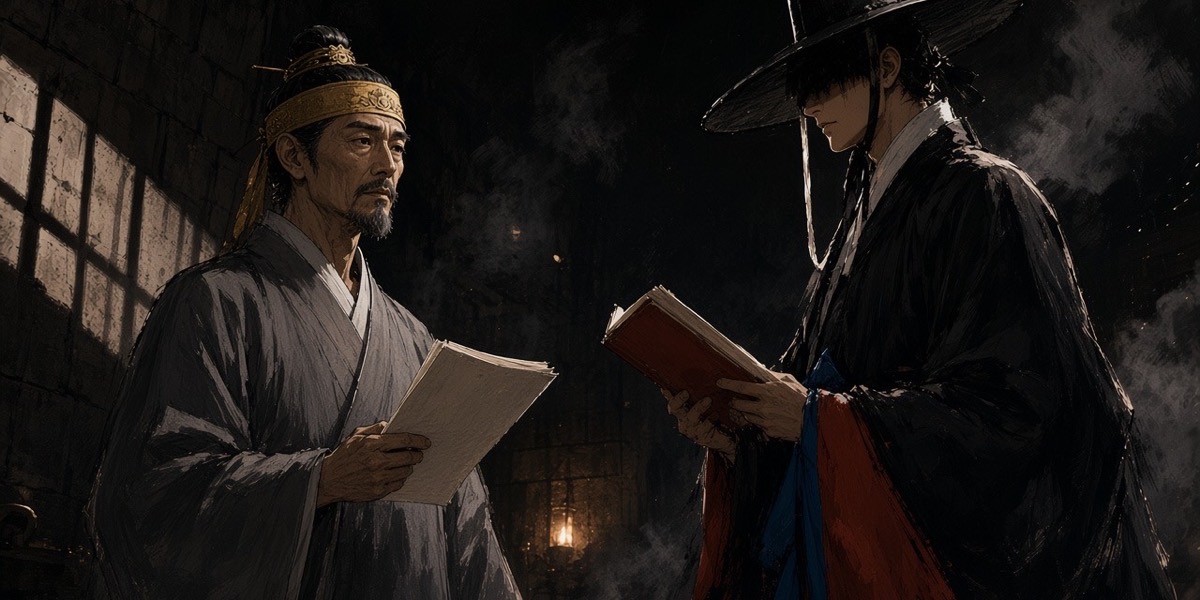
At the foot of the Rock, where the benches end, an old man with an office sword and no office has listened to all of it.
By the end of the month the whole palace has heard about the white fox. The queen hears it last, and laughs, which does not help.
Nobody laughs at that one.
On the stair between the Rock and the wine, the two princes meet coming opposite ways. carries a basket of his father’s unopened memorials. carries nothing, which these days is a statement.
He goes up. goes down. On the stair between them, eleven years — one going, one coming — and neither looks back, because brothers who look back on stairs fall.
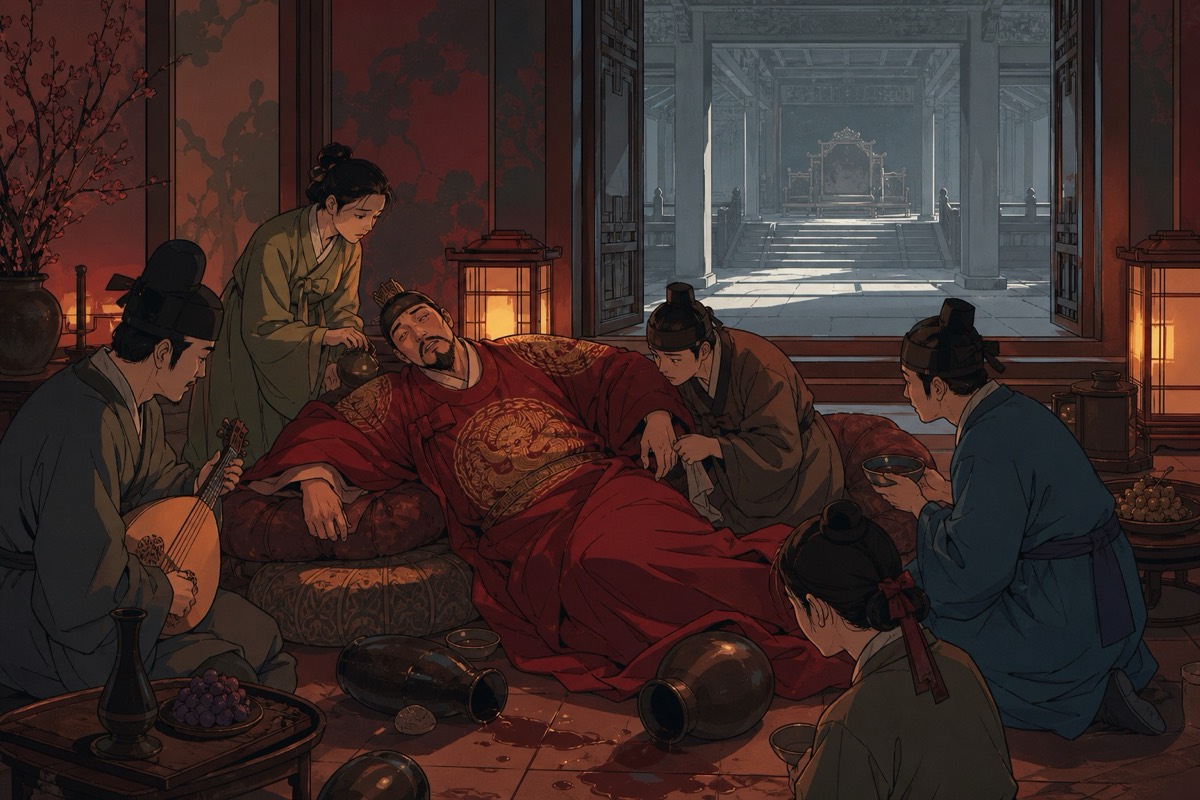
He stops holding court. The wine comes earlier each day, and then it stops being tied to the day at all.
Hundreds, by now. Nobody keeps the roll. They no longer have separate duties — only who pours, who steadies his wrist, who is still there when the wine runs out, and who is bold enough to speak while his mouth is busy elsewhere.
The hems keep time better than the roll. A pour, a step, a kneel — the long court silk opens, and he watches that before he watches the wine.
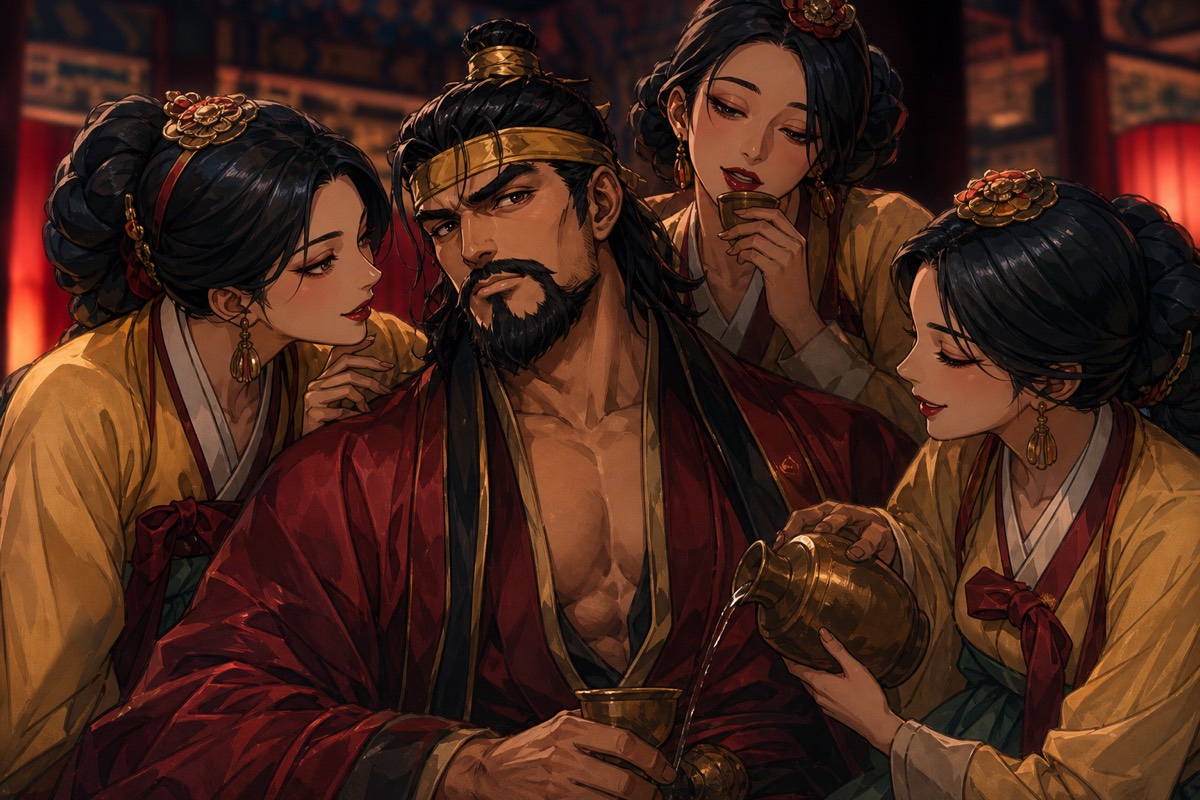
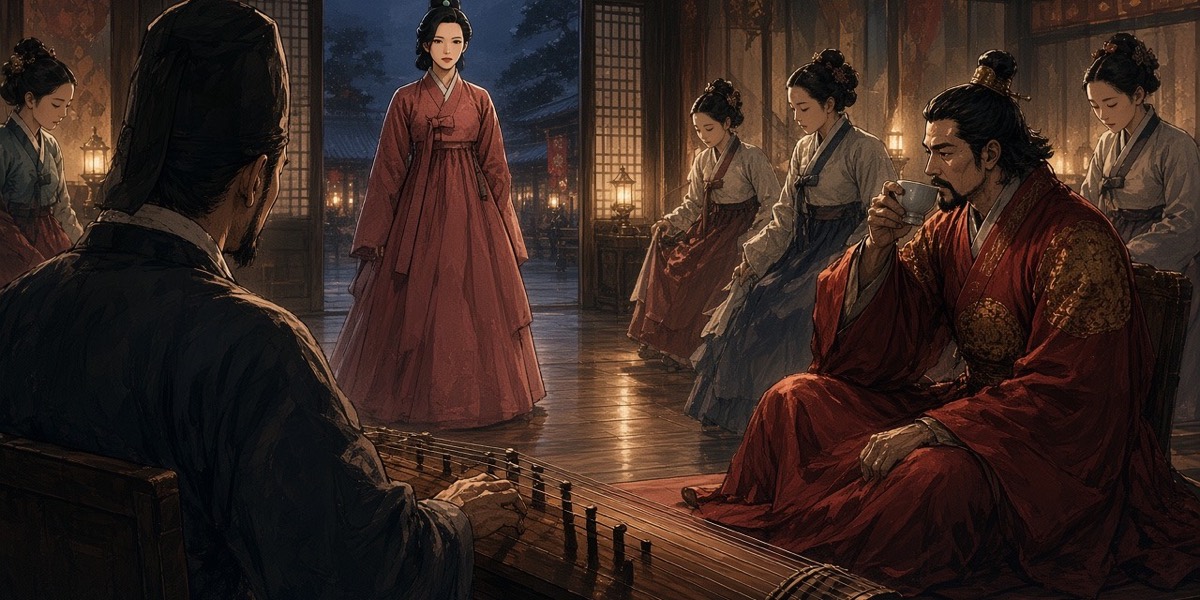
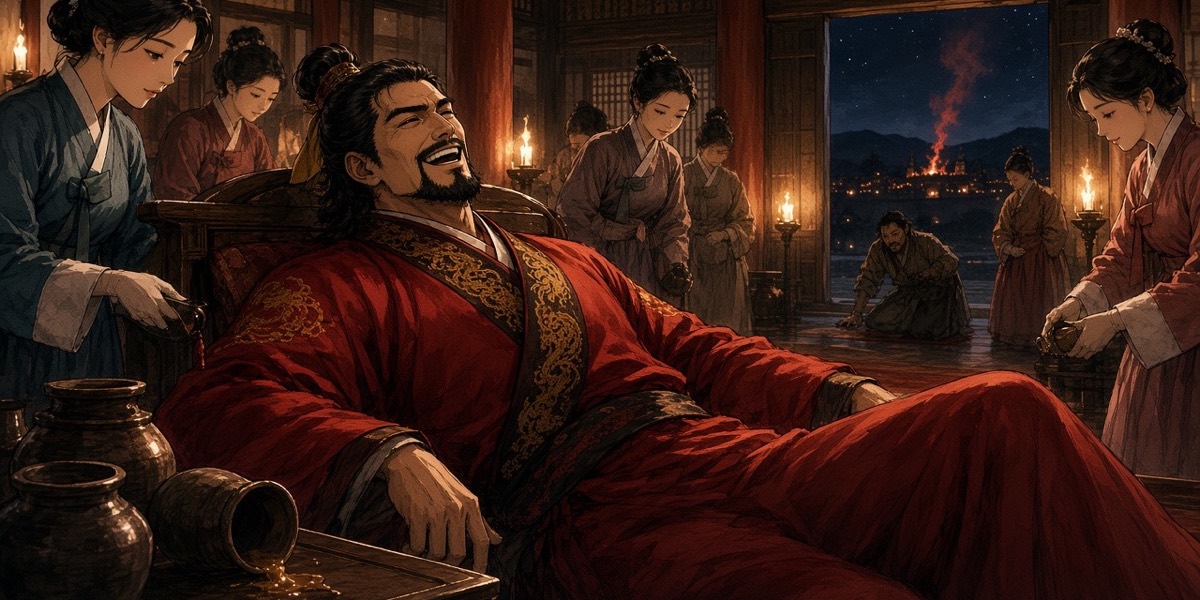
The feast is no longer a feast. The stories say three thousand. The room is not that. It is still too many, a harem so packed the lamp never finds a wall. Robes open early. The maids show him their bodies the way other courts show tribute, and he studies them the way he once studied a map.
He is half-undressed by the second jar and does not bother to hide what the wine has done to him. They climb into his lap two at a time. They hike the silk and laugh when he looks. They toast until the lamps blur. On rainy nights the party spills out onto the night veranda, and he follows a hip down the night corridor as if it were the last order anyone will ever give him.
Here is what the lamps do not show. The headband is gone, and nobody tells him to put it back on. The prince who could read a room in one glance cannot read past the next fold of silk. Every one of them flatters him. He knows it, and he likes knowing it. It is the only sum left in that always comes out in his favour.
He laughs for the first time in four months. It is the last recorded instance.
Three courtyards away it is very quiet. The queen’s rooms smell of ink, not wine. The memorials the king will not open come here instead.
She reads every one and sorts them into two baskets. The left is for things he would laugh at. The right is for things he would hate. The right basket is always fuller.
She puts the letter in the right-hand basket.
Nine days one memorial has waited in the left basket. It asks for grain for the eastern forts.
He hears about the baskets, and laughs the way he laughs at his own jokes — first, and loudest. Theatre with a calendar. A mudang with a filing system. It does not occur to him to ask whose days the court is keeping, until the court starts keeping them without asking him.
Somebody asked the king a question shaped like that once, on a mudbank. He is still answering it.
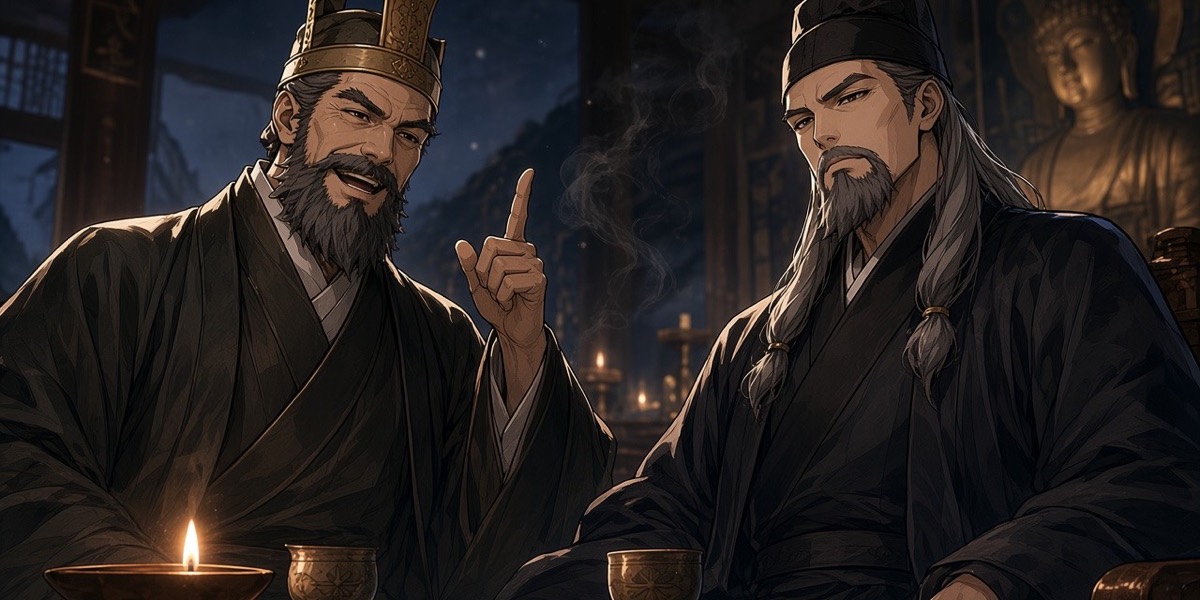
Across the city, at the monastery that belongs to neither of them, two old men have nothing to do but talk. They used to sit on the Rock. Now they hear about it.
Nobody sends them. The reply that the roads are wet. On the Rock, the princes argue about whose turn it is to be blamed. In the end moves the capital guard without asking anyone. They are four days late, and now the court has two things to whisper.
Somewhere in the third year he stops going out to the hall, and some time after that they stop sending for him. The distance between those two things is the rest of the reign.
Every season asks the same question, in front of witnesses, the way a careful man pays a small tax. It buys him a name for loyalty. He already knows the answer.
The letter is still in the king’s sleeve. It has gone soft at the folds.
He does not answer. After a while the question stops being asked, and after a while longer the ministers stop coming to the door. He notices none of it, and it is the first thing in his life he has not arranged on purpose.
comes while the wine is still being poured. He does not wait for a gap. He is ’s elder brother, the councillor who used to read the tides for the king, and he still wears his office sword as if there were an office.
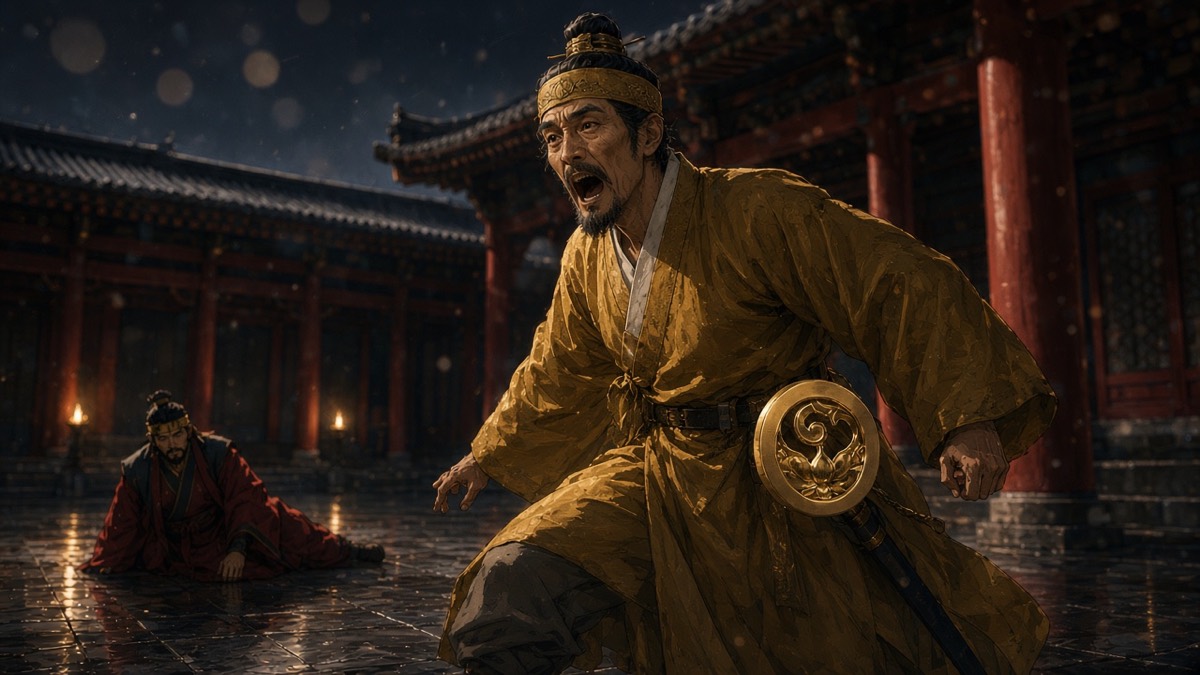
He does not finish. The king is already on his feet.
The belt comes off in the aisle, and his rank goes with it. The guards walk him to a cell. After that, nobody else tries to speak.
Somebody does, that night. The queen walks into the banquet hall for the first time in a year. The music stops by itself.
She reminds him the next day, and the day after. By then he is asking which minister she means.
The kitchens tell it differently. In their version walked in and asked for the belt.
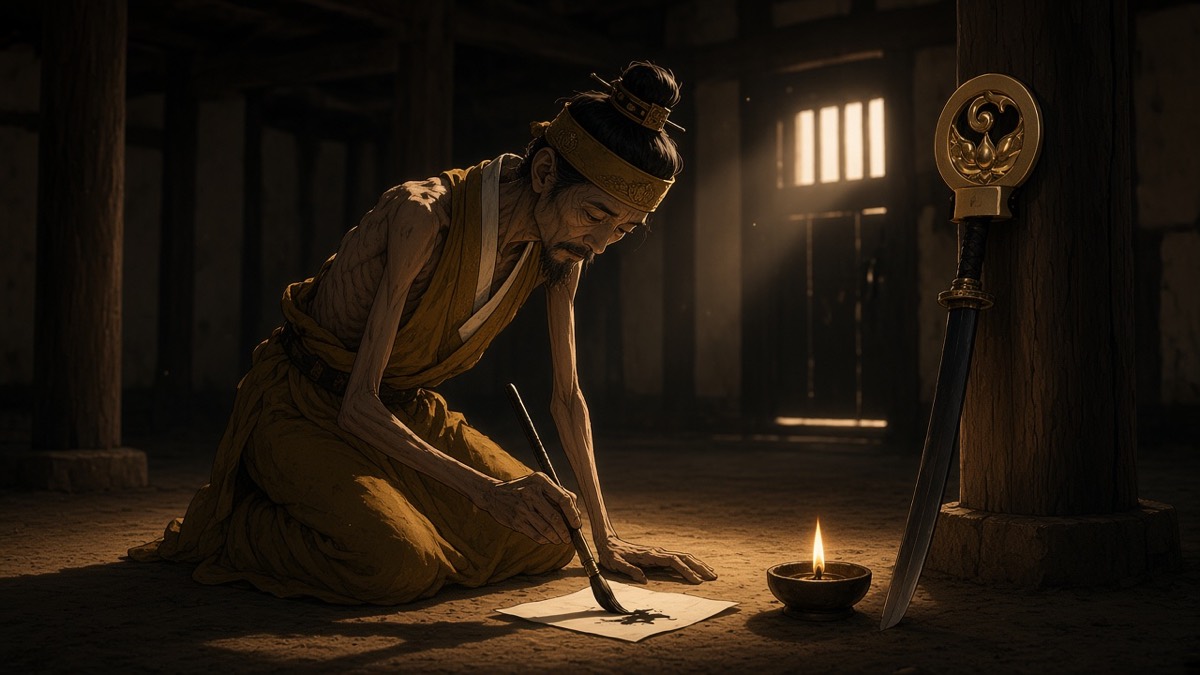
starves in a cell within earshot of the feast. His office sword hangs on the post outside. With the last of his ink he writes the king one page.
In the cell where he starved, reads his name three times — . . . — loud enough for the feast next door to hear, or not hear.
A loyal servant does not forget his king even in death, so let me say one thing and die. I have always watched the times and studied their changes, and there will surely be war. Whoever uses soldiers must choose his ground with care: take the upper stream and draw the enemy to you, and you can keep the country whole. If foreign soldiers come, do not let them cross Chimhyun by land, and do not let their ships into the banks of . Hold the narrow, difficult places, and stop them there.
충신은 죽어도 임금을 잊지 않으니, 한마디 아뢰고 죽고자 합니다. 신이 늘 때를 보고 변화를 살폈는데, 반드시 전쟁이 있을 것입니다. 무릇 군사를 쓸 때는 반드시 그 땅을 잘 가려야 하니, 상류에 자리 잡고 적을 끌어들여야 보전할 수 있습니다. 만일 다른 나라 군사가 오거든, 육로로는 침현을 넘지 못하게 하고 수군은 기슭에 들어오지 못하게 하여, 험하고 좁은 곳에 의지해 막아야 합니다.
The page reaches the banquet hall folded inside a guard’s glove. The king reads the first line. Then he sets it under a wine jar, and does not take it in.
The page names two places. One of them is a pass. That same autumn, sends men to look at it.
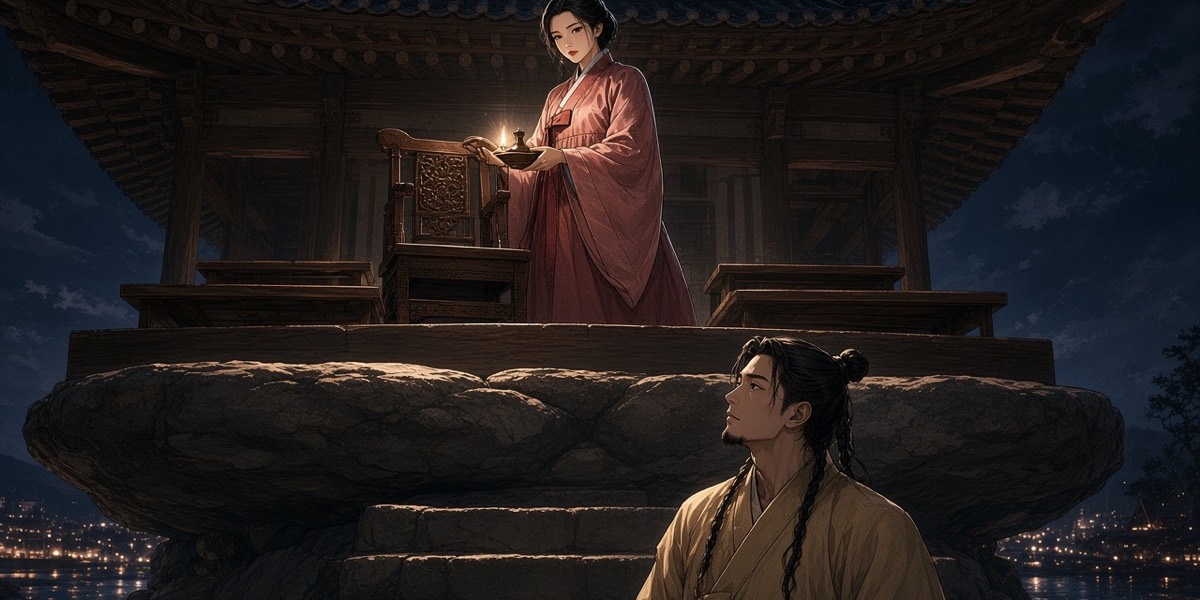
That night goes to the Rock alone, with the same lamp. The ’s chair is empty. It has been empty since spring.
She doesn’t answer. She holds the lamp over the chair for a while, the way you hold a light over a well to see if anything is down there. Then she blows it out.
The foxes came that week — into the hall, onto the ’s desk. says tonight. Not tomorrow. The keeps your hour, she says, the way she says Done. And for the first time in years goes somewhere with no wine in him and no audience around him.
He never sends for him. will have to ask, months later, in front of witnesses, the way a careful man pays a small tax. The queen’s lamp is still burning when gets back to his rooms. It was her hour. It was always her hour.
Some say destroyed itself. The king’s great lady, a bewitching woman, was lawless: she seized the handle of the state and put the wise and good to death, and so called down this disaster. Can one fail to take care? Can one fail to take care?
혹자는 말한다. 백제는 스스로 망했다. 임금의 대부인, 요사한 여자가 무도하여 나라의 권세를 제멋대로 빼앗고 어질고 착한 이들을 죽였으니, 그래서 이 화를 불렀다. 삼가지 않을 수 있겠는가, 삼가지 않을 수 있겠는가.
A monk wrote that later, in another country. He never met her. Neither did most of the people who agreed with him.
Foxes in the Assembly. Toads in the treetops. A river running red. Nine signs, and a king who swears he doesn’t believe in signs…!
