



Chapter 11
High Summit



AI Summary
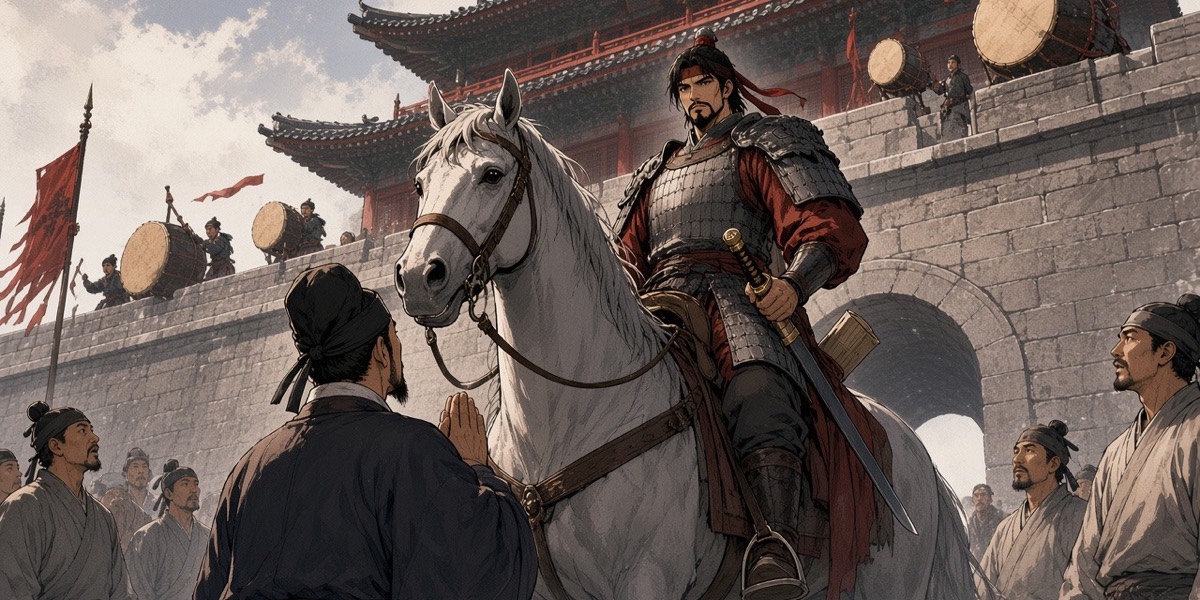
- Five Commands Five commands ride in at the red two-tier gate that week.
- The Gate Before the principals sit, the gate gets its look.
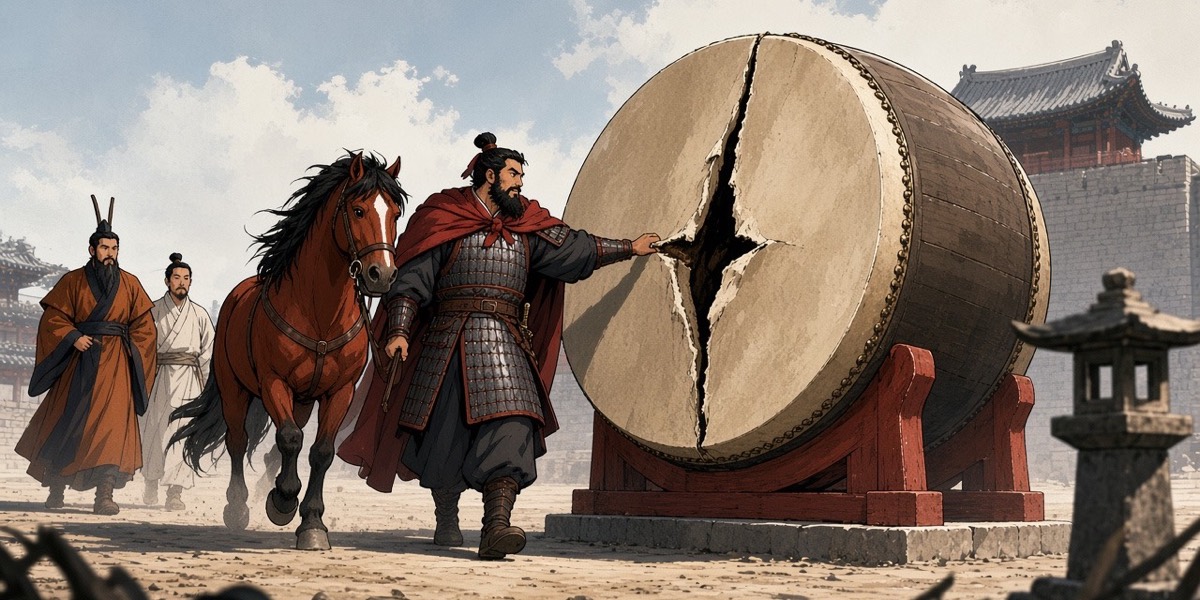
- The Drum Past the gate the yard opens, and in the middle of it stands a drum.
- The Horse Wall So Yeon waits in the yard with the horses.
- The Antechamber The commanders wait in the antechamber while the king is dressed.
- The Chamber The chamber is loud before the king has sat down — not with strategy, with arithmetic.
- The Palace Yard In the yard the Eastern banners answer him anyway — a roar that has nothing to do with the Summit’s minutes.
- The West Road He came to the Summit still half in love with the king who broke the Sui.
- Birth of Namseng He reaches the house after midnight.
- Characters
Episode· 634
High Summit
Five commanders, one king, one room. Pyongyang already knows the sound of his hooves.
- Yeon Gesomun
- Son Deha
- Yeon Gusesa
- Go Humsong
- Go Ul
- King Youngryu
- Yeon Soryu
- Samsin
- Yeon Namseng
Half, his father said. manages it until the second pot of tea.
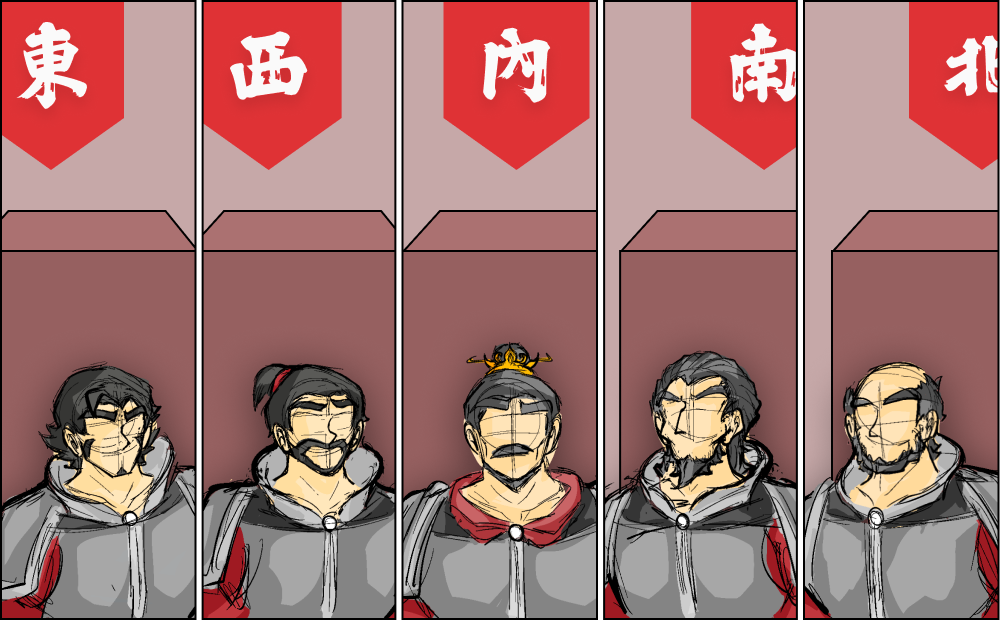
Five commands ride in at the red two-tier gate that week. has heard stories about every one of them, and puts on its good clothes to check.
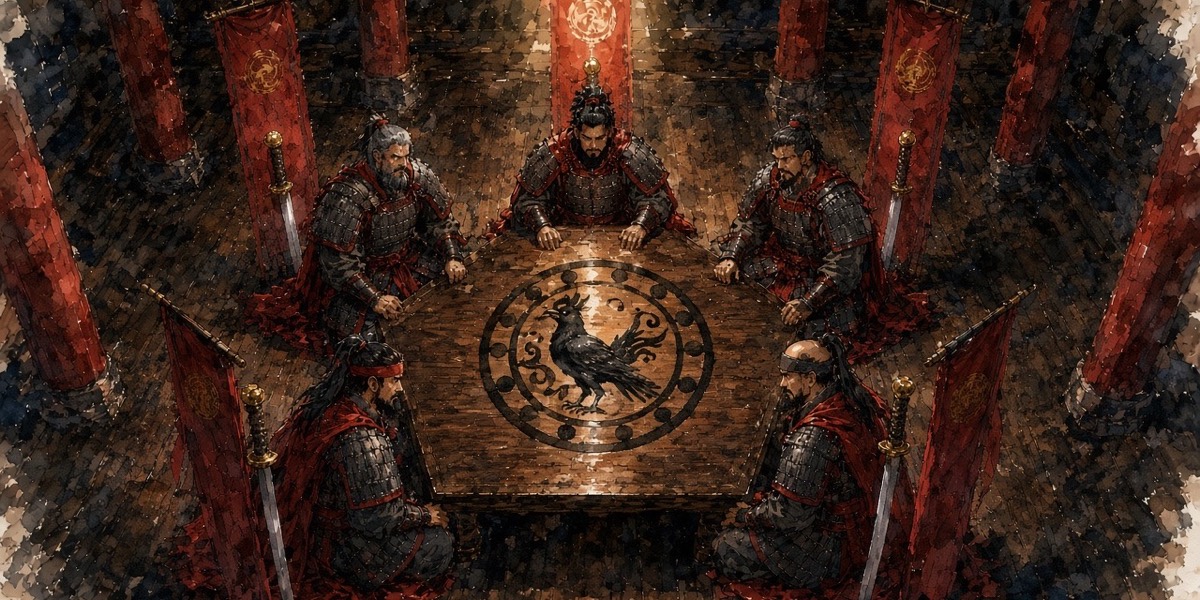
works like this. Five commanders argue at the . The High Commander holds the first sword. The king has the last word.
The meeting of the ka. A ka was a tribal chief, back when Goguryeo was five roofs in one valley. The roofs became commands, the chiefs became generals, and the meeting kept its old name, the way old men keep their nicknames.
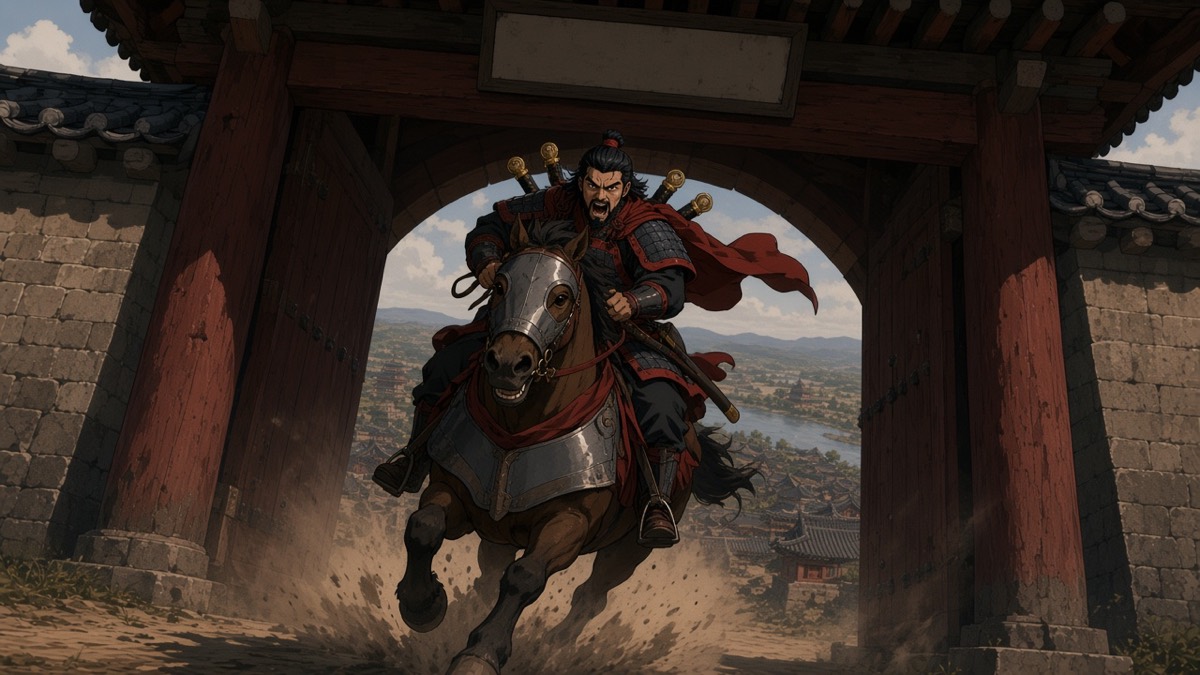
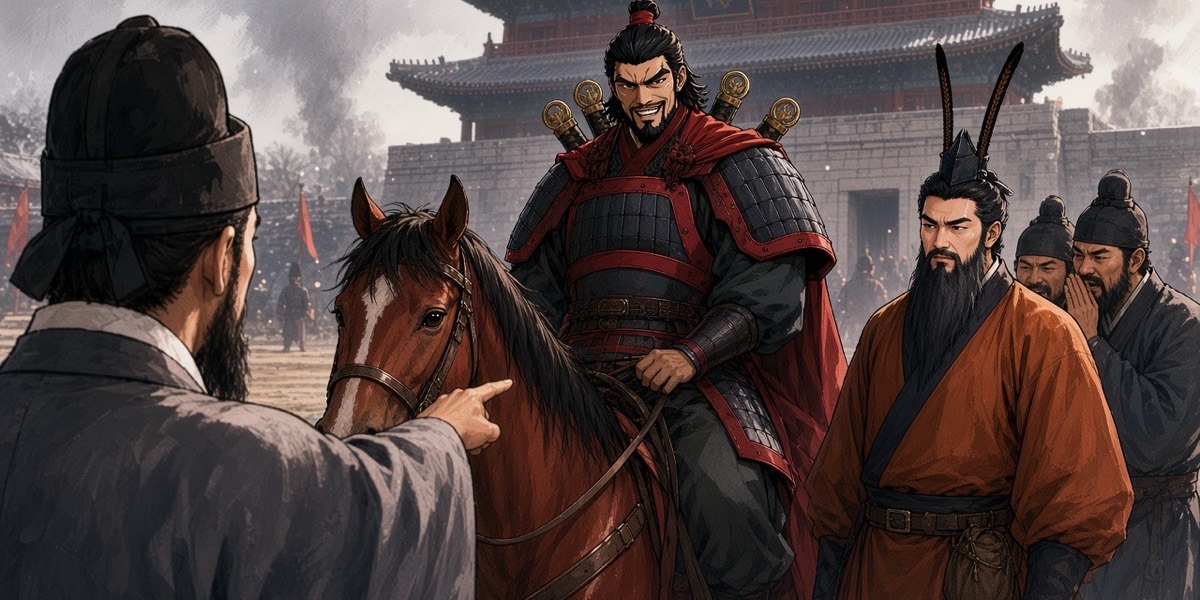
Before the principals sit, the gate gets its look. The commanders arrive by rank, each by his own road, and half of finds an errand that runs past it.
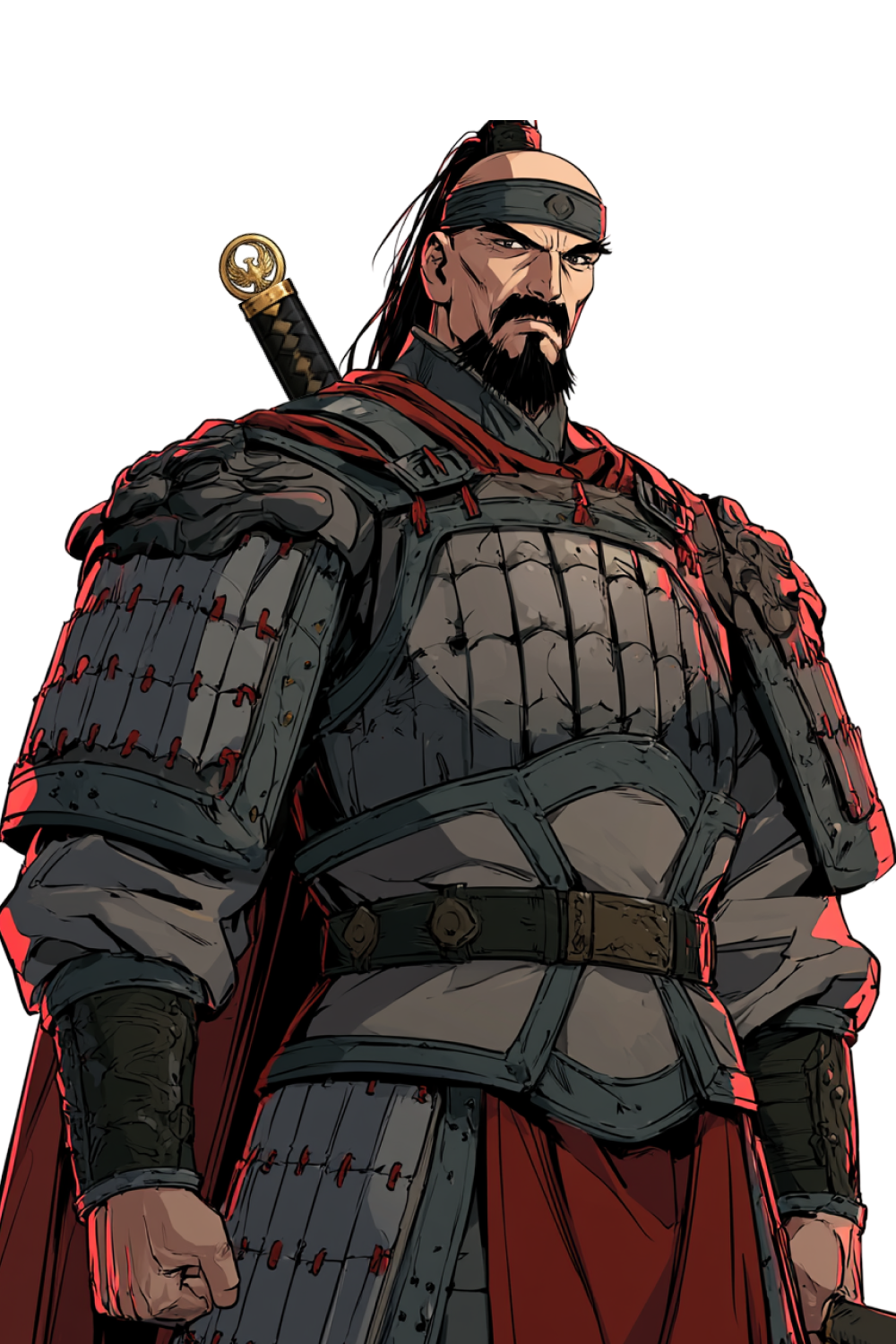
The North comes first, on a horse. He took it off a , and he will tell you so.


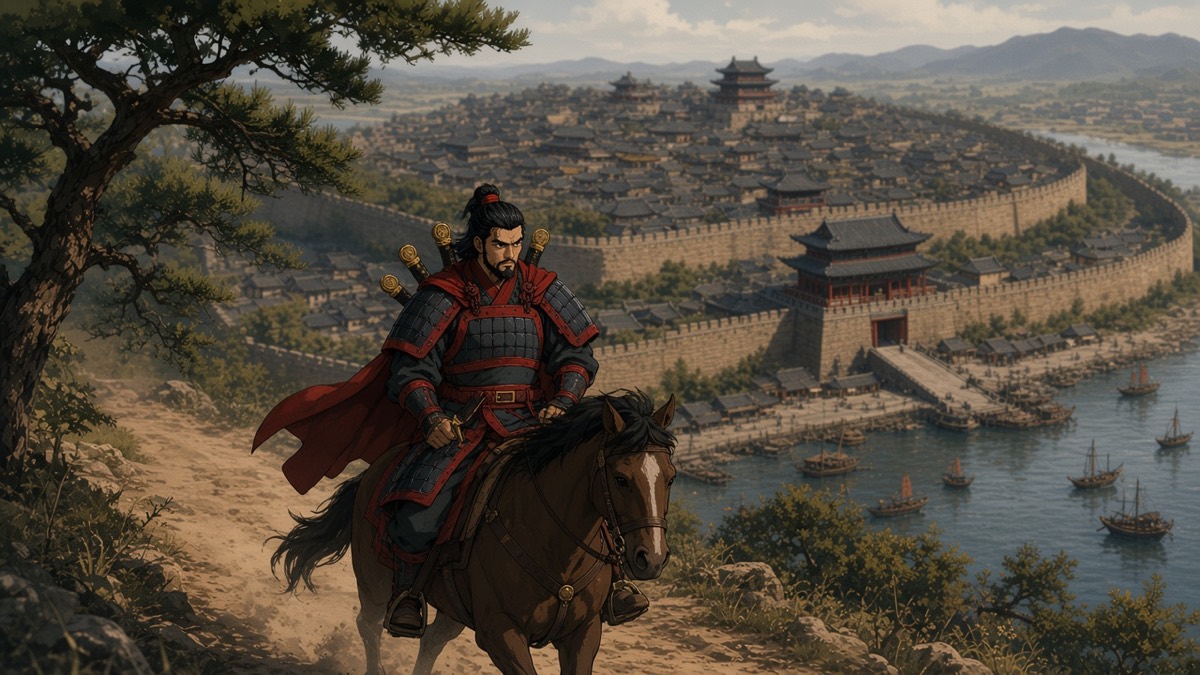
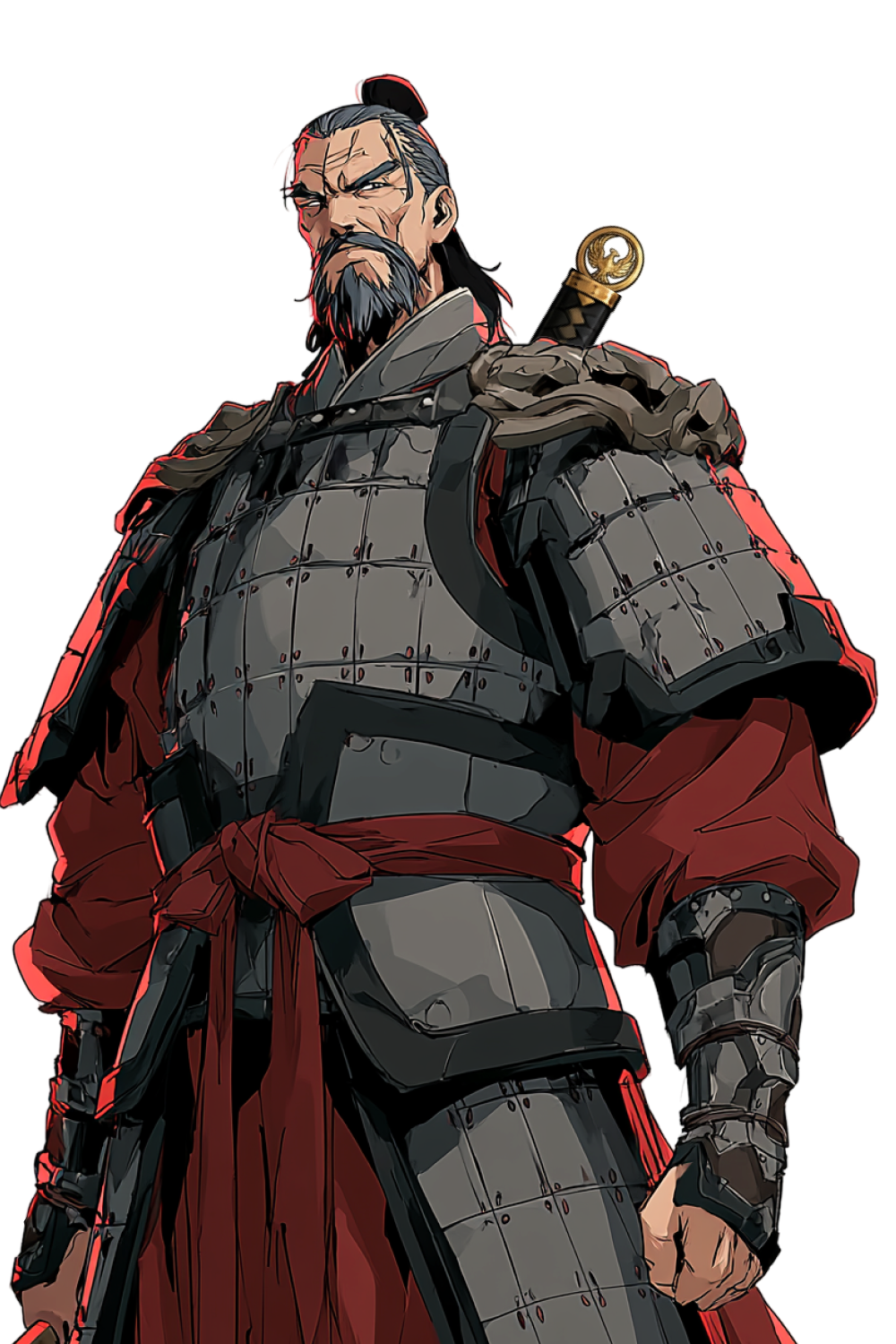
The West comes second, grey with the dust of the longest road in the kingdom.
The South comes third, to drums. The king has sent his own chamberlain down to the gate to meet him. Nobody else got a chamberlain.

comes last, in his father’s place, with and six riders. The cart has gone on to the old house. It is his first time through this gate with a seal in his saddlebag. Nobody here has seen his face since it grew a beard.
Past the gate the yard opens, and in the middle of it stands a drum. It is bigger than a cart. Nobody has built a roof over it, and there is no stick beside it. One face is slit from rim to rim, and the hide hangs open like a mouth that gave up.
’s horse sees it first. It stops dead with its ears flat, and it will not pass the slit until he gets down and leads it.
He runs a thumb along the cut as he passes, groom or no groom. The hide is dry as bark. Who slit it, and for whom, this yard will not tell you. You will hear it. Not here.
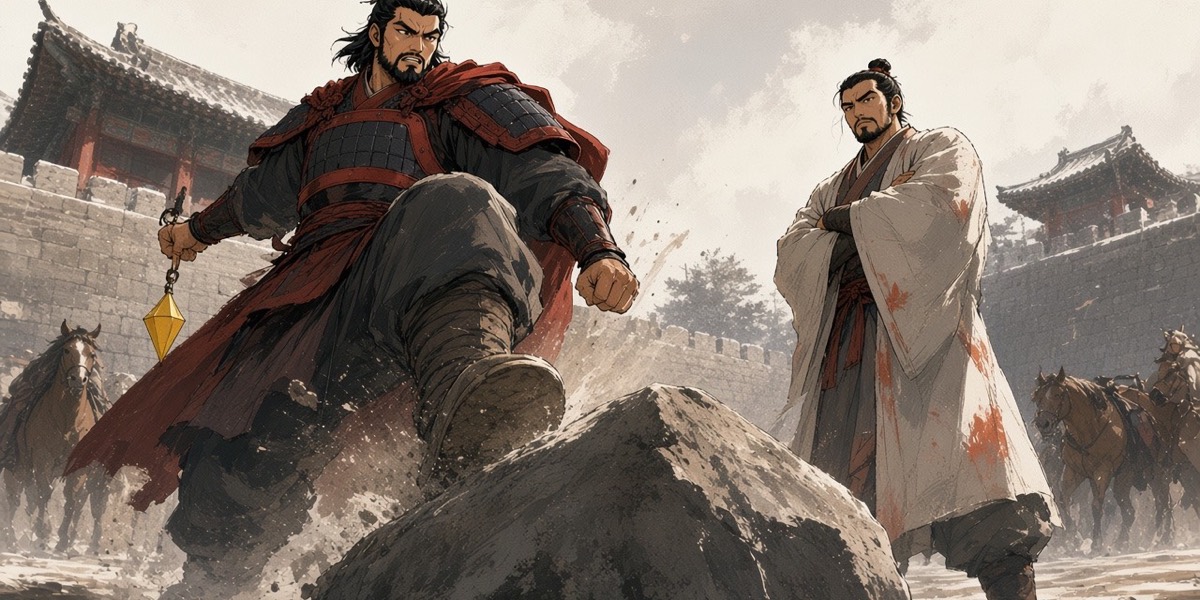
So waits in the yard with the horses. A low dry-stone wall runs along it for tying reins to. A southern horse has kicked the top course loose, and somebody has already put it back.
has brought a plumb line to . Of course he has. He drops it against the stone, and it hangs clear of the face by a thumb.
One of the southern grooms laughs. Then he notices nobody else is laughing, and turns it into a cough that fools no one.
looks at the soldier. The soldier looks back with one eye. The other has wandered off toward the palace on business of its own.
kicks the stone. On the long wall at home he has kicked a good many stones out. This one stays where it is, and something in his boot makes a small sound that nobody is going to mention.
goes in limping slightly, with a face that dares anyone to ask. The soldier goes back to the horses. never forgets an insult. He has walked beside this man for a month without asking his name, and he won’t think to ask again for eleven years.
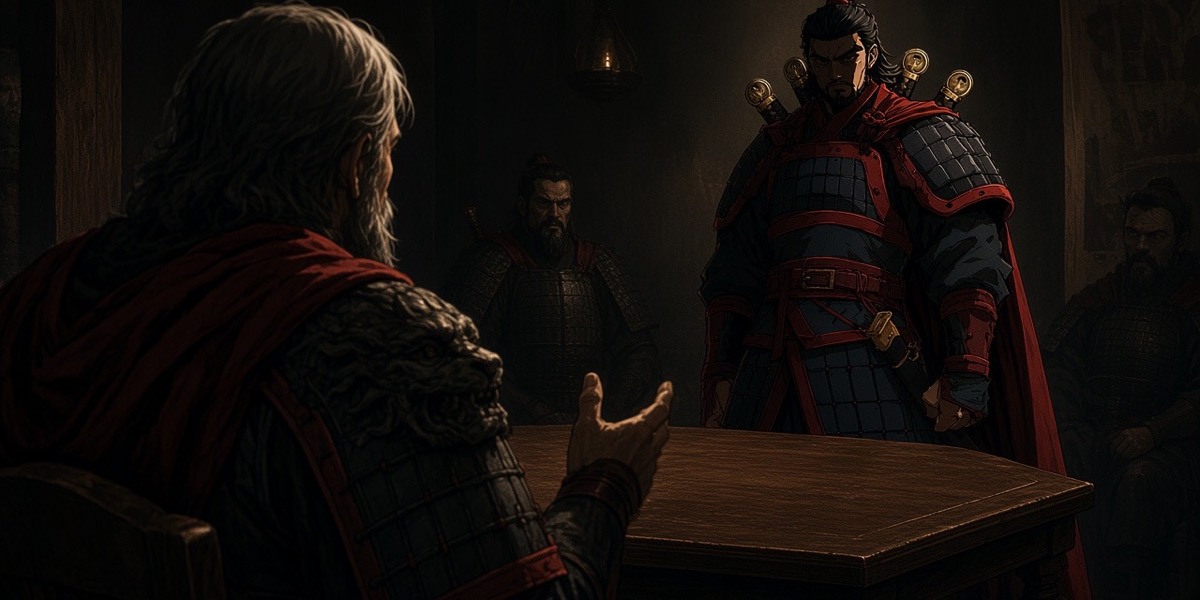
The commanders wait in the antechamber while the king is dressed. The first pot of tea goes round by rank. It runs dry one cup before the foot of the table, so the foot of the table pours his own.
There is the pause a table takes when a guest says grace in a house where nobody prays.
It hasn’t. He pours anyway, for everyone, and this time the foot of the table gets a cup. The North looks at the way you’d look at a young dog that has brought you a live bird: impressed, embarrassed, and checking the floor.
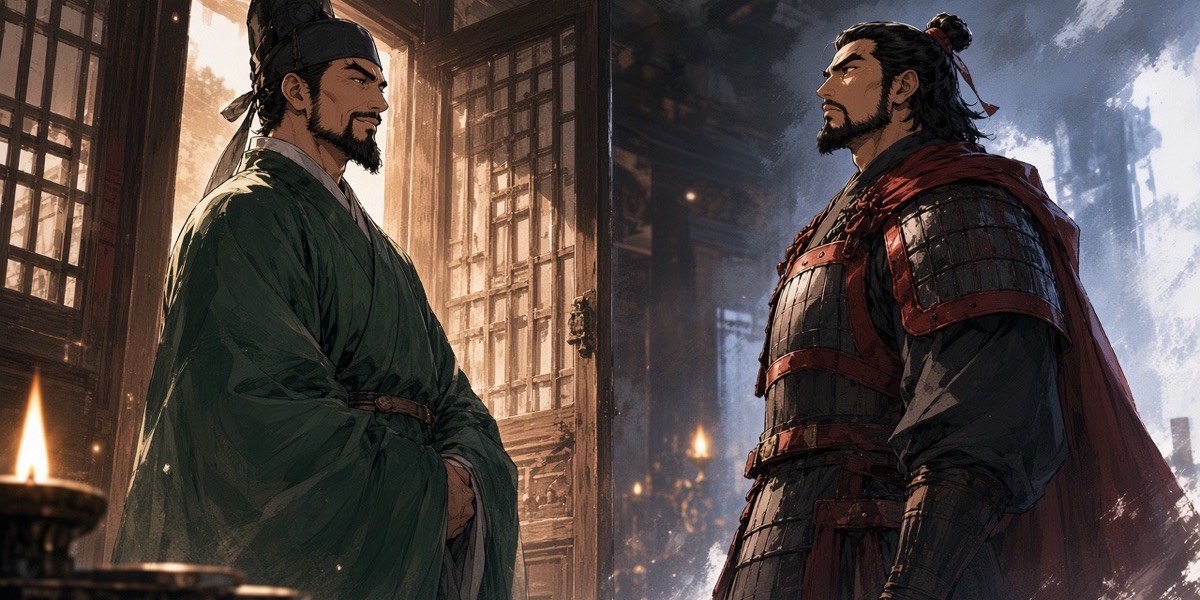
The High Commander comes in by the inner door, the one the king uses. He has not come through the gate with the commands for years.

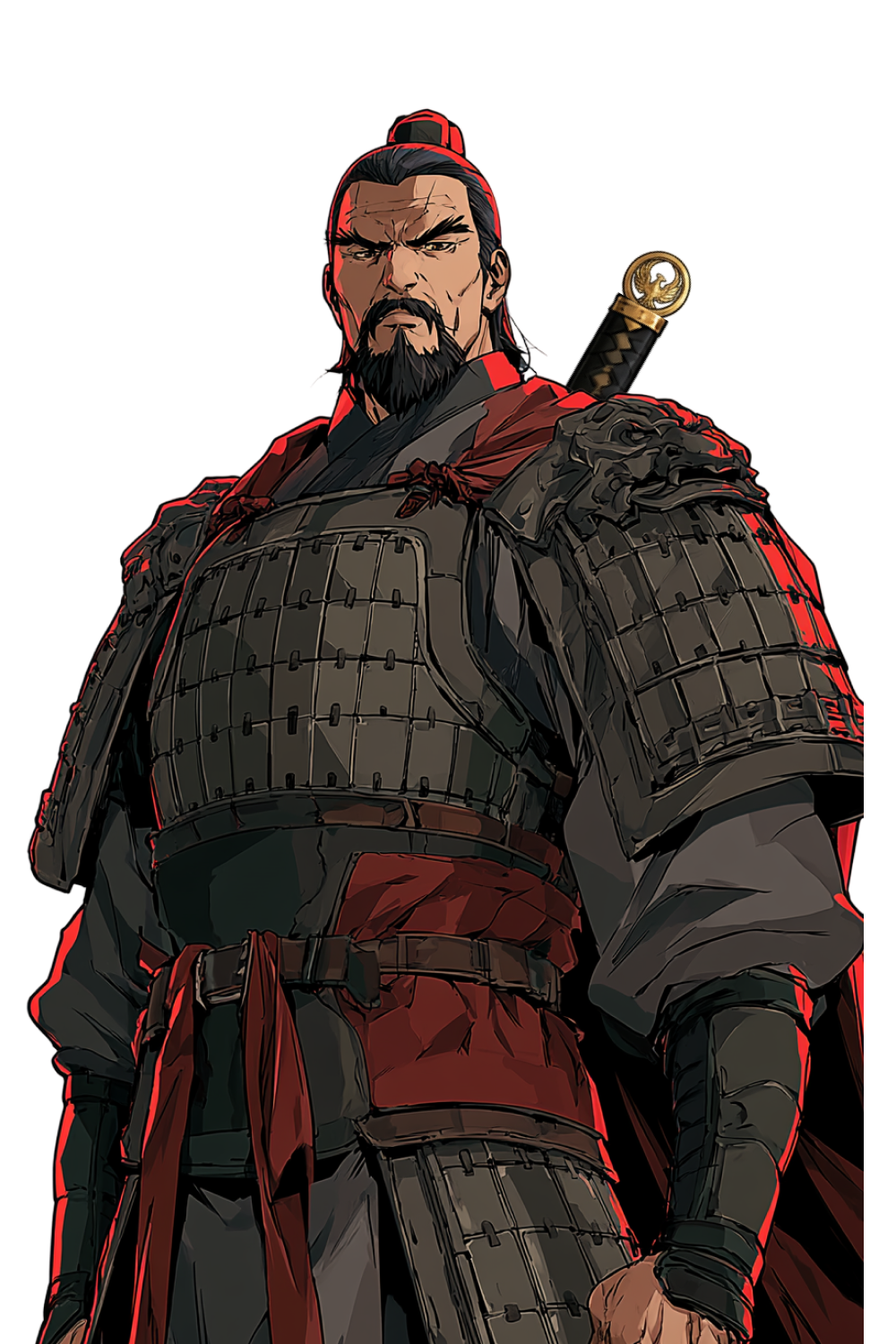
They share a surname and stand an arm’s length apart, like two men who have been told they’re related and are each waiting for the other to prove it.
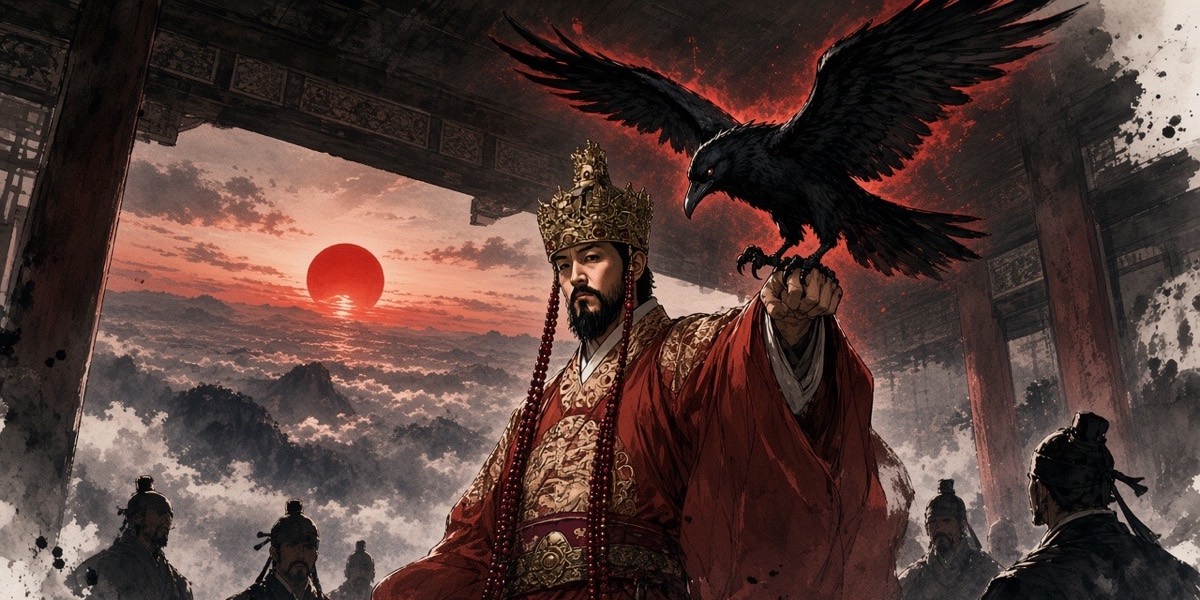
The inner door opens again. The second pot of tea comes in with the king.
The chamber is loud before the king has sat down — not with strategy, with arithmetic. Every banner wants a larger share of the same winter grain.
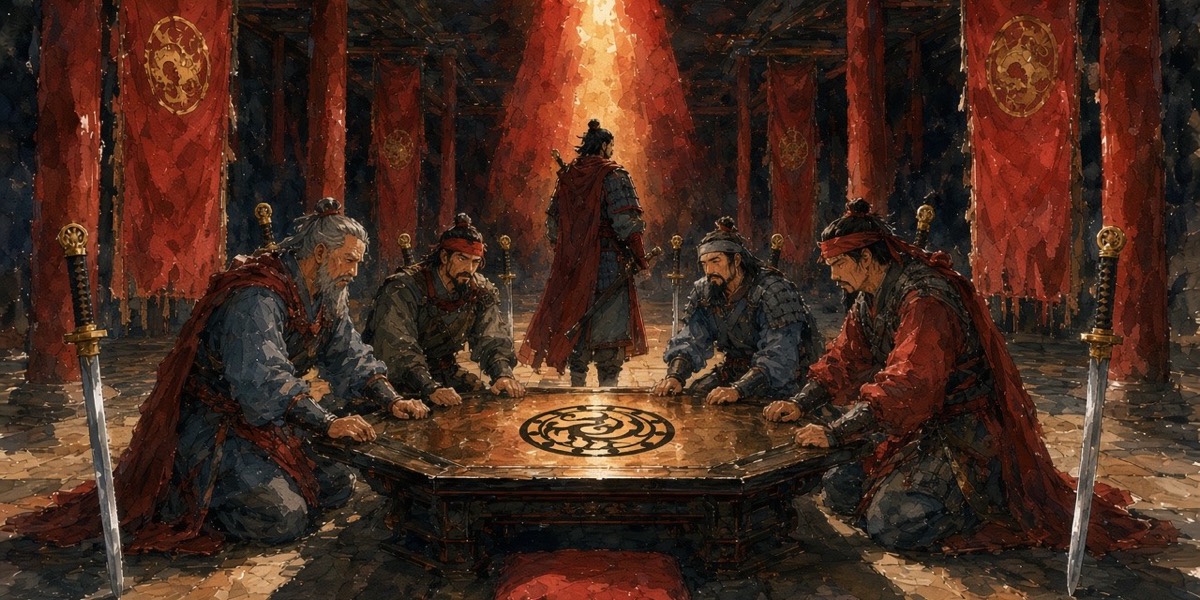
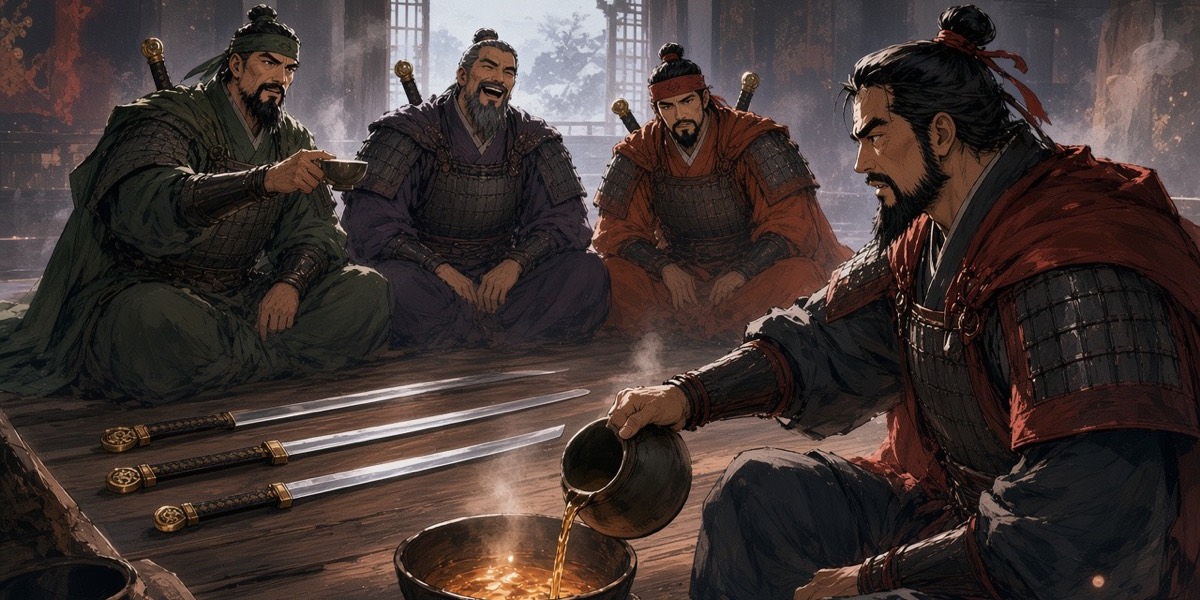
Five swords sit at this table, a crow stamped in every ring. Nobody draws at the Summit. Everybody comes armed anyway. The South’s grip is worn smooth by ’s passes. The North’s edge is nicked on bridles. The West oils his scabbard with Liao timber, so he smells faintly of a forest.
The clerk who only keeps the minutes wears one too, because the rules say so. Ink on the grip, none on the edge. By the High Commander’s teacup lies the first sword, a small stone haetae carved under its crow. left his own at the gate. Junior seats do. He looks at theirs a little too long.
The king asks the South first. He always does. The North has to clear his throat twice to get the royal eye, and doesn’t bother.
Nobody asks the foot of the table anything. drinks his second cup and counts how long that takes. Then the granary comes back, the way granaries do.
He is not the first man this year to want to be king for all. He is the first to want it on a budget.
The north wants horses. The west wants timber and iron. Both want them from , and both say so twice.
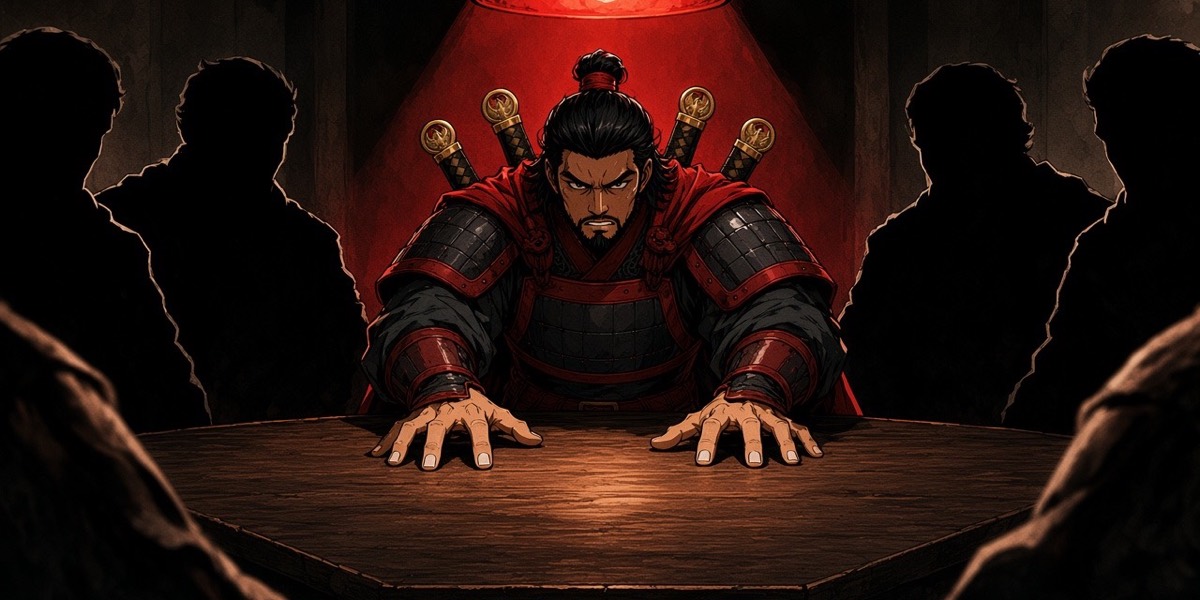
’s hands are flat on the table. The nails have gone white. This is the face of a man who has already fought the war the room refuses to schedule.
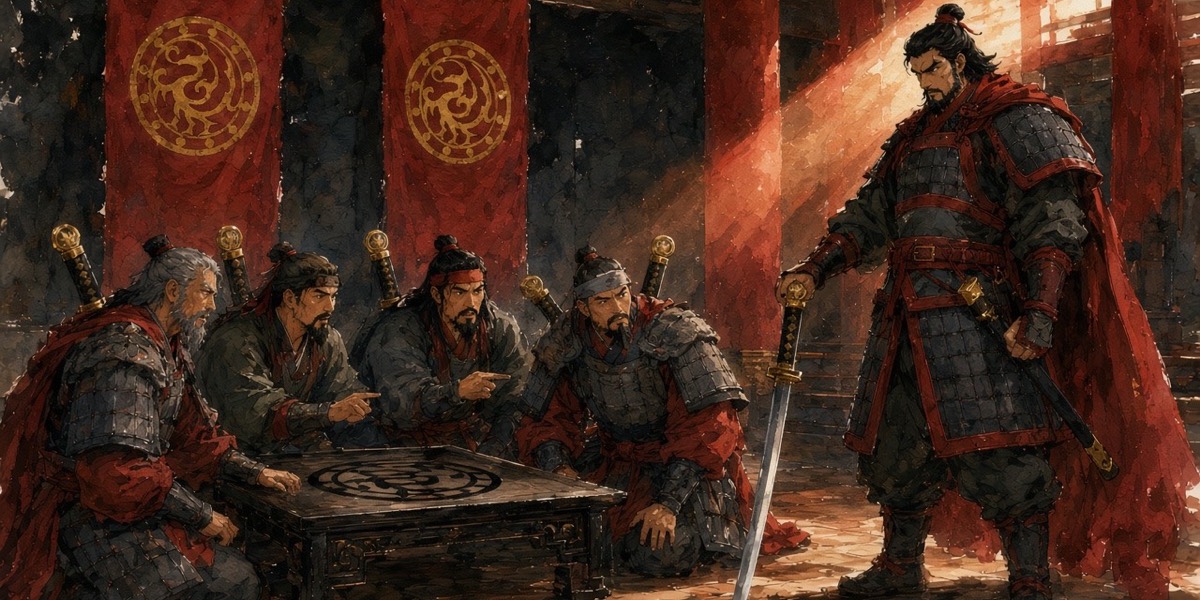
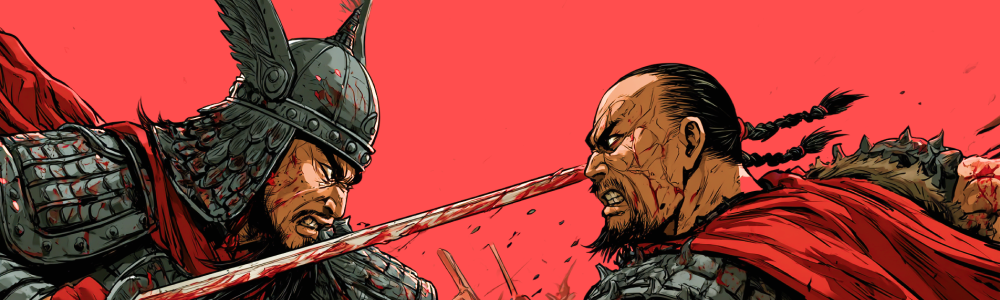
The is up before the sentence is finished. The smooth grip turns once in his palm. Then the blade is out, resting a finger’s width under ’s jaw.
The blade does not move. The High Commander does not stand. He reaches over and sets two fingers on the flat of it, the way you’d steady a cup about to spill.
It goes back in on the second try. touches his throat, looks at his fingers, and finds nothing on them. He watches that scabbard for the rest of the afternoon.
He walks out before it ends. Outside, the corridor is very long and very cold. Behind him the chamber returns to numbers — as if he had never brought an emperor into the room.
The West keep notes on this room. Theirs are less polite.
Their highest office is called Dedero, the High Commander. It ranks with our first grade, and its holder oversees all the business of the state. It changes hands every three years, though a man who does the job well is not held to the term. On the day of handover, if the parties will not submit to each other, they all call out their troops and fight, and the winner takes the post. Their king simply shuts the palace gates and guards himself. He cannot stop it.
그 벼슬 가운데 큰 것은 대대로라 부르니, 1품에 견주며 나랏일을 모두 맡는다. 3년마다 한 번 바뀌되, 직책을 잘 해내는 자는 햇수에 구애받지 않는다. 교대하는 날 서로 복종하지 않으면 모두 군사를 거느리고 서로 공격하여, 이긴 자가 그 자리를 차지한다. 그 왕은 다만 궁궐 문을 닫고 스스로를 지킬 뿐, 이를 막지 못한다.
In the yard the Eastern banners answer him anyway — a roar that has nothing to do with the Summit’s minutes.
He came to the Summit still half in love with the king who broke the Sui. He leaves knowing the roof is a ledger, and the hero has learned to count gold instead of spears.
The Summit ends at dusk, without him. The commanders ride home the way they came in, by rank. The West goes last. The West always has the farthest to go.
The junior warrior with the wandering eye rides at ’s stirrup now. The East gave him away in the palace yard, the way you’d give away a dog that bites the right people. He held the horses by the gate all afternoon. He saw the man from come out early, take his sword off the rack and look at nobody.
The commander never finishes the other half of his sentence. It is a long way to the Liao. The road is quiet, and he would like it to stay that way for whatever time he has left.
That night, in ’s tent, a rider finds him. His wife’s time has come, and it has gone badly before.
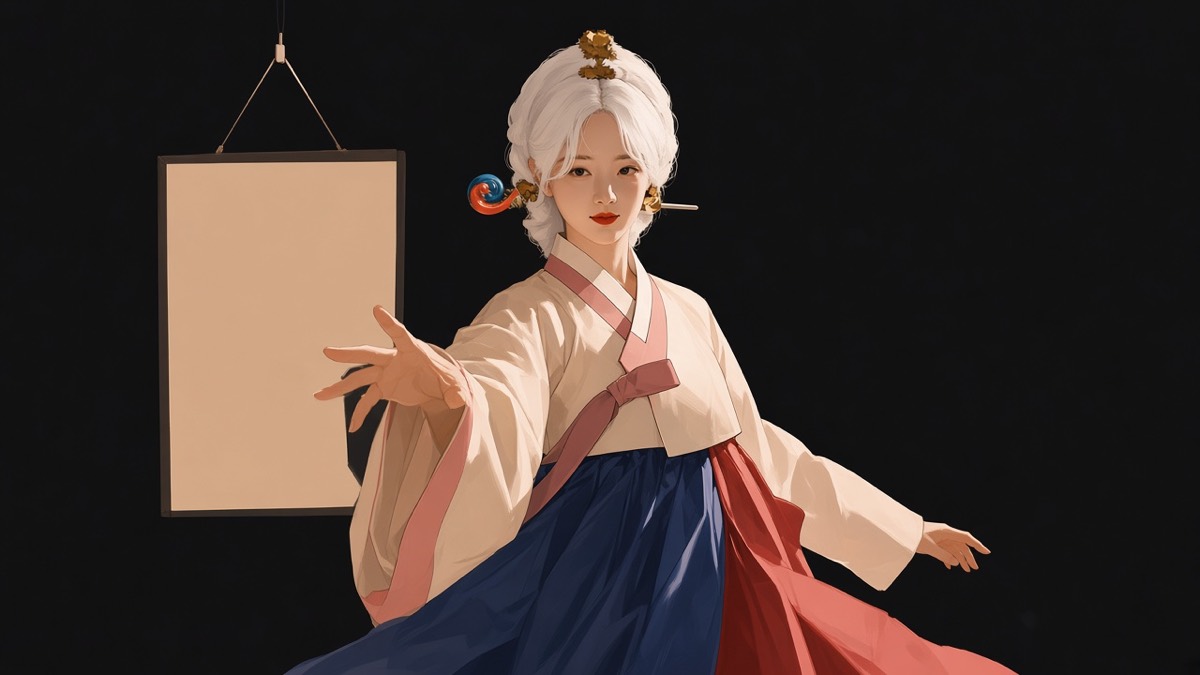
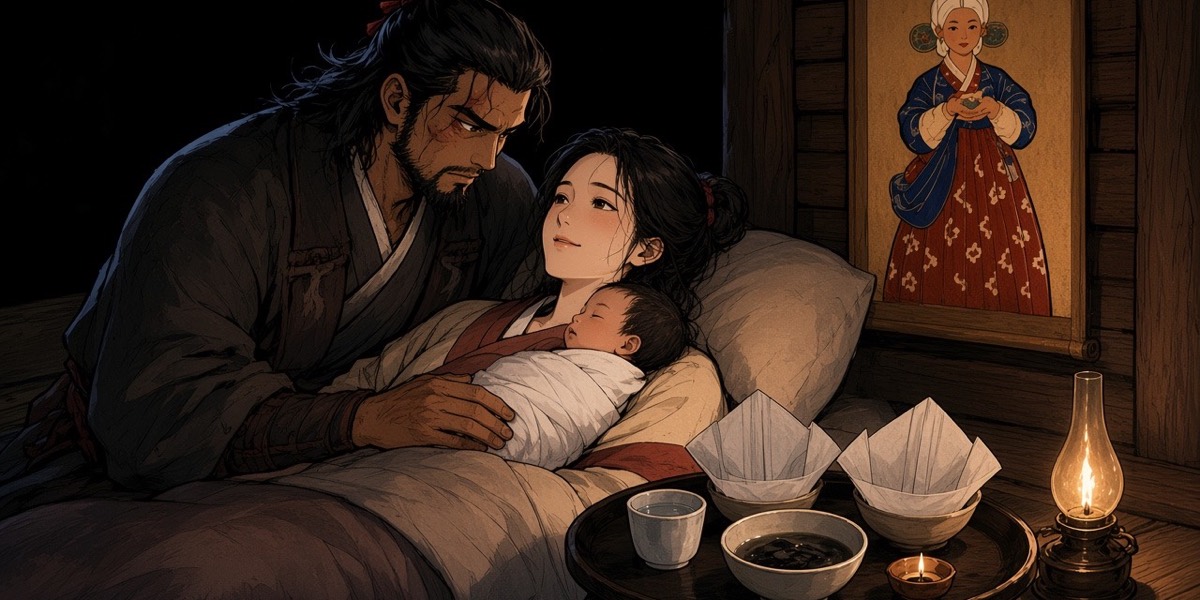
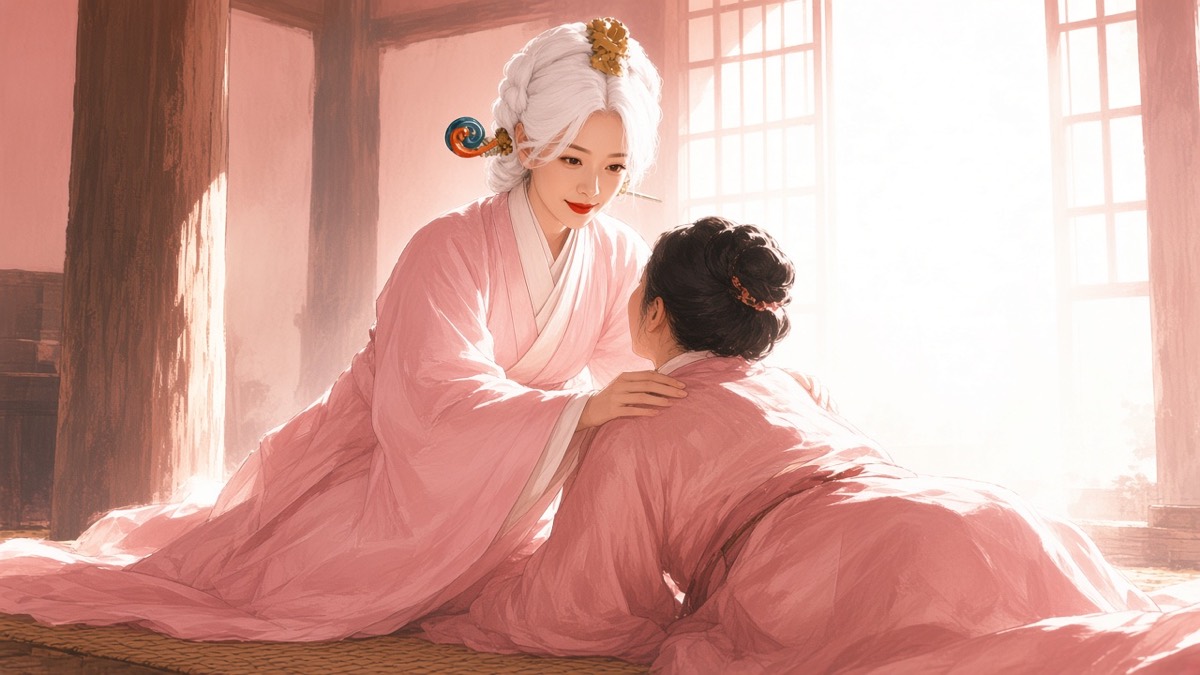
He reaches the house after midnight. One lamp, one midwife, and the mother. On the wall hangs a painting of , the birth goddess, prayed at so often that the paint has gone pale where the hands touch it. Beside the bolsters, a low : rice, miyeok soup, water — only she will eat from it.
The painting does not stay paint. steps from the frame the way steam steps from a kettle, and lays a hand where mortal hands have failed.
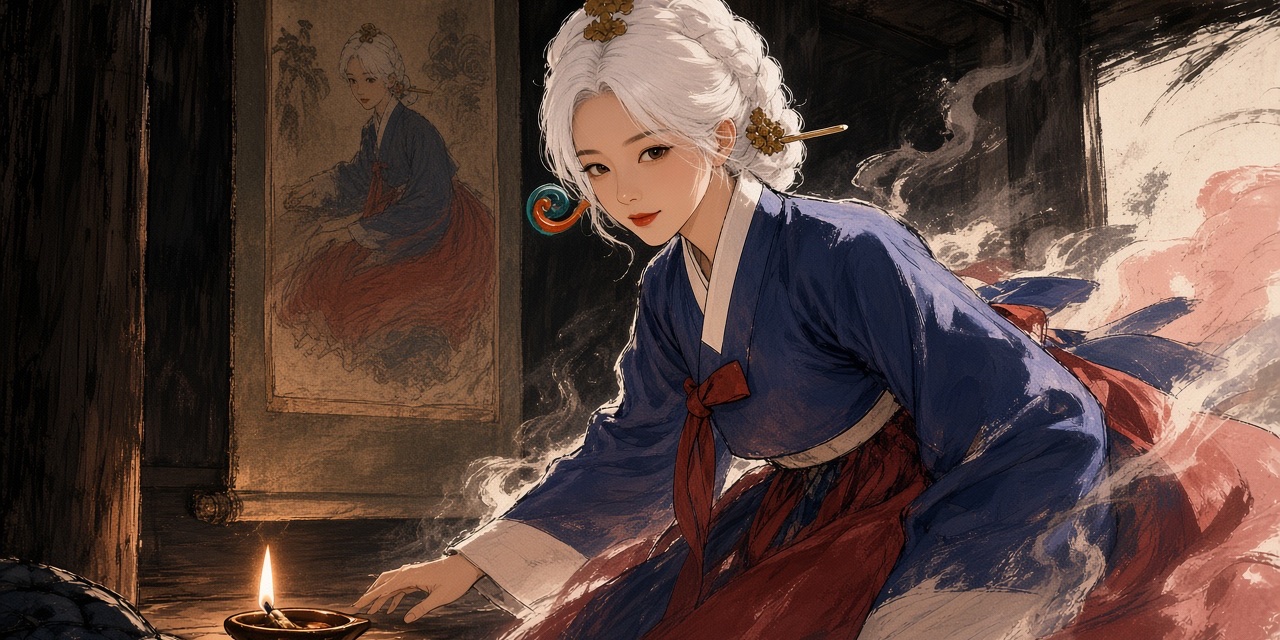
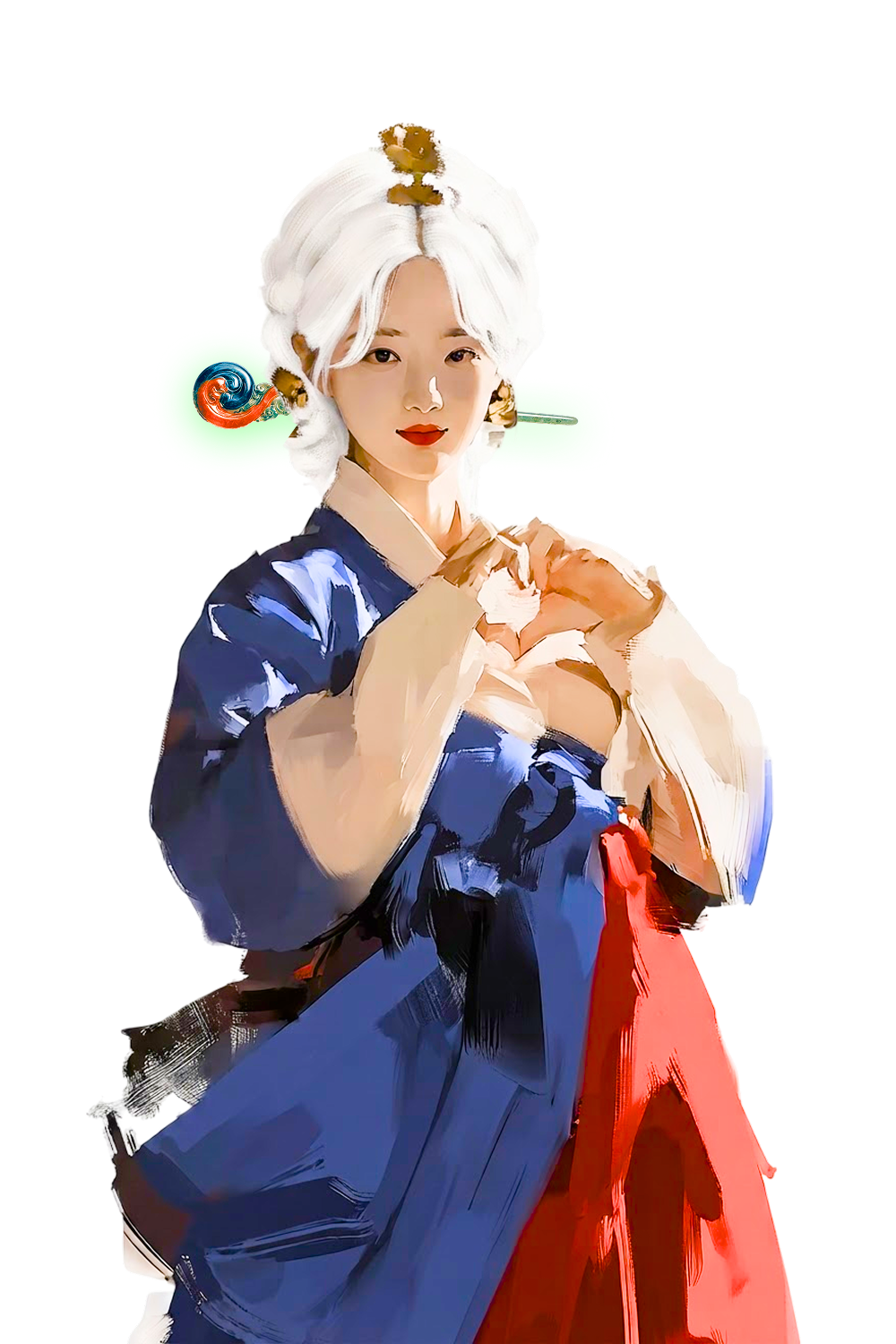
So the first heir arrives under 's hand, the year of the Summit. They call him . Nobody wanted a poem in the name. It's the sound the room makes when the baby breathes.
He holds the boy up to the lamp and tells him the only bedtime story he knows: the one about the king who rode south and never counted grain.
Once, begged for an army, and came. To meet the king who answered, we go back two centuries…!
