





Chapter 12
King Gwanggeto


AI Summary
- The Boy
- The Frozen River Khitan tents on a frozen river.
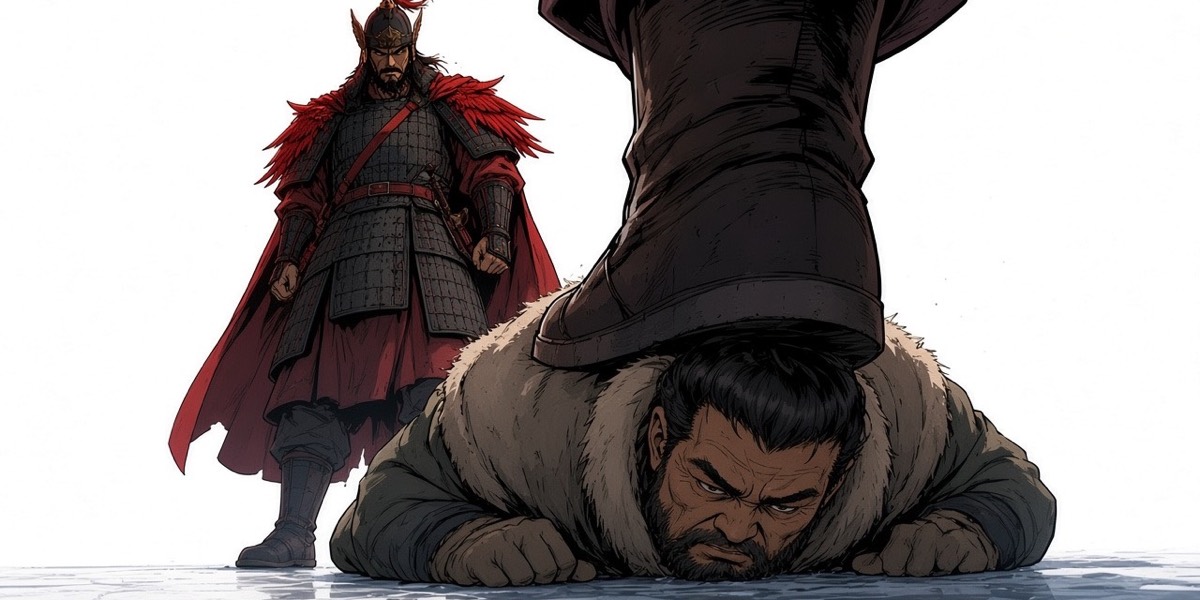
- The Ice The khan is on his knees on the ice.
- The Western Gate The west is a wall and a different grammar.
- The Threshold The emperor comes out in vermilion.
- The Cliff The first southern fort sits on a cliff over the water.
- The Southern Hall South is a river and a king who still thinks the river is his.
- The Burning Capital The Silla king has a thin country and one letter left.
- The Plea His envoy rides north for nine days and kneels in the tent of a Goguryeo king who is twenty-six and has never lost.
- The Horsemen The horsemen come down out of the north like weather.
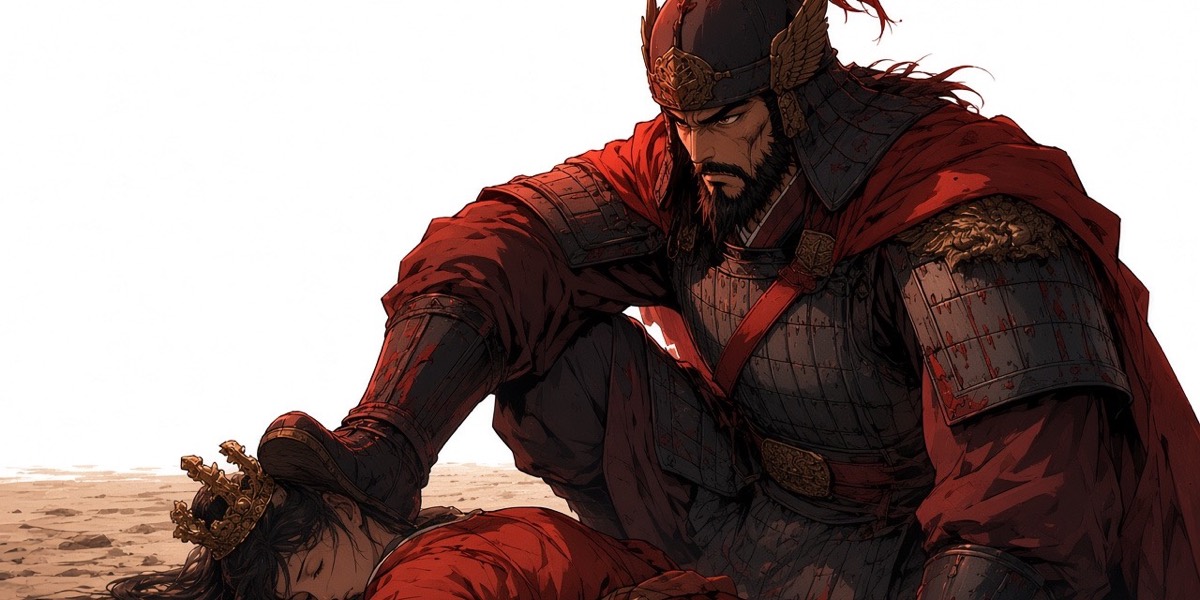
- The Boot The Silla king comes down from his own wall.
- Characters
Episode· 634
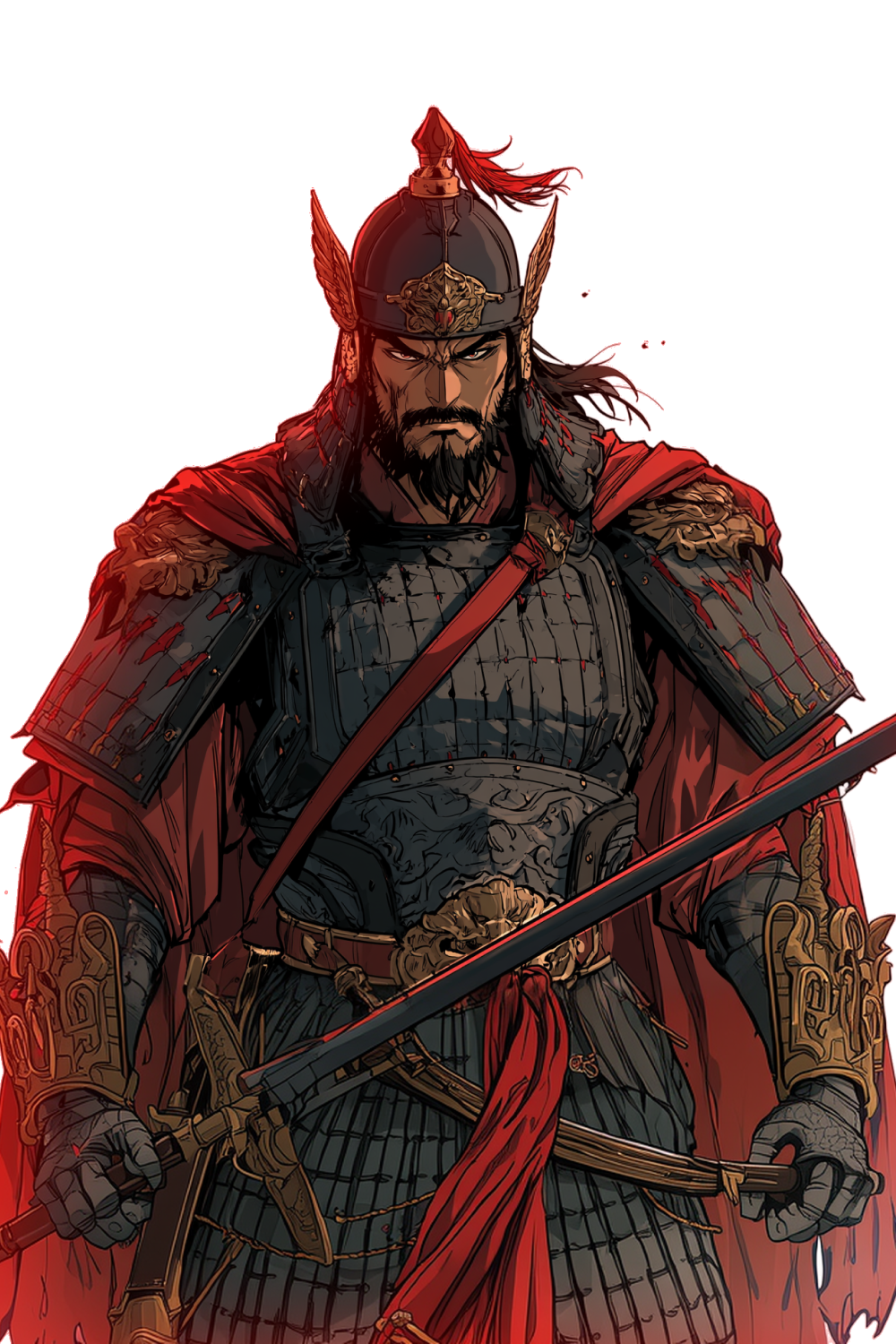
King Gwanggeto
His stele lists sixty-four fortresses. It does not list the nerve it took.
- King Gwanggeto
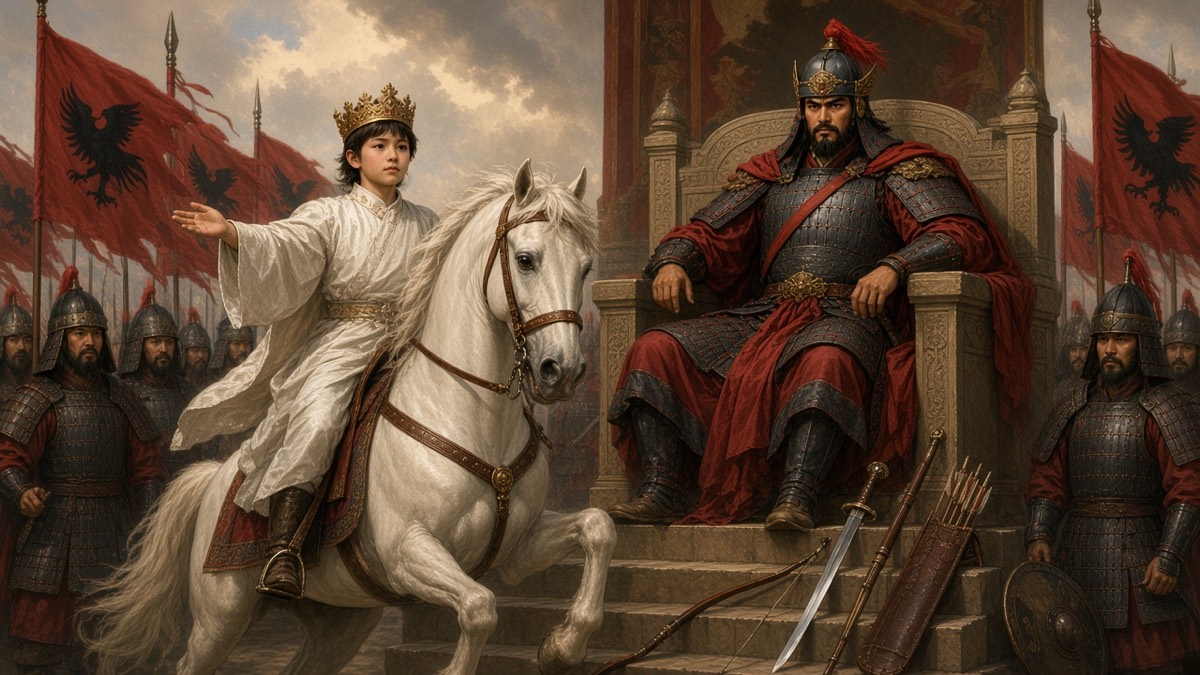
He is eighteen and already too big for the chair. The chair does not mention it.
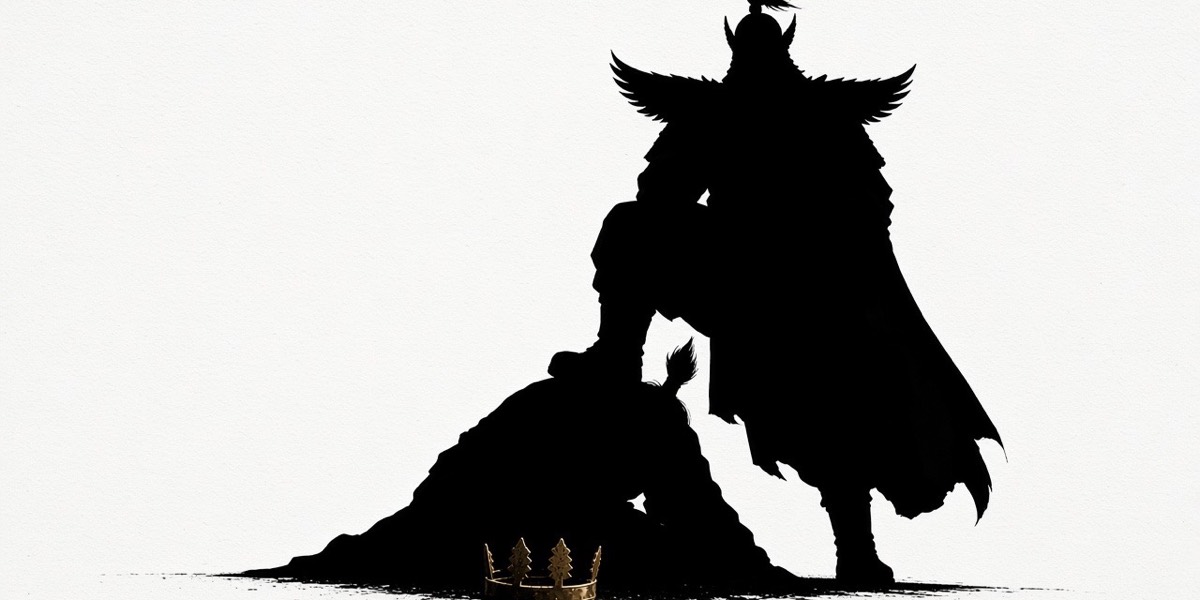
He will put a boot on four heads before he is done. North. West. South. East. The chair is only the first thing that has to take his weight.



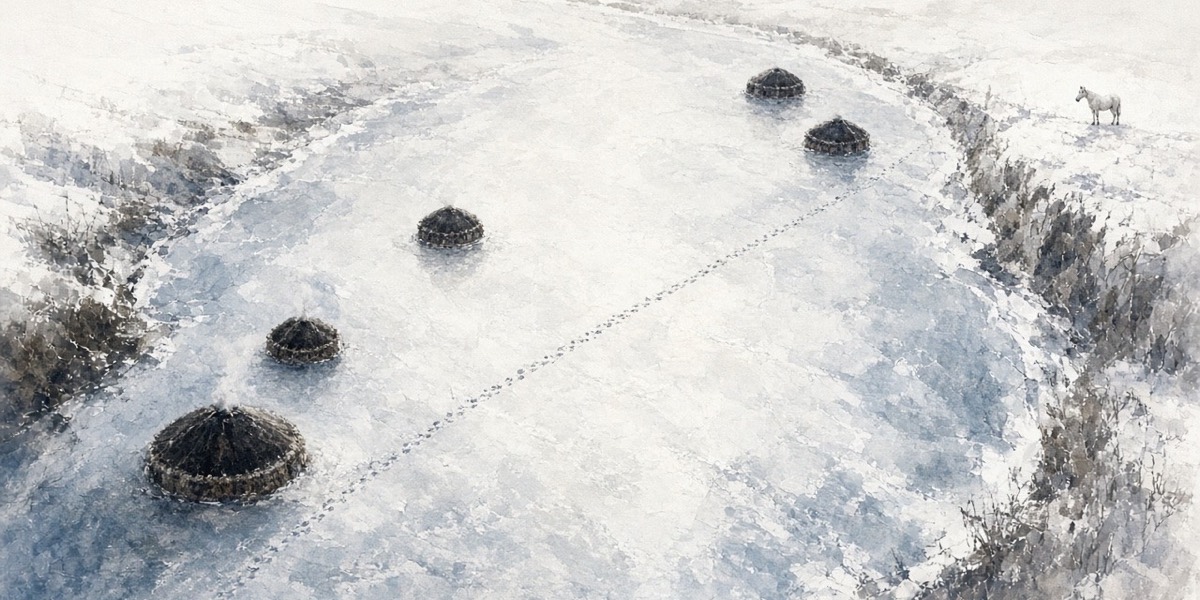
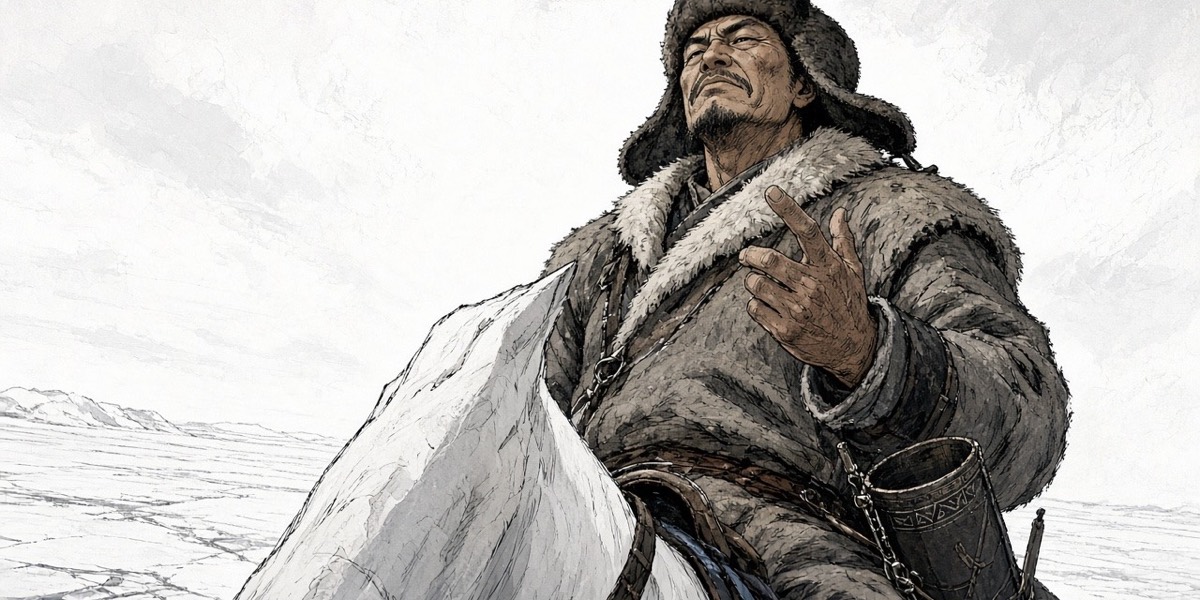
tents on a frozen river. He is still a boy in the shoulders. The tents do not care.
The khan has a name the ice does not keep. He sits a white horse at the far bank and counts the way other men count weather: something that will pass.
The river listens. By spring the tents are ’s, or they are ash. He does not stay to decide which.
A rider comes in from farther north than the tents. He is not armed. He is carrying a letter that wants to be tribute.
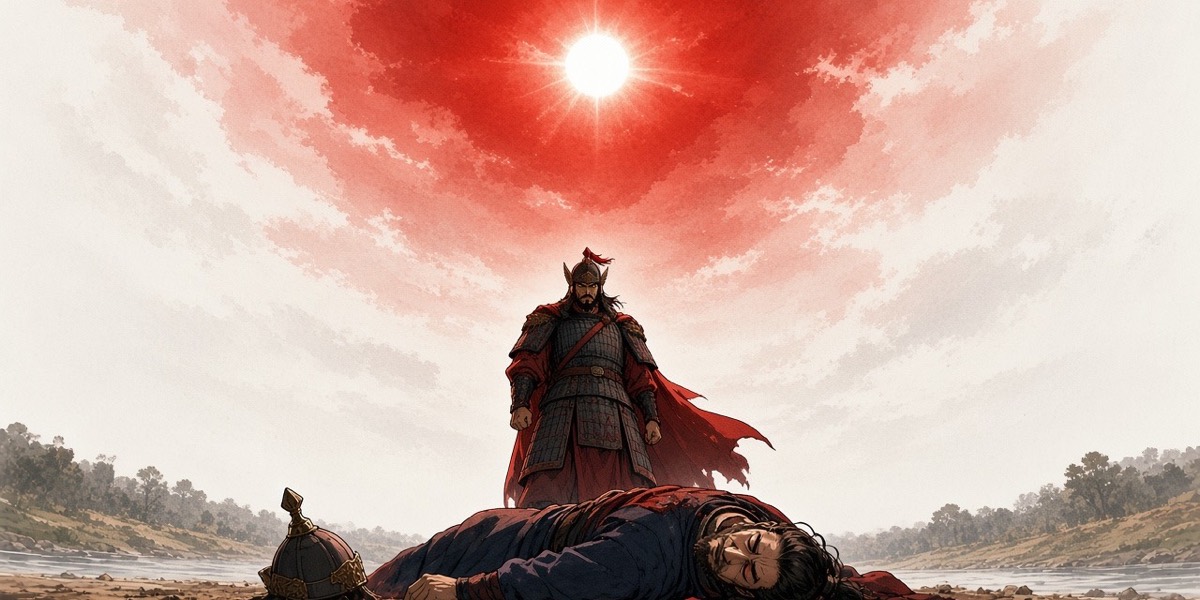
The khan is on his knees on the ice. gets off the horse. He does not get off a horse for a thin king unless he means the boot.
The boot finds the head. North learns it first.
North, then. Without sitting in anybody’s chair. He turns the horse.
The west is a wall and a different grammar. Yan writes. He rides.
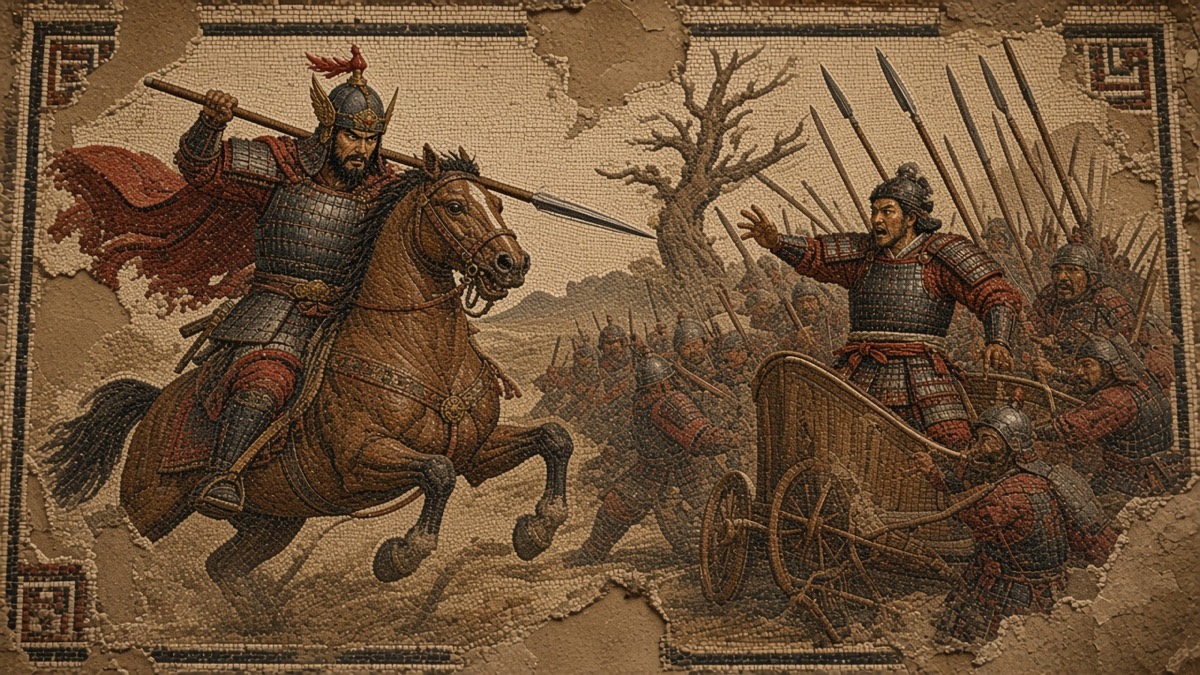
The west is a wall you can see from a horse, and a man behind it who still thinks a letter is a kind of army. The Yan Emperor. , if you want a shorter word. He has a vermilion sleeve and a gate that closes at dusk.
Yan shuts the gate at dusk. They mean it. The letter he did not send sits in somebody else’s pocket, unwritten.
He does not camp in front of the gate. He camps on three sides of it. Morning, the gate has a new opinion.
The emperor comes out in vermilion. He has the letter. has the morning. He gets off the horse.
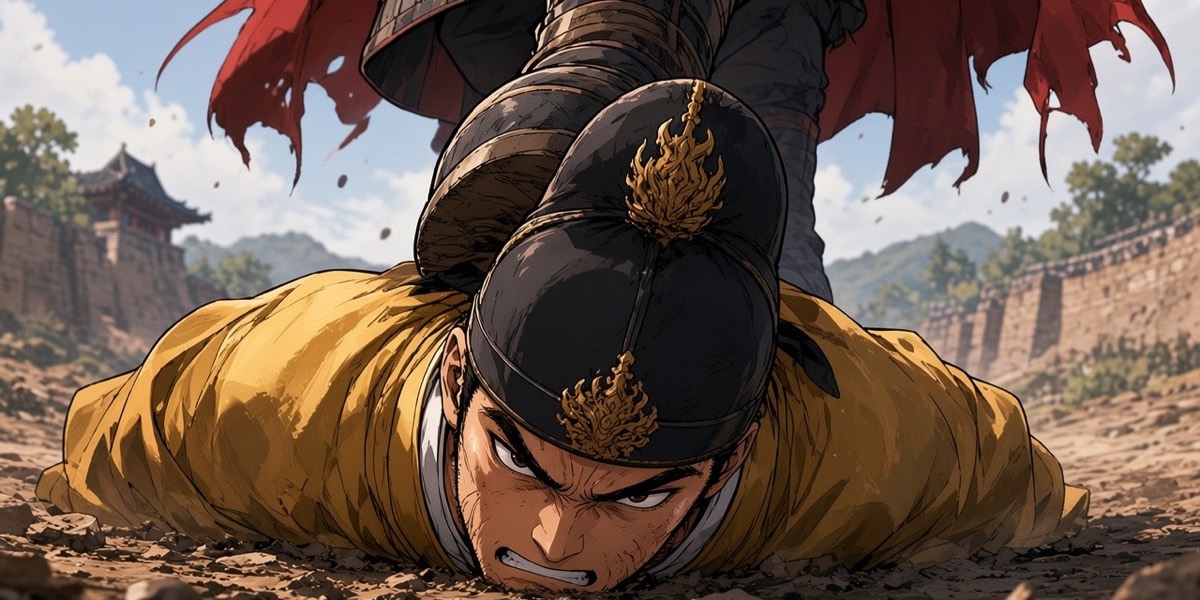
The boot finds the head. West learns it second.
The west folds the way paper folds. He turns the horse south. That is the part everyone remembers.
The first southern fort sits on a cliff over the water. Twenty days. On the nineteenth the captain on the cliff offers the water if they leave the stone.
They take both. He does not stay to name the cliff. He has a thinner roof still to collect.
South is a river and a king who still thinks the river is his.
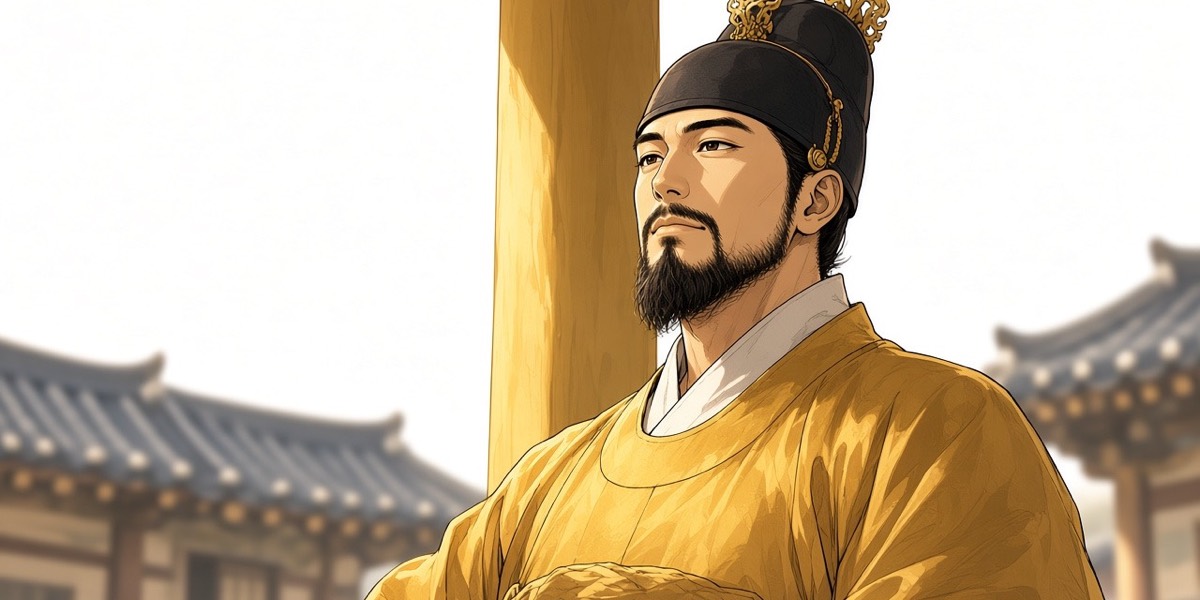
The southern king still thinks the river is a gift his grandfathers left him. He has a yellow hall and a brother he can put on a horse. He has not yet learned what a boot is for.
keeps the hall. It loses the bank. He does not sit in their chair. He has a thinner roof to collect.
The southern king comes out of his own hall. He does not want to. He does. He puts his brother on a horse pointing north, and does not watch the horse leave.
He said he did not come for the chair. He came for the head that sat in it. The southern king is already on the packed earth of his own bank. gets off the horse.
The boot finds the head. South learns it third.
is drowning. An army from across the sea is inside its walls, and its king has one move left.
He was born big and imposing, with a will that would not be bridled.
태어나면서부터 체격이 크고 웅장하였으며, 얽매이지 않는 뜻을 품었다.
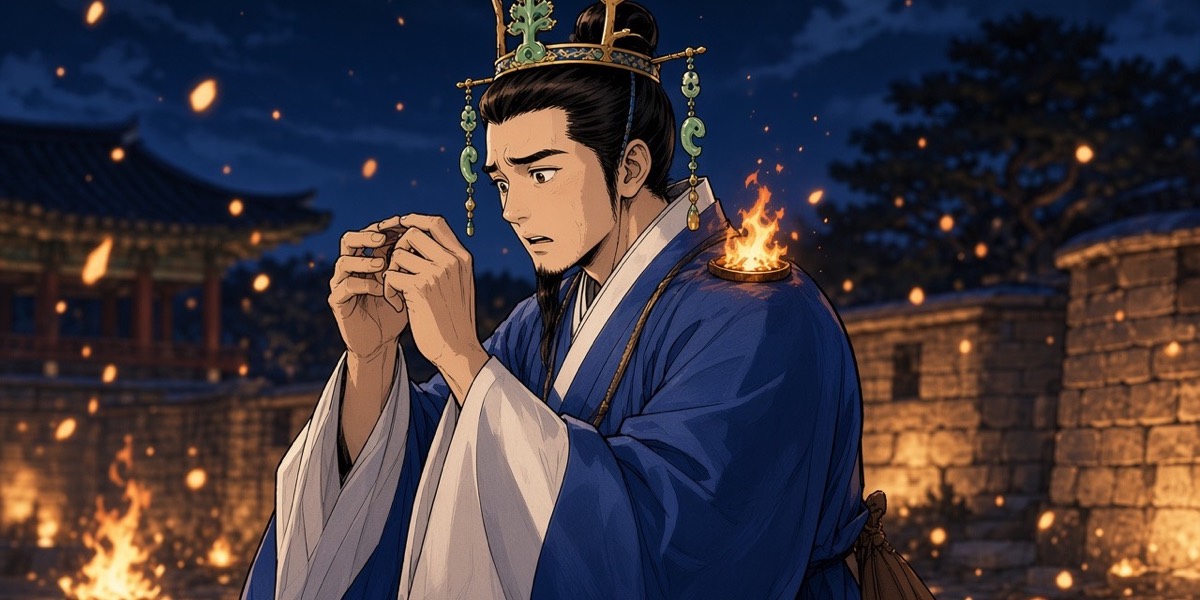
The king has a thin country and one letter left. He stands on his own wall and counts fires that are not his. He has not yet written the word. He will.
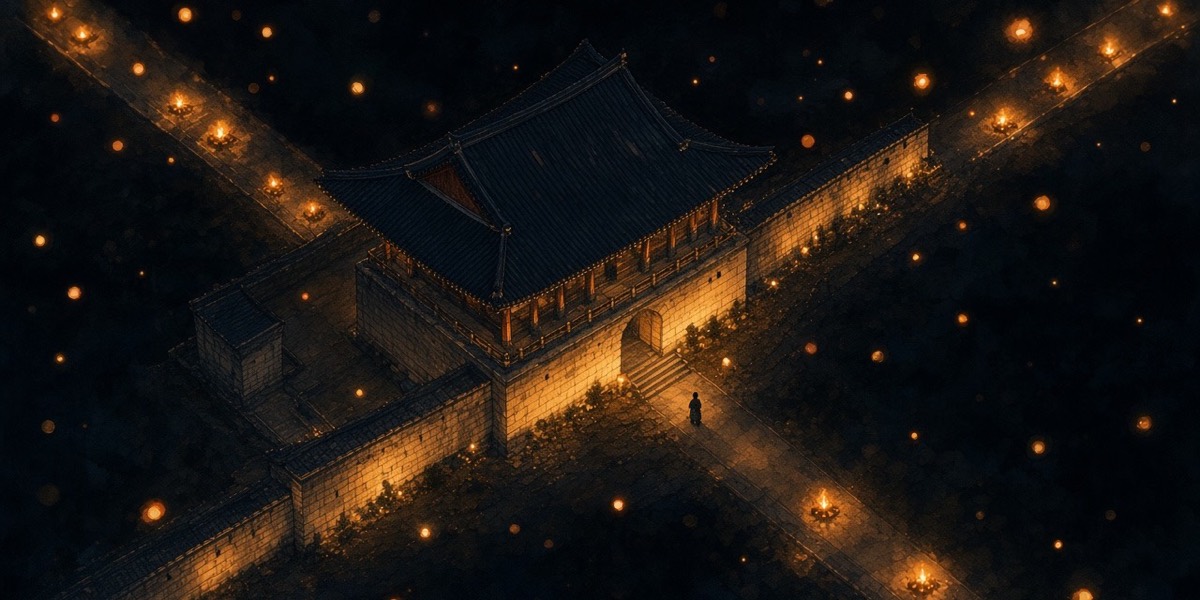
The king stands on his own wall and counts the sea-raiders’ fires. They sit on the north road, on the south road, and under the Western wall. There are more every night. Below, in the hall, his court is arguing about pride.
Sea-raiders on the roads. Southern sails with them. The king on the wall can count two enemies and has one letter left.
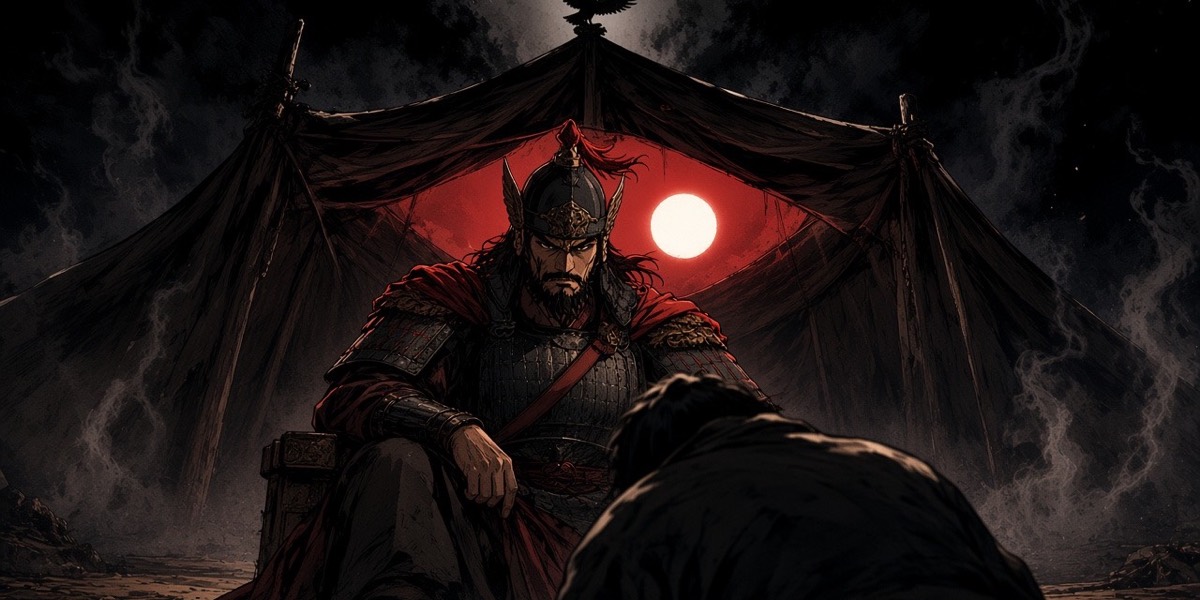
His envoy rides north for nine days and kneels in the tent of a king who is twenty-six and has never lost.
The king reads the answer twice. The first half saves his kingdom. The second half he does not read aloud.
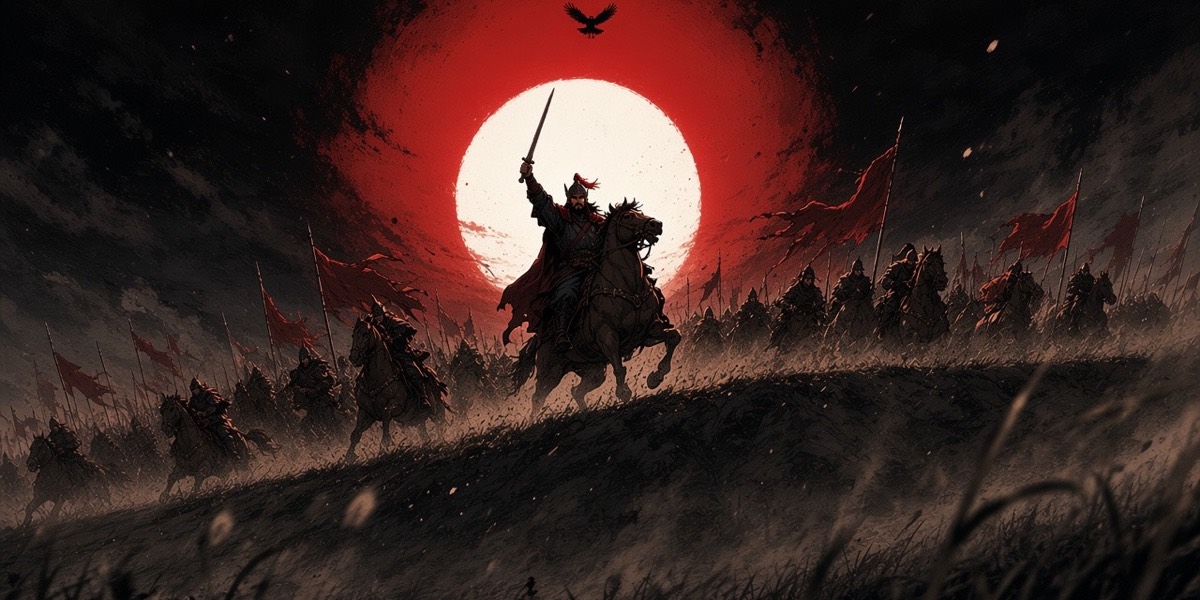
The horsemen come down out of the north like weather.
From his wall he watches the raiders’ fires go out one by one. Then he watches the red banners come through his own gate, and keep coming.
A red sun. The three-legged crow rides south on his banners. The stele will list sixty-four fortresses. It will not list the nerve it took.
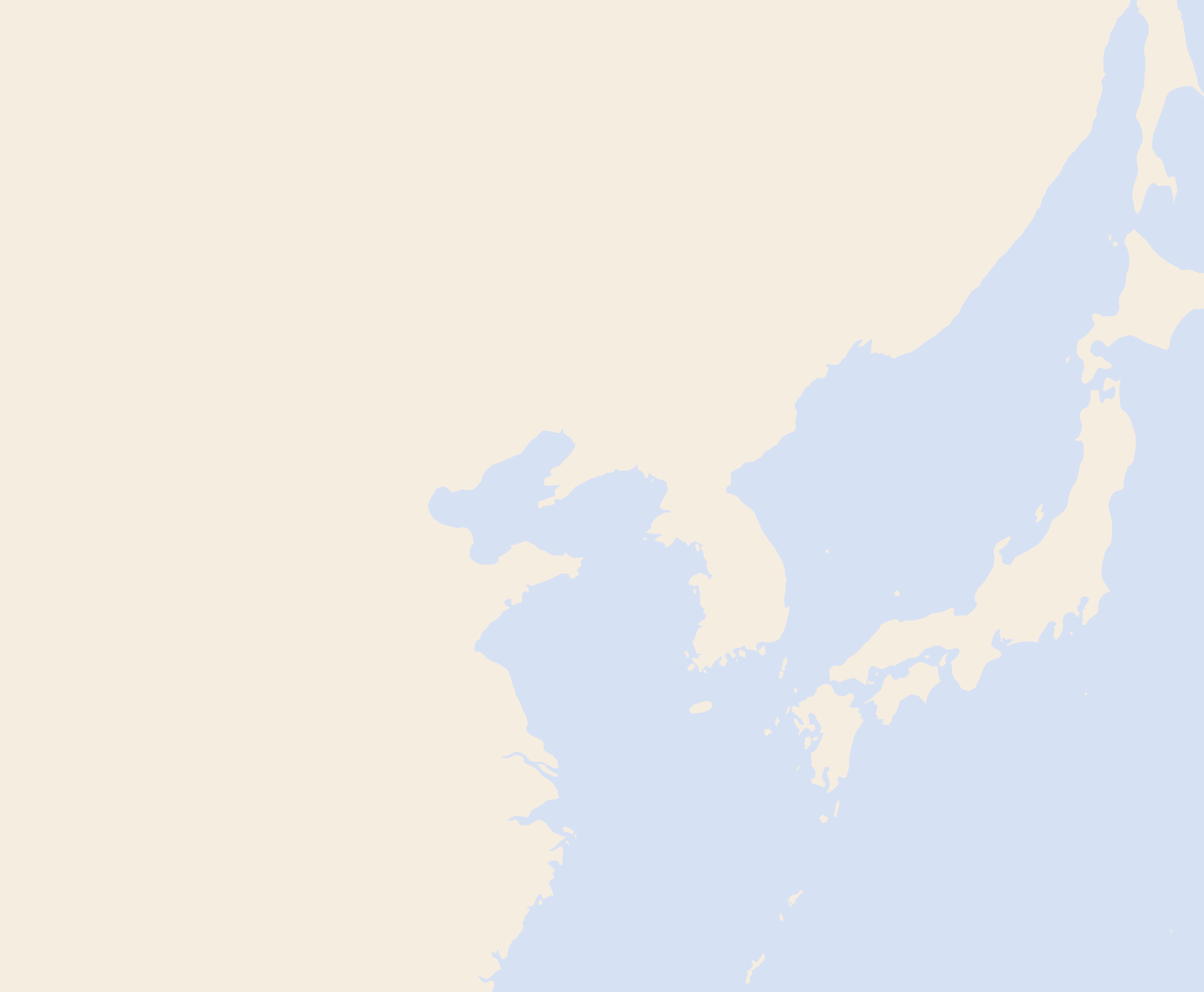
The horsemen ride at the raiders’ backs, southwest over the big river and into country. At the last fortress the gate opens before the ladders are even up.
had asked. That’s the part everyone forgets. Then the horsemen ride back to the capital, and don’t leave for fifty years.
The king comes down from his own wall. He has already written the word. Now he has to wear it.
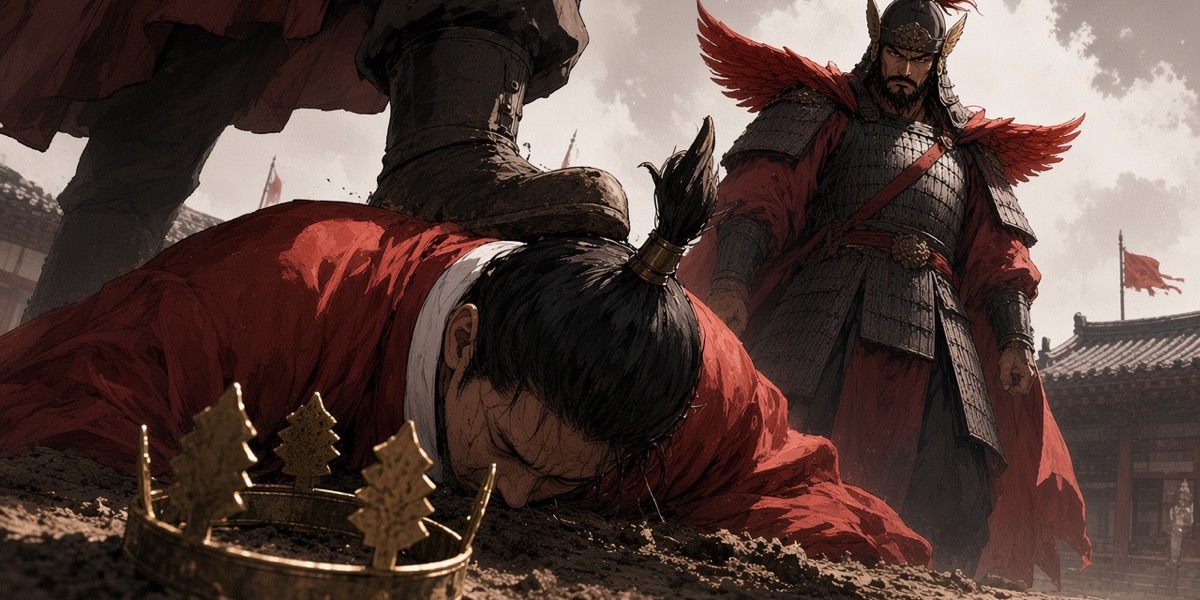
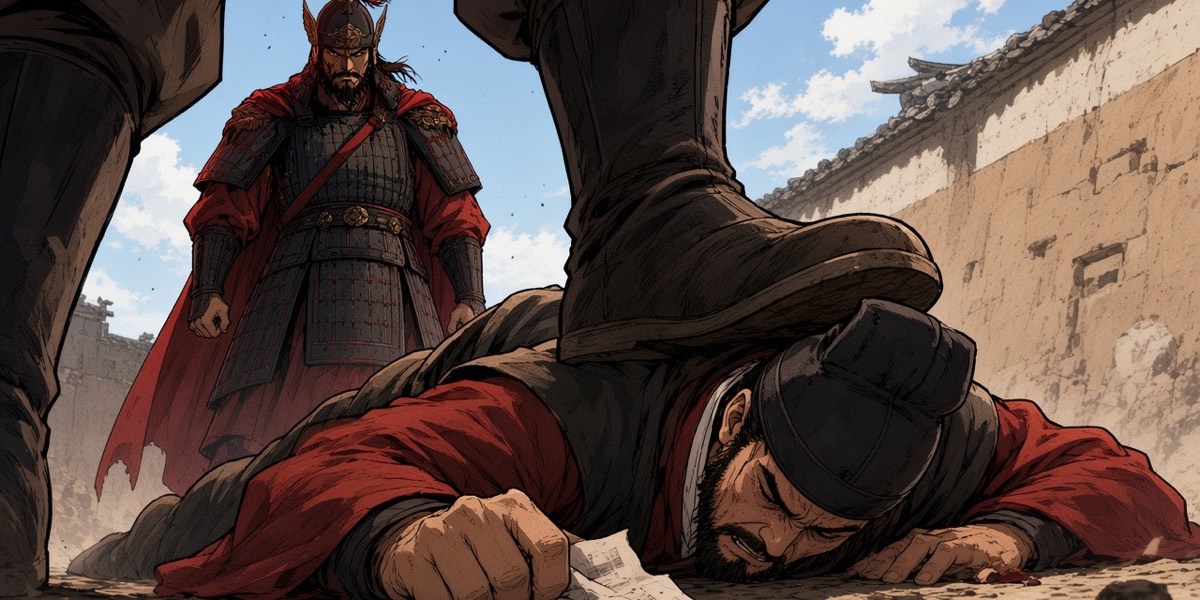
He kneels in the packed earth of his own yard. The Great King does not get off the horse at first. Then he does. He puts his boot on the head.
The yard is very quiet. A thin country learns, in the dirt, what asking costs.
’s crown princes go north as hostages. The first one is twelve. ’s court takes titles. ’s army takes orders. It lasts two generations. does not forget it.
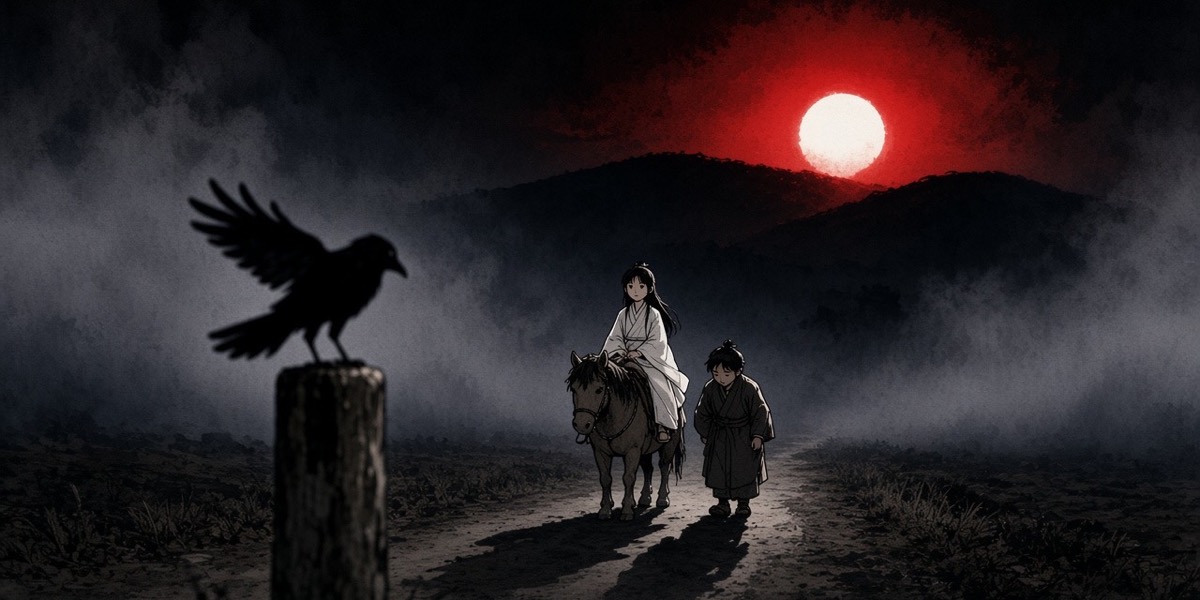
He goes with a pony and a tutor. At the border he asks how long. Nobody answers him, which is how he finds out.
His stele, naturally, remembers it more kindly.
The common people were at peace in their work; the country was rich and the people abundant; the five grains ripened in plenty.
서민이 그 업에 편안하고, 나라는 부유하며 백성은 은성하고, 오곡이 풍성히 익었다.
Two hundred and forty years later a prince will stand in front of a foreign emperor and ask for an army, and every single person in will know exactly what that costs, because it has been done to them before.
The sea-raiders hold every road into the Silla capital and camp under its walls. The king counts their fires from his own parapet. There are more every night.
- Goguryeo 0
- Silla ?
- Wa ?
- = 1,000 men
- = size not recorded
Sources: Gwanggeto Stele, Yungnak years 9 and 10 (east face) · Samguk Sagi 3, Annals of Silla, Nemul and Silsung · Chungju (Jungwon) Goguryeo Stele, on the Goguryeo garrison in Silla
The prince who will beg has a son. is fifteen now, and his uncle has one question: which rule will you break first…?
