








Chapter 4
King Jinhung



AI Summary
- The Last Night The old king has no son.
- The Vote The night before the crown, the room does what the room does.
- The Too-Big Crown He was six when they put the crown on him.
- The Side Hall The crown still slides.
- The Letter Eleven winters into the crown, the river is still someone else’s.
- Bald Mountain They take Bald Mountain.
- The Gift Wife The gift is a girl.
- The Old Wall East of the palace roofs there is a mountain fort that has been falling down since before he was born.
- The News Then Baekje marches.
- The Ditch A slave asks for the head.
- The Lamp
- The First Yard He needs boys who will not send him daughters.
- Characters
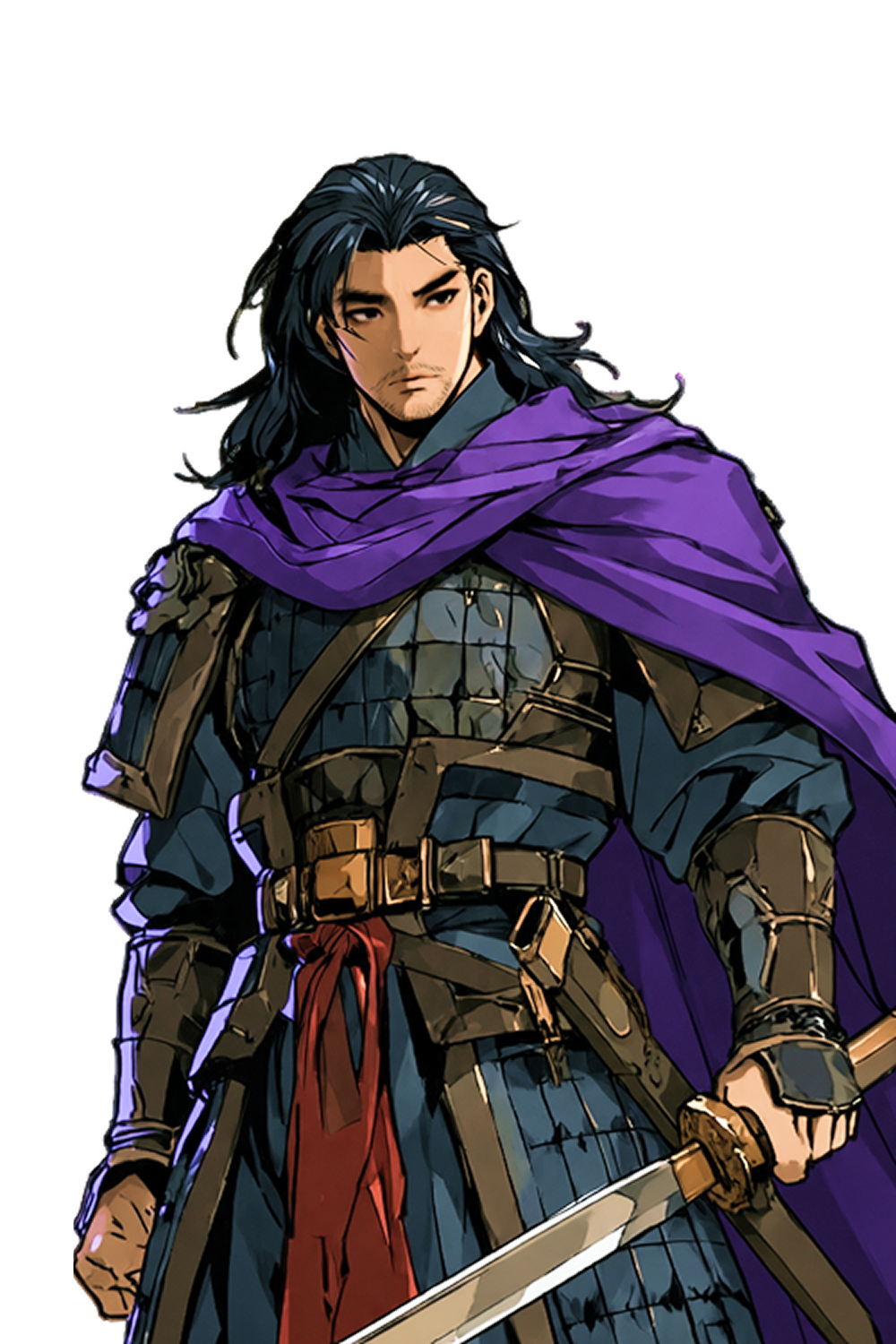
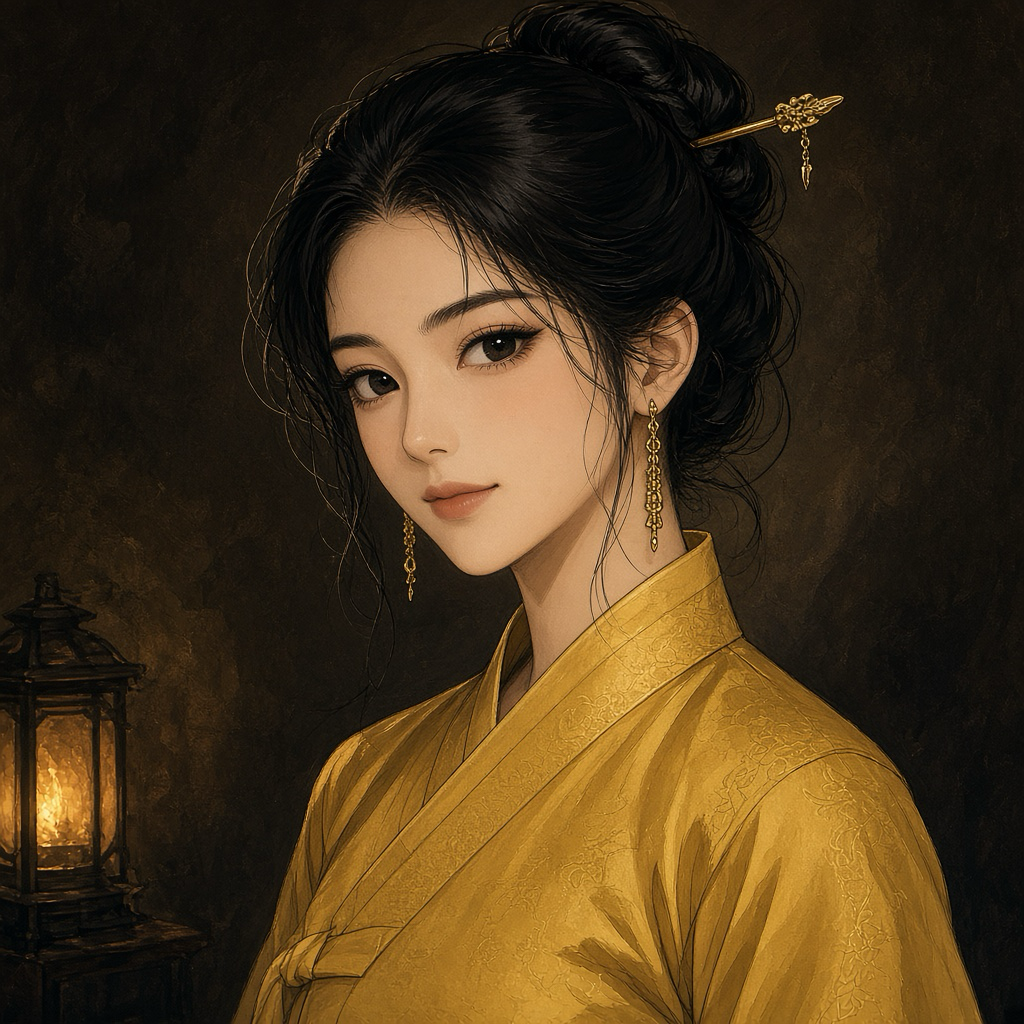
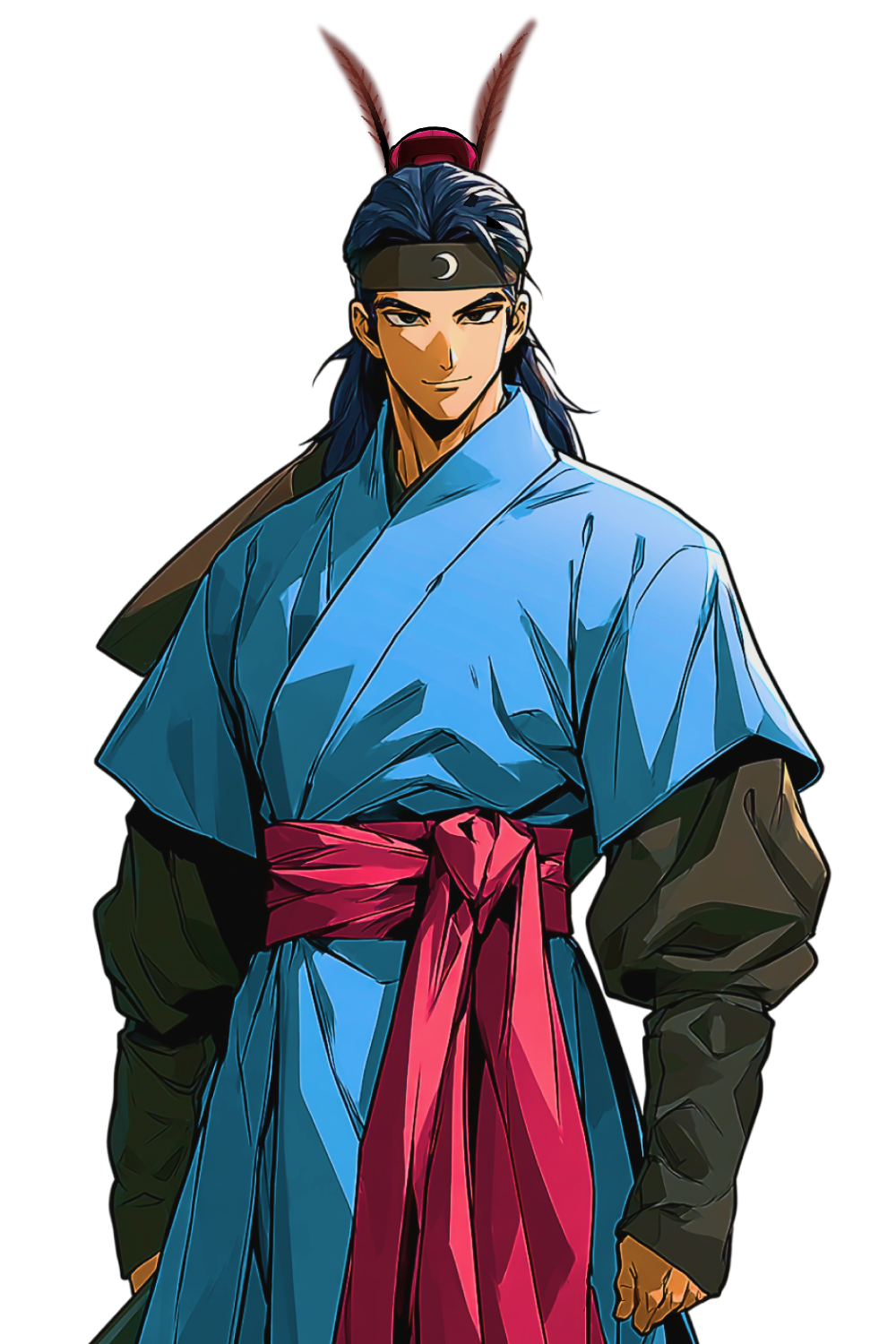
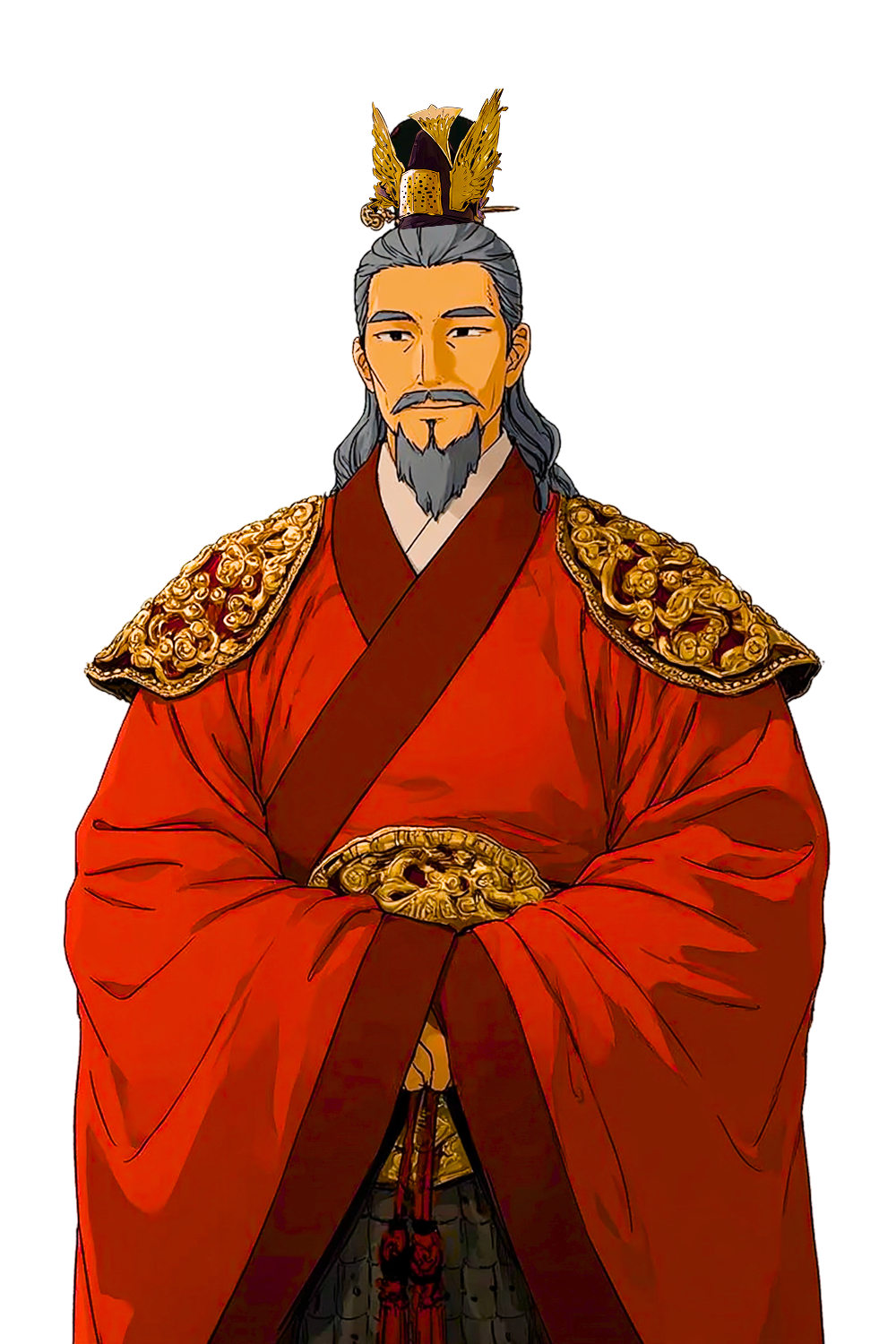
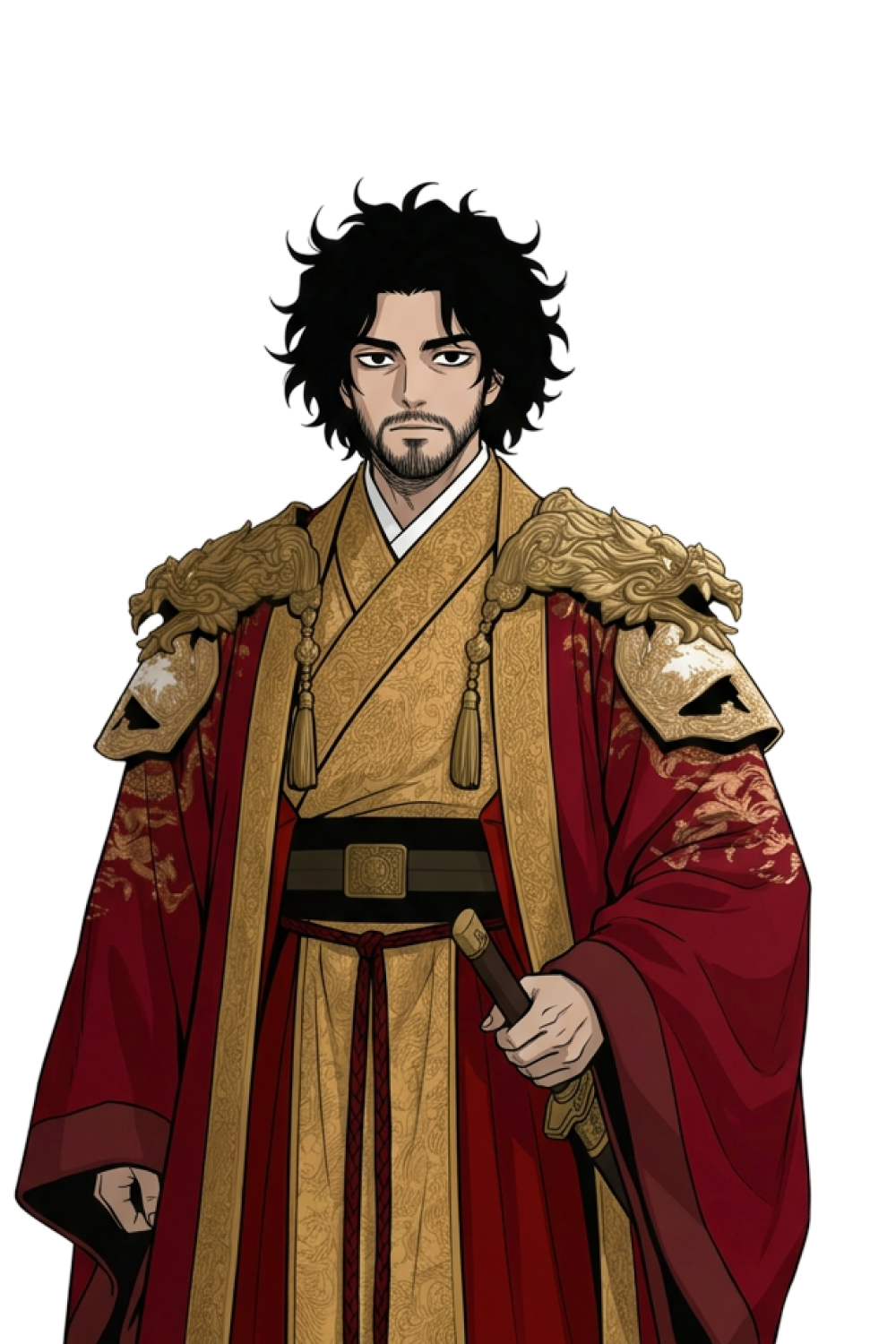
Episode· 636
King Jinhung
Ask anyone in Surabol about the Cloud King and they’ll tell you about his stones. Ask anyone in Sabi and they’ll change the subject.
- Sumekbu
- Prince Suulbu
- Silla General
- Queen Buyeo
- A Hwarang
- King Sung
- Crown Prince Saryun
- King Buphung
- Queen Jiso
Ask anyone in about and they'll tell you about his stones. Ask anyone in and they'll change the subject. You'll find out why. Not yet.
The old king has no son. He has a niece who married his brother, and that niece has a boy. The boy is six. The crown is not.


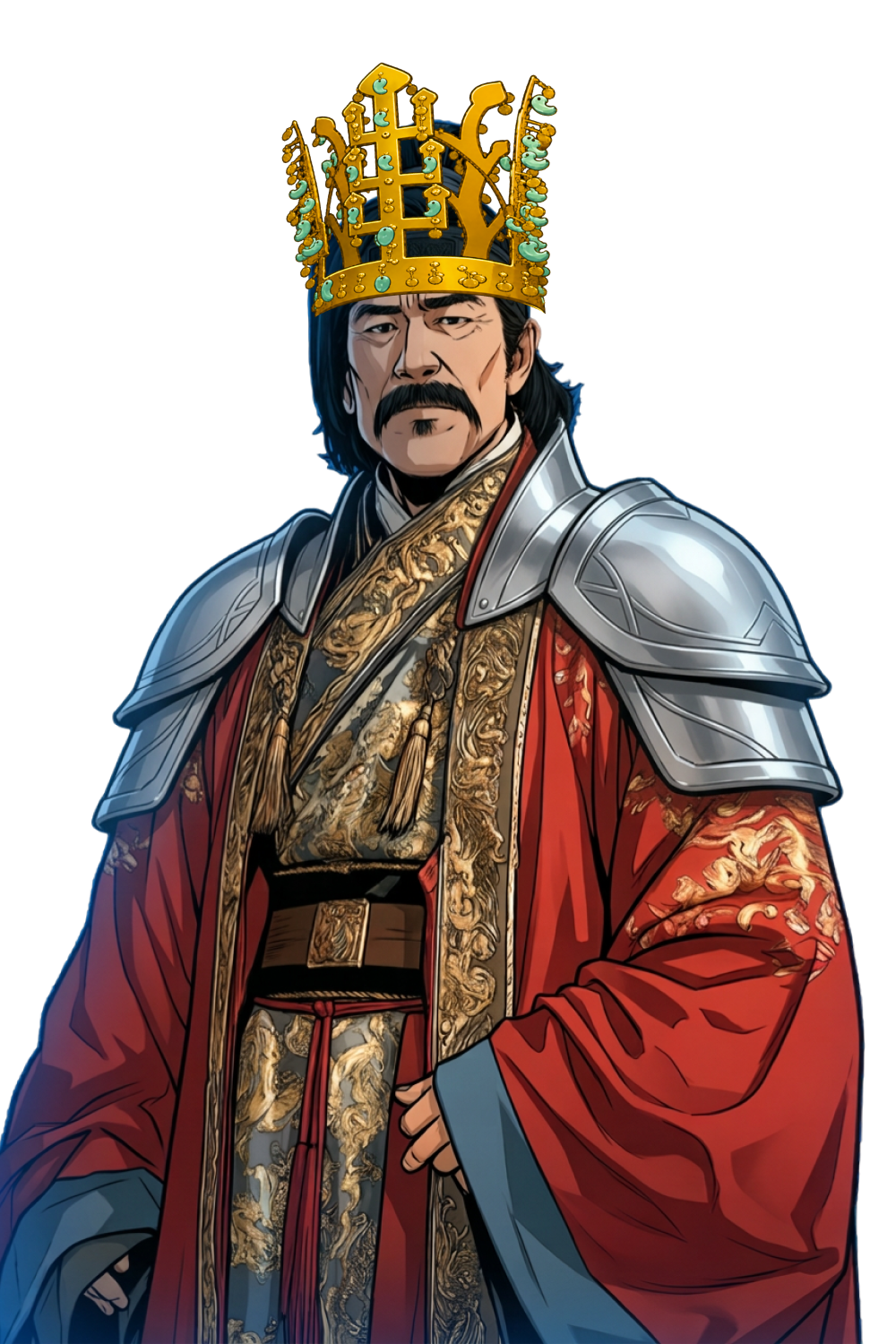
The boy is in the doorway. The crown on the stand is already taller than he is.
He dies before dawn. Nobody is surprised. The boy is, a little.
The night before the crown, the room does what the room does. Six mats. One brazier. Nobody stands up until they all agree.
It means “speaking in harmony,” which is the polite way of saying nobody goes home. It is older than the bone ranks, older than the Buddha in Silla, and it still picks the kings.
By morning the boy has a name the court can stamp. . He does not know it yet.
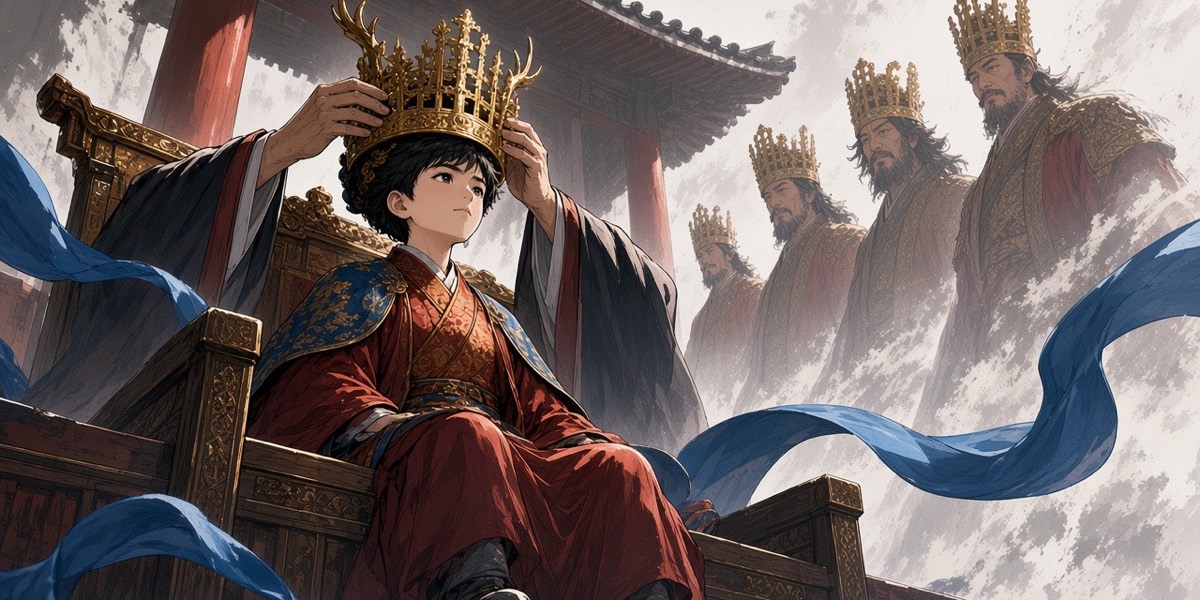
He was six when they put the crown on him. It was too big, and nobody mentioned it. Picture the first morning. The whole court is face-down on the floor, and the crown is sliding toward his eyebrows.
She doesn’t answer. She folds a strip of silk inside the band, and the crown stops sliding. He will remember the silk longer than any lesson she gave him.

His name is . Of the house, same as his brother. The court will call him . He will answer to both, and to a third name at the end.
The crown still slides. The brother does not. is a year younger and already sitting as if the chair next to the chair were his.

He means it. He will mean it for thirty years. The house his brother keeps gets very large. You will find out what that costs. Not in this episode.
There is a country that is not a country. It sits between the two bigger ones. People call it . His uncle already ate the golden one. The rest of the pile is still sitting there.
Six courts, no single crown. The two bigger kingdoms have been shopping here for generations.
Eleven winters into the crown, the river is still someone else’s. Sung of sends a letter. Come take it with me.


The boy who wears the crown is seventeen. He has never met a king who asked him as an equal.
, in the doorway, does not bow. He is sixteen, and already counting who will owe him for the absence.
They take Bald Mountain. They take the river. Two banners on one bank. For an afternoon, has a rule again.
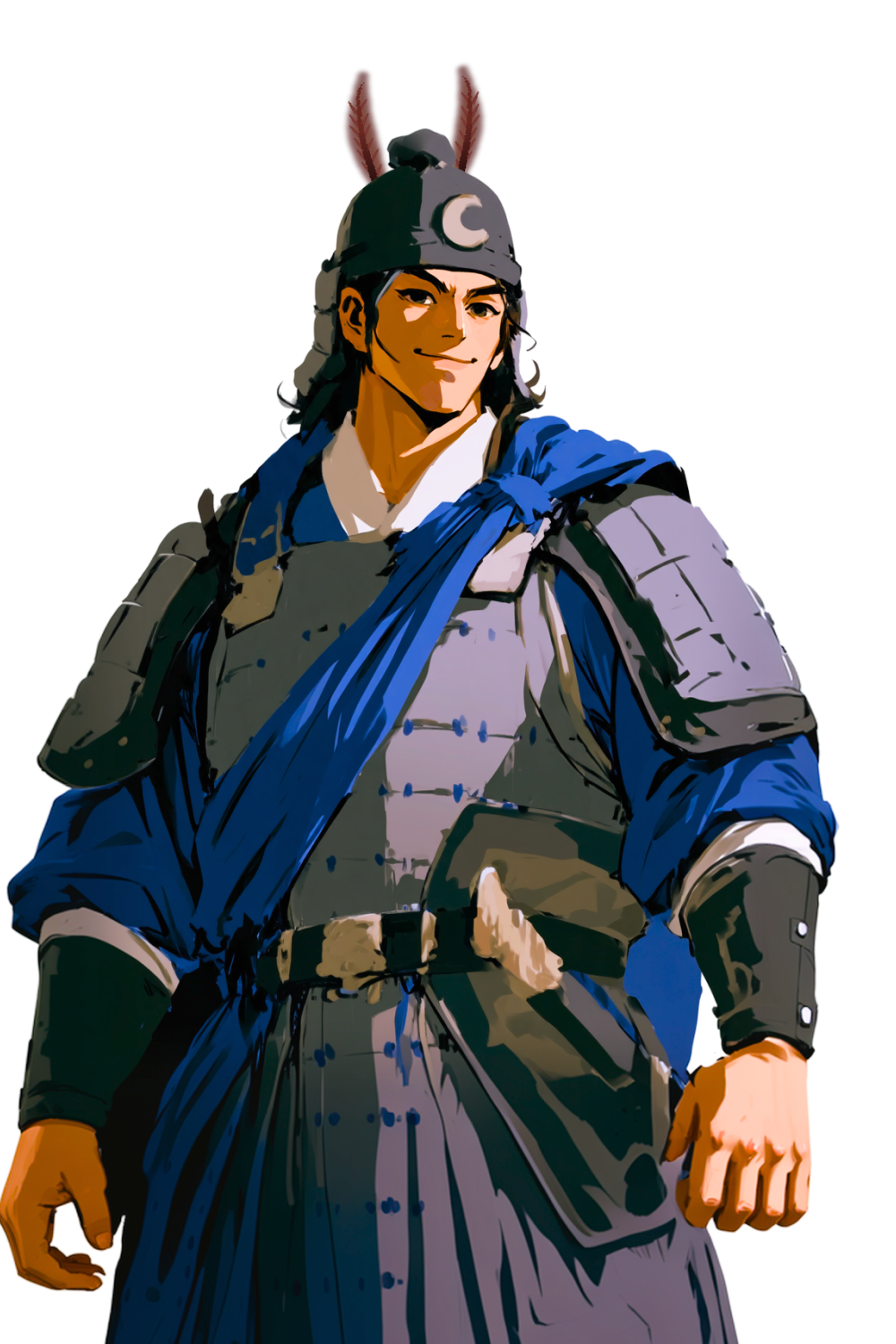
In the line a tall cone helm does not cheer. He is used to watching other people’s banners go up.
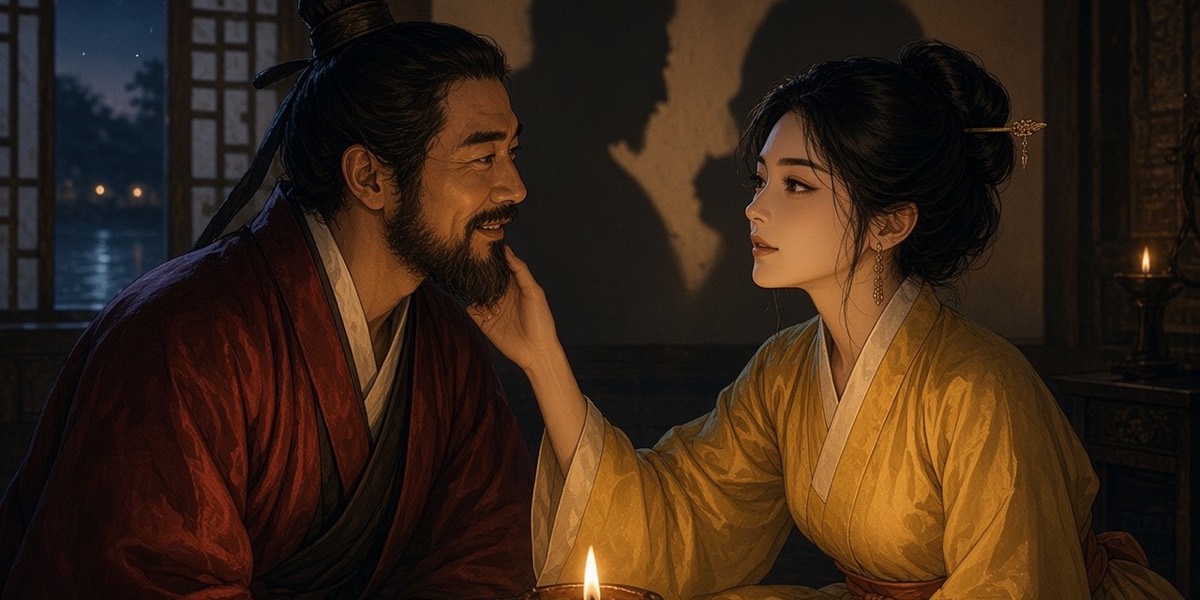
The gift is a girl. Then she is a wife. Then she is the only room he wants to be in.

He spends a year not looking at maps. Sung counted on that. That is the whole of the gift, from the father’s side.
His brother keeps the house. And the river. Flags go up on while the king is in her rooms. The king does not see them. He is seventeen, then eighteen. He is looking at her.
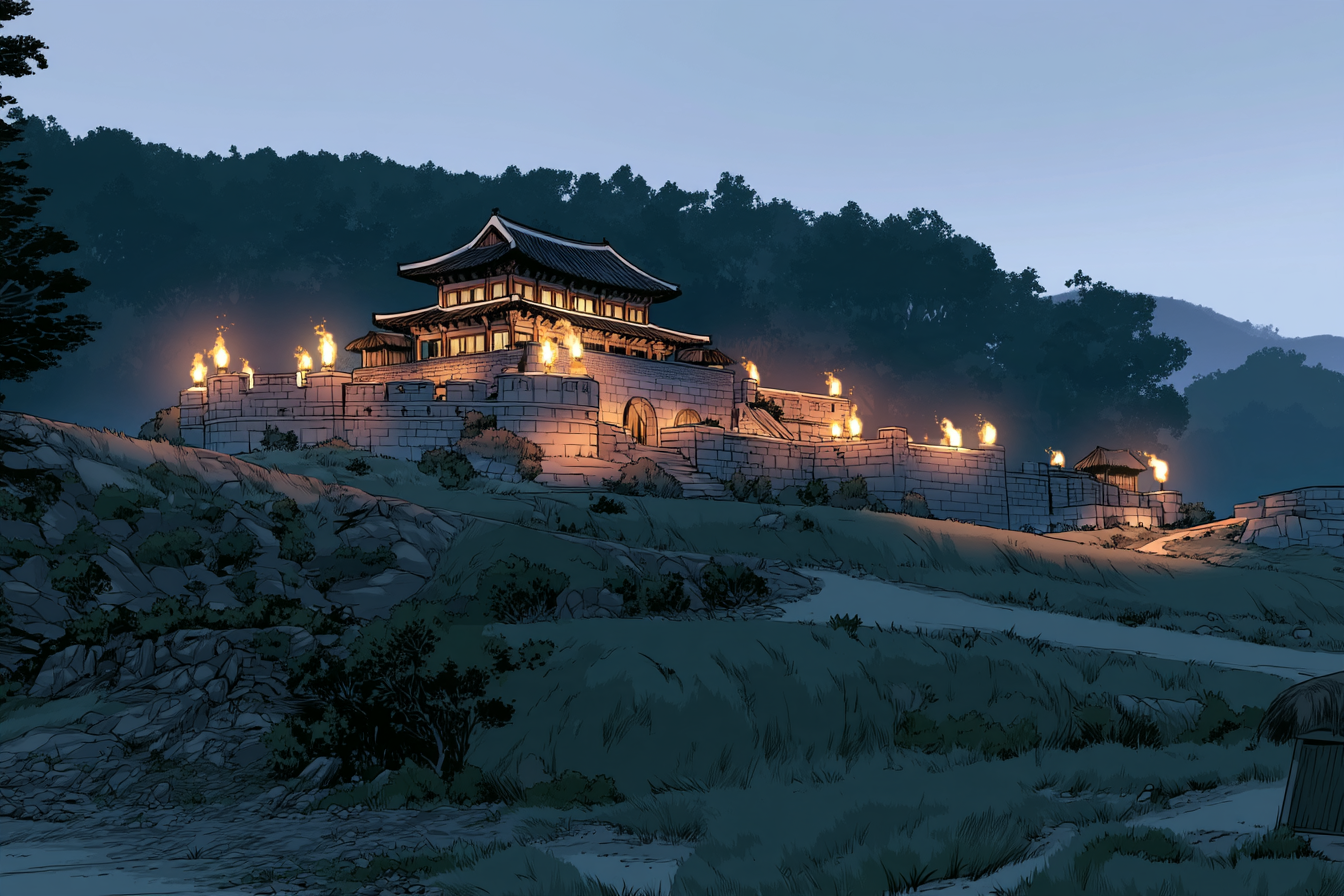
East of the palace roofs there is a mountain fort that has been falling down since before he was born. Goats use the gate. The inner wall is a suggestion.
They restore the old site and raise the iconic one over it: stone, timber, a red munru that can see the palace tiles. The goats have to find another gate. Years from now a different man will hang his banners on this wall and wait for the palace to starve. Not yet. Today it is just a boy, making sure the house has a hill.
watches the cone. He does not like it. He is nineteen next year, and he is already keeping lists.
Then marches. First. On the fortress that opens ’s throat.
He reads the gift again. A daughter, to keep him in a room, while her father gathered horses.
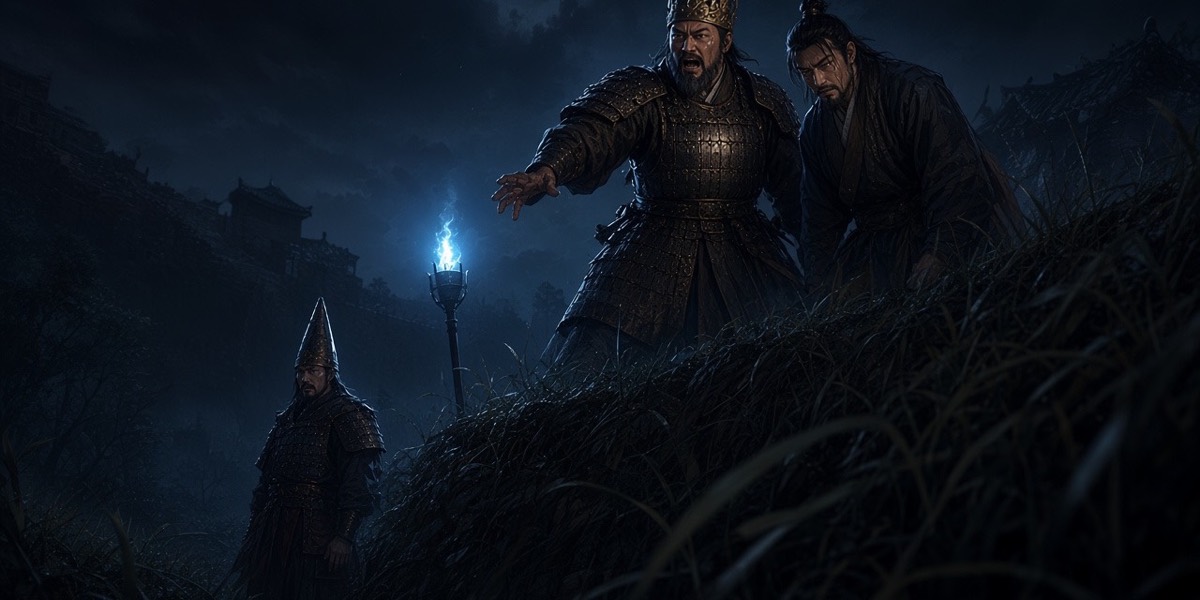
He gives it. He does not give it dry-eyed. You have seen this night already, if you have been to . This is the other side of the same ditch.
King Sung calls in everyone who owes him: the last Gaya houses, a boatload of island soldiers. His son leads them up the road to the fortress that opens Silla's valley.
- Baekje and Gaya 30,000
- Wa 1,000
- Silla ?
- = 1,000 men
- = size not recorded
Sources: Samguk Sagi 4, Annals of Silla, Jinhung year 15 · Samguk Sagi 26, Annals of Baekje, Sung year 32 · Nihon Shoki 19, Kinmei year 15
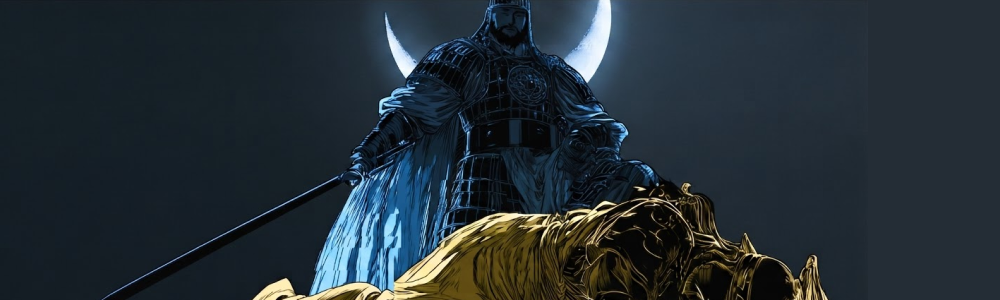
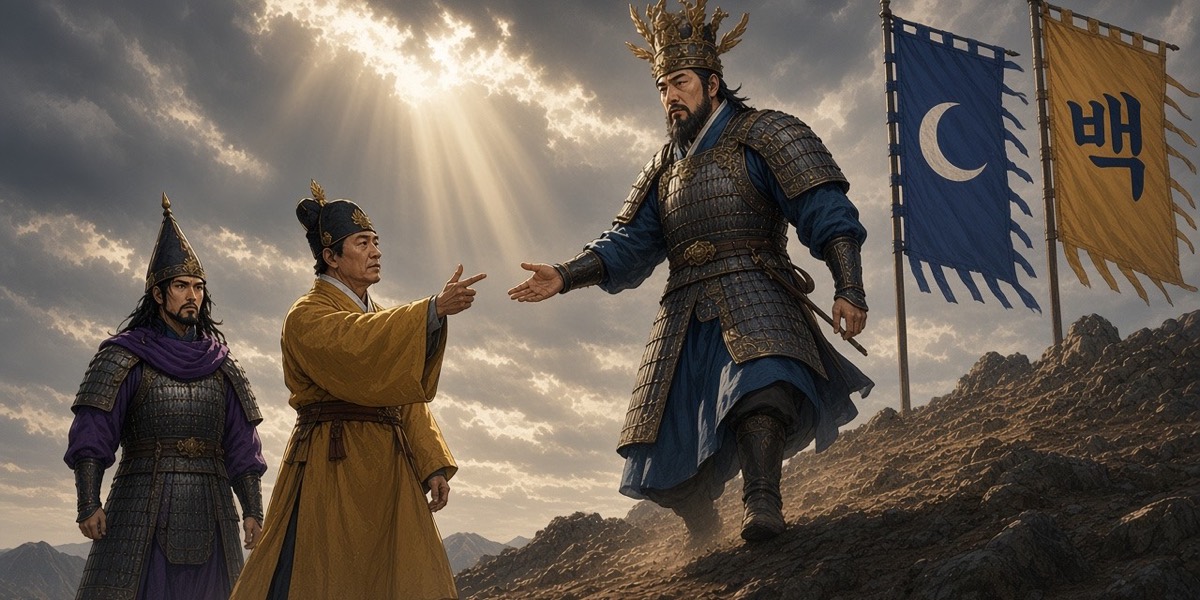
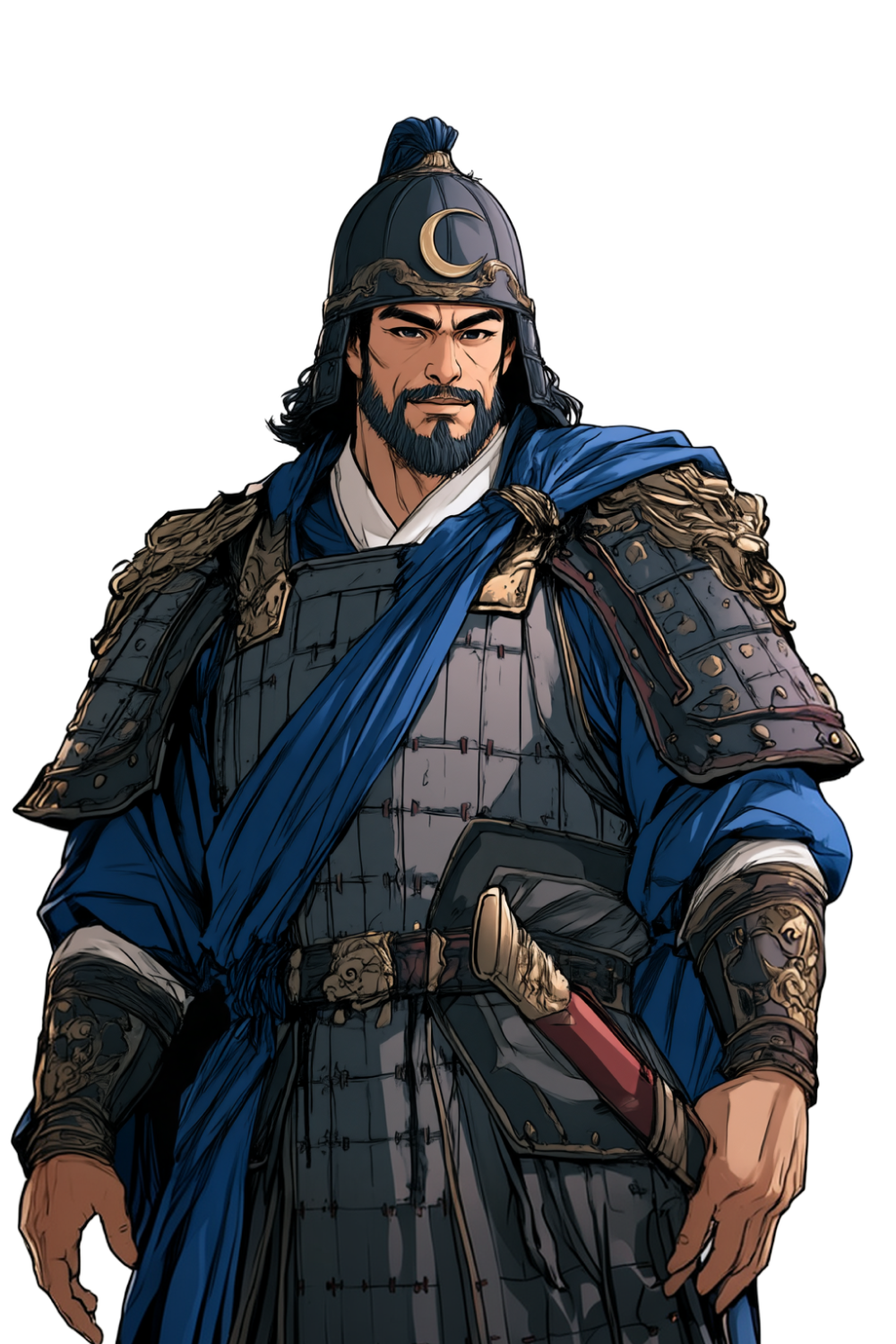
A slave asks for the head. A general in a cone helm says the name. The king on the ridge says yes, and his mouth is wet. He is twenty. After this morning the face in the portraits is no longer a boy’s.
He has just ordered a friend killed. A father-in-law. The man who gave him the only year he liked. He does not watch it dry-eyed.

 王
She does not leave. There is nowhere left that is not his, or her father’s.
He does not trust a friend again. He fills a yard instead.
He needs boys who will not send him daughters. He tries girls first. Two beauties lead the young men in song. Then one girl kills the other, and that is the end of that experiment.
So he tries boys. He fills a yard with the noblest sons in and watches from the porch.

The king does not answer. In the yard a thirteen-year-old knocks a bigger boy flat and doesn’t offer him a hand. A quieter boy is already picking the bigger one up.
The pile still has one court calling itself a kingdom. He sends the boy from the yard. The one who did not offer a hand.
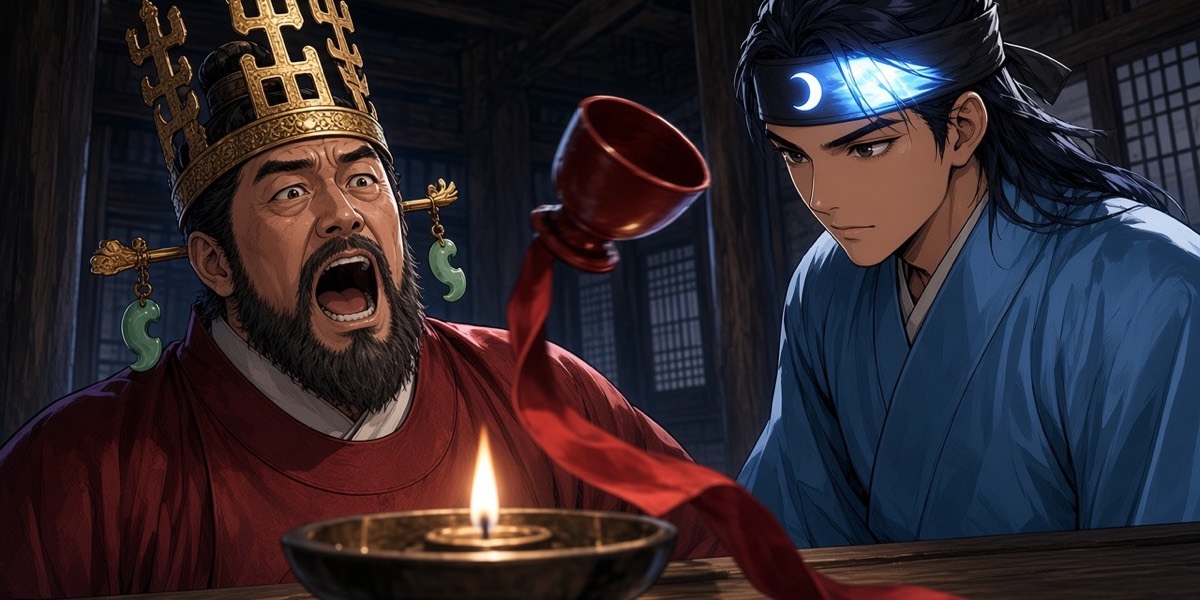
The king throws a lacquer cup at him. It is not a good throw. The boy is still on one knee. The cup hits the headband, comes back, and sits the king on his own step as if someone had pulled a chair out. A Park girl on the porch laughs once, then covers her mouth. Nobody asks her name.
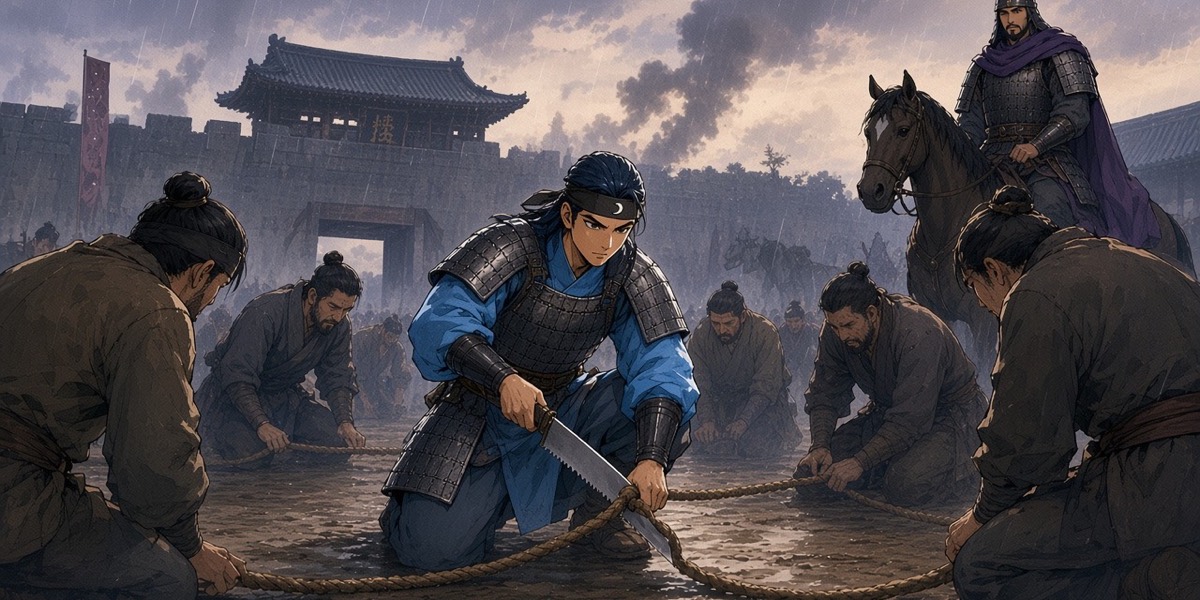
sits on its ridge behind a timber gate. The boy is fifteen. He takes it in a rain. Then he cuts the ropes on the captives, because a yard is not a slave market. The quiet one holds the gate while he cuts.
At the edge of the square a general in a cone helm watches him cut, and does not stop him. They have not spoken yet. They will.
That is the . Take the noblest boys and put them in one yard. Make them ride, sing and rank each other until the ranking feels like fate. Nearly every man who matters later comes out of that yard.
“Flower youths.” Noble sons in powder and silk, taught to ride, to sing, and to die, in about that order. The name is a joke. The enemy stopped laughing at it in the second generation.
A prince comes down to watch. is small yet. He sits on the step the cup bounced from, and does not throw anything.
Seventy years on, six old men around a brazier will put a woman on the throne. Every one of them learned to fall down in this dust.
The boys grow up, and the border grows faster. still holds the north. He takes a pass anyway, and a strip of coast the maps had been calling someone else’s.
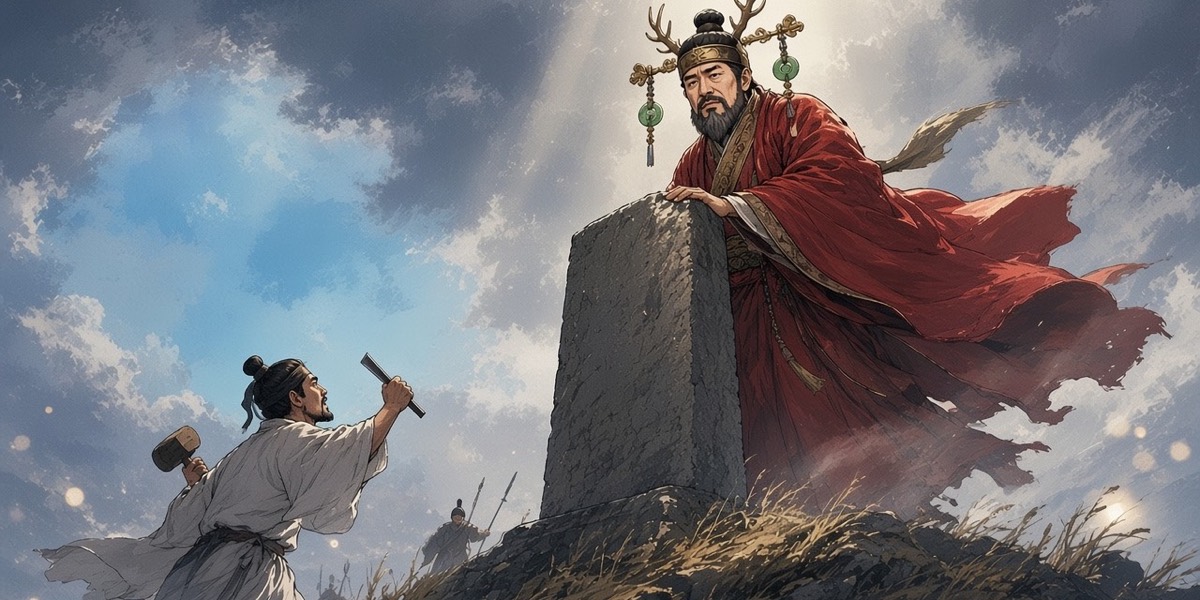
By the time the crown fits, he is wearing it up mountains. On a bare ridge a mason is cutting a stone taller than himself.
He puts up four stones in all, on mountains, at the edges of what he takes. They are meant to be property deeds. The mason never does add the virtues.
On the twenty-first day of the eighth month, in the first year of Taechang, the Great toured the lands in his keeping, and had this cut into stone. … And so the borders were carried out on every side, and people and land were won far and wide. Neighbouring countries swore good faith, and envoys of peace came and went.
태창 원년 팔월 이십일일, 진흥대왕이 다스리는 땅을 순행하고 이 돌을 깎게 하였다. … 그리하여 사방으로 경계를 펼치고, 사람과 땅을 널리 얻었다. 이웃 나라가 믿음을 맹세하고, 화평의 사신이 오고 갔다.
The chair was going to his eldest. . A quiet boy who married the king’s sister, the way counts, and tied a smaller boy’s sleeve so he would not trip.

He dies in a side hall that still smells of the lamp. No battle. No ditch. A fever, a night, a sleeve left tied.

A four-year-old is asleep across ’s knees. Baekjung. The dead man’s son. Someone will have to raise him. The king looks at the sleeve and does not speak for a long time.
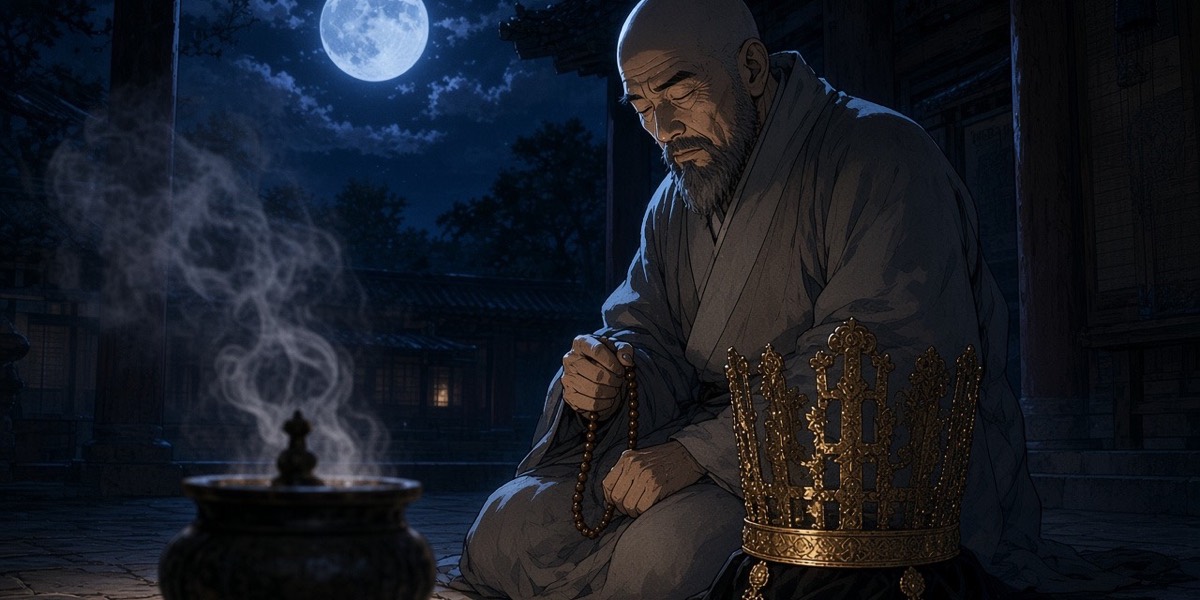
Near the end he shaves his head. The king of the four mountain stones puts on a monk’s robe and takes a new name: Dharma Cloud. Not . Not . A name that does not have to fit a crown. His queen goes into a nunnery beside him. The court keeps calling him Majesty. He keeps answering to the other thing.

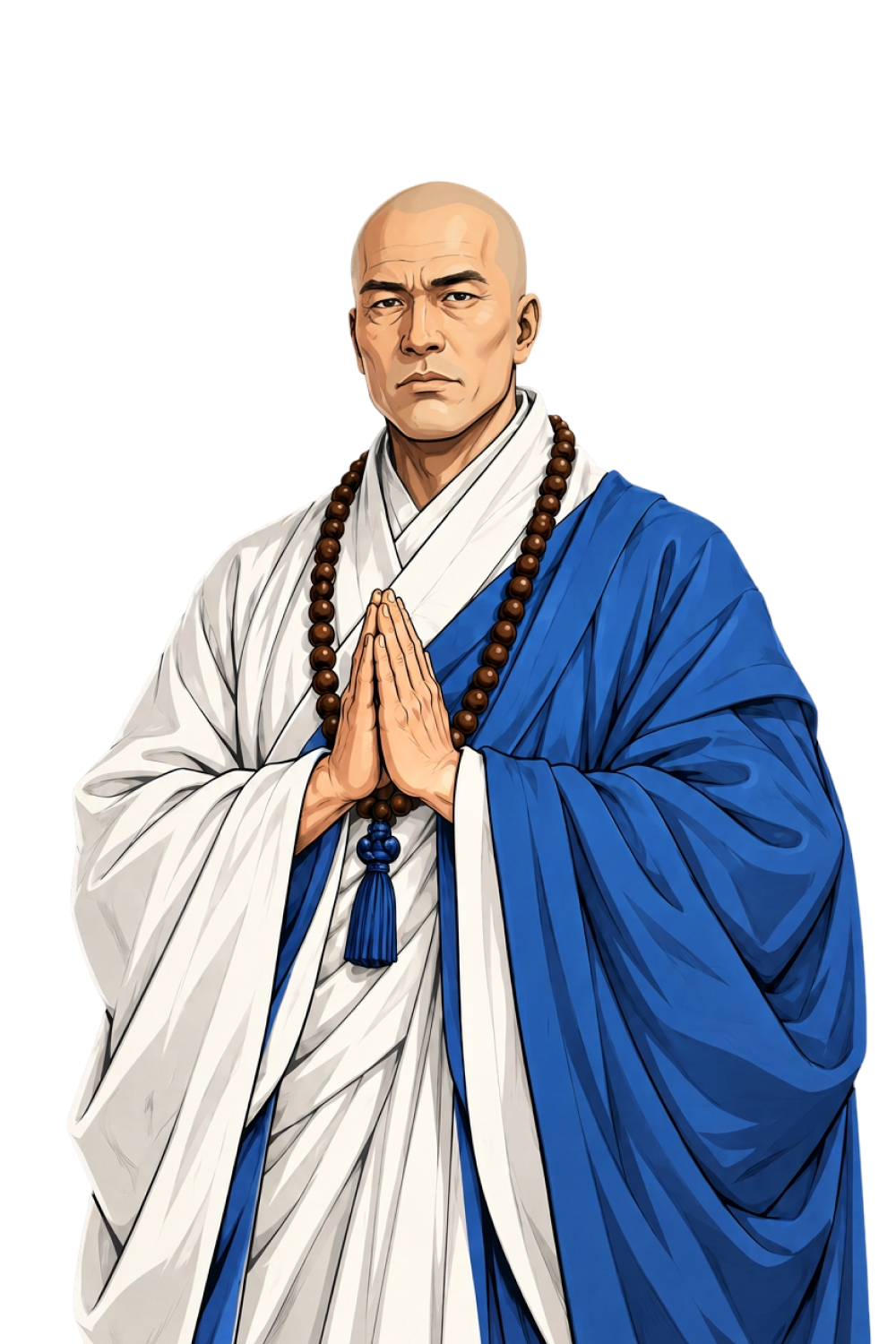 The Cloud King
Some afternoons he wanders down to the . Nobody has thought to stop him.
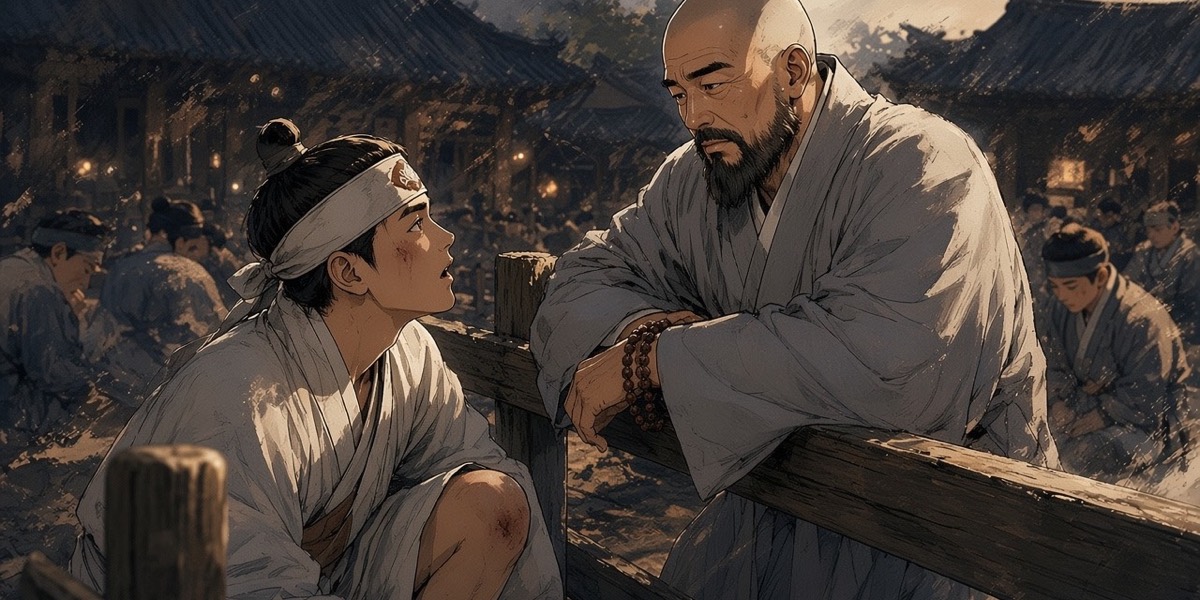
A boy is losing in the yard when a bald monk leans on the fence and laughs at him. Everyone else is kneeling. The boy is too busy losing to notice.
Then the boy sees the kneeling yard, and the face under the shaved head, and goes down in the dust so fast he bruises a knee.
He never says. Four years in the robe. He dies on a hill outside the palace, still answering to the lighter name. kneels by the bed. An eight-year-old is asleep across his knees, a sleeve tied so he will not trip. If you want the friend’s name, ask in . They’ll change the subject.
calls him after that, for the name he took at the end. A cloud has no border. For an afternoon, the ground under it is its ground. It never asks whose field it’s raining on.
Someday his great-granddaughter will put a stone in the middle of and point it at the sky. Nobody will be able to say she took that from a friend.
The rain fell on ’s field, and kept the grudge. Two generations on, it names the prince who will inherit it…!
