


Chapter 31
Nangbi



AI Summary
- The Pyongyang Court In Pyongyang the report is read to the king twice, the second time because he asks for it.
- The High Commander’s House Gesomun’s family lives in the big house below the palace hill.
- Characters
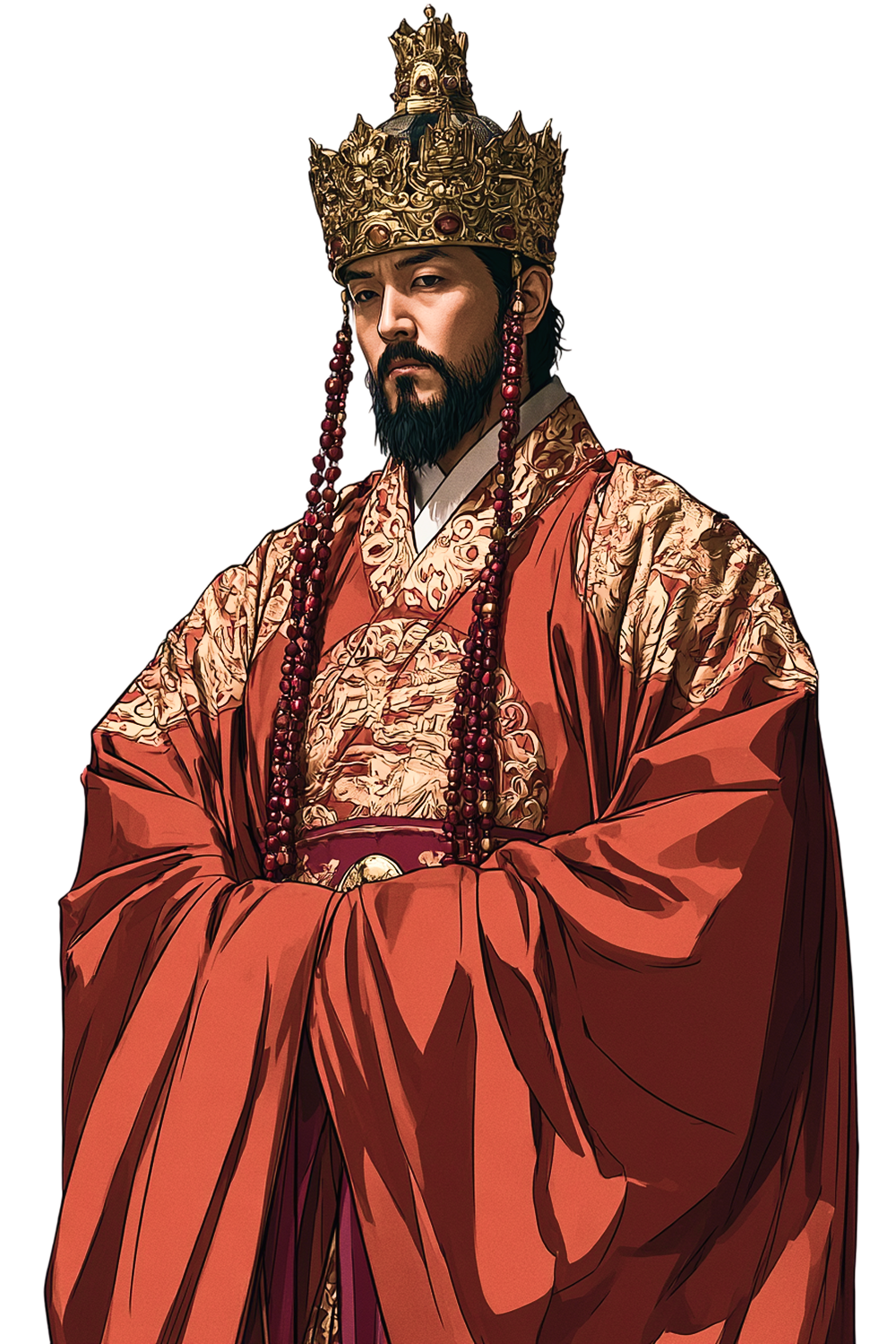
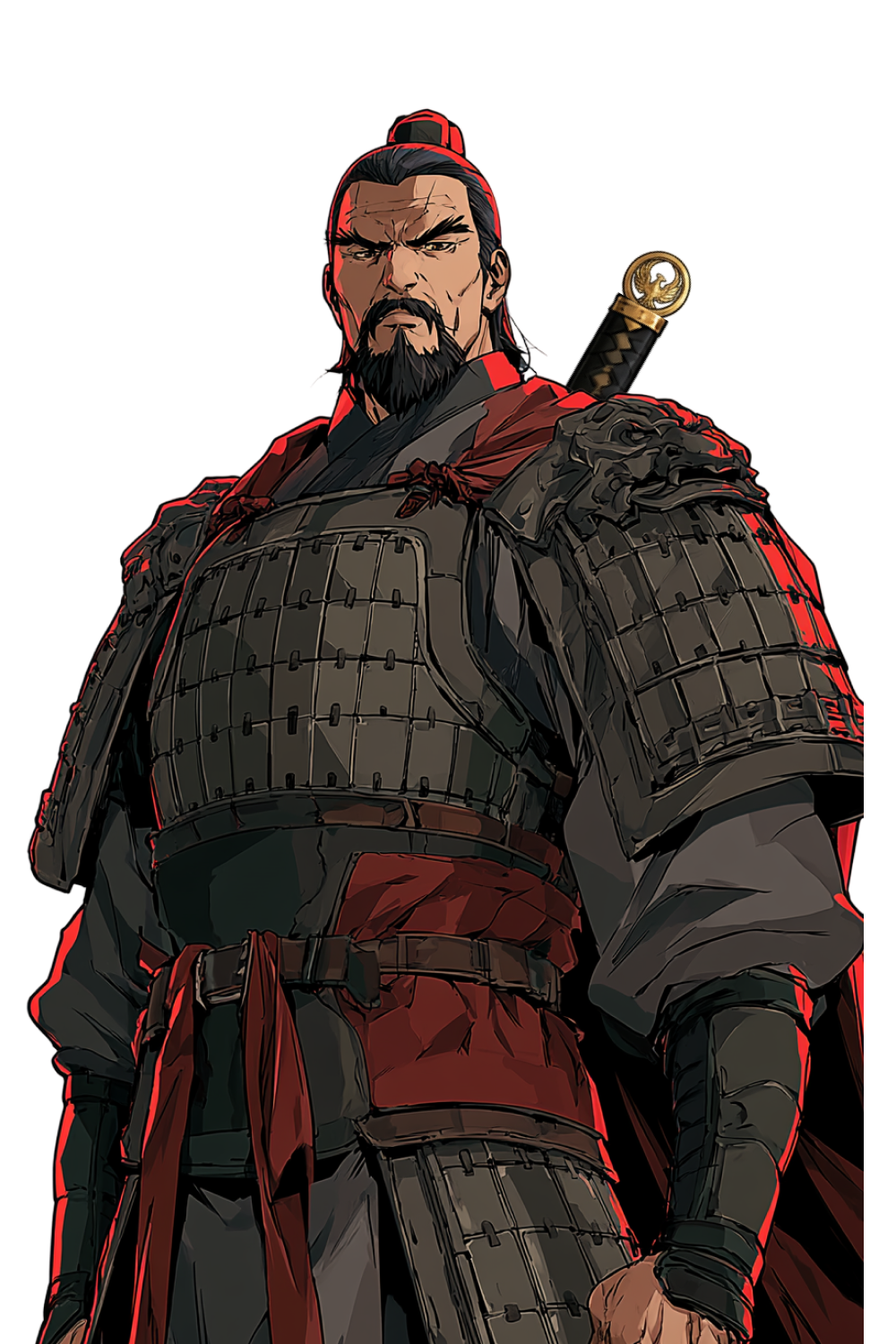
Episode· 629
Nangbi
Kim Yushin — a name that strikes fear in all of Samhan. Maybe this is why.
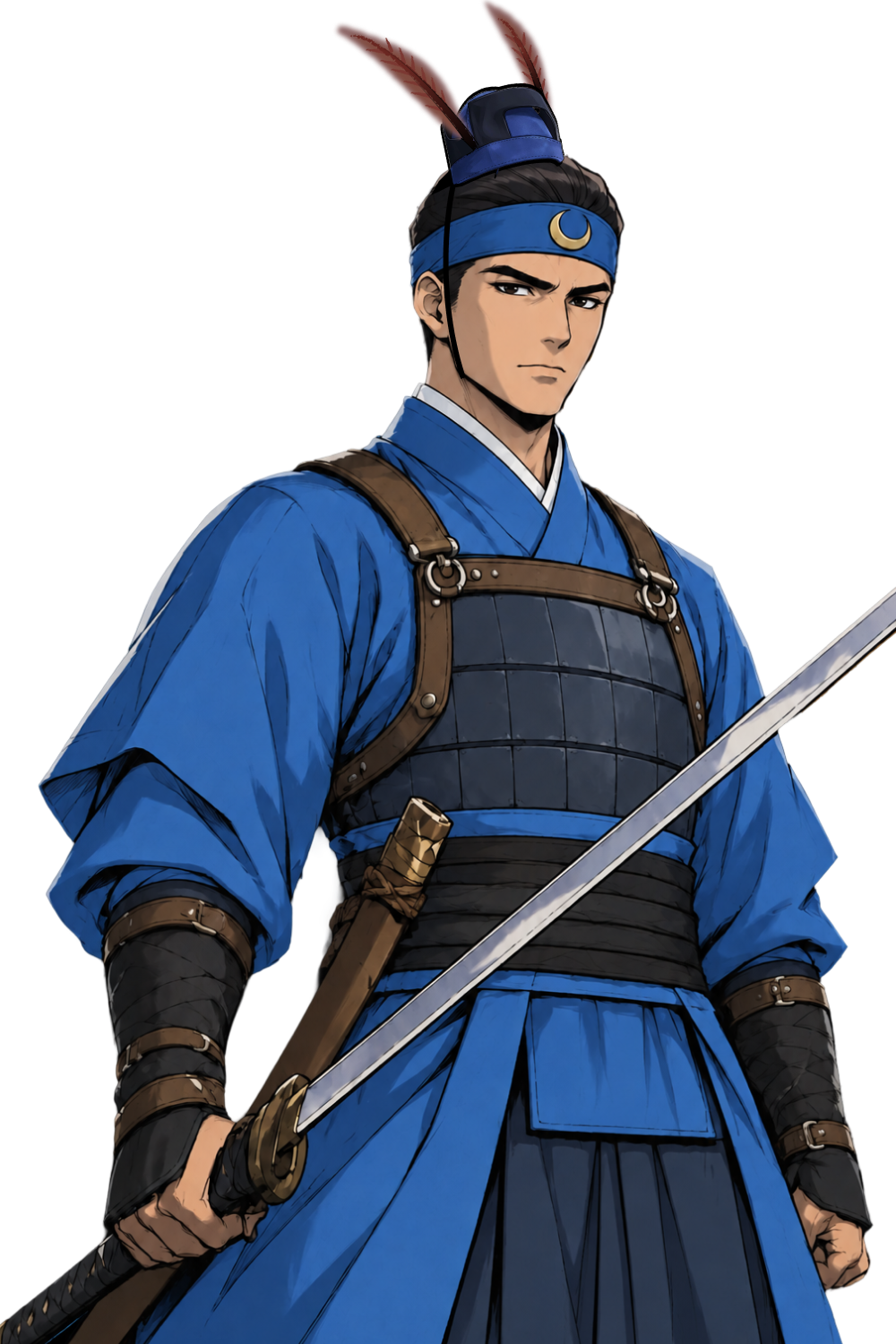
- Kim Yushin
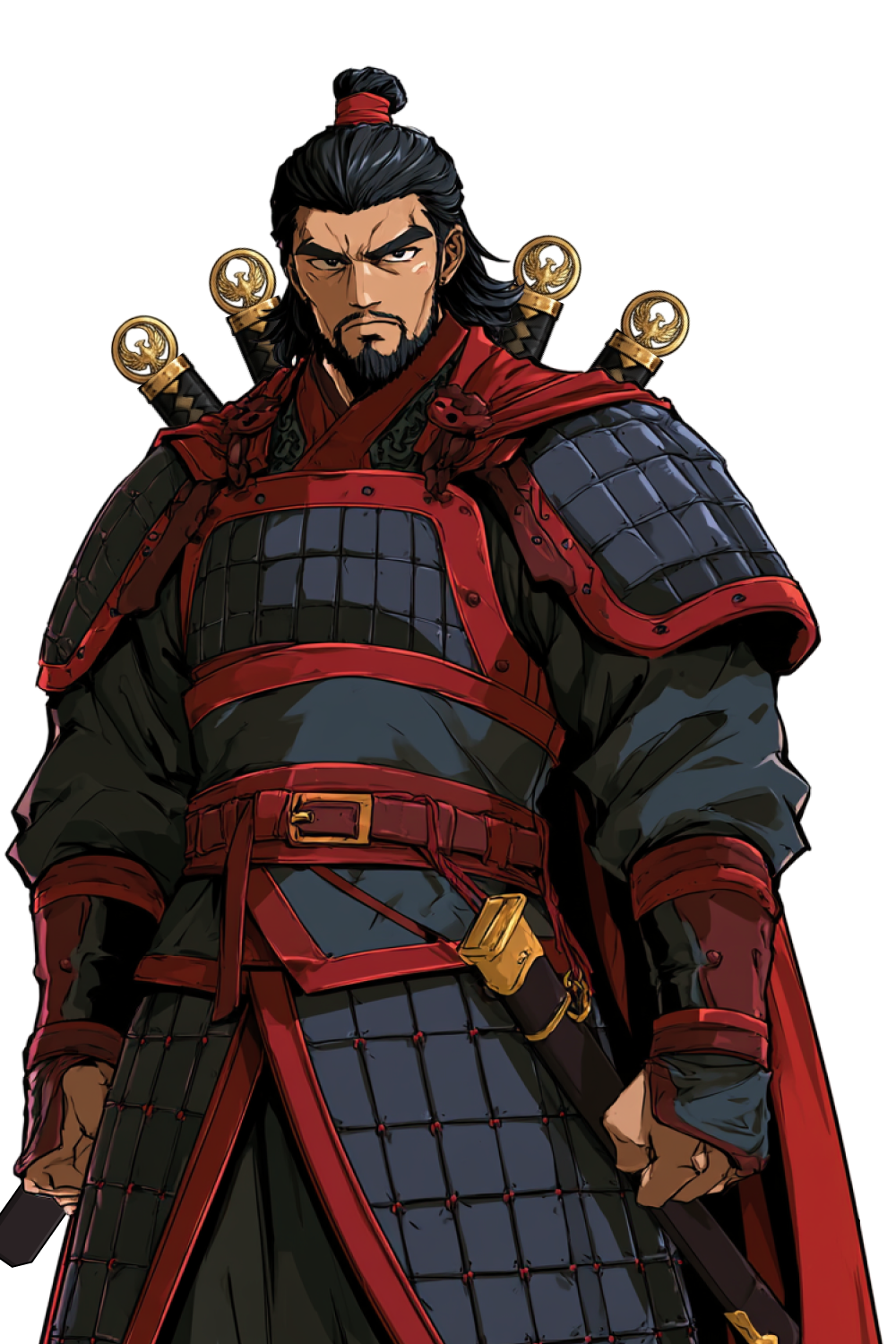
- Yeon Gesomun
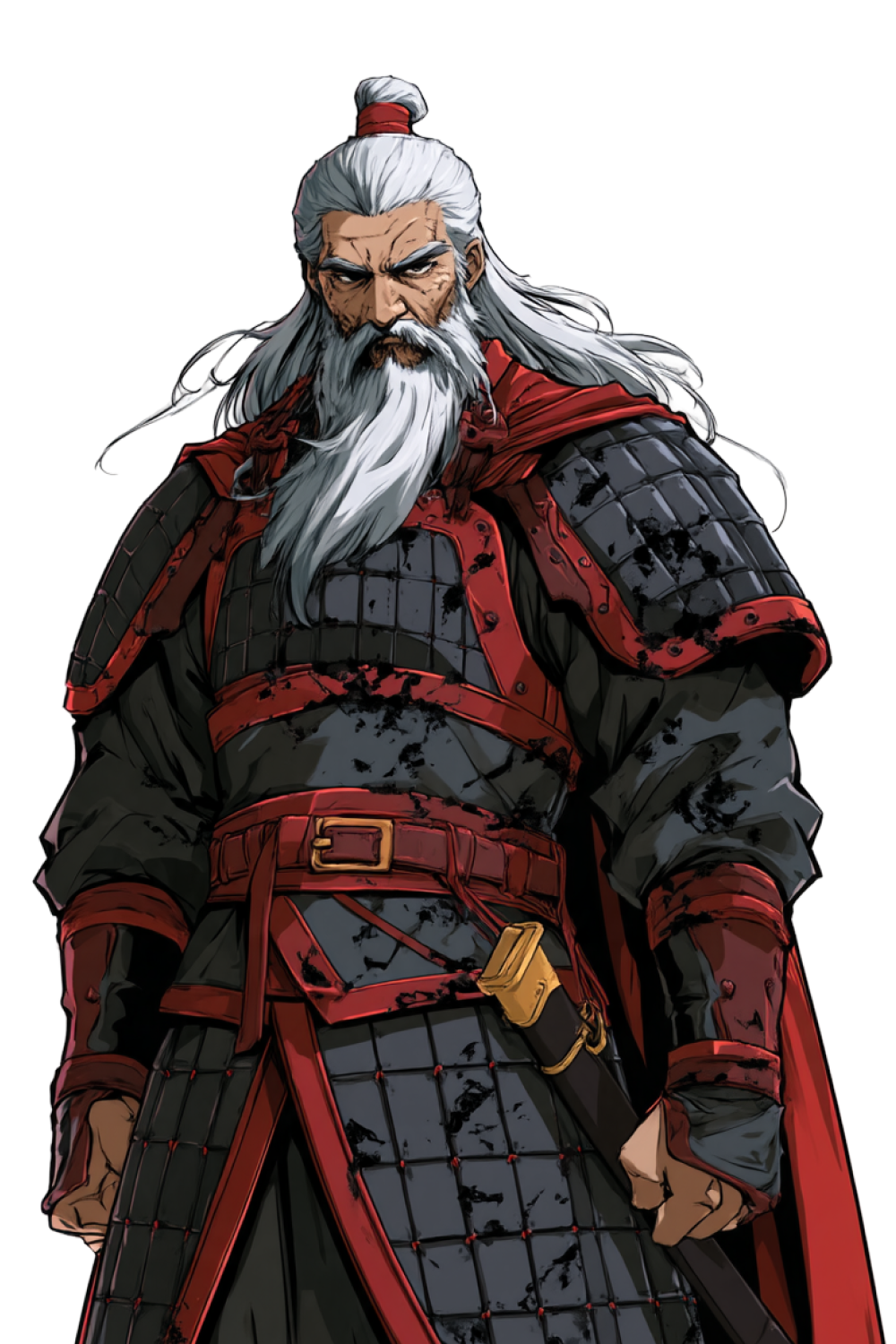
- Yeon Tejo
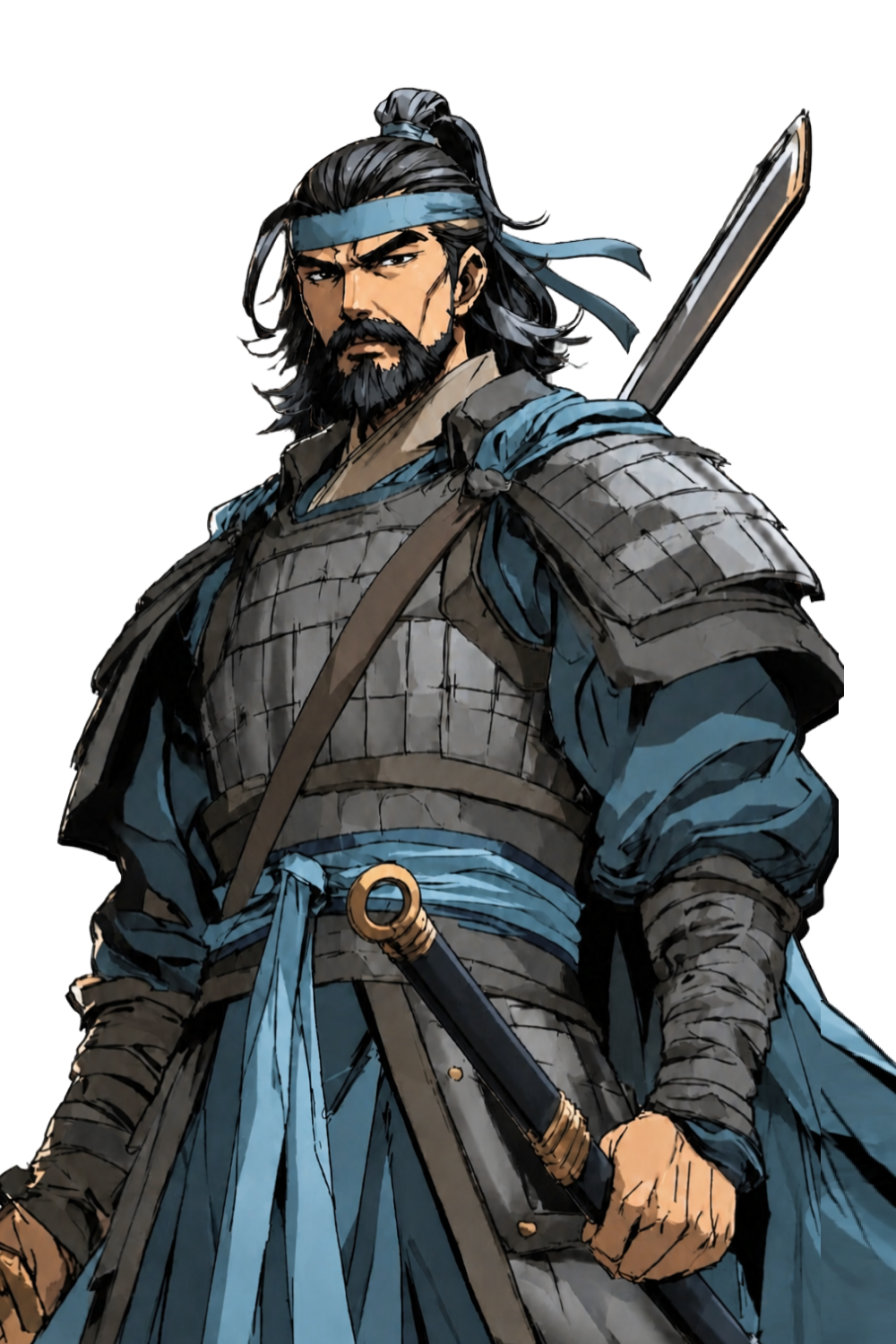
- Kim Seohyun
- King Youngryu
- Yeon Gusesa
— a name that strikes fear in all of . Maybe this is why.
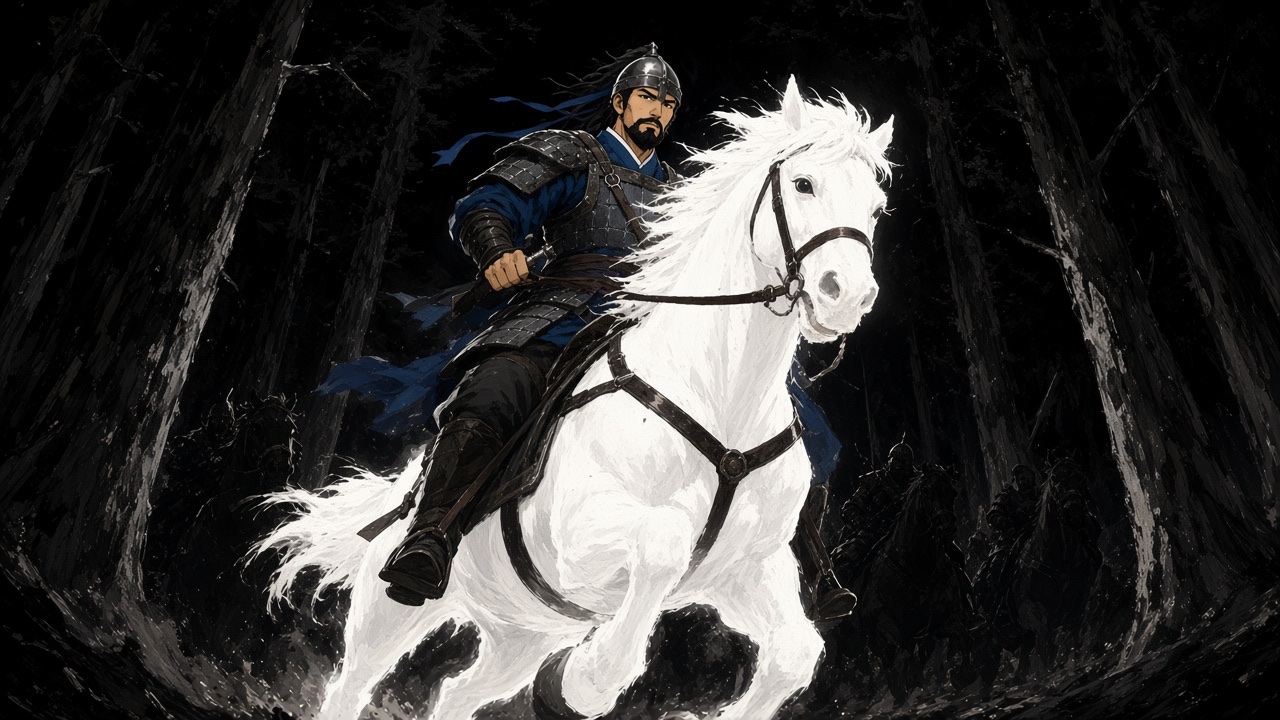
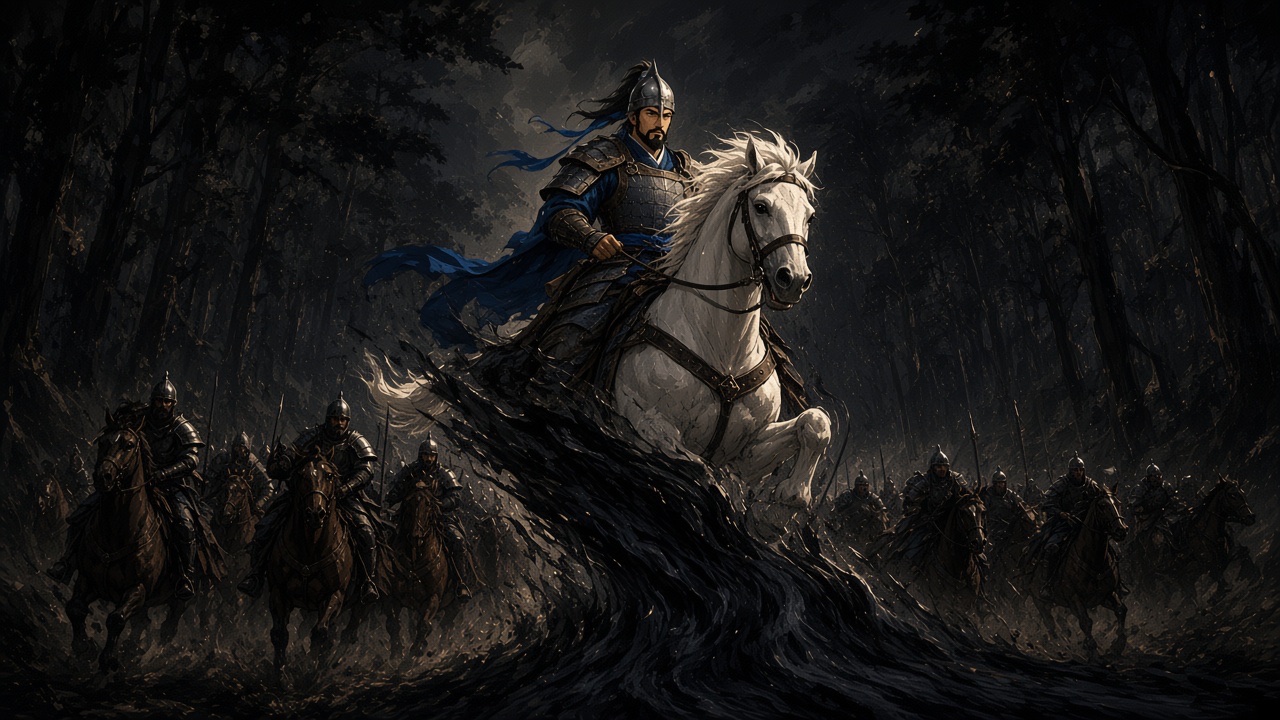
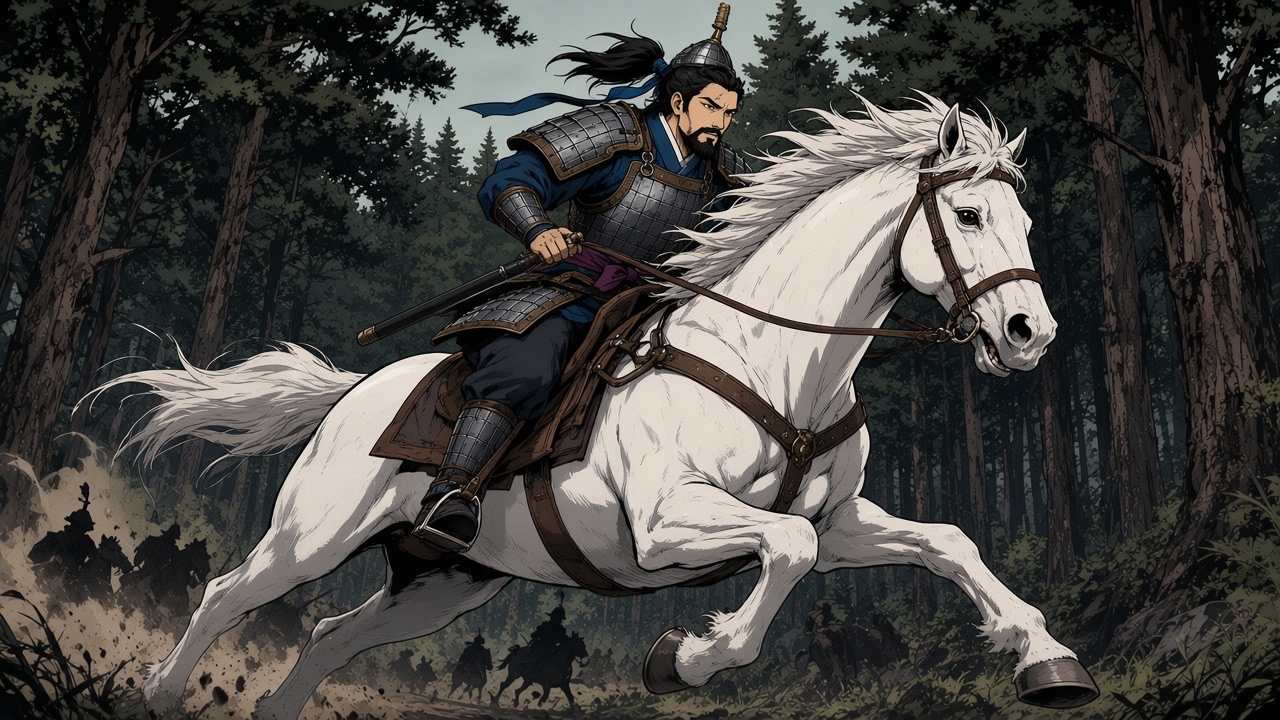
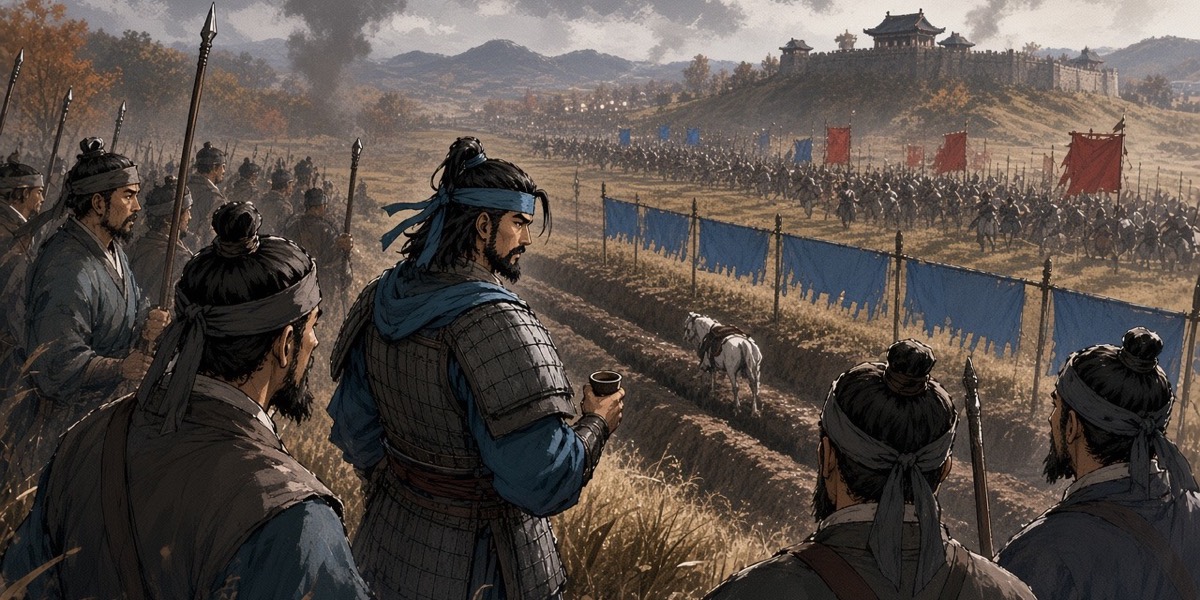
Autumn. ’s army is breaking against a line that didn’t bother to stay behind its wall. It came down the hill and formed up behind a row of pits, and now the men who should be charging are sitting in the trenches. is thirty-four, a banner captain. His white horse doesn’t even have a name.

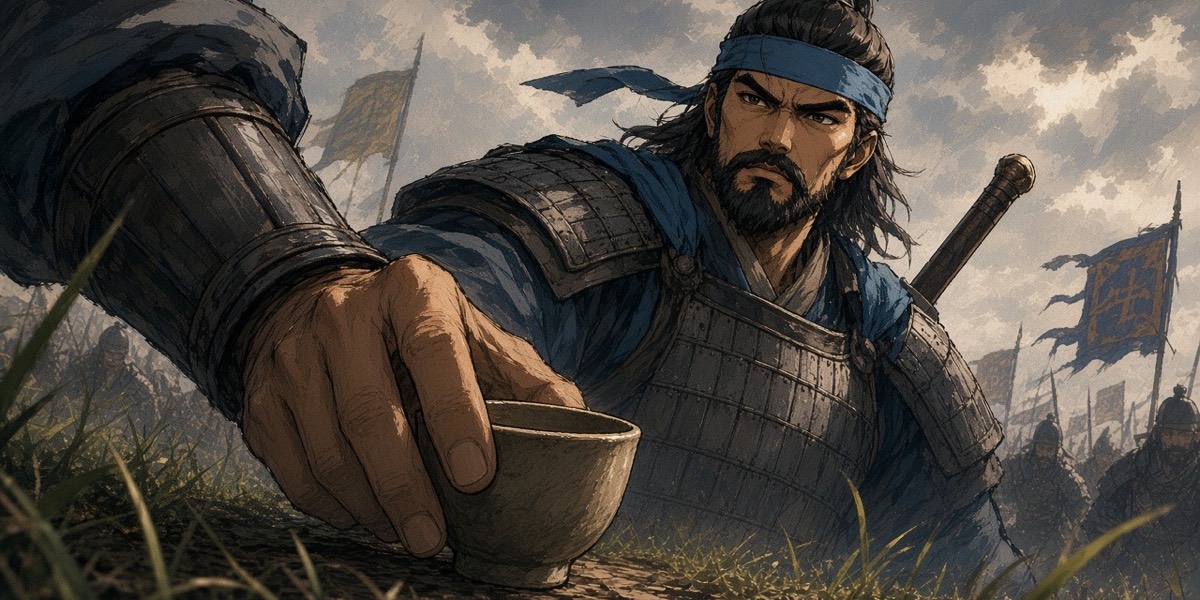
On the rise behind the trenches, the general’s staff have been arguing for an hour about how to retreat without calling it one. The general has said nothing. He is holding a cup of barley tea he has forgotten to drink.
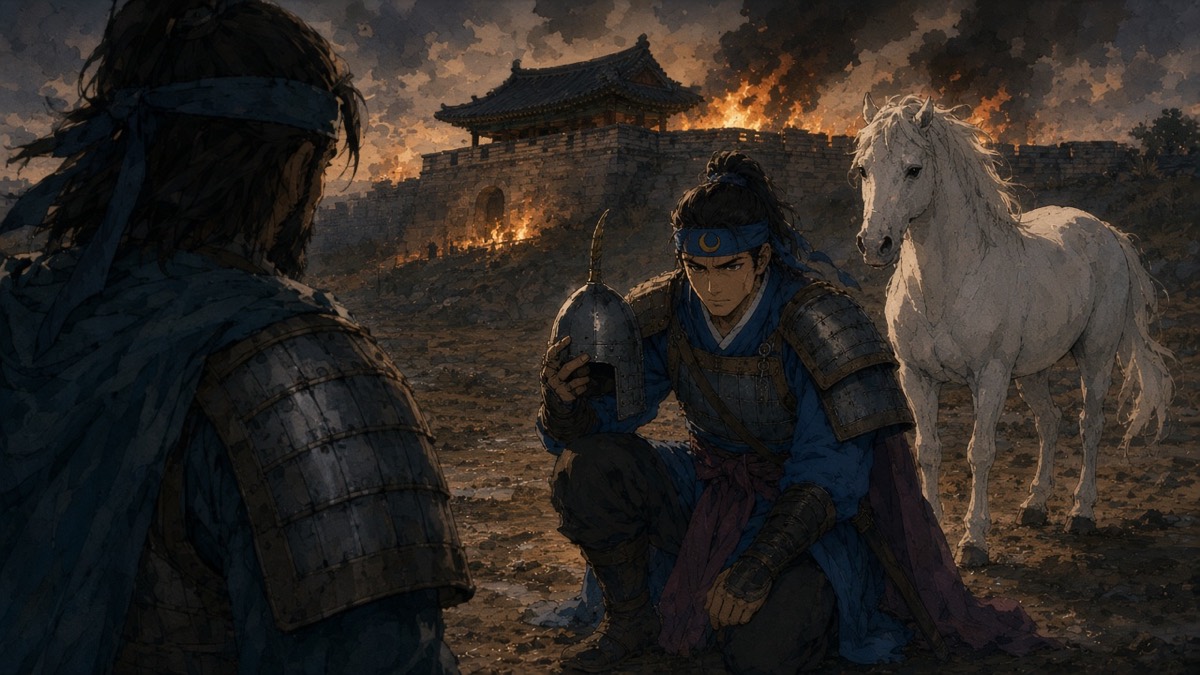
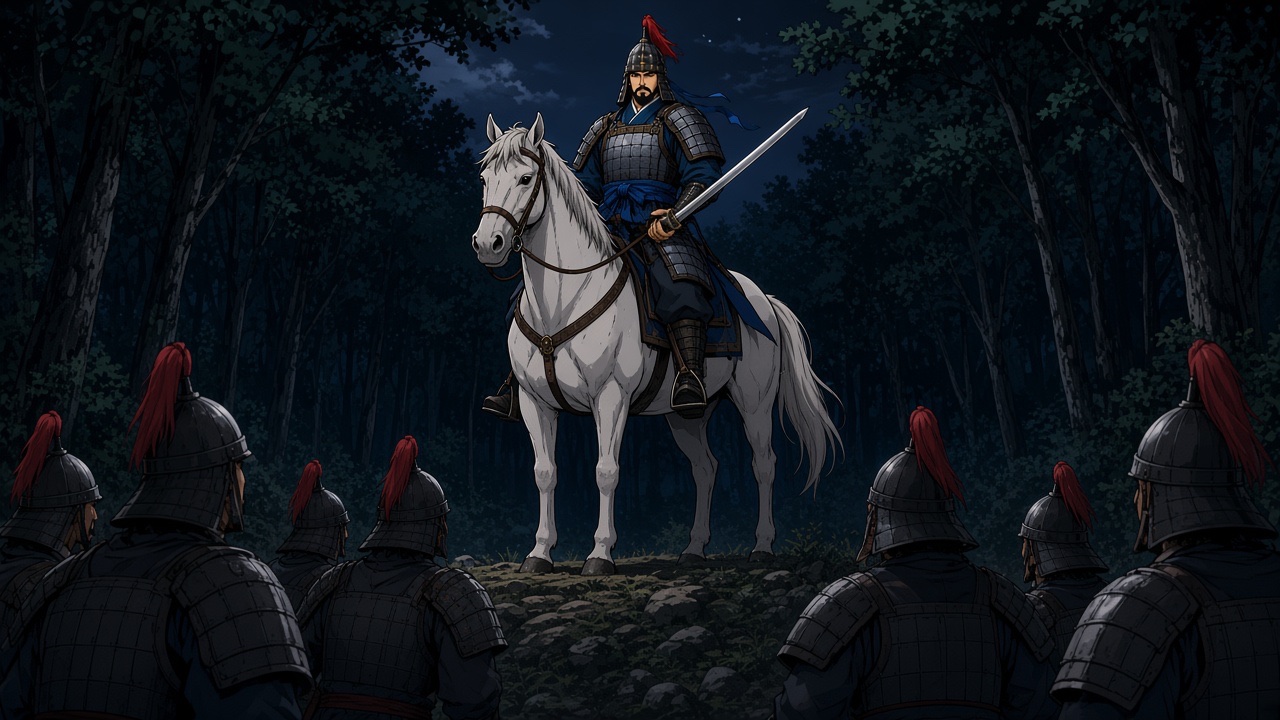
He rides back to his father’s command post, gets down, and takes off his helmet, which is how a son asks permission in front of an army.
The white horse takes the trench in one jump that the men in it will describe for the rest of their lives, usually with their hands. Mud to the girth. A horn somewhere, too late. The line bends where he hits it, like a wall that has just remembered it is made of men. In, out. In again. The third time comes back there is something heavy hanging from his saddle, and the men in the trench are already climbing out after him.
On the rise, his father has not moved. The officer nearest him hears him counting under his breath, the way you count a breath you are afraid will be the last. One. A long while. Two. At three he sets the cold cup down on the ground, very carefully, as if it might spill.
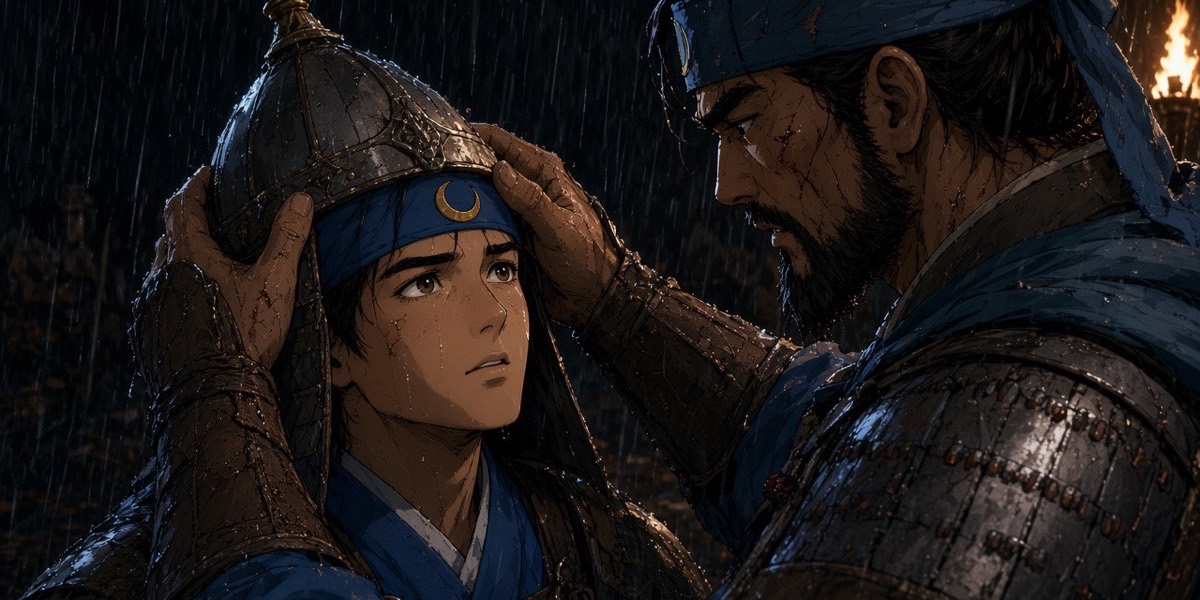
He brings the weight on his saddle back to the command post and sets it down in the mud in front of his father, wrapped in a torn banner, because he does not know what else a son is supposed to do with a general’s head. The staff officers wait for the speech. looks at the bundle, then at the boy, for long enough that someone coughs.
He reaches up and straightens it himself, both hands, the way you fix a boy’s collar before a feast, and then turns away and shouts for his officers before anyone can see his face. By ’s standards it is a speech, and will carry it longer than the helmet.
Nobody waits for the officers. The trench climbs out after the white horse, uphill, and by dusk the line is lying in the field. The fort on the hill opens its gate before anyone knocks.
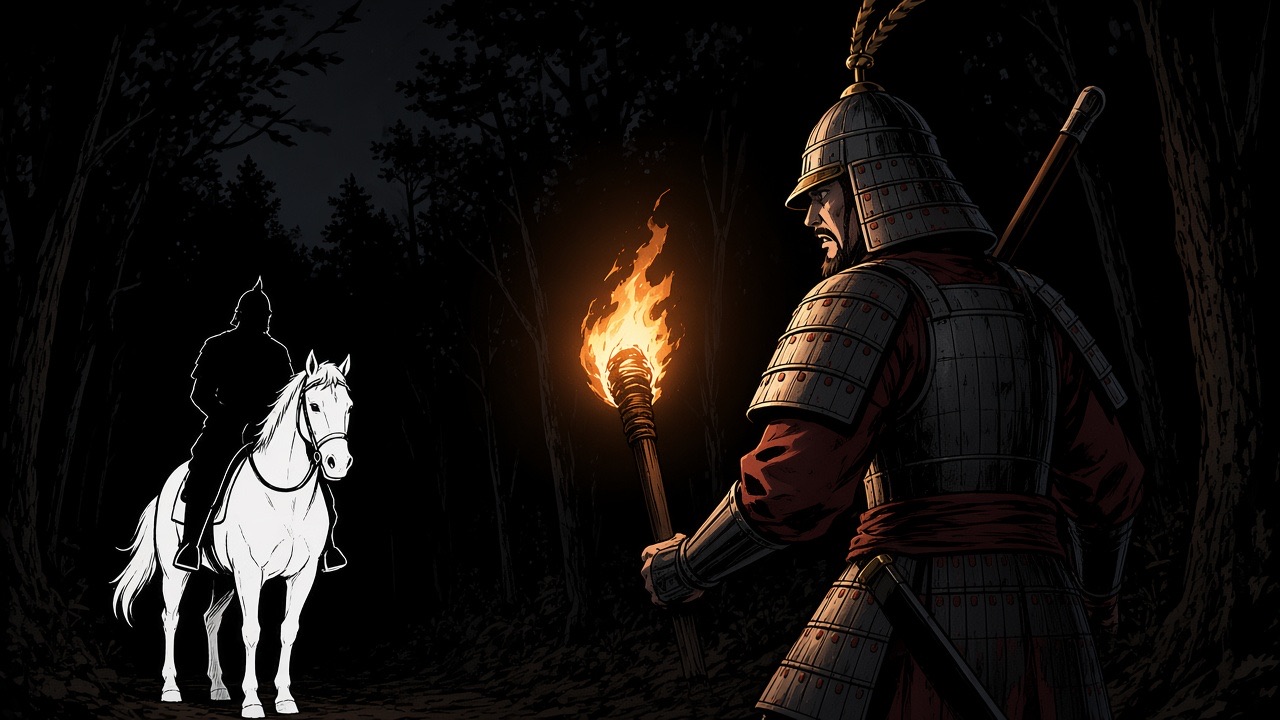
That night he asks the groom what the white horse is called. The groom says it has no name; it came from the royal stable as a spare. looks at it for a long time, at the mud on its chest and the way it still will not quite stand still.
The few who get out of walk north for nine days with the story, and it grows a little at every well. By the white horse has cleared the trench at a gallop with a general’s head in one hand and a banner in the other, and the man on it has a name the clerks must write down for the first time.
In the report is read to the king twice, the second time because he asks for it. At the back of the hall the heir, twenty-four, stands with his arms folded, the way he stands everywhere.
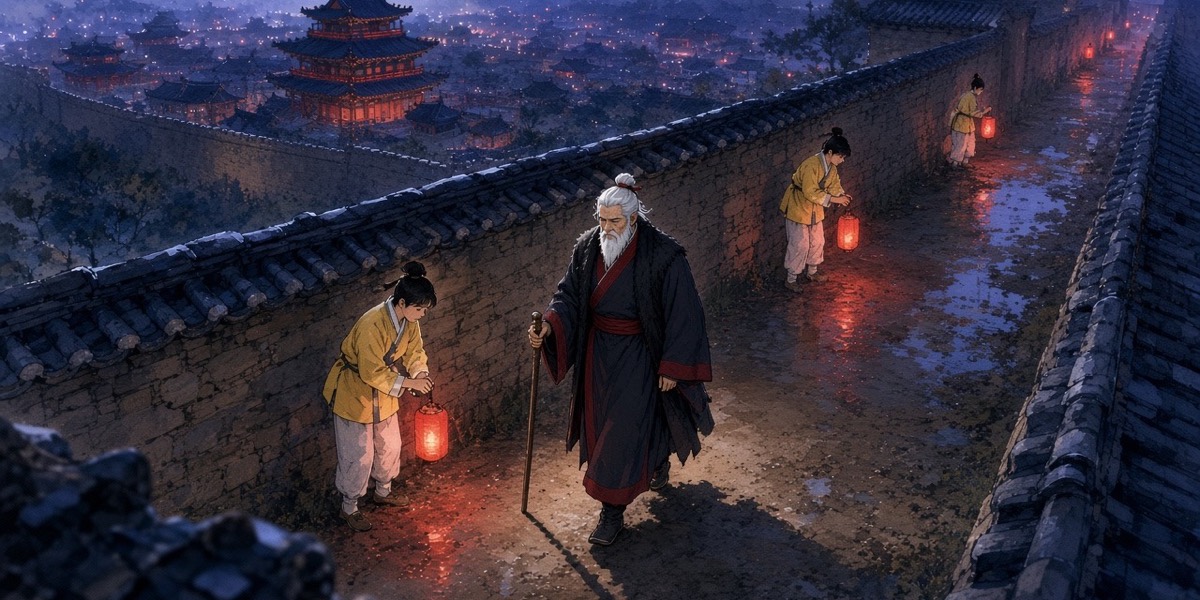
’s family lives in the big house below the palace hill. His father, , has run the Summit for ten years. Long enough to outlive most of the men who voted for him. None of the ones who voted against. Most nights he comes home in a silence the servants have learned to walk around.
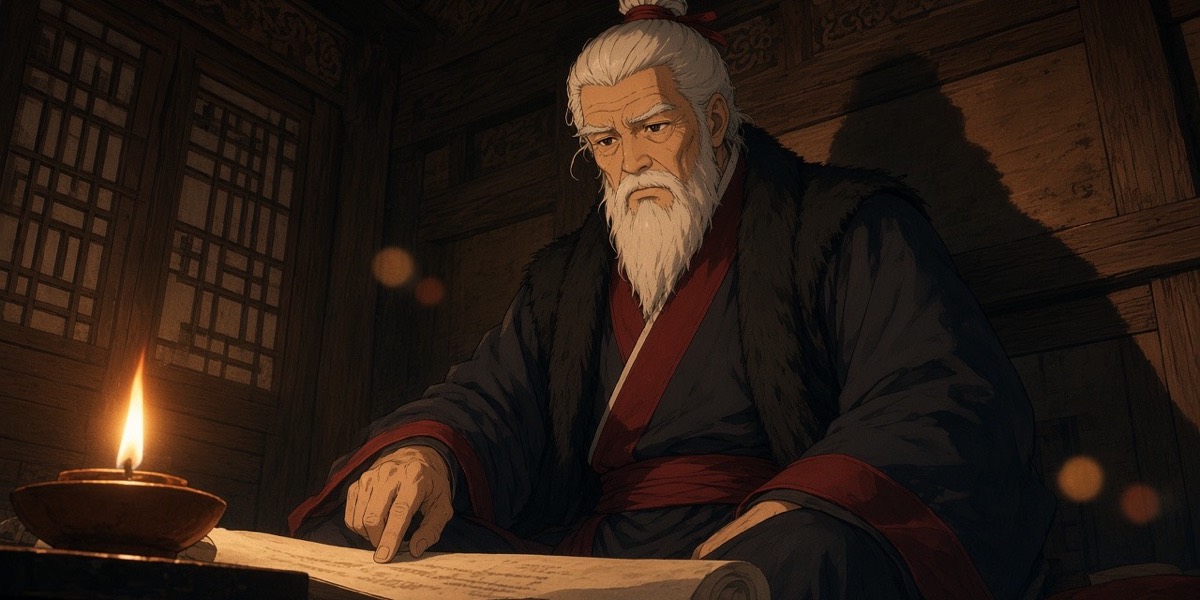
Tonight he does not take off his boots. He sits at the low table with a copy of the report, the one the king asked to hear twice, and reads it a third time with his finger under the lines.
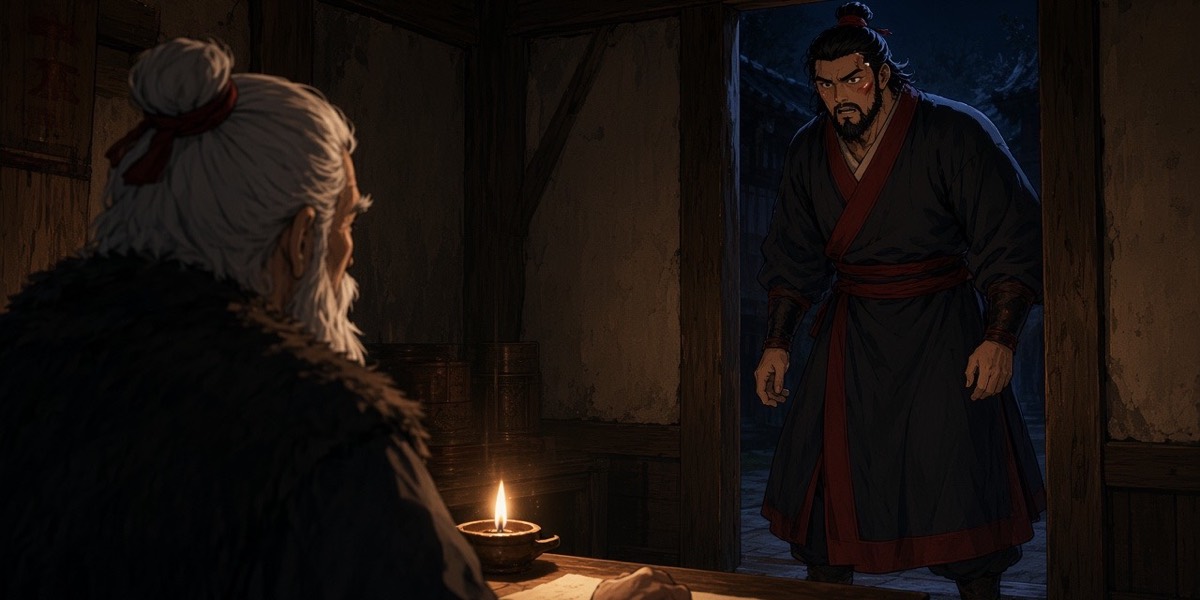
has seen his father angry, drunk and bleeding, and once, when he was seven, riding home from the with the Western banner rolled under his arm like a bolt of cloth. He has never seen him frightened of a piece of paper. He finds he does not know where to put his hands.
Each of them learns his country at home. learns the great clans at his father’s table. learns the council from the day it walked his grandfather off the throne. And learns this city here, from an old man reading one report three times by lamplight. Nobody else in the city would read it once.
That’s where the name comes from. Not from his own capital, which likes its titles stamped and filed. From the people he beat. calls him first, and means it as a warning. On the border, mothers use it to get children indoors before dark.
Thirteen years later, hears that sword is riding for the envoy in his prison, and opens the cell. A few months after that, a laughing king says the name across a table. ’s cup stops an inch from his mouth. Now you know why.
Autumn. Silla comes up the road in three columns, loud and sure of itself. The hill fort shuts its gate. Everyone in the Silla camp expects a siege by supper.
- Goguryeo 6,000
- Silla ?
- = 1,000 men
- = size not recorded
Sources: Samguk Sagi 41, Biography of Kim Yushin, part 1 · Samguk Sagi 4, Annals of Silla, Jinpyung year 51
Thirteen years on, the banner captain has a queen, a title, and forty fortresses just took from her. He wants them back…!
