

Chapter 88

Park Hyukgosé


AI Summary
- The Road South Start further back.
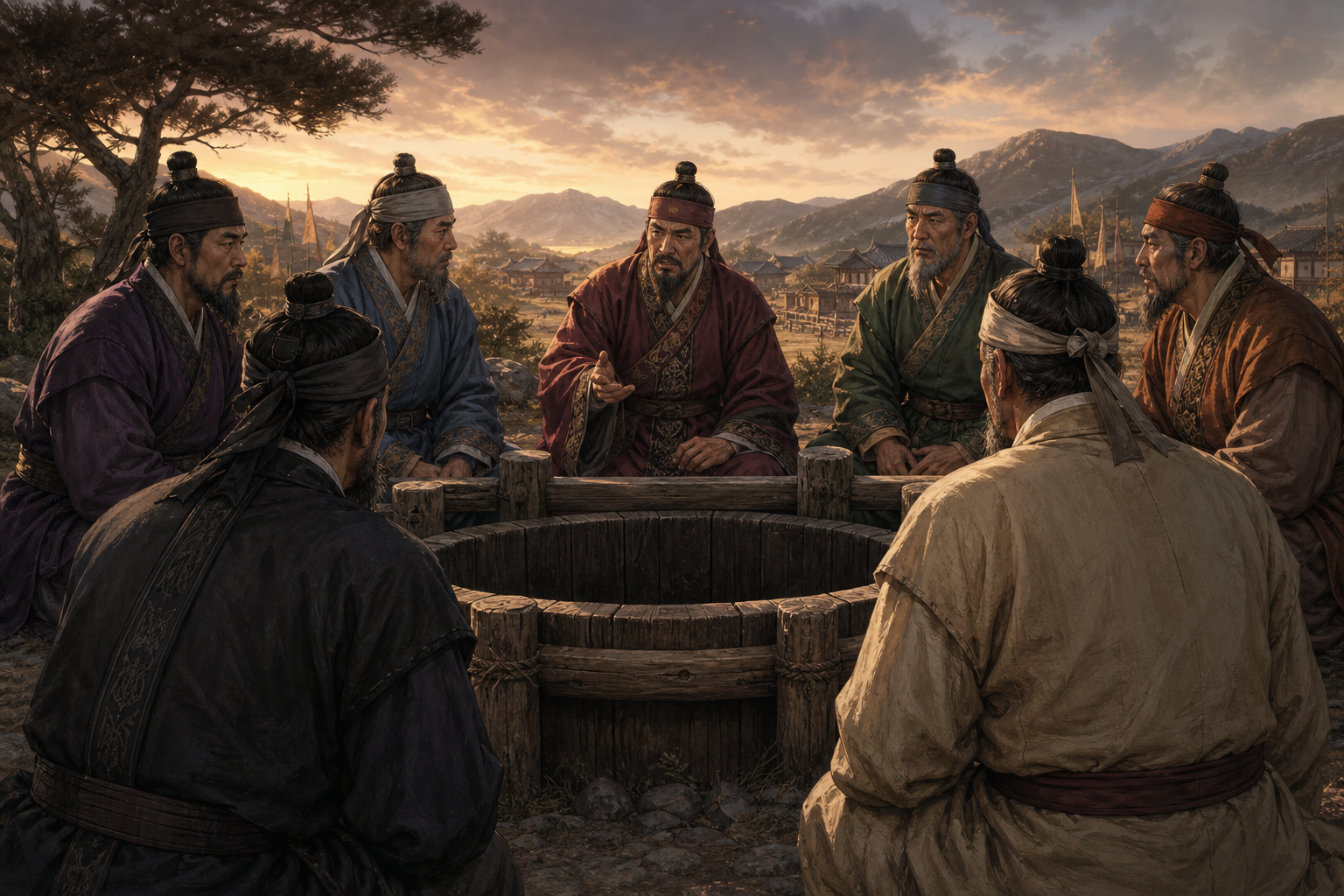
- The Ridge of Mount Yang Every spring the six Kans meet on the ridge of Mount Yang to choose a king.
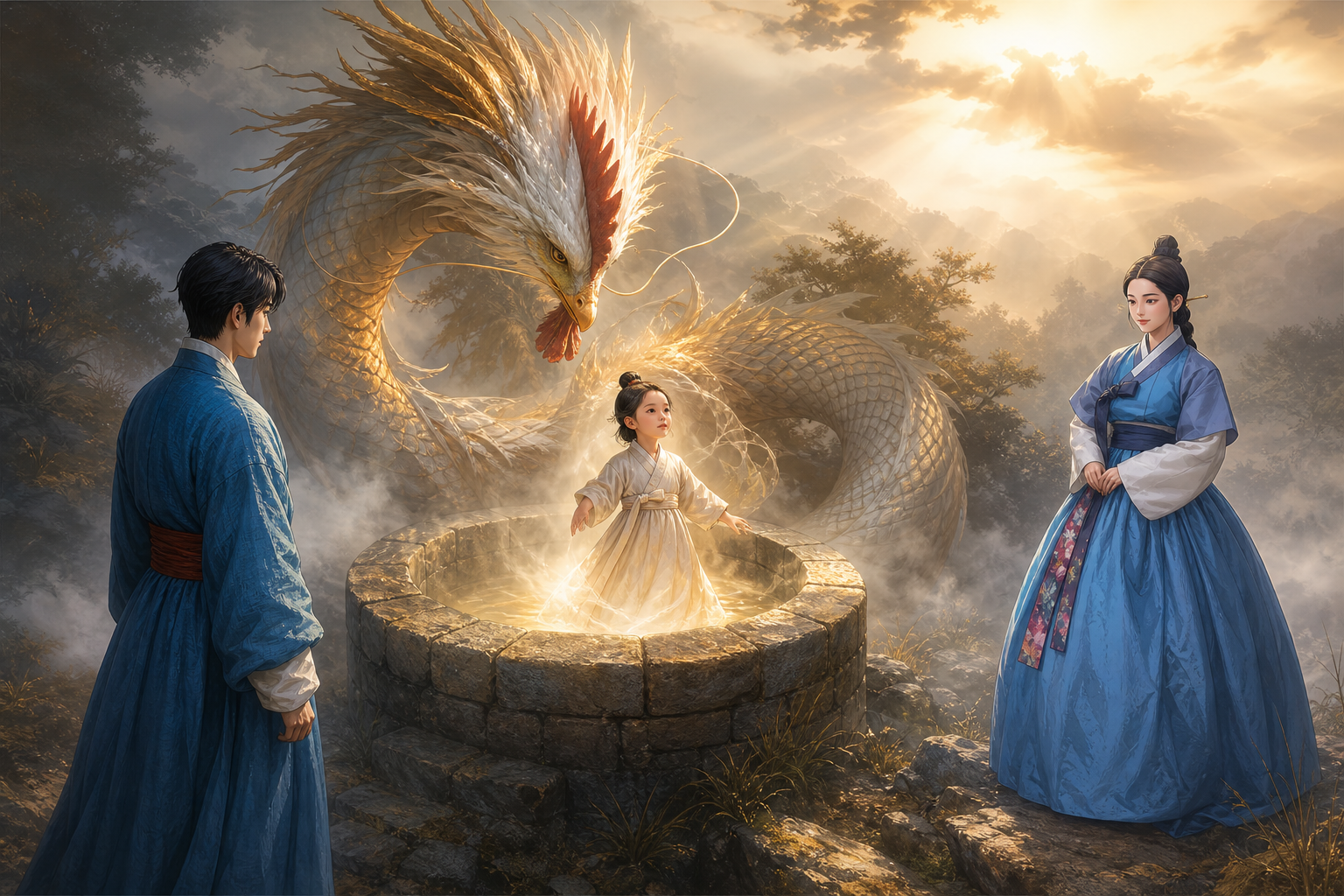
- Alyung Well At Alyungjung well, a dragon with a chicken’s head leaves a girl behind.
- The Six Villages The boy from the egg and the girl from the well grow up, and they turn out to be good at the job.
- The Hall of Mahan Not every neighbour is so easily embarrassed.
- The Five Tombs Sixty-one years later, the chronicle says, the king went up into the sky, and seven days after that his body came down again in five pieces, scattered over the ground.
- Characters

Episode· -57
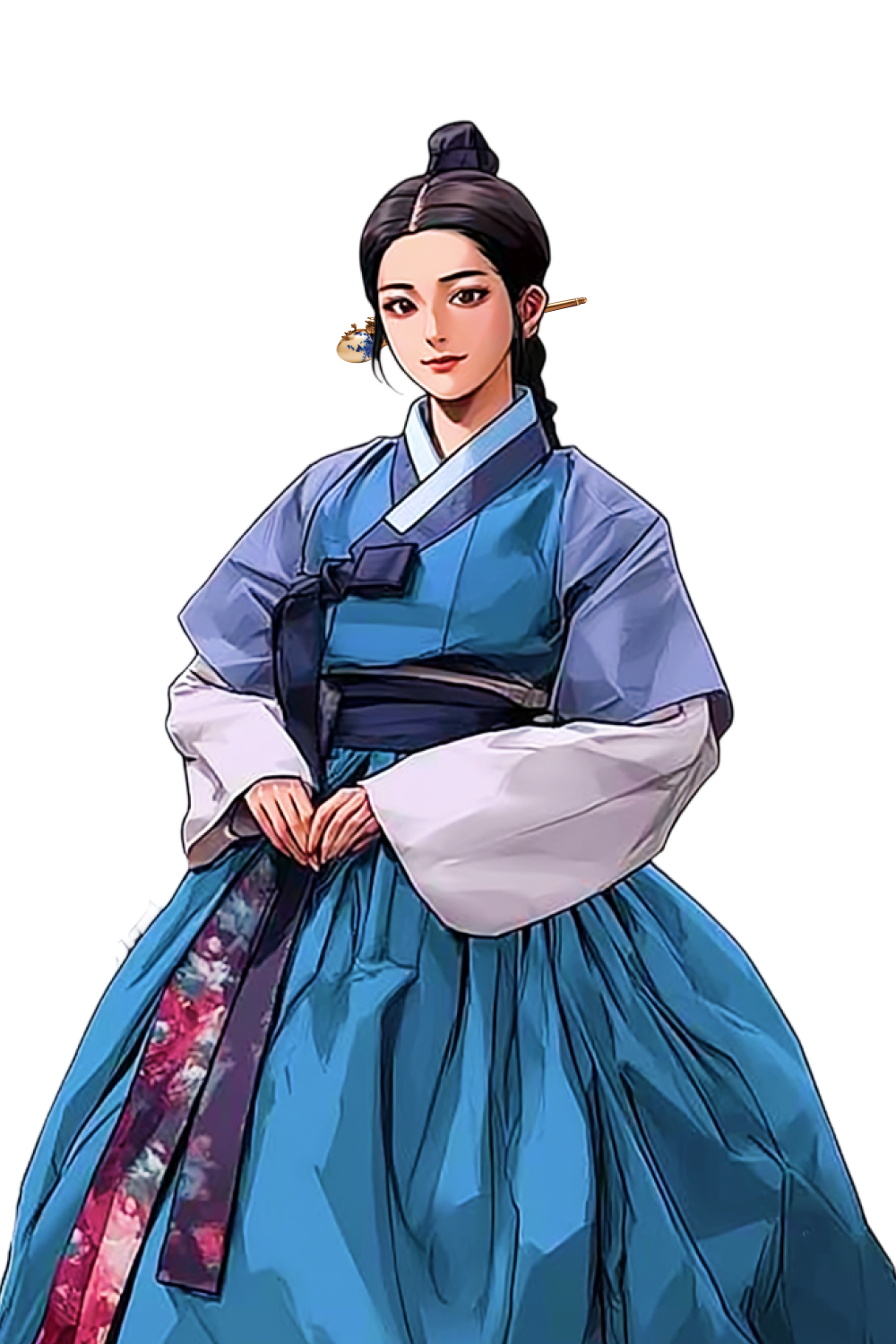
Park Hyukgosé
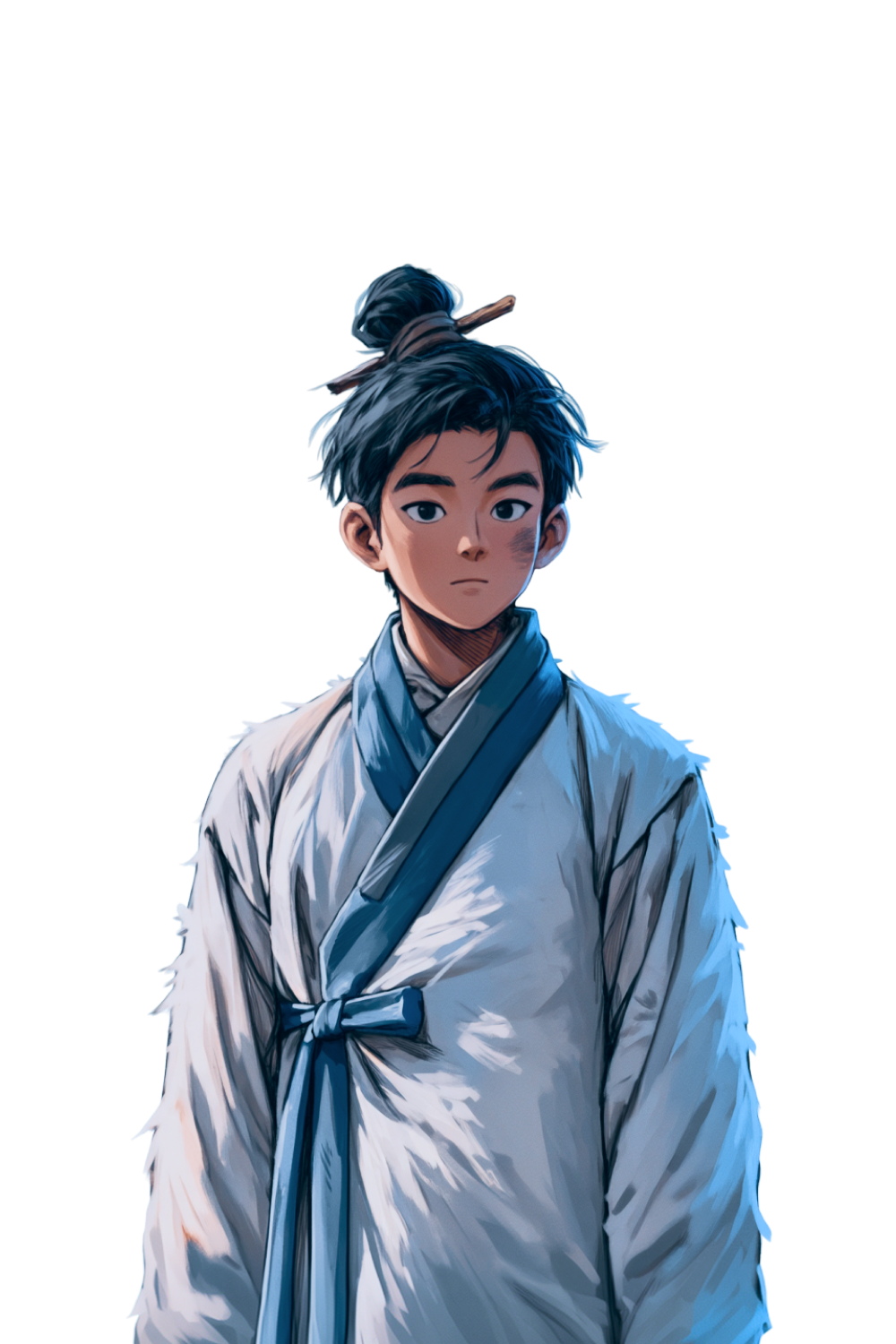
A white horse kneels by a well and cries. Six chiefs start digging.
- Hyukgosé
- Lady Alyoung
- Alpyung
- Sobuldori
- Jibekho
1 still without a cue
Seven hundred years before anyone in wore the Western silk, six old men creep up on a horse.
Start further back. Fifty years before the horse, an emperor from the west takes the old kingdom in the north. Its people do what people do. They pick up the pot, the seed bag and the grandmother, and they walk.
They do not go as one people. They go as families, then as whoever shares a fire, then as whoever is still walking. By the time the mountains run out, the road has sorted them into six groups.
Each group finds a valley and stays. Six valleys, six villages. Each village has a Kan, an elder, who settles the fights about water and gets blamed for the weather.
Remember the surnames. Their grandchildren will still be using them in seven hundred years. Lee talks first. asks what everyone else was avoiding. Jung brings the wine, or complains that nobody did. Son says almost nothing and is listened to anyway. Bae counts. Sul came the farthest and has never let anyone forget it.
Strictly, the surnames came later, from a grateful king. The six families will tell you they had them all along.
Every spring the six Kans meet on the ridge of Mount Yang to choose a king. Every spring they vote. Six stones, one bowl, and it has to be all six, or the losers go home and sharpen something.
This spring they count the bowl. Six stones, five names. Every Kan has voted for himself, except , who voted for . voted for himself.
stops in the middle of a word. Five heads turn.
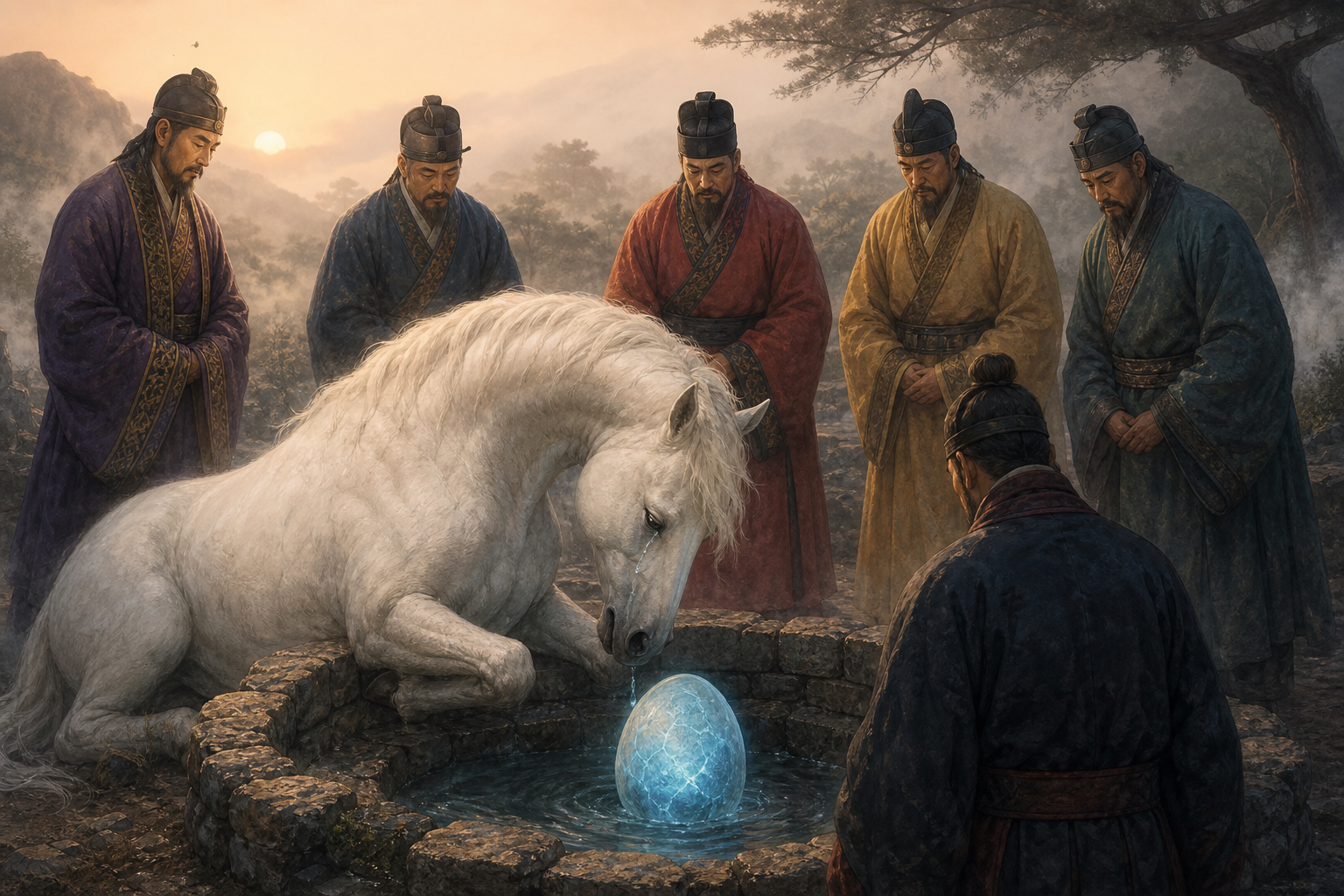
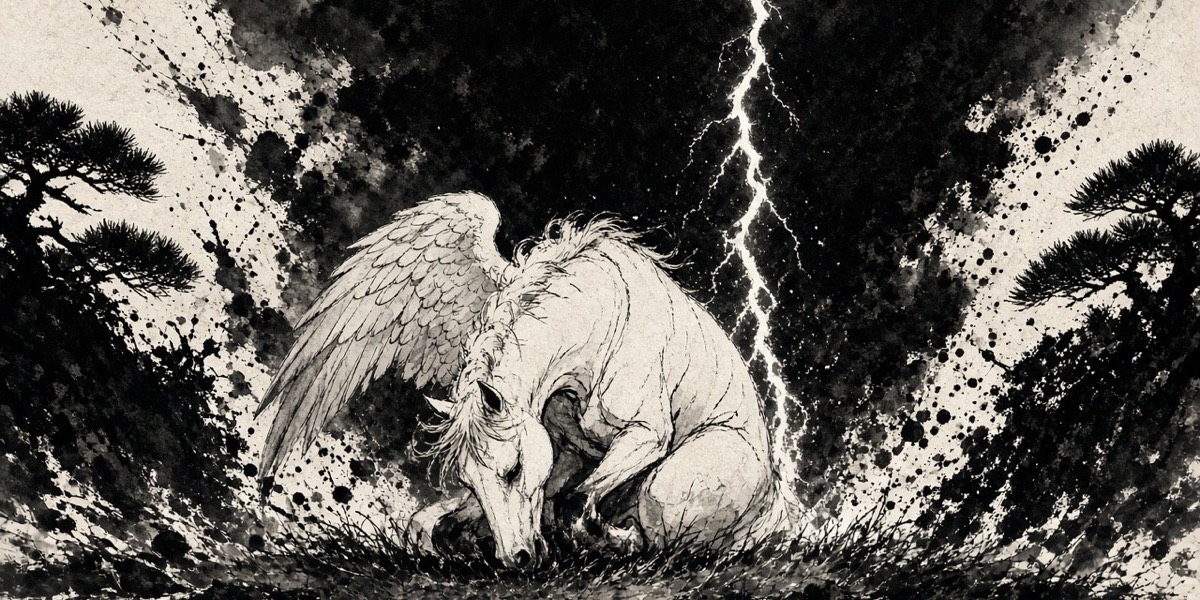
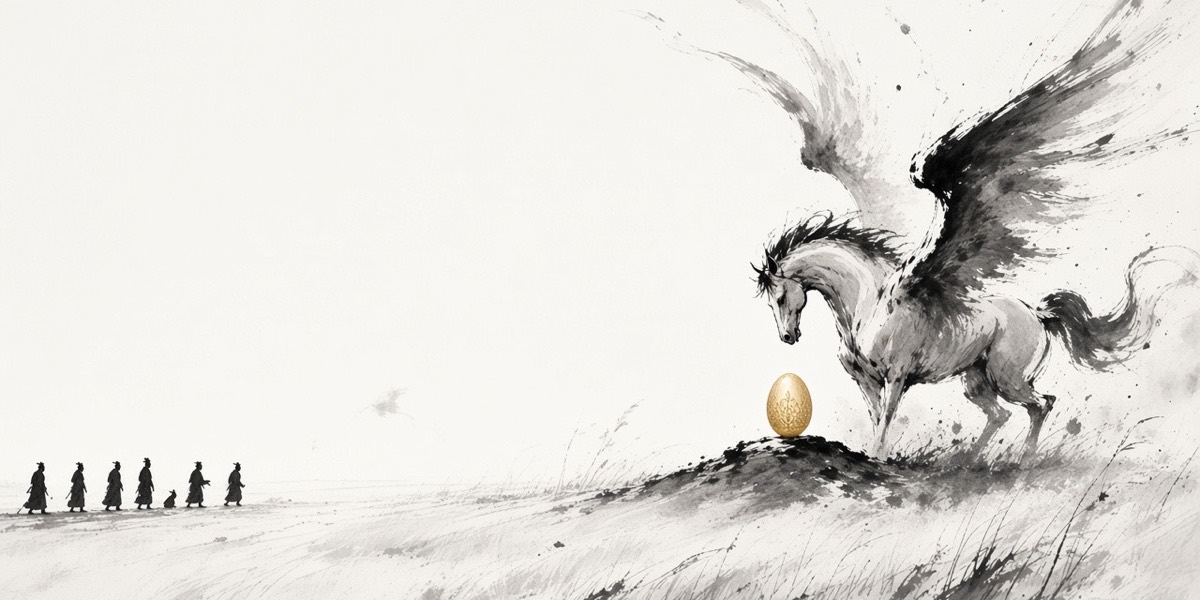
The chroniclers disagree about the colour of the egg and agree about the horse. Before anyone dug, the six chiefs saw it from the ridge of Mount Yang: a light hanging down beside Najung like lightning that had forgotten to leave, and under it a white horse folded onto its knees, as if someone important were waiting in the grass.
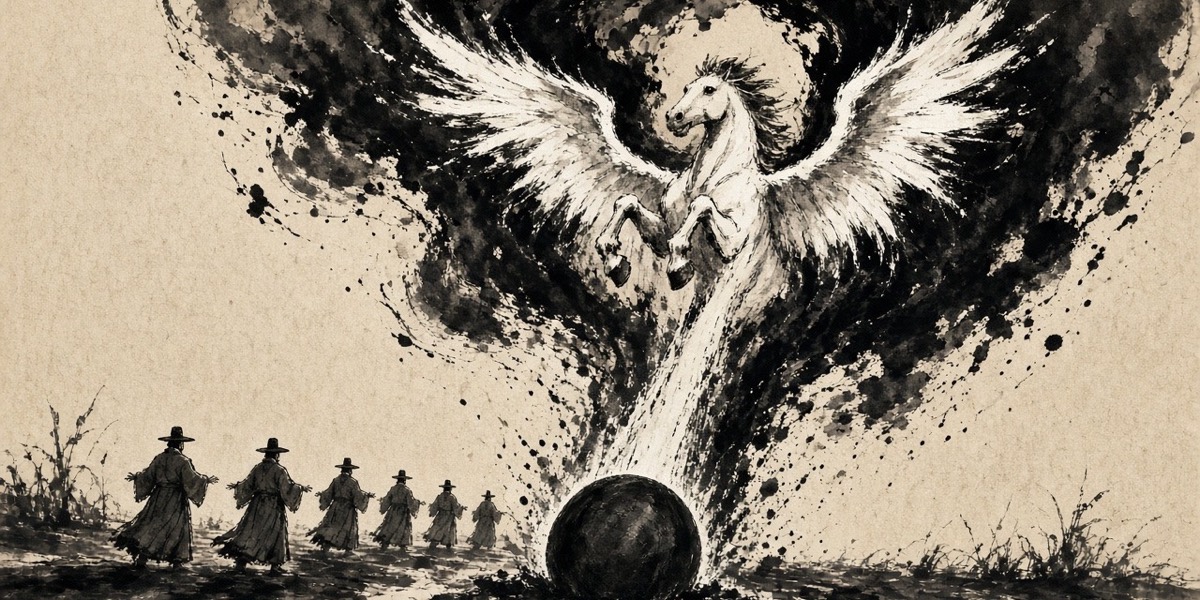
It does not spook. It lets them come close enough to see that its wings are folded the way a bird folds them and that its eyes are on the grass, not on them. Then it looks up and sees six grown men creeping at it through the pines with their sleeves held out like nets.
Six chiefs stand in a wet field with their arms still out, holding nothing. Much later, when the country has a name and a calendar and a clerk for everything, the horse will be painted on a saddle-flap and buried with a king and called , the heavenly horse. That morning nobody calls it anything. is the first to look down at what it was kneeling over.
They dig with their hands, then with somebody’s hoe. Under the grass is an egg the size of a gourd, and the same shape. When it cracks there is a boy inside, already looking at them as if they were late.
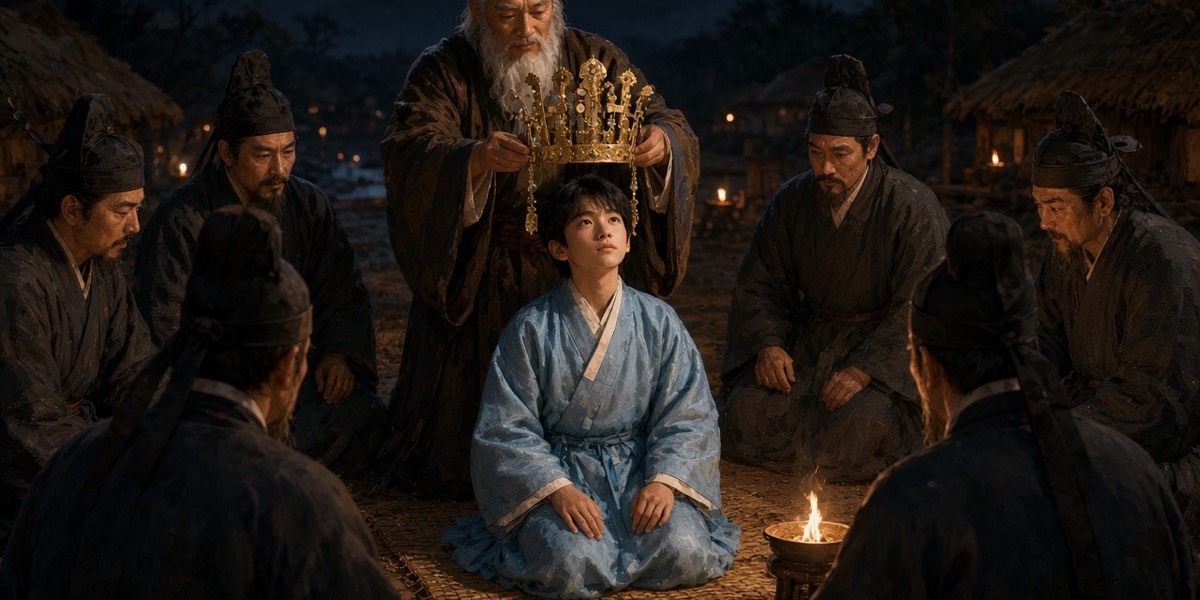
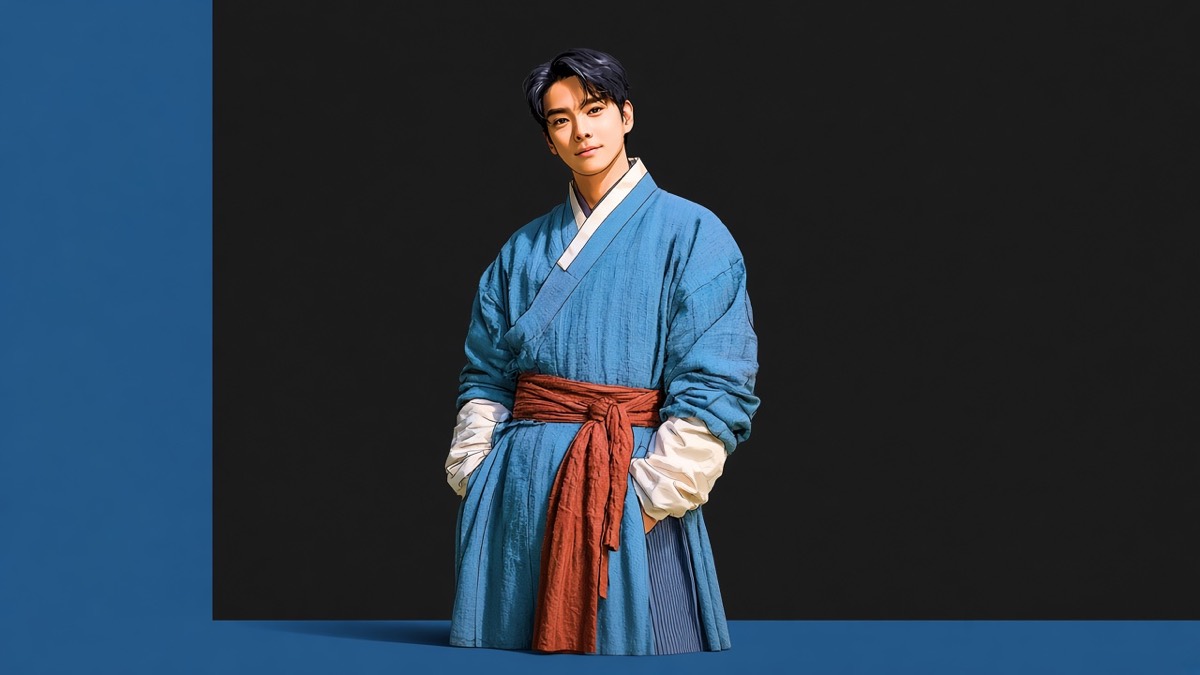
They call him Park, for the gourd, and , to rule with brightness. Then six practical men look at each other and crown him king while he is still a boy. A boy, they reason, cannot have taken sides yet.


They bathed him in the eastern spring. His body gave off light, the birds and beasts danced together, heaven and earth shook, and the sun and moon turned clear and bright.
동천에서 목욕시키니 몸에서 광채가 나고, 새와 짐승이 함께 춤추며, 하늘과 땅이 진동하고, 해와 달이 맑고 밝아졌다.
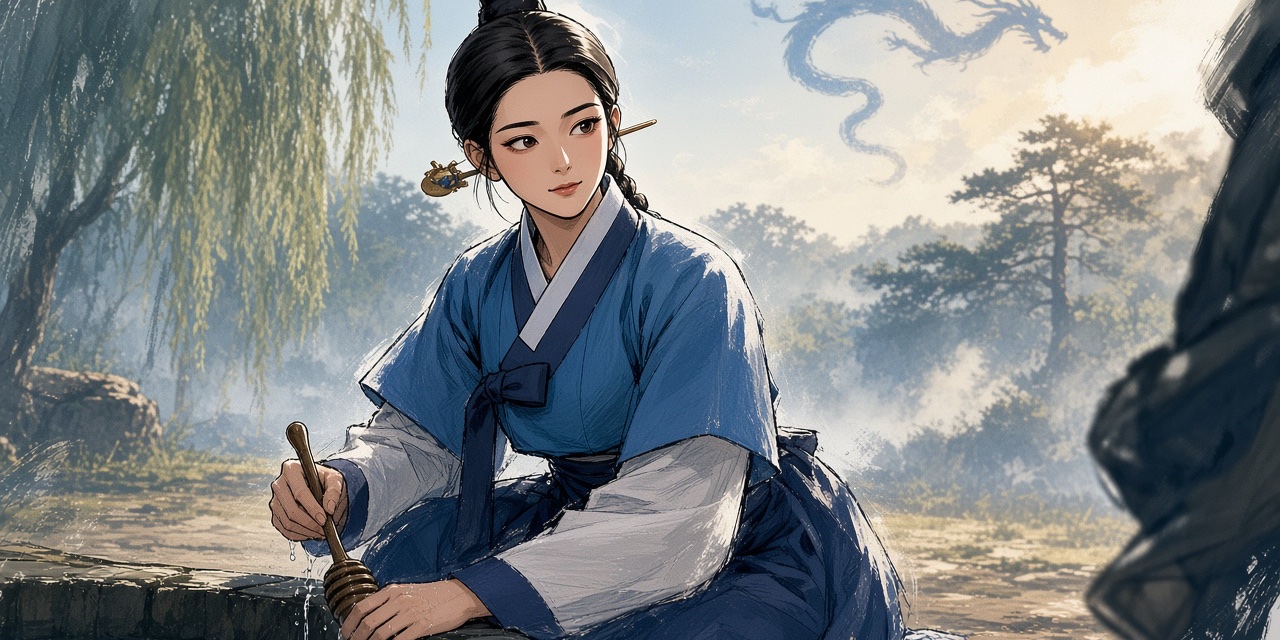
At Alyungjung well, a dragon with a chicken’s head leaves a girl behind. She has a beak where her lips should be, until they wash her in the north stream and it falls off. They name her , after .
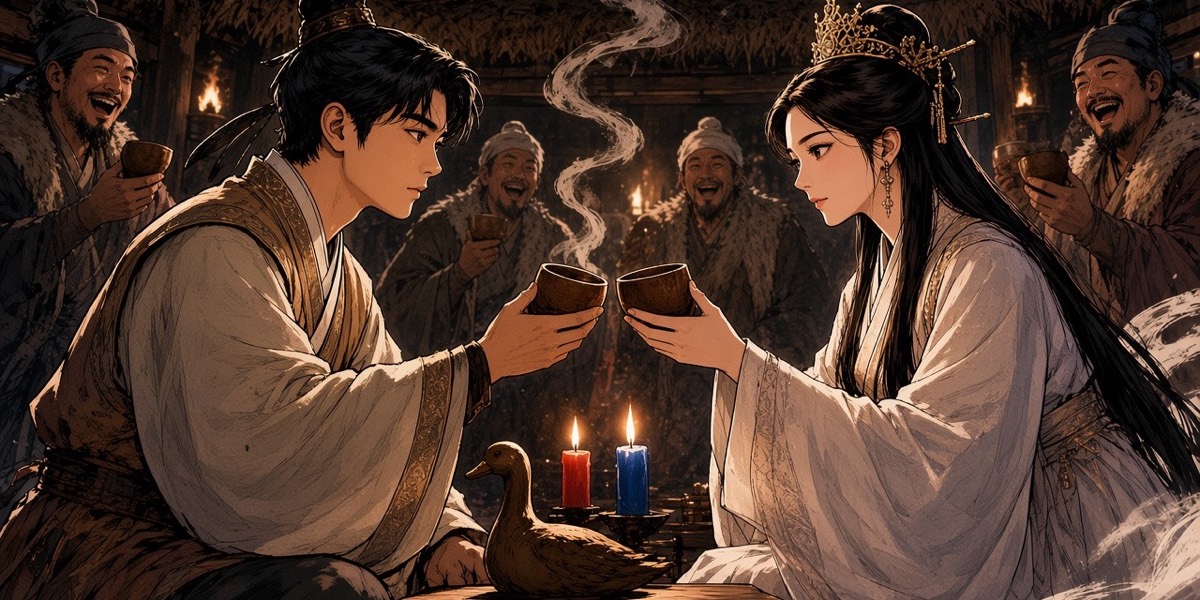
At the wedding feast the six chiefs stand up. They have a plan.
The chiefs laugh, because it is a wedding. The boy king does not laugh. He looks at his bride as if somebody had finally said something interesting.
Six families end up running everything. In every new country, six families always do.
They write the ranks down their way anyway. is right, the way queens usually are, a few generations early. Ranks by virtue become ranks by birth. Ranks by birth become ranks by bone.
Here is how bones work in . The egg’s line marries the rib’s line, and marries it again, until a child is royal on every side. That child is . Royal on one side only is . Below that, the ranks go down like steps, and every step knows exactly who is above it.
And the six who dug up the egg? Their grandchildren keep the oldest names in the country and, a few kings later, not the highest chairs. Kings arrive in eggs, chests and boxes. The six just came up out of the ground, like rice.
Six hundred years on, one of their grandsons will pour tea for a room full of Kims and remind them of it. Nobody will thank him.
The boy from the egg and the girl from grow up, and they turn out to be good at the job. Every spring the king and queen walk the six villages together. He takes his shoes off in the paddies. She checks the mulberry leaves for worms, and the village heads for lies.
The villages start calling them the Two Saints, which is the kind of thing villages say when the tax is light. One night raiders come over the hills from commandery in the north. They find the doors unbarred and the grain stacked loose in the fields. They go home. A land with no locks, they decide, must have something worse than locks.
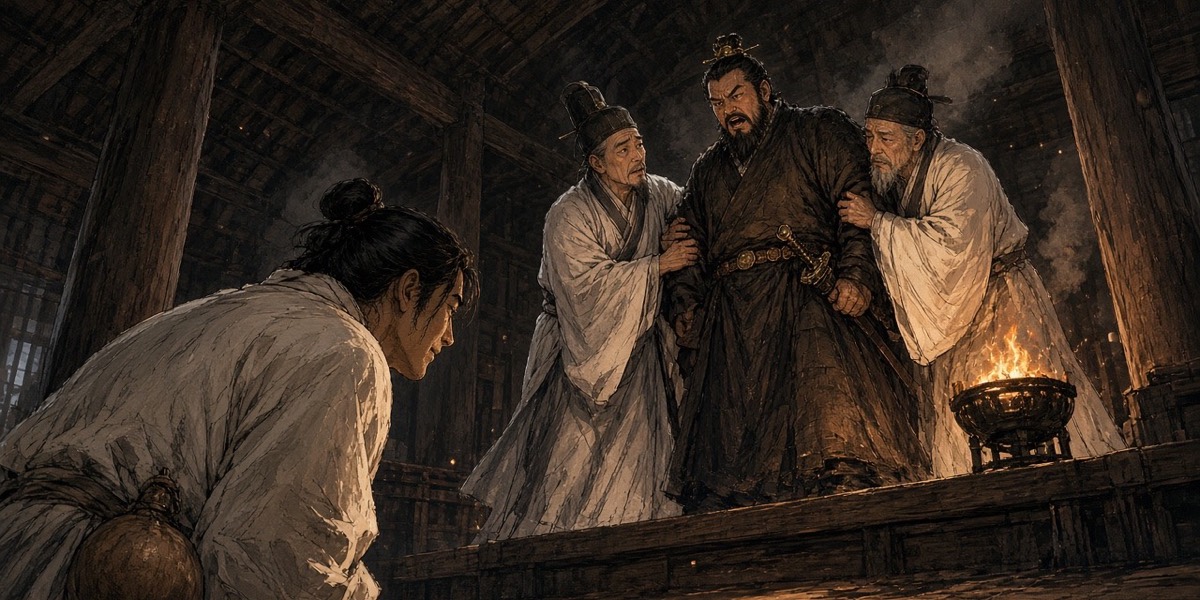
Not every neighbour is so easily embarrassed. To the west sits Mahan, a big old country that thinks of the southern valleys as its porch. When stops sending tribute, its king wants an explanation. sends a man from with a gourd still tied at his belt. It is the kind of errand where you want someone who floats.
He does reach for one. Two ministers grab his sleeves.
The next year the king of Mahan dies. In somebody suggests the obvious.
The king does not repeat himself. pours the minister more wine, which in that house means the meeting is over.
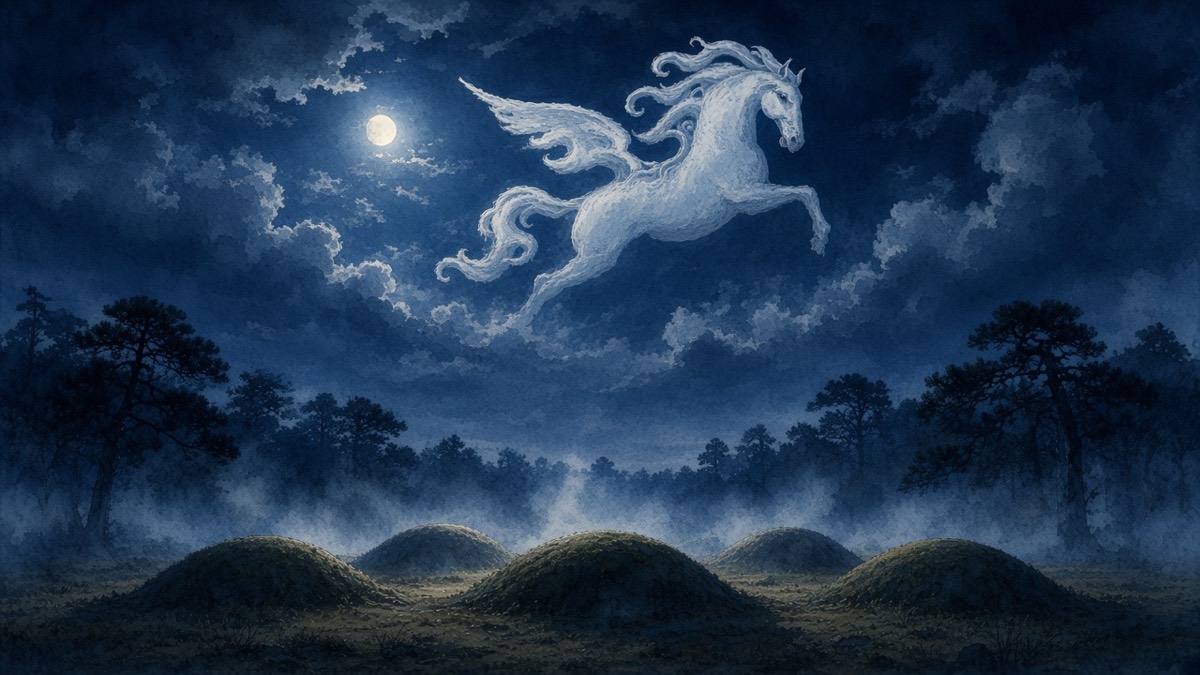
Sixty-one years later, the chronicle says, the king went up into the sky, and seven days after that his body came down again in five pieces, scattered over the ground. Nobody records a horse. Everybody in says there was one.
A chest rides the tide in, a magpie screaming over it. Whatever is inside needs a house. Preferably someone else’s…!
