








Chapter 55
Royal Secretariat
AI Summary
- The Seven Forts Unsang has seven forts by the tenth morning.
- The Dust Unsang sits his horse on the ridge.
- The Report The hill is quiet.
- Surabol Chunchu reads the two numbers in the same sitting.
- The Yard They meet in the Hwarang yard because Jukji will not come to the house.
- The Margin Chunchu keeps sending papers.
- The Wall
- Buried Promises Every small kingdom knows that an emperor’s promises are buried with him.
- Chunchu’s Study Munhee calls it the stable, because it smells of ink and nothing in it is ever put back.
- Under the Hill Yushin comes by the next evening and finds the study exactly as it was, which in that house counts as progress.
- Border Petition For three months a border petition has been circling the Harmony Council like a bird that cannot find a roof.
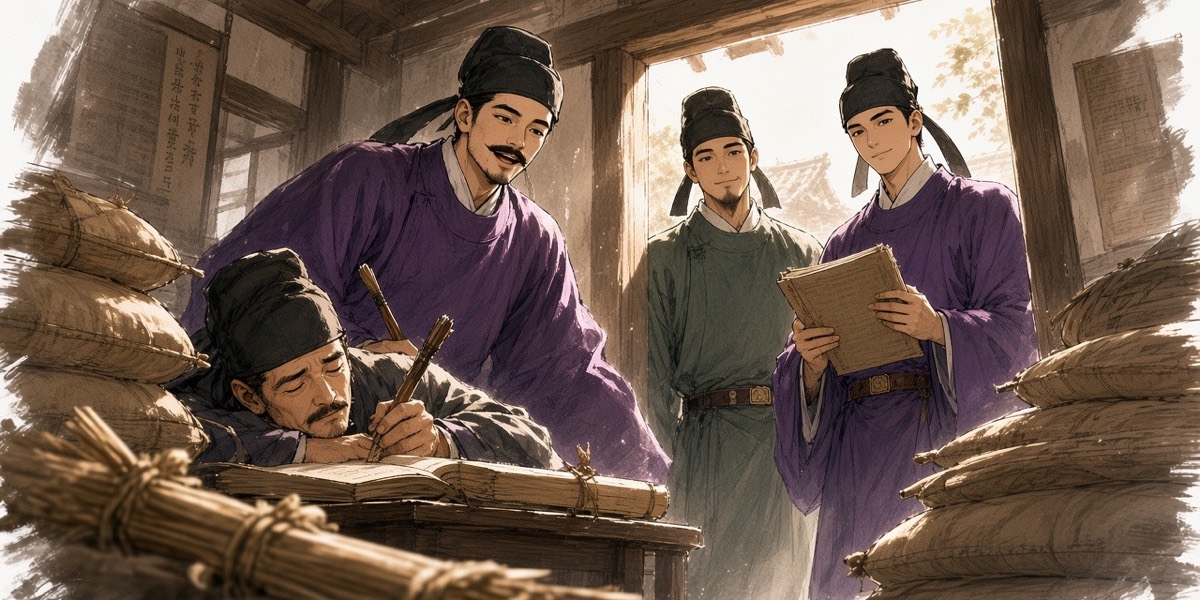
- The Rice Room The Revenue Office is a room at the back of the palace, by the latrines, with one paper window and a floor that has been rice for so long it still smells of it.
- Characters



Episode· 651
Royal Secretariat
One seal. One speed. Fewer uncles.
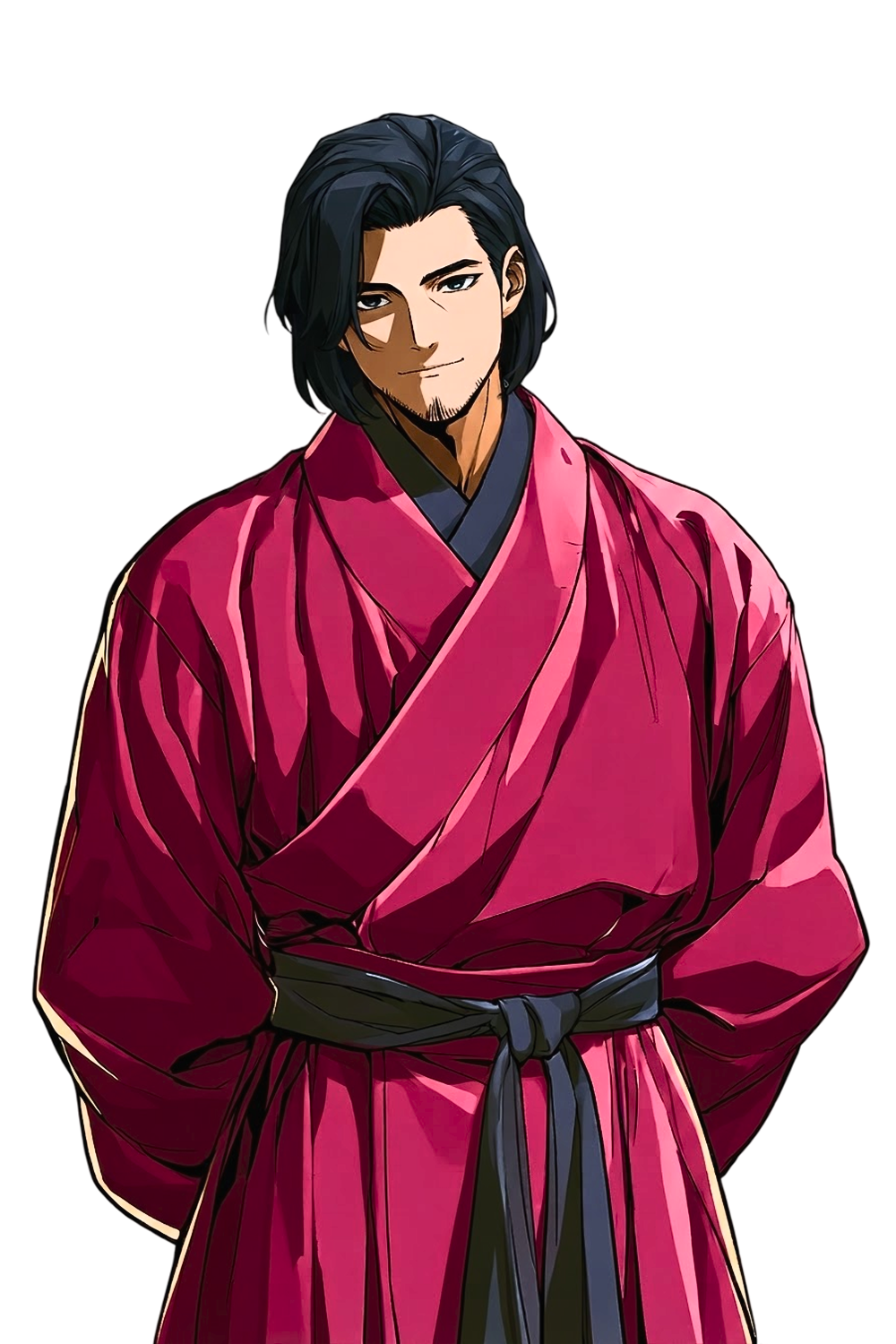
- Kim Chunchu
- Kim Jukji
- Alchun
- Kim Yongsu
- Princess Chunmyung
- Kim Yushin
- Queen Jinduk
- Kim Murim
- Bupmin
2 stills without a cue
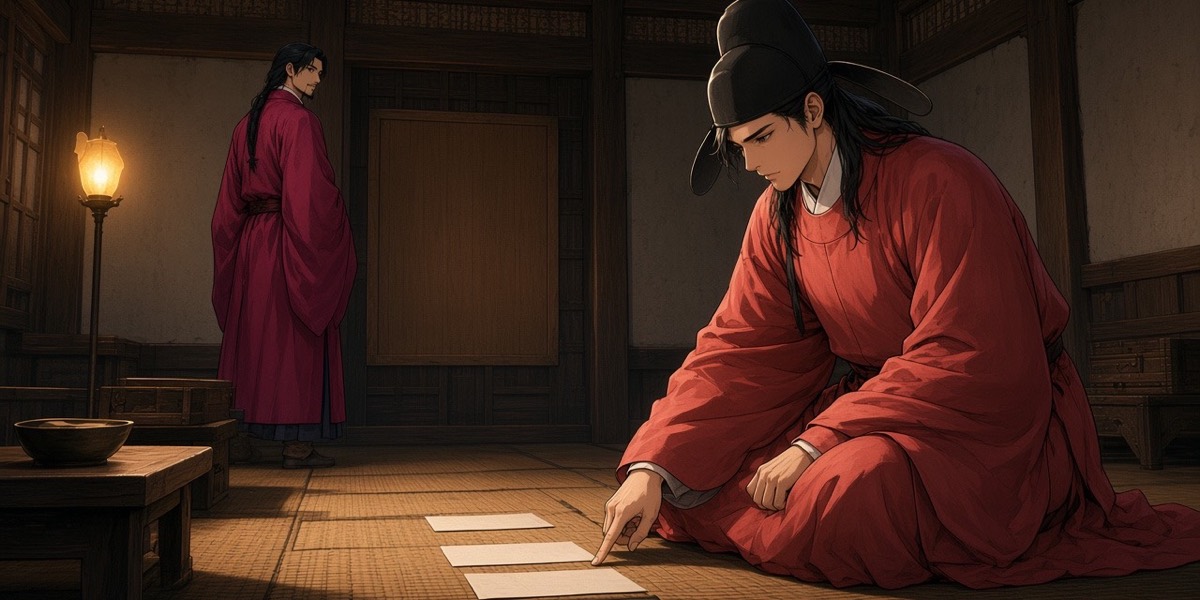
The hill under Dosal is quiet. The man who made it quiet is already writing the report.
has seven forts by the tenth morning. Seokto is one of them. He is a general, and he is good at taking things.
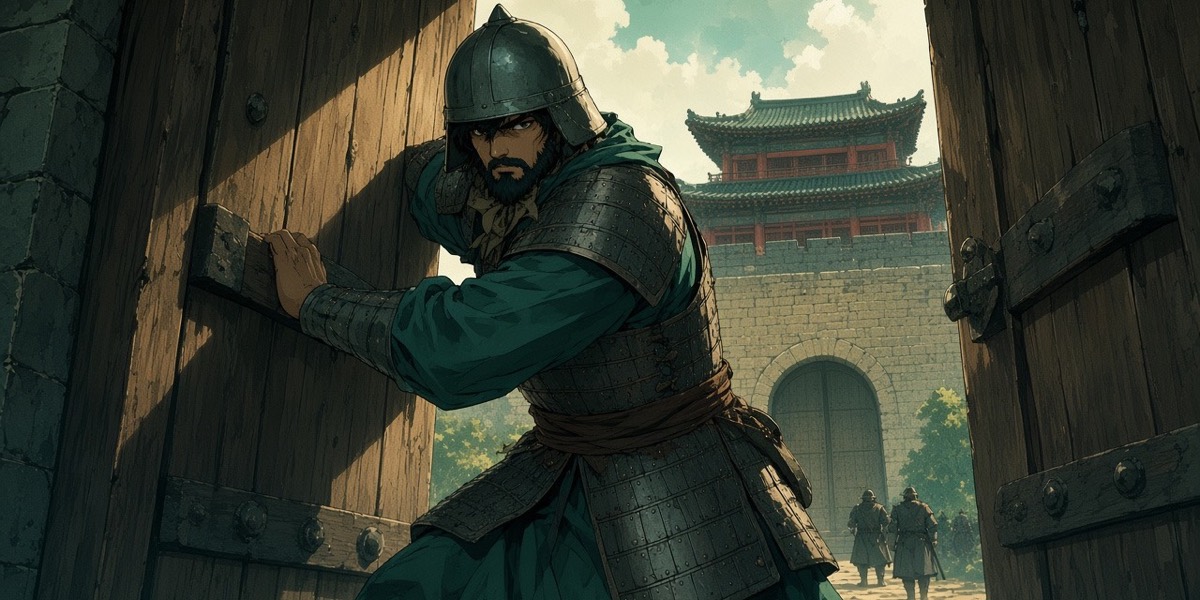
camps under Dosal and does not come out. He needs a rumour. He looks at the man with the brush.
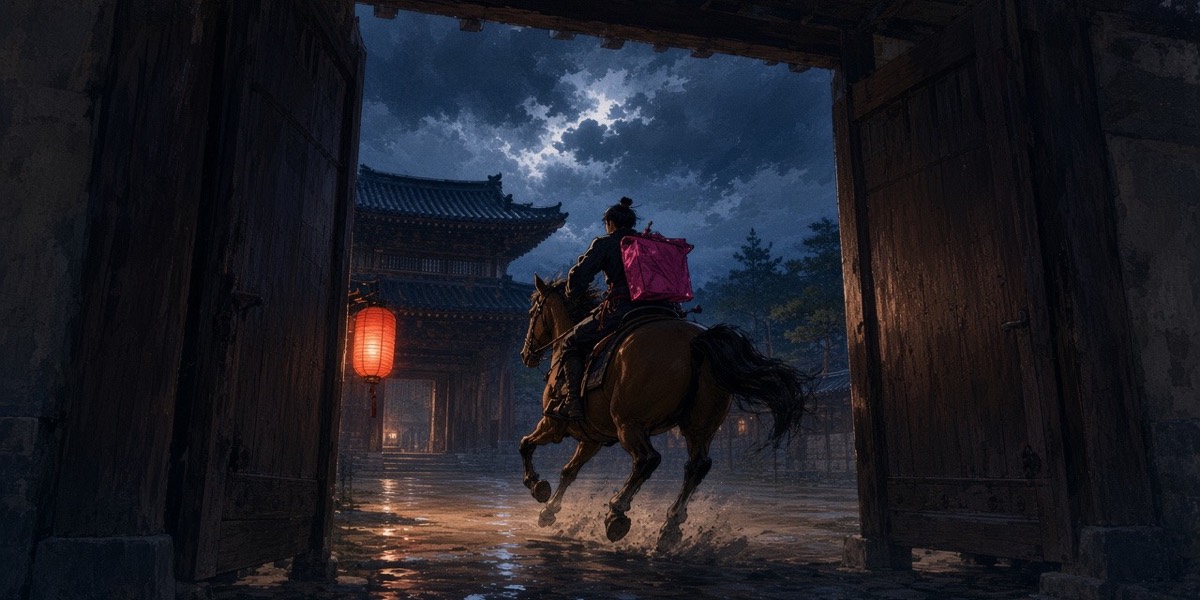
writes it as a count. Dust. Horses. A number that is not true and looks like it slept in a ledger. A scout takes it over the ridge as if it were bread.
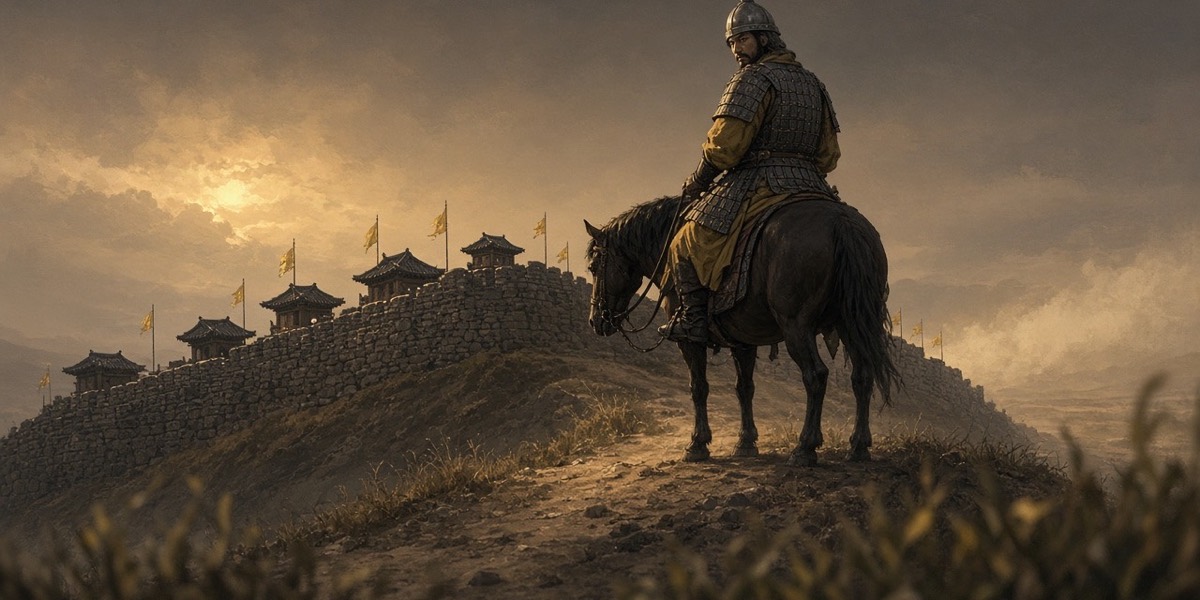
sits his horse on the ridge. The seven forts are behind him, small, yellow banners on real stone. The dust in front of him does not stop.

He turns the horse. Tomorrow the seven are ’s again. You would think a general who can take a hill could sit on a rumour. He could not.
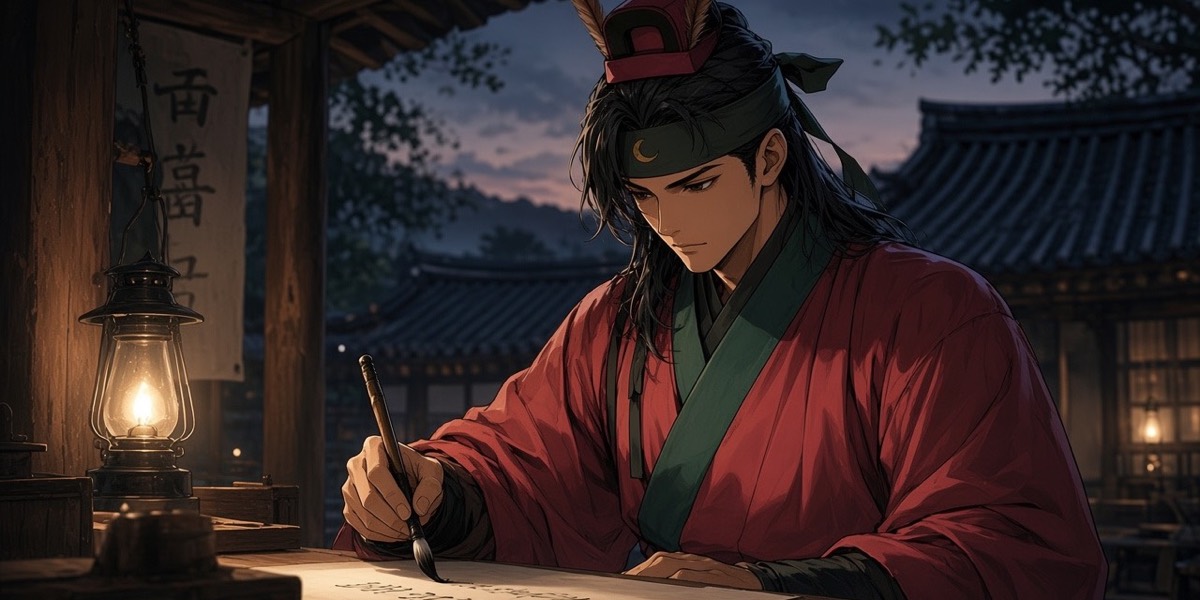
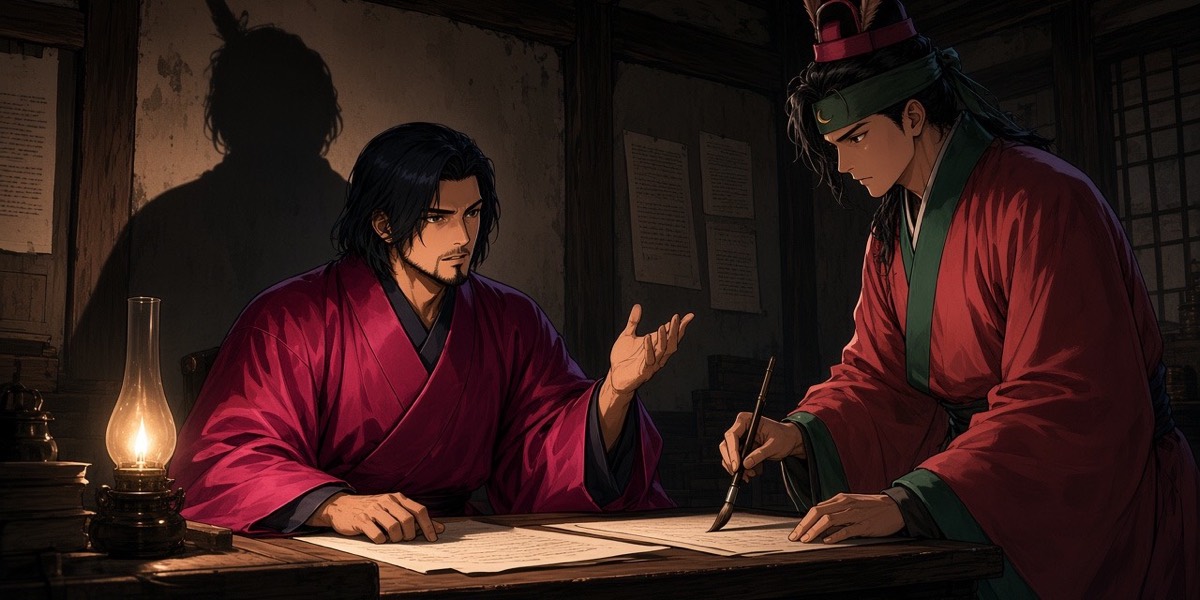
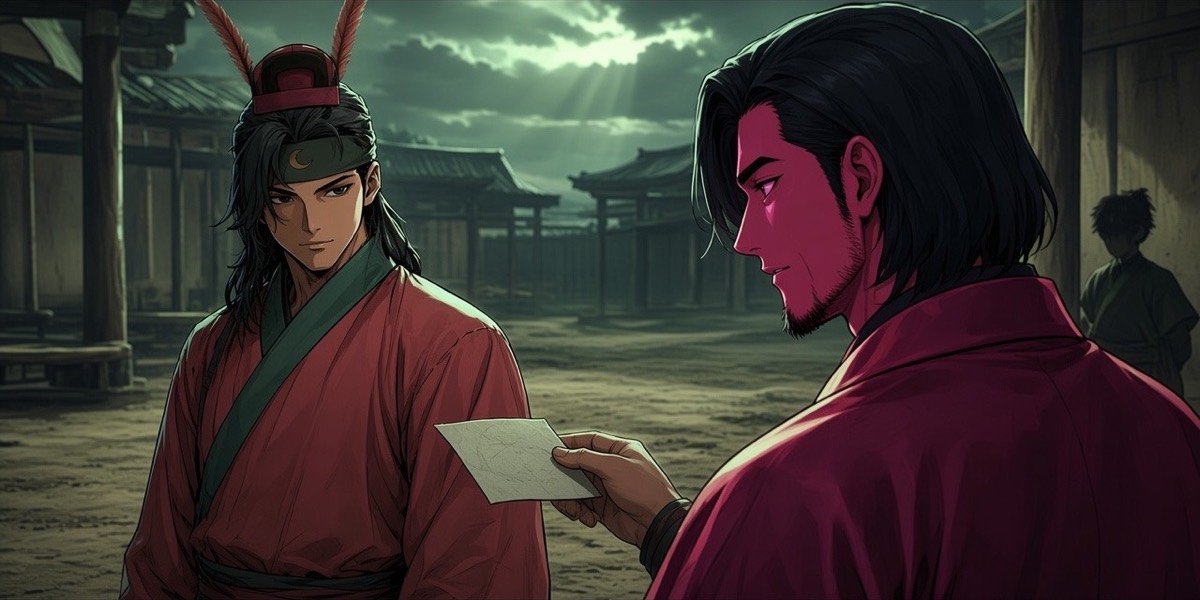
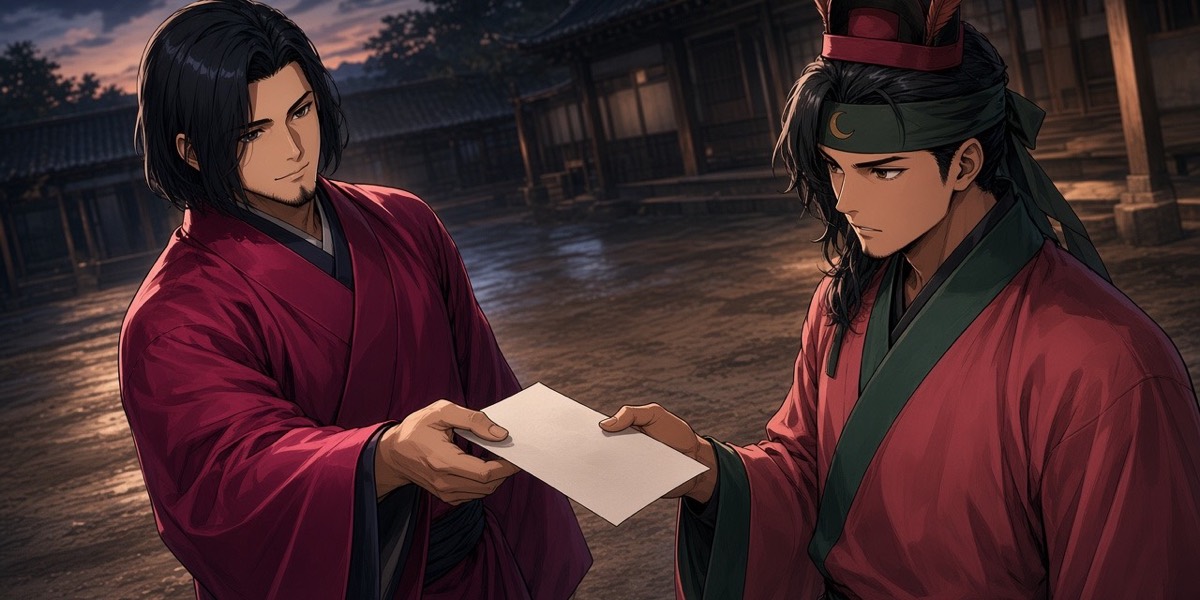
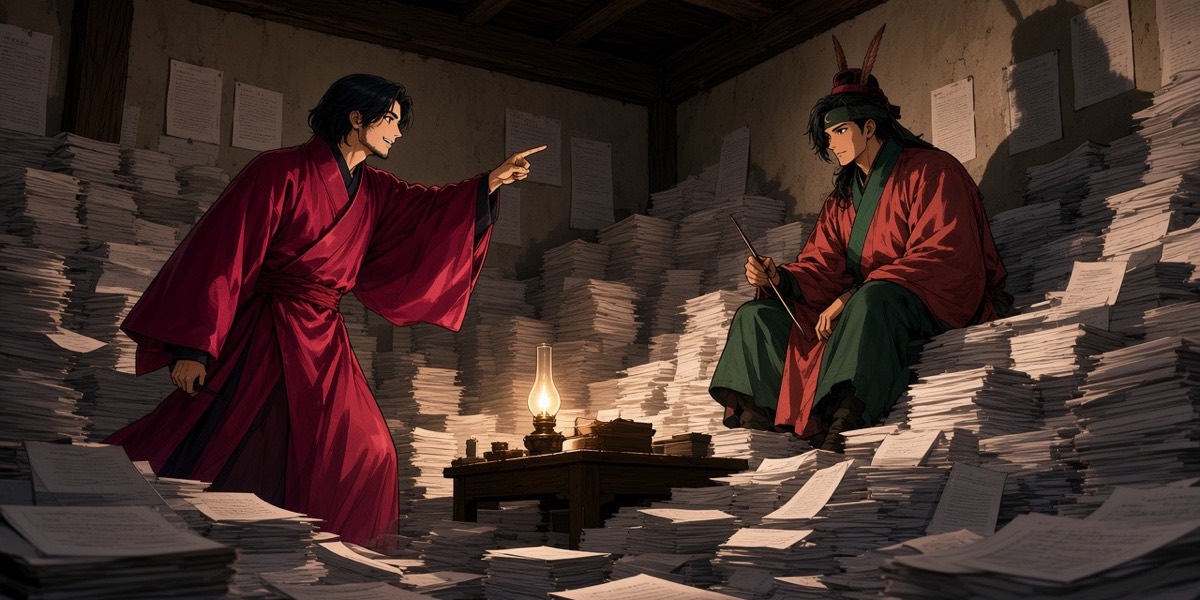
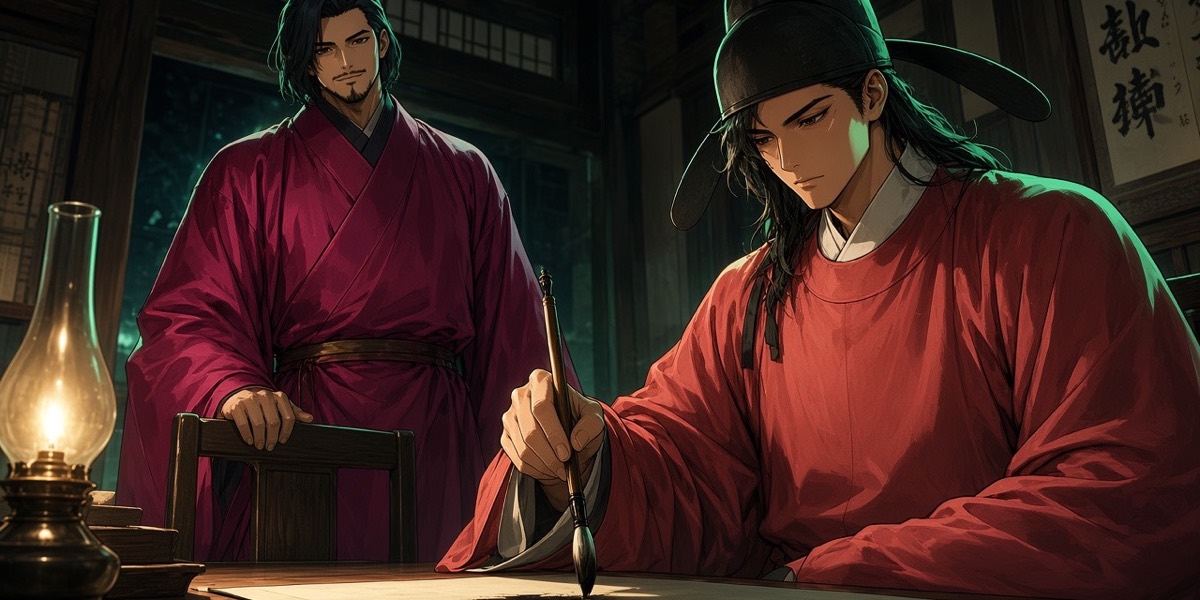
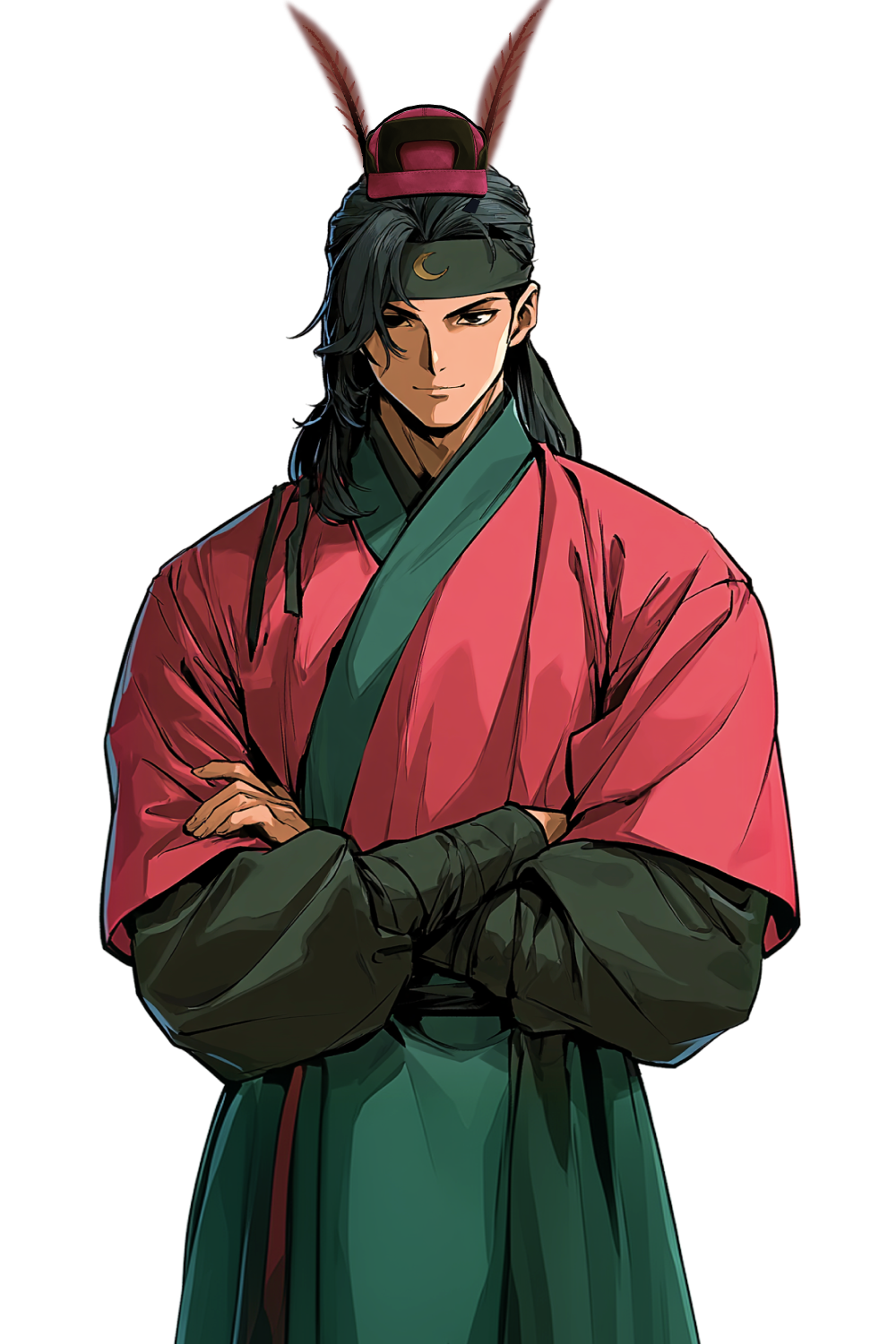
The hill is quiet. is already on the second sheet. He has not looked up. Coral-red sleeves, green at the throat, the little gold moon on his brow. A who fights with a count.
He sends the true one too. does not tell him to. Some men need both.
reads the two numbers in the same sitting. He keeps the false one. He asks about the hand.
He does not offer a chair. He offers a petition that has been circling the Council since spring, and a brush.
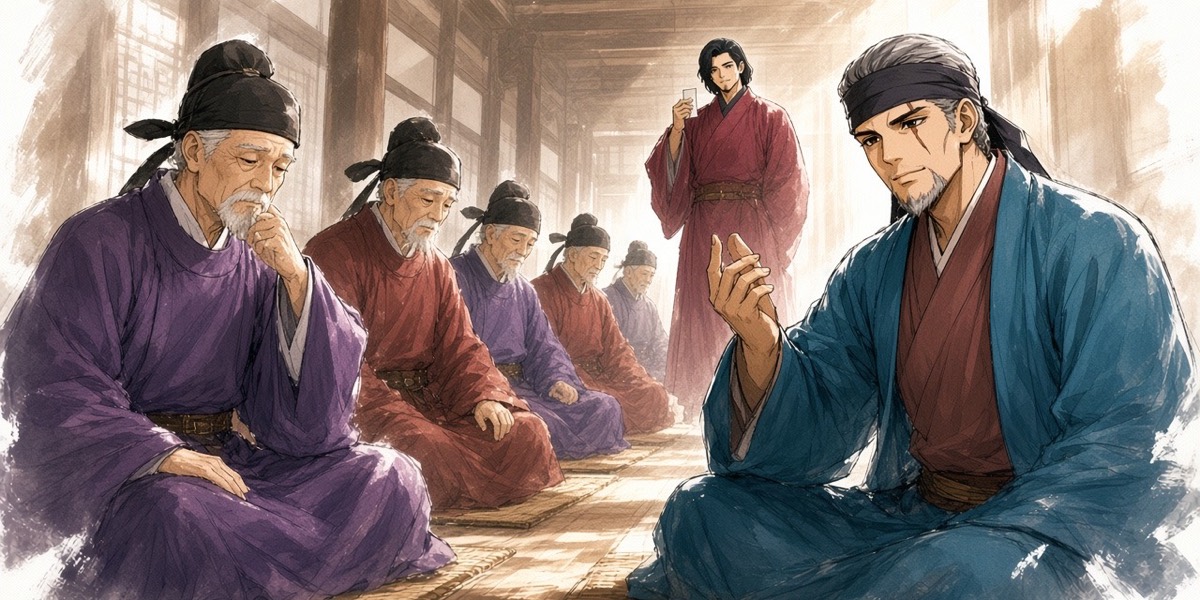
They meet in the because will not come to the house. waits at the post and pretends he is not listening.
looks at the petition as if it might bite. He does not take the brush.
looks at his father. His father does not look back. He has heard worse from men he liked less.
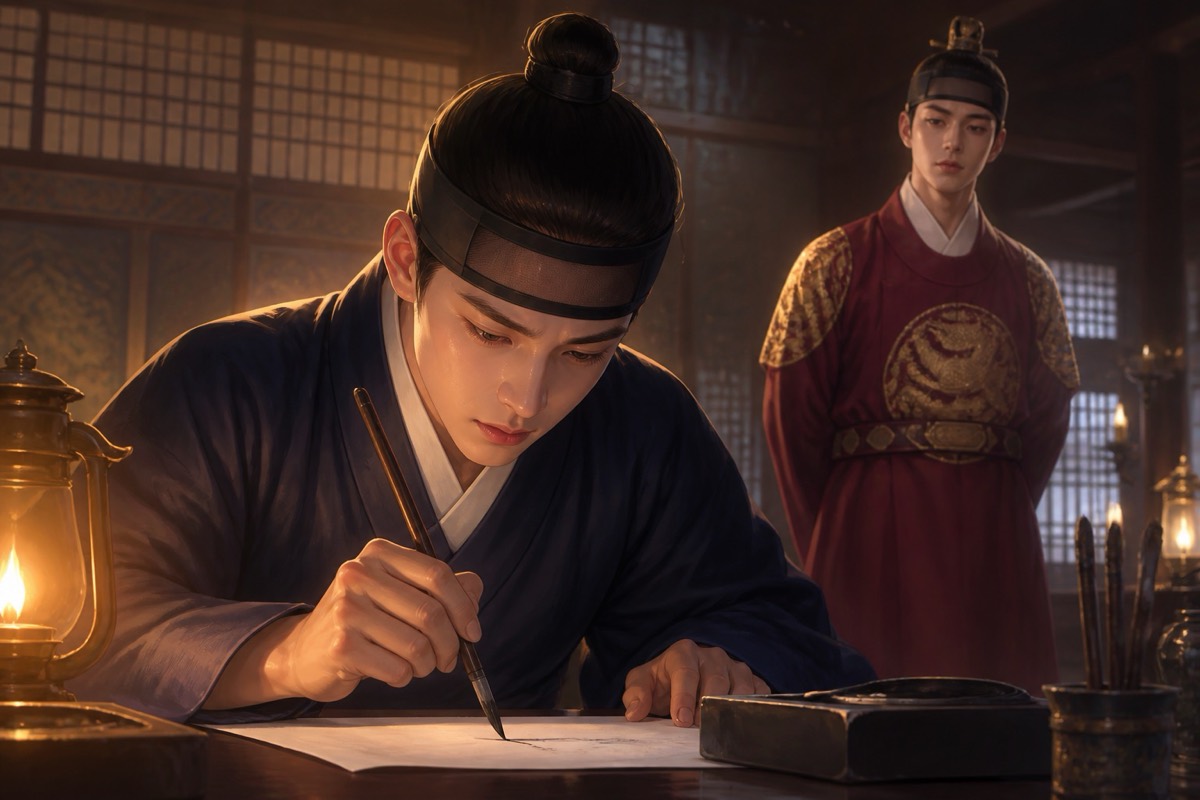
takes the petition because refusing a paper is harder than refusing a man. He reads it. He writes in the margin, small, exact, and far too much.
keeps sending papers. keeps sending them back with the country improved in the margin and the man unconvinced in the hall. This goes on long enough that starts leaving food.
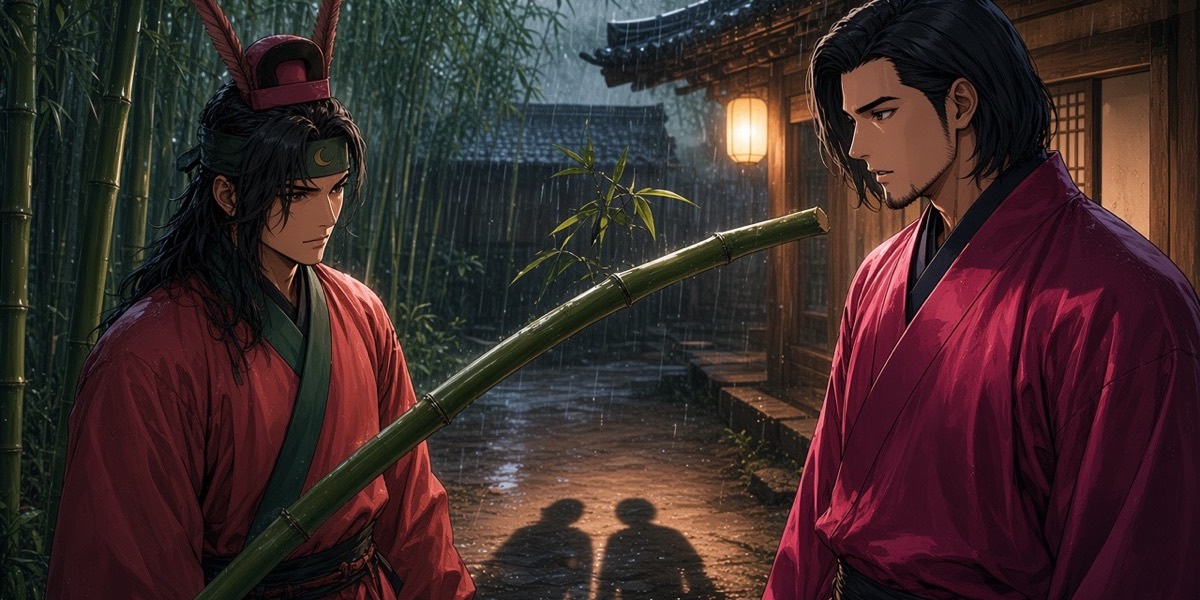
On the fifth visit comes himself, after rain, and walks as far as the bamboo behind the small house. He still has not said the word Premier. still has not asked.
The bamboo ticks. One joint, then another, the way it does when someone is about to say a name they have been carrying.
was not there. He was in , copying a tax roll. He still writes a name at the top of every new ledger, then crosses it out, then starts.
does not deny it. He has been denying other things for nine years. This one he will not.
He does not say which piece. You already know. looks at the bamboo, which is bending in the wet, and does not say yes. He takes the next petition.
That is how a master finds an apprentice. Not with a robe. With a margin they both hate to leave empty.
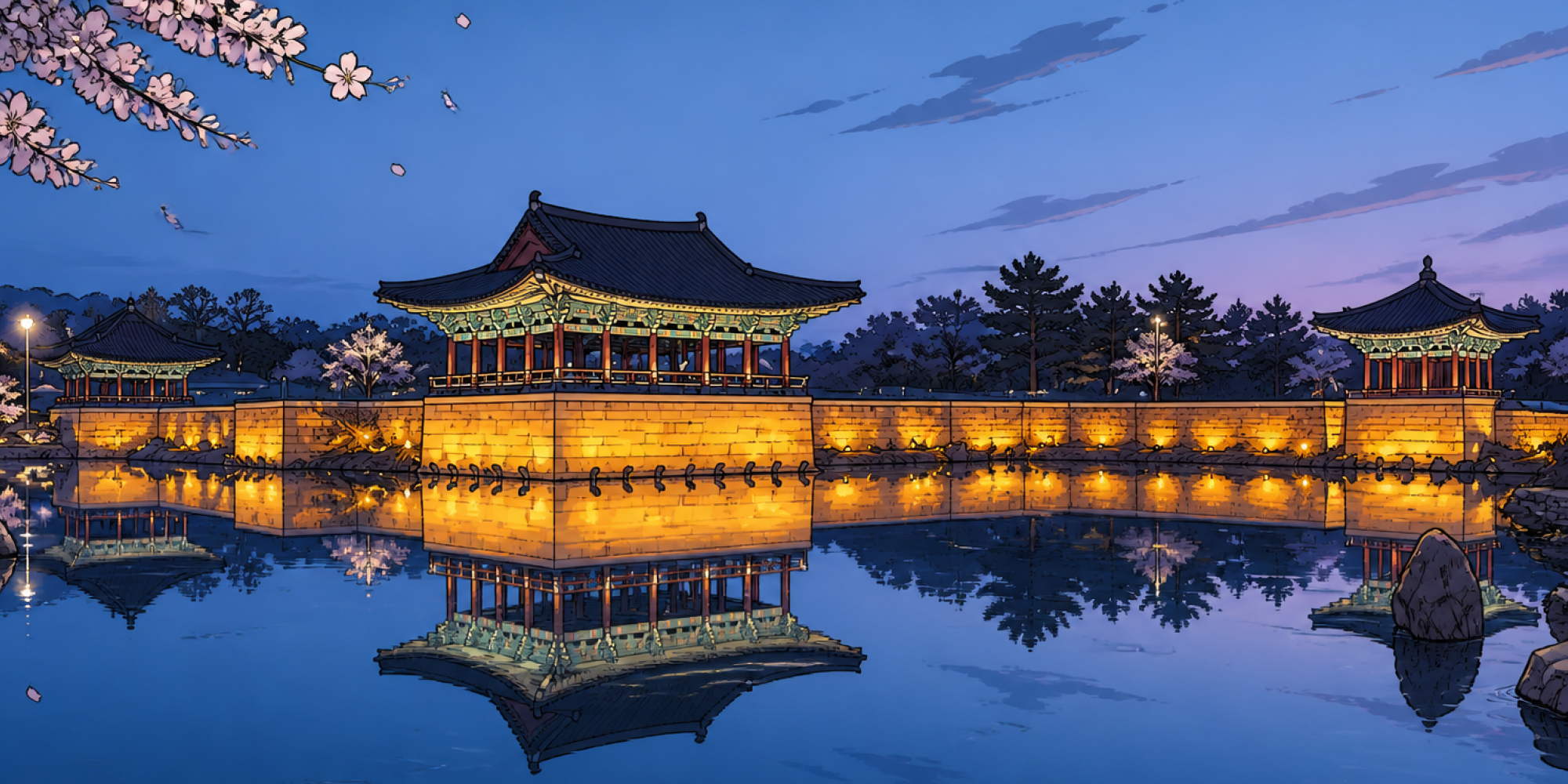
Every small kingdom knows that an emperor’s promises are buried with him.
The ship from coast comes in with its banners lowered. By the time the letter reaches ’s house, half the Council is already there, wearing its mourning face. has brought . Nobody asks why. already knows why.
reads on. Halfway down the page he stops, lays the letter on the table, and smooths it flat with both hands, as if it might wake up and change its mind.
He said something like it once before, at a gate in , to a young man who didn’t understand him. The young man has a throne now.
Nobody else in the room feels like a winner. studies the table. studies . At the back, leans over to and says something that was not meant for anyone else.


calls it the stable, because it smells of ink and nothing in it is ever put back. Papers cover the floor, the walls and one of the chairs. is pinned up in pieces: a ward register, a map of walled squares, a rubbing of a stele about a leaf. A go board sits under the window with a game half played.
has been in the room for as long as it takes to cross it. He has already read two walls.
There is nowhere to sit. moves a stack of the Western code onto another stack of the Western code, and sits.
How Chang’an draws the world: one man under heaven, and every king on earth facing inward. Silla is in the ring. So are the two kingdoms trying to eat it.
pulls a sheet off the wall. It is in his own hand: three boxes, six under them, and one at the top that he has inked so hard the brush went through.
Inside the ring: one office drafts, one checks, one does it. The paper never waits for a vote.
looks at him for a moment the way he once looked at the emperor’s brush. Then he laughs, and points at the third wall.
| Tributary · 조공국 | Ally · 동맹국 | |
|---|---|---|
| Era name · 연호 | Our own years (Taehwa) · 우리 연호, 태화 | His years (Yonghui) · 황제의 연호, 영휘 |
| Court dress · 관복 | Silla caps and robes · 신라의 관모와 옷 | The Western robes, ivory tablets · 서국의 관복과 상아 홀 |
| Envoys · 사신 | A ship a year, then home · 해마다 배 한 척, 그리고 귀국 | A son in the imperial guard · 황제의 숙위에 아들 하나 |
| New Year · 정월 초하루 | No rite at home · 본국엔 하례가 없다 | The court bows to the throne at dawn · 새벽에 온 조정이 왕좌에 하례 |
| Troops · 군대 | Ask, and get a letter · 청하면 편지가 온다 | Ask, and get an army · 청하면 군대가 온다 |
writes every answer down. The one about the crowns, he writes twice.
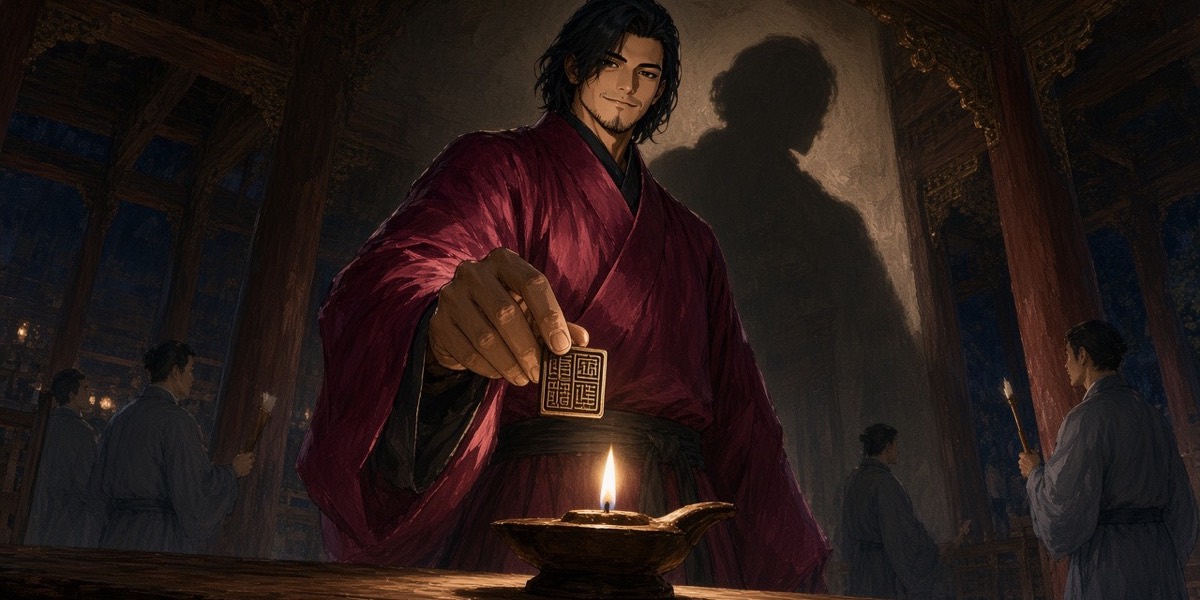
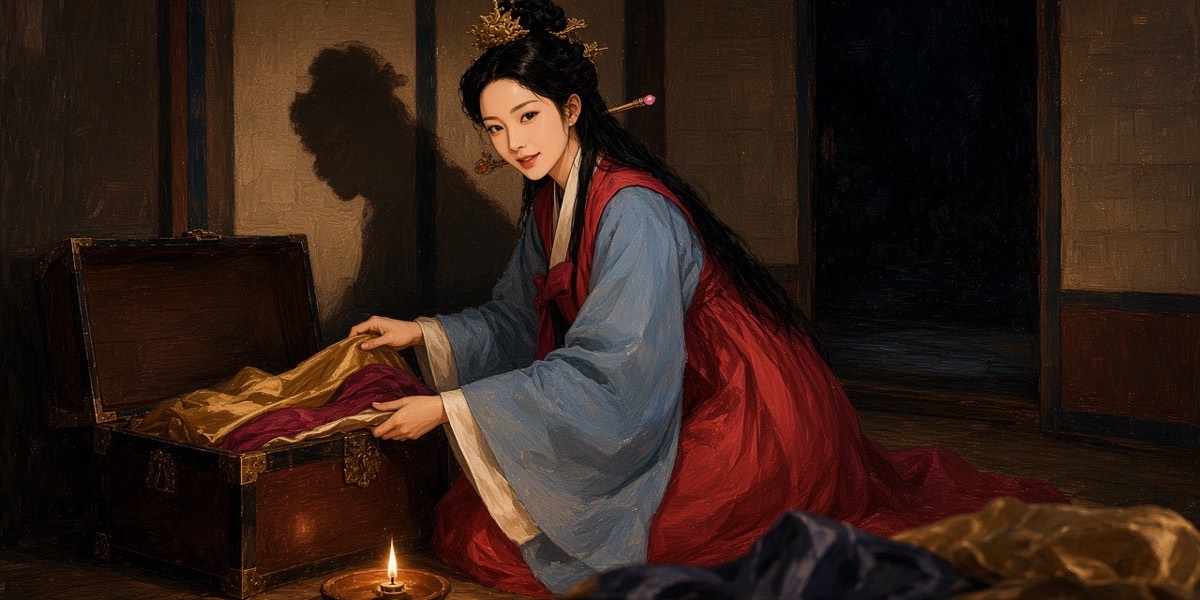
kicks open a chest by the wall. It came home from with him. Inside, folded in paper, are the Western official robes cut to measure: green, scarlet, and on top, one purple.
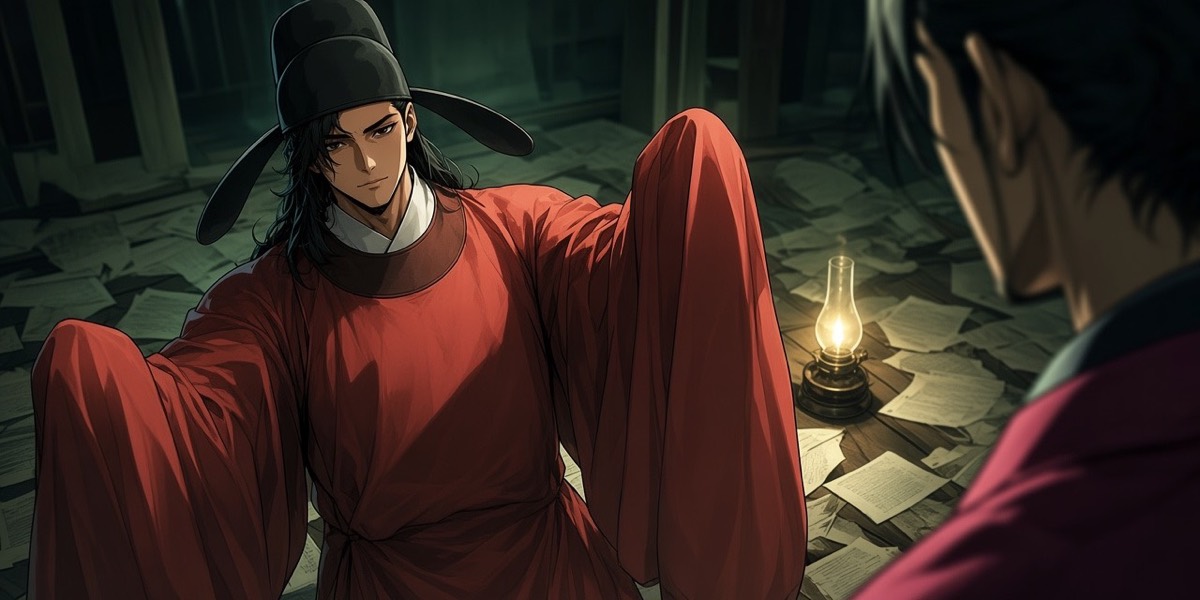
The sleeves are too long. stands in the middle of the papers with his arms out, like a scarecrow somebody has promoted.
Every court has a room like it. set up the to count rice: who is owed a stipend, which granary is short, how many sacks went to the hwarang. It sits at the back of the palace, near the latrines. The Council has never once asked what it does, because the answer is always rice.
writes down speed.
Much later that night, sleeps the sleep of the saved and the thankful. He is the only man in who does.
comes by the next evening and finds the study exactly as it was, which in that house counts as progress.
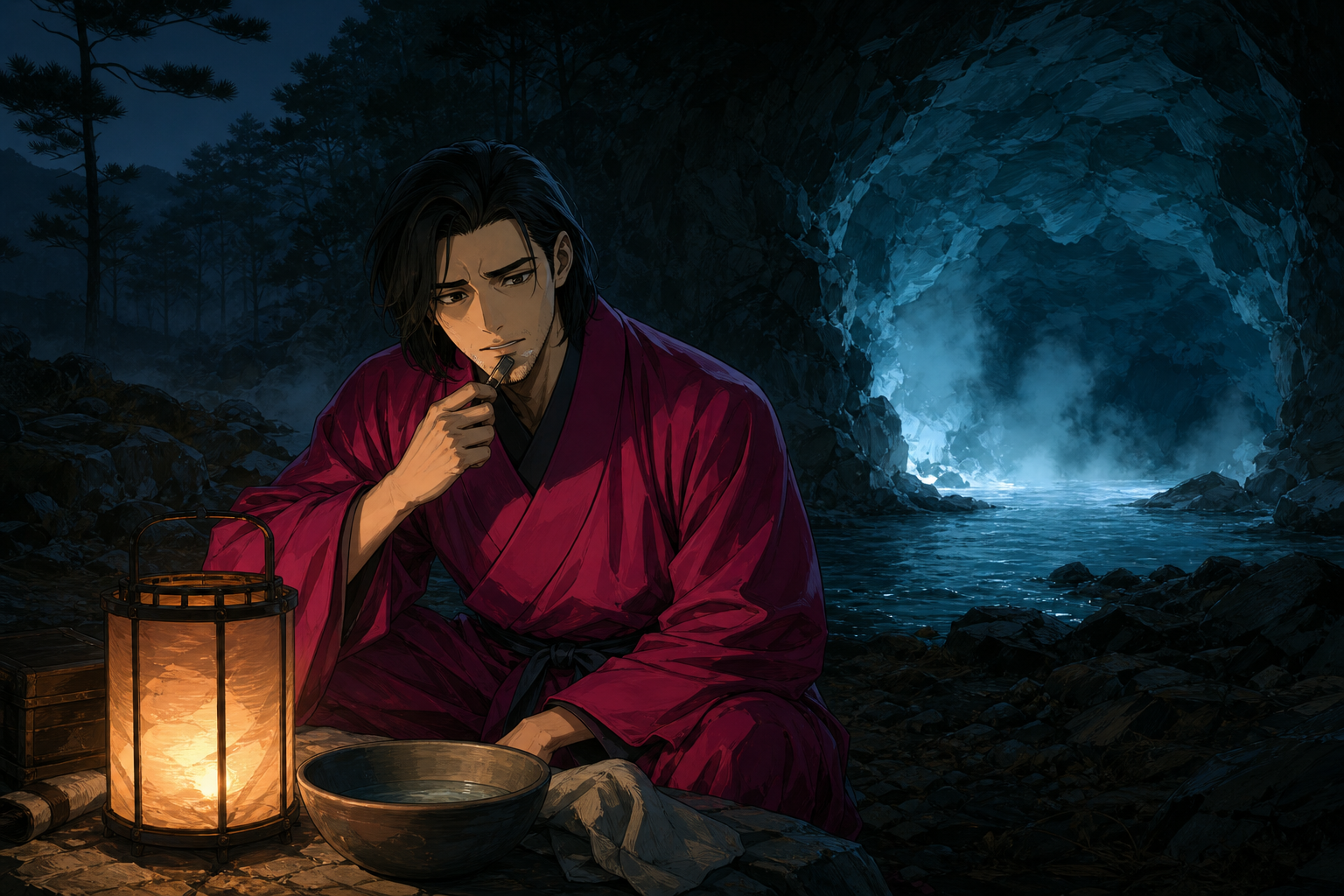
So the most elegant man in shaves by lantern at the mouth of a cave, a bronze mirror propped on a rock, complaining to it in couplets. holds the lantern and does not help.
Inside, he undresses the way he does everything, as if someone were going to write it down. Three women on the far rock watch him do it.
The steam stops moving. Their eyes go solid, green and cyan and ember, and the cave stops being polite.
He comes up the slope at first light with a nick under his jaw and his hair wet. is asleep against the horses. The most talkative man in stands there a while with nothing to say, and then wakes him anyway, because it’s cold and he wants to tell somebody.
For three months a border petition has been circling the like a bird that cannot find a roof. has counted the seals. He has counted the men who must touch a paper before a soldier may move. He has stopped counting aloud, because the room mistakes counting for patience.
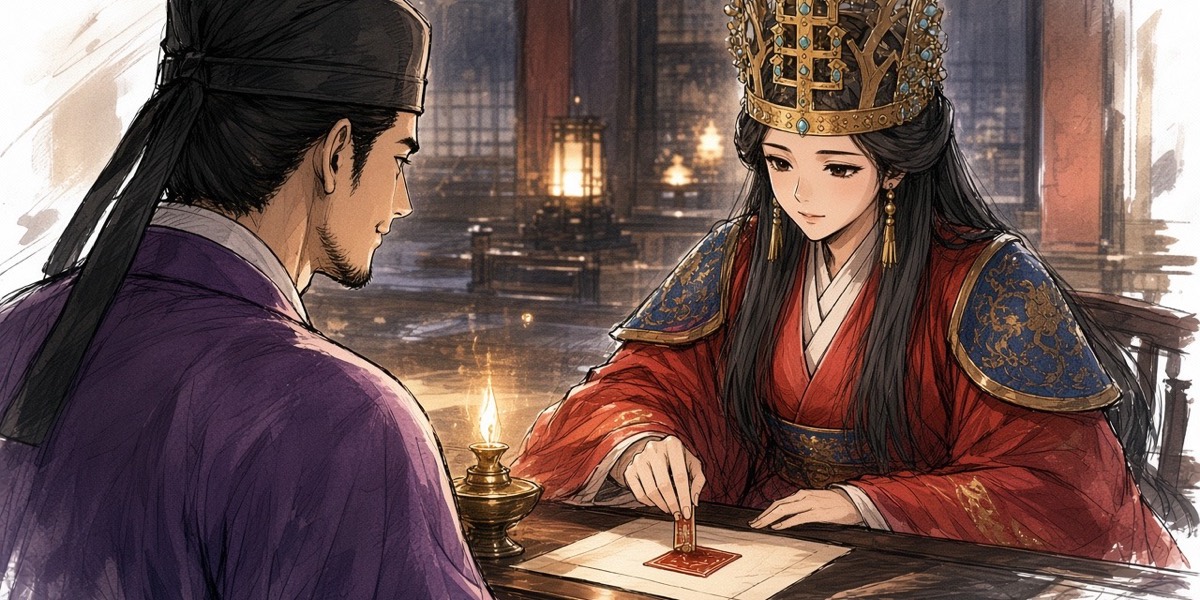
First he needs one small paper with ’s seal on it.
She signs it anyway. She has been signing things for him since the morning she was crowned, and she has noticed every one.
Then goes shopping for men. Not in the great houses. Great houses come with uncles.
He starts in his own new office. At the back of the , a clerk has kept the same books for eleven years. His bones are one grade too short for the Council, and he will die at this desk.
At a temple off the market road, a monk copies the Western sutras faster than . does the asking.
In the courier stables, a captain owns the only horse in that arrives before the rumour. does the smiling. Nobody says no. Nobody has ever asked them before.
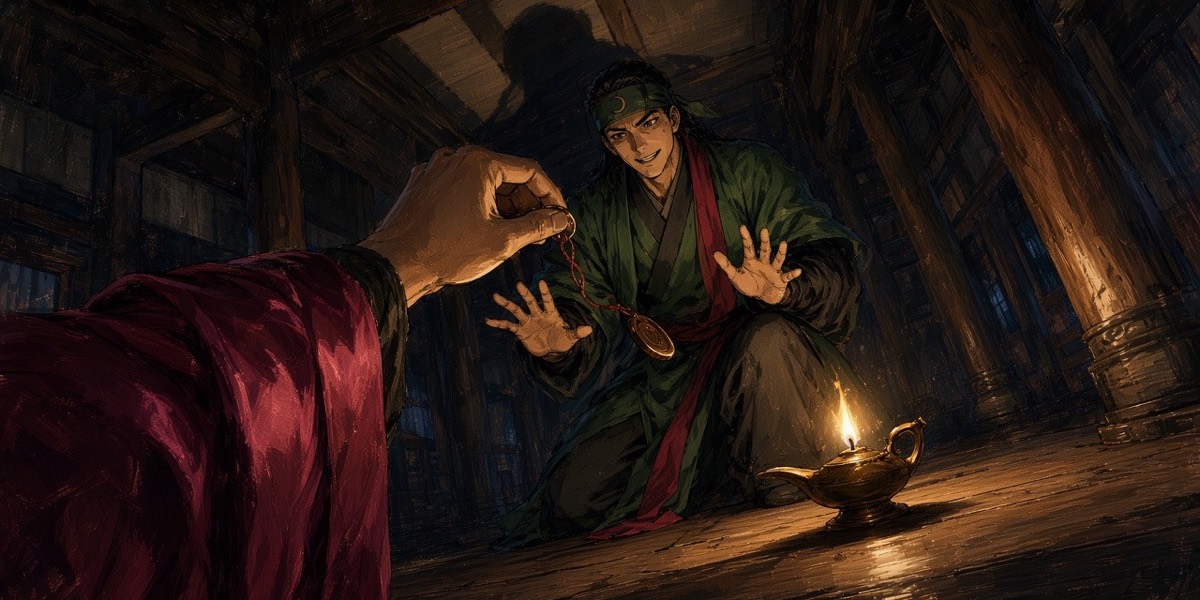
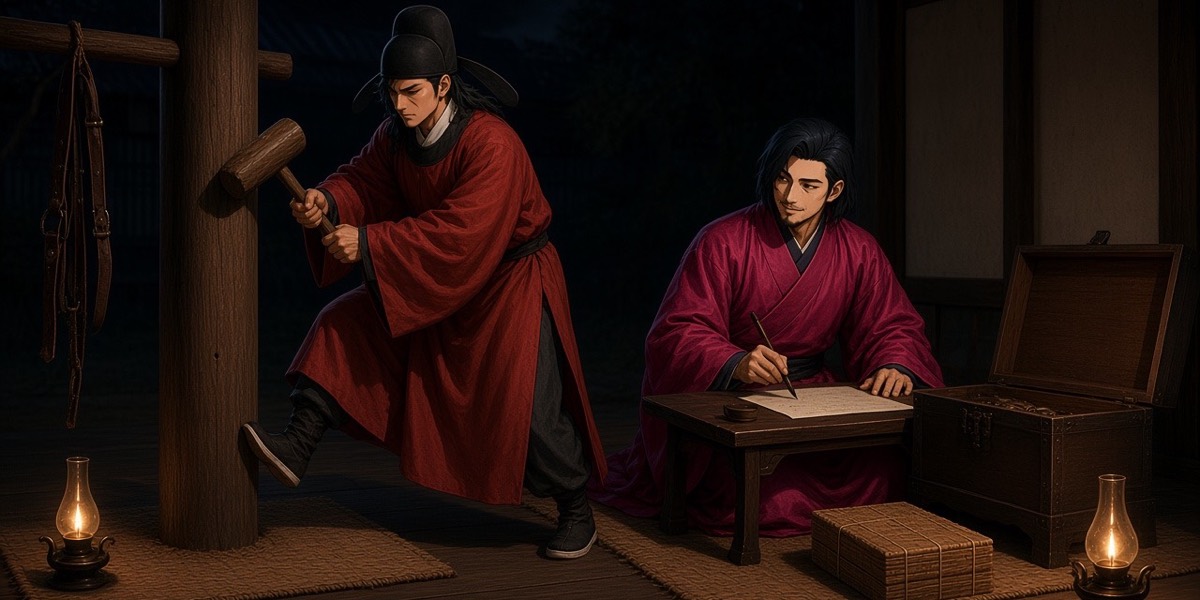
The is a room at the back of the palace, by the latrines, with one paper window and a floor that has been rice for so long it still smells of it. No shelves. does not keep paper on a wall. It keeps paper in a chest, and the chest on the floor, and a man on a mat in front of it.
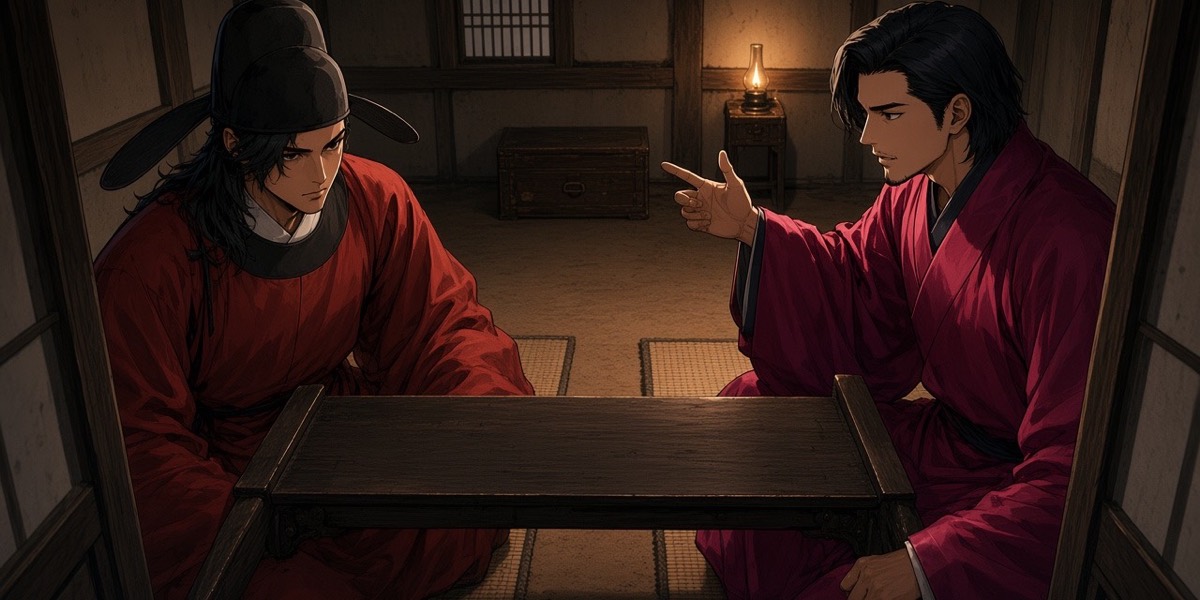
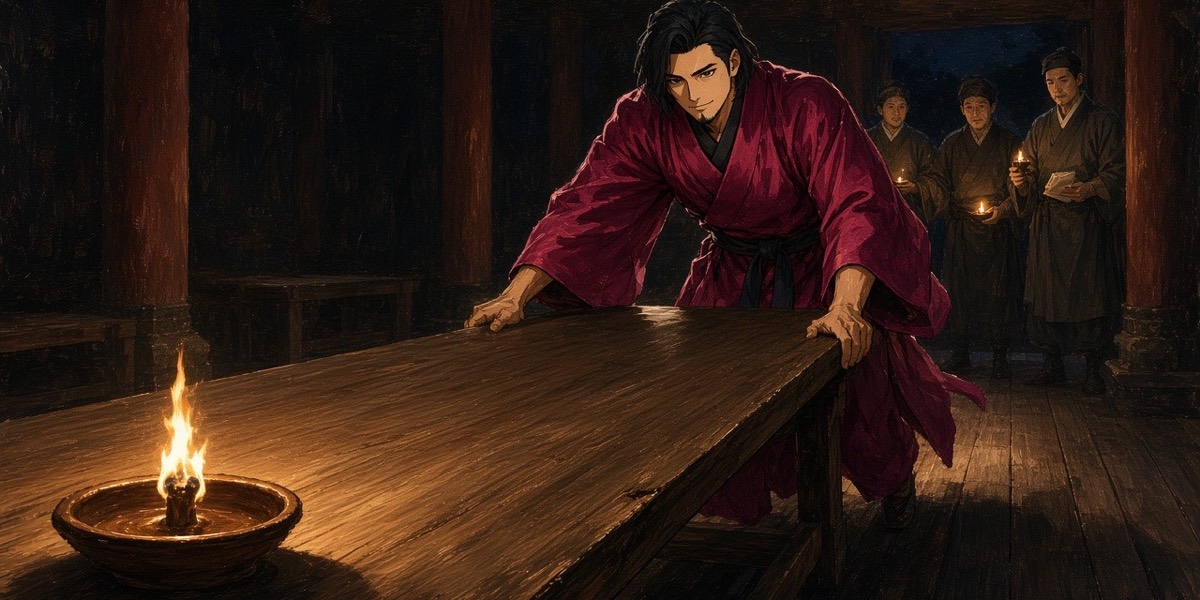
They carry the table in themselves. A low writing table, knee-high, the kind a clerk kneels at. has the front. has the back, and is already talking.
Then he starts sending the Council little bills. Nothing anyone would climb a sacred hill for.
Next month, couriers report to the , since it feeds their horses. Aye. The month after, every petition is copied there first, for the records. Aye. sleeps through the fourth bill and votes for it on waking.
Nobody adds them up. Adding up is the ’s job.
A second lamp, a second mat, a peg driven into the post for the courier’s bridle. measures the floor with his own foot and pretends he is not pleased. The chest by the door will not shut. They leave it open. That is the renovation.
Meanwhile the court has new clothes. Since New Year every official comes to work dressed like : a round-collared robe, a belt studded with plaques, a soft black cap with two stiff tails sticking out behind. The colours are still the old law’s, purple at the top and yellow at the bottom. Only the cut is . The uncles learn to turn sideways through doors.
By autumn the has outgrown its room. He clears a side hall in the palace next door, small enough that the old clans will call it irregular, large enough for the work. Three clerks. One courier captain. A table that has never held a feast. He practices the sentence the way other men practice a sword form.
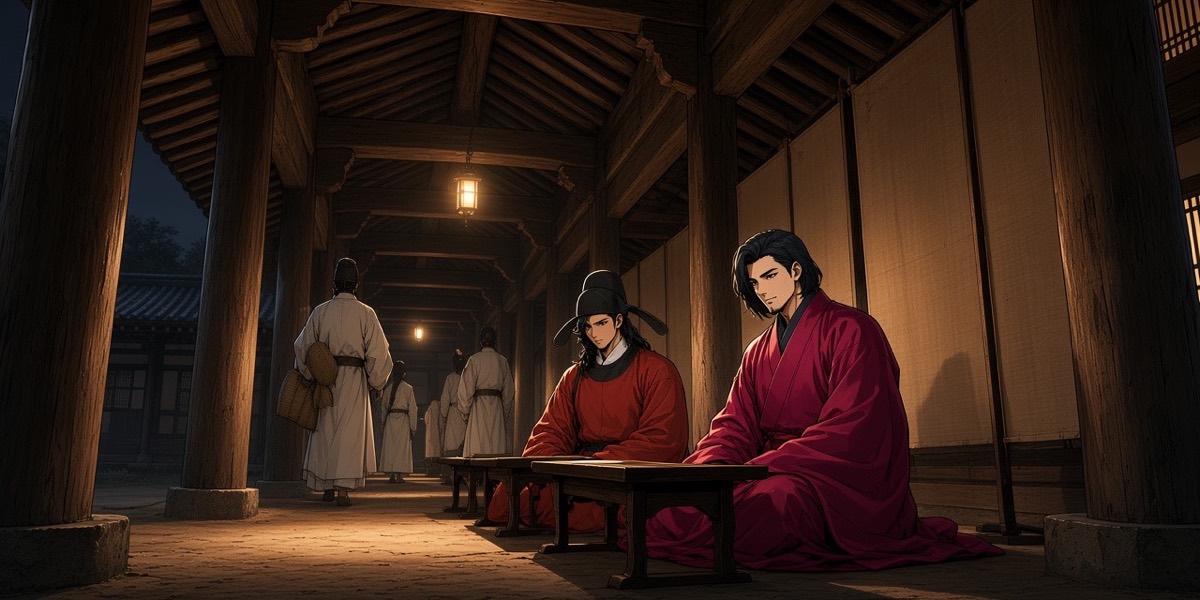
They carry the tables down the corridor themselves. Three low tables. Two chests. A folding screen ’s women were throwing out, plain hemp, no peonies. Clerks follow with the mats rolled under their arms, like men moving house, which is what this is.
Nobody laughs. The youngest clerk writes the name down as if the words had always been waiting for ink. The board over the door still says . Outside, the is still debating the same petition. Inside, the petition has somewhere to land.
The queen weaves the ode herself, at the loom she sits at when nobody is comparing. It takes her a season. When comes to collect it, she does not let go of the bolt at once.
sails west with it. The new emperor in admires it extravagantly. He also reads the letter rolled up inside, which asks for the cities back.
Great has opened its vast work; lofty, lofty, the imperial plan shines.
The spear is stilled and its might has settled all; letters are cultivated, heir to a hundred kings.
It rules as does and honours the falling rain; it orders all things and keeps their beauty within.
Its deep kindness keeps pace with sun and moon; its fortunes outrun the years of peace.
How bright, how bright the banners blaze; how loud, how loud the gongs and drums.
Outer tribes who defy its command are cut down by ’s punishment.
Pure custom settles on the seen and the unseen; near and far vie to offer good omens.
The four seasons turn in tune like a jade candle; the seven lights wheel over ten thousand lands.
The holy peaks send down ministers; the emperor trusts the loyal and good.
The Three and the Five are made one virtue: shine on, sovereign of our house!*
- * The emperor liked it. He made a Chief Minister of the Treasury and sent him home.
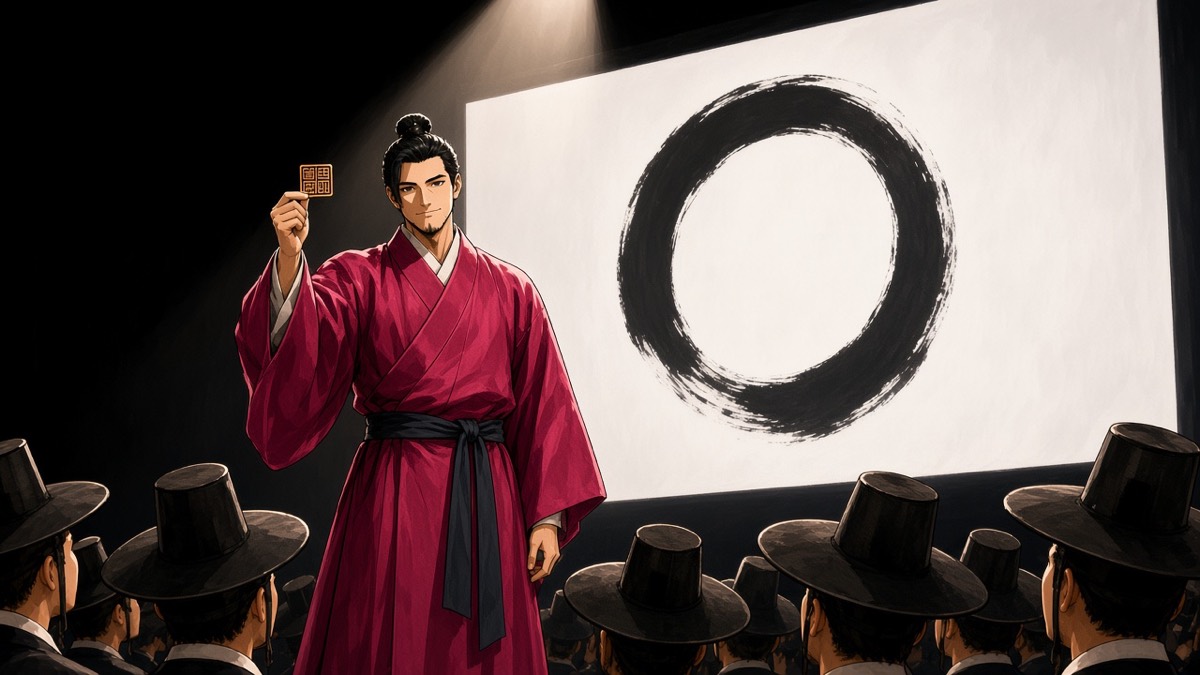
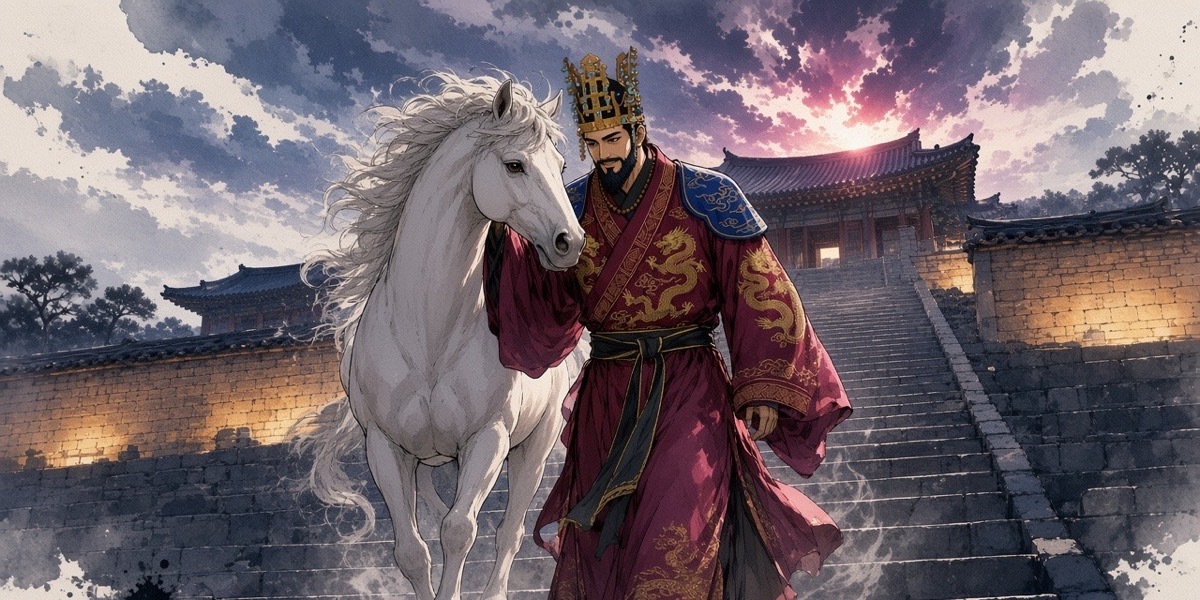
On the first dawn of the new year, the whole court bows to at once. never bothered with that before. Every with a post now carries an ivory tablet. He holds it like a man who has been handed a live fish.
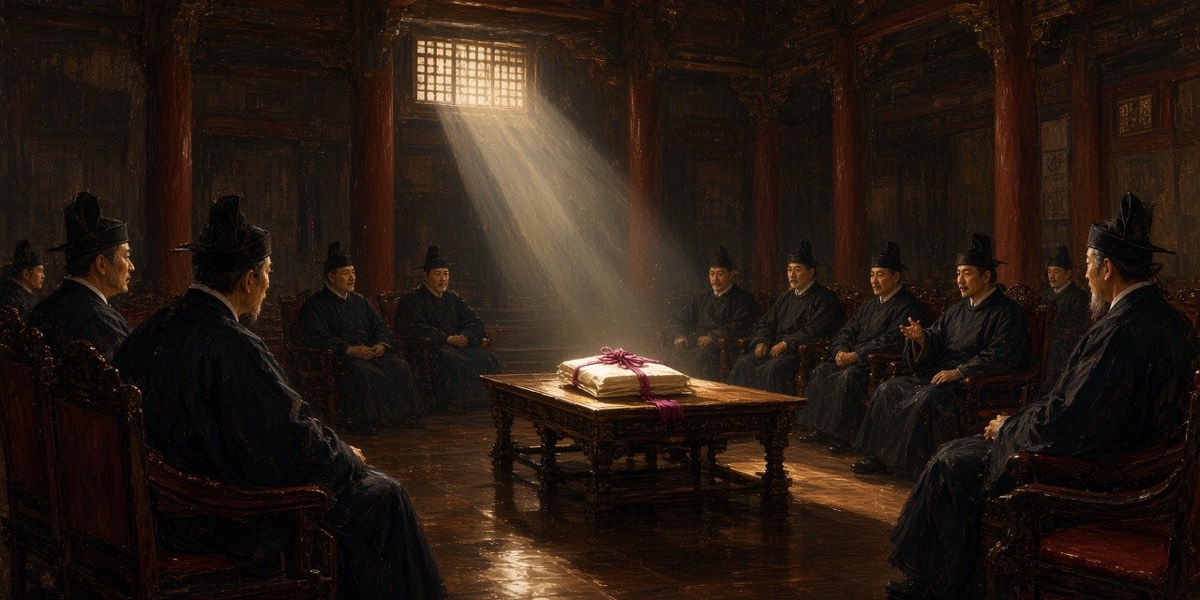
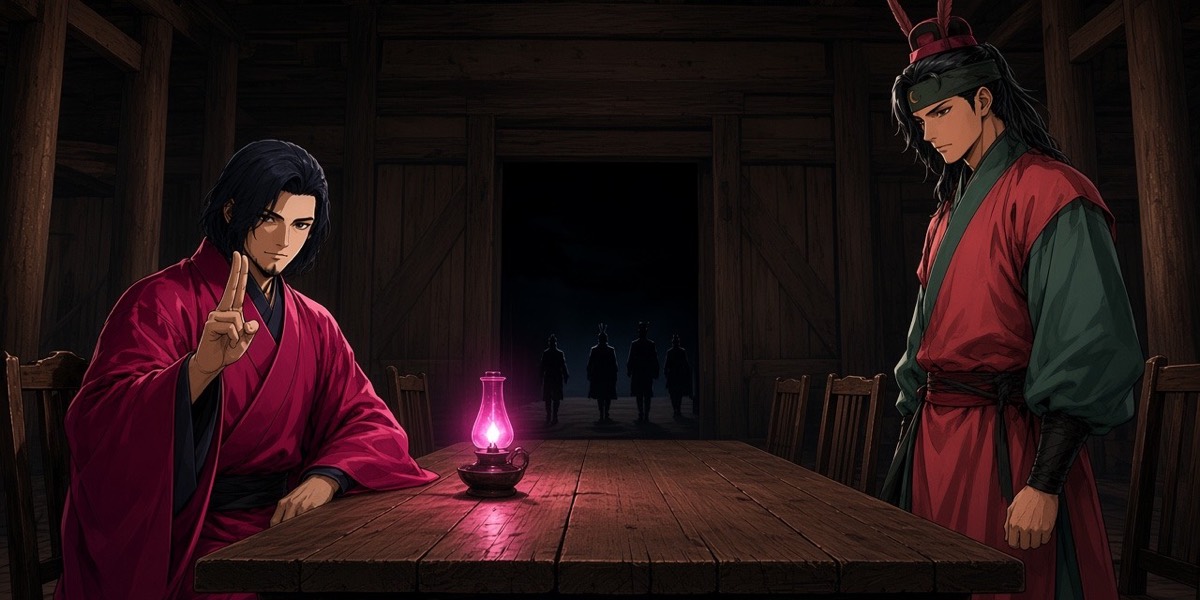
A month later, calls the . This is not how it is done. The queen calls the Council, and it meets on one of the four sacred hills, under open sky, so heaven can hear. is not a king. He calls it to a palace hall, with a clerk by the door.
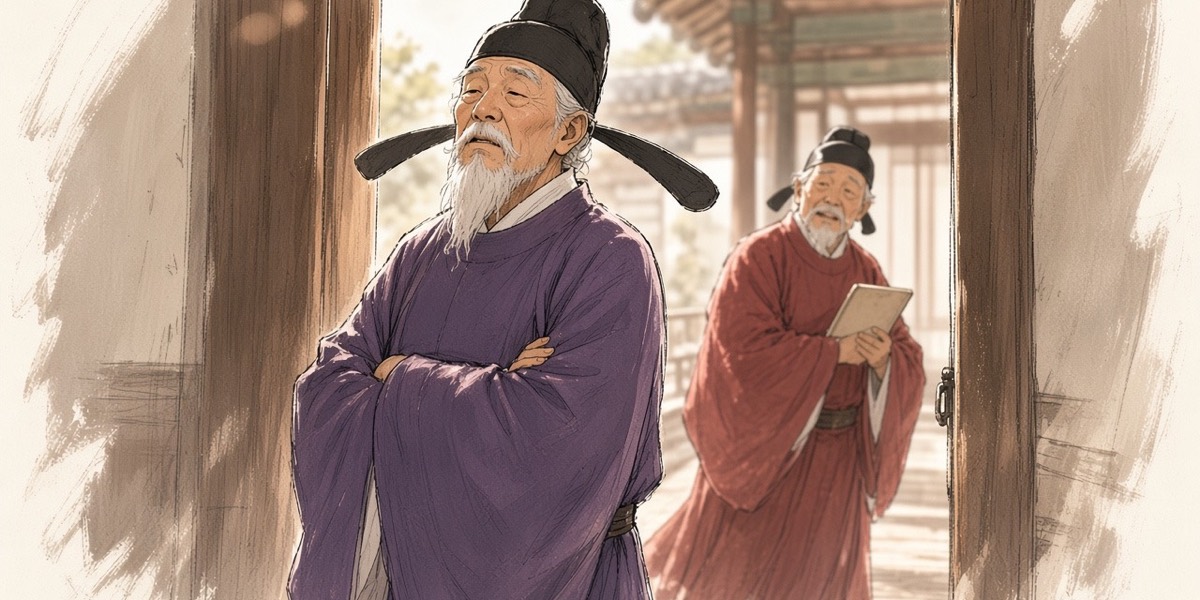
Four years ago, nobody would have come. Four years ago sat in the first chair. Now his friends are in exile or in the ground, and the old houses that are left have become very, very polite.
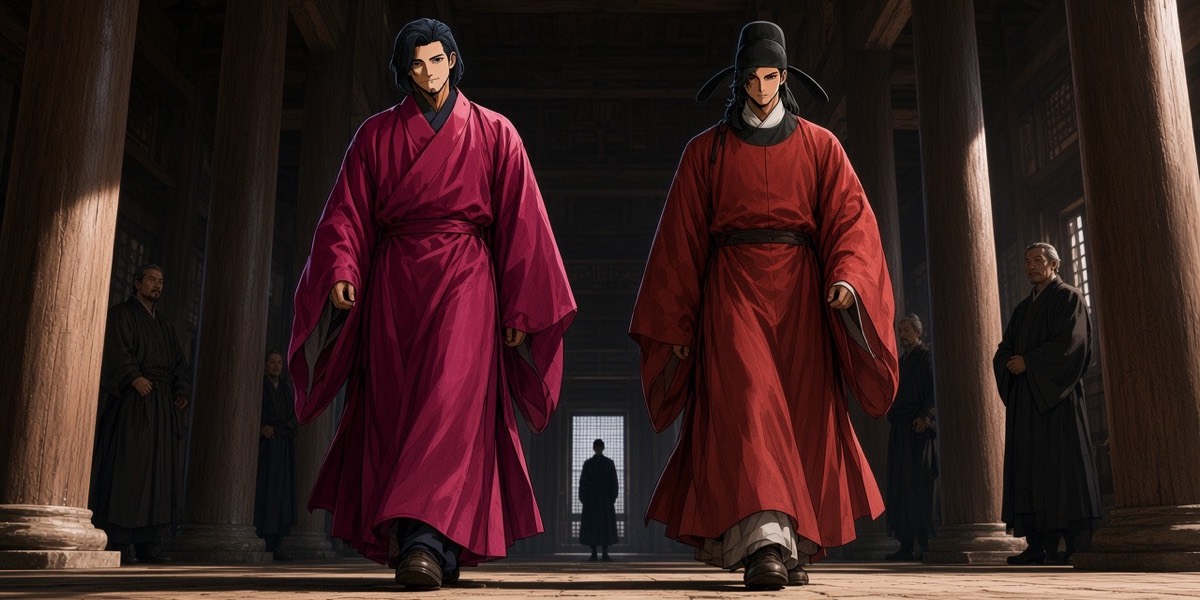
They walk the length of the hall. Magenta first. The Western robe half a step behind. The uncles have to turn. is not in this room. The clerk by the door is.
walks in wearing it. Several uncles scratch.
Far to the west, on the other side of the world, another council once went on meeting long after it mattered. It kept its benches. It kept its robes. It kept voting, and the man who emptied it was careful never to call himself king. Nobody in this hall has heard of him. They would have recognised him at once.
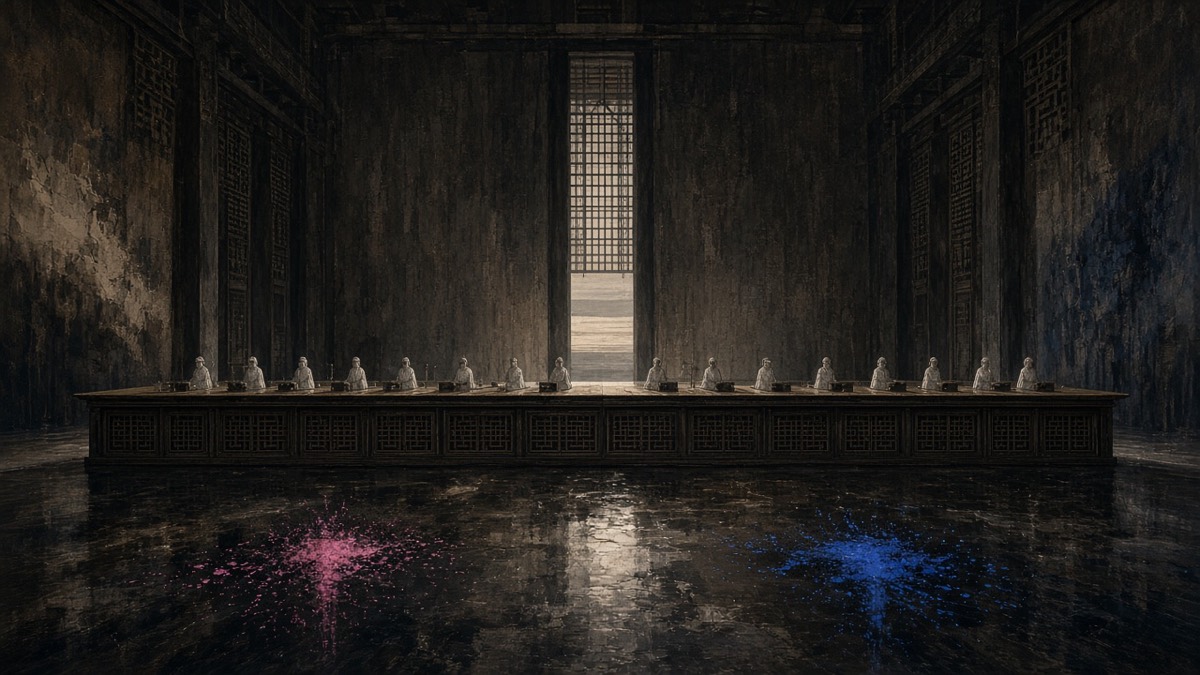
The has not had a secret in eighty years. It is about to have all of them.
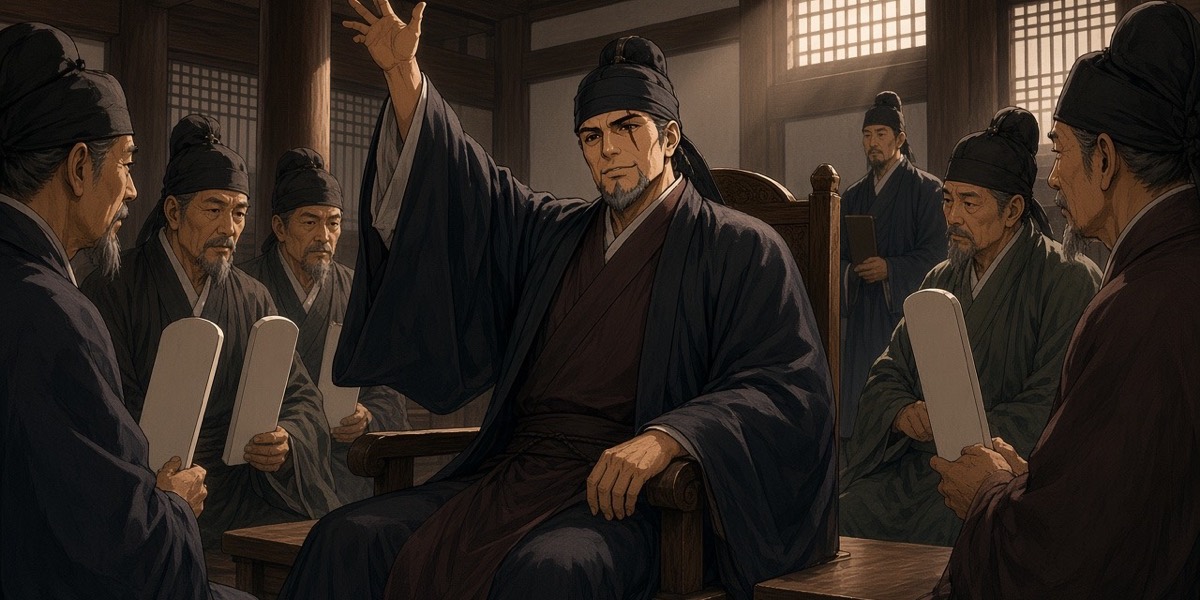
Every head turns to the first chair. has sat in it for four years. It came to him because at Radiance he raised neither blade nor banner, and when it was over he was the only senior man nobody had to forgive. It has taken him four years, this hall and the clerk by the door to work out why nobody had to.
Then he raises his sleeve, first, before anyone can watch him decide.
Five more sleeves follow. Nobody is the last one up, which is the only courtesy the old houses have left to give each other.
Six sleeves, the High Councillor’s first. The Council votes, unanimously, to need itself a little less.
Three weeks later, comes to the side hall himself, with a border petition under his arm. He has been meaning to debate it.
He leaves the petition on the table anyway, sealed, like a man returning a borrowed bowl.
On his way out he bows to . Not deeply. But first.
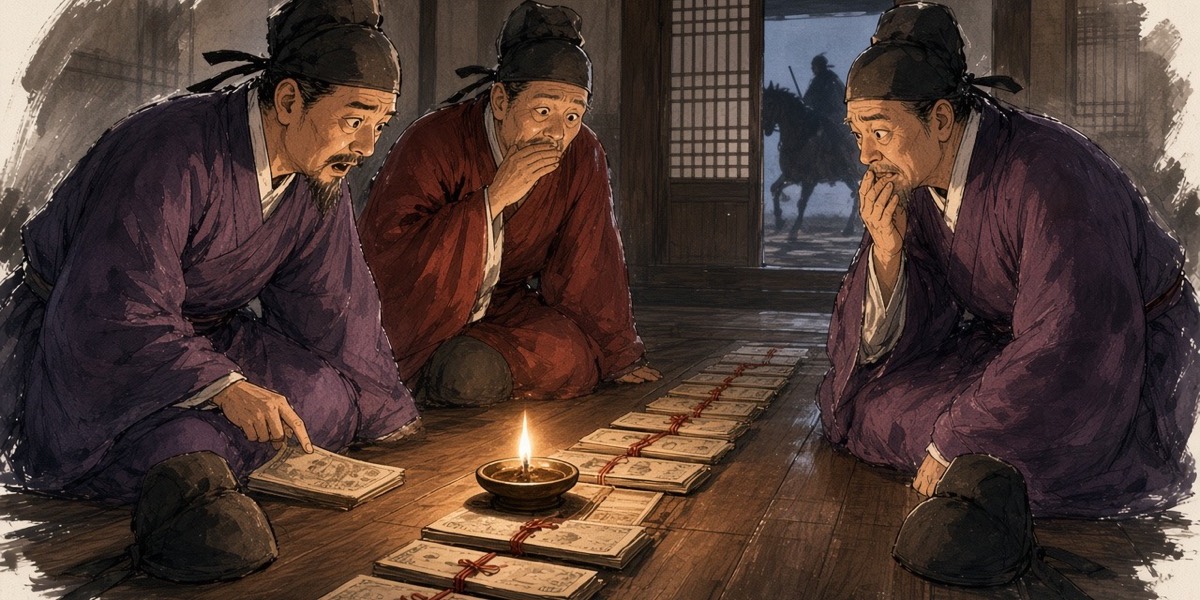
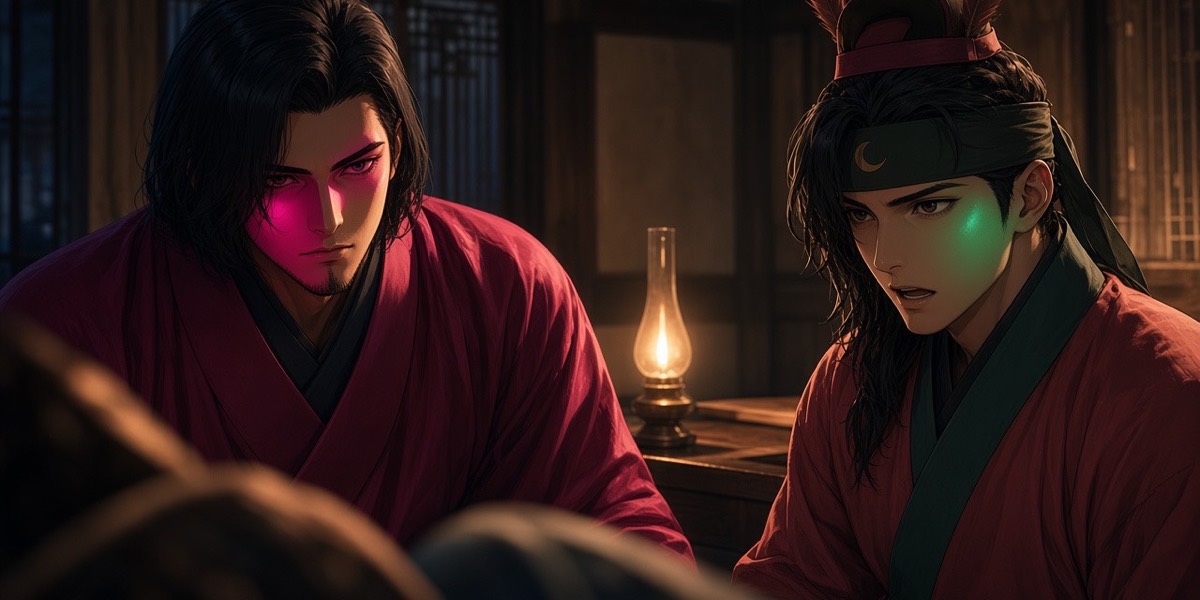
That night three councillors sit up in ’s house with one lamp and every bill they have passed in two years. They lay them out on the floor in order. It takes a while.
Nobody says ’s name. leaves by the back gate. In the lane, a courier’s horse goes by at a walk. It is probably nothing. It is probably rice.
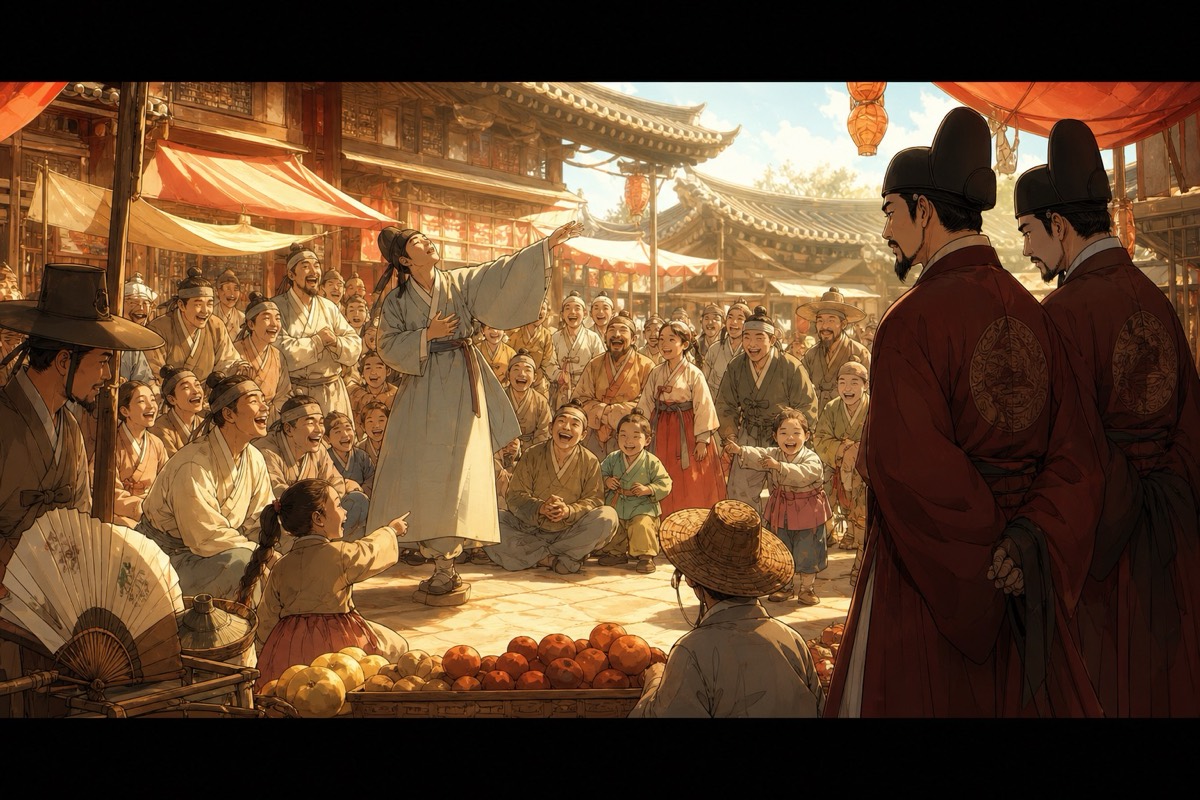
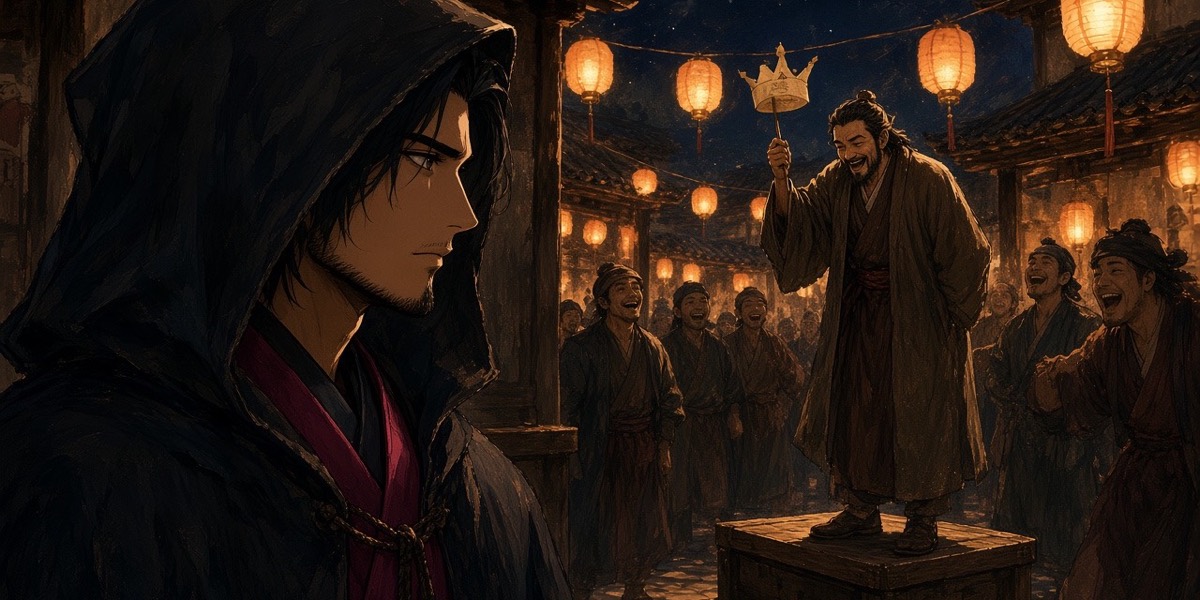
In Market a storyteller has a new joke, and it is doing well.
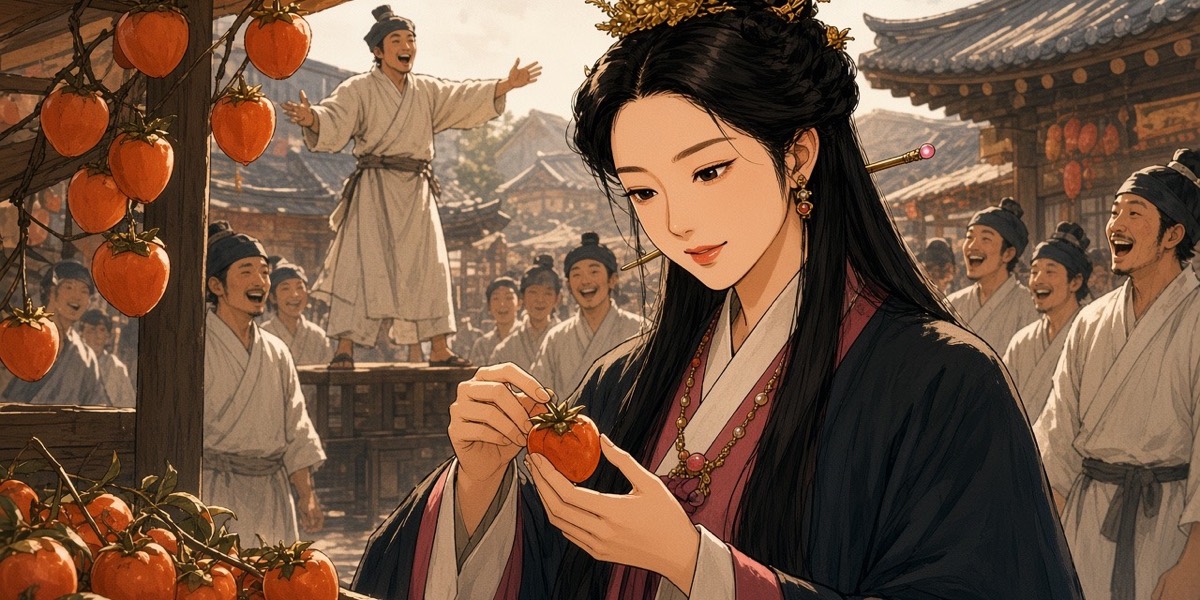
At the next stall a woman in a good cloak is buying dried persimmons. She takes a long time choosing.
He does not go on. The crowd laughs at him, which was not the joke.
pays for the persimmons and goes home to pack a different set of bags.
Back in the palace, two uncles corner in a corridor, the way uncles do.
waits for the joke. There isn’t one. He goes off down the corridor to tell somebody, and halfway there he works out that there wasn’t meant to be.
That summer a tribute ship puts in at the Eastern harbour, its envoys dressed in the new robes. The Eastern court takes one look at them and sends them home.
The Eastern emperor does not fill the sea. His successors will remember the idea.
The emperor’s answer goes to first, because it is addressed to . reads it aloud to the whole hall. He reads everything aloud, insults especially.
In , reads the copy that came home with . He reads the battle line twice.
writes it down. Then, for the first time since he put on the purple, he crosses something out.
The next bill is not about rice.
Nobody asks what that means. The clerk by the door stops writing, remembers that he is supposed to, and starts again.
His voice never rises. That is the part the room remembers afterwards. ’s sleeve goes up first, shaking, and thanks him so warmly that two men further down the table look at their hands.
Then the count. , who is very old, gets up to say something, sways, and sits down hard on the floor. The whole table half rises.
They carry him out. The count is unanimous, because the one man who might have said no is lying in the corridor with a wet cloth on his face.
If you are keeping score for , and you should be, mark one for him here. He said a man was coming who would take the sacred hills away one sack at a time. He never said the man would be smiling the whole way through.
finds him in the side hall long after the lamps should be out. He has the oldest box in the archive open on the table: Council minutes, the paper gone the colour of weak tea.
writes down speed. Then he looks at the brown minutes, and at one name his master has circled in red, again and again, until the brush went through the paper. It is not a councillor’s name. It is a name from a children’s story. He decides not to ask.
They take the partition out of the side hall. Two rooms become one. The chests go along the new wall, and the courier pegs get a whole post of their own. walks the length of it once, counting, and does not smile.
By the next spring is on a roll, and the court can tell the way you can tell a river is up: by what floats past.
A law office, so that judgments are written down before they are given instead of after. A ship office, because asked. A rites office, which nobody asked for, because somebody has to decide which way everyone bows. Every one of them reports to the side hall. The board over its door finally says . had it painted himself.
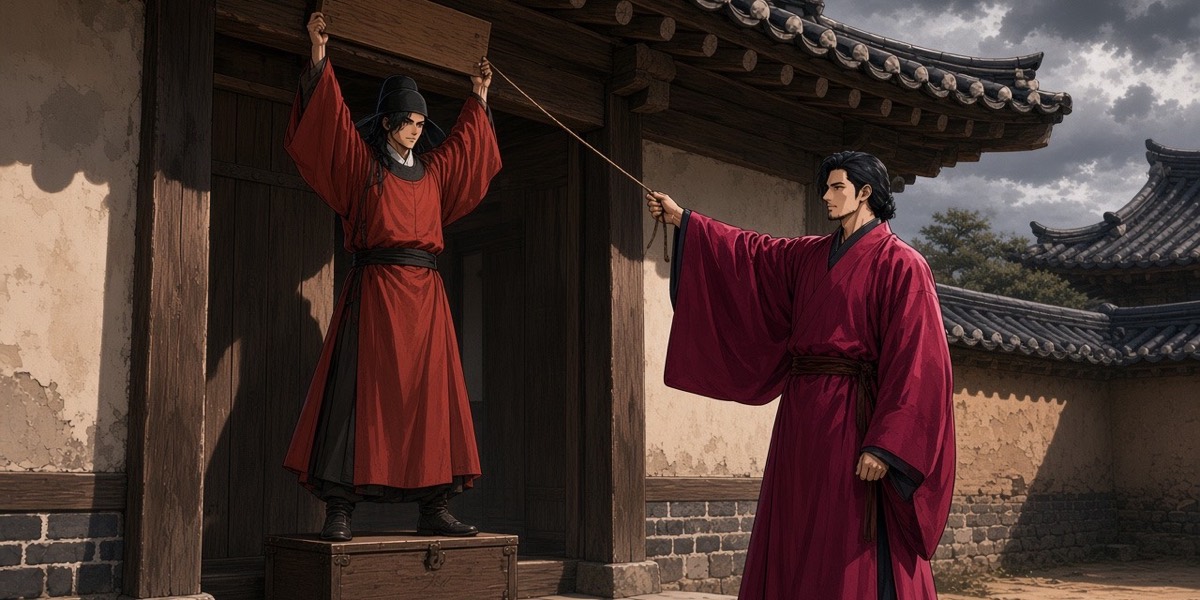
They hang the board themselves. A plain wooden plaque, no gold, the kind a temple hangs over a kitchen. stands on a chest. holds the cord. Neither of them looks at the letters until the last knot is tied.
meets to choose the next king. The queen is still alive, upstairs, coughing. But for the first time since there was a council, there is no left to come after her.
So the room does what rooms do with an empty chair. It offers it to the oldest man present. is . He has been waiting seven years for this, so that he can refuse it.
laughs the last hand up. Then everyone looks at the one man in the room who has spent his life sitting anywhere but that chair.
He does not stay to be congratulated. He walks back to the side hall, sits down, and picks up the rites office where he left it.
He is halfway through a sentence about tide tables when a courier comes in without knocking. Nobody comes into the side hall without knocking. That was the first rule.
puts the brush down. He puts it down very carefully, on its rest, the way his father taught him. Then he is out of the door, and the sentence about tide tables is never finished.
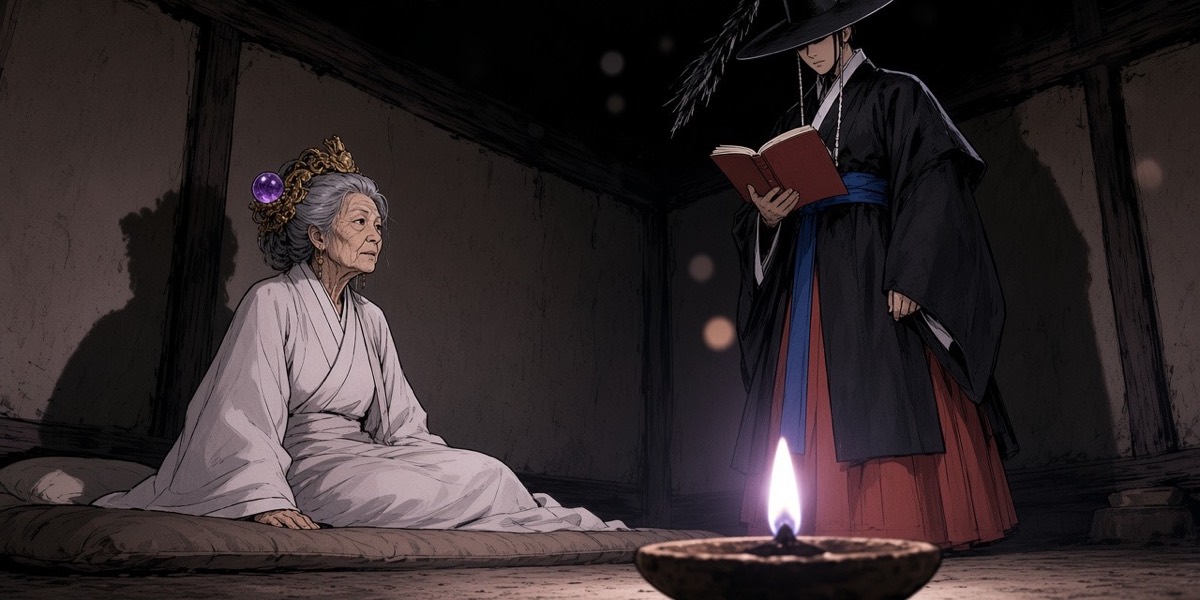
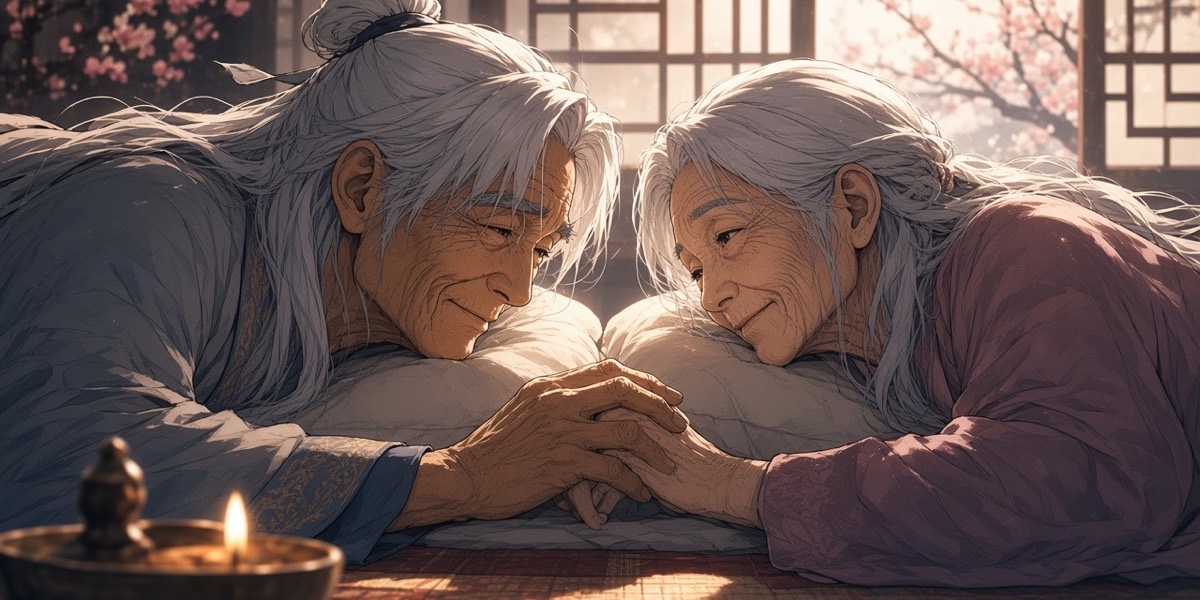
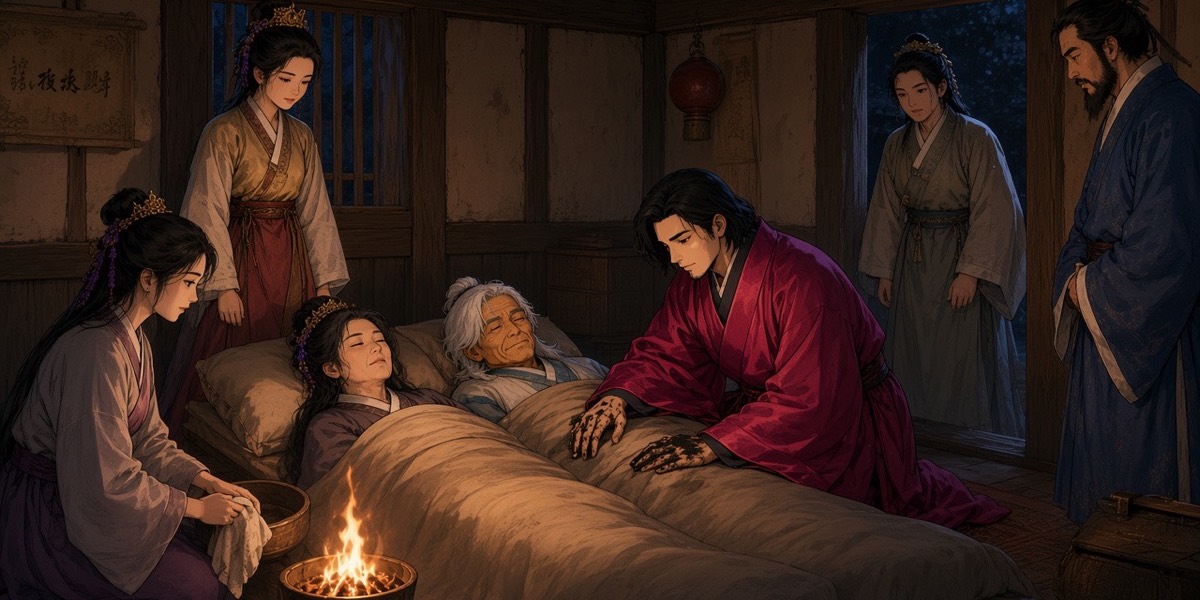
is seventy-four. is sixty-eight. They have shared a bed for fifty-one years, and now they are dying in it, side by side, on the same night, which is very like them.
Their son kneels at the foot of the bed. is fifty. He has come straight from the side hall with ink on his fingers, and he hasn’t noticed.
The whole house is in the room. The queen stands by the window without her tablet. wrings a cloth into a basin she brought from home. fills the door until his grandmother looks at him, and then he comes in. has not sat down. He will not sit down.
He talks most of the night anyway, about nothing: the plum by the stream, a horse he had at twenty, the price of rice in a year nobody else remembers. lets him. He learned late that his father’s nonsense always had a floor under it.
Late. The queen sits on the mat. folds the cloth smaller than it needs to be. has come in from the door. is still standing.
Near dawn she reaches across the blanket without looking and finds his hand. Fifty-one years, and she has never once had to look for it.
Then both of them look past their son to the corner of the room, and their faces change. turns. There is nobody there. There is somebody there.
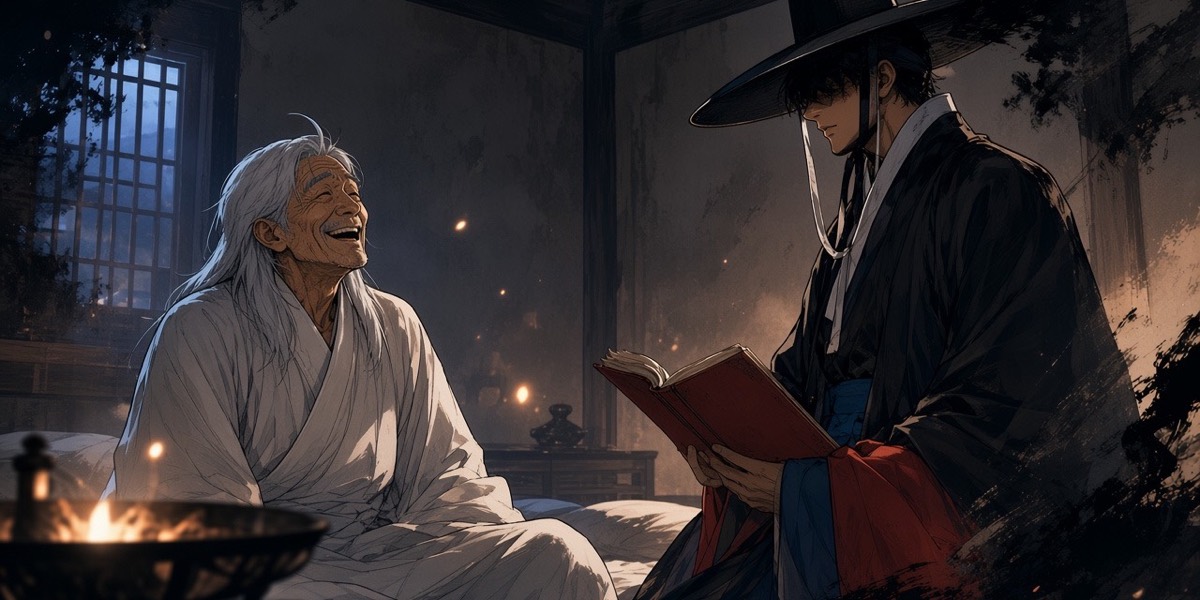
A man in a wide black gat stands by the brazier with a red ledger under his arm. He reads one name, three times. . . .
He reads the line under the name twice, as though it had been written by someone with a sense of humour.
The old man laughs, a beat late.
On the other side of the bed a second man has come in without using the door. carries no ledger and asks nobody anything but the one thing. He reads her name three times. . . .
They turn on the pillow to face each other. Fifty-one years, and they still look at each other the way two people look at a bridge they built in the dark.
does not see the men in the gats take them. He sees them stop on the same breath, still looking.
Who is ? To answer, we have to go back seventy-seven years, to a prince with a cup in his hand…!
