










Chapter 46
Seung
AI Summary
- The Shrine Hall The first thing they break is a god.
- DAY 2 Of course he comes.
- DAY 3 Arrows trade across the open ground between the camps.
- The Steam Cavern This is the first time the cavern goddesses meet Bupmin.
- DAY 4 Seven days of grain.
- Chunchu’s Rooms
- DAY 5 Fifth night — the pavilion again.
- Characters
Episode· 647
Seung
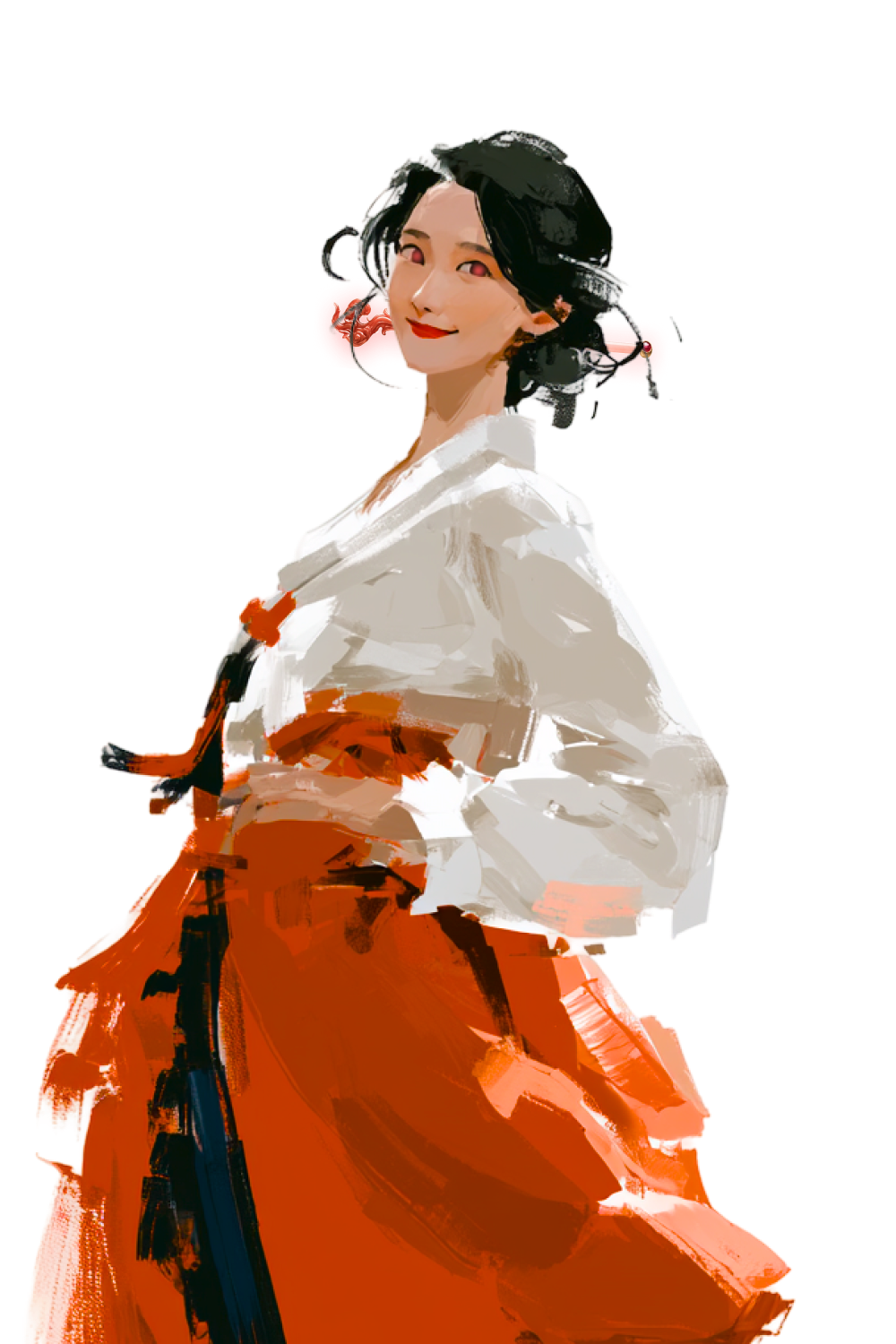
Five nights of tea between the camps, and a score still tied. On the fifth, Bidam asks the one question Yushin has never answered in Surabol.
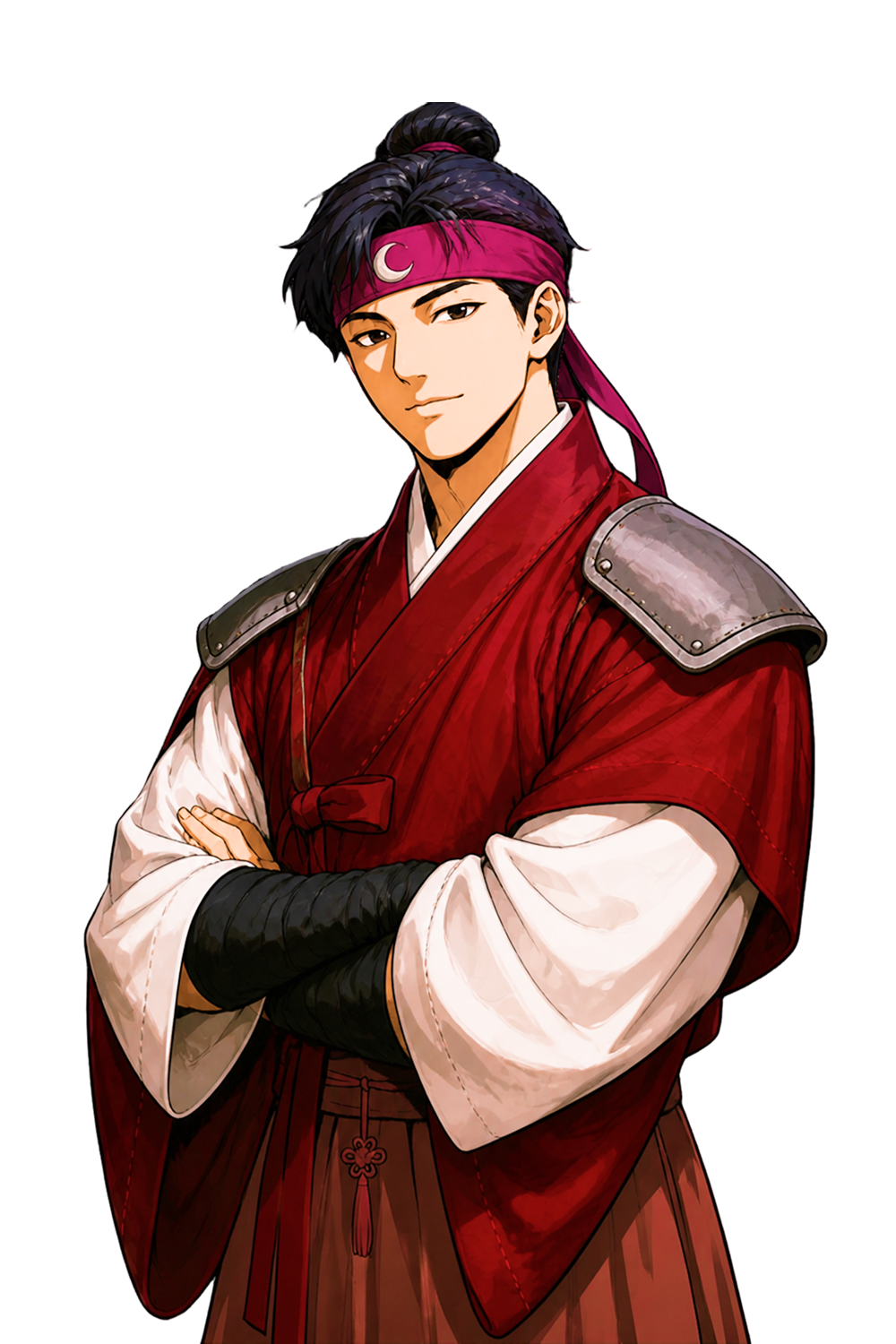
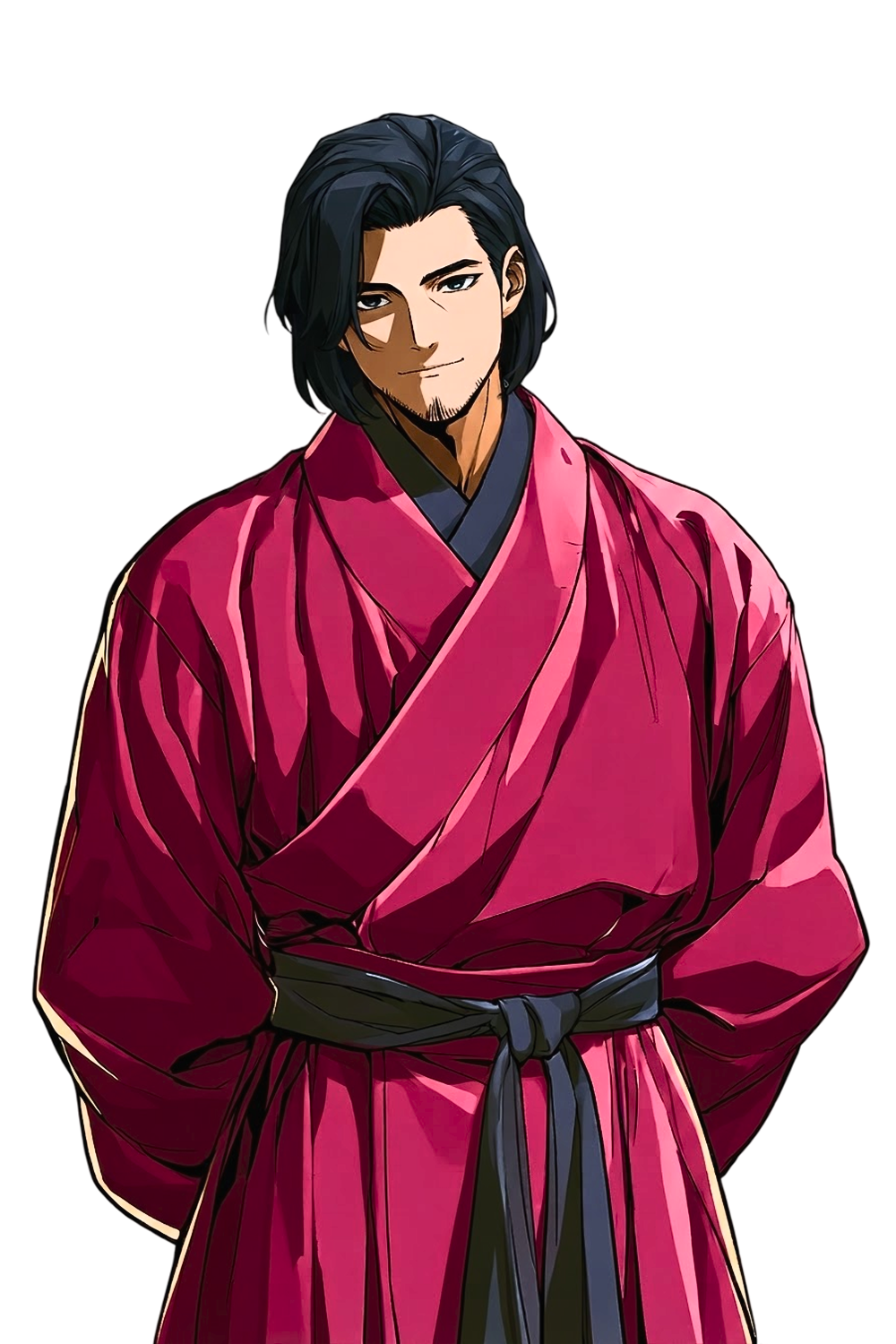
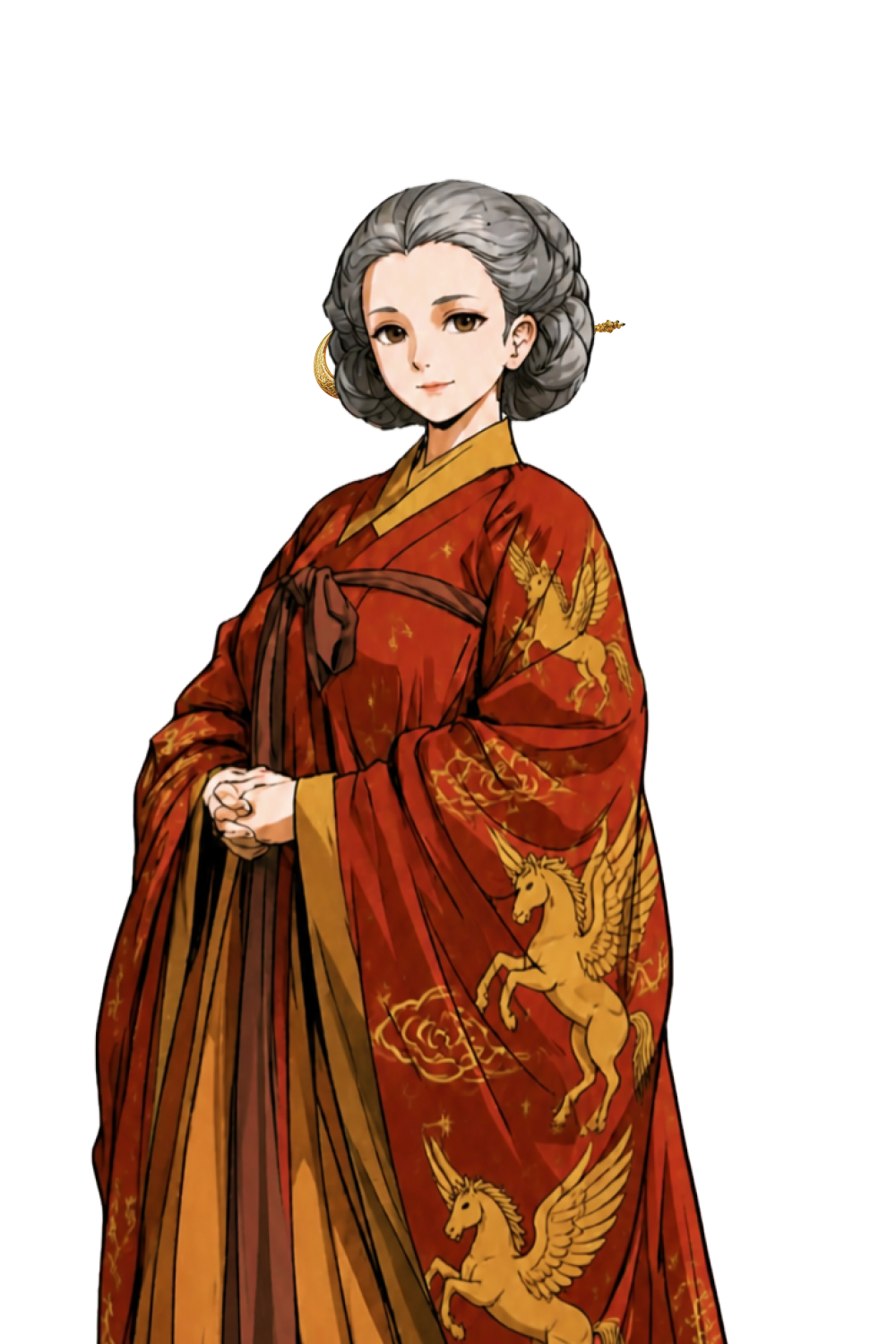
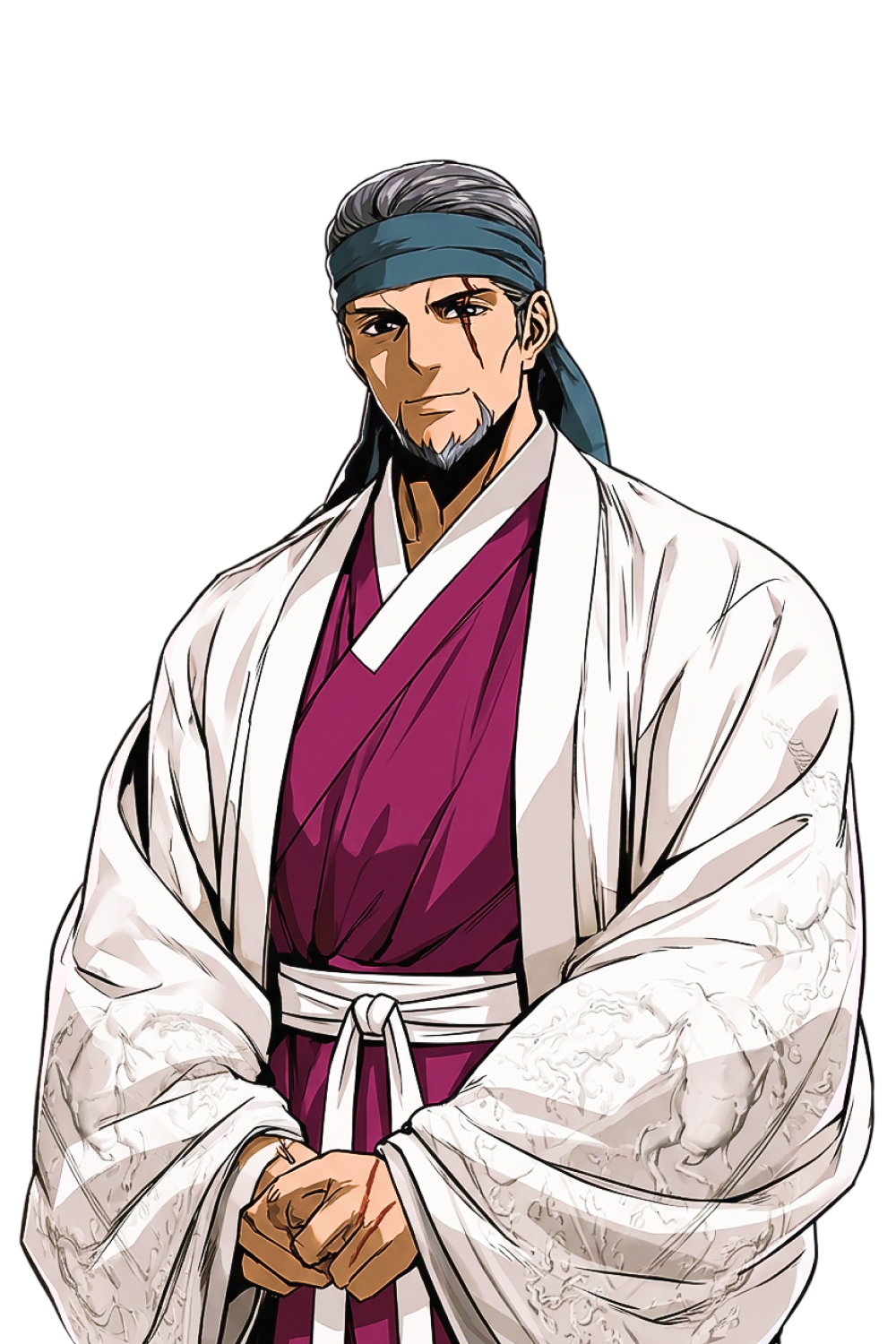
- Bidam
- Kim Yushin
- Bupmin
- Kim Chunchu
- Queen Sunduk
- Alchun
- Golhwa
- Hyullé
- Narim
4 stills without a cue
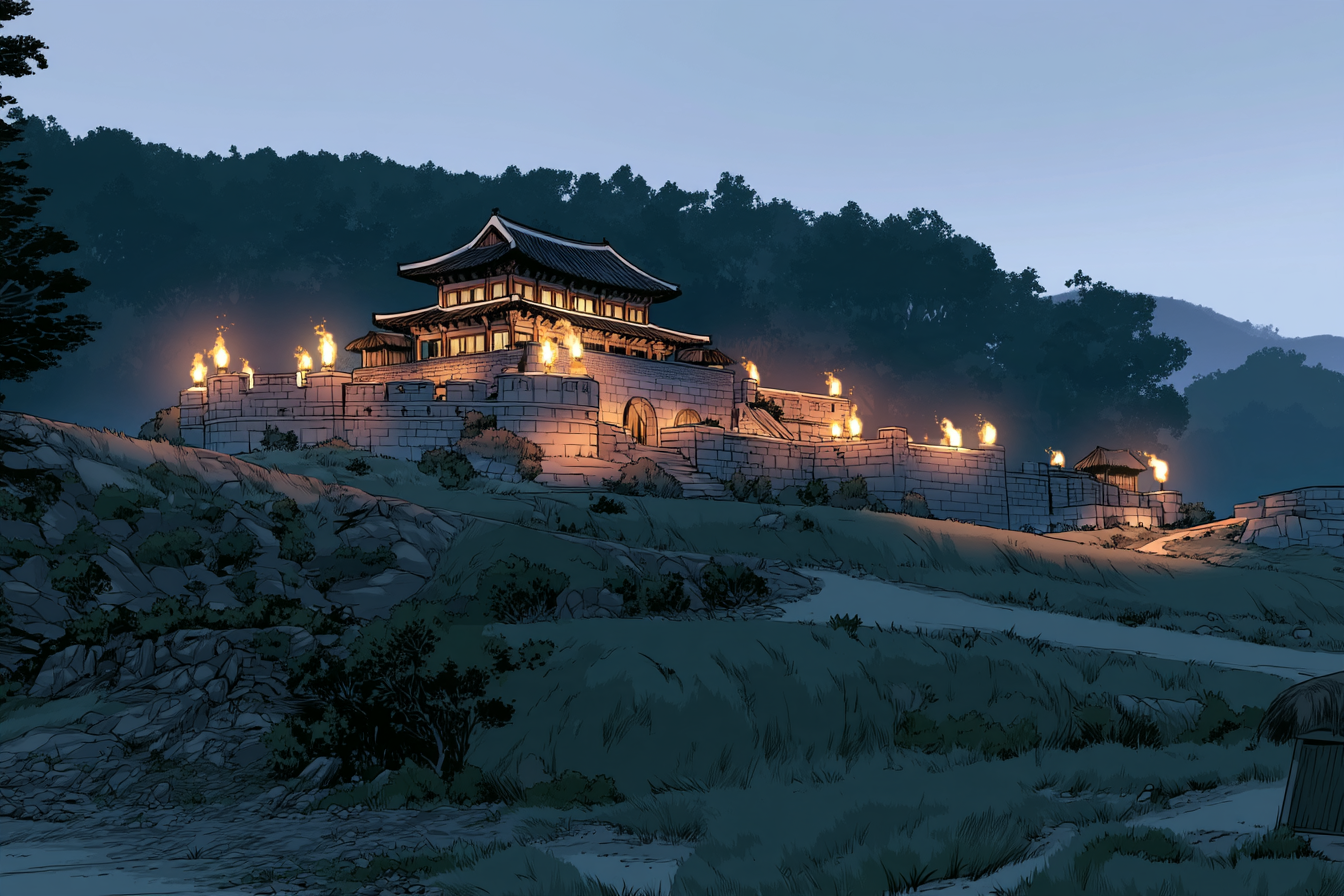
The first thing they break is a god.
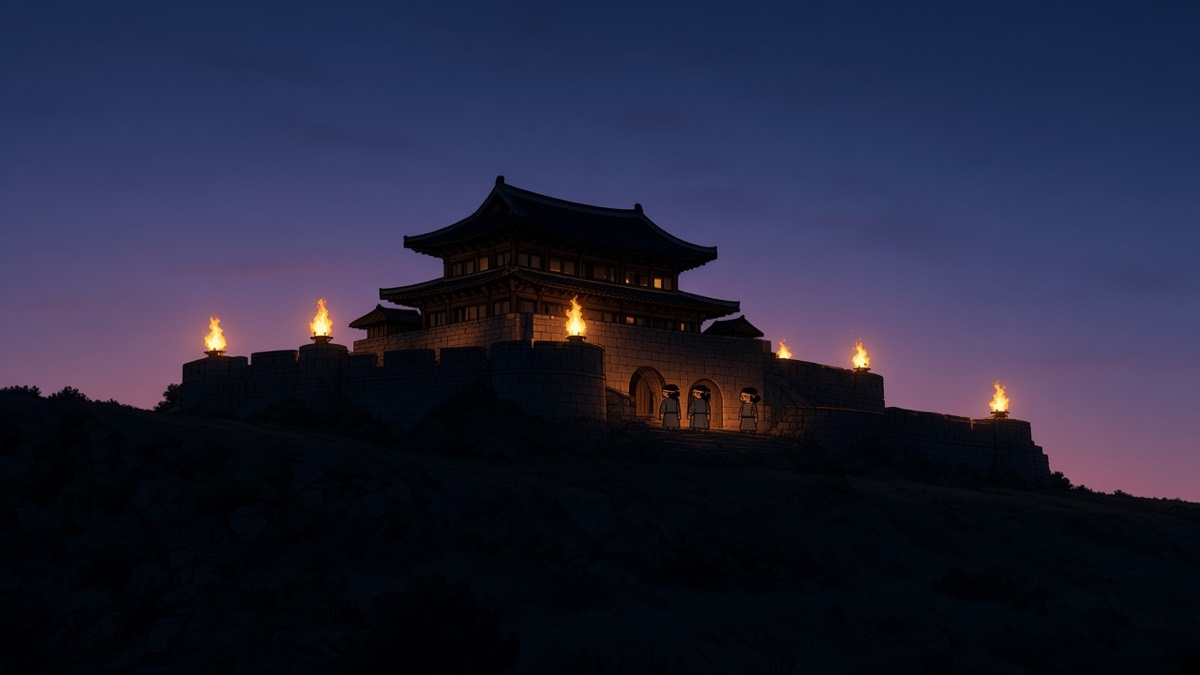
They take the hill after dark. The gate opens from the inside. You know that part.
The men go through the shrine first. That’s where the rice is.
Someone has already kicked the incense over.

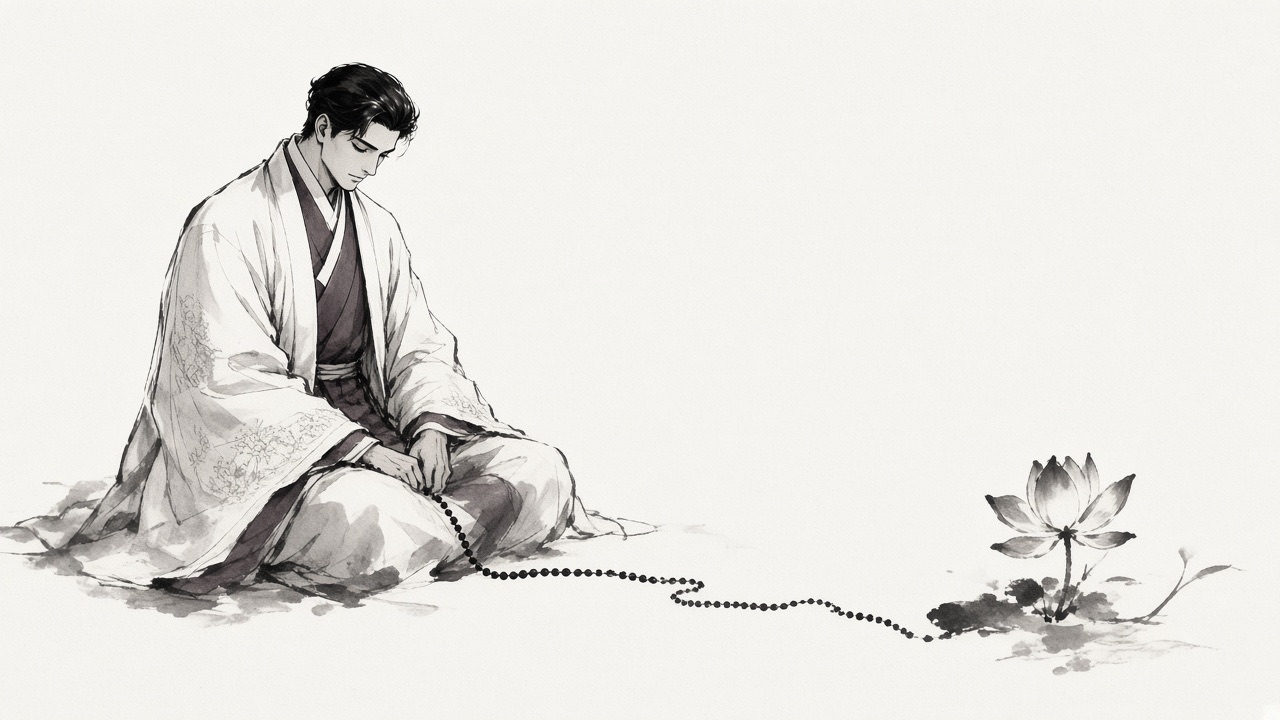
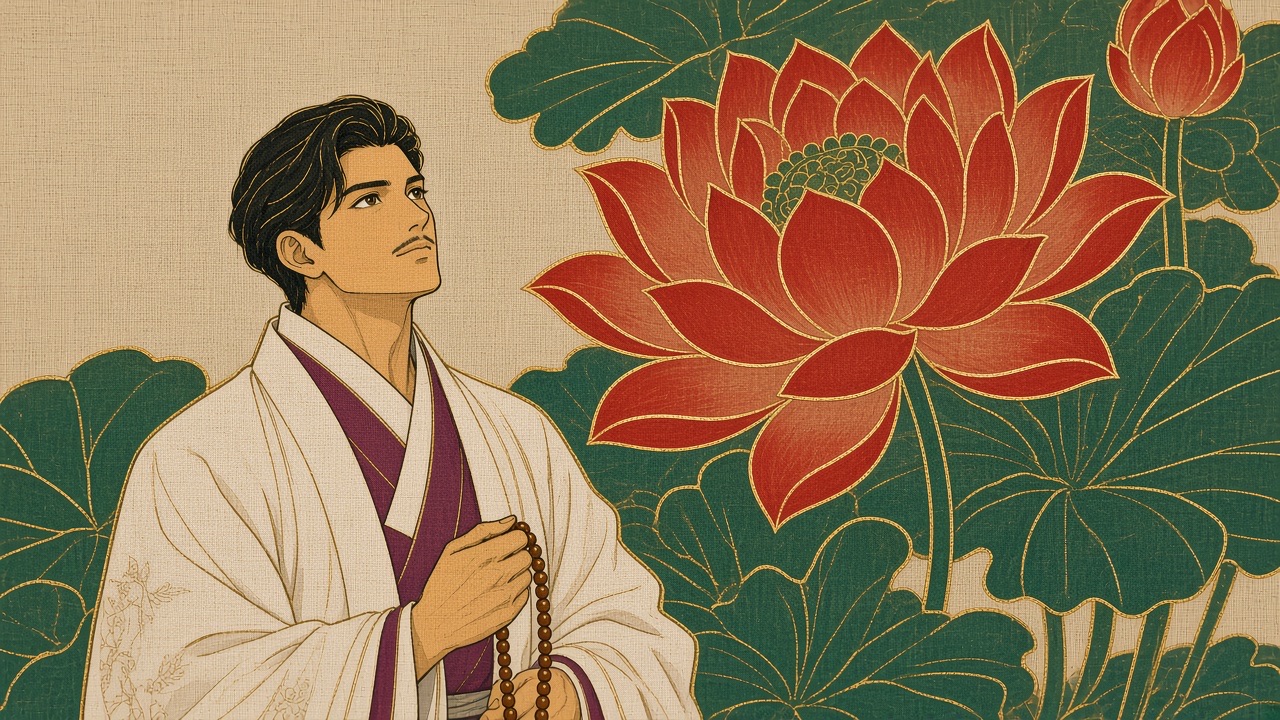
He takes the Maitreya at the shoulder. The pensive one. Ankle on one knee. Two fingers at the cheek. The smile that never answers.
The blade goes through the neck. The head rings on the boards.
is in the yard when he hears bronze. He does not run. He walks.
He looks at the head on the floor. The smile is still there.
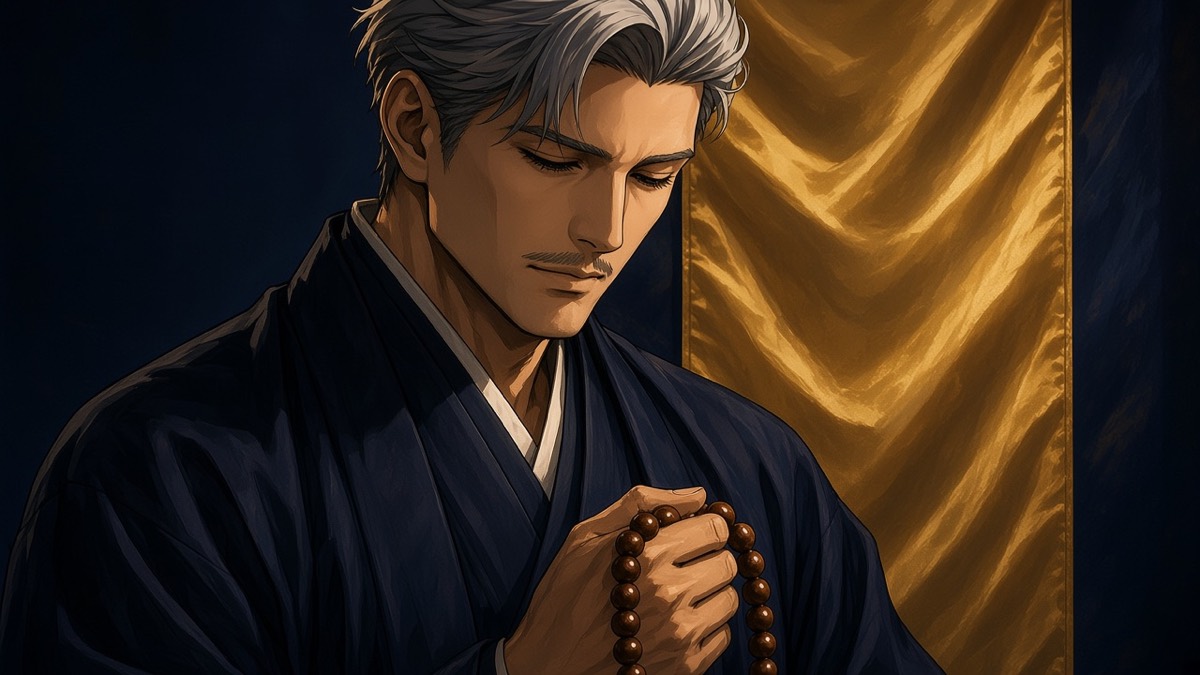
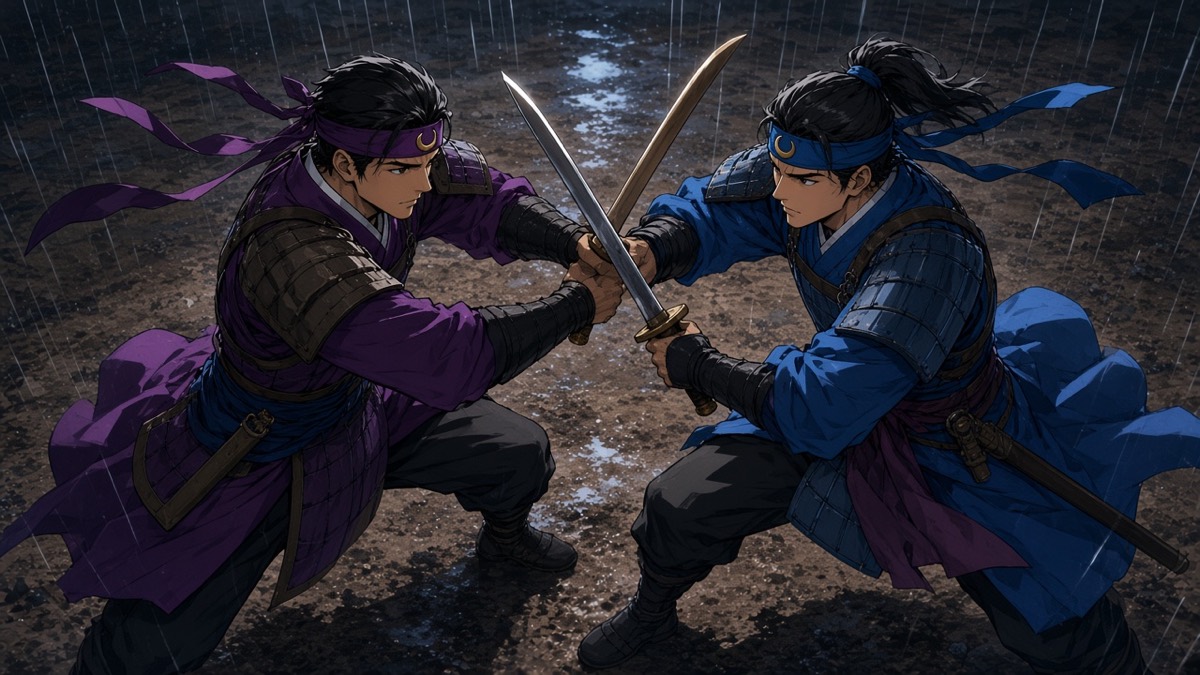
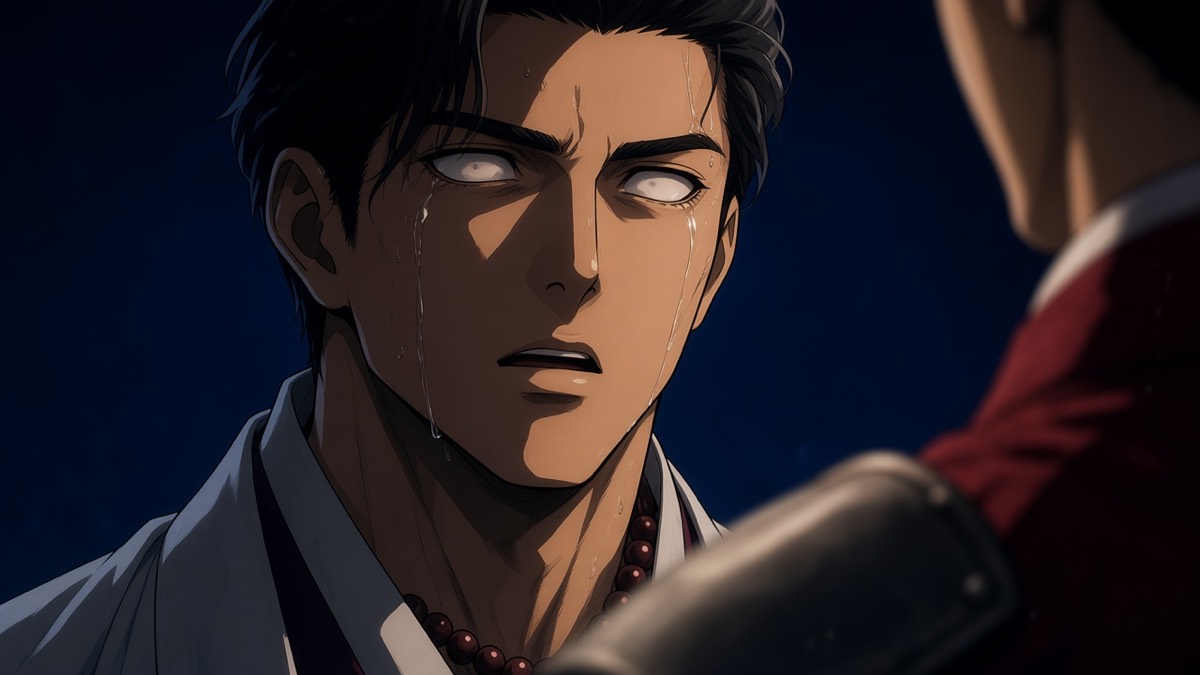
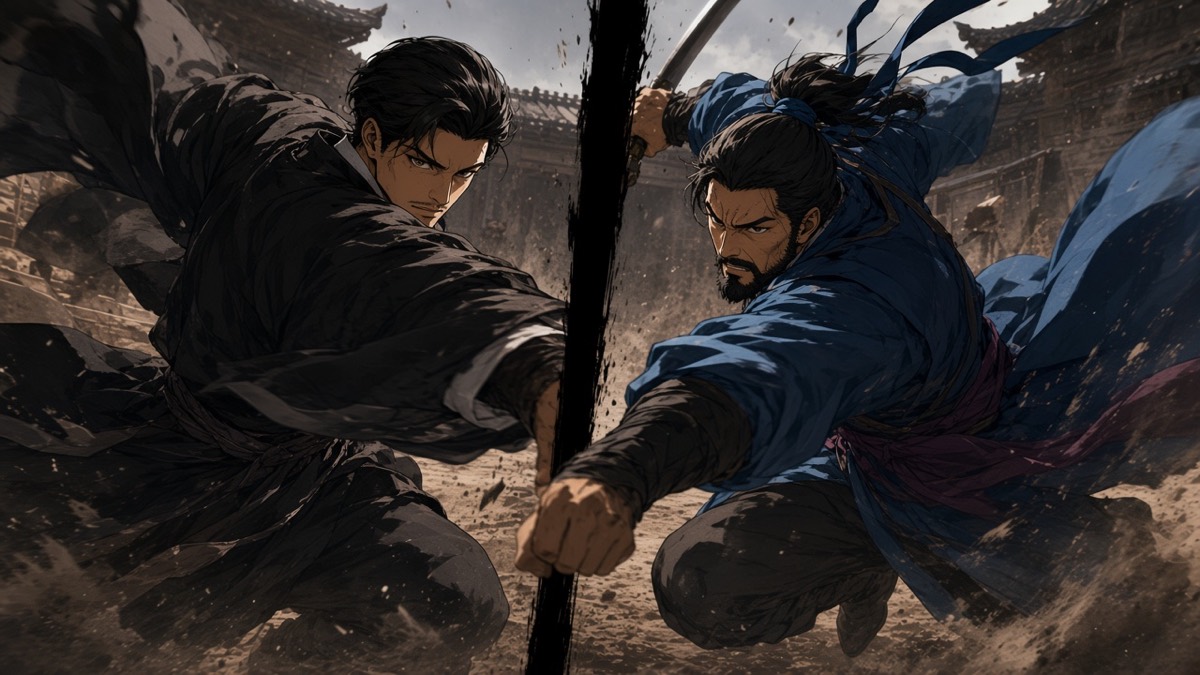
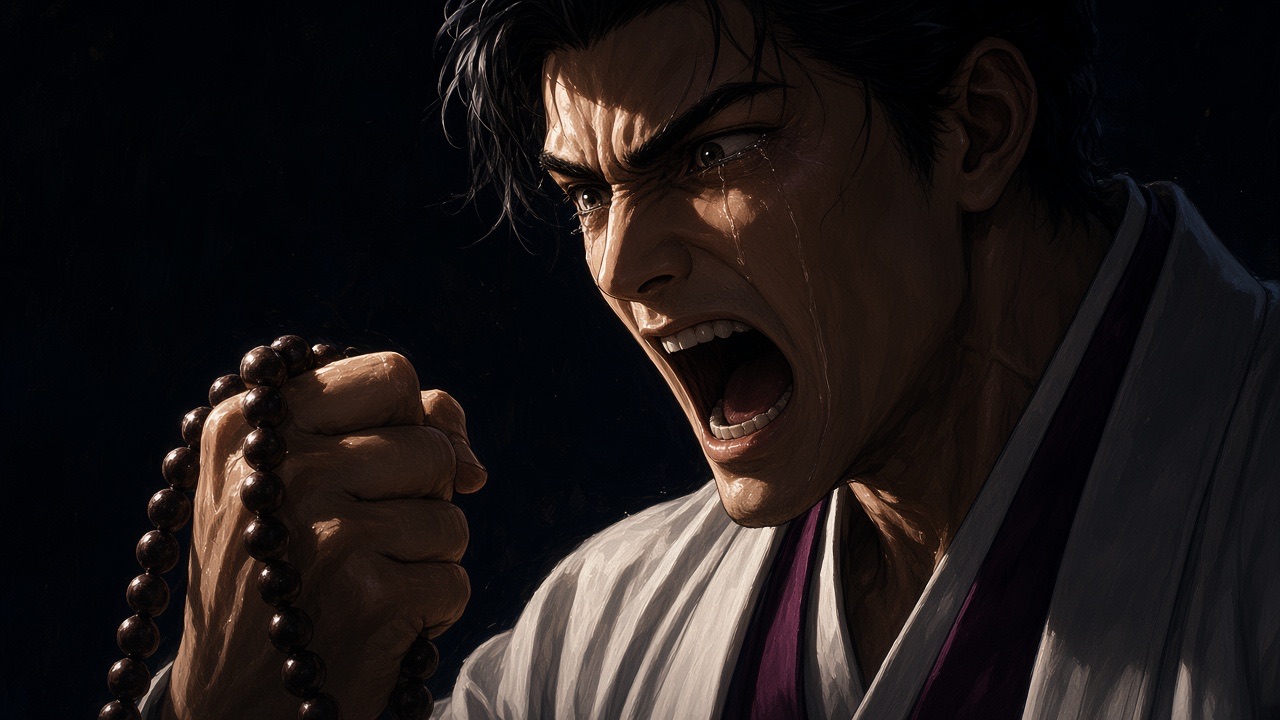
The man with the sword is still grinning. ’s beads are in his left hand. The heavenly-horse sword is in his right before anyone has counted.
The body drops. does not look at it.
’s mouth is open. Nobody else makes a sound.
You’ve seen this kind of party. A city on fire, and the boys calling it a march. Paris did it again last summer. Then they were surprised by the ash.
By morning the shrine is swept. The head is wrapped. The incense is lit again.
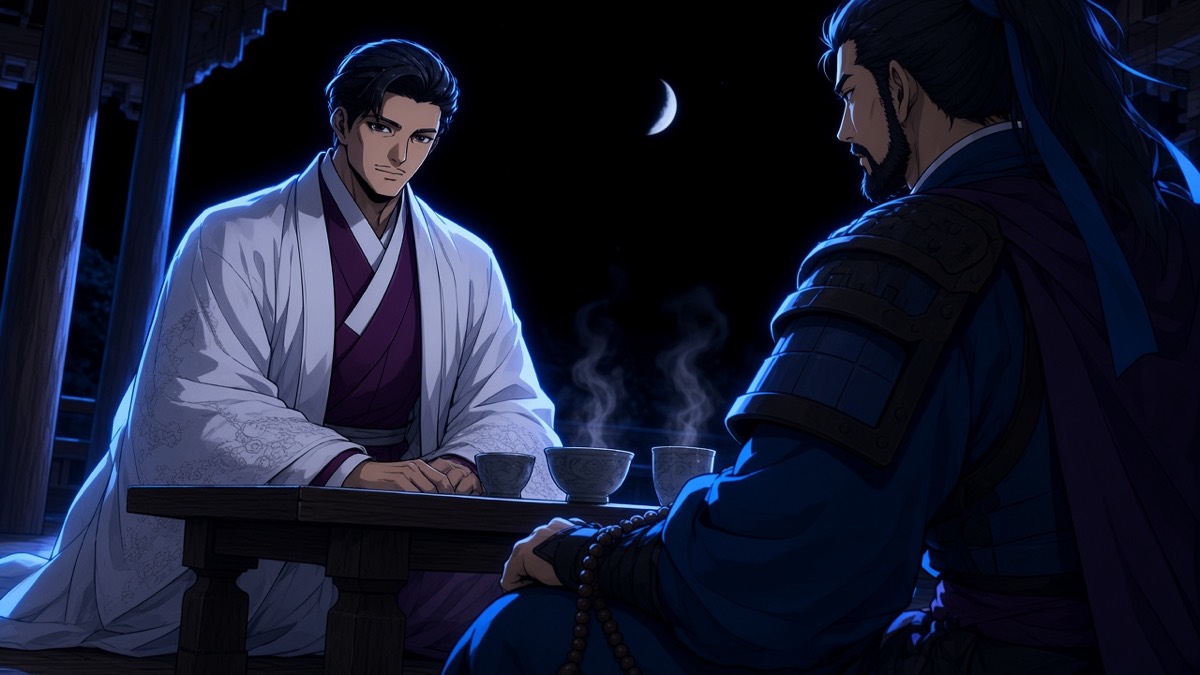
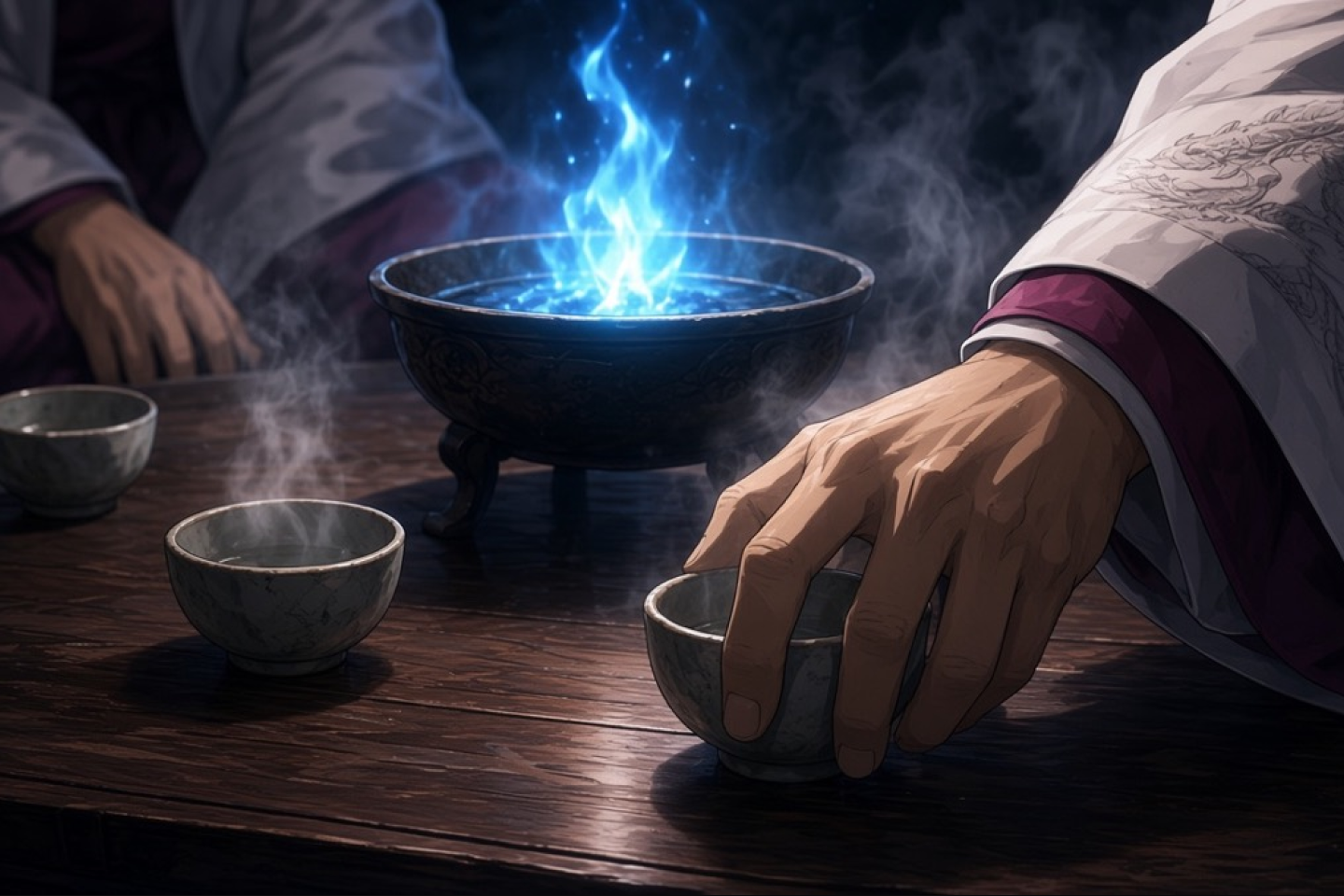
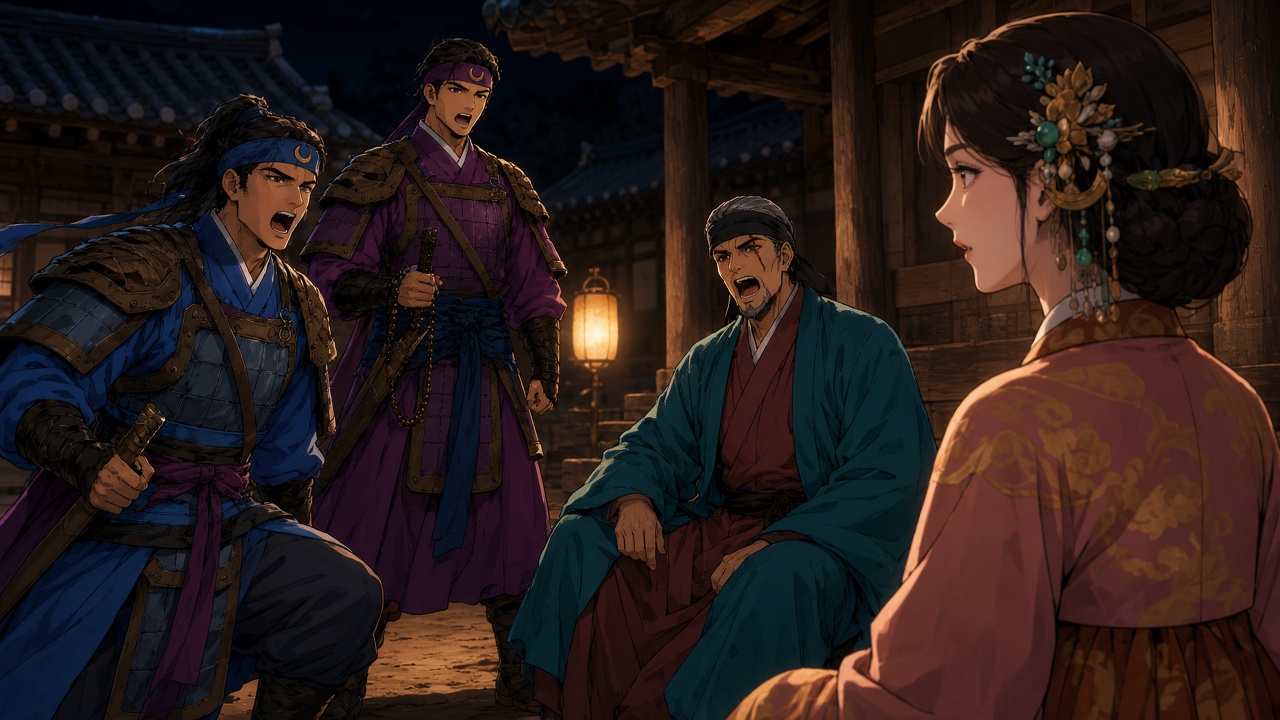
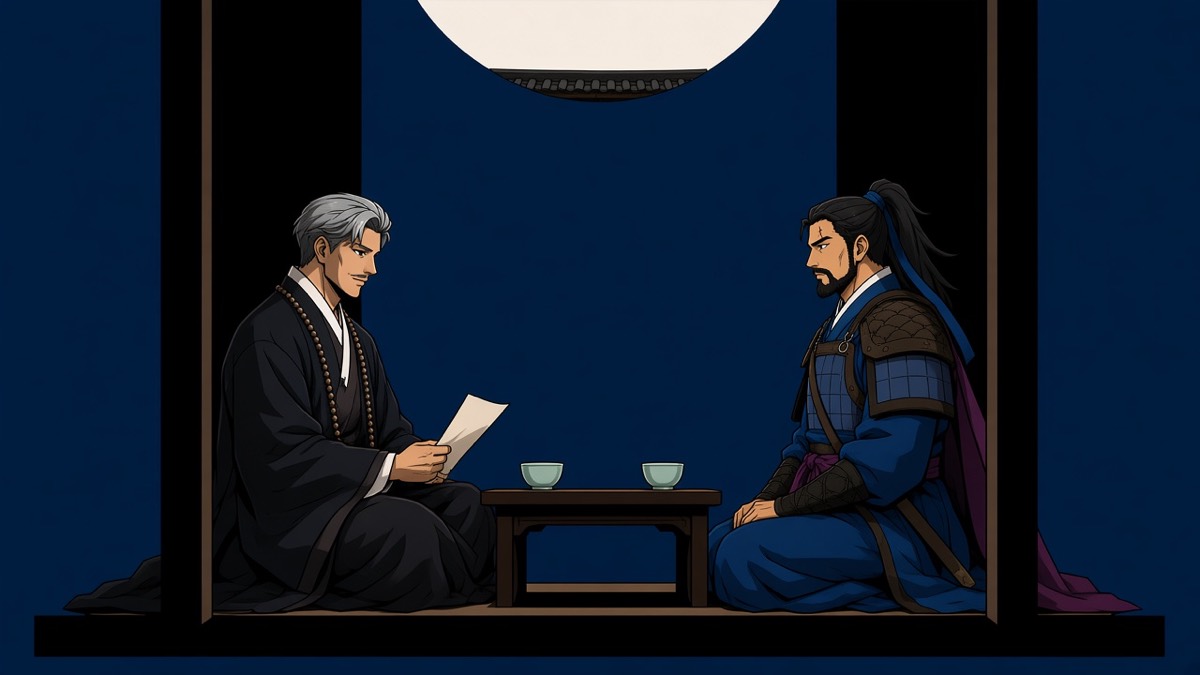
Of course he comes. has never once refused a rematch. Between the camps a small pavilion goes up, open on every side, so nobody can say the other side hid archers. A low table. Tea already poured. A half moon in an empty sky. They meet the way they used to after sparring: gloves off, courtesy on.
The tea cools between them. Neither man drinks enough to call it peace. smiles as if nothing ugly had been said — the same smile he wore when he crowned a woman king. sets his cup down unfinished.
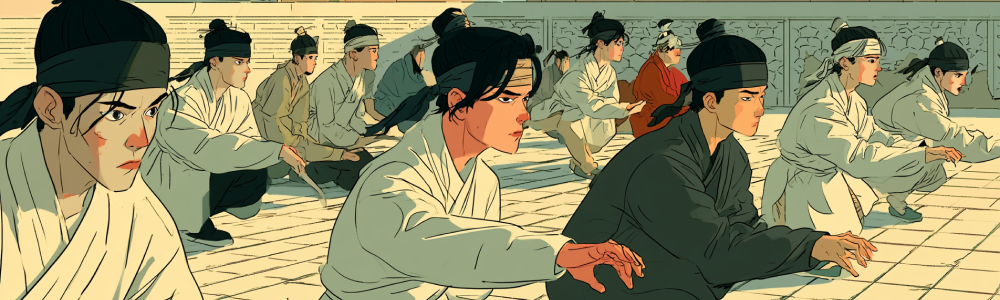
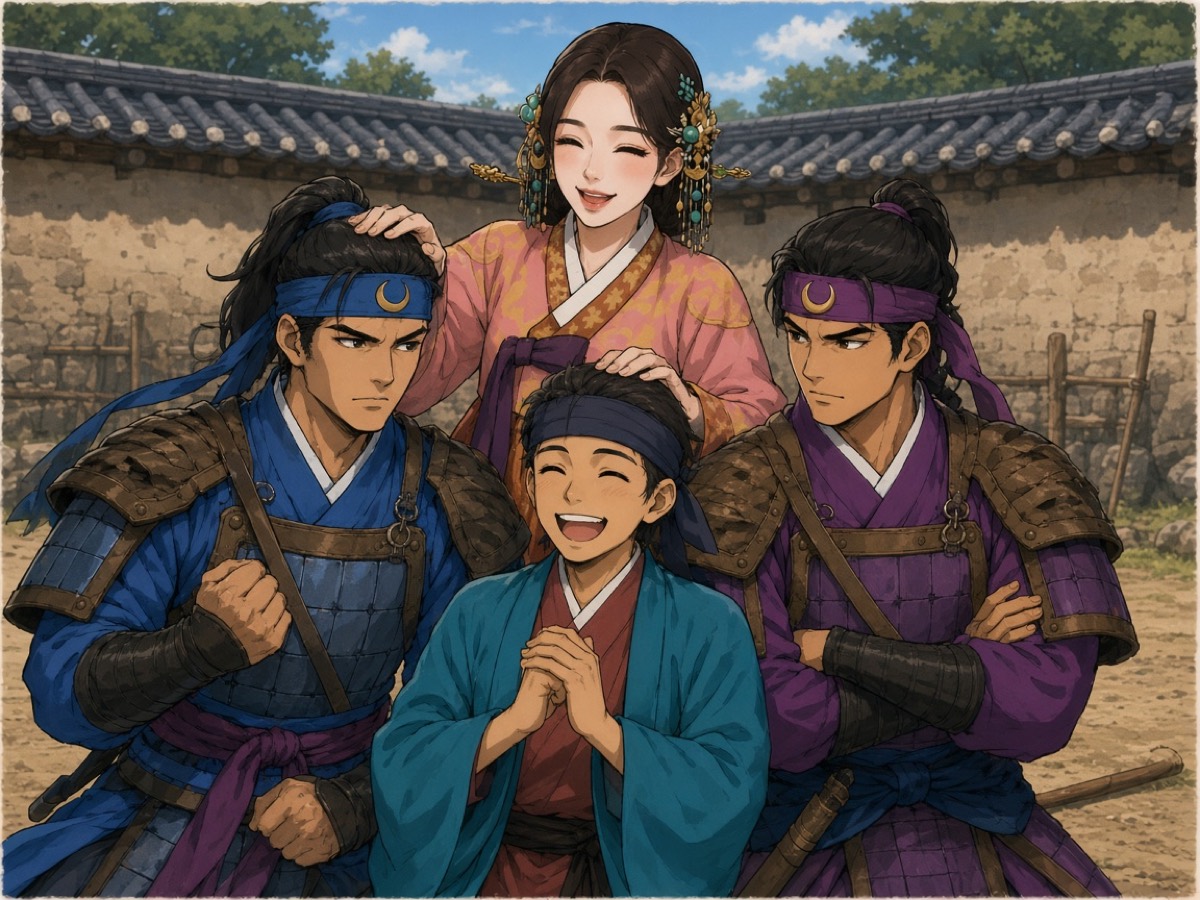
Three . One princess. The yard remembers what the Council never wrote down.
Arrows trade across the open ground between the camps. Each morning the palace blue comes up the road, the black headbands come down to meet it, and by dusk both are home again. Messengers lie; the discovers it can convene without deciding anything, which is its highest form. ’s clerks call the unanimity rule quaint. calls it ours. Inside the palace, the stewards count eight days of grain.

Third night. Same pavilion. Same half moon. has brought a map — not of the siege, of the roads west.
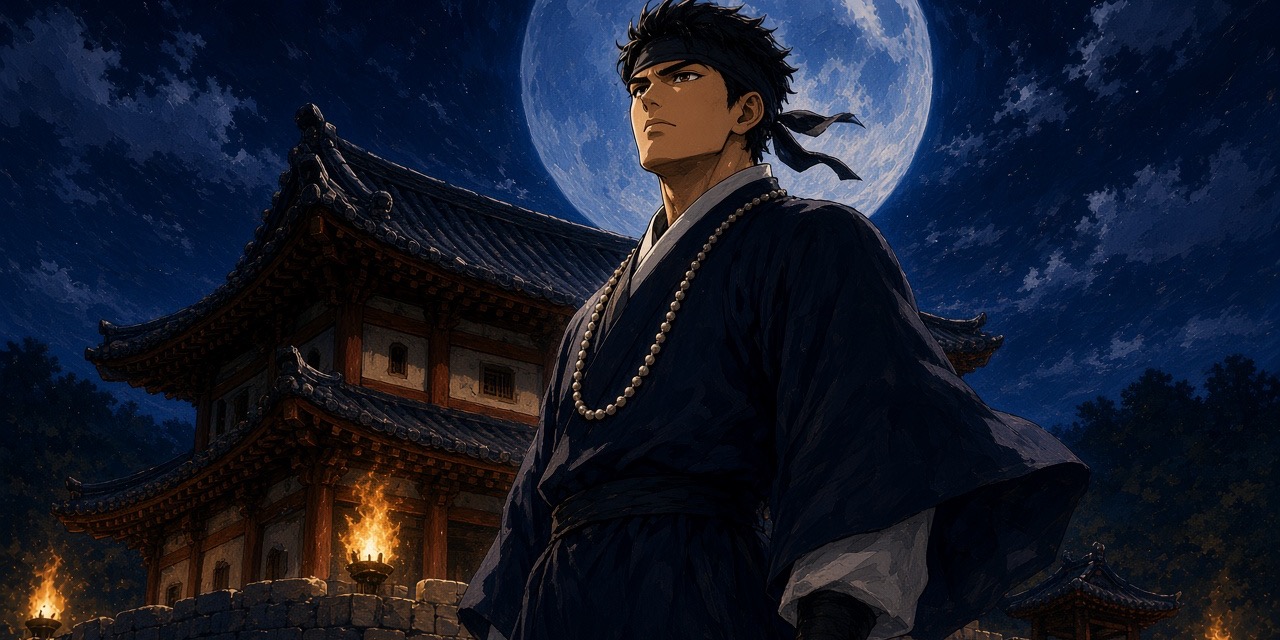
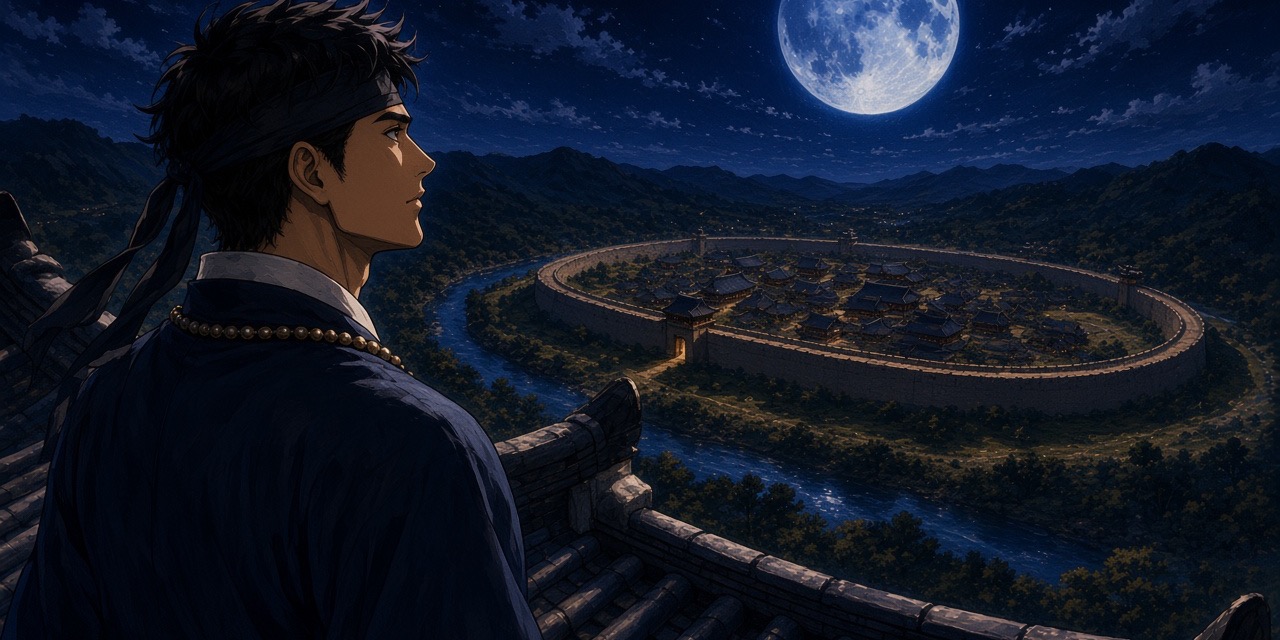
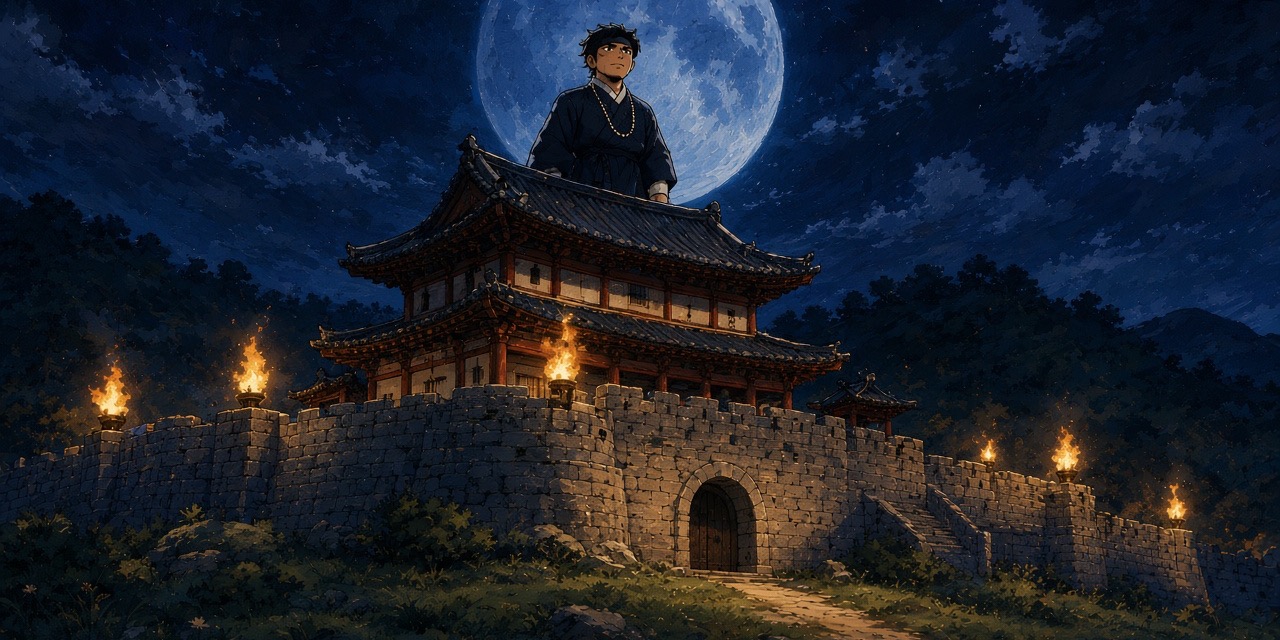
On the wall looks west and remembers a cleaner war: , when the enemy still had the courtesy to be foreign, and climbed a rock for him without being asked.
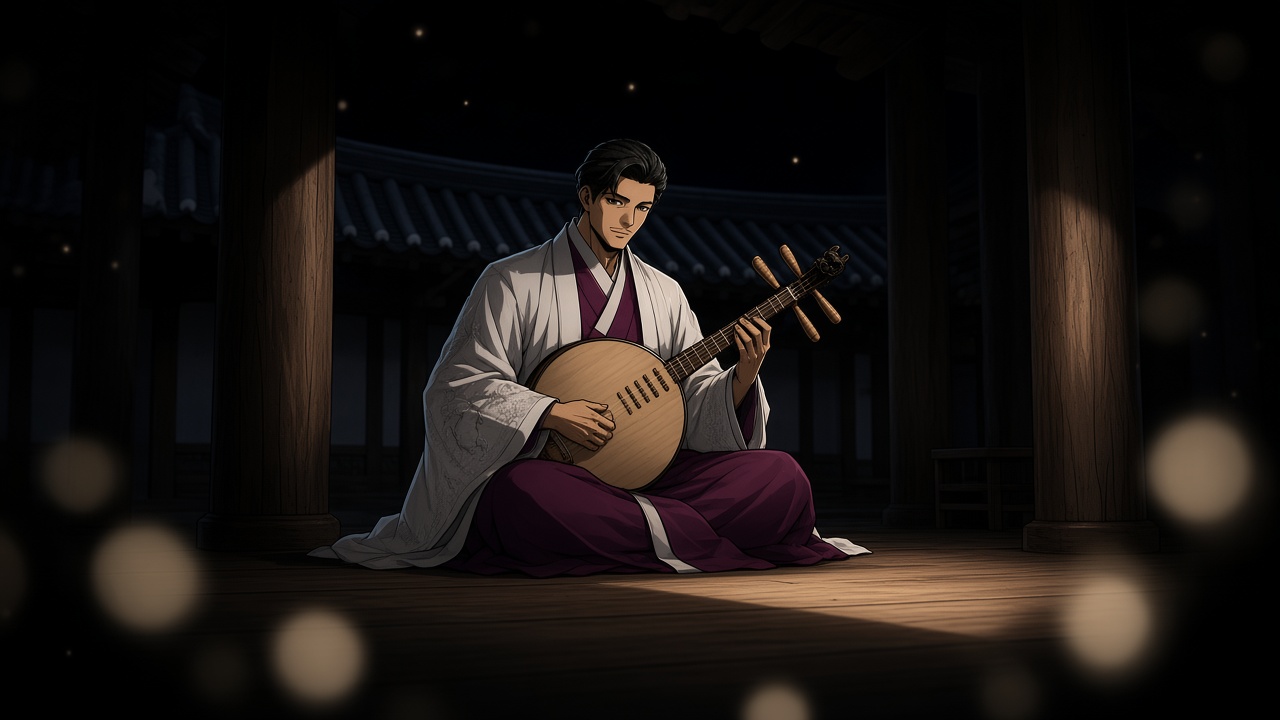
Before the fourth night’s tea, the tries a quieter weapon. sends his son , twenty-one, to the steam — the water that shows a man’s inner conscience, the past that is driving his hand. is told only to keep him talking.
is home from the islands. They kept him just long enough to be rude about it, then sent him back with compliments and no ships.
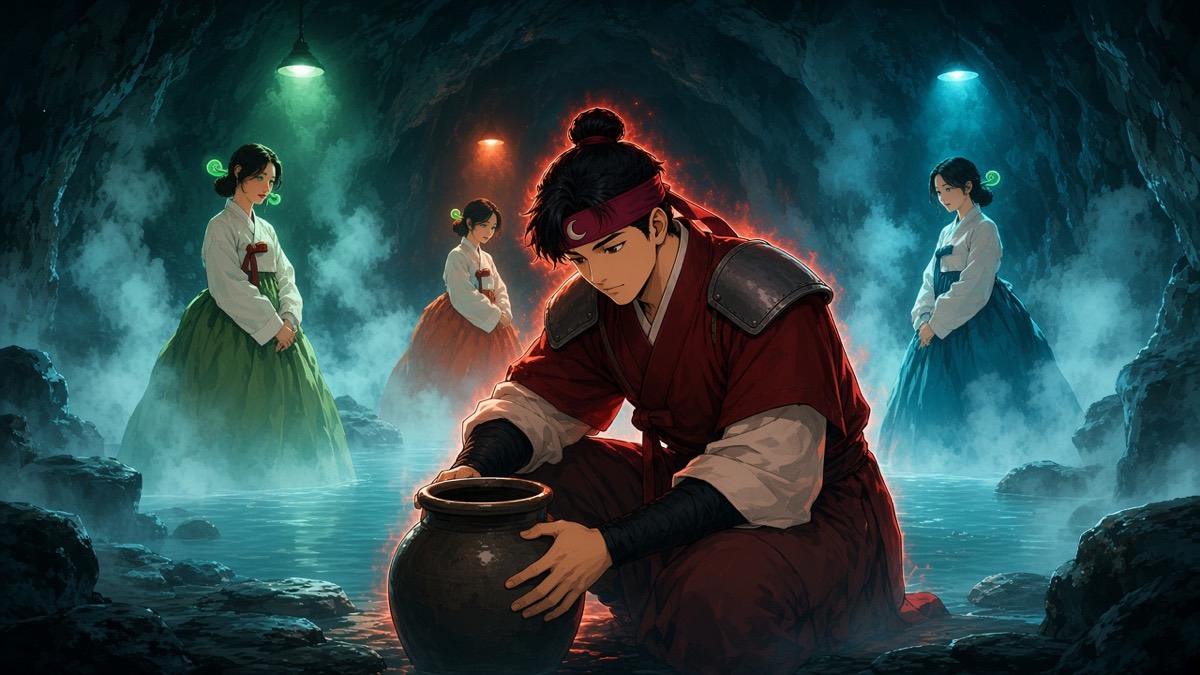
This is the first time the cavern goddesses meet . He is twenty-one. He does not yet have a king’s name. He has a jar and ’s weather.
He fills the jar. He does not stay for the lake’s other lessons. He is the best of both, and he leaves because his father told him to.
Seven days of grain. The ’s wells drop. Rumour rises to replace them. files contingency letters the way other men file prayers.
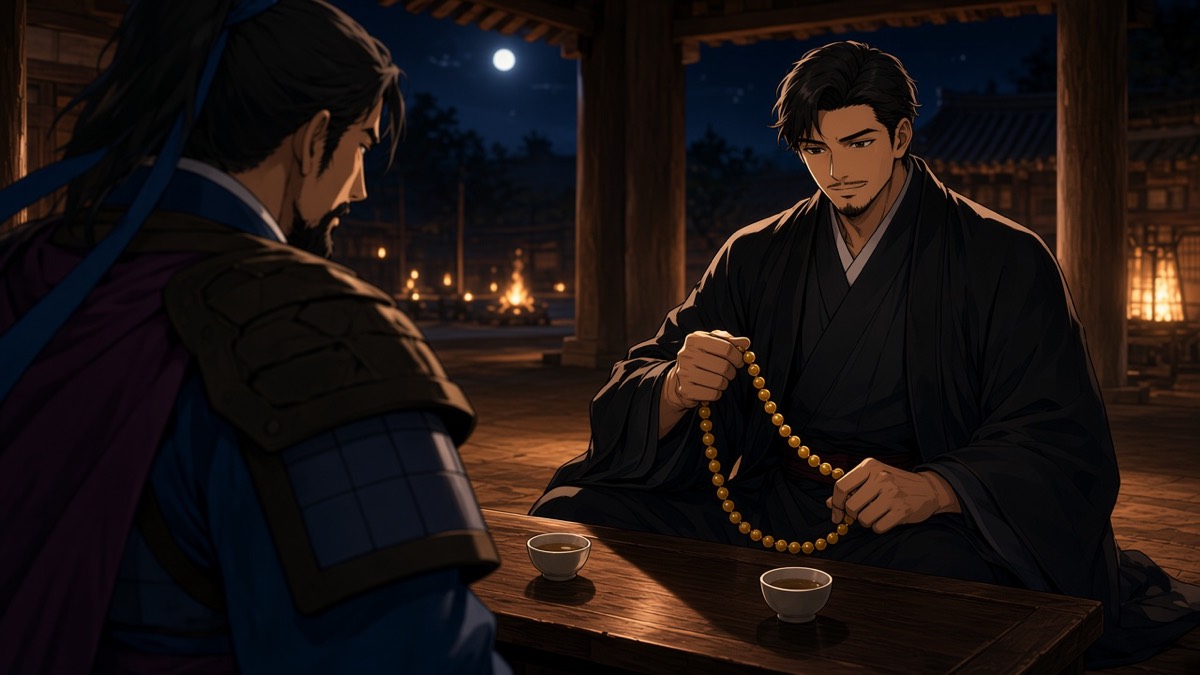
Fourth night. Same low table under the half moon. reads a rumoured draft — never enough secretariat, never enough emperor. His voice stays pleasant. The sentences do not.
He folds the rumoured draft. The next sentences have been waiting in the sleeve all night.
does not close the argument. He asks again about the pass, about names, about harvests — anything that keeps ’s back to the dark. Behind the pavilion, ’s jar ticks once against a post.
comes from behind to splash the water. It is ugly and precise — cavern water as a hard sheet across ’s shoulders, beads and all.
Nothing rises. No childhood. No princess. No grudge-film in the steam. The water runs off the black robe as if it had mistaken a man for a wound. , at the pavilion’s edge, does not move. The stoic act holds; the eyes do not.
, arriving late with a lamp, goes pale. An officer asks whether to seize the jar. Nobody answers. is still laughing, and still alive, and the beads are still counting.
eats alone between the camps. Both sides send him wine. He drinks neither. will later call it treason with better stationery.
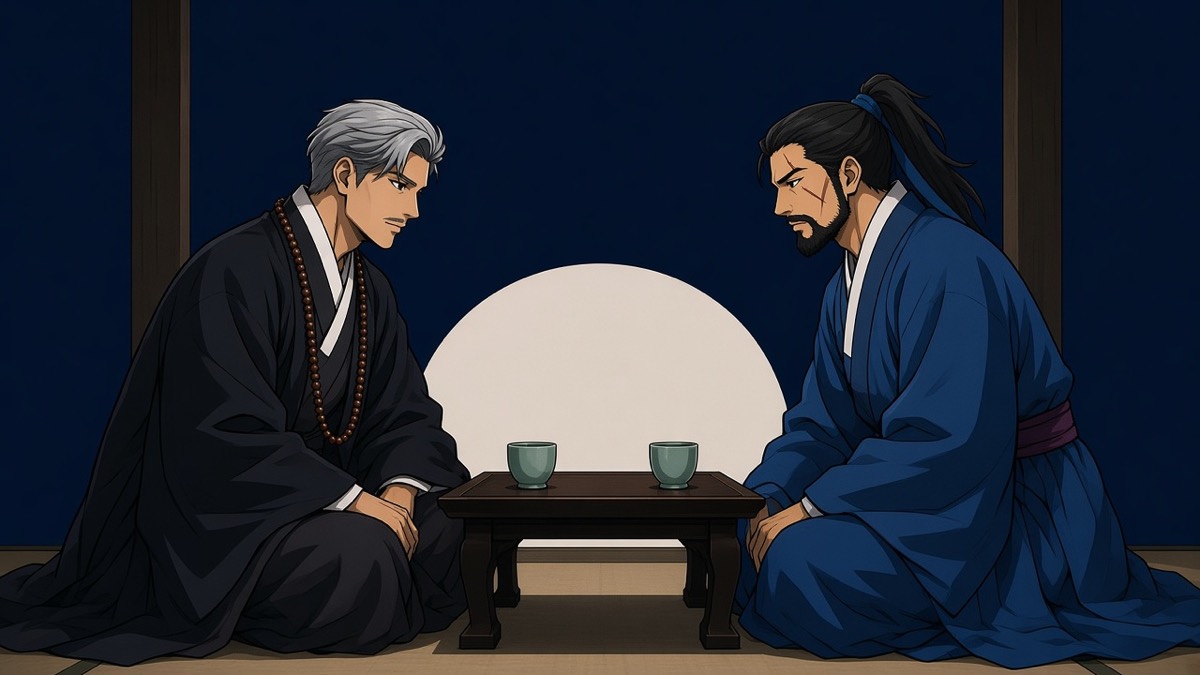
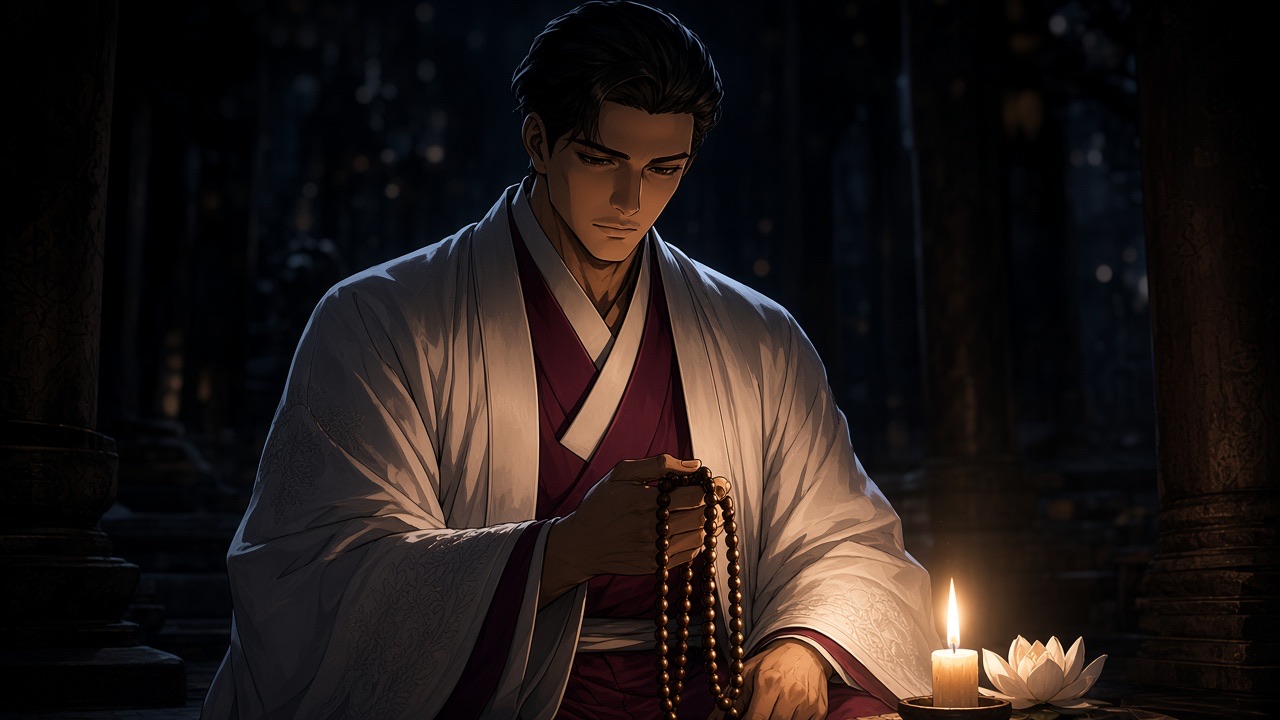
Fifth night — the pavilion again. They sit on the floor, alone, the way they used to meet on the training ground. The tea is cold before anyone raises a blade. Six days of grain.
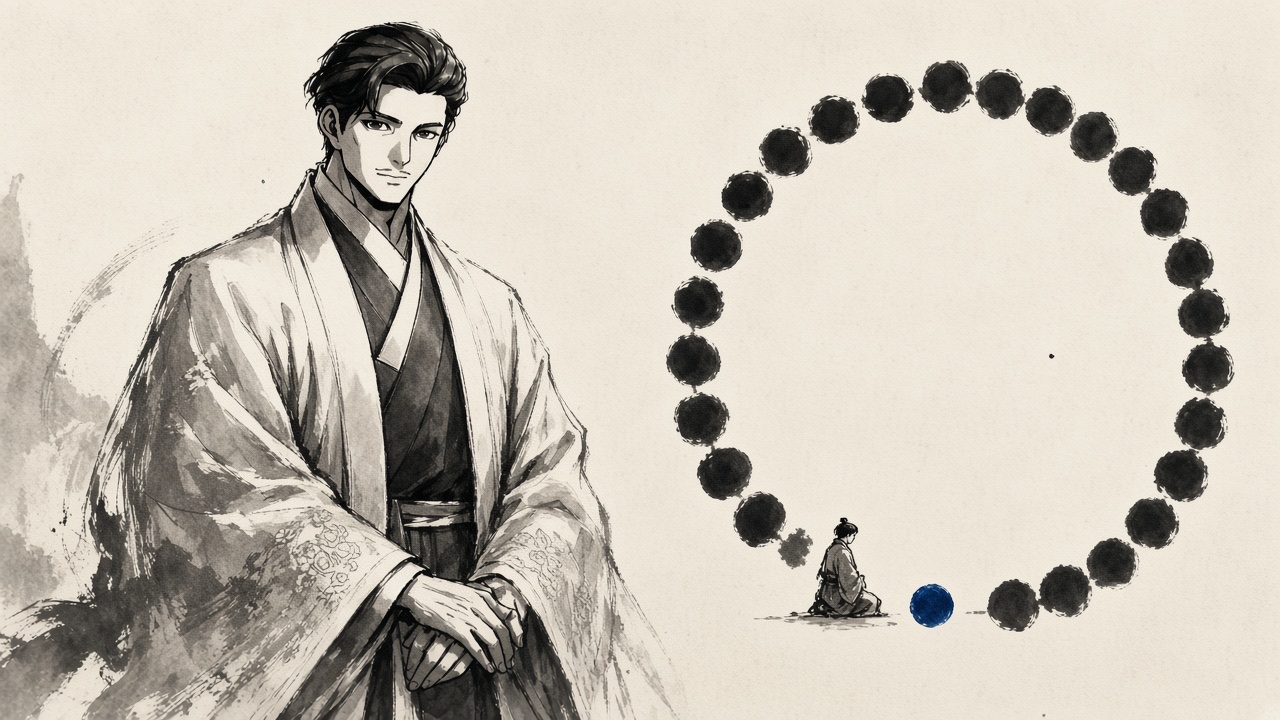
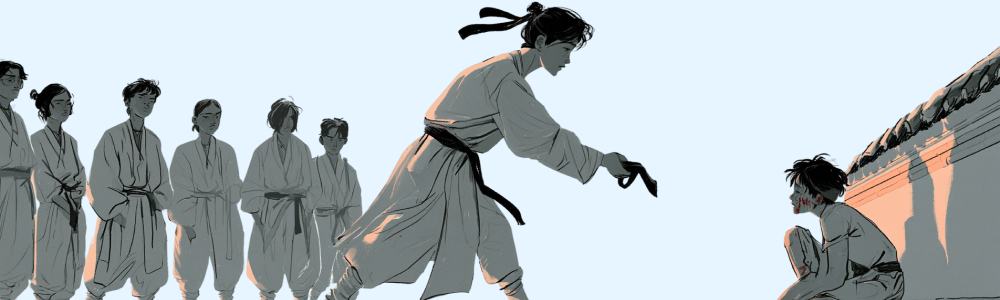
For a breath they are only the old score again — one hundred and eight to one hundred and eight — two boys who never let the other keep a lead. Then speaks, and the yard is gone.
The tea has not been touched. He says it like a compliment that curdled — still the gentleman, still the black robe, still the voice that once shielded this same man from the yard.
does not answer the speech. He looks at the cold tea as if the answer were at the bottom of the cup.
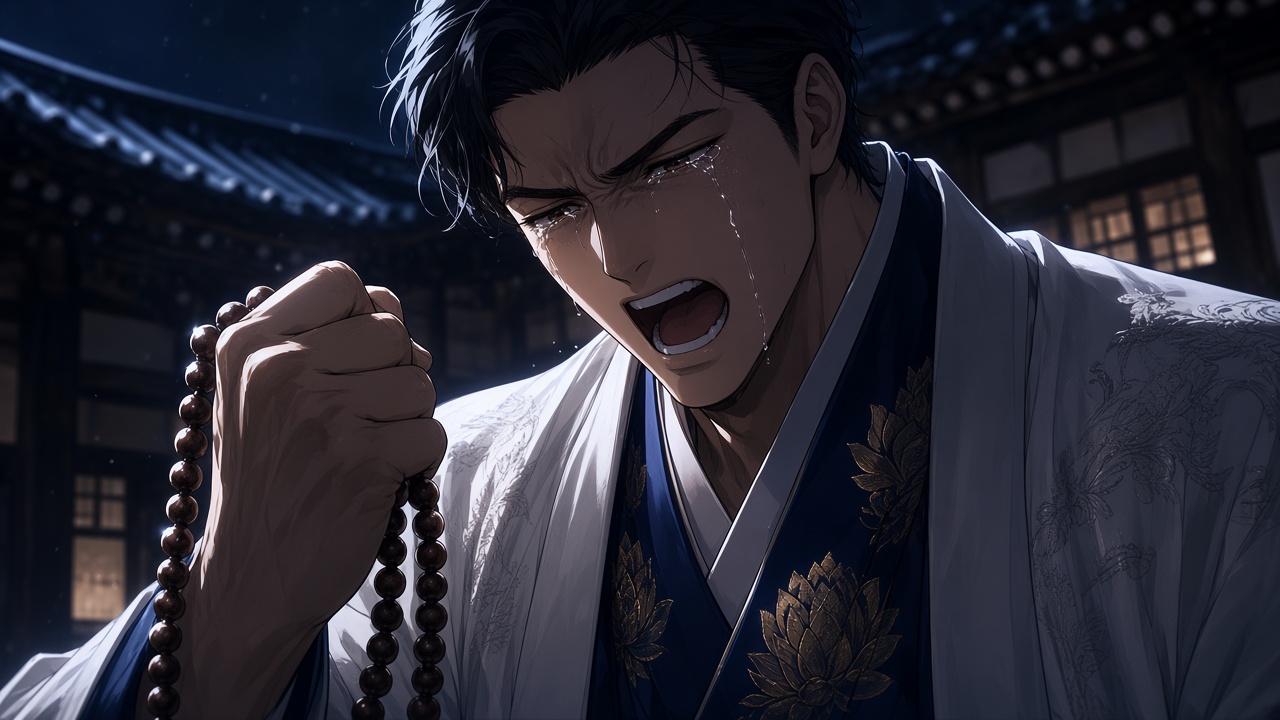
For a long time the only sound is the wind through the open pavilion. has not said this aloud in since he was fifteen.
’s beads stop for the second time this winter.
Neither of them drinks. does not ask the grandfather’s name, and does not offer it. Some names a family keeps in a box.
A cone helm, a king on a camp stool, and a name won’t say. Who was his grandfather…?
