


Chapter 90
Alji
The Golden Boy
AI Summary
- Gold Box
- Ten Springs The old king and the boy get on suspiciously well.
- Last Winter Talhae lives to be very old, in the house he stole, with the chest in the next room.
- Elders' Floor The six houses meet in the same room.
- No Son Nearly two hundred years on, a Suk king dies without a son.
- Characters

Episode· 65
Alji
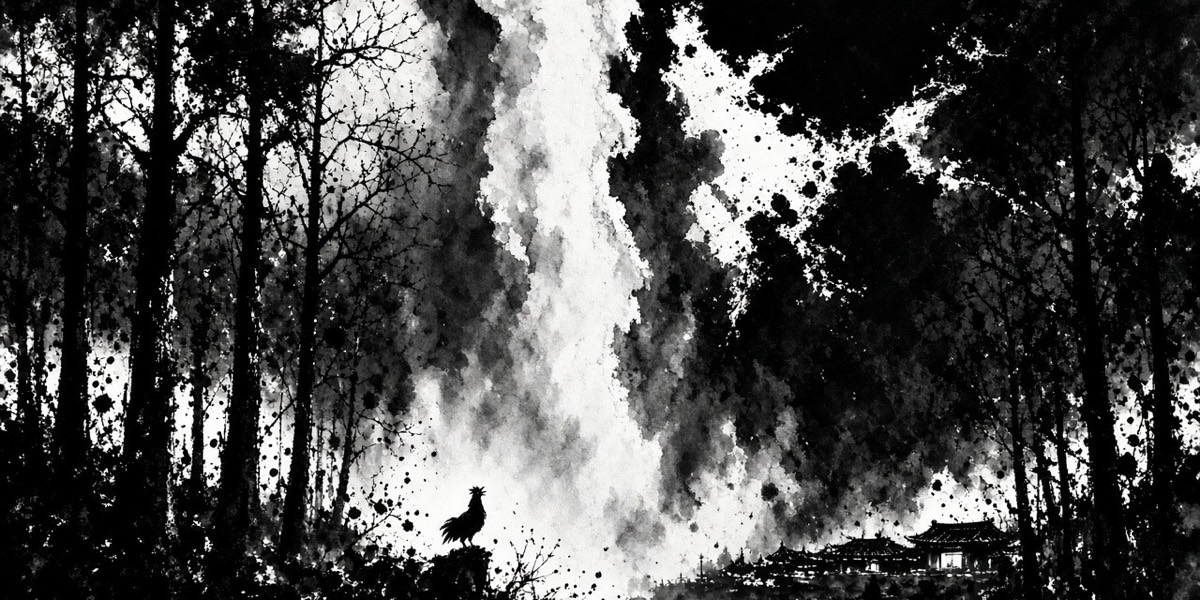
Roosters don’t crow at night. In the woods west of the city, one does.
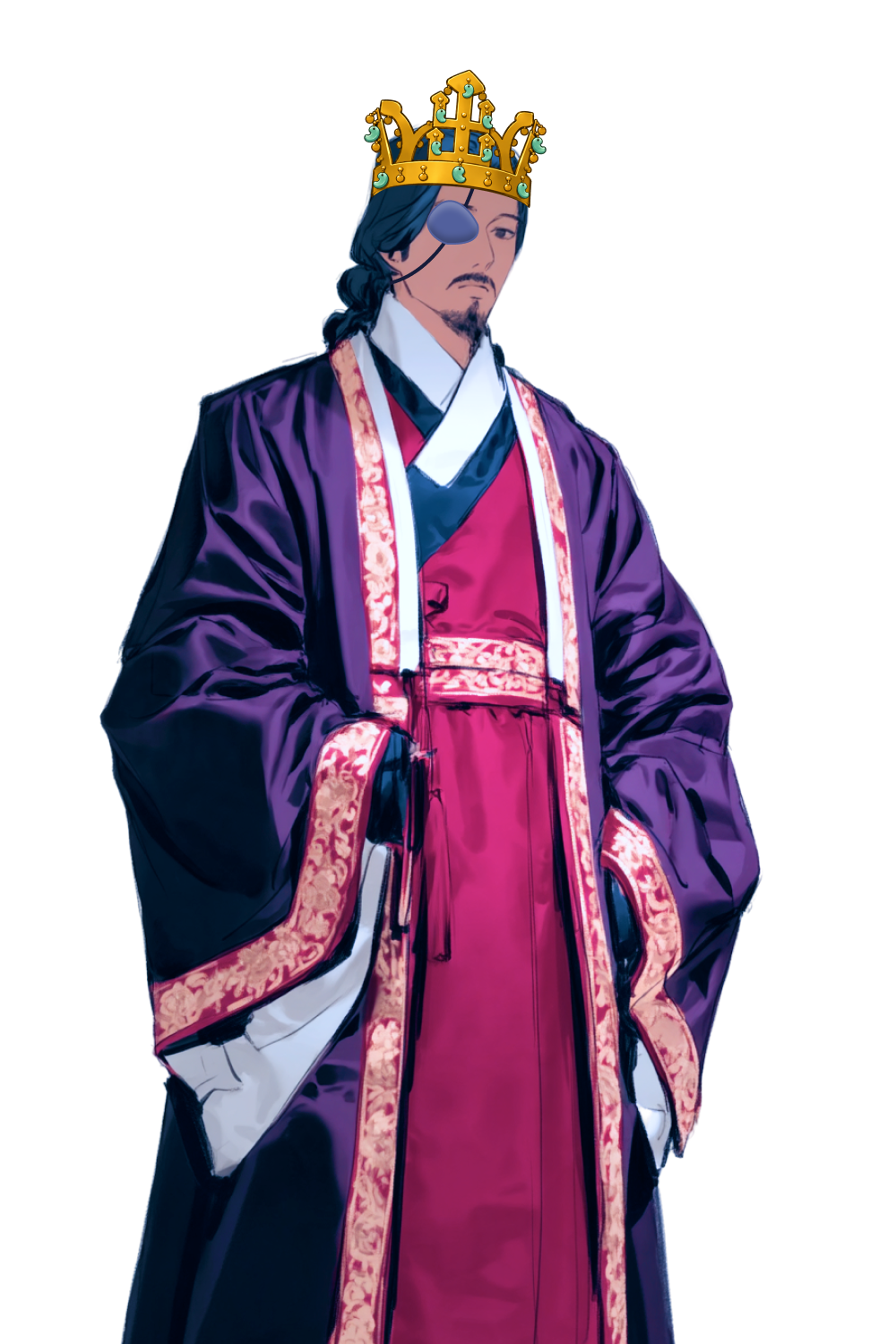
- Talhae Isageum
- Kim Alji
- Kangrim
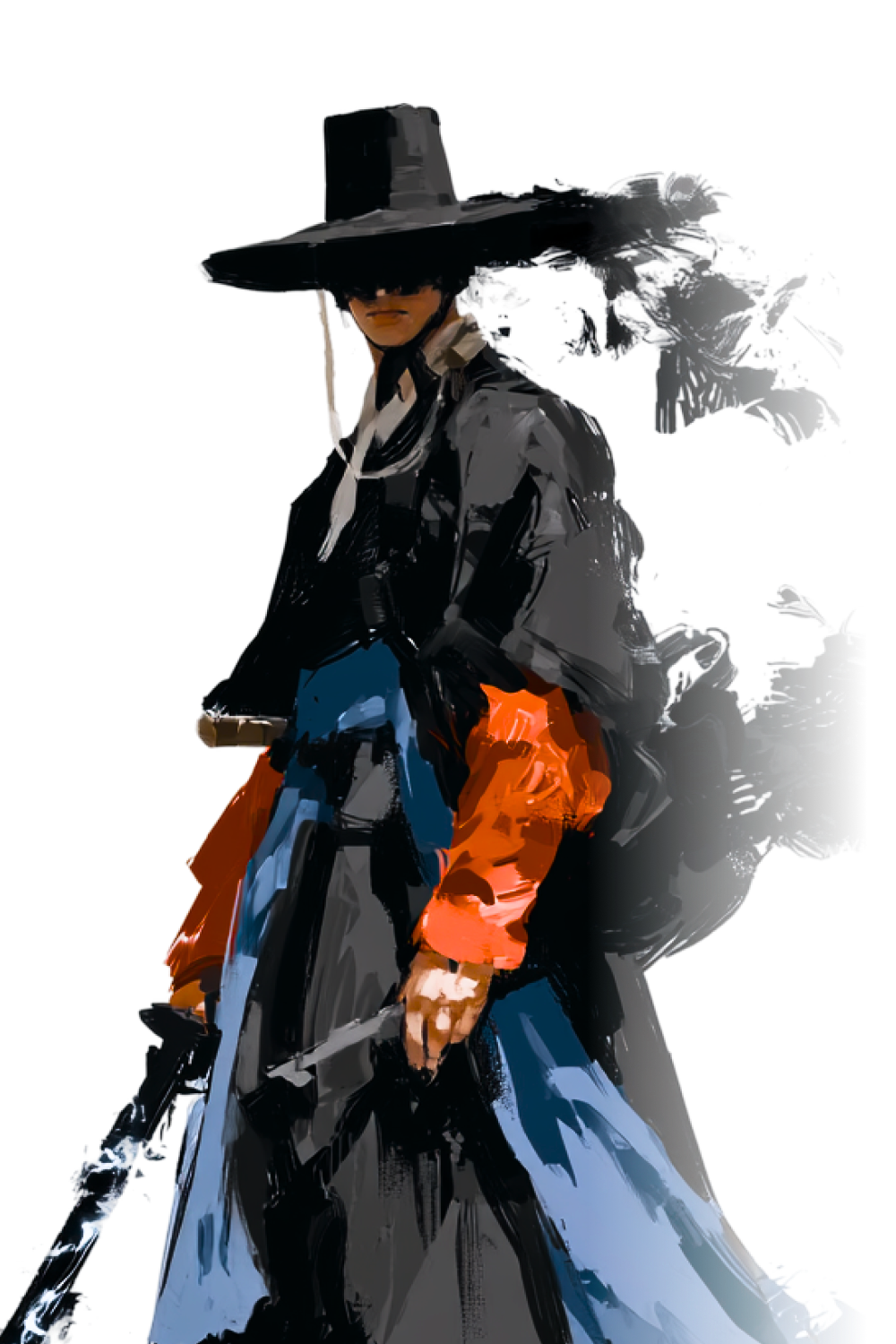
- Hogong
- King Michu
said there was no Kim. He was right for about a hundred and twenty years. Then, one spring night, King wakes to a rooster crowing in the woods west of the city.
At first light walks into Sirim with a lantern he no longer needs, and finds a small box of gold hanging from a branch, and a white rooster underneath it, crowing at nothing.
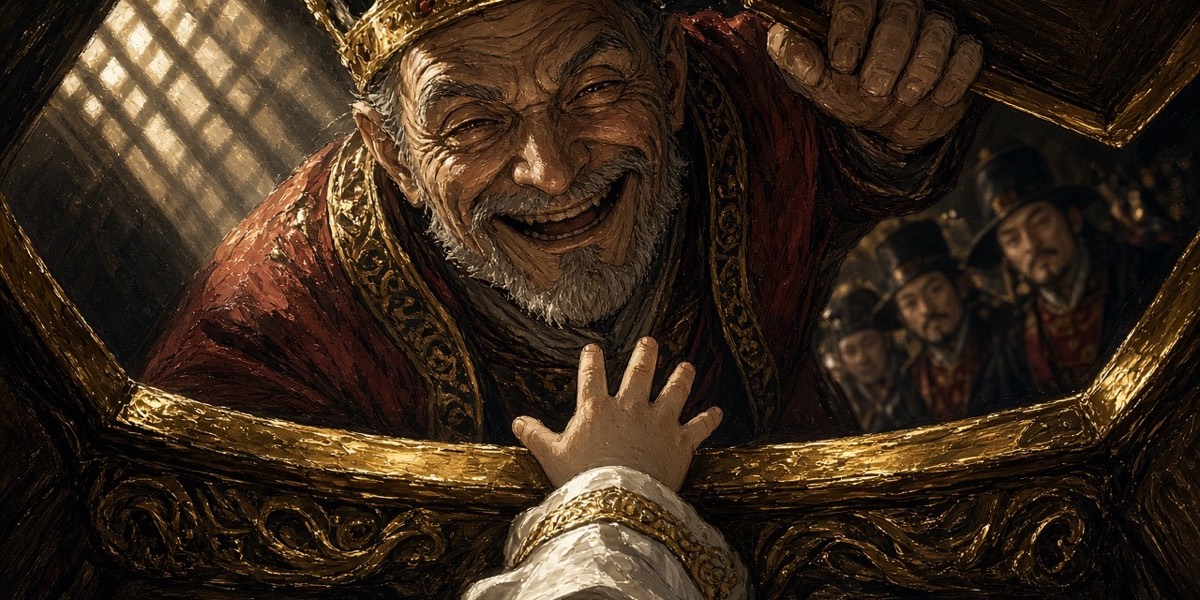
They bring the box to the king and open it, and inside is a little boy, handsome and wide awake, who looks at the king as if the king were the one who had turned up in a box.
came back and reported it. The king had the chest brought and opened, and inside was a little boy of remarkable looks. The king was glad and said to those around him: “Is this not sending me a fine heir?” And he took him in and raised him.
호공이 돌아와 아뢰자, 왕이 사람을 시켜 궤짝을 가져와 열게 하니, 그 안에 작은 사내아이가 있었는데 생김새가 뛰어났다. 왕이 기뻐하여 좌우에 말하였다. “이 어찌 하늘이 내게 훌륭한 아들을 보내 준 것이 아니겠는가!” 그리고 거두어 길렀다.
Because he came out of a golden box, he is given the surname Kim, gold. Because he is a child, he is called . The wood where the rooster crowed is renamed Gyerim, Rooster Wood, and for a while the whole country goes by that name.
The boy grows up in the palace, quick and easy to like. The court notices. has sons of his own. He also has ministers who can count.
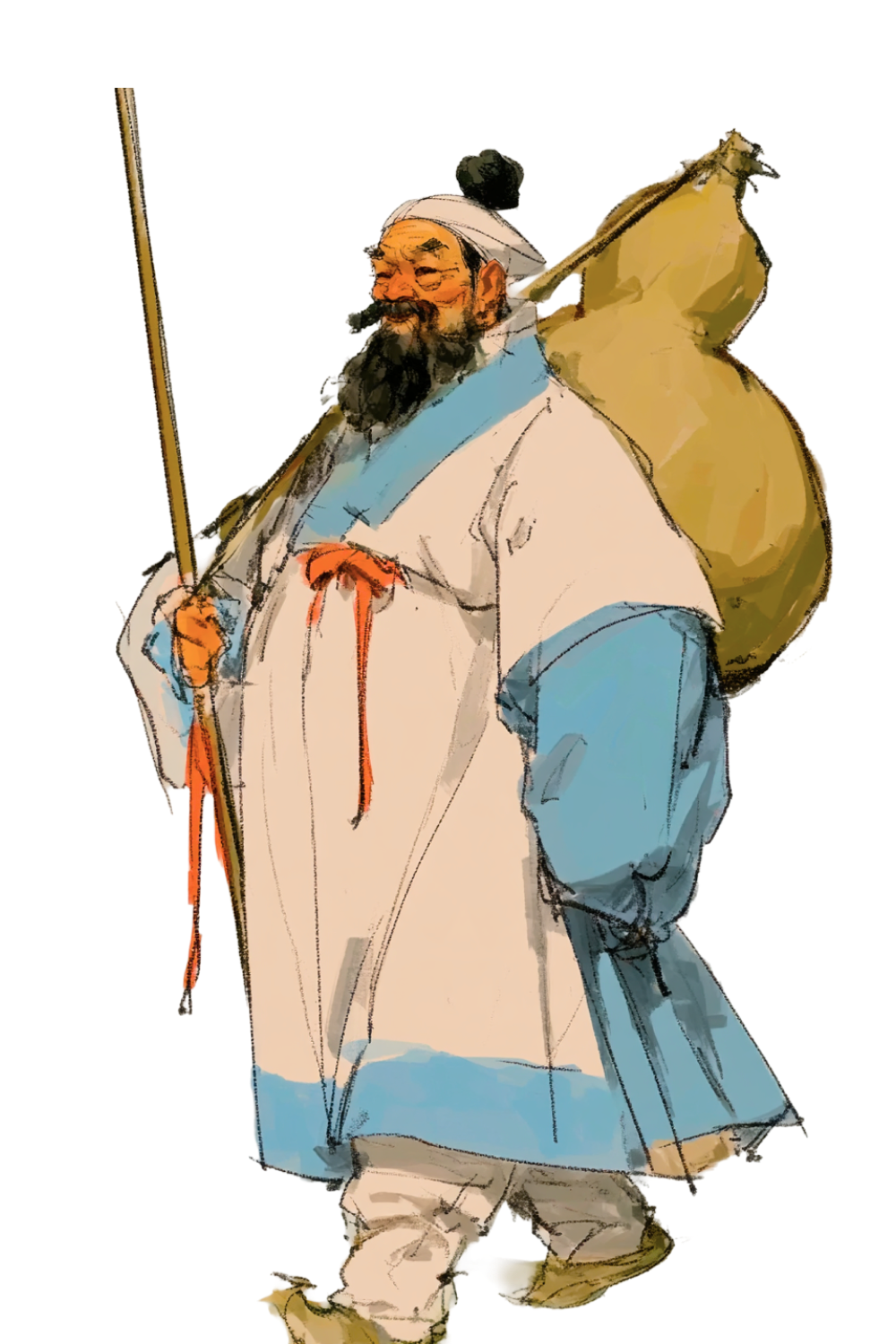
The old king and the boy get on suspiciously well. teaches him to fish, and to lose a bet without the other man noticing. One evening he shows him the horn cup.
He drinks. The cup comes away clean. He turns it over and sniffs the rim.
Neither of them mentions it again.
writes his name down as heir anyway. He has never once taken no for an answer from someone he likes.
lives to be very old, in the house he stole, with the chest in the next room. One winter night a man in black is standing at the foot of the bed with a red book open, and , who has never been surprised by anything in his life, is.

His bones have a longer road. Six hundred years on, a king of will dream of an angry old man, dig him up, and measure him. He is exactly as tall as he said.
The six houses meet in the same room. The faces are new and the arguments are not. Somebody has set the dead king’s horn cup in the middle of the floor, and each man has a small wooden piece in front of him, because sleeves turned out to be hard to count by lamplight.
, fifteen now, sits by the wall where heirs sit. He looks at the cup and says nothing about pine.
They raise over his elder brother, which no one in would dream of doing. By morning all six pieces sit to the right of the cup. Nobody’s lips stick to anything.
So never wears it, and by every account he never asks again. The crown goes on passing between the Parks and the Suks, and every time it passes, the six houses pull up their mats. Nobody ever asks .
Nearly two hundred years on, a Suk king dies without a son. The men on the floor are great-great-grandsons of the ones who raised , and they make the same three arguments in the same order. Their ledgers have run thin. The Parks have married into everything and have nobody left standing. The Suks have one boy, and he really is a boy.
It takes them all night, the way it always does now. In the morning they send for a careful man named Michu, who has been told nothing and has assumed the worst.
So the first Kim wears the crown, seven generations after a rooster crowed at midnight. The Suks take it back after him. The Kims get it back again, and that time they keep it.
Here is the trouble with a country that counts bones. Every house that ever wore this crown arrived in something: an egg, a chest, a box. The people who were here first need something to count. And the more carefully you count, the fewer you have. Every few generations a royal house runs short of sons who count, and the crown has to come from the floor instead. So no king of can lean on the egg. He leans on the room.
By the time the Western historian hears about it, the floor has a name. He writes it down the way you would write down a calf with two heads.
Every matter must be put to the many. They call it Hwabek. If one man differs, it is dropped.
일은 반드시 여럿과 의논한다. 이를 화백이라 부른다. 한 사람이라도 뜻이 다르면 그만둔다.
The Kims of keep the crown a long time after that, and look down on a family from who have the same name for a different reason. Many generations on, one of them is a man named .
Under a certain hill beyond the city lies a black pond in a steam-filled cave — Golhwacheon. The steam says the same word every time it leaves the water. Kim. It will be a long time before anybody answers it.
Two small kings. One strip of dirt. They ask a third king to count it…!
