


Chapter 38
Stallion Mountain



AI Summary
- The West Line In the Western line stands a guard captain whose accent still has the sea in it.
- The Field Below the Mountain Noon.
- The Field at Night There is another foreigner in the reckoning that night.
- The Cell Under the Wall They take him in a night fight east of the Liao — nets, numbers, the halberd knocked from his hands — and drag him inland to a lesser fortress that is not Ansi and does…
- Two Boys Among the prisoners taken at the mountain are two boys, eleven and eight: Gesomun’s sons, the careful one and the one who never backs down first.
- Pyongyang The news reaches Pyongyang in two pieces.
- Characters

Episode· 645
Stallion Mountain
A farmer in a white coat walks onto the field as a name on a muster roll. The Emperor is watching.
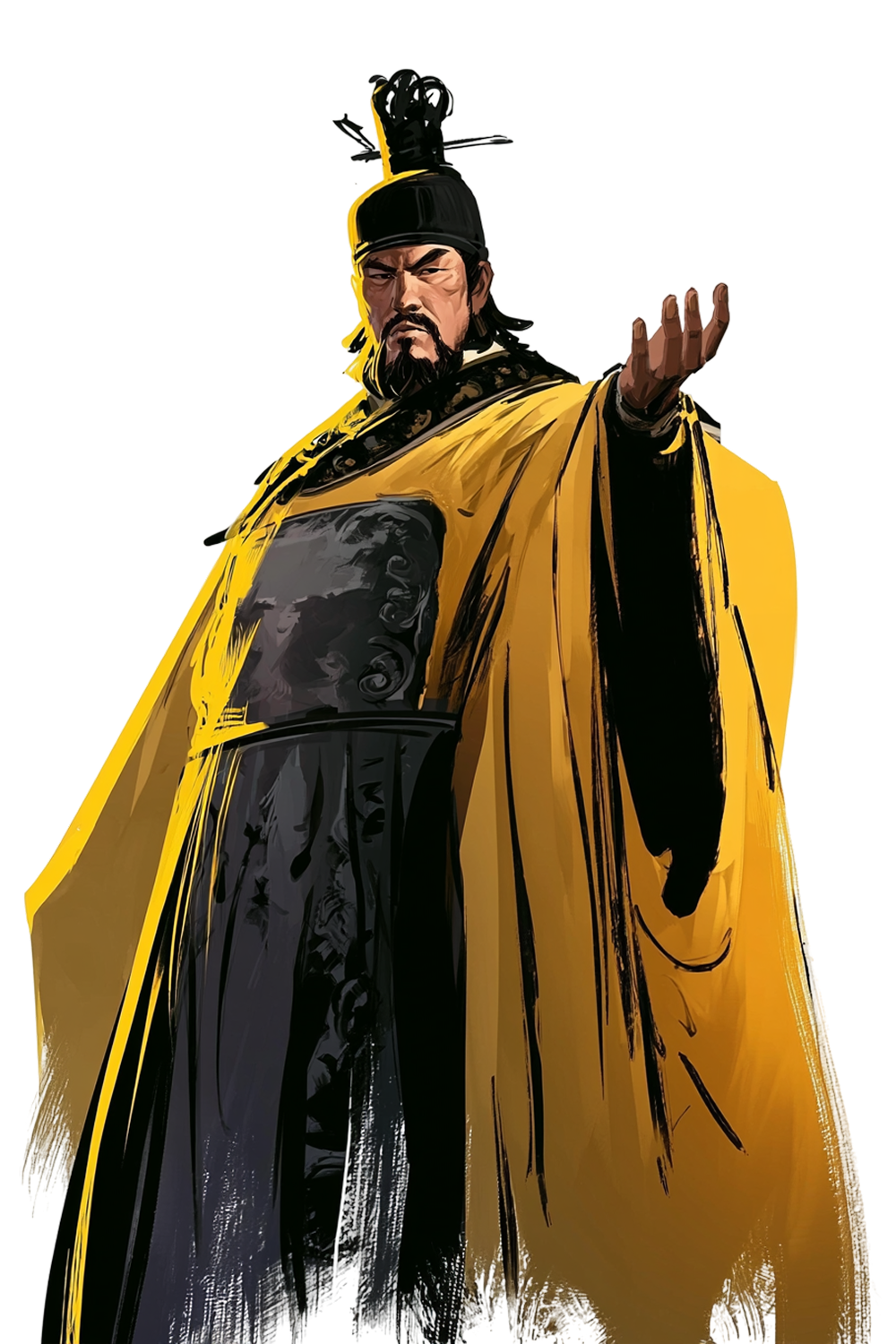
- The Second Emperor
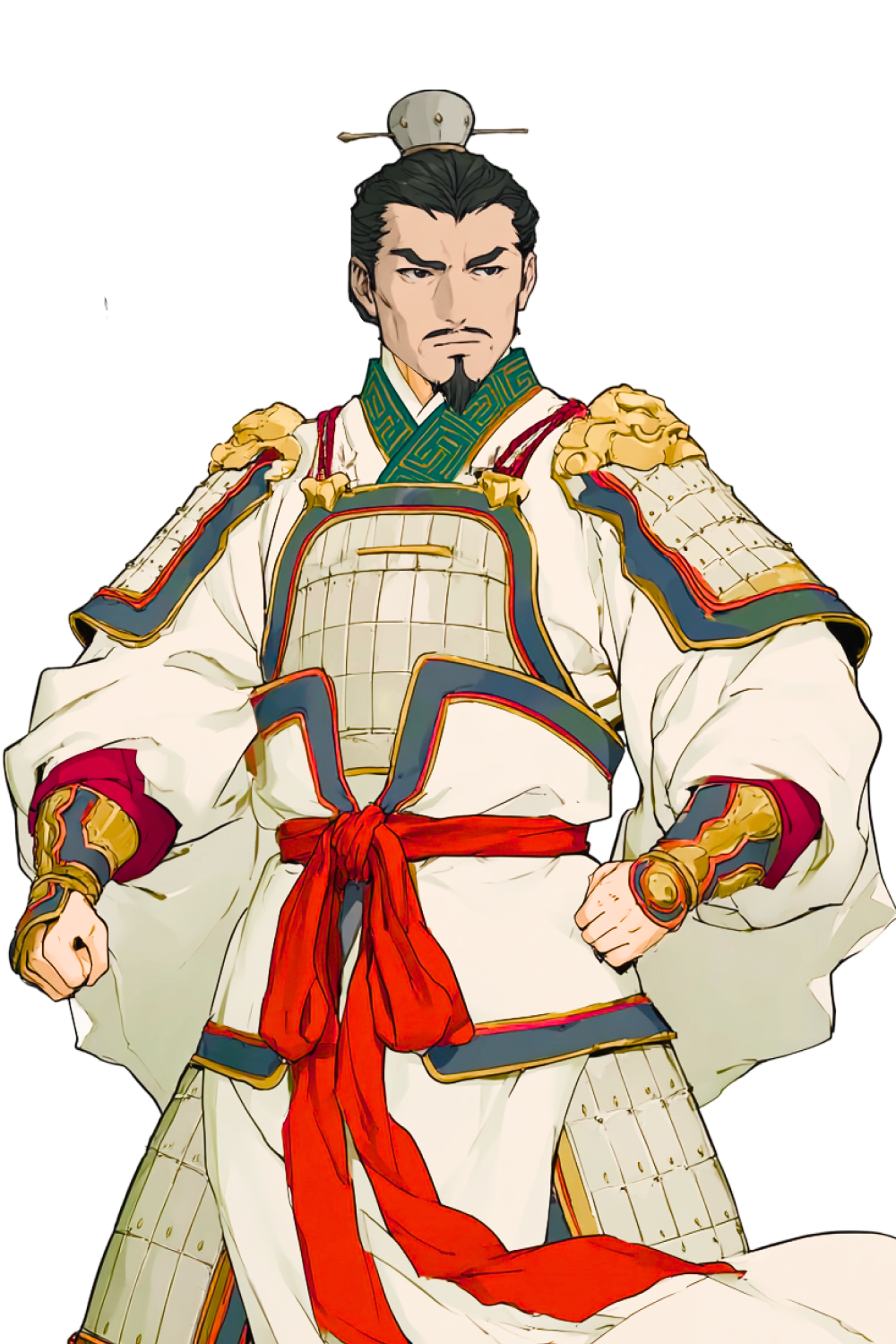
- Xue Rengui
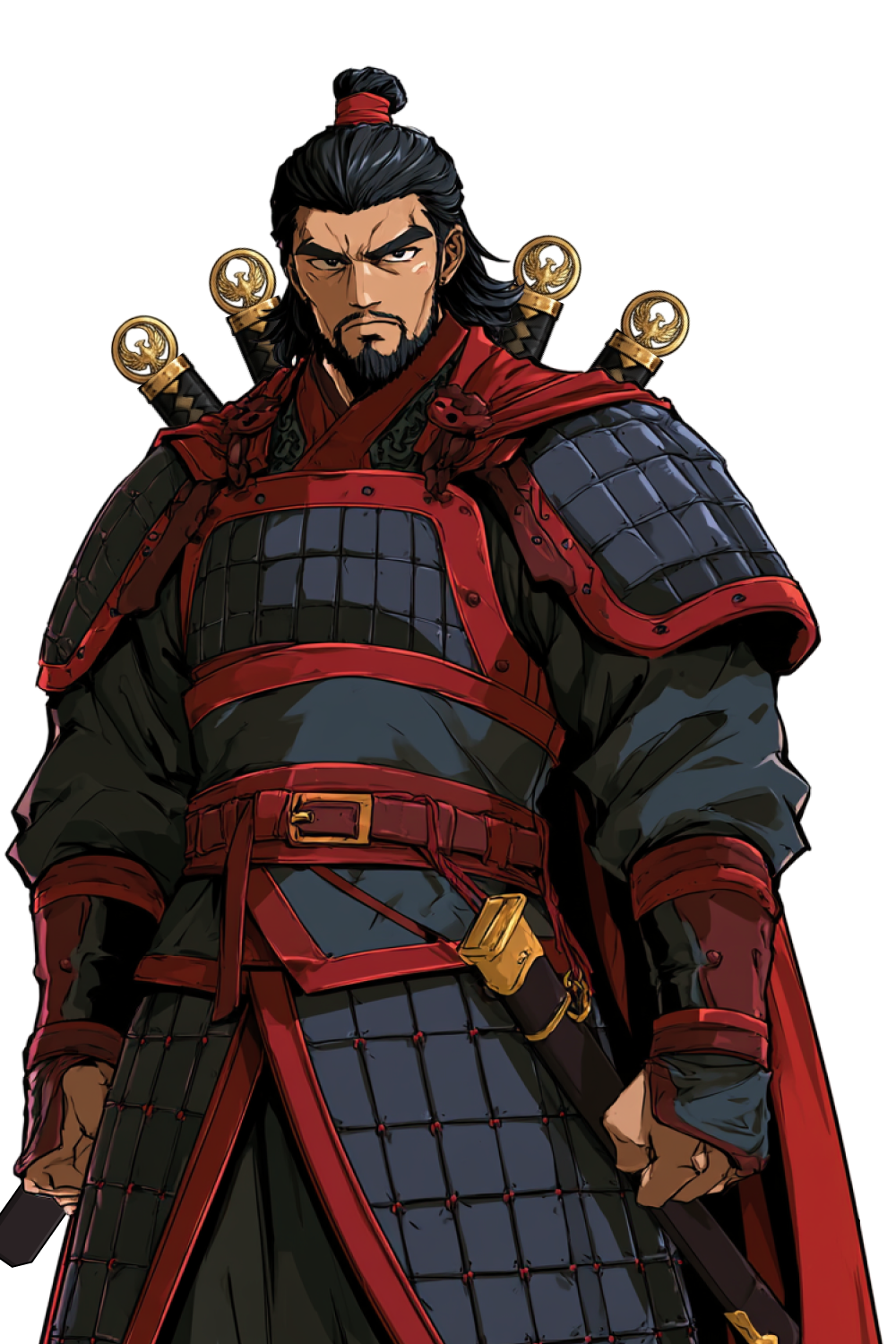
- Yeon Gesomun
- Go Yunsu
- Blue Dragon
- Yeon Namseng
- Sul Gedu
- Gate Guard
- Yeon Namgun
2 stills without a cue
liked the old man’s story. He just didn’t think it was about him.
At does not wait behind the line.
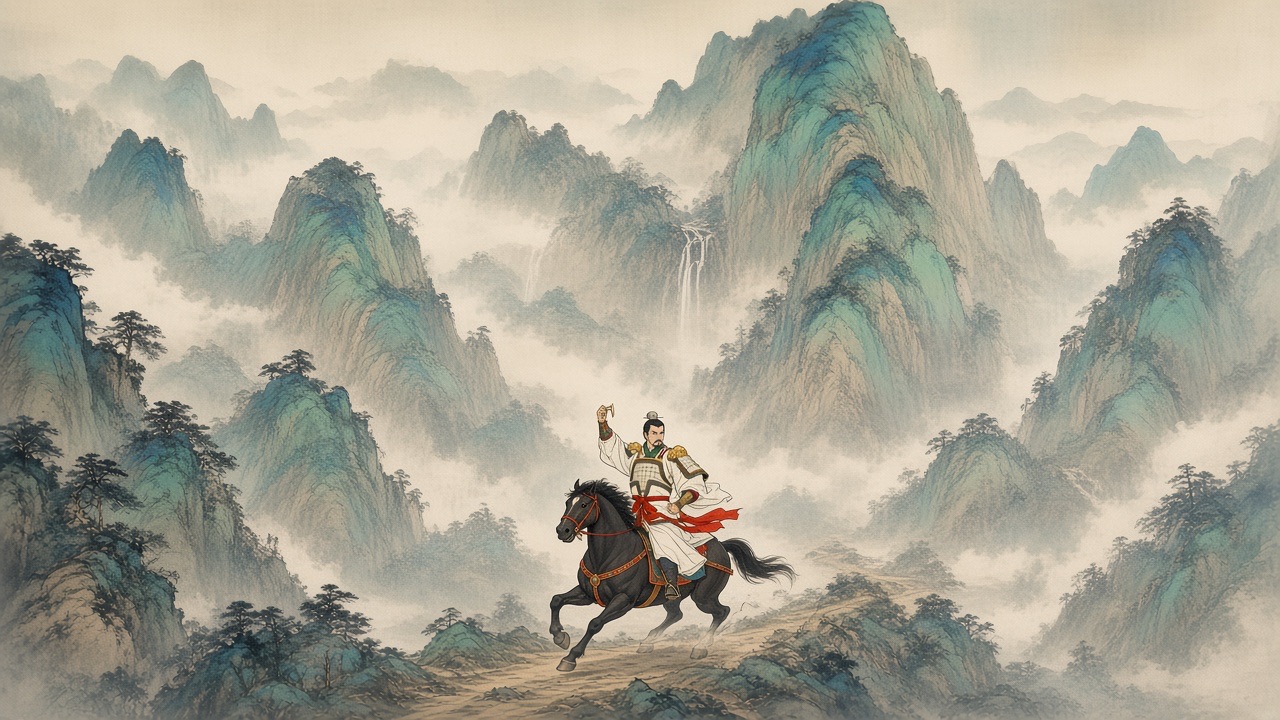
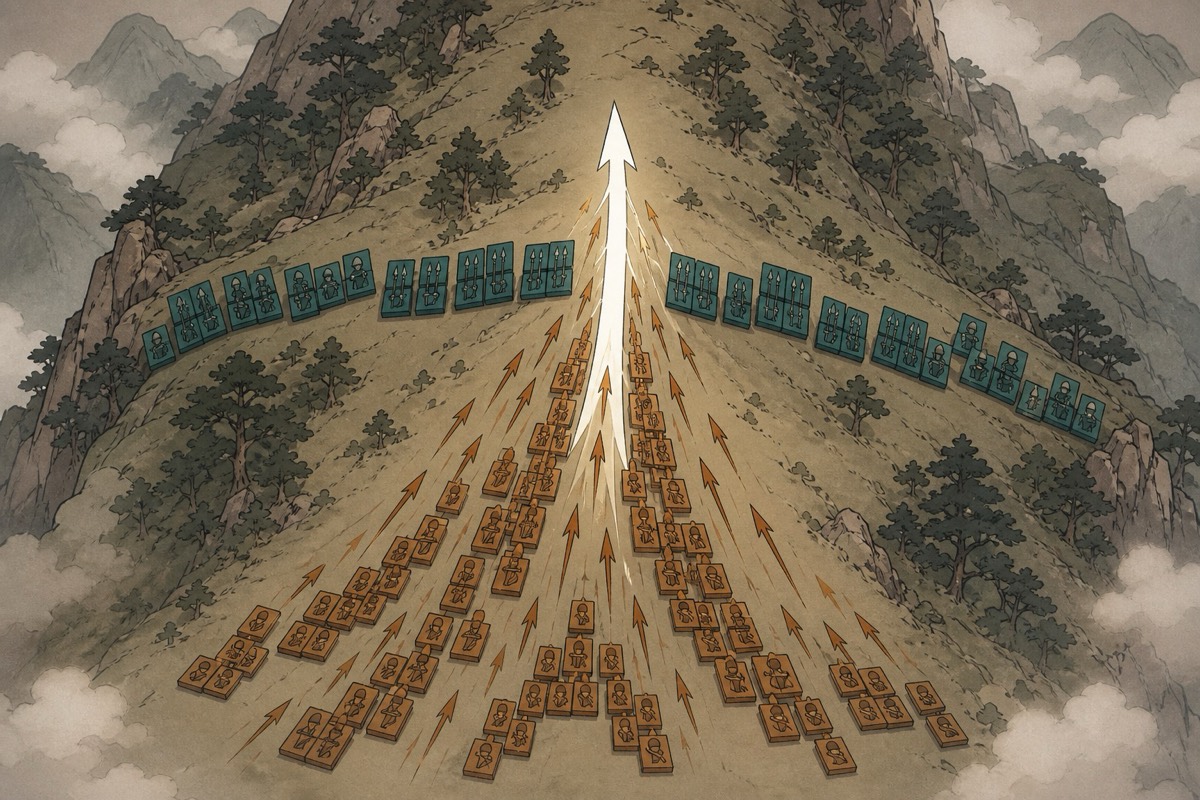
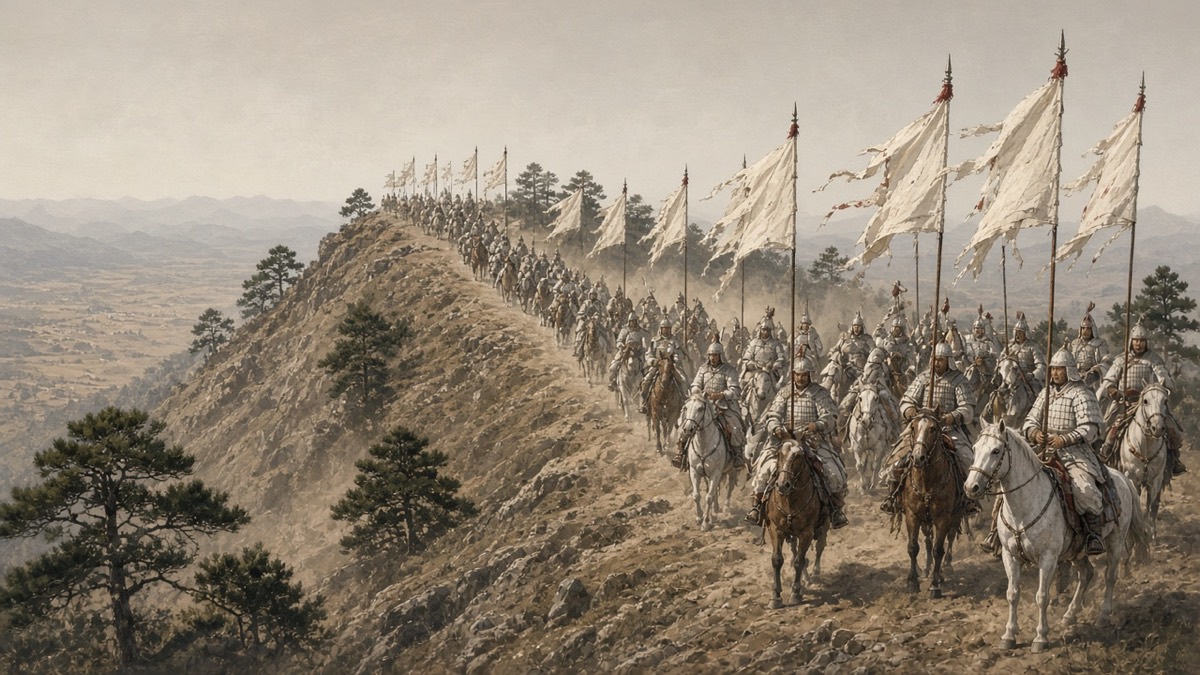
The relief army comes down the crow road under banners that think numbers are an argument. and ride at the front. The emperor sends a thousand Turkish horse to meet them and tells them to lose. They lose beautifully, all the way west to the foot of a mountain. Across the plain, under a ridge, look like a single army of fifteen thousand.
Nobody tells about the valley behind him. In the night takes a second army round the north of the mountain and into it. The emperor climbs the mountain with his drums, banners furled.
At dawn, drums start on the mountain above the field. The emperor is up there with his horns and his flags, playing the battle like a court orchestra.
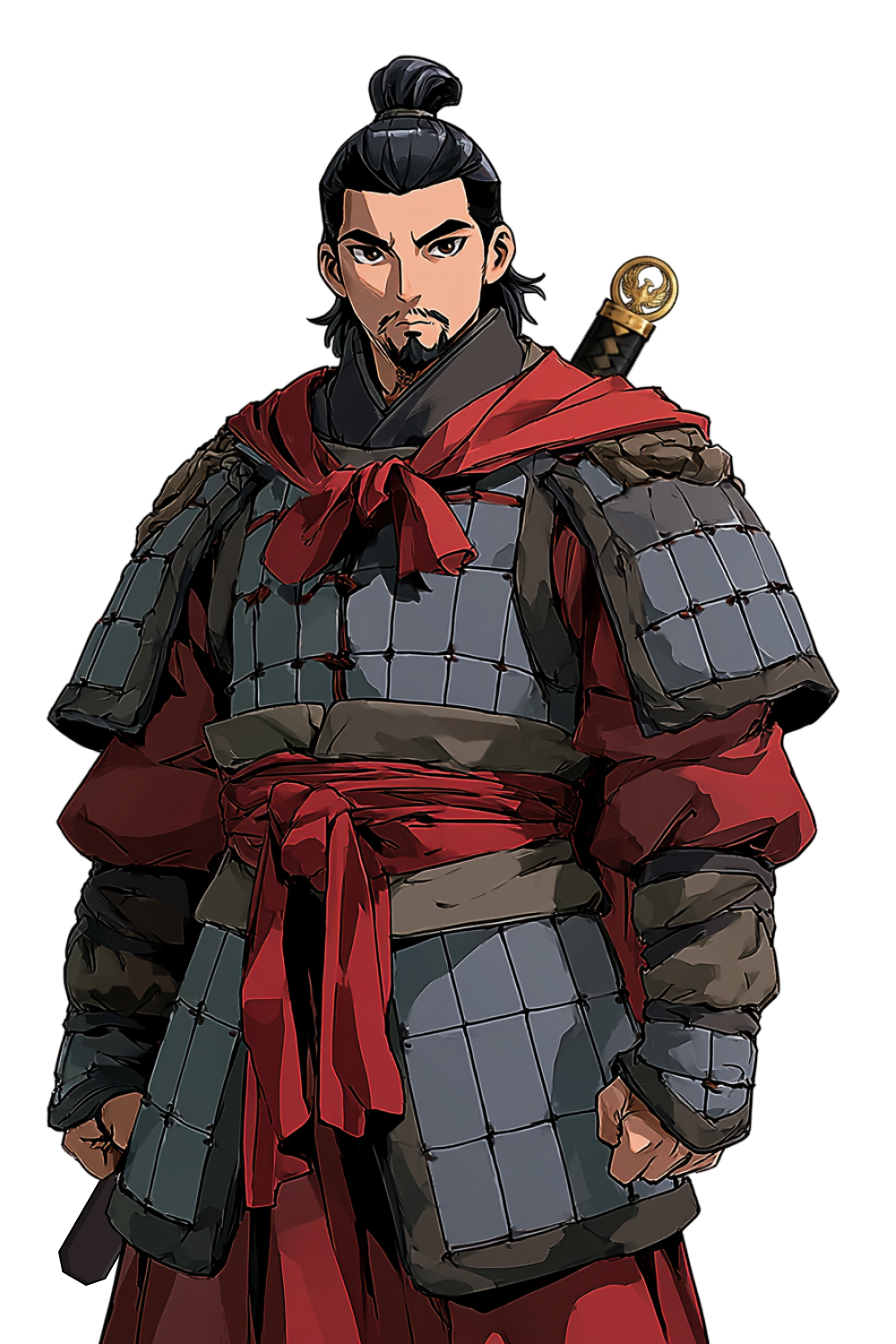
In the Western line stands a guard captain whose accent still has the sea in it. left twenty-four winters ago, in the hold of a merchant ship. When the emperor called for volunteers, he put his own name down. It’s the only way a foreigner gets a captain’s sash. Across the field, the enemy’s banners are close enough to read.
The soldier laughs, not sure he was meant to. ties off his helmet cord and does not look at the banners again.
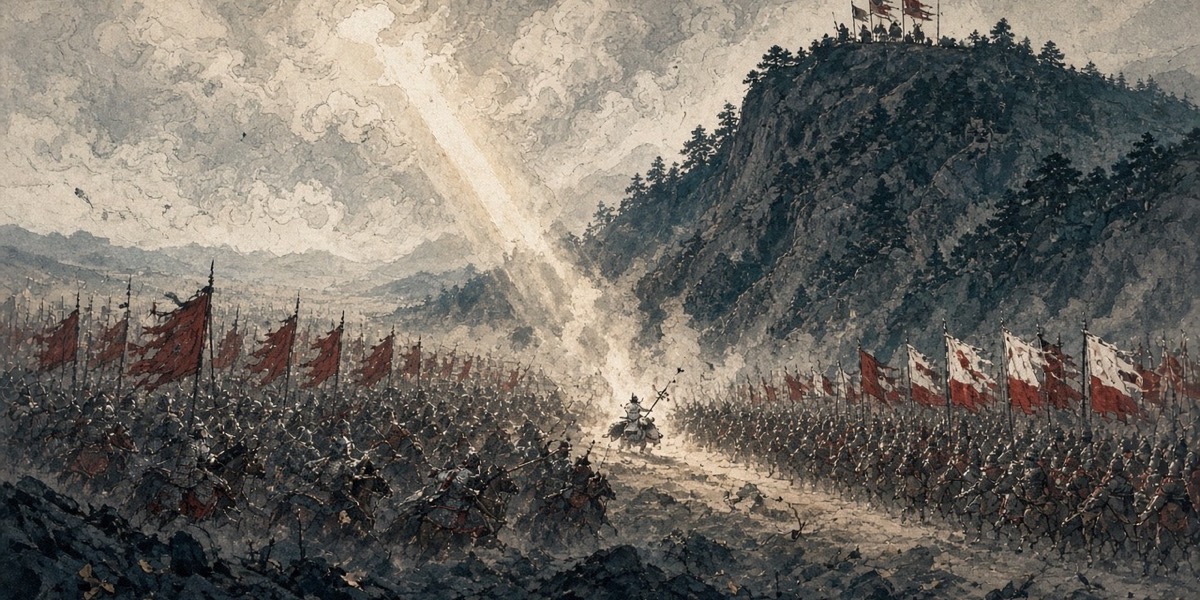
Noon. The plain under the mountain is one long noise: drums above, horns, a hundred and fifty thousand men leaning on a line that will not give. Dust stands up off the field like a second army. Somewhere inside it the centre is winning, knows it, and is shouting about it.
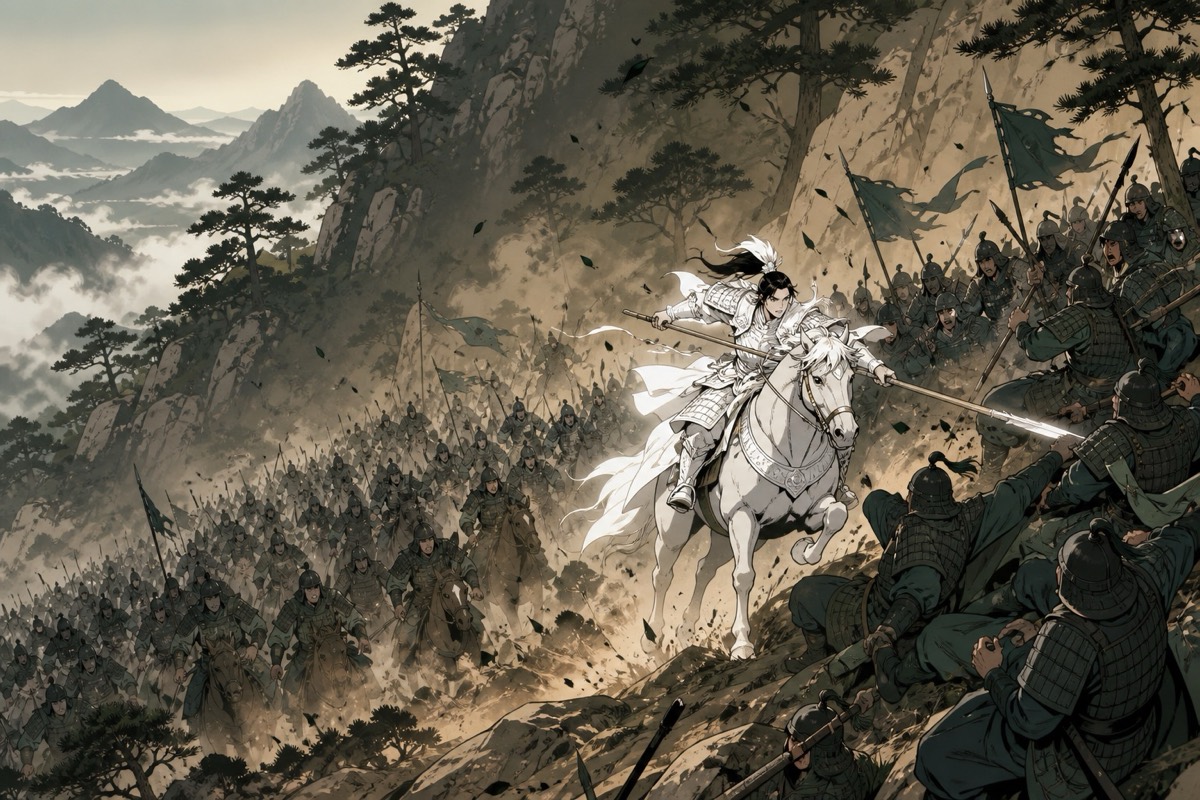
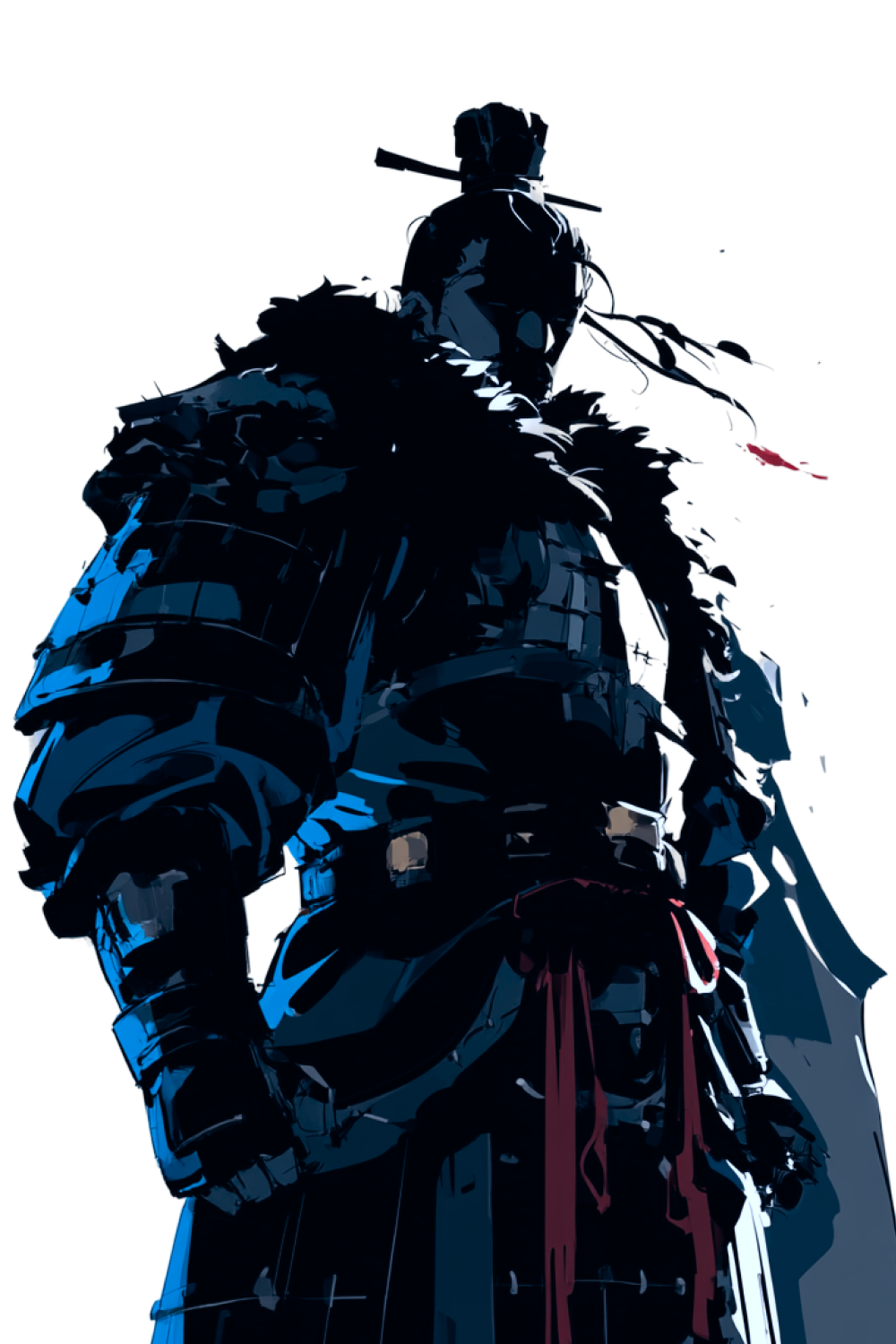
The one in white is a low officer of the Western line who decided an hour ago that this field needed a mark it could not look away from. He put on white armour — not for mourning, for visibility — hung two bows at his waist, and took up his grandfather’s old ji, the one his wife bought back with eggs. Now he rides into the front so hard the relief army has to notice him or die without knowing why.
No one in the line stops him for long. Then the drums on the mountain change, and ’s banners come out of the valley behind them. The relief army turns to face the wrong way twice. The formation breaks. The mountain learns a new colour.
Just then came thunder and lightning. , a man of Longmen, in strange clothing, broke into the enemy line with a great shout, and nothing could stand before him. The troops gave way; the main army followed through, and the troops broke completely…
마침 천둥과 번개가 쳤는데, 용문 사람 설인귀가 기이한 옷을 입고 크게 소리치며 적진을 무너뜨리니 향하는 곳마다 대적할 자가 없었다. 군사가 쓰러지듯 흩어지자 대군이 그 틈을 타니, 군사가 크게 무너졌다…
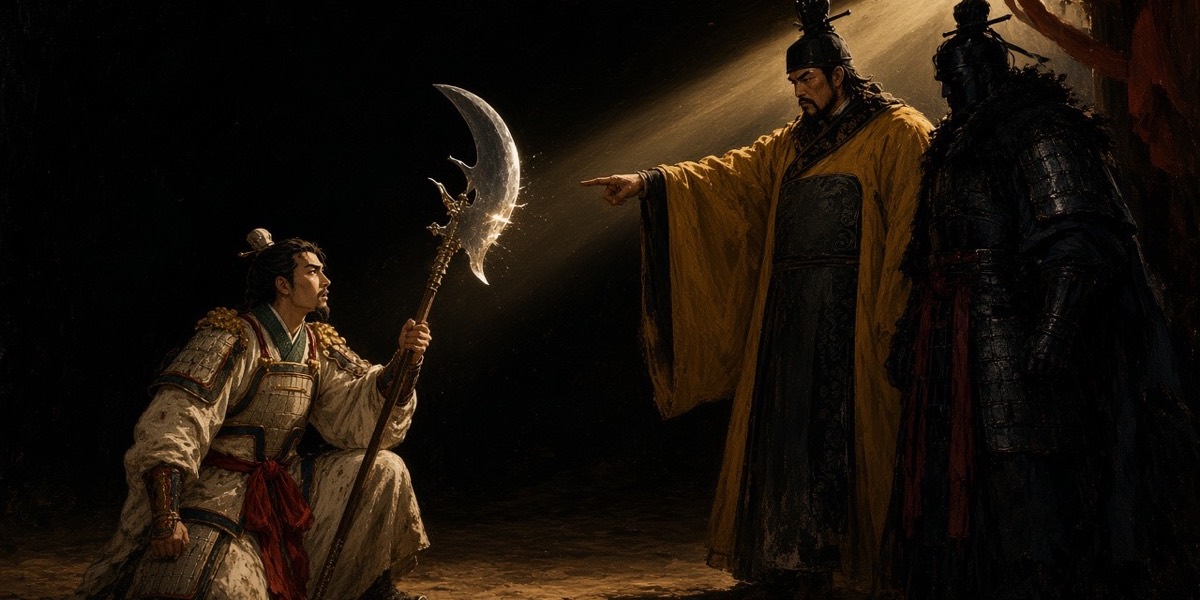
They bring him up. Dirt on the white. Blood on the crescent of the ji. He kneels like a man who has never been in a palace and does not intend to apologise for it.
The emperor looks at the ji longer than at the man. New cord over old wood. A blade sharpened so many times it has gone thin as a leaf.
The one from the armoury is a fangtian huaji: a painted shaft taller than a man, a spear point, and two crescent blades set back to back like a pair of moons. The tag on it says it belonged to Lu Bu, the best fighter of ’s last days and its worst son. Armoury tags say a lot of things. Nobody has swung it properly in four hundred years.
He swings it once to learn the weight. The horses on the picket line step back. So do two of the guards.
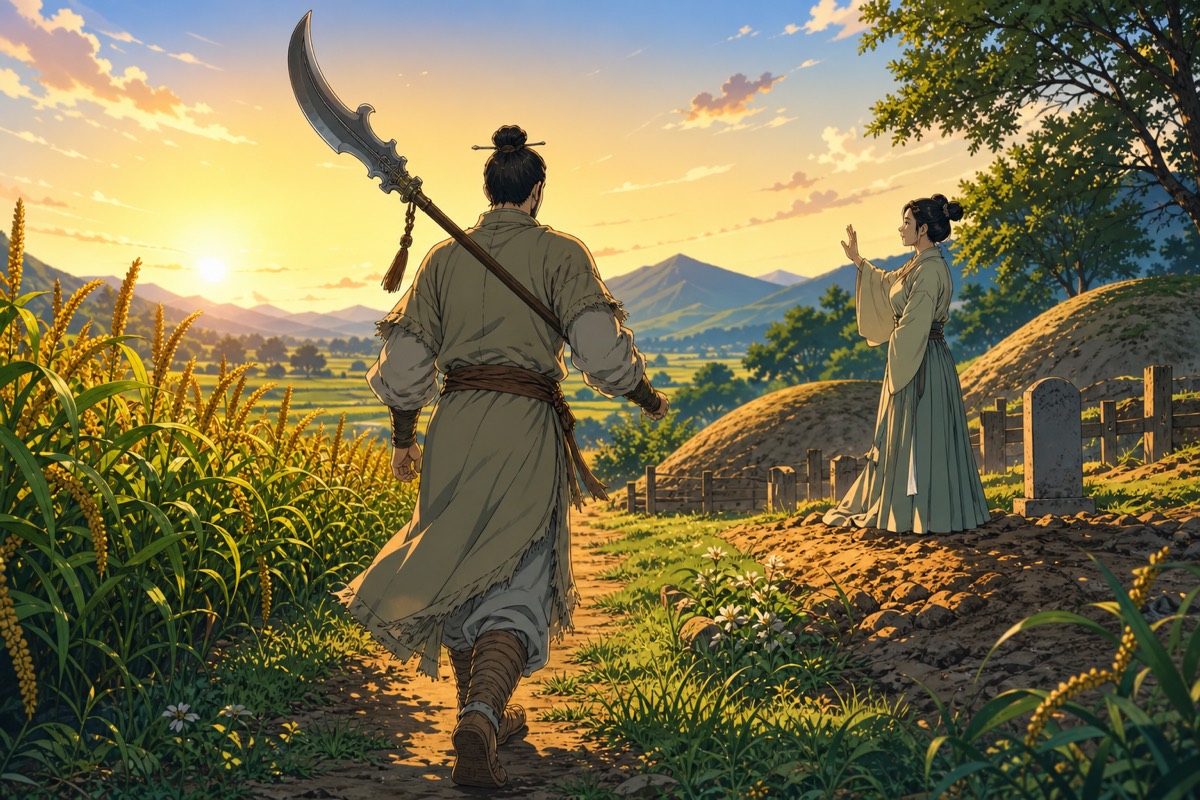
They give him gold, silk, a general’s title, and a place among the men who stand at the northern gate. The white coat stays. The old ji rides behind his saddle in its oiled hemp. He made it a promise.
That night he has a clerk write home for him. Two lines. The mounds can be finished properly now. Liu should buy the good stone. He does not mention the halberd. She would only say she told him so.
pulls what is left onto a hill to regroup. Behind the hill, have already burned the bridges. Nobody goes home the way they came. The emperor likes that trick.
When the dust settles, the two relief commanders walk into the Western camp on their knees. Their army walks in behind them.
The officers are sent inland, to be subjects far from any border. The common soldiers are sent home. The riders who came south with them are marched into a valley and buried alive.
does not live out the year. The records say he died of grief, which is the only cause of death ever let a surrendered general keep.
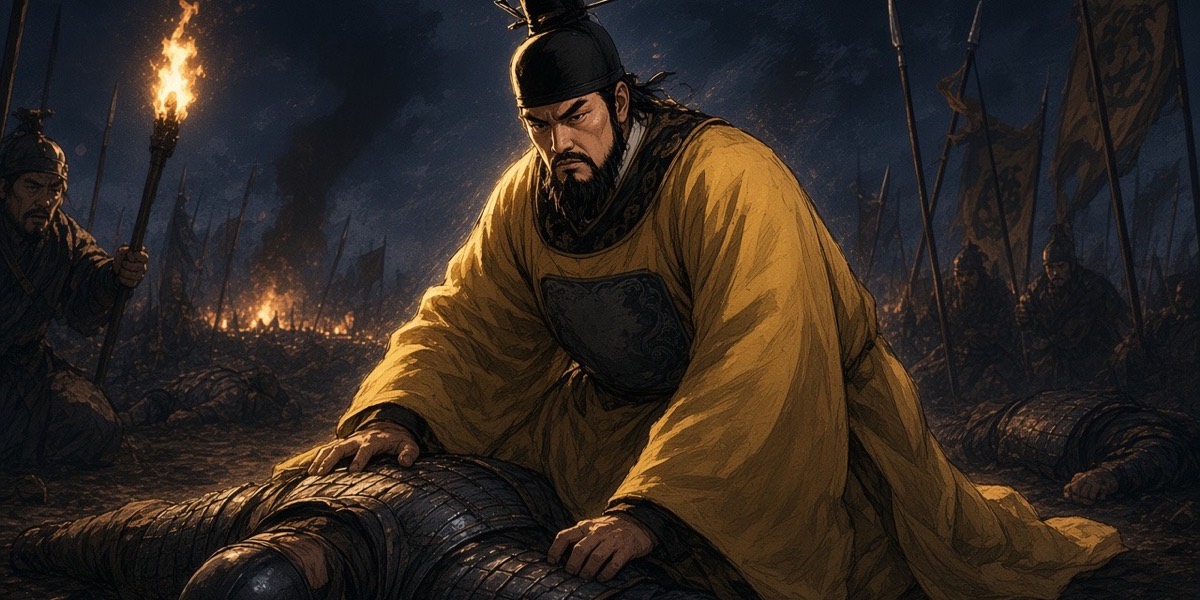
There is another foreigner in the reckoning that night. Riding over the ground where the centre stood, the emperor finds farther in than any of his own men got, face down among the dead he made.
Then he takes off the imperial robe and lays it over the dead man himself.
The cap, the sash and the sword, more or less. He gets them lying down.
Fame is a short leash. Before the army even settles into the siege, stops trying to kill the man in white in the open and starts trying to keep him.
They take him in a night fight east of the Liao — nets, numbers, the halberd knocked from his hands — and drag him inland to a lesser fortress that is not and does not want to be famous. Iron on the wrists. A cell under the wall. The white coat cut off him like a trophy.
He breaks the irons. He breaks the door. The white coat only made him easy to see.
He finds the ji on a rack in the yard, still sticky from someone else’s hands, and takes the wall the way water takes a crack. By the time ’s banners show on the ridge, the cell is empty and the fortress is explaining itself to no one.
laughs once — short, relieved — and does not ask how. A sovereign who has to ask how has already lost the man.
Among the prisoners taken at the mountain are two boys, eleven and eight: ’s sons, the careful one and the one who never backs down first. Their father sent them with the baggage to watch an emperor run.
’s knee starts to bend. His brother’s hand closes on the back of his collar and holds him straight.
is eleven. He works out, quite quickly, that wants two and will settle for one, and that only one of them has to be the one who refuses.
They flog him in front of his brother and send them both back across the Liao in the spring, as a gesture. does not speak for the whole journey.
The news reaches in two pieces. The field army is gone. The boys are in the emperor’s tent.
The hall waits for him to break something. He doesn’t. He calls for a map and puts his thumb on the one fort still flying the old king’s colours. The fort that refused him.
The relief army comes down the crow road, a hundred and fifty thousand strong, and camps forty li from Ansi. The emperor sends the Red Dragon out with a thousand Turkish horse to meet them, and tells him to lose.
- Tang 31,000
- Goguryeo 147,000
- Mohe ?
- = 1,000 men
- = size not recorded
Sources: Zizhi Tongjian 198, Zhenguan 19 (645), 6th month · Old Book of Tang 199A, Account of Goryeo · New Book of Tang 220, Account of Goryeo · Samguk Sagi 21, Annals of Goguryeo, Bojang year 4
Why isn’t afraid? back thirty-three years, to a general who surrendered seven times and won…!
