

Chapter 6
Eight Great Clans
AI Summary
- The Sand On the crown prince’s day, the court chalks a square grid in the palace yard.
- The Last Bout Last on the sand: the Jinmo boy, and the crown prince’s nobody.
- The Assembly The chalk is still on Gyebek’s sleeve when the lords climb to the rock that afternoon.
- The Rock at Dusk When the rock is empty, the crown prince is still sitting on it, which is not allowed.
- Characters
Episode· 632
Eight Great Clans
Satek. Yunbi. Jinmo. Mokli. Hae. Bek. Guk. Ahn.
- Elder Satek
- Buyeo Euija
- Elder Yunbi
- Gyebek
- Sunchung
- Hungsu
- The Jinmo Boy
- Prince Pung
- Prince Yung
. . . . . . . .
run this country, and one king sits between them. Today, on the crown prince’s day, they settle nothing on the sand. They never do.
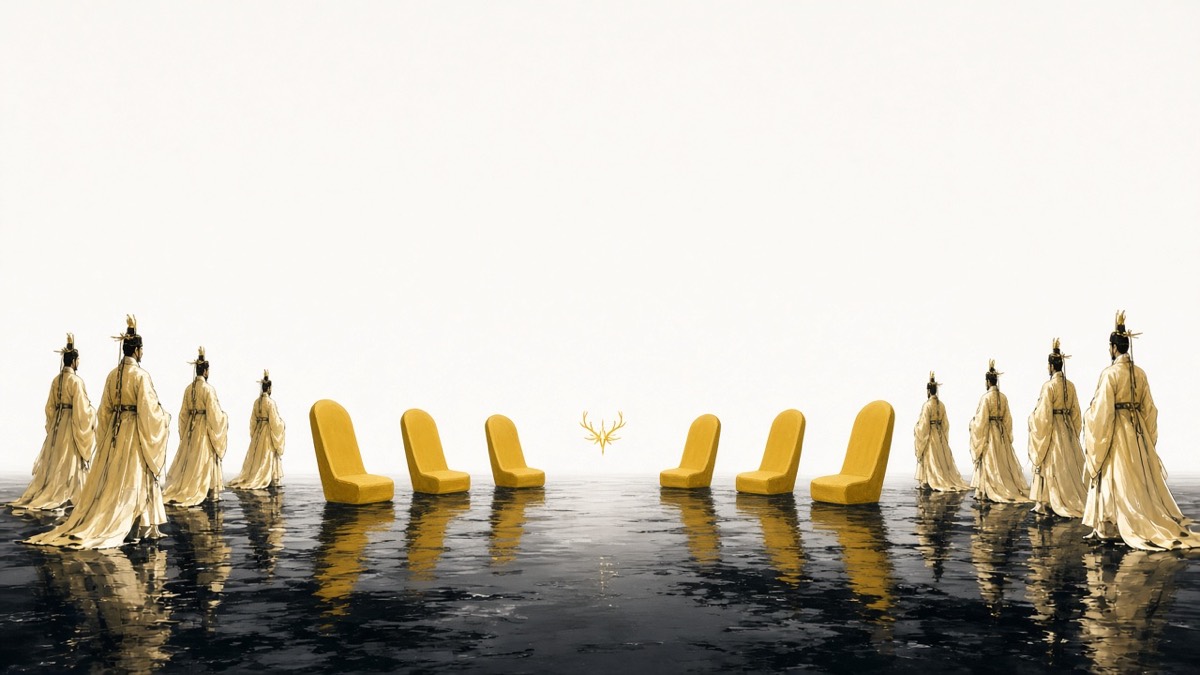
The eight great surnames. Not a council and not a party. Eight families, each older than most kings, each with a seat on the rock, a berth on the river and a grudge against at least two of the others. The royal Buyeo house sits above them. Usually.
The Western wrote the eight names down too, and got half of them wrong. That tells you how often the clans let outsiders count them.
The great surnames of the country are eight clans: Sa, , Hyup, , Jin, , Mok and .
나라 안의 큰 성씨는 여덟 족이니, 사씨··협씨·해씨·진씨·국씨·목씨·백씨이다.
Ask any of the eight where they came from, and you will get a long answer that ends with their own house. Here is the short one.
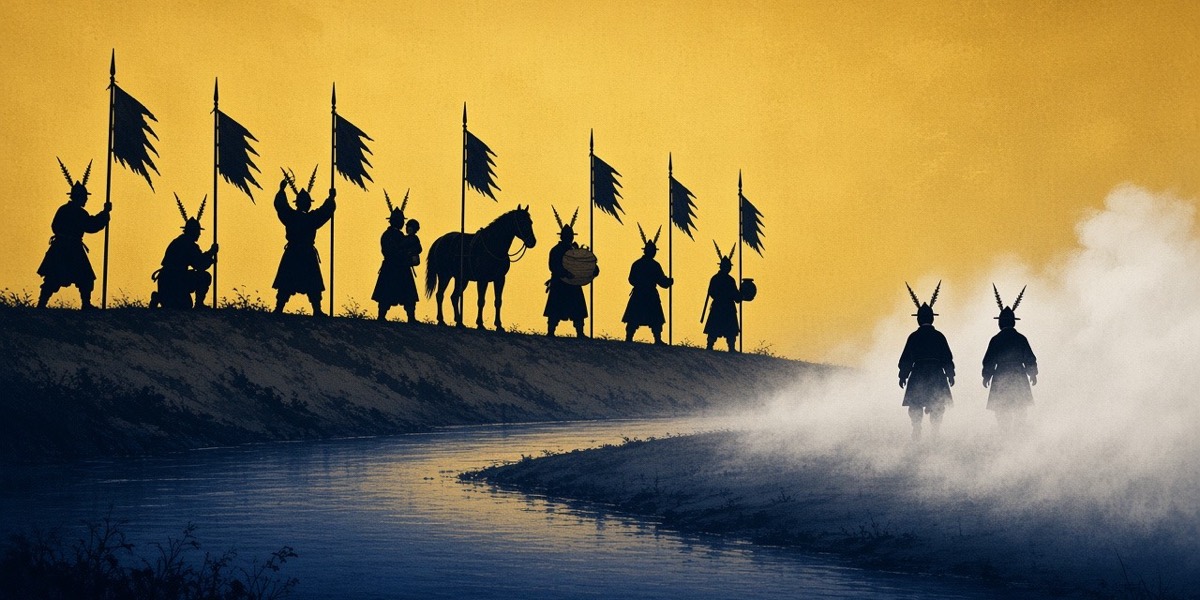
Ten men walked south with the first king. Ten attendants. They carried his rice, led his horse and held his banner, and when he built his city each of them got a hill.
Eight of those hills are still in , with the same names over the gates. Nobody knows what became of the other two.

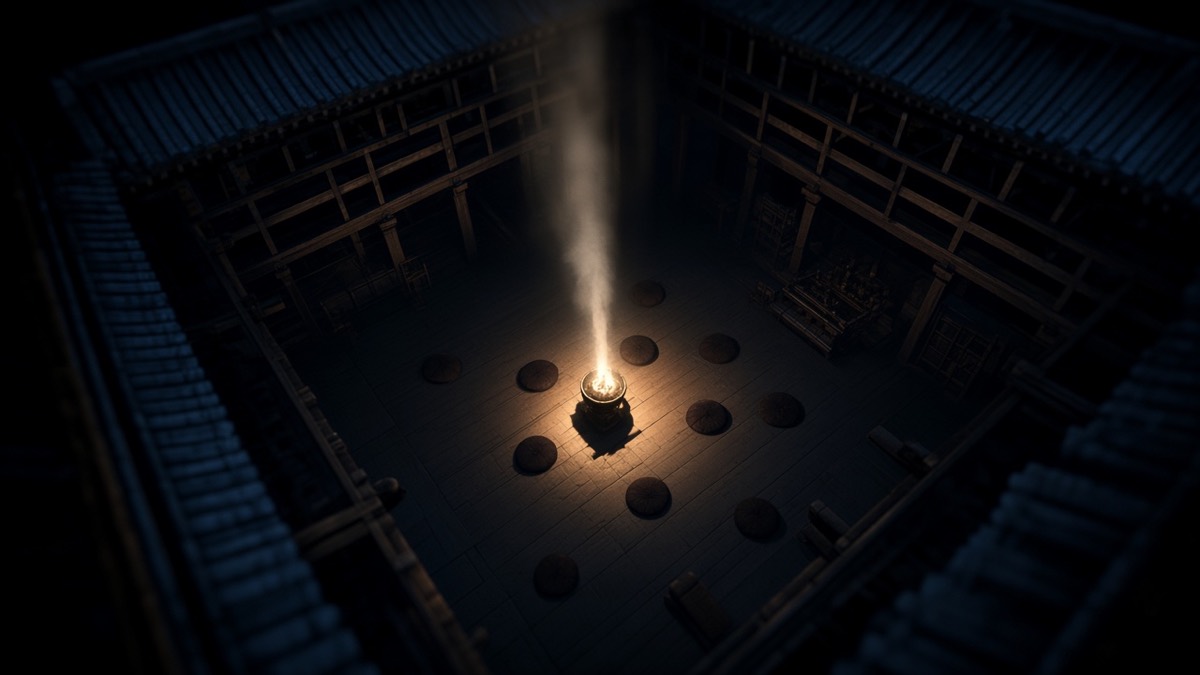
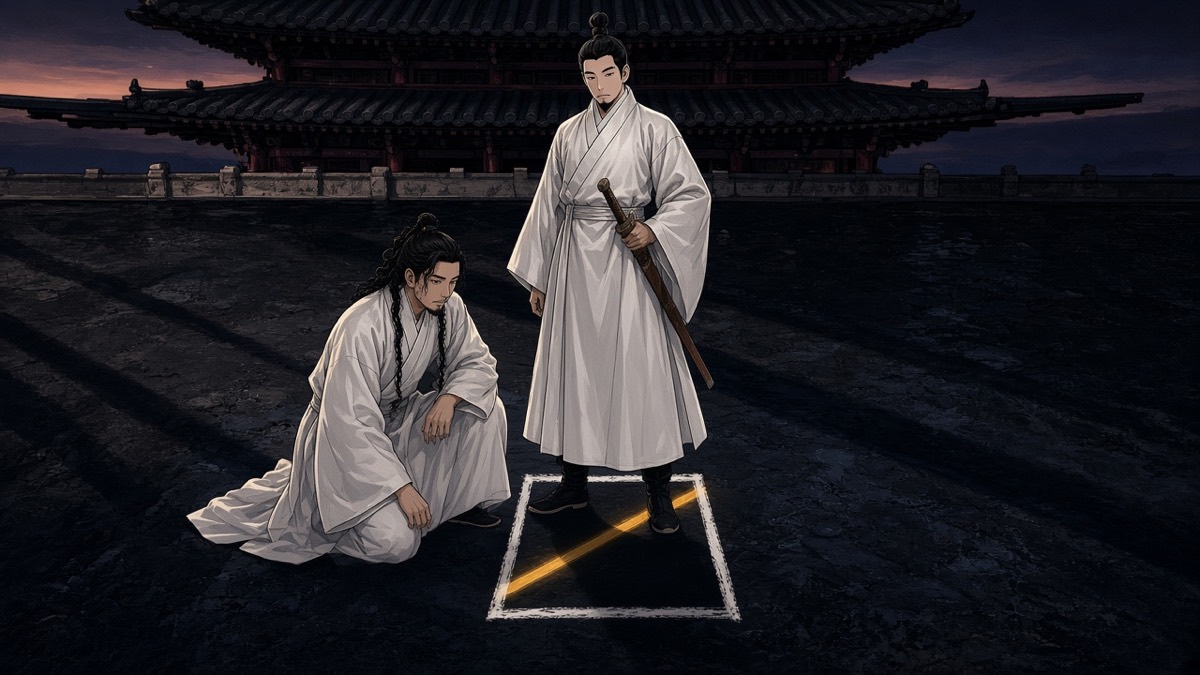
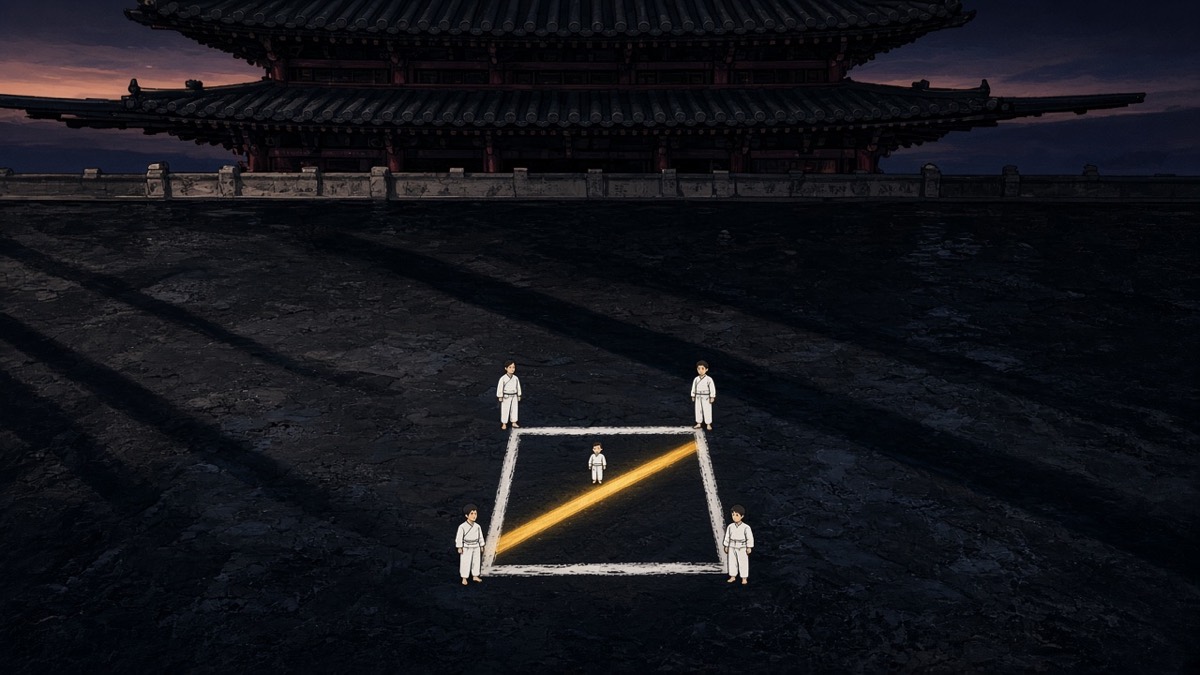
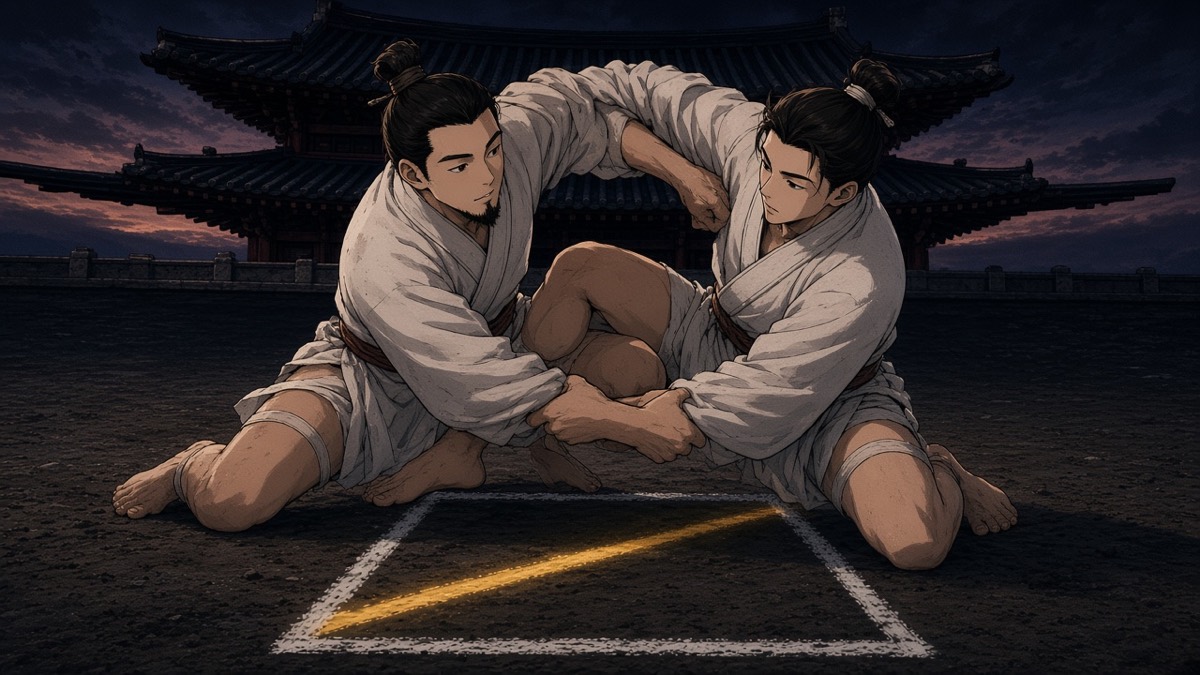
On the crown prince’s day, the court chalks a square grid in the palace yard. Four hard lines. No banners. The young men of each house step onto the grid in white.


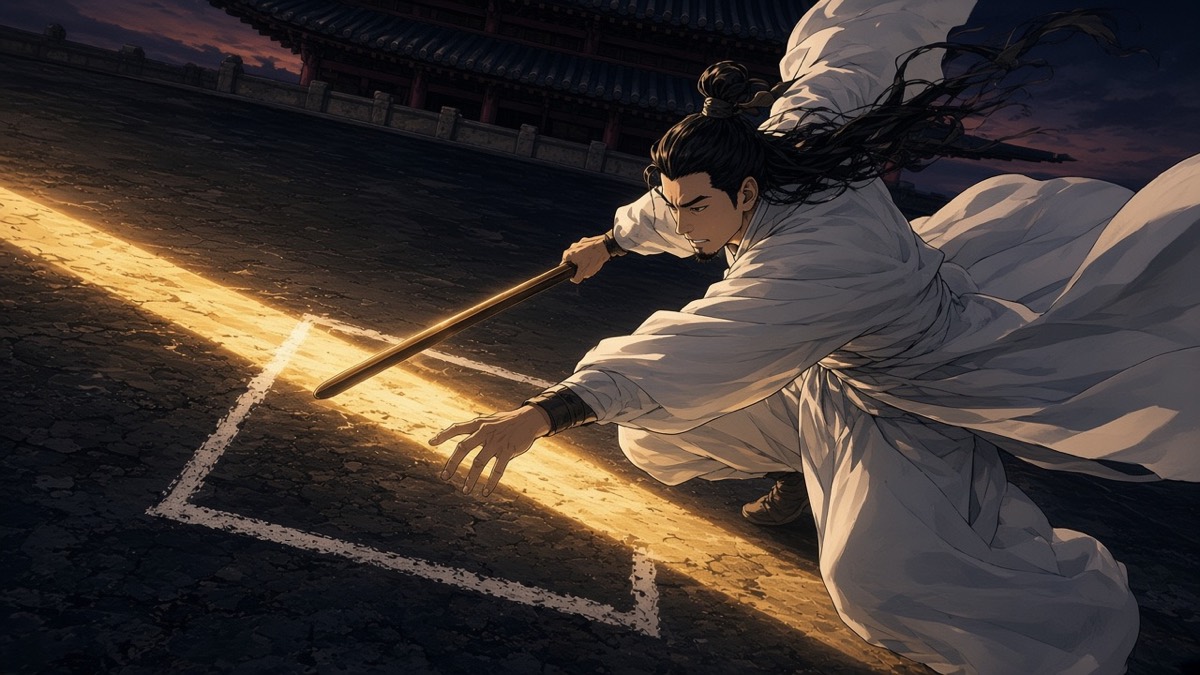
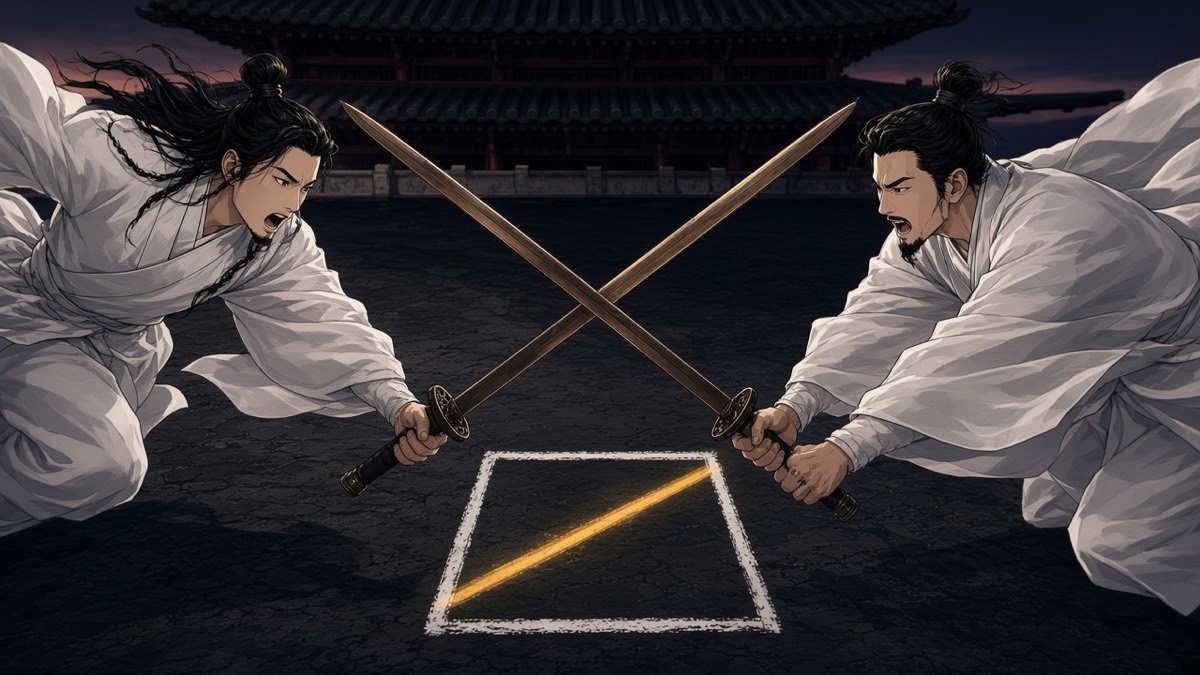
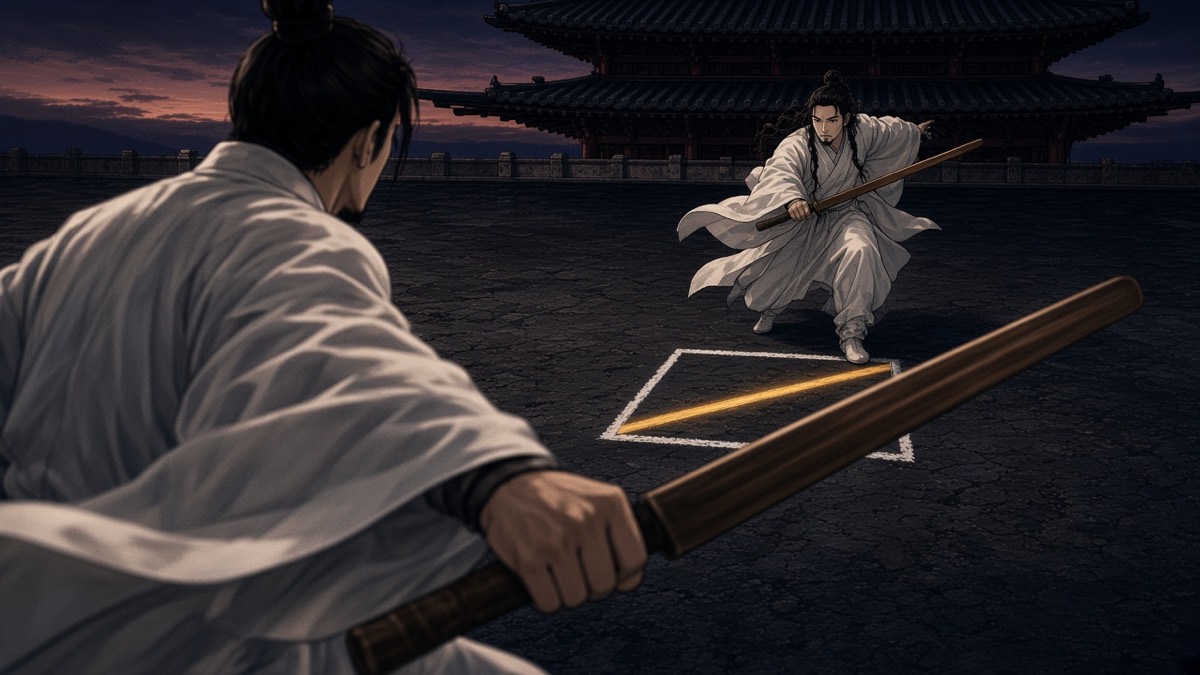
Swords first. Wooden ones, which still remember steel. The holds his blade high over his head, the way, daring you. A boy takes the dare. On the call they both move. Blades skim the chalk. The white sleeves clap together so close that the steps gasp.
The bows to the steps and looks straight past the boy, to the edge of the sand, where the crown prince’s nobody is waiting.
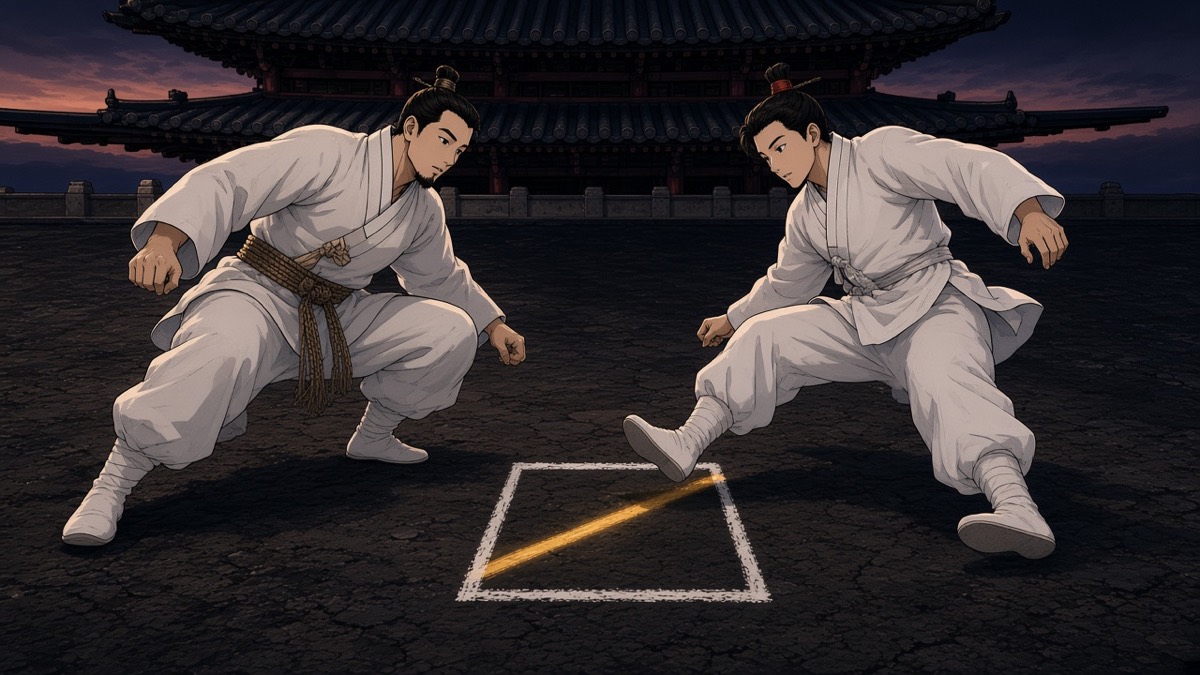
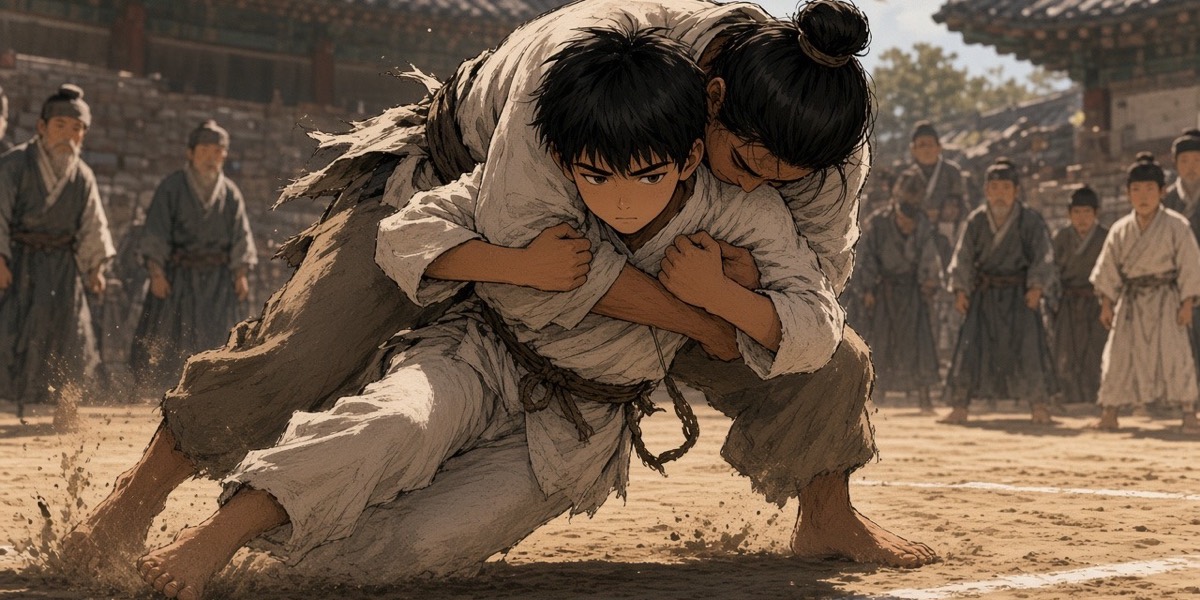
When the wooden points are tallied, the sand comes out. A circle of grit inside the same square. Ssireum — satba locked before they stand, knees in the grit, equal grips on waist and thigh, then up without letting go. No circling for a hold. The bout is the hold.
A boy hooks a leg, low, the coast-road way. The boy answers with his hip. He lifts, he turns, and boy’s feet leave the earth. The yard goes quiet the way a dock goes quiet when a rope snaps. Sand takes the shoulder. The chalk does not argue.
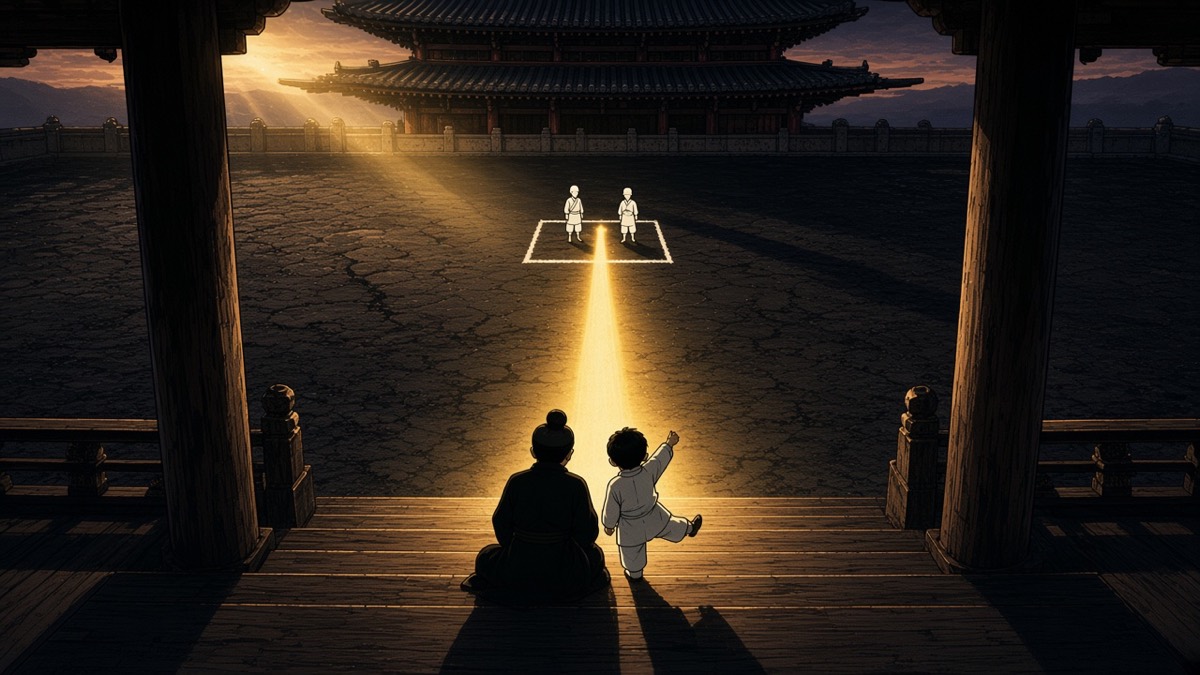
The elders watch from the hall steps. They always do, and they still count wrong when it is their sleeve.
One step below the elders sit the crown prince’s sons. Each one sits on his mother’s side of the stair. If you know the houses, you can read the whole Assembly off that stair.
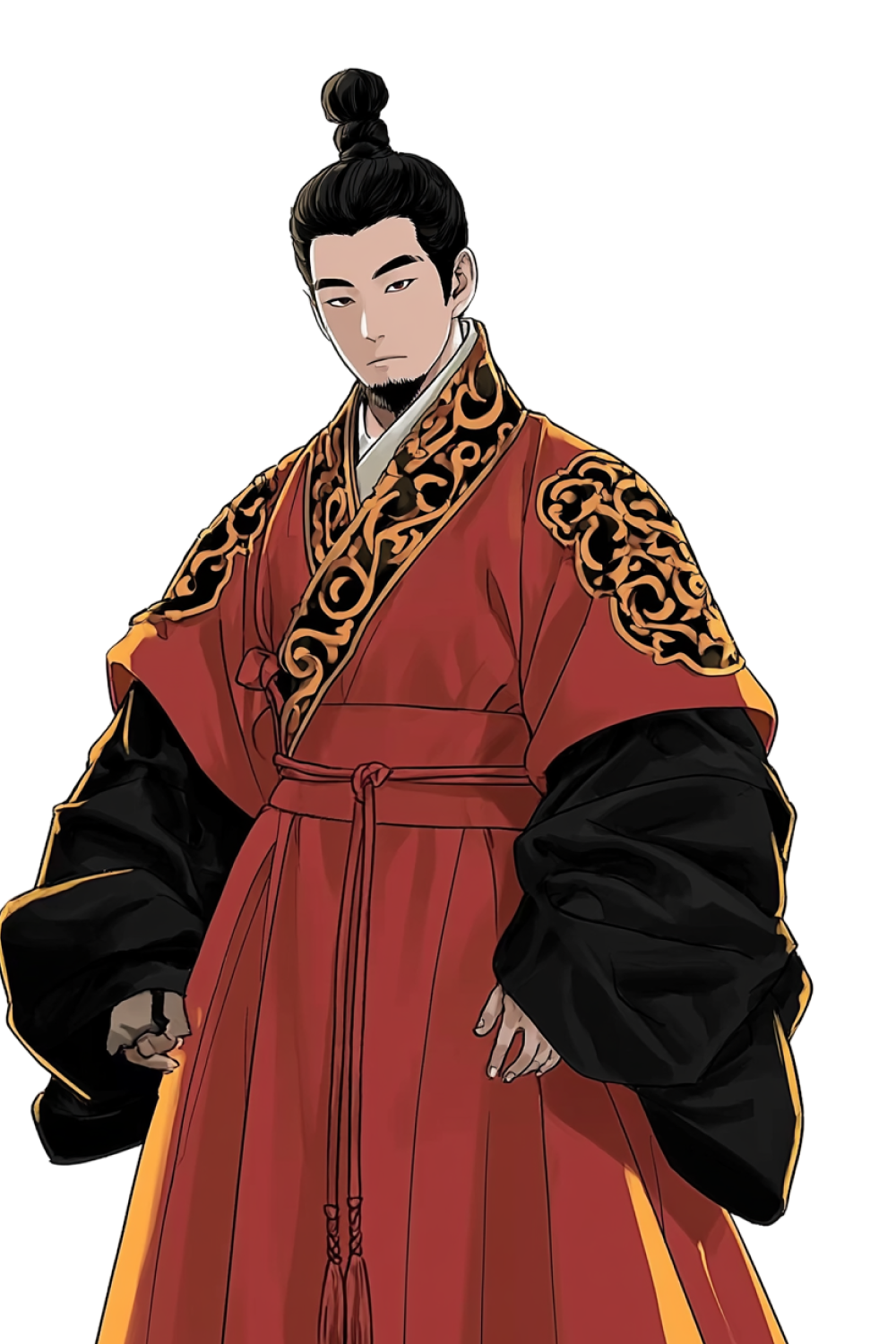
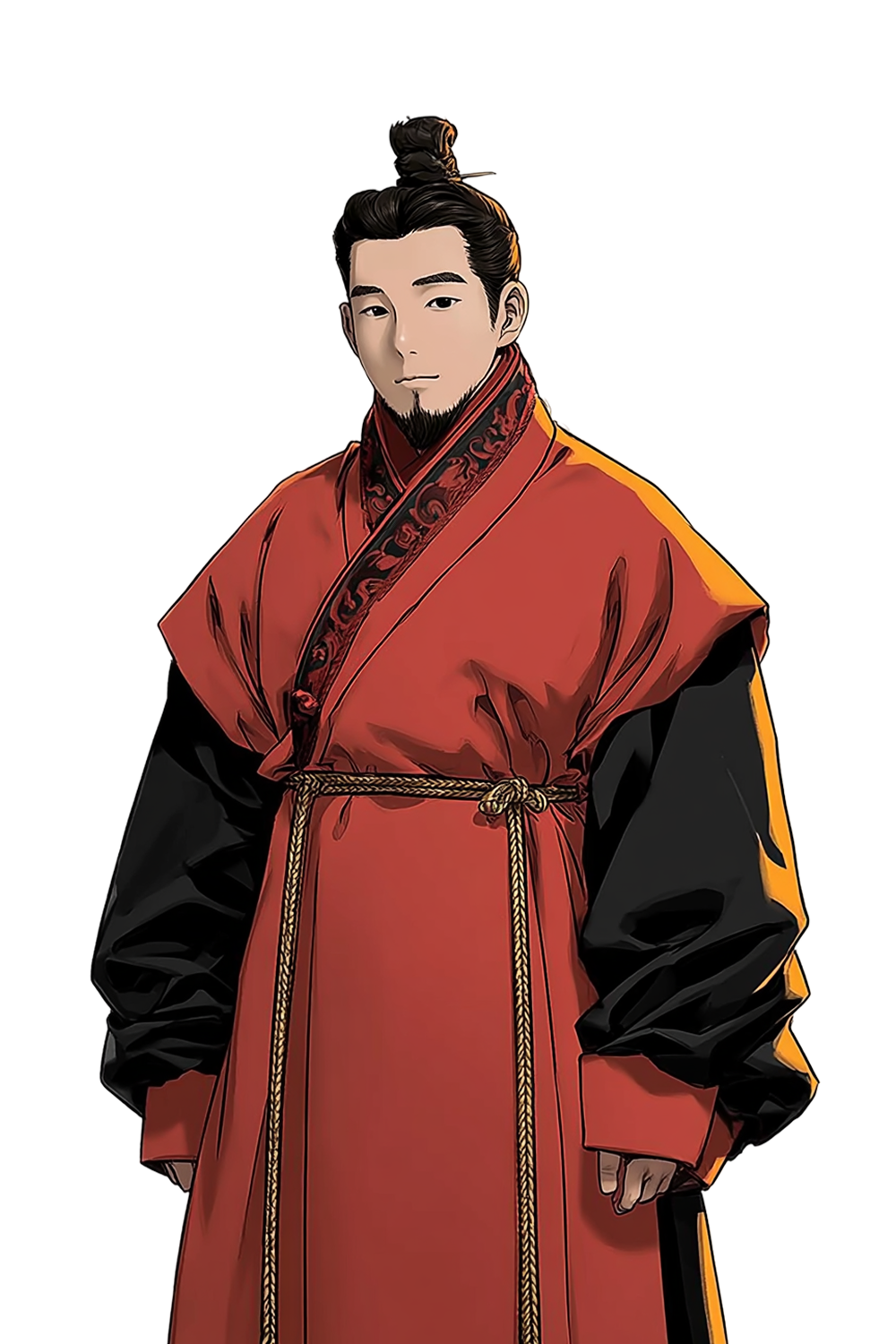
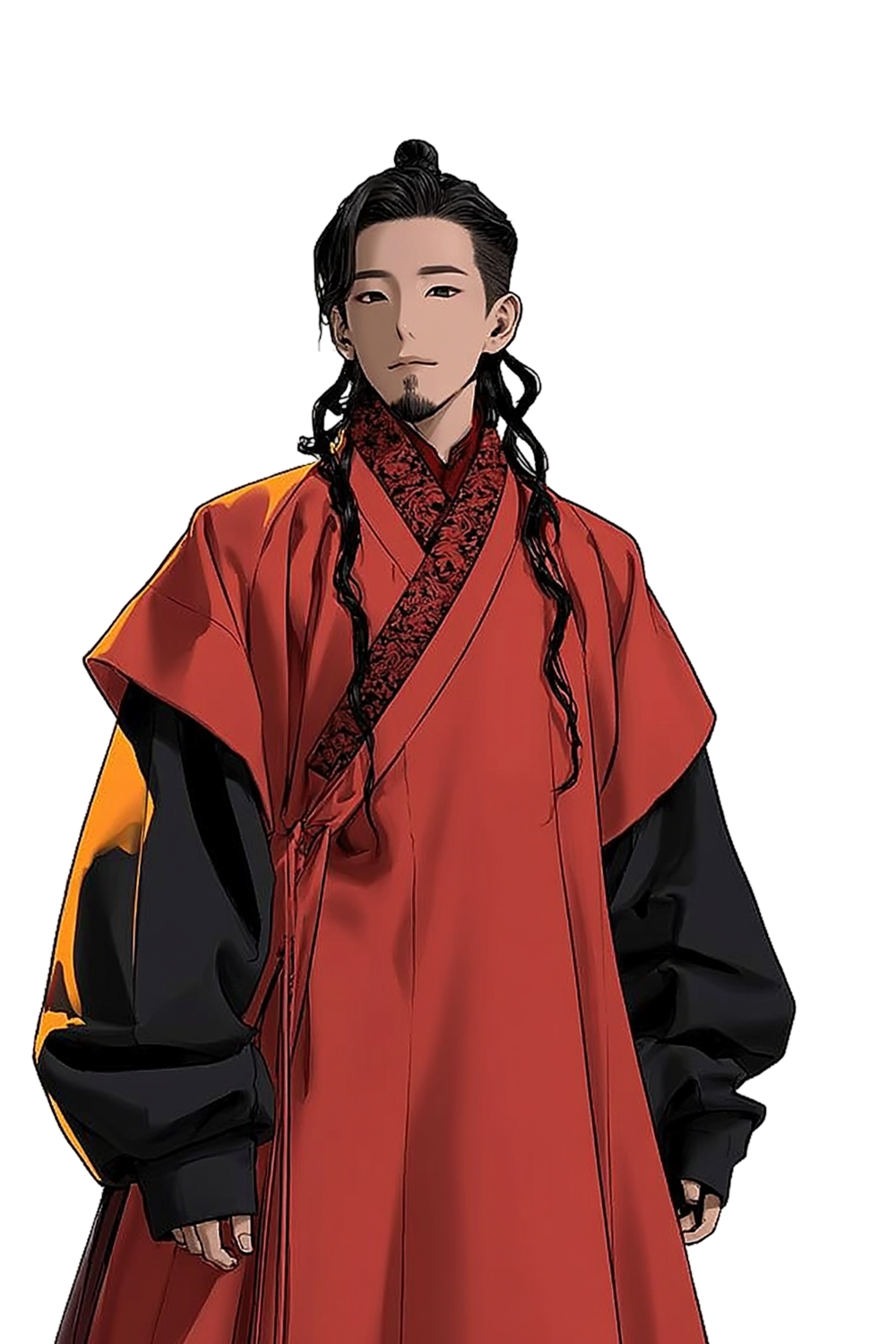
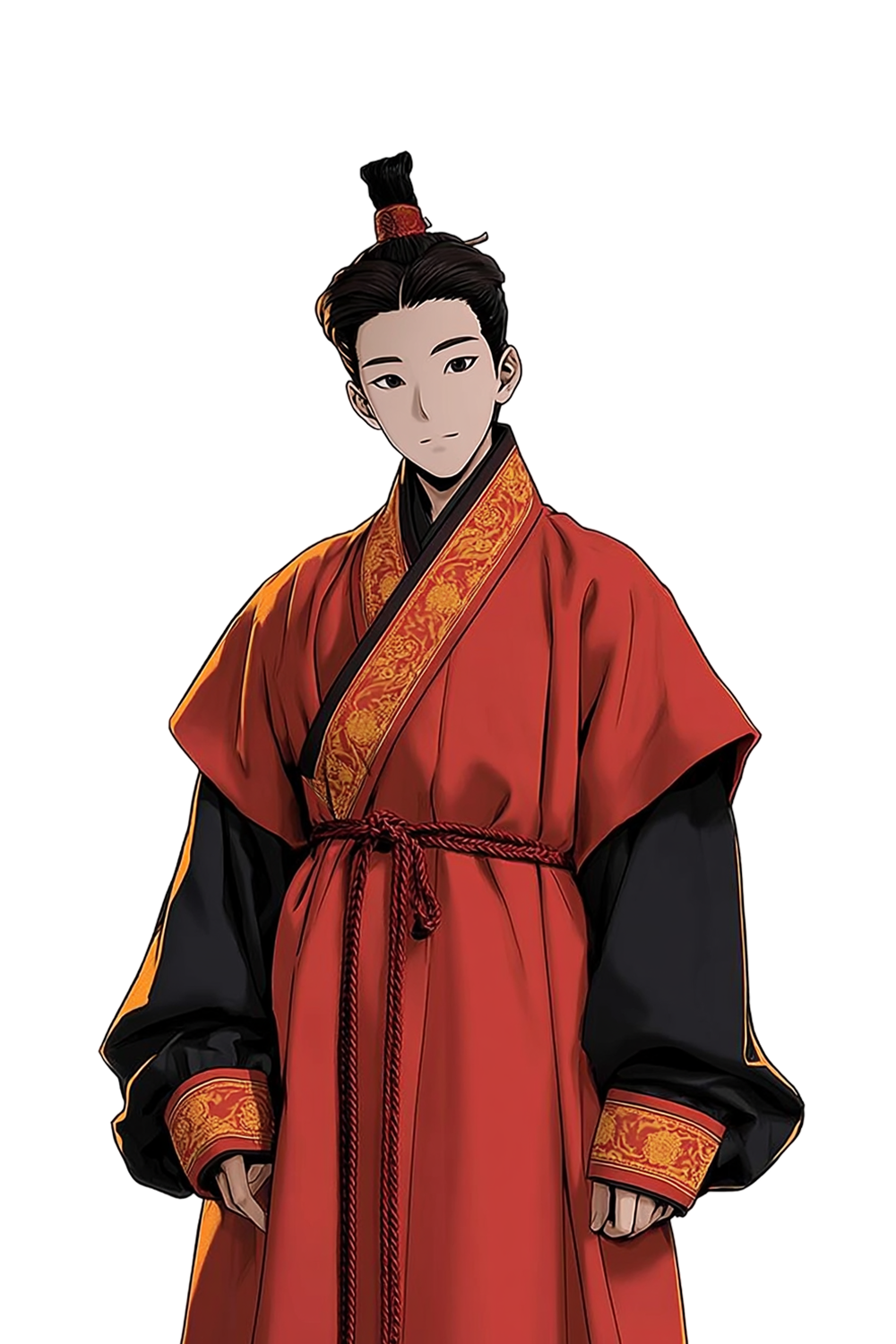
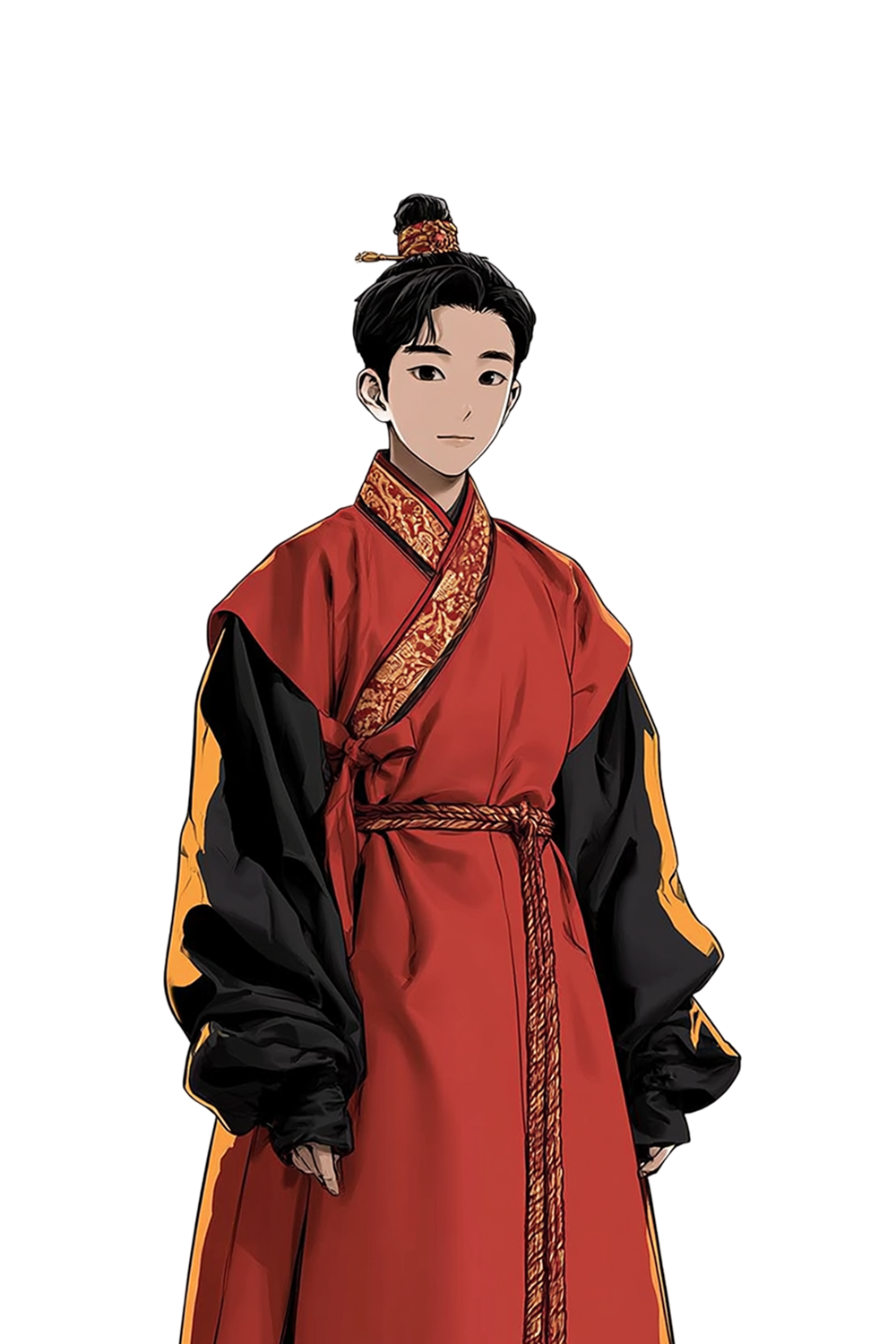
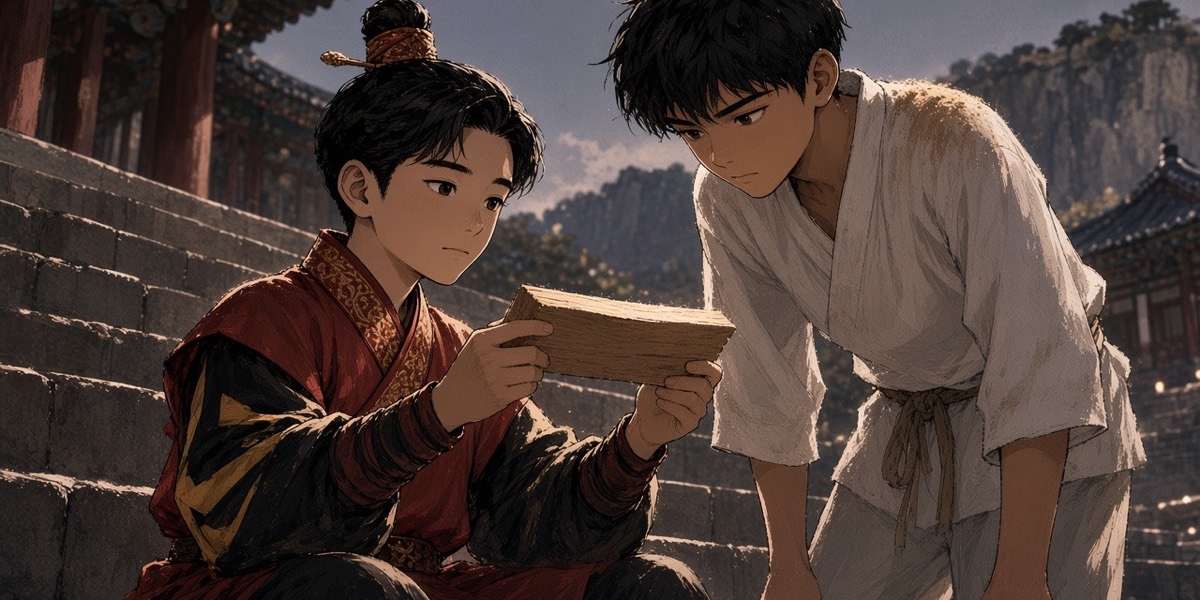
has a strip of wood on his knees and a brush in his fist. He is copying down every name the herald reads, because nobody told him not to.
Last on the sand: the , and the crown prince’s nobody. For five days the has told the steps what he will do to a peasant. Now the peasant has a royal surname, and the steps want to see.
Satba. Equal grips, knees in the grit, then up together. The is a head taller, and he knows it. He leans.
’s heels slide back a finger’s width, and stop. He does not try to throw. He holds, the way he held a rope in a river for five days, and he waits.
The runs out of breath first. turns him the way you turn over a full basket: carefully, so nothing spills.
Sand takes a shoulder. On the royal steps, a crown prince with no interest in clan quarrels is on his feet.
Then someone in the crowd starts the old chant, the one every house in knows by heart, because a royal name has just won on the sand. Eraha is the old word for king.
hears it and stops smiling. Nobody notices, except , who is still on his knees in the sand and looking straight at him.
By dusk the white is grey with chalk and grit. Nobody has settled four generations of anything. The throne likes it that way. The boys go home with a score instead of a funeral.
On his way off the sand, passes the bottom step. The littlest prince holds up his strip of wood.
looks at the marks for a long time. Then he puts the wood inside his shirt, where the burner went, and bows to a boy of eight as if he were the king.
The chalk is still on ’s sleeve when the lords climb to the rock that afternoon. Nobody invited him. brings him anyway, the way you bring a new dog to dinner to see who flinches.
In the Assembly they fight for power, each house holding a share of the king's sons. They fight in the street too. Same fight. The street version is older.
The Rock of Government. Long ago Baekje’s lords chose their prime minister by sealing three names in a box and leaving it on this rock overnight. Whichever name the rock had marked by morning got the chair. Nobody has tried it in living memory. These days the chair goes to whoever paid for it.
Unlike ’s , the Assembly does not require every voice. A plurality of houses is enough — which is why the street fights matter. Votes can be bought in pieces. In they must be bought entire, or not at all.
What the Assembly votes on, more often than war, is water. Who loads first. Whose ships winter in the river mouth. Who gets the orange levy, and who gets the silk berth. In this country, a clan without a harbour can't feed a fight.
Nobody on the rock writes it down. Everybody in knows it by supper.
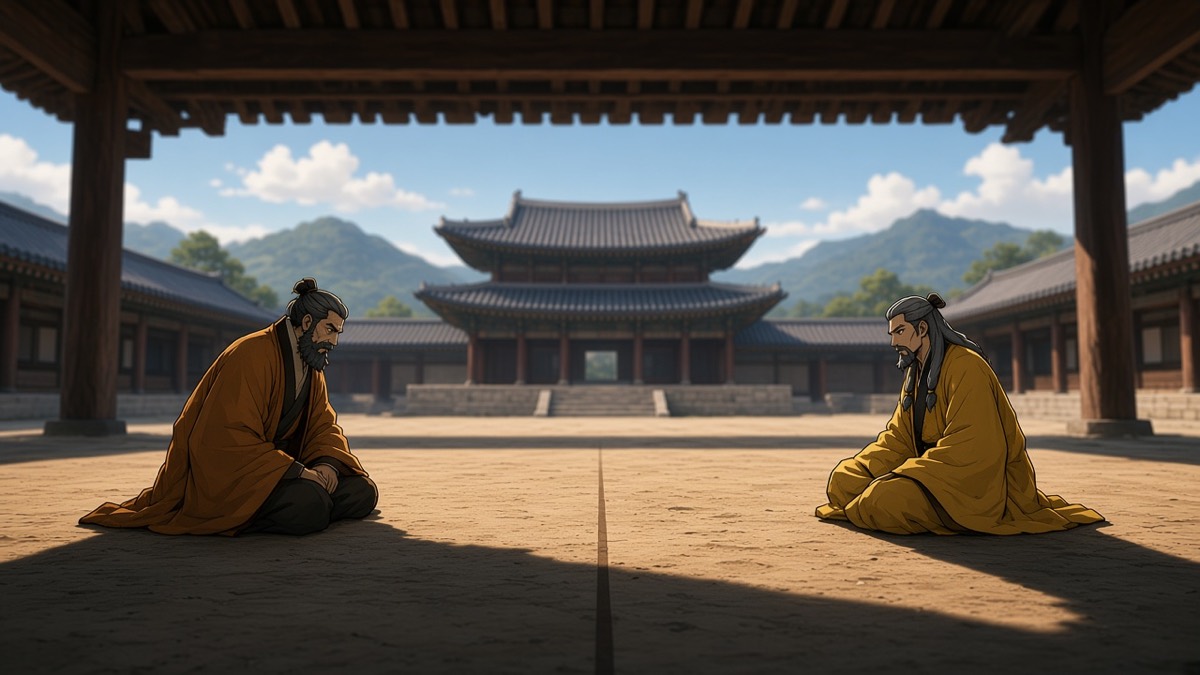
and have been at it for four generations. Nobody alive can say what started it. Everybody alive can list the last six things.
Two men on the rock are not lords. They keep the Assembly honest, or try to. One keeps the tide tables. One keeps the maps.
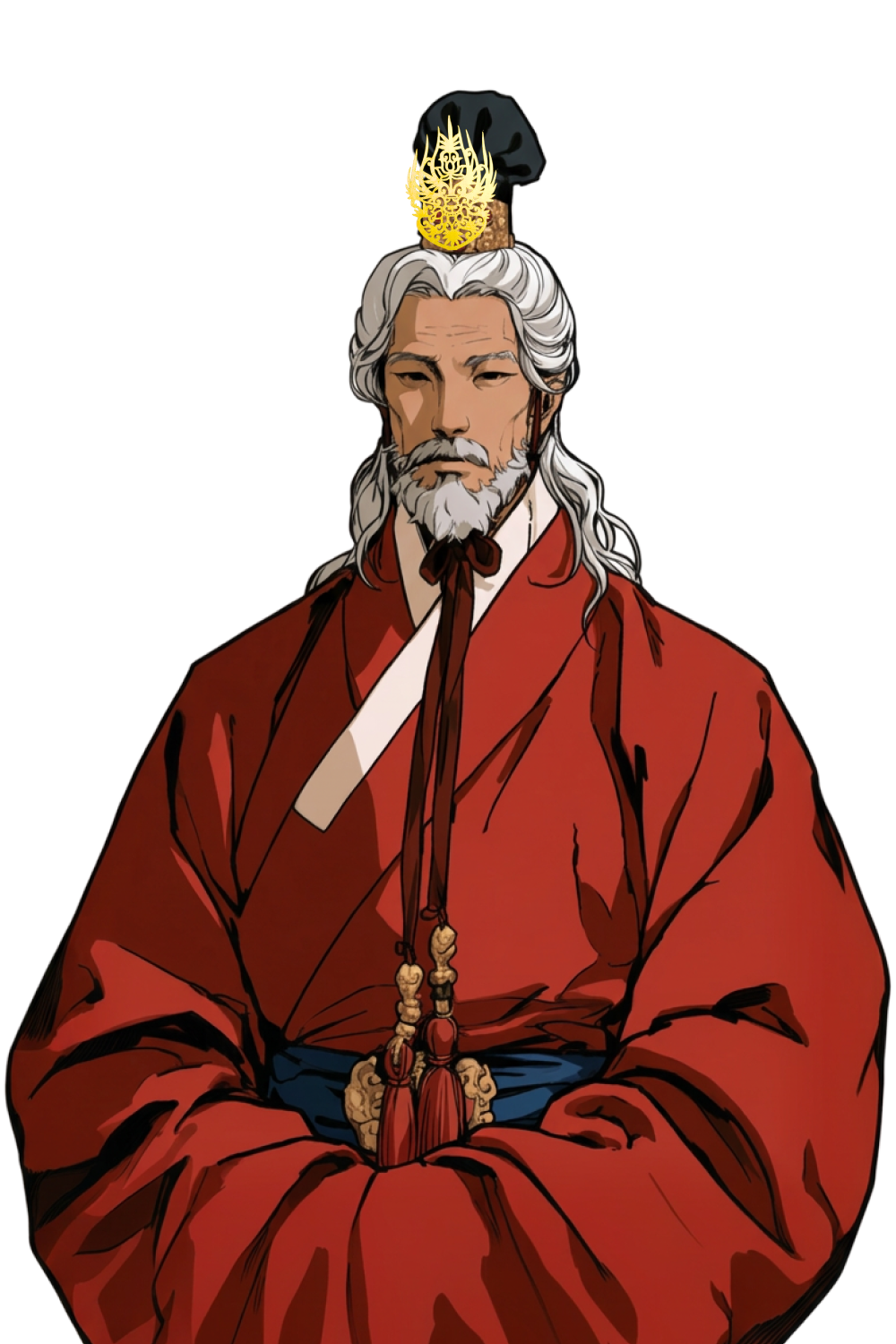
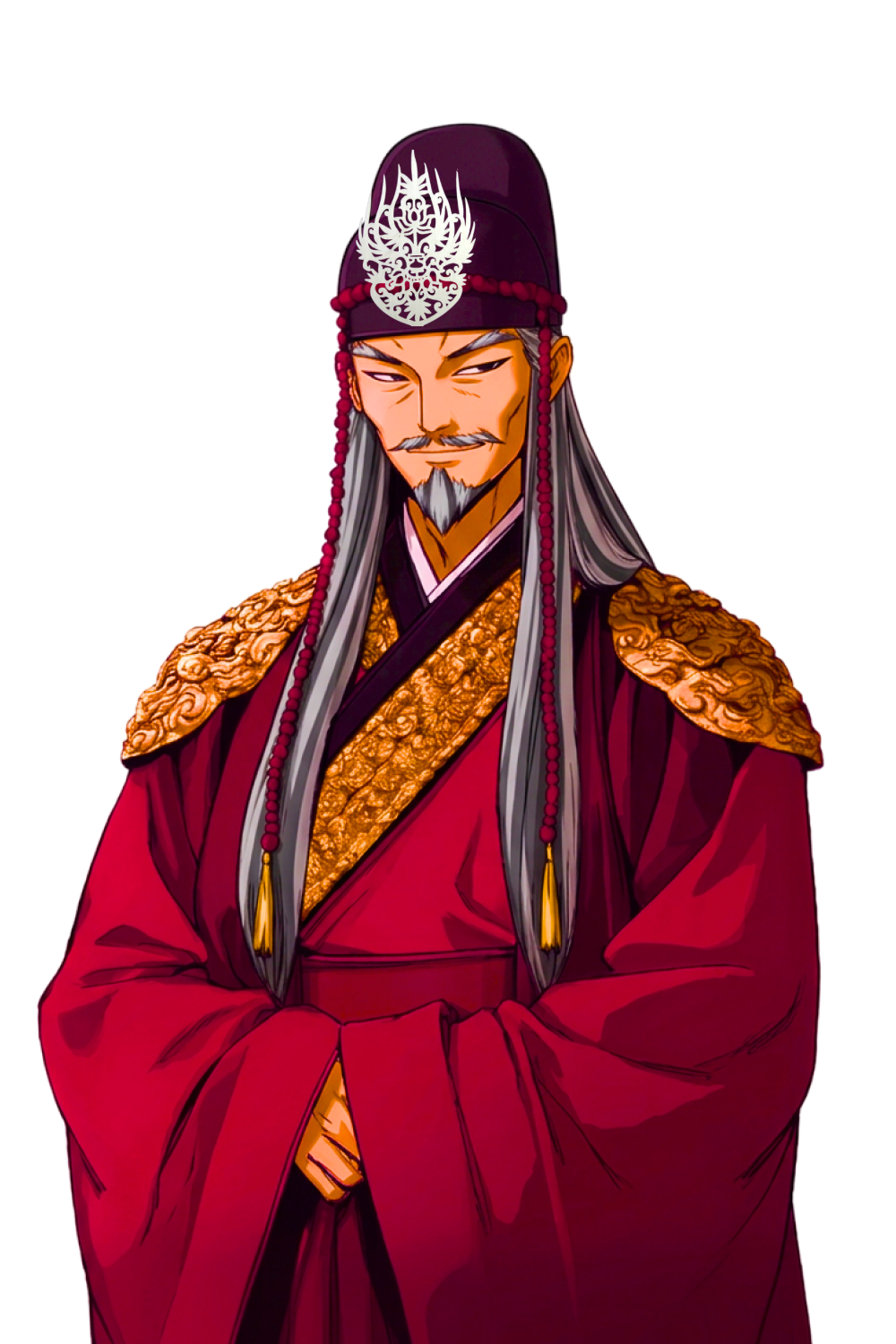
He scratches the river mouth into the packed earth with his stick, wider than it really is, so the lords at the back can see it. laughs out loud. writes four.
Today, for once, they agree on something. They don’t like the boy on the sand.
Neither house has ever won, and nothing about that is accidental: the throne needs both of them standing. A clan with no rival starts watching the throne.
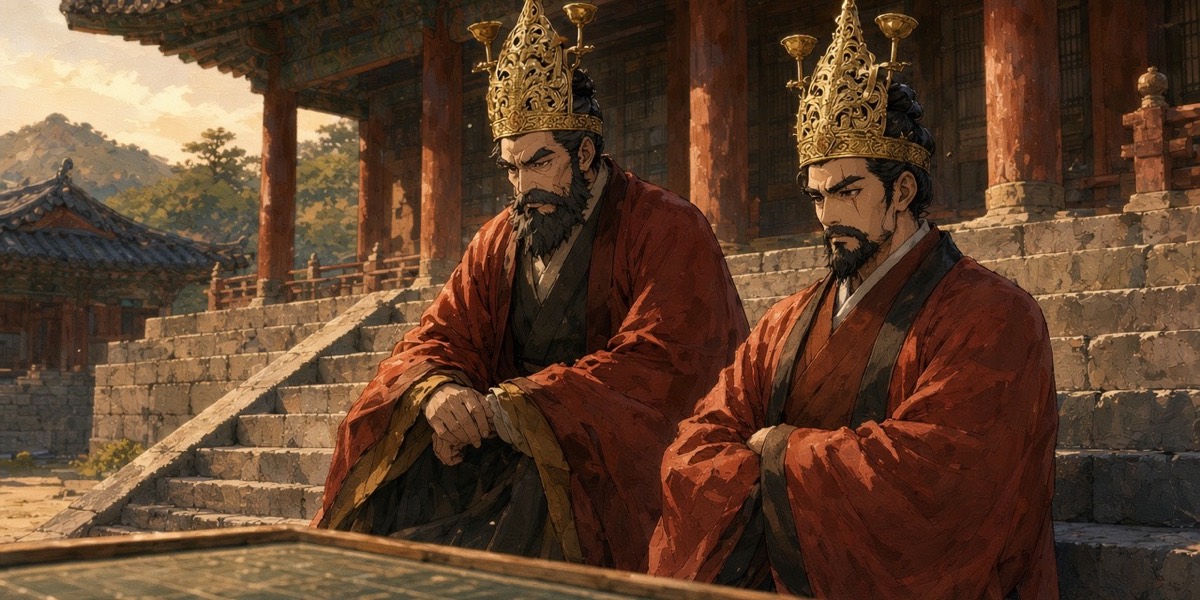
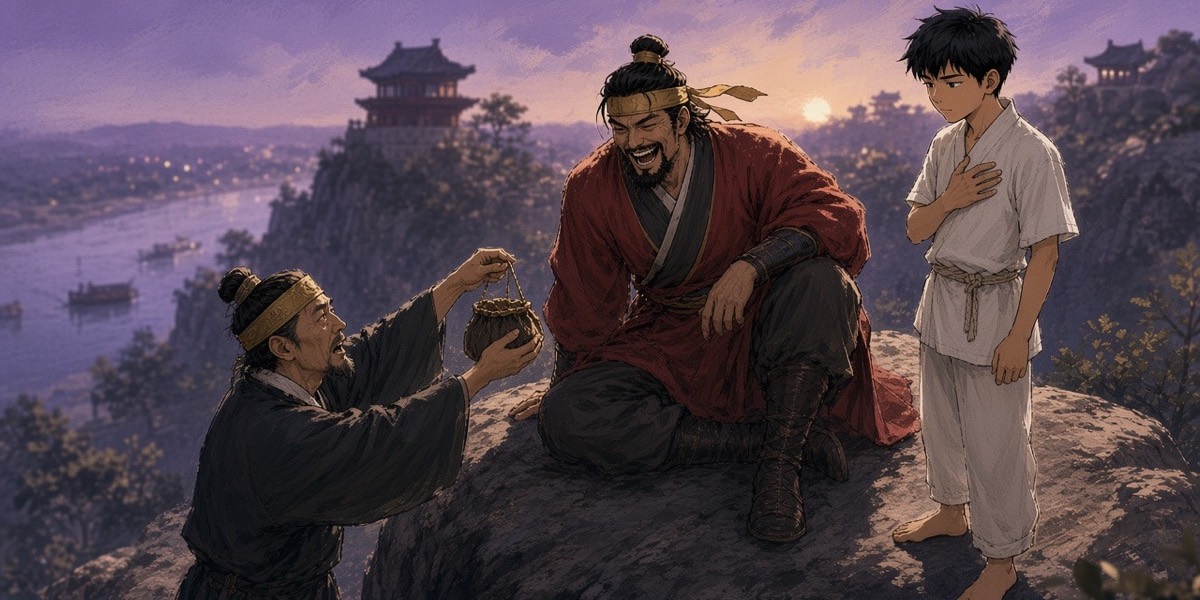
When the rock is empty, the crown prince is still sitting on it, which is not allowed. His new man stands beside him, which is not allowed either.
Below the rock, the two clerks are rolling up the day’s maps. The crown prince whistles them over like a man calling dogs. They come anyway.
unhooks a purse from his own belt and lobs it underhand. catches it out of pure fright.
He holds the purse out. doesn’t take it. holds it at arm’s length for the rest of the evening, like a man who has picked up a snake by the wrong end.
Remember that answer. He will give it again, at the worst possible time.
says nothing. His hand goes flat against his shirt, over the strip of wood with his name on it, and stays there.
laughs, and does not answer, which for him is a kind of answer.
The old is dying, and eight houses want his chair. The king has a very old idea. It involves a rock…!
