
Chapter 22
Yeon Namseng



AI Summary
- SPRING
- The Tehak The Grand Academy is old.
- SUMMER Summer is when the money arrives.
- AUTUMN The one is Namseng.
- WINTER
- The Uncle’s Supper The complaint reaches the High Commander’s table before the year is out.
- The Boys’ Room The boys share a room, because it is a commander’s house and not a palace.
- Characters

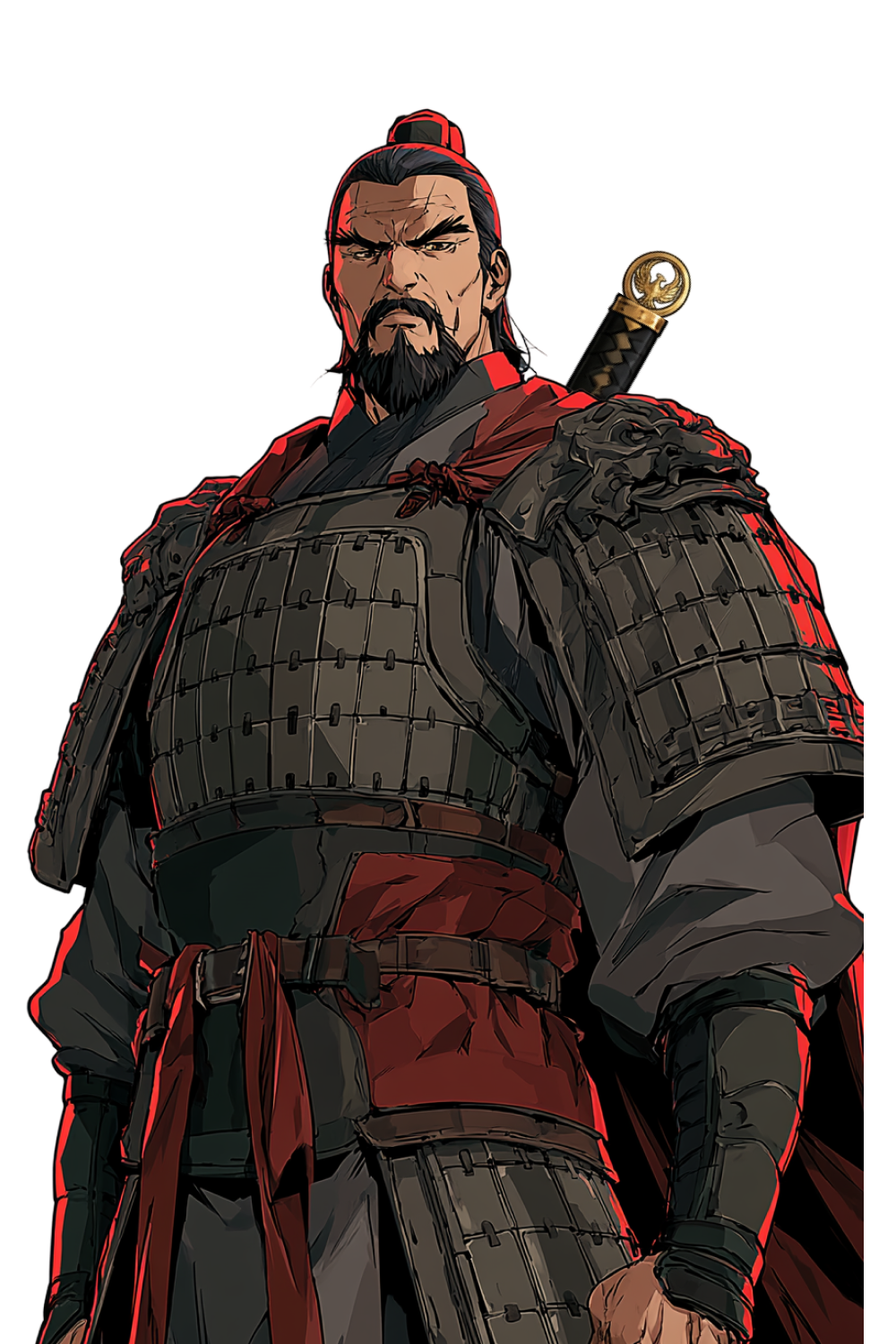
Episode· 641
Yeon Namseng
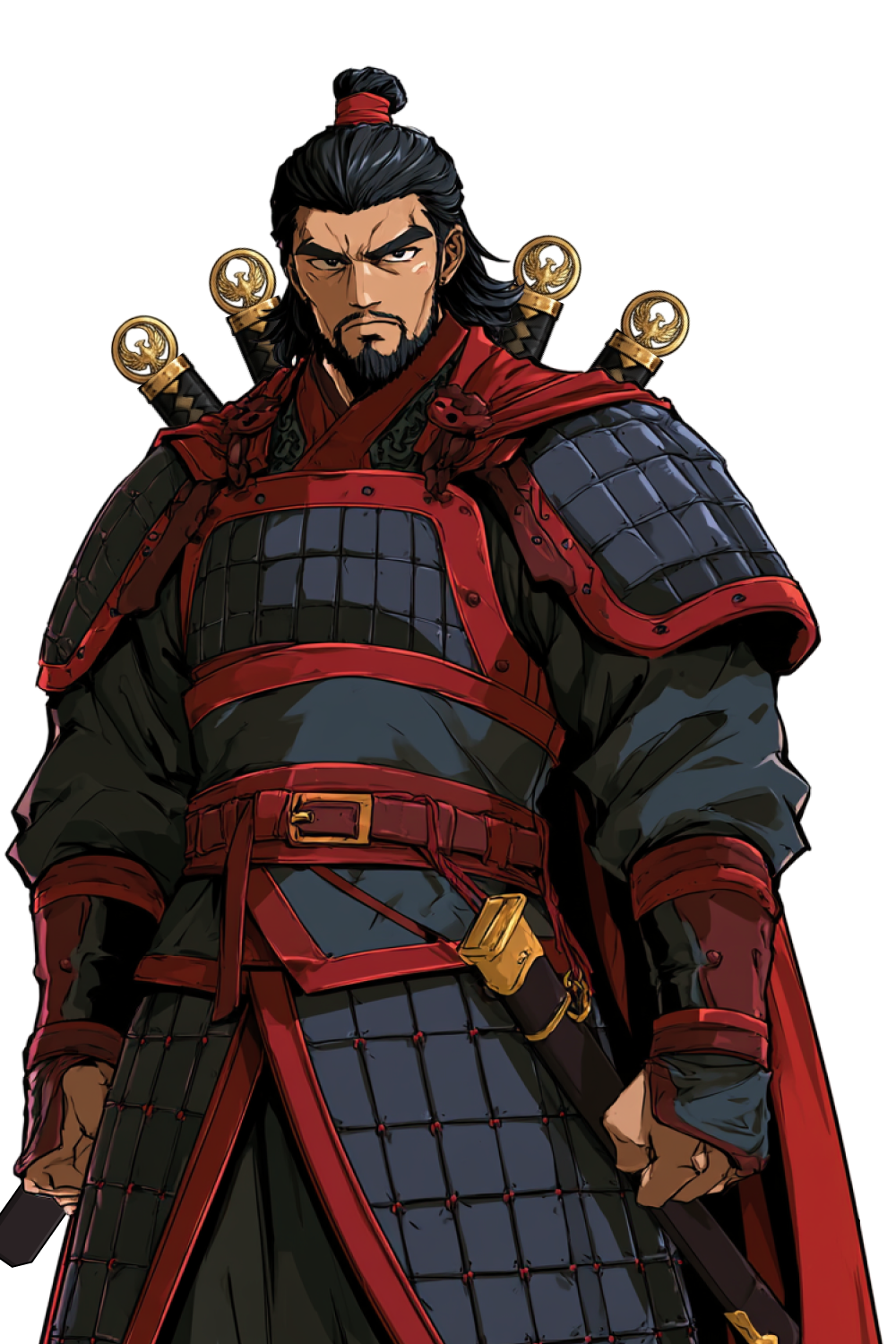
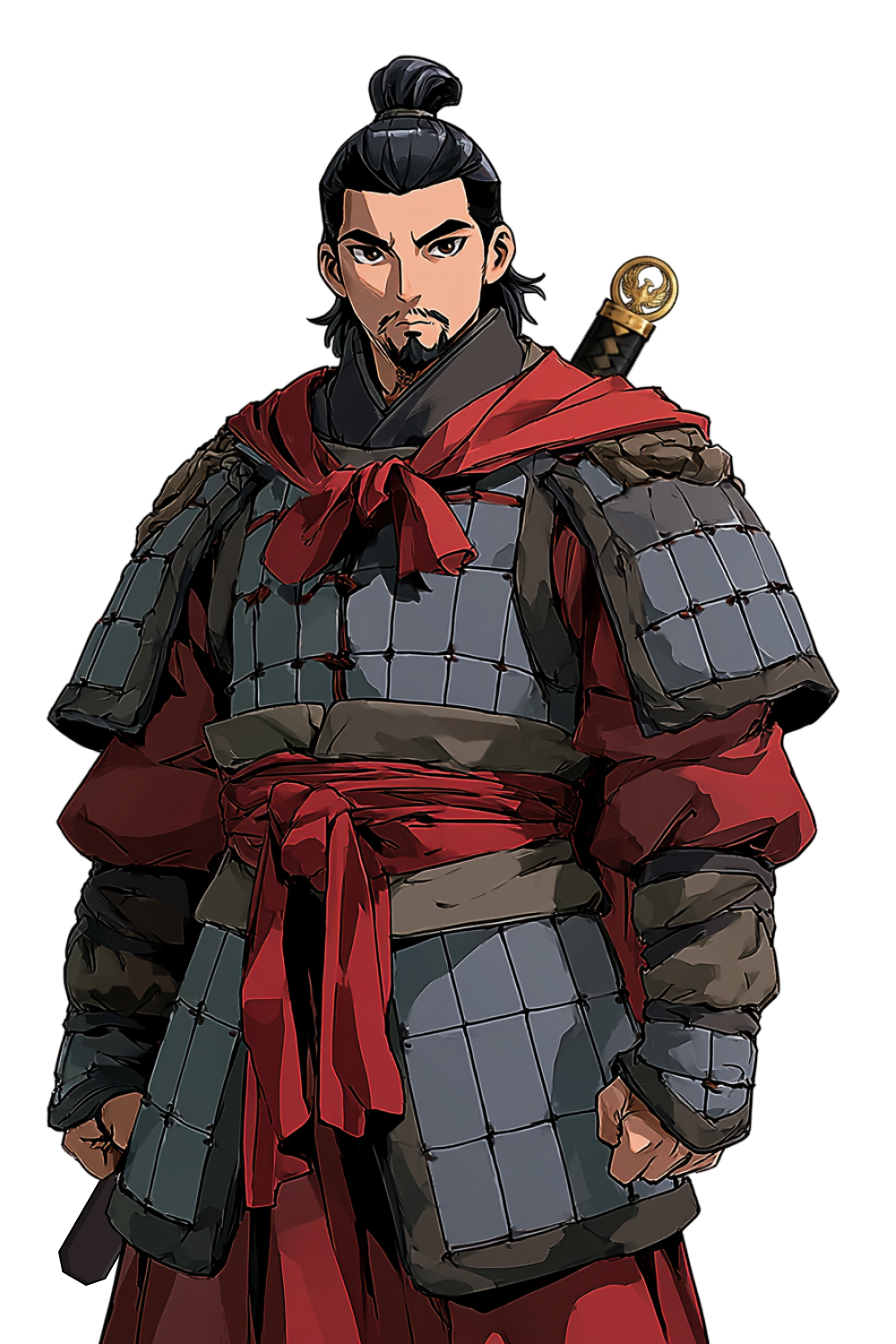
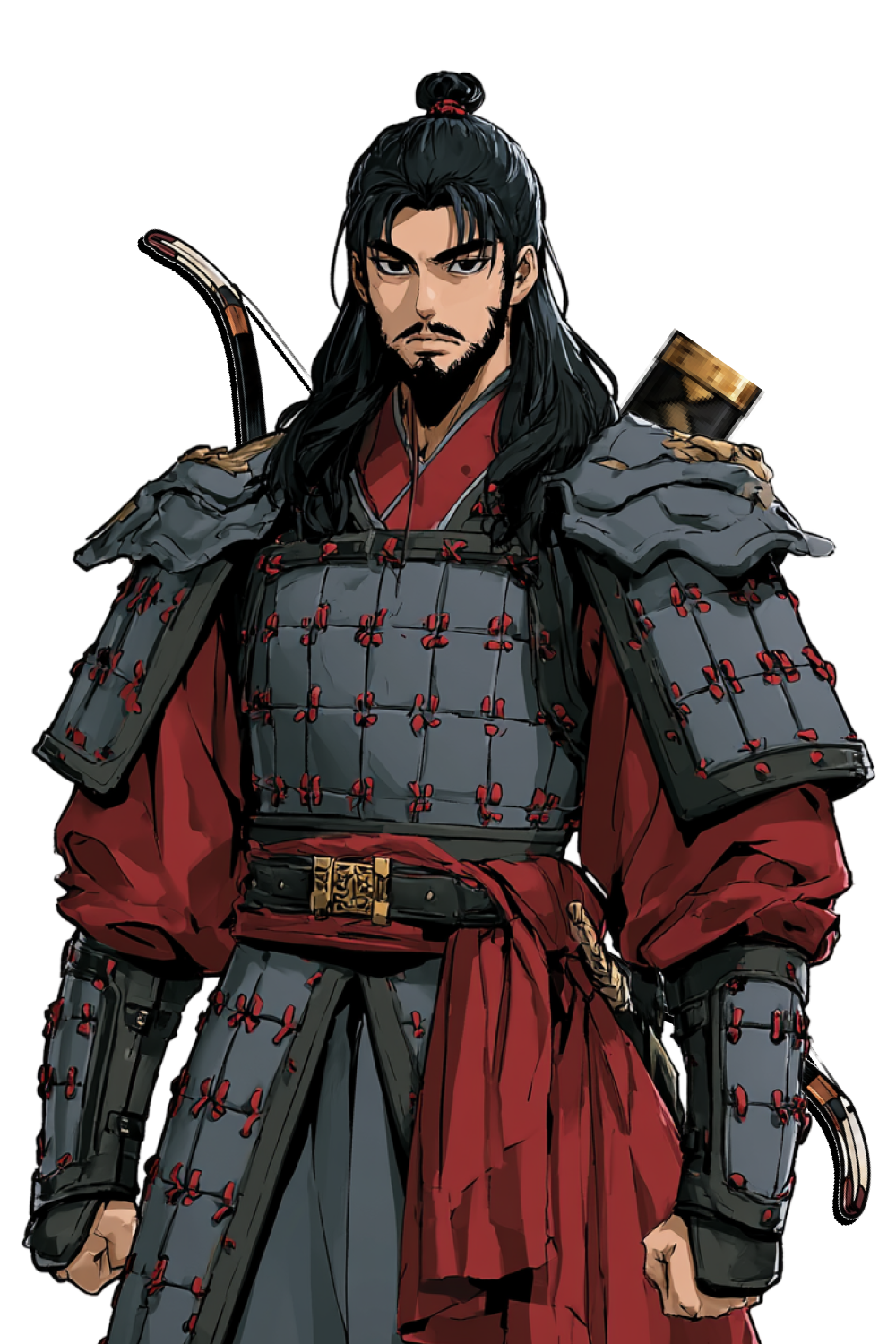
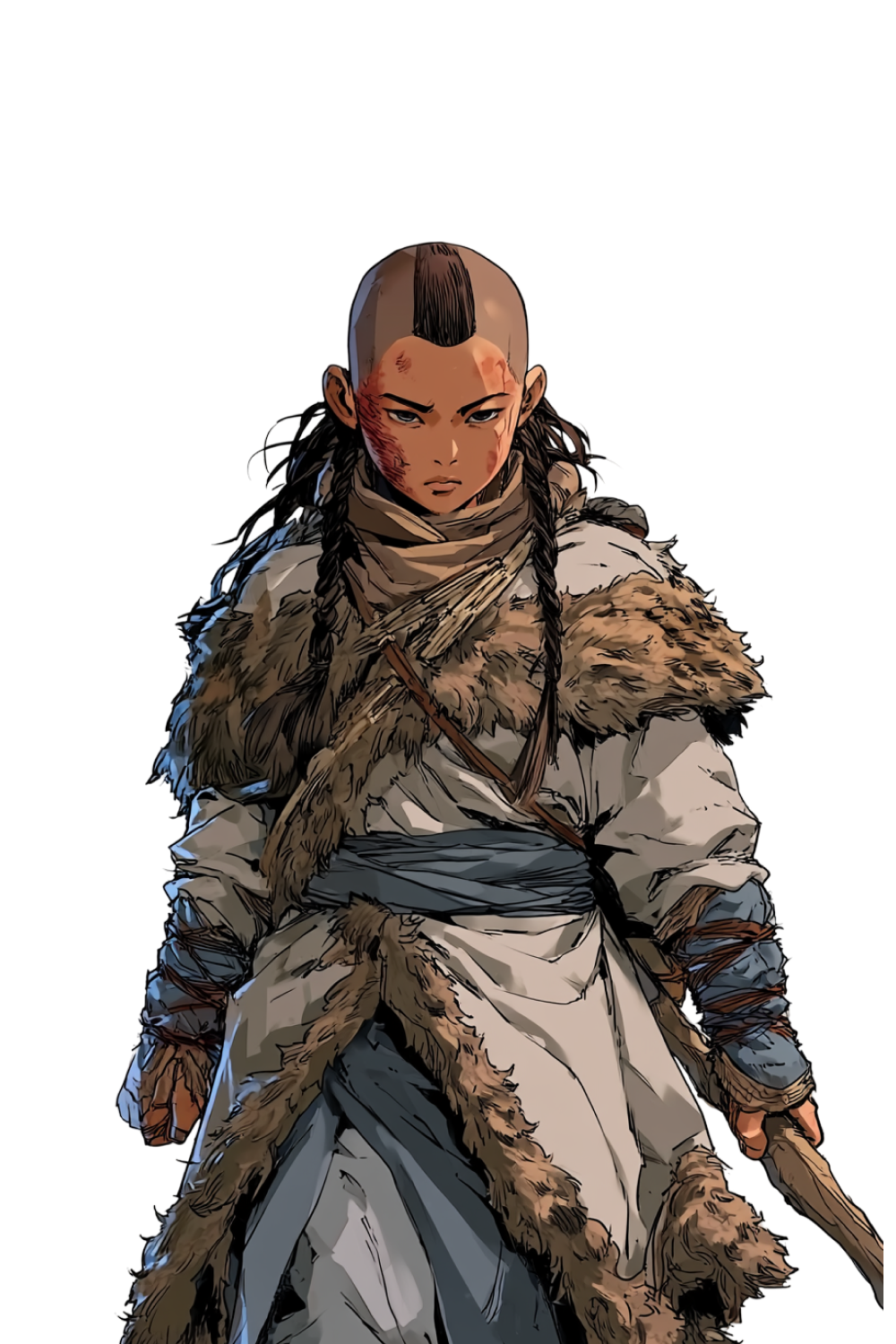
Yeon has three sons. They could not be more different. There is only one seal.
- Yeon Gesomun
- Yeon Namseng
- Yeon Namgun
- Yeon Namsan
- Gulgul
- Yeon Gusesa
1 still without a cue
has three sons, and only one of them is old enough to annoy a monk.
, seven, is the careful one: the heir, eager to be approved of.

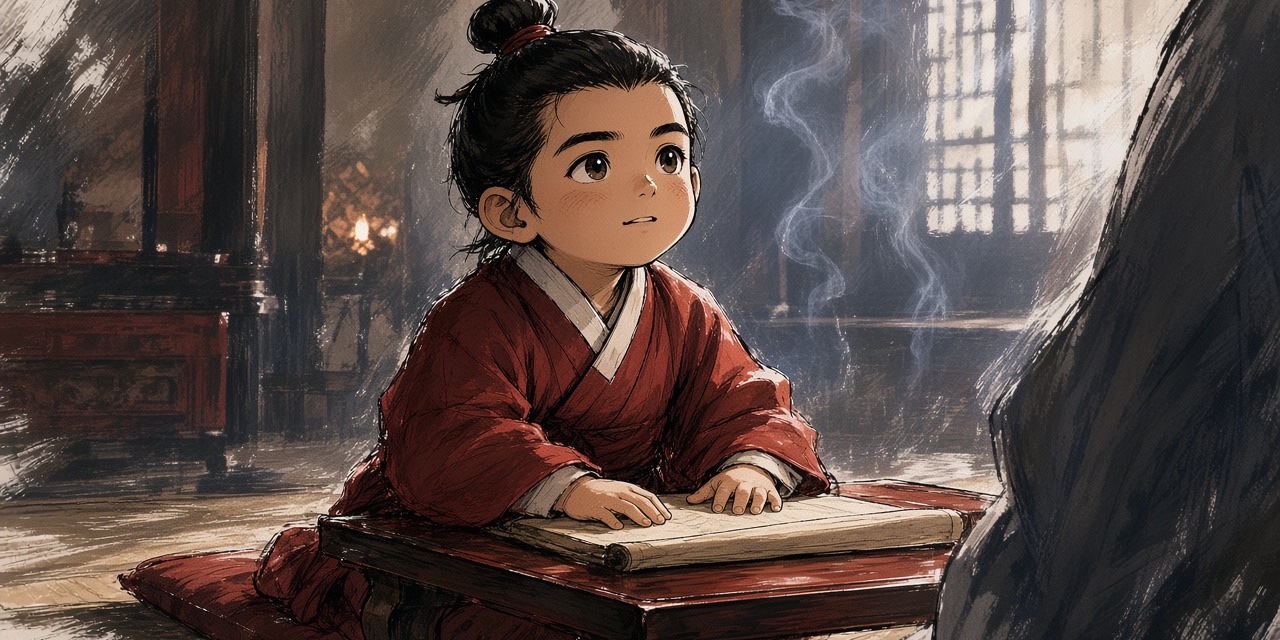
, four, is the fierce one, who never backs down first.
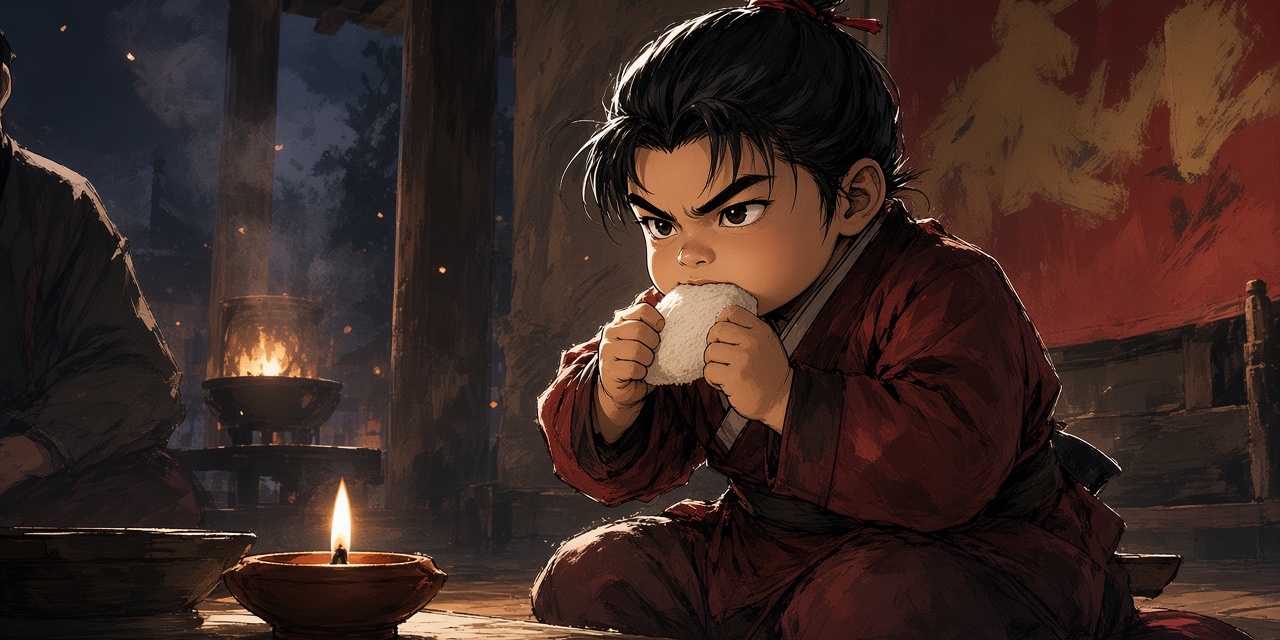
Namsan, two, is the quiet one, watching his brothers.
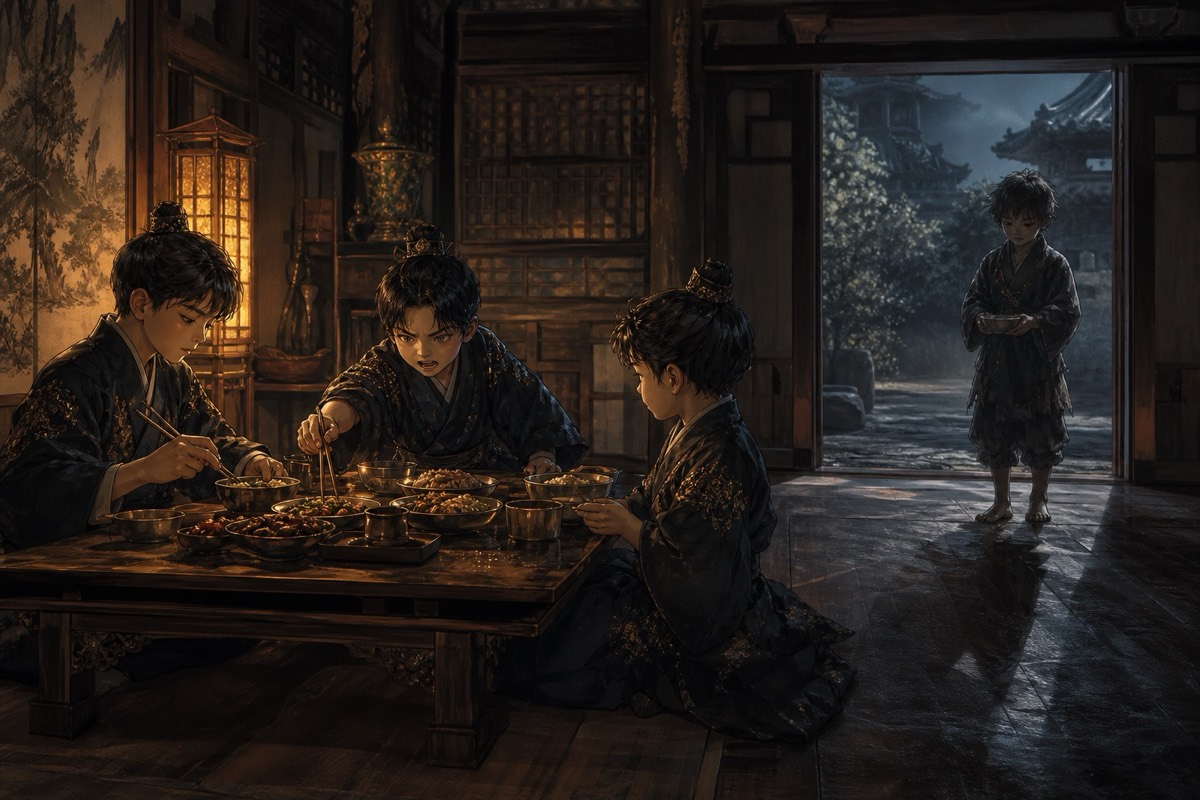
There is a fourth boy at that table who is not counted, because counting him would require a word nobody in the house wants to use. eats after the others and says nothing, and Namsan — who watches everything — is the only one who notices that he never sits with his back to a door.
Seven years in the house, and he understands every word of now. He spends them like a miser: mostly nouns, with ’s northern vowels on all of them.
He says it later, in the stable, to the horse, where nobody is asking.
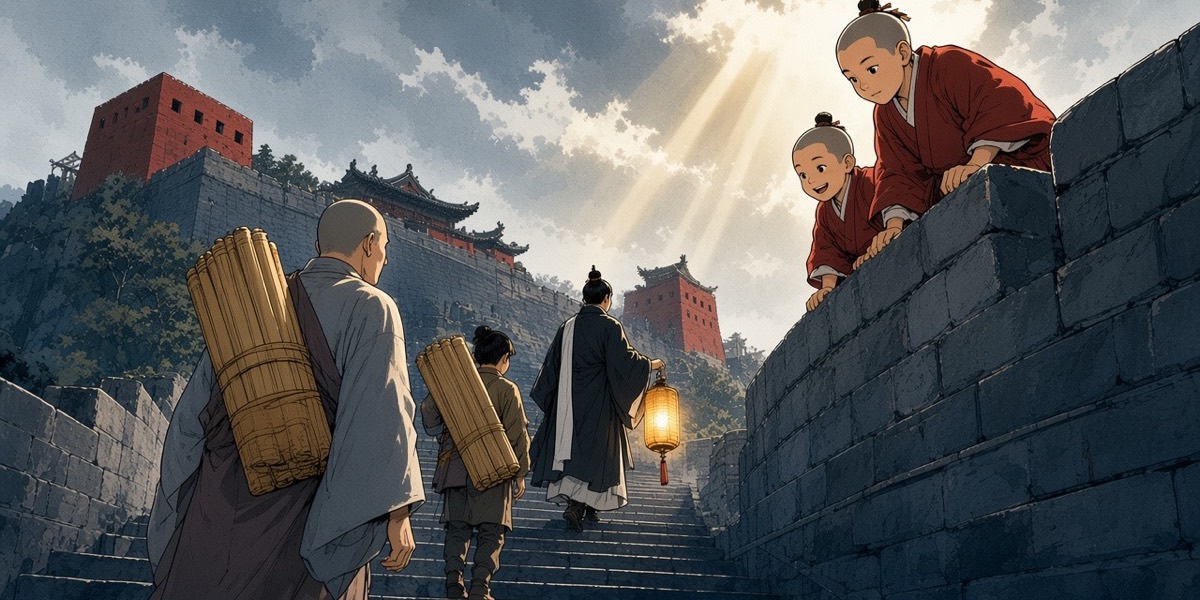
The is old. It came over the river in the same season as the first Buddhas. Ever since, the school and the temple have shared 's noble sons. Classics in the morning. Sutras after lunch. Archery whenever the masters lose their voices.
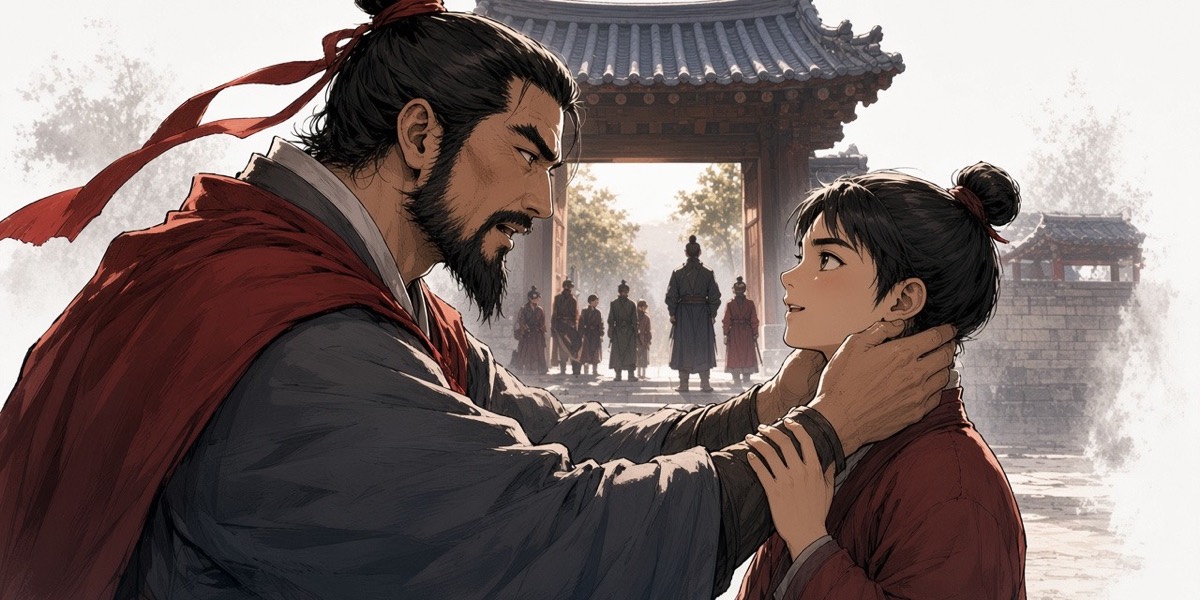
brings to the gate himself, in riding boots, and does not take them off on the swept stone. has come too, uninvited, clinging to the back of the saddle.

The landlords are not a figure of speech. Half the good valley land belongs to monasteries. The monasteries belong to the great houses whose second sons run them. None of it pays for the wall. Every spring writes to the Summit about this. Every spring the Summit thanks him for his piety.
What he wants instead is the Way of Laozi, which is an odd thing for him to want, because the Western emperors claim Laozi as their ancestor. has heard this and does not care. He has a sentence for it, the only one he ever repeats word for word.
Across the courtyard a monk has stopped sweeping. His name is Boduk. His monastery, up at Banryong, owns a great deal of farm.
is four. He decides this is a fight and that his side is winning. He kicks the monk’s swept pile across the stone.
Boduk bows to the boy, not to the father. Then he goes back to sweeping. He sweeps the same patch of stone until dark, and he does not forget a word.
That is the first day. The rest of the term goes the way first terms go.
is good at the Analects the way some boys are good at being tall. He recites, the masters nod, and the older boys stop calling him the Commander’s pup. Now they call him the Commander’s parrot.
is not enrolled. is four. He comes anyway, every day, on the back of whatever horse is leaving the house, and sits under the archery range eating dried persimmons.
Before that can turn into a fight, has already bitten someone.
The masters punish , because he is old enough to be responsible and is not old enough to be enrolled. copies the chapter on filial piety forty times. sits beside him and fills the margins with horses.
Summer is when the money arrives.
owes rice. It has owed it for thirty years to the monasteries that feed its students, at a rate the monasteries call charity and the bursar calls interest. In the fourth month the debt is paid off in full, in Eastern rice, on Eastern carts. Nobody asks whose. Everybody knows.
The man he chooses is old, and has been in longer than has been alive. He came with an embassy from seventeen winters ago to read the Way of Laozi to the late king, and was forgotten when the king stopped listening. Since then he has lived on a temple’s leftovers. finds him there, gives him a stipend and a new robe, and moves him into the .
The sutra class is not abolished. That would be loud. It is moved: from the main hall to the east room, then from the morning to the afternoon, then to the afternoon of archery day, when no boy with a bow in his hand will sit for the Lotus Sutra. By midsummer Boduk teaches four students. By autumn, one.
The one is .
He goes in secret, which for a seven-year-old means he tells exactly one person. keeps the secret for most of a day.
does not shout. That is worse. He puts up on his saddle and rides him to the ’s east room, where Boduk is teaching nobody.
Boduk teaches the lesson to the end, to one boy, in an empty room. He has a talent for empty rooms. One day, the storytellers say, he will pick up his whole hall and carry it south, roof and all, to a country that still wants it.
The complaint reaches the High Commander’s table before the year is out. It is written in a monk’s neat hand. reads it at supper, between courses.
is called to the table. He does not sit, because nobody offers. He does not take his boots off, because nobody asks.
wipes his fingers and goes back to his soup. That is how the meeting ends. Only one of the two men at the table knows it is also how a list begins.
By the new year three county schools in the east have the same empty chair, and the same old man’s pupils in it. That is how does everything: one room, then the room next door. In a few years every school in the country will teach what this one teaches, and the men who used to teach it will be sweeping other people’s yards.
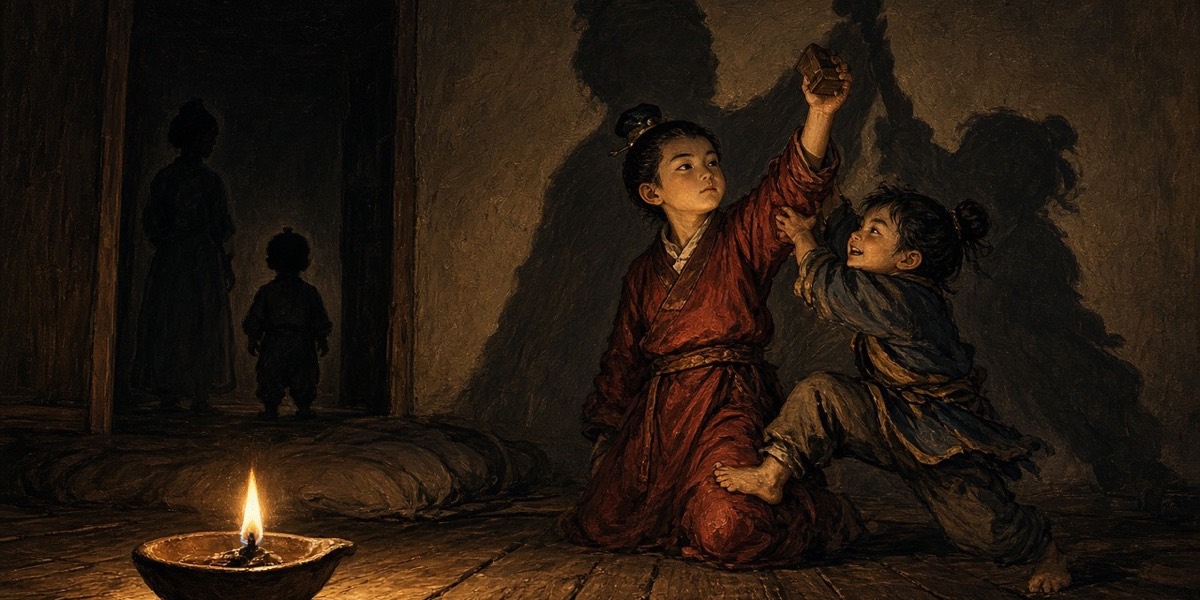
The boys share a room, because it is a commander’s house and not a palace. Namsan sleeps between his brothers like a sack of rice nobody wants to carry.
Namsan, two, says the only word he has and reaches across for the other brother. Nobody notices. , at the door with his back to the wall, notices everything.
On the days the Daoist reader is ill, reads his father’s copy of the Daodejing, which has never been opened past the first page.
Field trip. takes the boys to see a very big rock. The rock has a list on it, and a question…!
