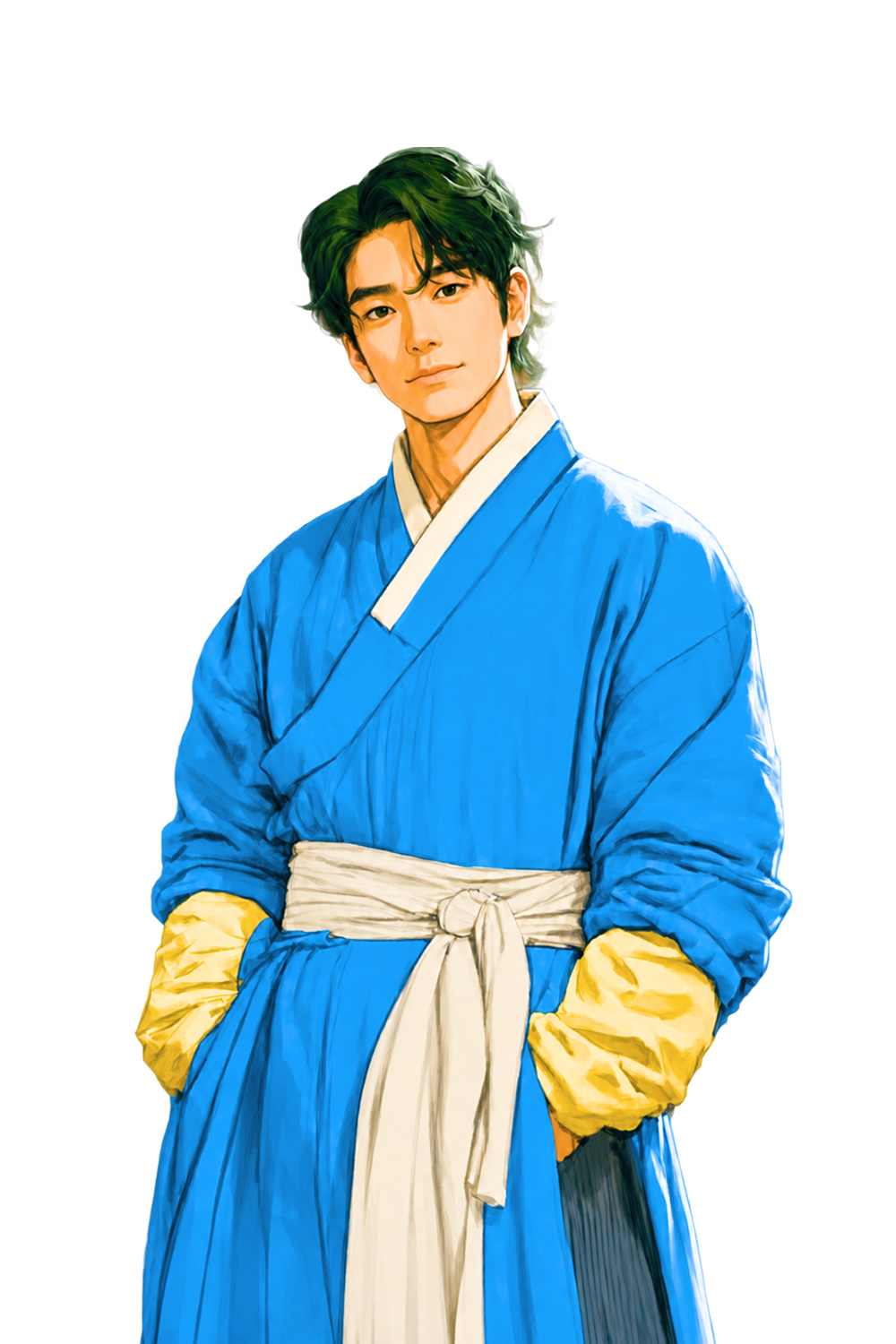
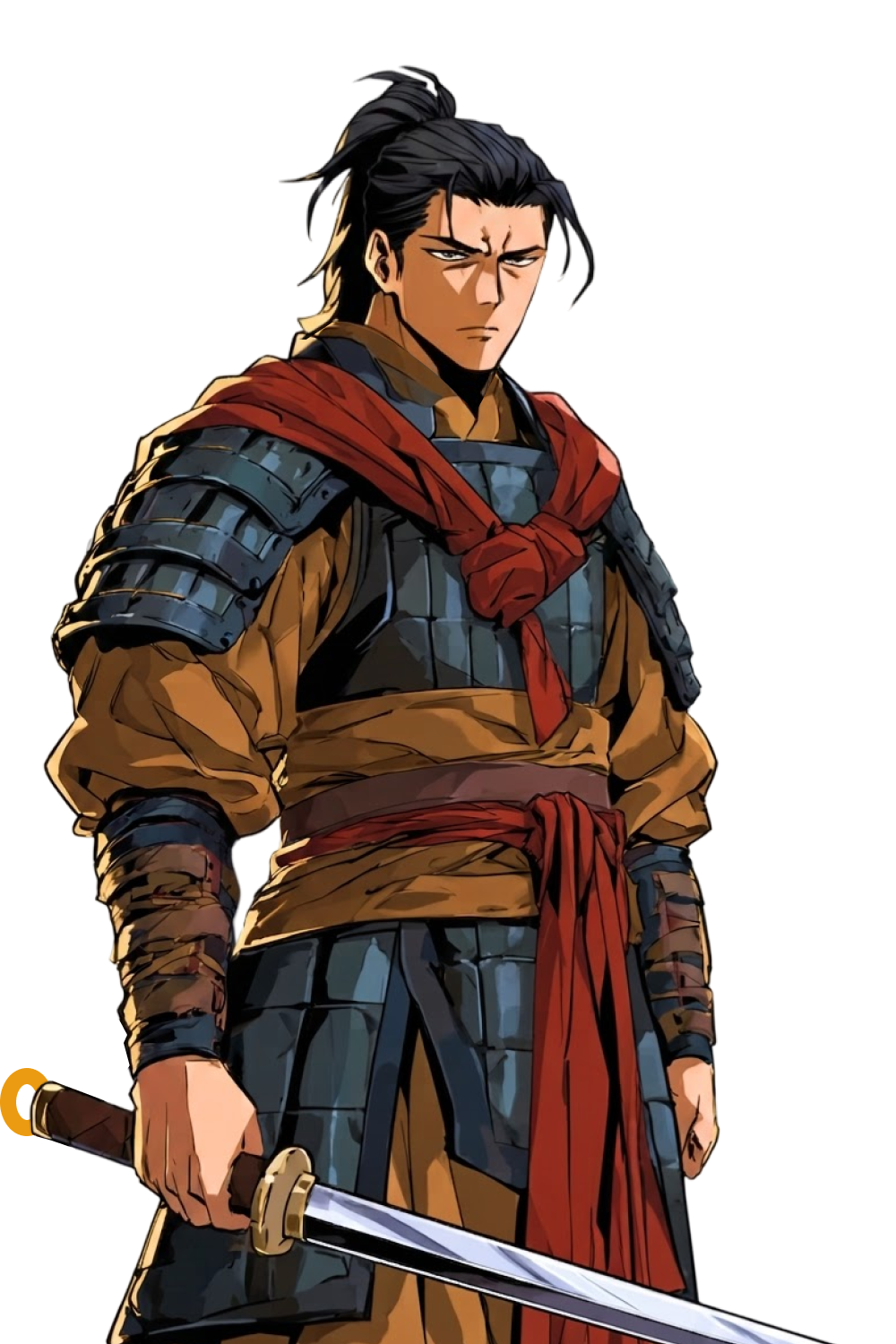
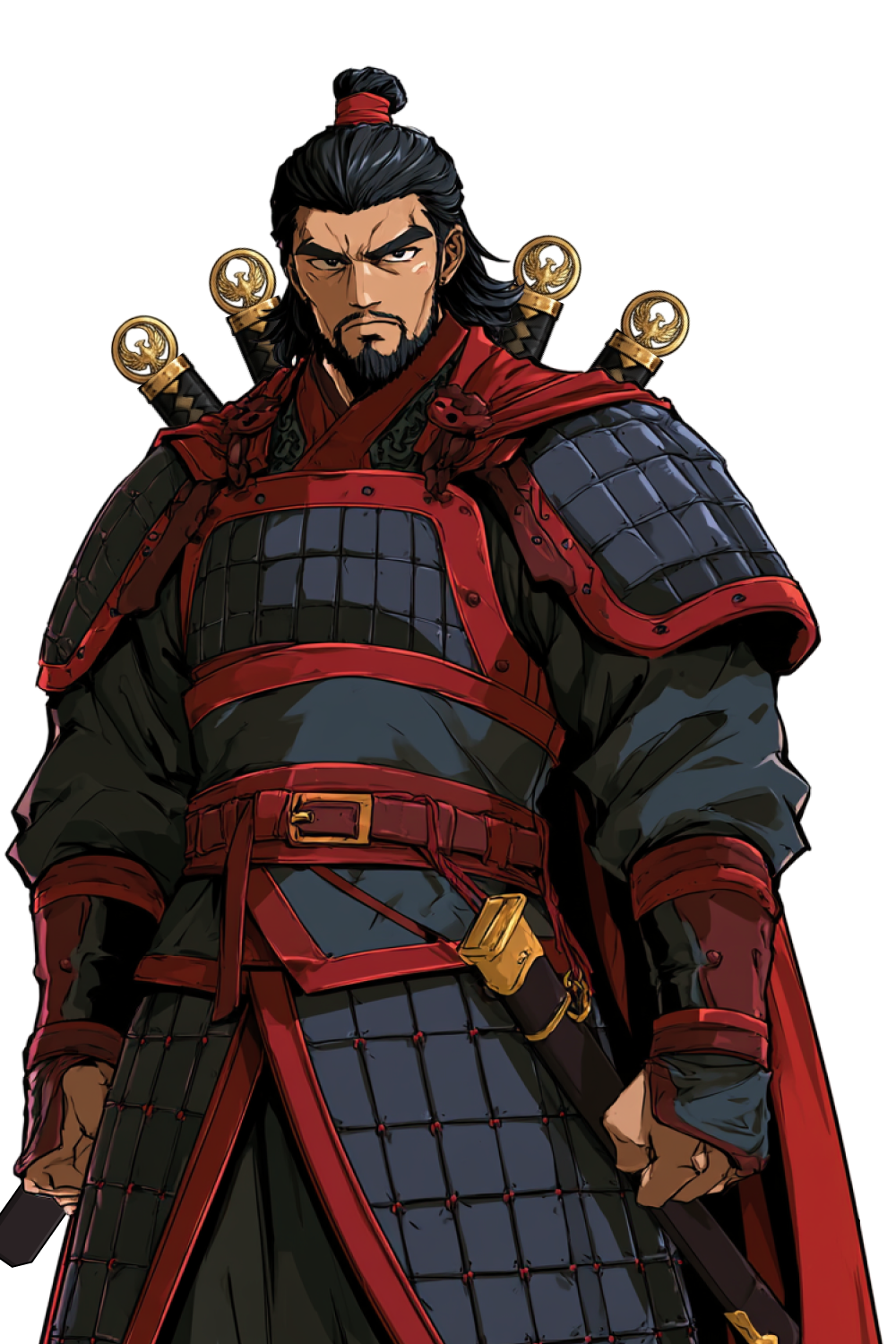
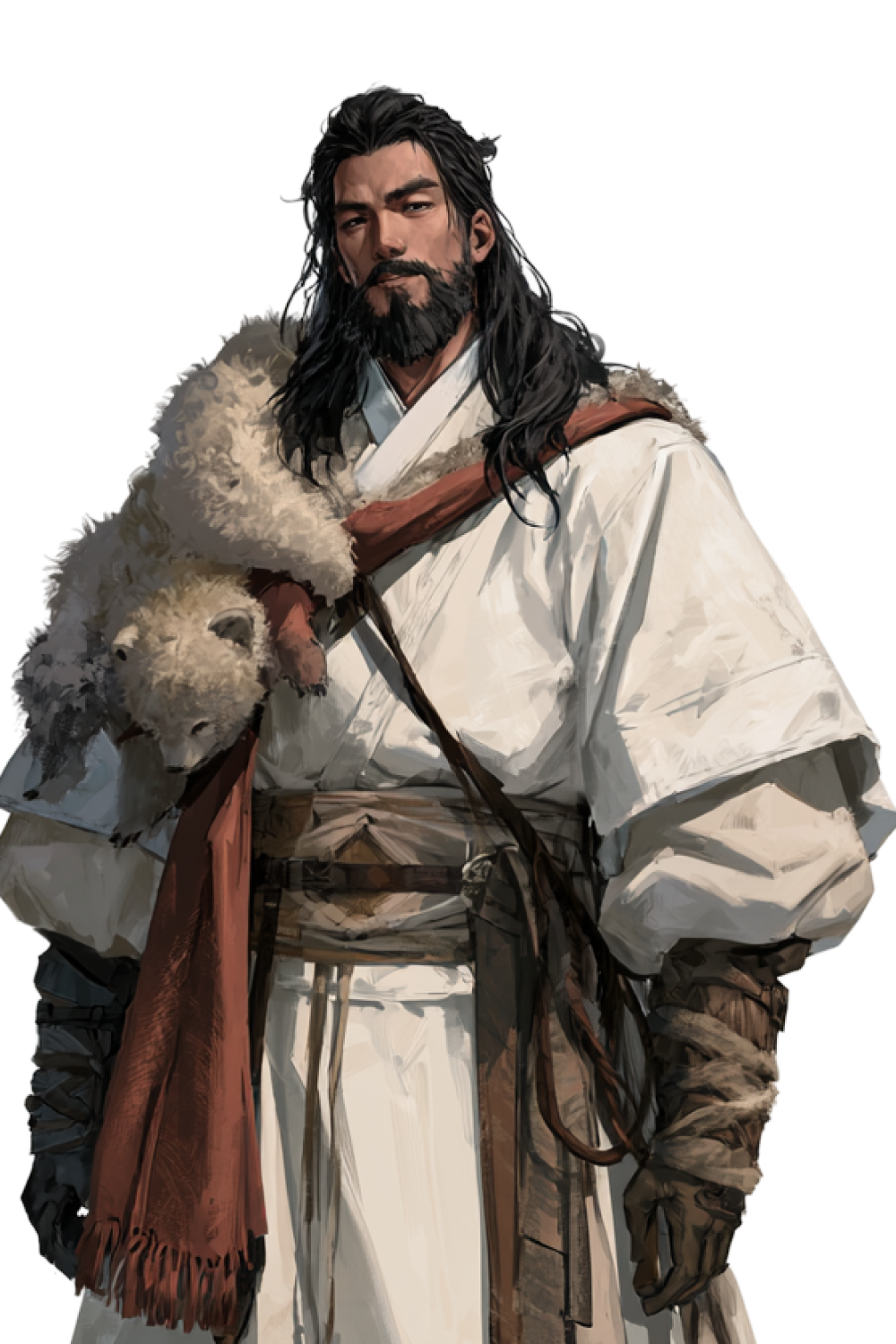
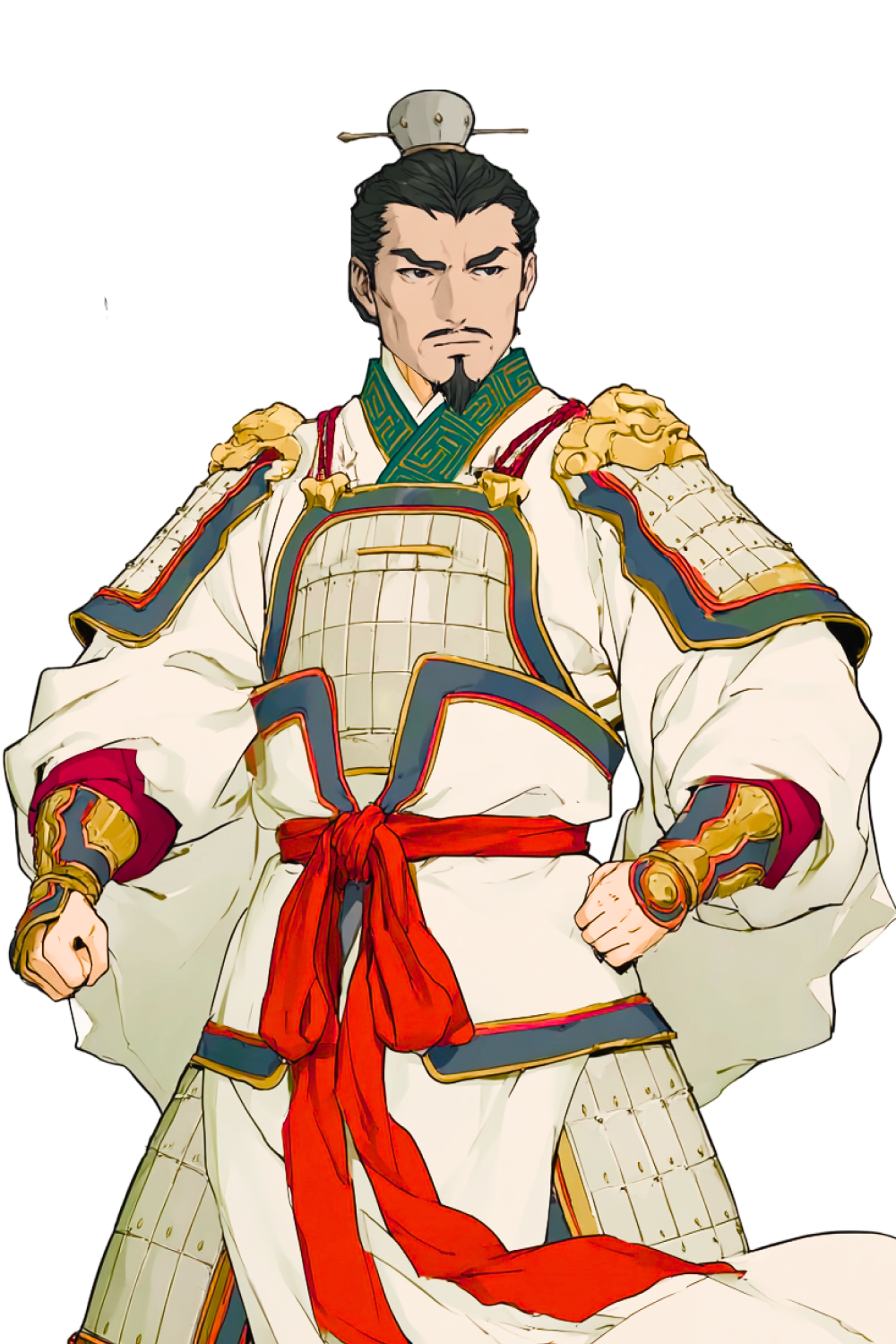
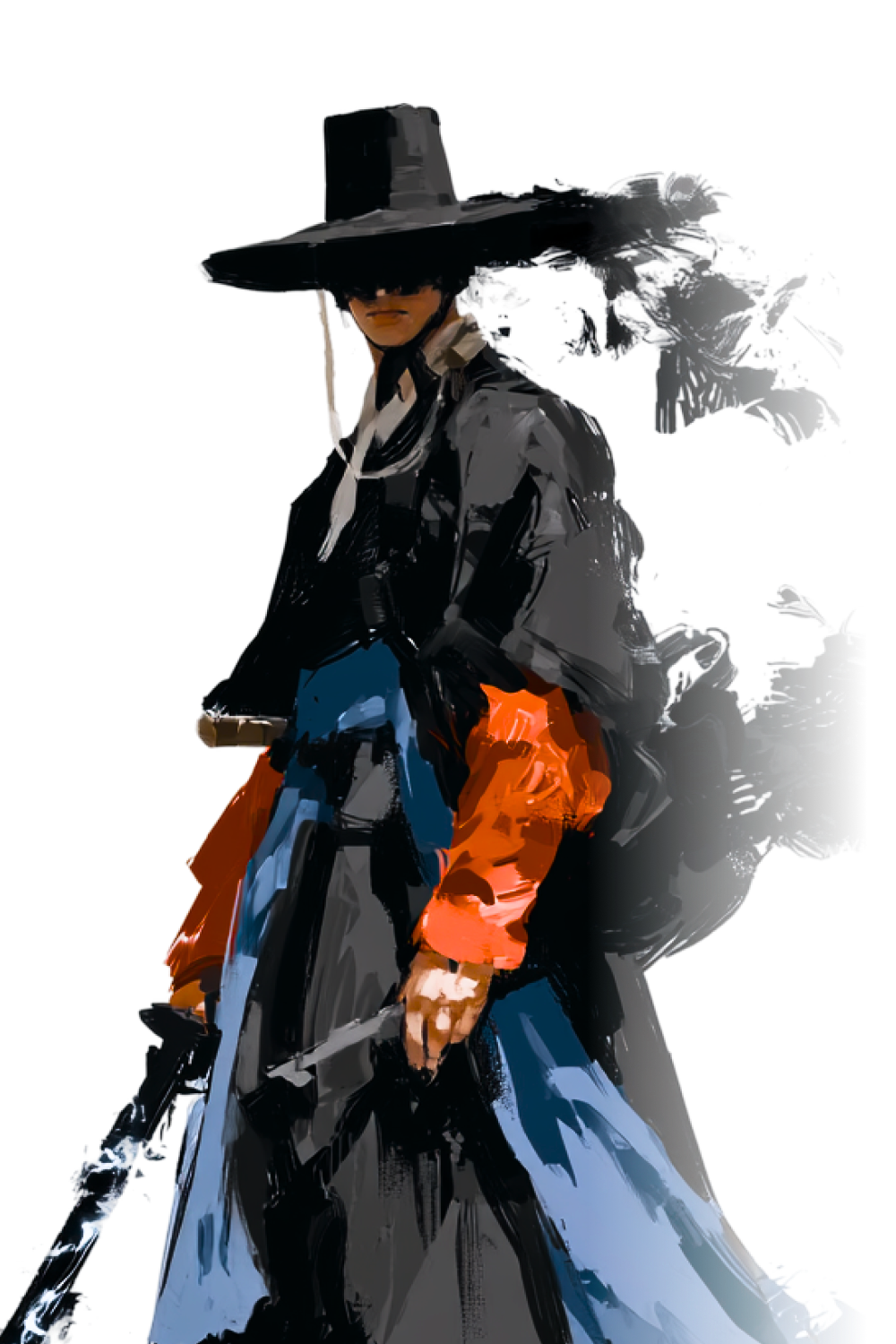
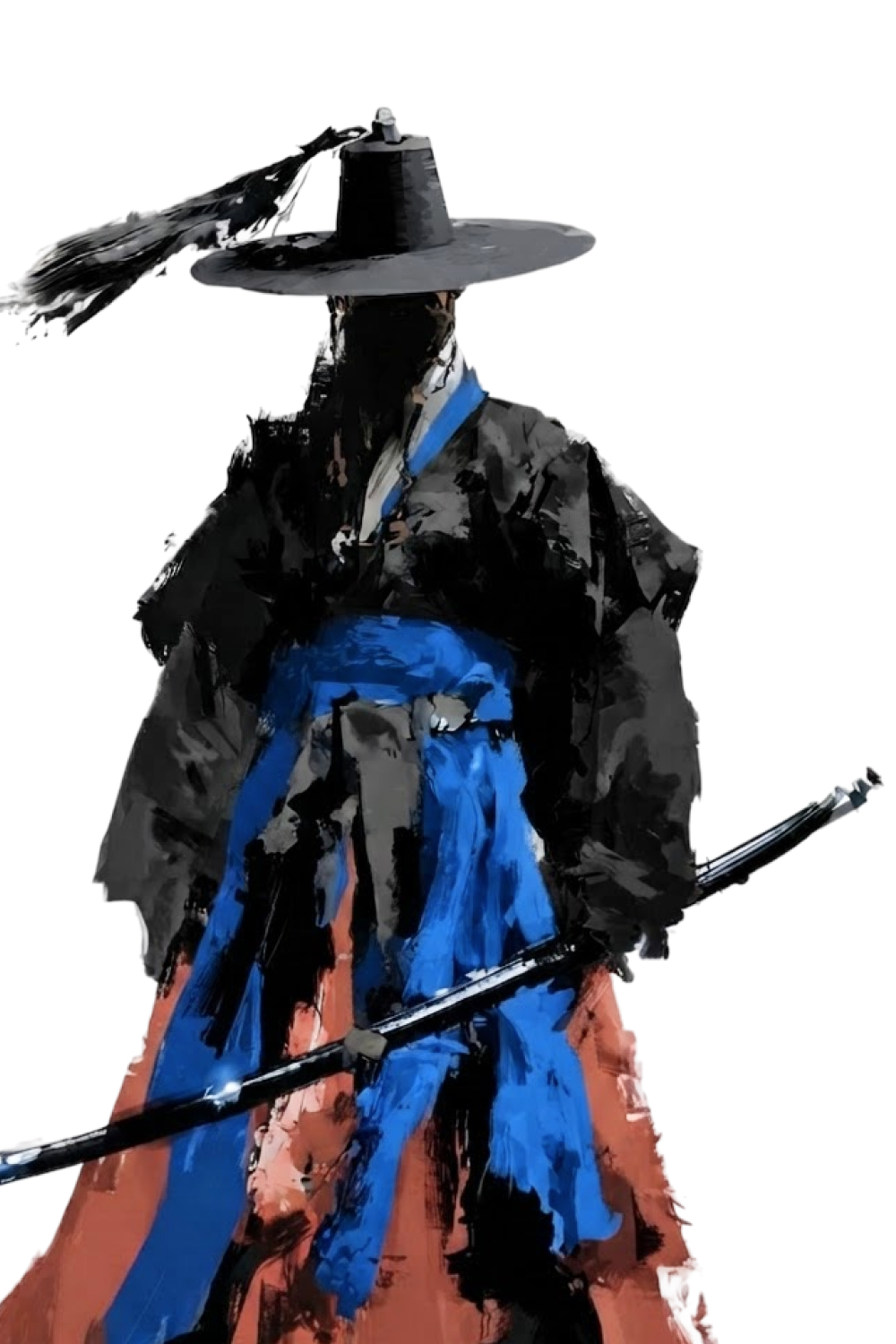
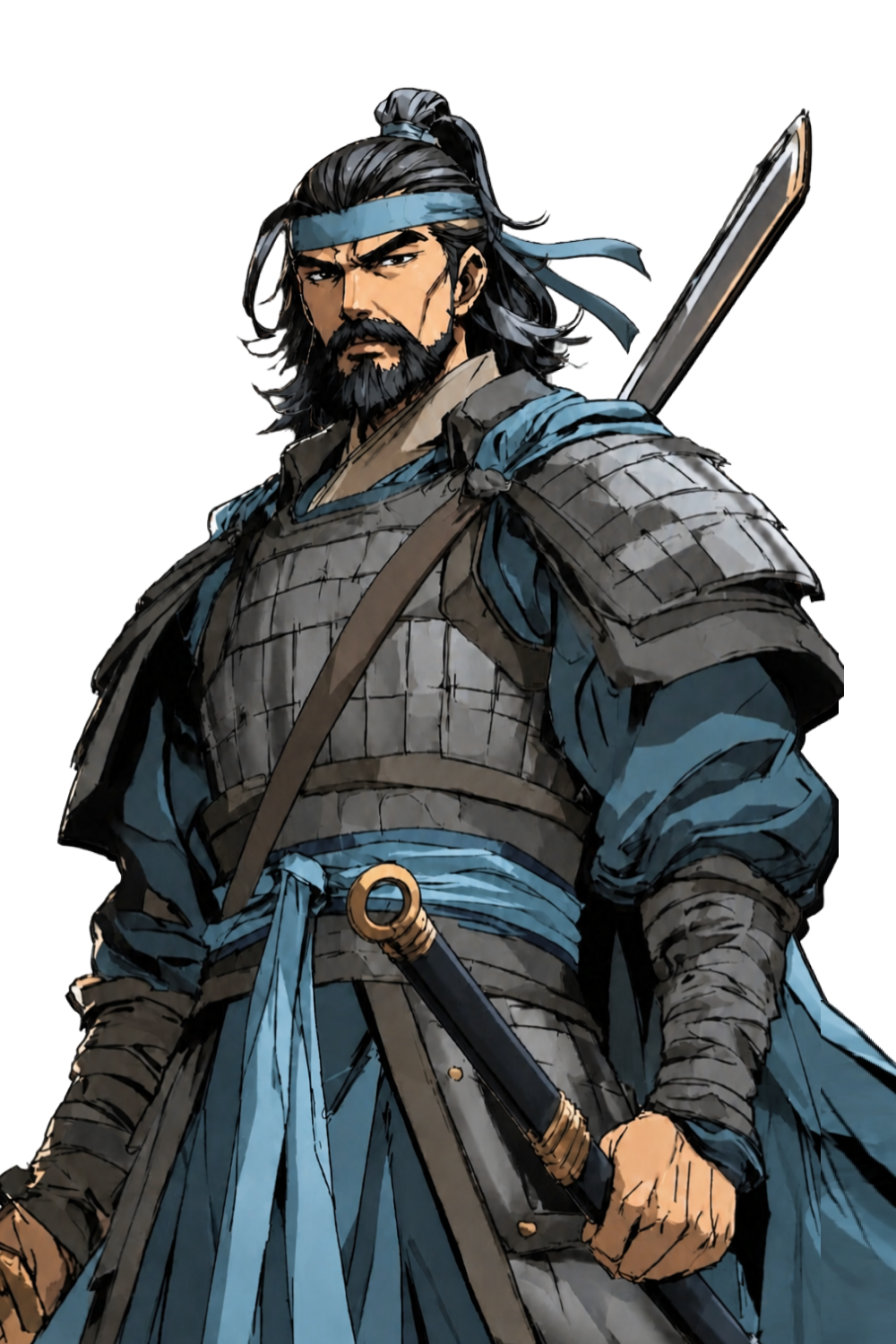

The Hwarang
花郎 화랑
Boarding hall and officer factory of Silla’s noblemen — the class you slept in is the class you later vote with.
- Title
- The Flowering Knights
- Kingdom
- Ideology
- Martial aristocratic idealism
Members
First Class (제일기)
Class 6 (육기)
Class 51 (오십일기)
Class 59 (오십구기)
Class 74 (칠십사기)
Class 82 (팔십이기)
Class 99 (구십구기)
Class 109 (109기)
Ungraded
Organization chart
국선 아래 화랑. 화랑은 임금이 이름 붙인 사람. 낭도는 따라가는 사람 — 둘일 수도, 마흔일 수도 있다. 그림에는 넷이라고 적혀 있다. 연무장은 그걸 지킨 적이 없다. 기는 해마다 하나(기수 = 입문 연도 − 559)이고 평생 간다. 국선 (Marshal) at the apex, then 화랑. A hwarang is the one the king names. Disciples are whoever follows him — two, or forty. The schoolbook draws four under each; the yard never kept it. One class a year (Class n = entry year − 559); the number is kept for life.
Political affiliation
Martial aristocratic idealism.Flower youth as elite virtue politics — loyalty, beauty, and steel as curriculum. The cohort outlives the yard: old boys staff the Harmony Council.
Nature
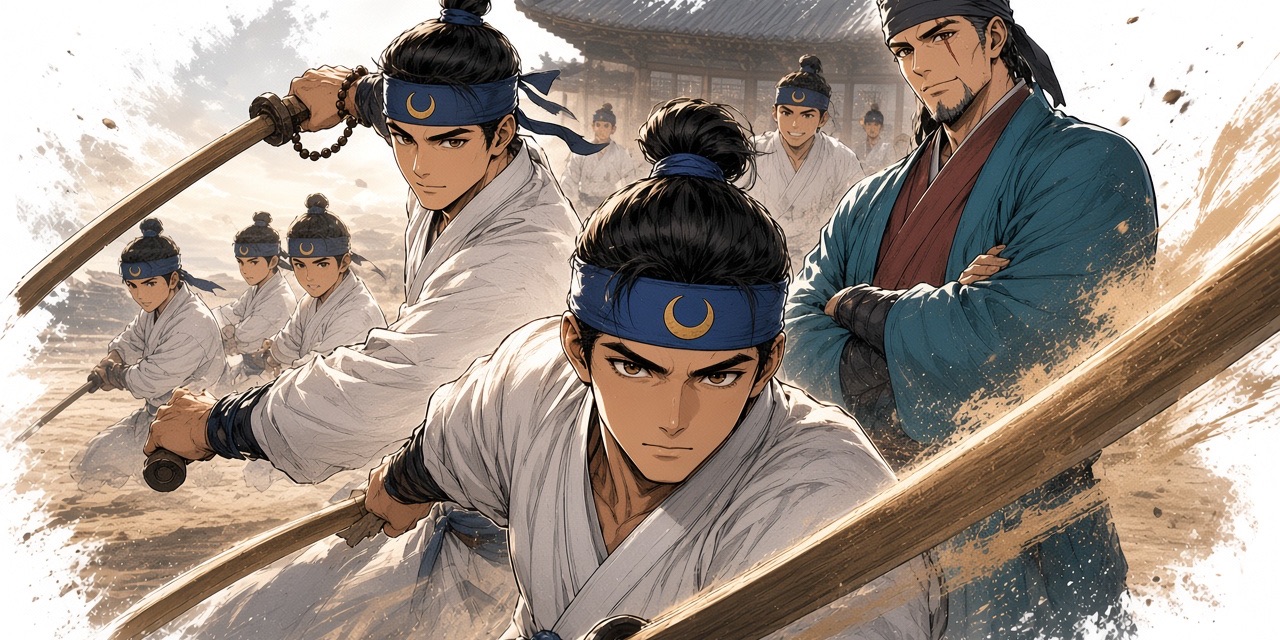
A closed hall that sleeps six to a room, and an officer factory that feeds the state. Boys learn one another’s snores before one another’s ranks, then keep the class number for life — First Class, Class 51, Class 84 — the way a later age keeps a service number. One class a year: Class 1 entered in 560. Bidam is senior to Yushin, Yushin to Alchun; decades on they still say our class. Almost every Harmony Councillor first wore the headband. A Hwarang is expected to ride, recite, and look like the country worth dying for. Special forms — named cuts, paired drills, the 108 count — mark who trained in the yard and who merely wore a sword. On the gyuku field they measure one another with a jangsi before the court does.
About this organization
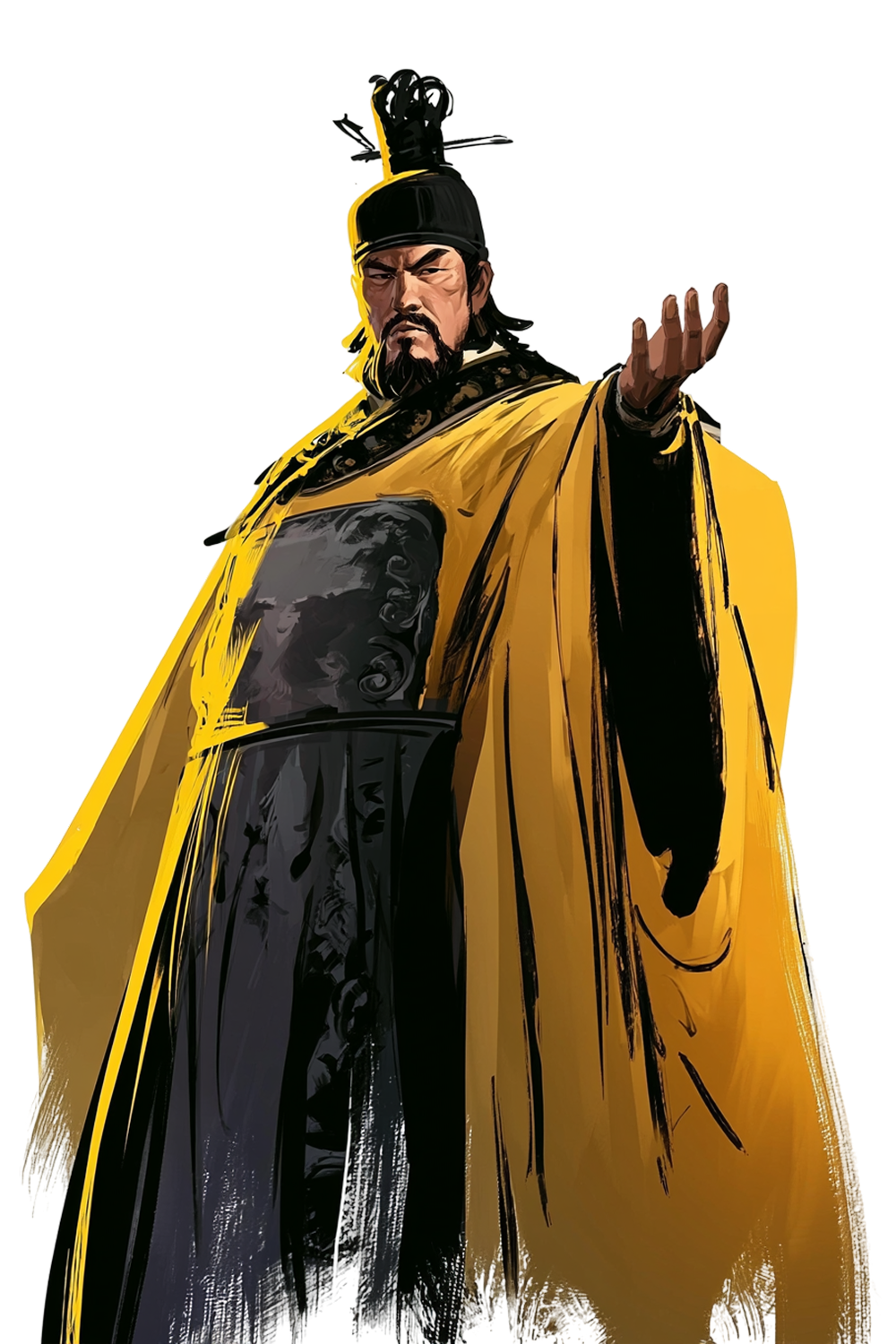
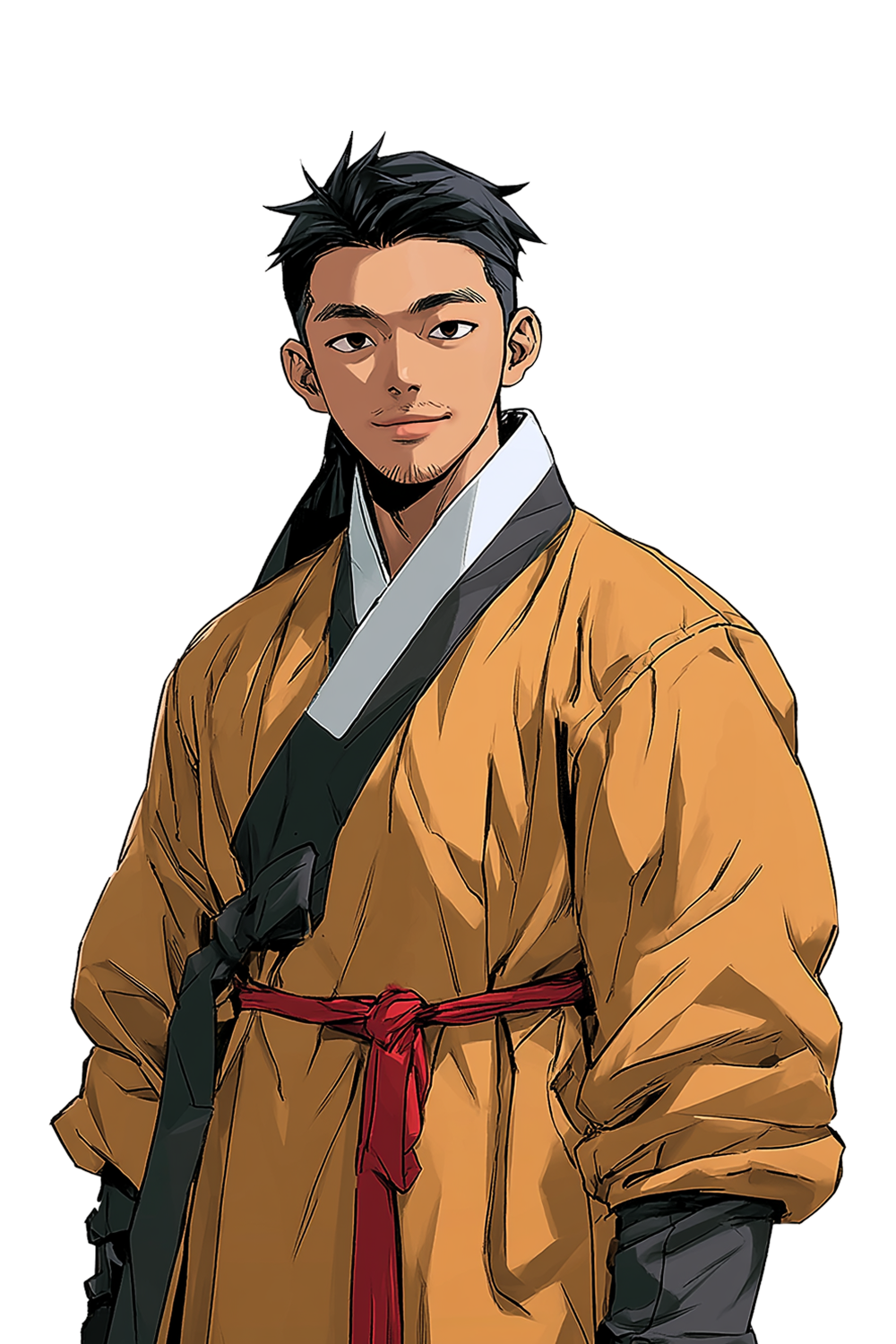
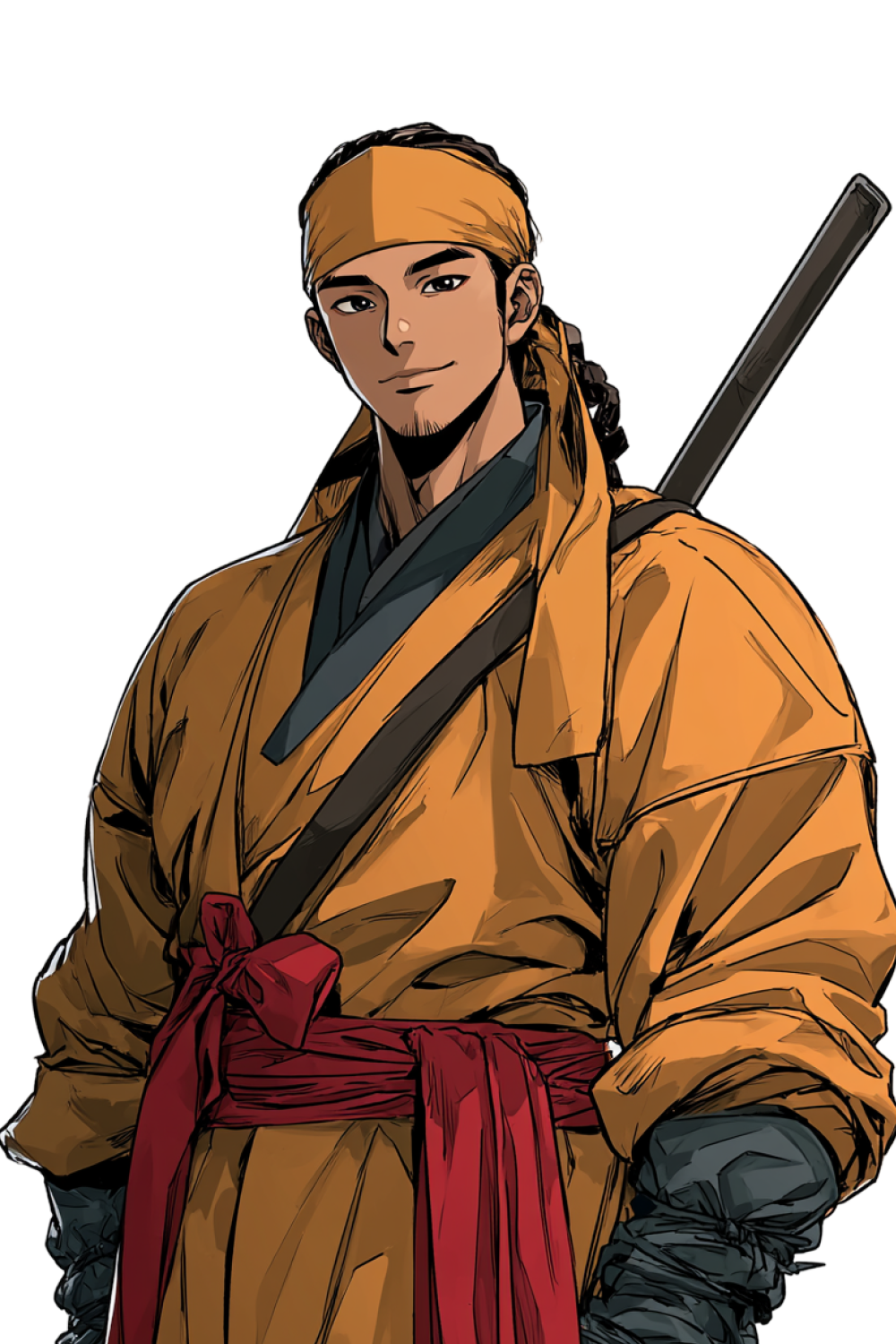
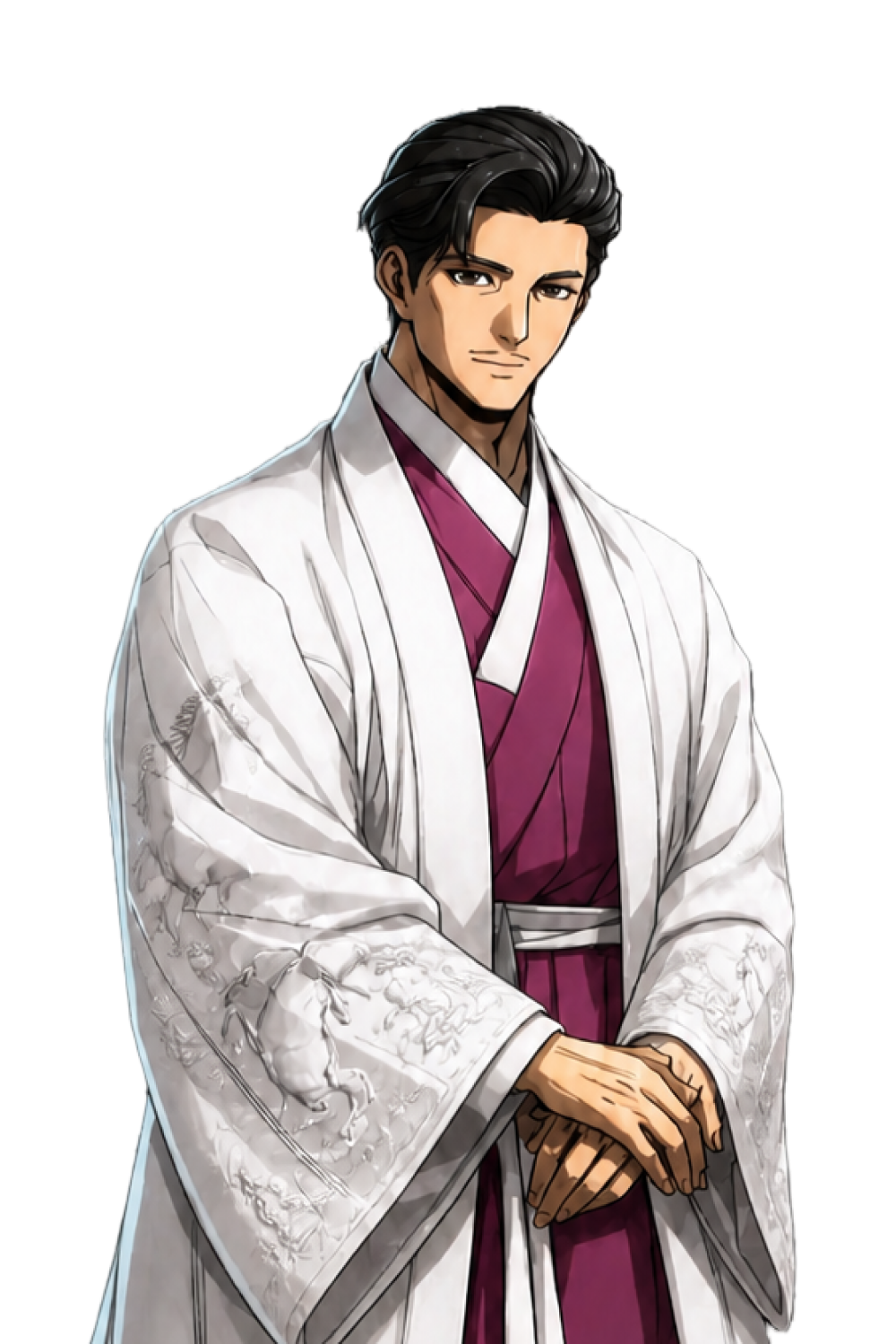
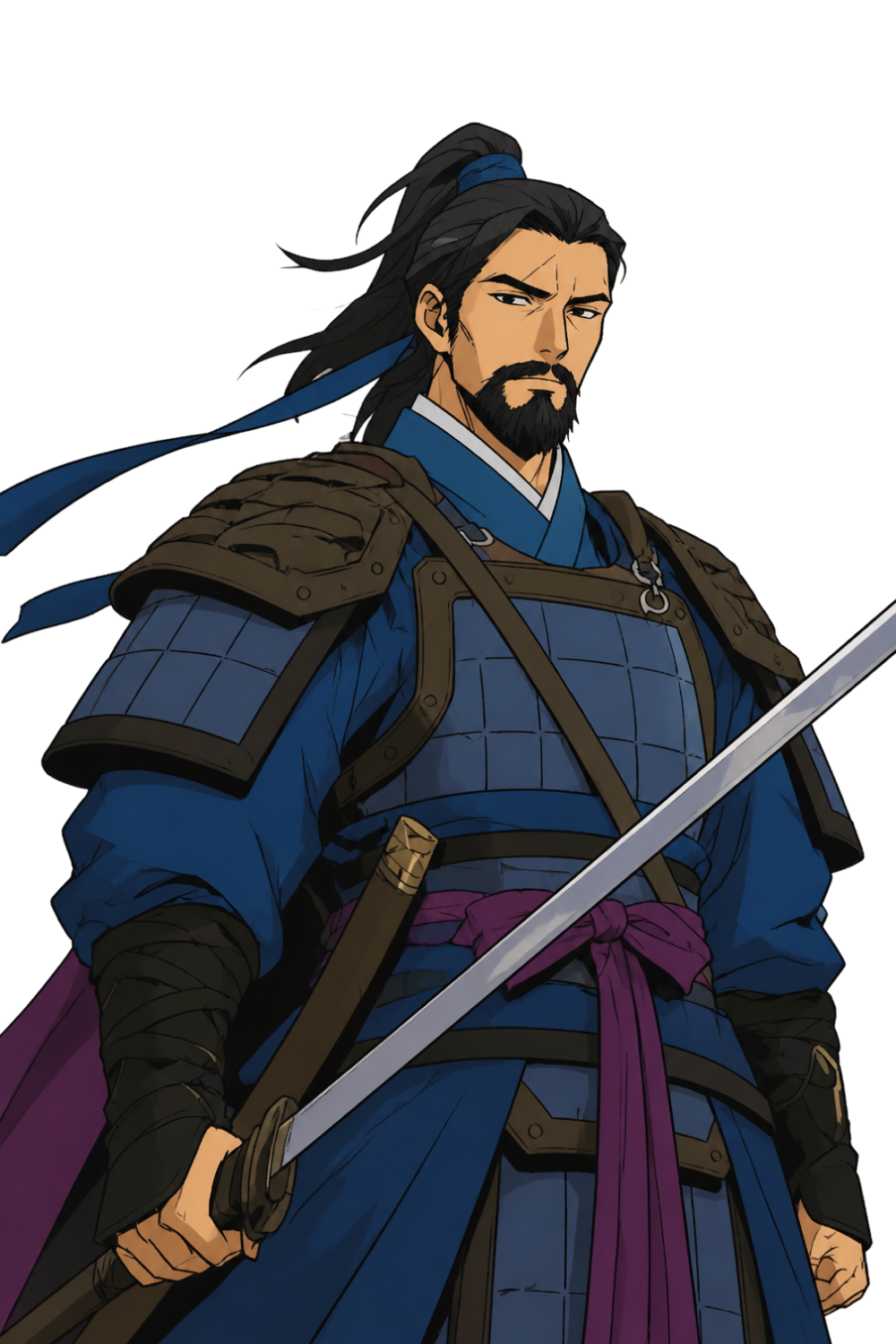
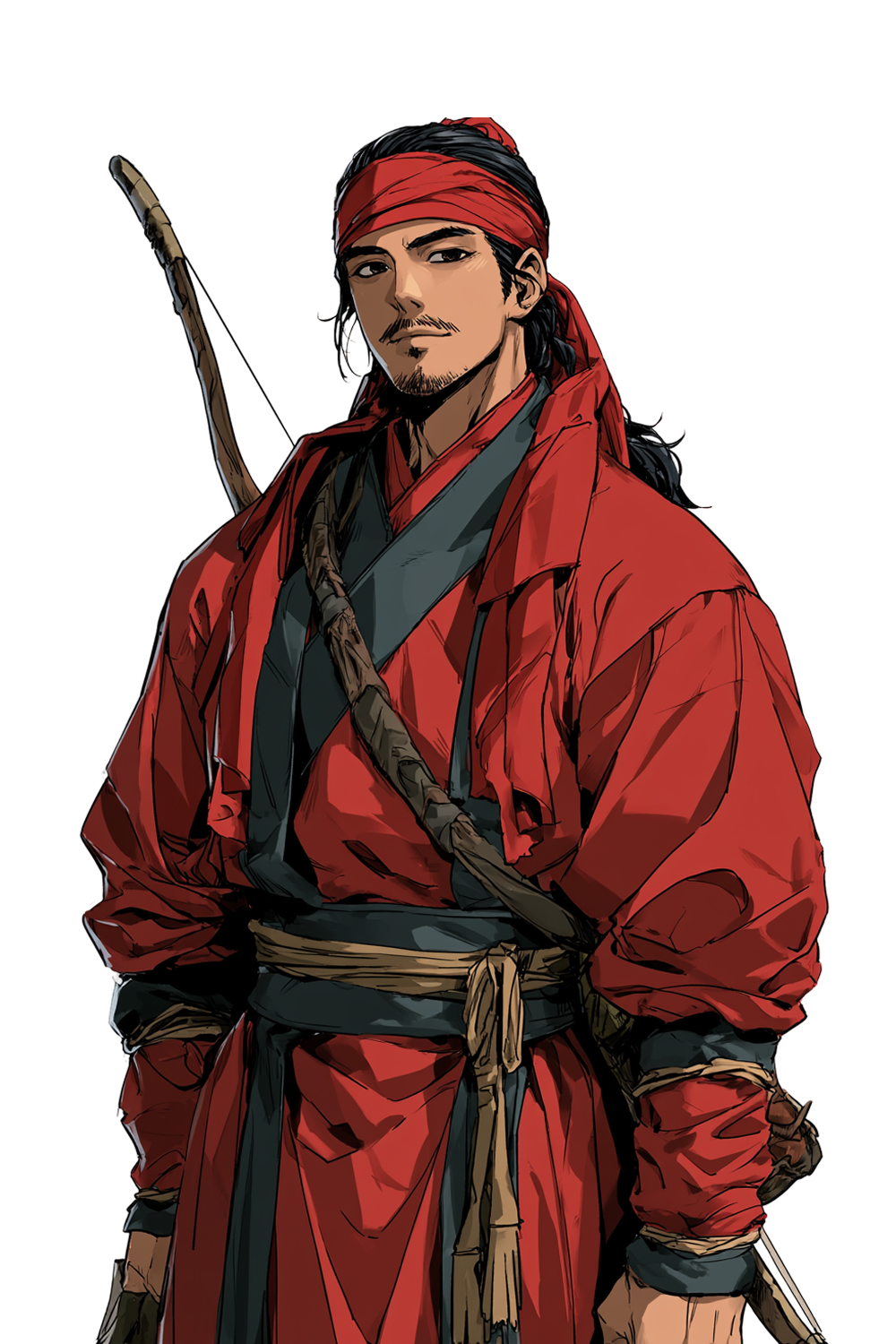
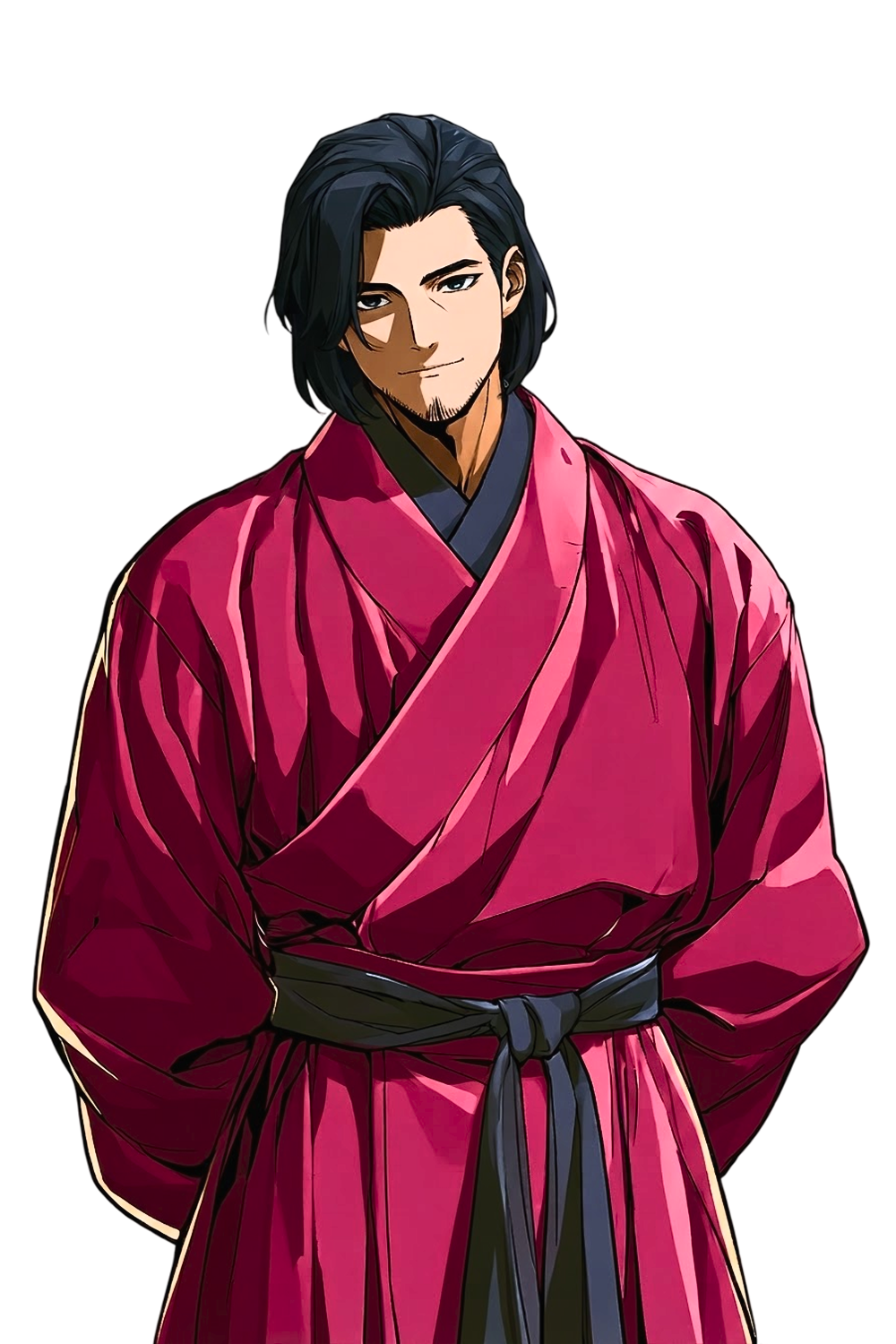
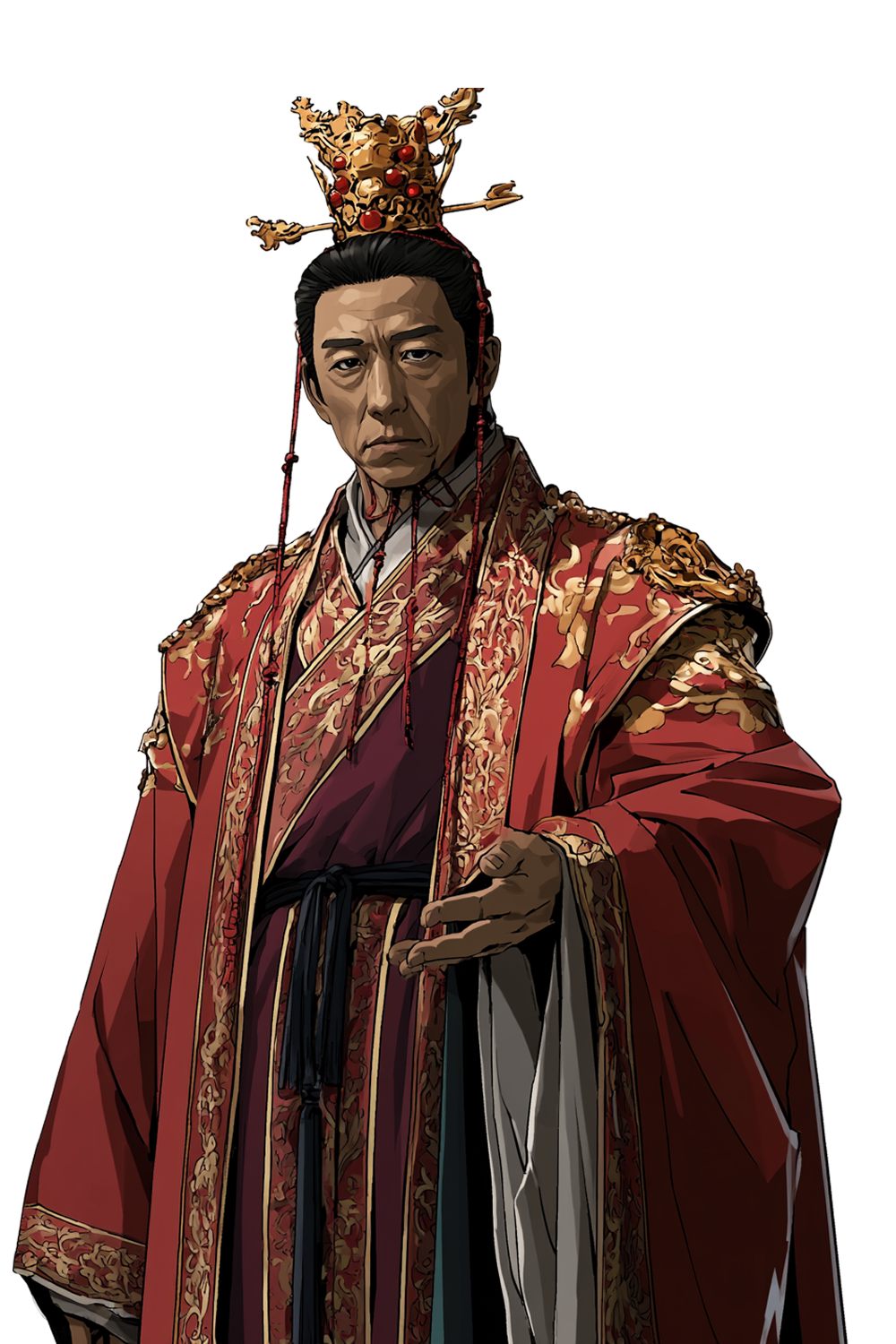
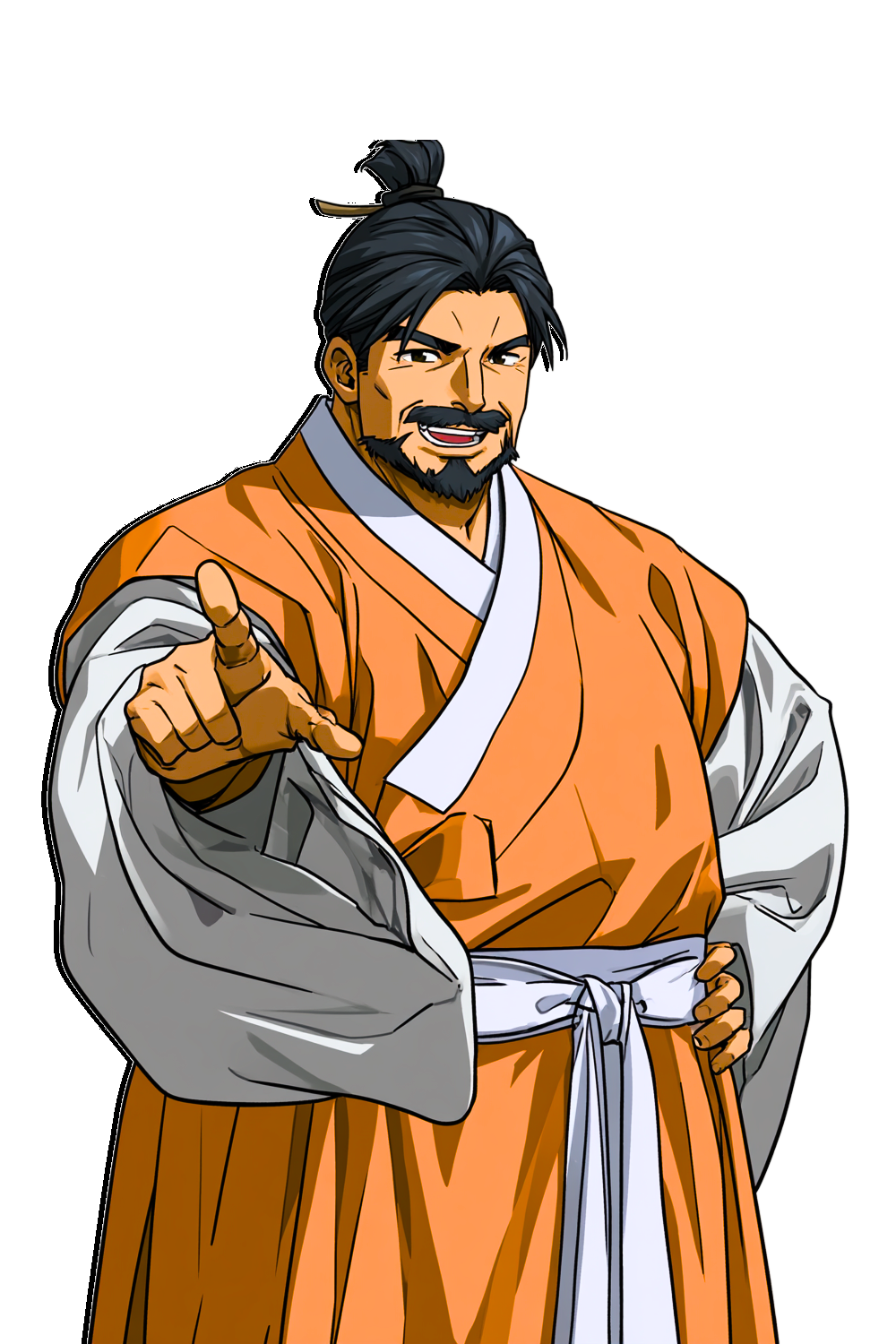
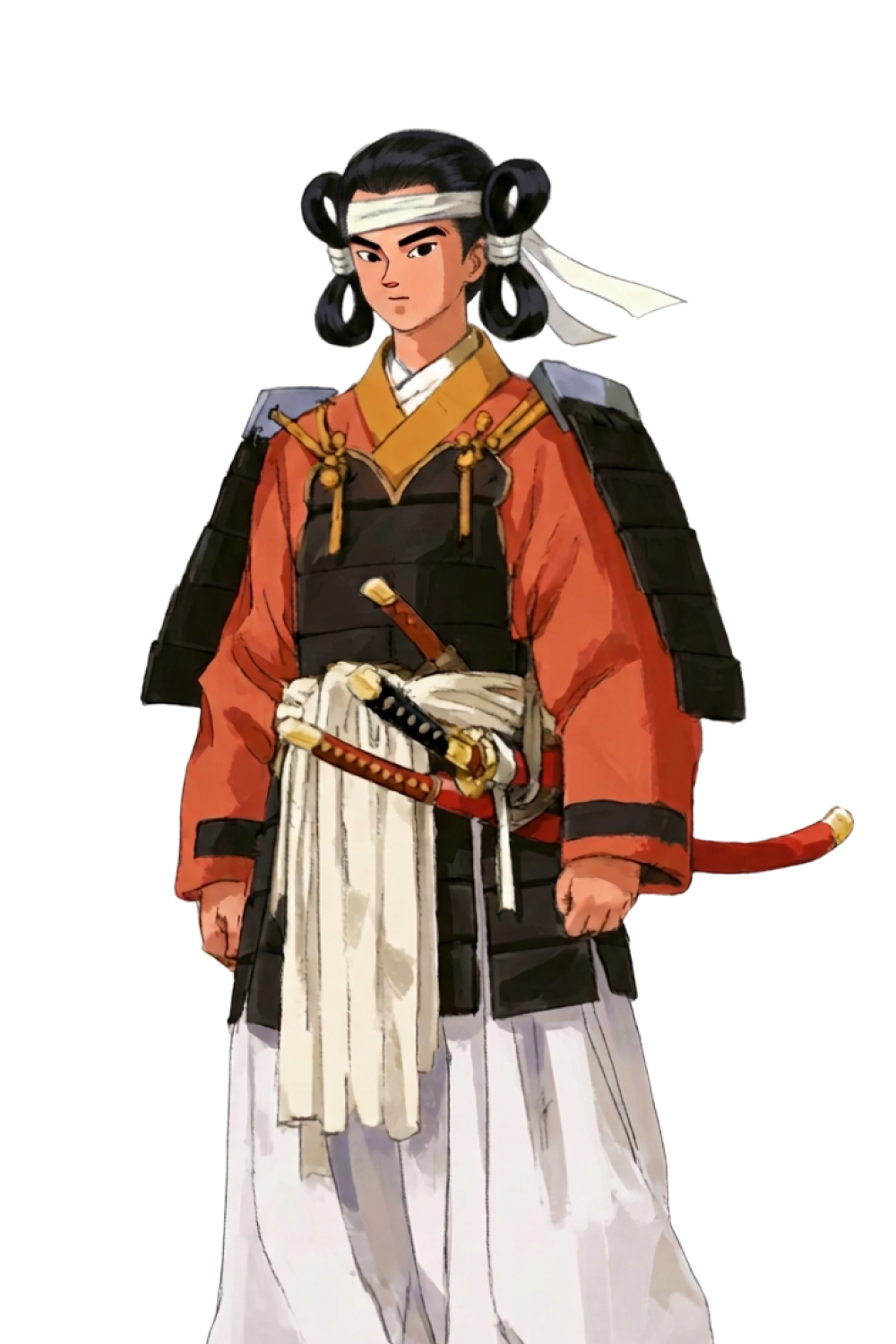
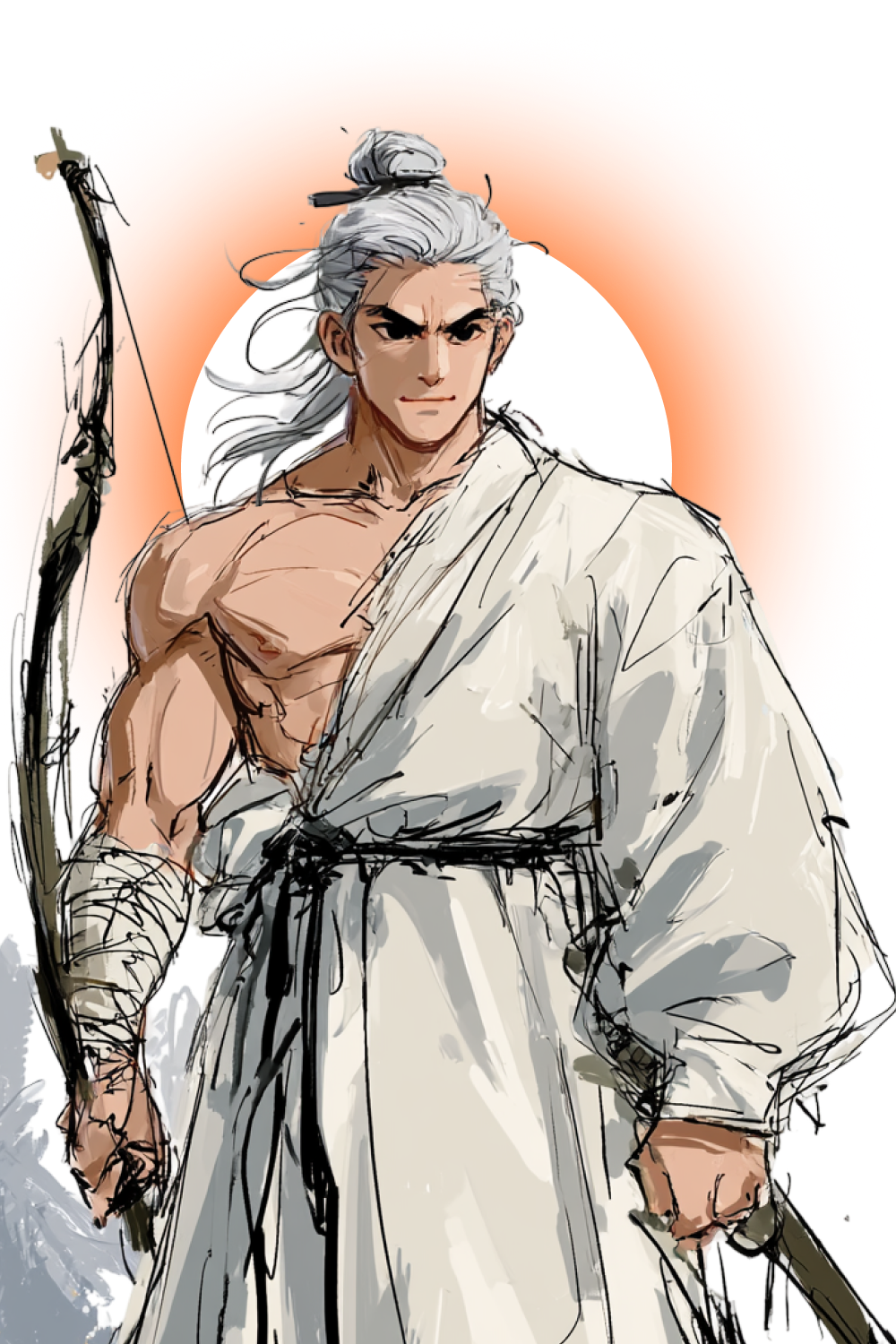
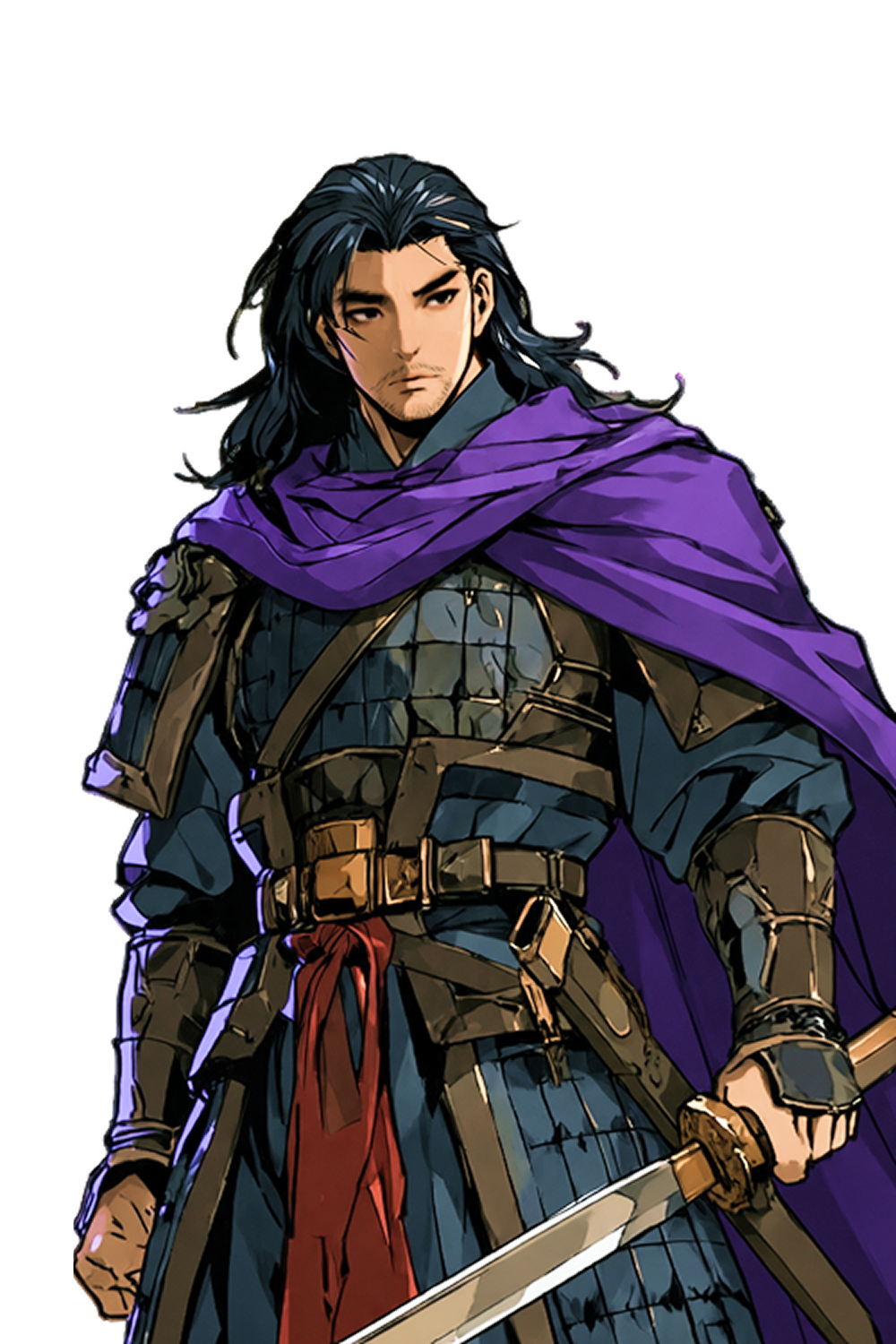
Silla’s training order for True Bone youth — part boarding school, part brotherhood, part cult of the officer. It incubates the men who later sit the Harmony Council, which is to say the Council is the yard with better chairs. It produces Yushin, Bidam, Alchun and Pumsuk: the man who saves the throne, the man who rebels against it, and the boy who loses Daeya. When two of them meet between camps, the country watches a private language of steel — and of class.
Key events
- 576Formalised under King Jinhung.
- 632The young knights pledge to Queen Sunduk.
- 660Gwanchang and Bangul die at the Yellow Mountain Fields.
Also known as
- Hwarang knights
- Flower Knights
- Hwarang