King for All
This article is about the chronicle. For the sobriquet of King Munmu, see § A king for all.
| King for All | |
|---|---|
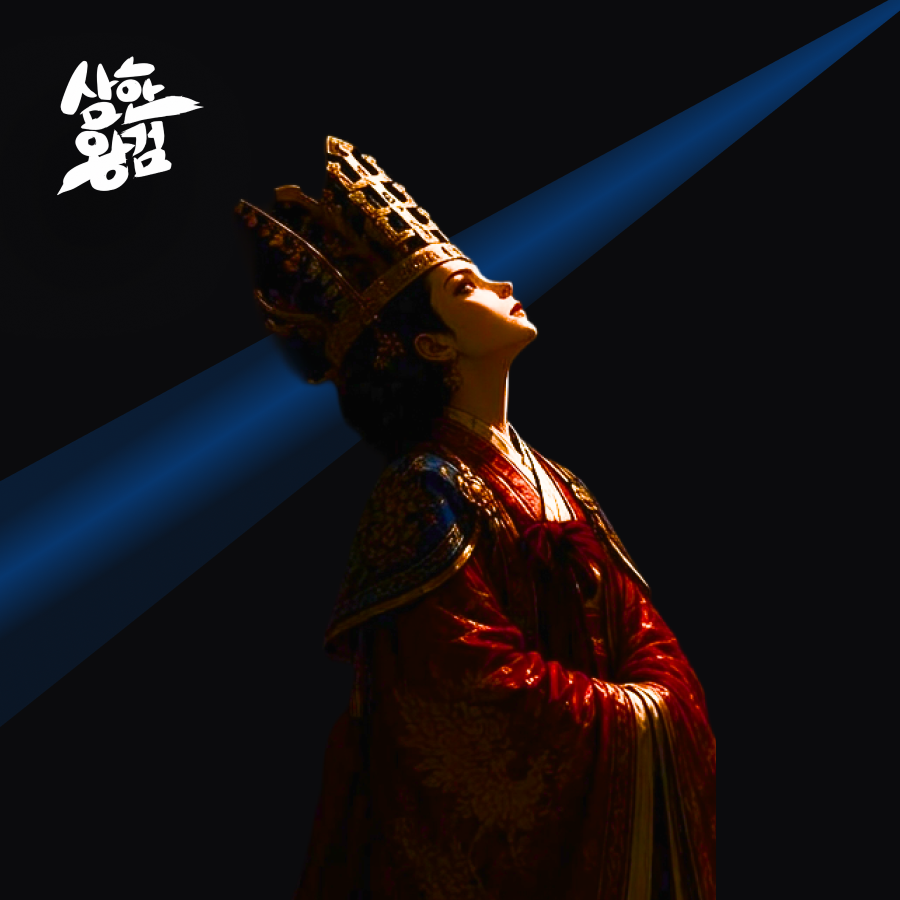 Title image. Queen Sunduk under the Korean name of the work, 삼한왕검. | |
| Author | Heewon Ahn |
| Original title | 삼한왕검 |
| Language | English and Korean, written together |
| Subject | Samhan; the Korean Three Kingdoms |
| Genre | Historical fiction; myth; political satire; webtoon |
| Set in | The Korean peninsula, Tamla, and the Tang court, from mythic time to 698 |
| Media type | Interactive chronicle: script, comic, map, wiki, stills |
| Episodes | 101, in 13 arcs and 3 parts |
| Read the chronicle | |
| Korean name | |
|---|---|
| Hangul | 삼한왕검 |
| Hanja | 三韓王儉 |
| Revised Romanization | Samhan wanggeom |
| McCune–Reischauer | Samhan wanggŏm |
King for All (삼한왕검; 三韓王儉; revised romanization: Samhan wanggeom) is a bilingual interactive chronicle by Heewon Ahn. It is a work of historical fiction, myth and political satire set in Samhan, the Korean Three Kingdoms, from mythic time through the unification wars of the seventh century and the founding of Balhae in 698.[1] The political narrative runs from the accession of Queen Seondeok of Silla in 632 to the Silla–Tang settlement of the 670s. Founding myths, the traditions of Tamla, and the gods of the Three Realms are placed inside that span, usually as memory, an island story, or a night that is not assigned a year.[1]
Ahn began the work as a webcomic. It is published as a bilingual script with the pictures set in the episodes, and the same text is also offered as a comic, a wiki of people, places, clans and objects, painted stills, a map whose borders change by year, and the Silla royal tree.[1] [2] Ahn names the 2009 television series Queen Seondeok as the point of departure, and political satire as a standing concern: each kingdom’s social system, and the deaths that system makes appear necessary.[1]
The English title is a line given to Kim Beopmin, later King Munmu of Silla: a king for everyone, rather than a king for Sacred Bone or True Bone. The Korean title applies the old royal name wanggeom to the same claim, a king of all Samhan. The script contains 101 episodes in 13 arcs and three parts. A sequel outline, Reignmaker (후삼제왕), continues into the Later Three Kingdoms, 828–943.[3]
Background
Historical setting
By the 630s the Korean peninsula is three kingdoms and a string of smaller roofs. Silla, with its capital at Surabol, ranks people by bone: Sacred Bone may wear the crown, True Bone may rise, and everyone else stops at a ceiling the law will not discuss. Baekje, at Sabi, is run by eight great clans who treat the king as a story they can still edit. Goguryeo, which the chronicle often still calls Goryeo, holds the north from Pyongyang and is about to be taken in hand by the Yeon house. Off the south coast, Tamla keeps its own princes and its own myths. West of all of them, the Tang emperor is running out of countries.
The chronicle opens on that late hour and then walks backward whenever a grudge, a stele, or a ghost needs a cause. King Jinhung’s stones, King Gwanggaeto’s stele, the fall of King Gaero, and the founding generations of Jumong, Onjo, Suro and Hyukgose are not a separate history book. They are told when someone in 641 still has to live with them.
Sources
The spine is the Korean historical record, above all Kim Busik’s Samguk sagi (1145) and the later Samguk yusa, with the Nihon shoki for the Yamato fleets and Tang material for the western court.[4] Annals, steles and letters appear in the episodes as their own papers, set apart from the narration, and are left in the wording of the record.[2] What the records do not give — a private name, an invented year, a motive, a conversation in a yard — is the chronicle’s, and the work’s own guide treats that split as something a reader should be able to see.
The same rule governs myth. Eggs, heavenly horses, the underworld and the Tamla tales are painted and told as myth. The history around them stays in the chronicle’s ordinary register. Hyukgose’s egg is a myth; the six chiefs crowning the boy is a scene. A tale told on Tamla at night is a myth; the morning after, with Gyebek still on the island, is not.
Inspiration
Heewon describes the work as begun from the 2009 series Queen Seondeok (Seondeok yeowang), and as a webcomic that the text overtook.[1] The television series is a palace drama of Sunduk’s reign. King for All keeps that court and then refuses to stay in it. Baekje’s clans, Goguryeo’s commanders, the Tang invasion, and the gods are not background for one queen. They are the other rooms of the same century. The author states the wager directly: an international reader should be able to enter without a prior course in the period, and the absurdities of each kingdom’s system should be felt as the cause of events, not as scenery.[1]
Composition and form
The script is one file of scenes: narration, dialogue, day-headers, flashbacks, quoted records, and the cards, maps and diagrams that sit in the page.[1] Episodes are grouped Part, then Arc, then Chapter, then Episode. Three parts carry titles: Land of Samhan (삼한산천), People of Samhan (삼한공신), and Unification of Samhan (삼한일통). A prologue stands before the first part. Each part ends on an epilogue that leaves the peninsula’s courts for a moment: the Tang court, the gods’ summit, and the first winter of Balhae.
A reader can take the book as a script, as a comic, or as a court feed. Dialogue can sit as a play, in balloons, or as posts. English and Korean are one switch for the whole site. Full scroll is the chronicle in a sitting; Episodes hands over one chapter at a time.[2]
Narrator
The narration is a third person who already knows how the lives end, and who talks to the reader as if the two of them were watching a court they have both seen before. He has favourites. He teases a death without spending it. He speaks of heaven and the gods as family gossip, never as a scripture he has to gloss. The chronicle does not name him, and he does not name himself.[1] Mouths do not do his job. People talk to each other; the narrator keeps the business a scene needs and the one aside he is allowed.
Language
Every narrative block and every speech is written in English and in Korean. The Korean is written to be said, in the speech level that person would actually use: banmal between sisters and old friends, a stiffer register in a Silla hall, a Tang court that stays formal. It is not a calque of the English line.[1] When English has two words for one idea, the speaker’s kingdom picks. Goguryeo keeps the older stock (oath, hearth, yield). Baekje reaches for the Greek-rooted word and will not flatter living Tang. Silla, which has decided to learn the new high culture, takes the Latinate twin. A person’s own voice can override the kingdom. Mortal speakers do not cite AD years. They count winters, reigns, and “since Daeya fell.”
Pictures and rooms
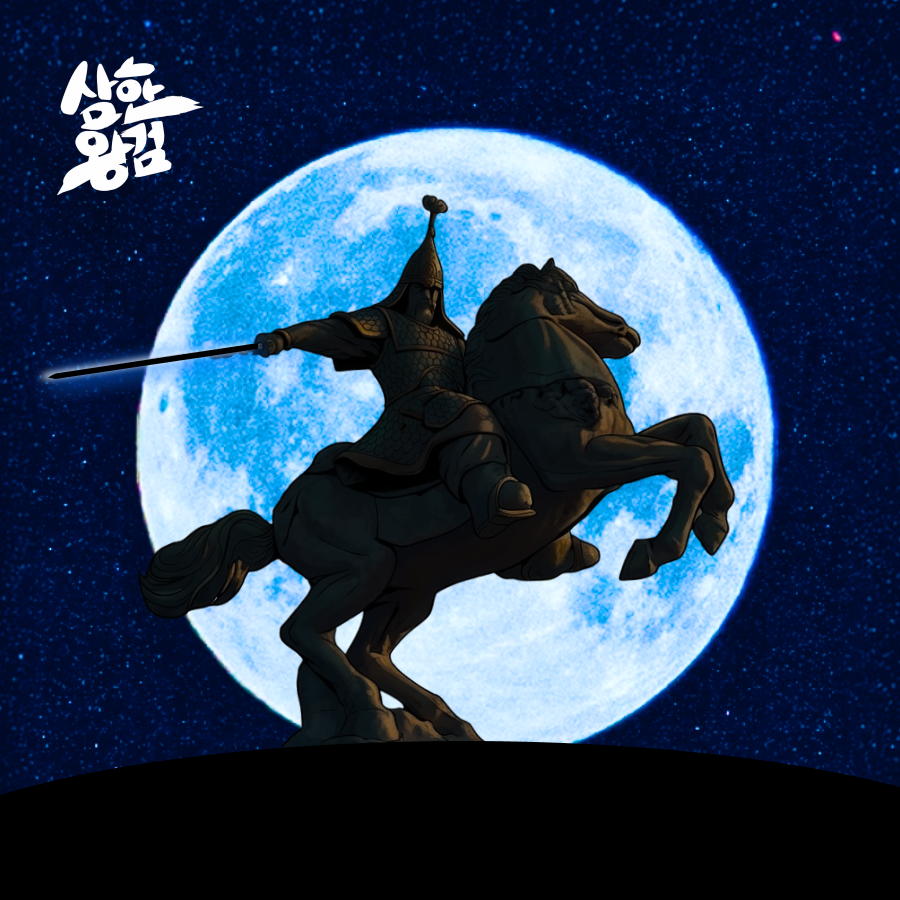
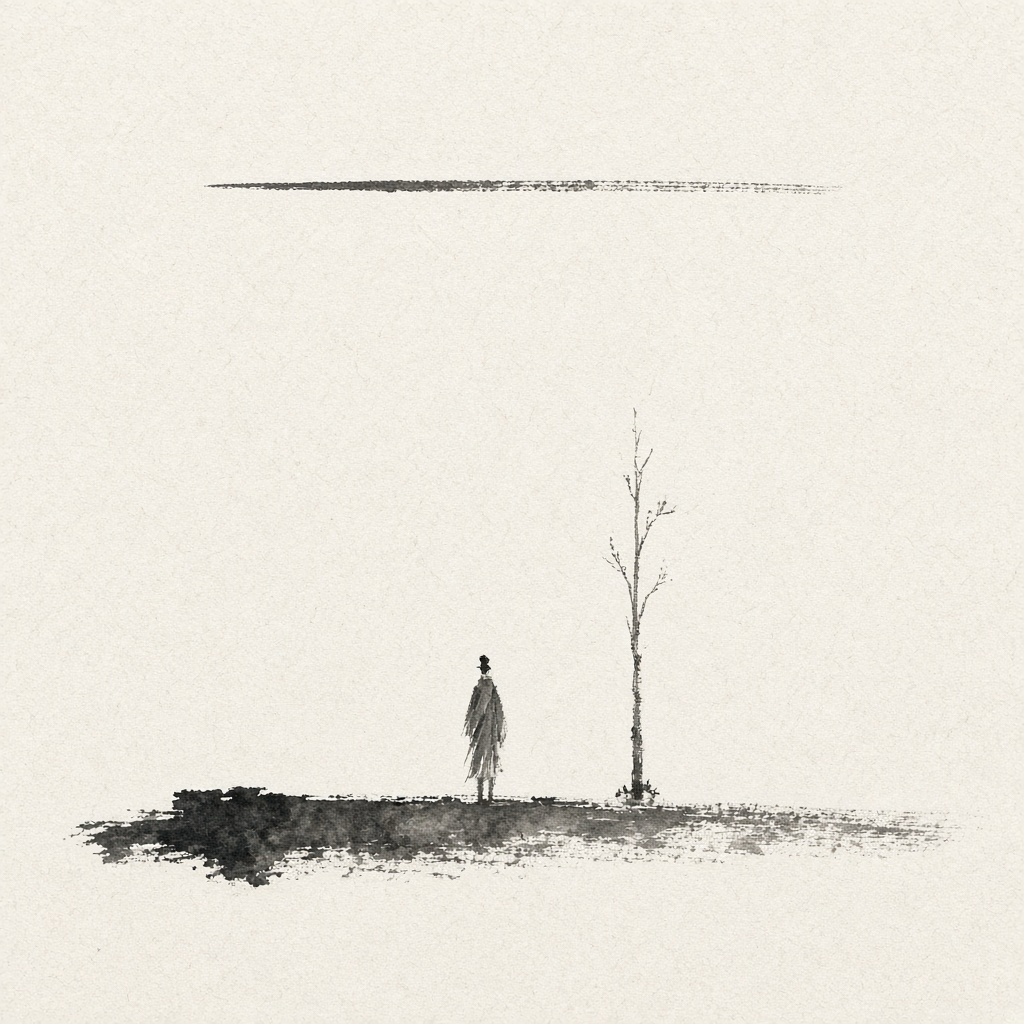
Stills are painted in one house look: webtoon figures, a watercolour-and-oil world, a Romantic layout, and film lighting. Faces come from the portraits in the wiki. A visual canon fixes dress, horse, sword and armour by year. Myths are ink on bare paper. Battles are painted frames with the kingdoms’ own ships and banners. Close fights use manga angles.[1]
The map is one map. Borders are drawn site by site and year by year, so a kingdom swells and shrinks as the reader moves. The wiki holds the cast and the set: every person, place, clan, sword and horse, with the portrait, title and career for the year the scene is in. Cards in the script follow. A prince who becomes a king keeps the face and changes the name.[2]
Plot summary
What follows is the spine of the chronicle and the best-known turns. Episodes often leave their year. A founding, a lost war, or a myth is told when the later scene needs it, then the book returns to the room it left.
Prologue
“Back When Tigers Smoked” opens before any kingdom. The world does not yet know how to make a soul. The Sky Princess finds the Life Flower. Heaven–Earth King names her, and names the sea’s daughter against her. The prologue closes on the title itself: the story of crowning a leader who can bring people out of the dark, and then, in both languages, the King for All.
Part I: Land of Samhan
The Three Kingdoms (632–642) starts in Surabol with a sentence the court thinks is a joke. A queen. Sunduk takes the crown, and the Harmony Council — six nobles, one brazier, nobody standing until they all agree — has to live with her. Four winters later two old hwarang are sent west to Jade Gate Valley, a place with a polite name and a war behind it. The book then shows the older Silla that made this court: Jinhung, the Cloud King, whose stones Surabol likes to talk about and Sabi would rather not.
Baekje is introduced through the man who is late to his own future. At thirty-two Prince Euija is only now named crown prince, after the clans have spent years deciding which of his sons they own. The eight great clans are listed like a roll call — Satek, Yunbi, Jinmo, Mokli, Hae, Bek, Guk, Ahn — and the Deer Rock Council shows how a sealed box and a night on the rock still leave eight houses free to help heaven decide. A flash of King Gunchogo riding north, and of King Gogugwon meeting him, ends on a stray arrow. The north, in the same years, is already telling bedtime stories about Commander Yeon that are not for bed. Five tribes, a wife seven months gone, and a High Summit where five commanders and one king can hear his hooves before he sits. King Gwanggaeto’s stele is allowed its sixty-four fortresses, and then the thing the stone does not list.
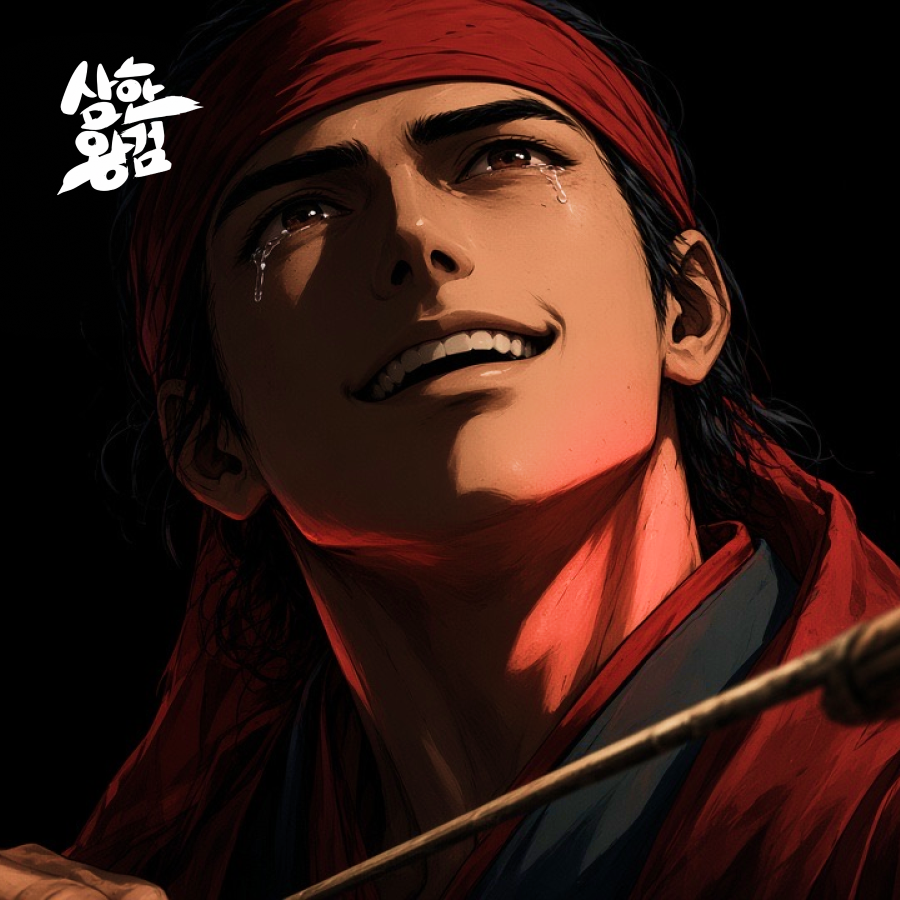
The Five Precepts (641, with long memories) is the generation that will have to finish the century. Bupmin is fifteen, old enough for the hwarang headband and too young to invent a country alone. Sadaham is already a ghost the yard still calls to roll. Gotaso, “a young girl who is going to do what she’s going to do,” and Munhee, whose story starts when a dream is sold, set the Kim house’s private weather. Momal is the hall’s word for a job the boats actually did. Euija, now styled in advance as righteous and merciful, has a sense of humour about the style. Under him sit the older Baekje wounds: King Seong and a betrayal that does not come from enemies, Gaero and the head Goguryeo waited a hundred years to take, Yunchung as the one man Euija trusts to deliver, and Yeon Namseng as one of three sons who could not be less alike and who have only one seal. Ulbul, a salt seller, is the first king in a cave.
Iron Will (642) is the year the systems spend what they have been saving. In Silla, bone decides how high Gumil can climb, and he has climbed exactly that high. Maehwa pours wine at a banquet. Jukjuk is asked for the story, not whether she is hurt. The revolt is a summer of bowing that turns into a banquet the king is coming to. To keep Silla alive, Chunchu walks into Pyongyang and asks the most dangerous man in Samhan for a favour. Yeon and the king of Baekje sit one table and swear. A earlier campaign shows why the name Kim Yushin already empties a road. In Baekje’s markets they spit Gyebek’s title and add, quietly, that he has not met the man yet. The part’s last beat of the year is the same star, the same minute, in three places.
The epilogue leaves the peninsula. In 643, far west, a man who owns half the world hears a new name and turns it on his tongue like a grape he has not decided to eat. The four dragons of that court are the Tang answer already forming.
Part II: People of Samhan
The Goguryeo–Tang War (643–645) gives that emperor his titles — Heaven-Sent General, Khan of Heaven — and the problem that he is running out of countries. Goguryeo has spent fourteen years on a wall. At Yodong the blue dragon walks around it. A flash of King Dongcheon shows an older king picking a fight, then a battlefield he has not looked at. At Stallion Mountain a farmer in a white coat walks onto the field as a name on a muster roll, with the emperor watching. Ansi dances all night, follows a man with a lazy eye, and answers to no one, until the emperor is at the gate. The Sui disaster is told through Eulji Mundeok, who surrenders seven times on the way south while the river gets closer. Only then does the book tell where this north came from: Haemosu looks down from the sun’s road, and Jumong is still wet from the river when the spears find him. Hodong and the self-sounding drum close the founding on a princess who cuts the drum for a boy.
The Chunchu Era (643–654) returns to Surabol and does not stay there. Bidam takes the Council’s first chair and keeps his hand down alone against the queen’s cousin. The queen falls. The gate shuts. Between that and the next reign the book tells Suro and the sky god who looked at a ridge too long, then five nights of tea between camps, with the score still tied, until Bidam asks the question Yushin has never answered in Surabol. Muryuk is the Gaya prince whose father promised him everything the sun touches, and then Silla came shopping. The cavern throws Bidam out. A white horse burns for a falling star. Yushin leaves the gate. Seohyeon, on a road before there is a Yushin, is the father who should have been looking where he was going. Three Gaya men wait in the steam. The gate opens from the inside.
Queen Jinduk wears a crown made for her cousin and padded at the temples. Chunchu goes to Li Shimin with an offer, in a city where everyone else brings tribute. One seal and one speed become the Royal Secretariat, and fewer uncles. Bihyung is the capital’s mad prince, and very good at it. Kim Yongsu is the strange boy nobody kills. In 654 the crown that has sat on the queen for seven years is moved; the work has been sitting on her nephew’s table, and Chunchu becomes King Muyeol. Away from that table, Jahee has already decided a prince’s arithmetic is sloppy. The quay does not care that he is a prince.
Haedong Jeungja (655–660) is Euija’s reign under the name the court likes, the Zengzi of the East. Queen Satek dies, and the king loses the right to say no. Two years later he takes the chairs back. Lady Eungo’s eight grudges and forty-one sons are loyalties he created by decree. The fall announces itself in omens that are real because people saw them, which the chronicle treats as the only sense that mattered. Onjo’s founding — a boy with a sling, and a father’s hall that never mentions Buyeo — is told here, as Baekje’s beginning inside Baekje’s end. Seongchung asked for one word and got a wine jar. Heungsu is sent for because he was sent away for being right. Gyebek comes off a boat without counting. The country he swore to is already eating itself.
The part’s epilogue leaves the year entirely. Three Realms is Kangrim’s first summit: three rivers, a pavilion past any calendar, and a question he should not ask.
Part III: Unification of Samhan
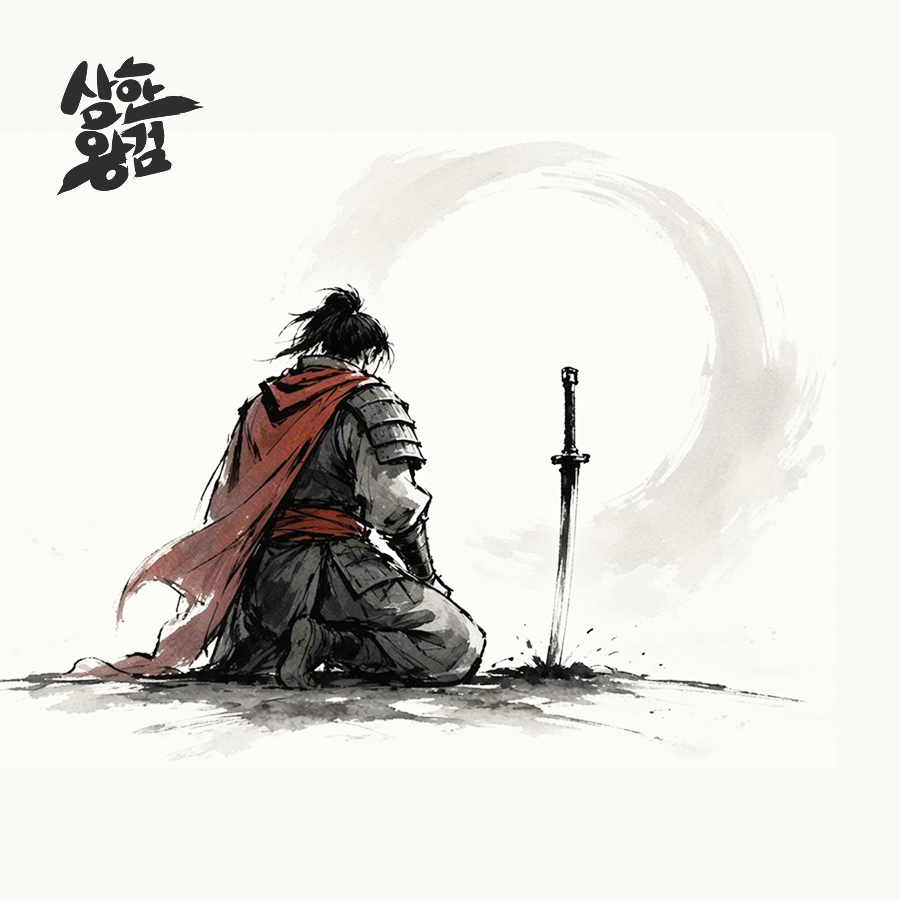
The Fall of Baekje (660–662) begins on a beach. Yuri Dora’s island has a man in the sand who does not know where he is. Before Hwangsan is fought on the page, Tamla tells its shelf of myths: Heaven–Earth King and the two suns, the Goddess Supreme and the two daughters who want the seat of life, the gardener who wins it, Kangrim sent down alive to arrest the judge of the dead, three princes climbing out of a hole, and Sanbangdeok coming out of the rock. Then the field. Five thousand men against an empire and a kingdom, and Gyebek has already done the arithmetic. In the western capital a confession is already written, with a space at the bottom for Euija’s name. Chunchu, the man who arranged it, is fifty-eight and cannot get out of bed. Baekje is finished, says everyone except Baekje. Prince Pung has lived across the sea for twenty years. Echi comes in white to mend a net the West has thrown over the country. Pyongyang is a red gate on a grey ridge. At Snake River in 662 the White Tiger still believes rivers are roads, and Yeon has been waiting for a man who thinks that.
The Fall of Goguryeo (662–668) opens with nineteen generals named for a campaign, two of whom call in sick and are seen at a match. Gwisil Boksin, the general who crowned Baekje’s last king, is sick in bed and asking for a visit; the king remembers another supper. At the White River in 663 the West, Samhan and the East meet in one mouth of water, and the tide is nobody’s friend. In 665 the Eternal General is dying. Three brothers and one seal follow: Namgeon, then Namsan, and when the ring closes on the city they pick a monk, the man nobody can buy.
The Silla–Tang War (670–676, opening into Silla’s own myths) is the alliance eating the ally. Before the battles, the book tells how Silla began: Park Hyukgose and the white horse by the well, Talhae in a chest on the tide, Alji and a rooster crowing at night, and two small kings who ask a third to count a strip of dirt. Xue Rengui would like to win the war by post. The king does not go to bed. Go Anseung stands under a Goguryeo flag that Gum Mojam raised; they disagree about dying, and only one of them sees the morning. Silla wins the morning at Stone Gate and then chases, which costs the year. Wonsul comes home alive. His father asks the king to execute him, and the king answers with something he said at fifteen. Old Yushin still finds the cavern. The three in the steam look the age they always looked. Dangun is told here, before there are any kingdoms: a son in heaven who keeps looking down. The day after his uncle’s funeral, Munmu brings one question into the steam, and fifteen generations come to answer it. Xue Rengui returns by sea at Maeso, guided by a Silla boy whose father the king killed. At Gibulpo, the river mouth where the West landed sixteen years earlier, a captain who has never won anything loses twice on purpose.
King of Samhan is the morning Munmu becomes king of all Samhan and opens the hall to the yard. Five summers later, Kangrim asks him the question. The last epilogue is Balhae, in 698: the winter after Pyongyang falls, an old man carries a piece of a crown through the snow.
Historical record and fiction
The chronicle treats the annals and the novel as different kinds of sentence. A coronation, a campaign, or a quoted edict may sit next to a conversation no clerk wrote down. Where they part, the work’s own guide is written to say so: what the sources give, what this telling adds, and one line on the difference.[2] The Qing historian Zhang Xuecheng’s ratio for Romance of the Three Kingdoms — seven parts fact and three parts fiction — is cited in the work only as a warning. King for All does not offer a ratio. It keeps the seam visible.[4]
What the annals keep
The political spine is the one in Kim Busik’s Samguk sagi (1145). Queen Seondeok succeeds in 632. Yeon Gaesomun takes the Goguryeo court in 642. Gyebaek dies at Hwangsanbeol in 660 with a force the annals number at five thousand. Baekje falls the same year, Goguryeo in 668, and Silla spends the next years pushing Tang back to the Liaodong. Quoted edicts, steles and letters are left in the wording of the record and set on their own paper, apart from the narration.[4] [2] Myth and biography draw on Samguk yusa. The Yamato fleets draw on the Nihon shoki.
Departures
What the records do not give — a private name, a motive, a talk in a yard — is the chronicle’s. Invented years are marked as invented on the people they belong to. The table is not a complete list. It is the departures a reader is most likely to mistake for the annal.
| Matter | In the record | In the chronicle |
|---|---|---|
| Queen Seondeok, 632 | The Samguk sagi records her accession after King Jinpyeong. | The opening court treats a queen as a joke it then has to live with. |
| Gyebaek at Hwangsanbeol, 660 | The annals give him five thousand men and his death on the field. | The battle is told after an exile on Tamla, and after the island has told him its myths. |
| Maehwa | The histories do not give her a name. | She is named. The fall of Daeya, and much that follows from it, is staged through her. |
| Gyebek’s brother | No such name in the annals. | Called Aso in this telling. The eastern roof he takes keeps the river’s own name. |
| “A king for all” | Munmu’s reign, the war, and the expulsion of Tang are historical. | The sentence is the chronicle’s. Beopmin says it as a boy in 632 and is still answerable for it when the hall is his. |
| Founding myths | Chiefly Samguk yusa: Jumong, Hyukgose, Suro, Dangun, Onjo. | Told when a later scene needs them, and painted as ink. The history around the myth stays in the ordinary register. |
| Kangrim | Not an annal figure. | A psychopomp. At each great death he asks one question, and the wording does not change. |
| The narrator | No such person. | Unnamed. He speaks of heaven as family gossip and never says who he is. |
Order of telling
Founding myths are withheld until their own episodes. An earlier scene may swear by a bow, a well, or “Buyeo blood” without stopping to teach the genealogy. Reputations are built in other people’s fear — a rider who does not finish his rice, a pursuit that breaks when a name is shouted — rather than in a narrator’s introduction. The same event is not told three times, as narration, as a speech, and as a quotation. If the scene has already done the work, the annal is not asked to do it again.
Themes
A king for all
I want to be the king for all. Not a king for Sacred Bone. Not a king for True Bone. For all.
Bupmin says it as a child, in 632, and the chronicle lets him keep the sentence until he is Munmu and the hall is actually his. He is written as the person who means what he says: earnest, plain, brave before he is wise, clumsy with Jahee and straight with everyone else. He does not bend the age the way Chunchu, Yeon or Euija do. He watches a sister fail to come home, watches a father invent a country, learns the war from the wrong end of the map, and finishes a sentence he stole as a boy. The desire is a kingdom that includes the quay. The wound is an empty seat.
Chunchu’s version of the same century is the other half of the theme. He is barred from the throne by bone, grandson of a deposed king, and for years the cleverest man in rooms he is not allowed to rule. The west, as he argues for it, is a method — seal, speed, a secretariat — and not a costume. His limit is that he does not know what the capital looks like from Daeya until Daeya kills his daughter. Wit becomes patience. He takes the throne. He also leaves his son a half-won war and an alliance that wants the peninsula as furniture. Munmu’s work, in the last part, is to walk that road to the end and then expel the west his father invited.
Rooms and ranks
The author’s note calls the satire the point: every character is a product of their rooms.[1] Silla’s bone rank, Baekje’s eight clans, Goguryeo’s five tribes, and Tang’s appetite for a map with no outside are not lectures. They are the reason a banquet becomes a revolt, a sealed box becomes a council, and a man sent away for being right is the man a falling king has to send for. Euija is the one voice the book allows to say the idea in the open, because he is the king who will lose to it: a country is a territory governed by a single story. He breeds sons until the clans each own one, purges the houses, seals the palace, and then discovers the story was never only his.
Smaller rooms do the same work without a speech. Gumil has climbed as high as his bone allows, and the book is interested in what a man does at a ceiling. Maehwa is poor enough that the record would not have kept her name. Jahee corrects a prince’s margins and later sits as queen still treating the realm as a tide table. Wonsul survives a battle and is asked to die for the surviving, because his father’s idea of a house is stricter than the king’s.
Myth as weather
The author’s phrase is that history is the spine and myth is the weather.[1] Gods are not a prologue the politics then forgets. Haemosu stops the chariot once, and Jumong is the consequence. The cavern goddesses sit under Surabol through the whole Silla century: they pronounce, they want, they drive Bidam out, and they are still there when Yushin is old and when Munmu brings his question. Kangrim, who walks the living into the land of the dead, asks one question at the great deaths. It is a ritual, not an interview, and the book does not vary it away. Tamla’s myths are told to a Baekje general who has already lost, which is a different use of a creation story than telling it at the beginning so the reader will feel oriented.
Characters
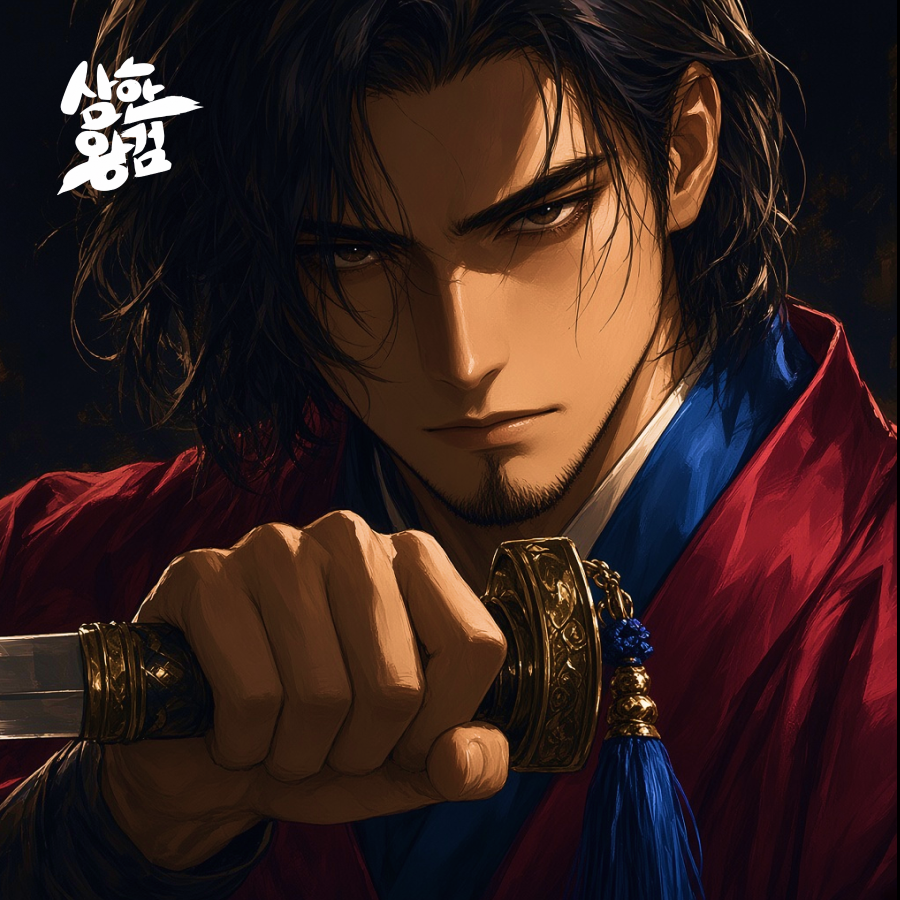
The cast is large. A career in the wiki changes by year: a prince becomes a king, keeps the face, and takes a new name. The groupings below follow the courts the three parts return to. Names are the chronicle’s. Where the historical spelling differs, it is given in parentheses. A name opens that person’s article in the side panel.
Silla
Queen Seondeok is the door. The court that crowns her does not believe a queen is a serious sentence, and then has to govern under her. Kim Chunchu spends years as the cleverest man in rooms he is not allowed to rule, makes the Tang alliance, and dies before its bill arrives. Kim Yushin is the marshal: Confucian, not a temple man, and a name that breaks a pursuit before the horse is in sight. Kim Beopmin, later King Munmu, says the title line as a boy and is the king who has to make it true, including against the alliance his father invited. Bidam keeps his hand down in the council. He is written as a Buddhist and as a man of this soil. Munhee and Jahee keep the private half of the Kim house: one a dream sold and a household held, the other a quay, a margin, and later the realm’s books.
Baekje
King Uija is a late heir who comes to believe a country is a territory governed by a single story, and who writes one his eight clans cannot survive. Gyebaek holds the sword the other way around. His five thousand at the Yellow Mountain are told after Tamla has already told him its myths. Maehwa is the chronicle’s name for a woman the histories leave unnamed. The fall of Daeya runs through her.
Goguryeo
Yeon Gaesomun is the Eternal General: crude, quoting only his own kings, with three sons and one seal. Jumong and Haemosu are not an overture. They are told inside the Tang war, the egg and the river and the sun who stops once.
Tang
Emperor Taizong hears a new name in 643 and is at Ansi in 645. He is the alliance Chunchu thinks he can use. Xue Rengui would prefer to win the last war by letter. The peninsula keeps requiring him in person.
Gods and the dead
Kangrim walks the living into the land of the dead and asks one question at the end of a great life. The cavern goddesses sit under Seorabeol for the whole Silla century. Dangun, Hyukgose, Suro and the Tamla myths are told when the later story needs a cause, not as a prologue the politics then forgets.
| Person | Side | Place in the chronicle |
|---|---|---|
| Queen Sunduk (Seondeok) | Silla | The queen the opening court finds ridiculous. Her reign is the door into the century. |
| Kim Chunchu, later King Muyeol | Silla | Barred by bone, then the man who makes the Tang alliance and does not live to see what it costs. |
| Kim Yushin | Silla | Marshal. Confucian, not a temple man. The name that breaks a pursuit before the horse arrives. |
| Kim Bupmin, later King Munmu | Silla | The king for all. He inherits the war and the alliance, and he is the one who ends both. |
| Bidam | Silla | High councillor, hwarang, and the man who keeps his hand down. Buddhist, and of this soil. |
| Munhee and Jahee | Silla | One sells a dream and keeps a house; the other meets a prince at a quay and later keeps the realm’s books with him. |
| King Euija (Uija) | Baekje | Late heir, then the king who believes a country is a story and writes one his clans cannot survive. |
| Gyebek (Gyebaek) | Baekje | Holds the sword the other way. Five thousand at the Yellow Mountain, after Tamla has already told him the myths. |
| Yeon Gesomun | Goguryeo | The Eternal General. Crude, and he quotes only his own kings. Three sons, one seal. |
| Jumong and Haemosu | Goguryeo, and before it | The egg, the river, and the sun who stops once. Told inside the Tang war, not before it. |
| Emperor Taizong (Li Shimin) | Tang | Hears a name in 643, walks around a wall in 645, and is the alliance Chunchu thinks he can use. |
| Xue Rengui | Tang | Would like to win the last war by post. The peninsula keeps making him come in person. |
| Kangrim | The dead | Walks people in, and asks the same question at the end of a great life. |
Structure
Counts below are episodes present in the script, including the prologue and the three epilogues. A flashback keeps the year it remembers; the arc that contains it keeps the year the reader is in.
| Part | Arc | Years | Episodes |
|---|---|---|---|
| Before, and Part I 삼한산천 · Land of Samhan | Prologue | Mythic time | 1 |
| The Three Kingdoms | 632–642 | 12 | |
| The Five Precepts | 641 | 12 | |
| Iron Will | 642 | 9 | |
| Epilogue · Four Dragons | 643 | 1 | |
| Part II 삼한공신 · People of Samhan | Goguryeo–Tang War | 643–645 | 9 |
| The Chunchu Era | 643–654 | 14 | |
| Haedong Jeungja | 655–660 | 7 | |
| Epilogue · Three Realms | — | 1 | |
| Part III 삼한일통 · Unification of Samhan | The Fall of Baekje | 660–662 | 14 |
| The Fall of Goguryeo | 662–668 | 6 | |
| Silla–Tang War | 670–676 | 14 | |
| Epilogue · Balhae | 698 | 1 |
The full list, with each episode’s logline, is the episode directory.
Technology and media
The chronicle is one body of data with several ways of sitting in it. The script, the comic, the map, the wiki and the stills are not adaptations by other hands. A sentence can open the person it names; the map’s borders are the same borders the episodes walk; a portrait in the wiki is the face the stills are required to match.[1] [2]
Forms of the work
| Form | What it is |
|---|---|
| Chronicle | The bilingual script, as narration and dialogue. It can be read straight through or one episode at a time. |
| Comic | The same dialogue in balloons. The webcomic the work was begun as. |
| Episodes | The directory: part, arc, chapter, episode, with a logline for each. |
| Stills and scenes | Painted frames. Figures are drawn in a webtoon line; the world is watercolour and oil. Myths are ink. Battles use each kingdom’s ships and banners. |
| Wiki | People, places, clans, swords, horses, eras and alliances. A career changes with the year. |
| Map | One map of the peninsula and, further out, of the known world. Borders are painted site by site and year by year. |
| Royal house and timeline | The Silla line, and the years the borders and the reigns share. |
| Stage | Selected places as rooms a reader can enter. |
| Music and research | Score for the chronicle, and the annals, steles and museum objects the telling is checked against. |
Software
The site is a SvelteKit application written in TypeScript and built with Vite. Pages use Svelte 5. The map is a Three.js scene, reached through Threlte, with D3 for geography, zoom and layout, and TopoJSON plus a world atlas for the wide frames. Political colour is painted on a canvas, year by year, and crossfaded when a border changes. Motion on the page uses GSAP. The script, the people and the borders are data the views read. They are not generated at reading time.
| Layer | Role |
|---|---|
| Svelte 5 and SvelteKit | The application: reading, wiki, map, comic and the rest of the rooms. |
| TypeScript and Vite | The language of the data and the build. |
| Three.js and Threlte | The map as a scene, in a flat view and in orbit. |
| D3, TopoJSON, world atlas | Coasts, zoom, and the frames from the peninsula out to the cosmos. |
| Canvas | Kingdom colour, relief and the fade between one year’s borders and the next. |
| GSAP | Motion in the interface. |
Reception
As of 2026 the chronicle has not been issued by a publisher and has not been reviewed in the trade press. What follows is the author’s account of what the work is for. It is not a critical consensus.[1]
Aims
Ahn describes three aims, in that order.
The first is pleasure. The author’s note calls the work “primarily a story.” Courts, grudges, a sword held backwards, and a joke a hall is not ready for are meant to be read before they are interpreted. The satire of bone-rank, clan and tribe is there so that a banquet can become a revolt for a reason, not so that a reader can collect a thesis.[1]
The second is a trial of form, in a period when a model can draft a page or a picture. The script, the comic, the map that changes by year, the wiki that opens beside a name, and the stills held to one visual canon are offered as one work. Ahn’s claim is that the remaining taste is a person’s: which face, which year, which sentence is allowed to stand, and which seam between the annal and the scene stays visible. The experiment is the arrangement, not a claim that a machine wrote the book.[2]
The third is audience. Korean history and mythology, in this account, are still told mostly to people who already share them. The bilingual text, the unnamed narrator, and the refusal to open with a genealogy are the means. A reader who does not know the period is meant to enter at Queen Seondeok and meet Jumong, Dangun and Tamla only when the story requires them.[1]
Critical response
No independent criticism is recorded here. Comparison with other historical comics is useful only as a description of the shelf Ahn is writing toward. Yasuhisa Hara’s Kingdom and Makoto Yukimura’s Vinland Saga are serialised dramas that carry a distant history to readers who did not come for a syllabus, and that invent the private life around a public war. Romance of the Three Kingdoms is the older example of the same bargain, and the one the chronicle refuses to imitate in silence: the famous scenes of that novel became, for many readers, the history. King for All wants the pleasure of that kind of book and a margin that still says which sentence was the annal’s.
Cultural impact
The work has no public life yet outside its own site: no translation deal, no adaptation, no reported readership beyond the people who open it. The impact Ahn describes is prospective, and it is the third aim stated as a hope.
If the experiment works, a reader who came for the story would leave knowing the bone-rank, the eight clans, the fall of Baekje, the wall at Ansi, and the myths of Dangun, Jumong and Tamla, and would have met them as entertainment rather than as a course. The same reader would have watched a border move, opened a person beside the sentence that named them, and been able to see which night was invented. That is the influence the project is built to have. It is not an influence it can yet claim.[1]
A sequel outline, Reignmaker, and a shelf of later books set in China, Persia and the steppe are filed as outlines. They are the direction of the same project. They are not further evidence of an impact that has not happened.[3]
Gallery
-
Queen Seondeok -
Kim Yushin -
Gyebaek -
Jumong 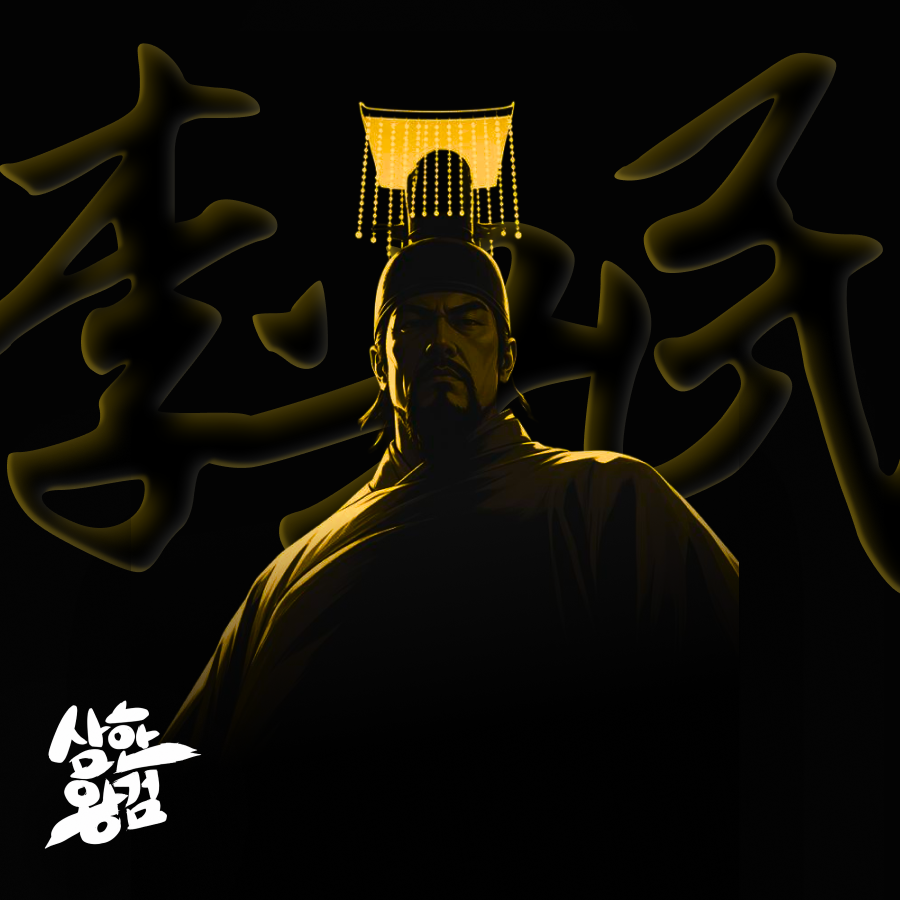
Emperor Taizong 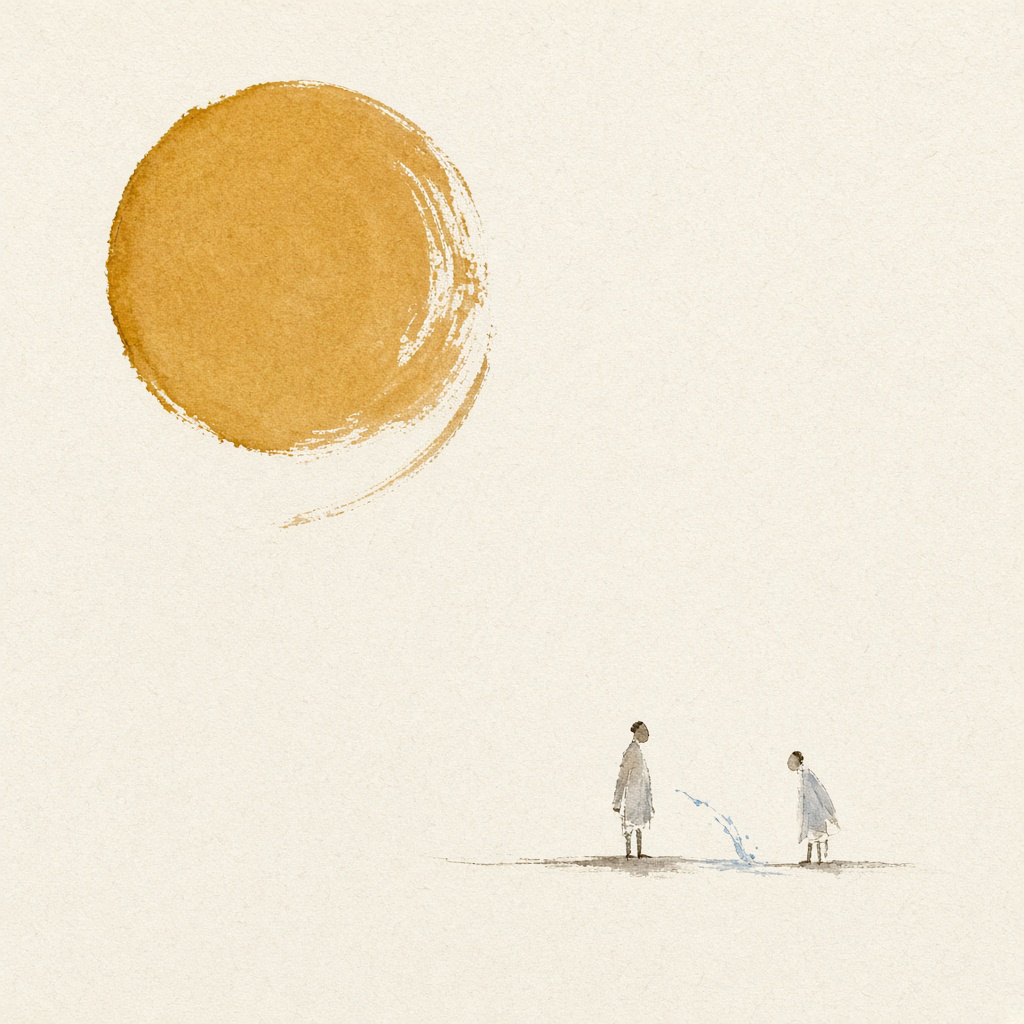
Haemosu 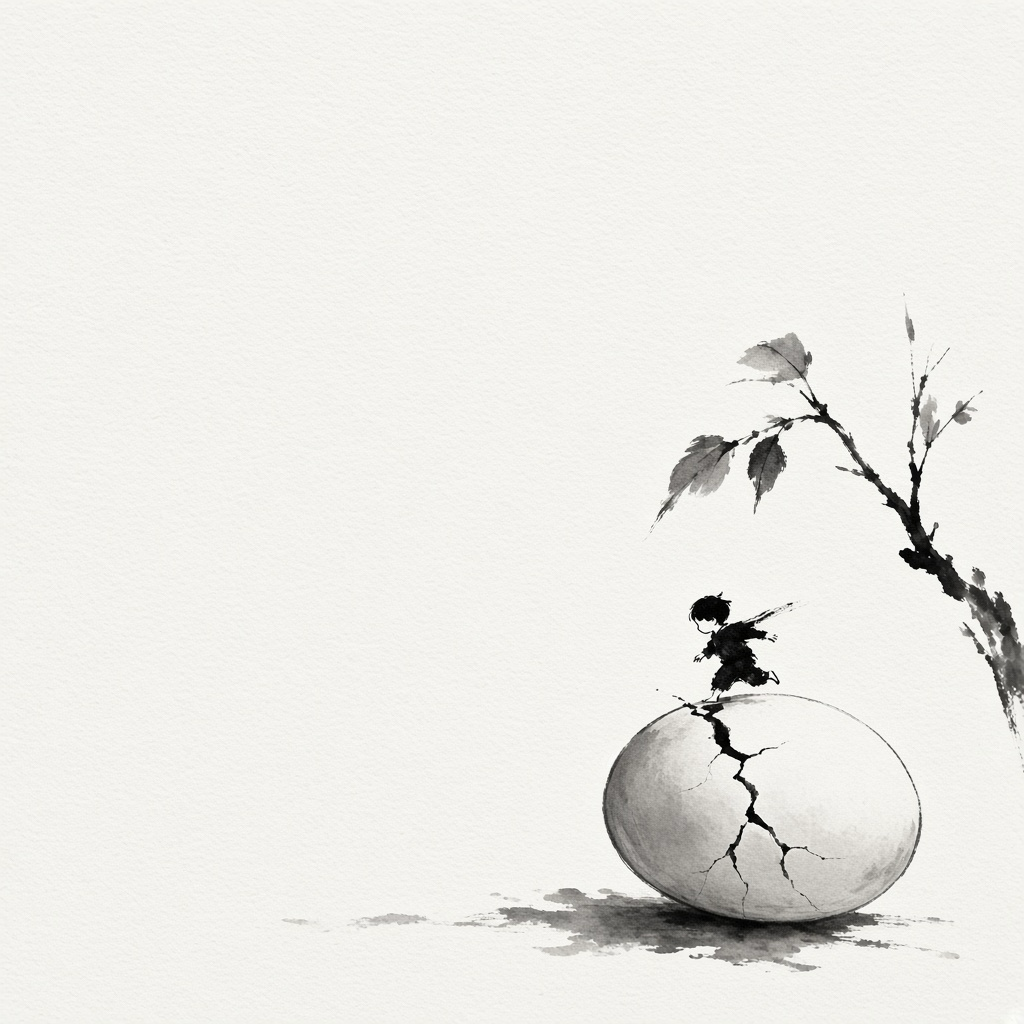
Hyukgose 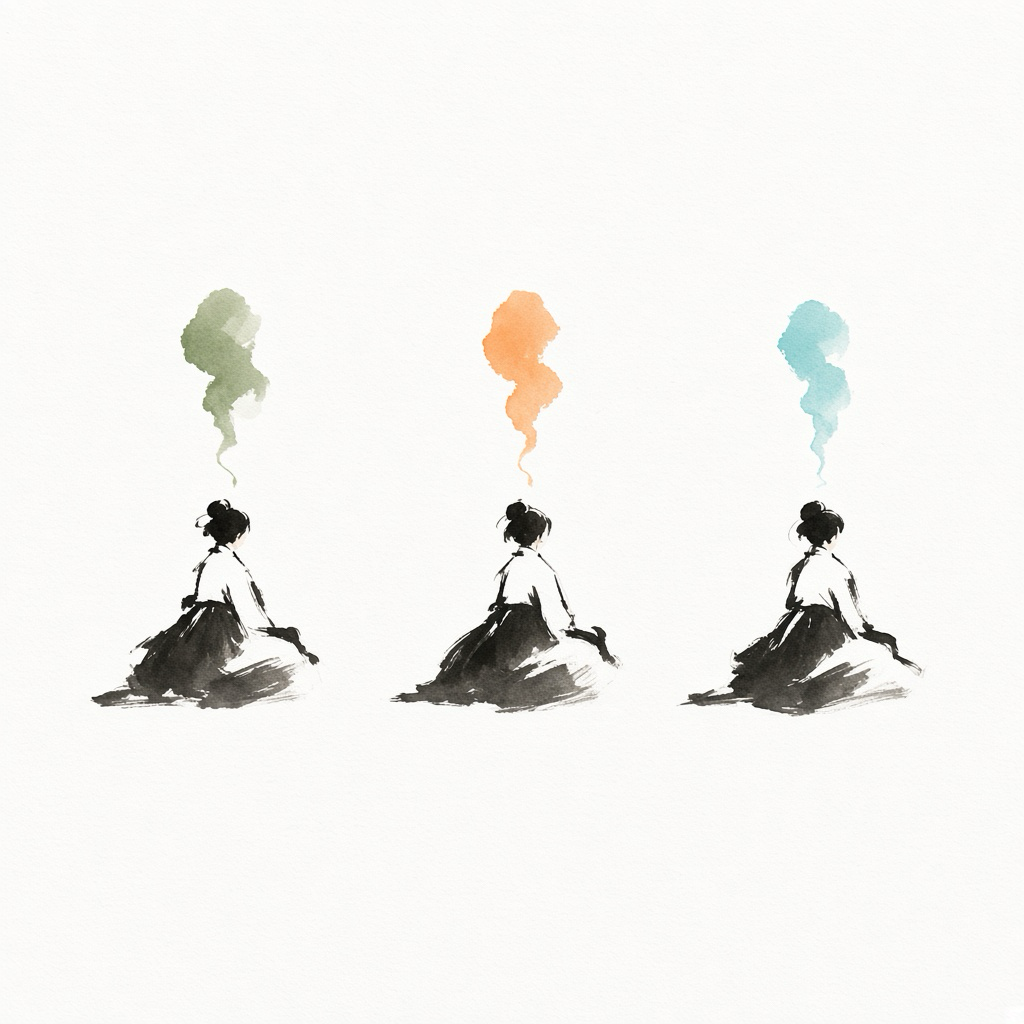
The cavern 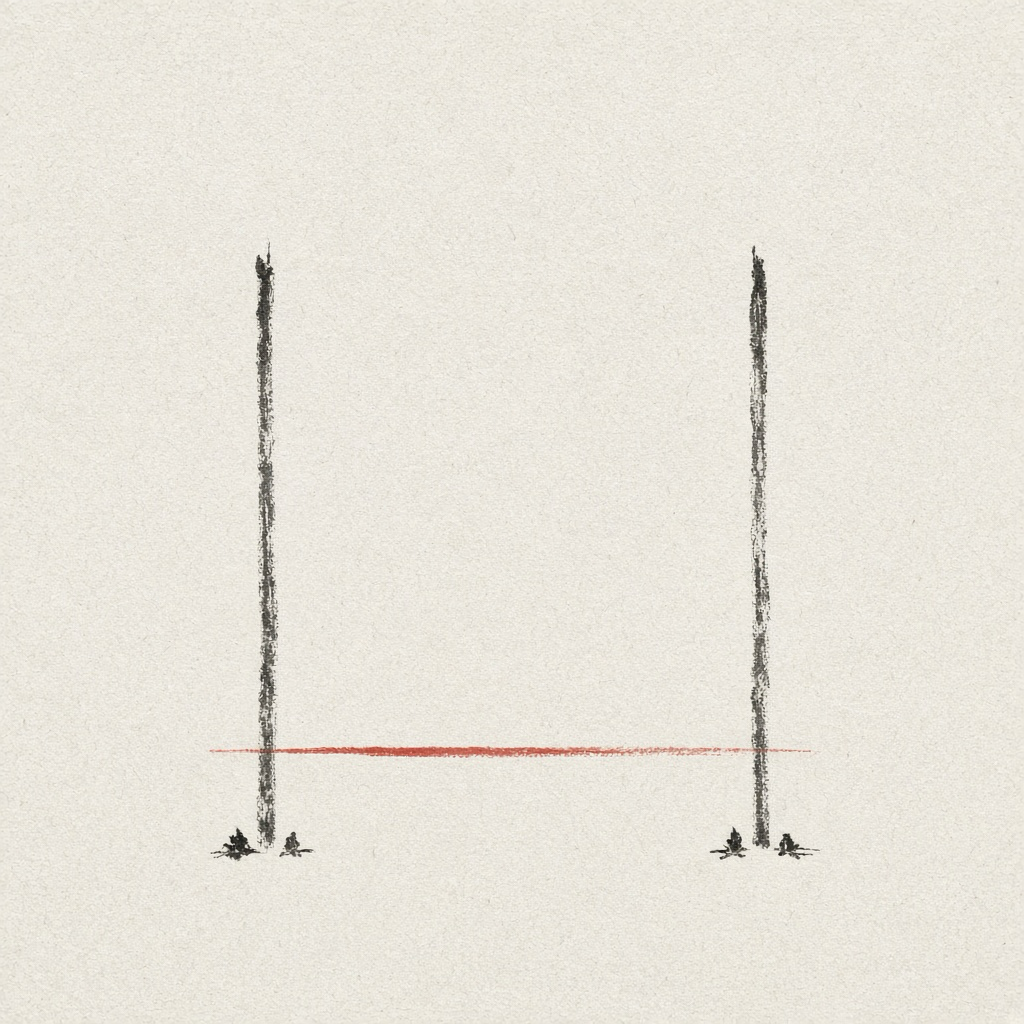
A fortress gate 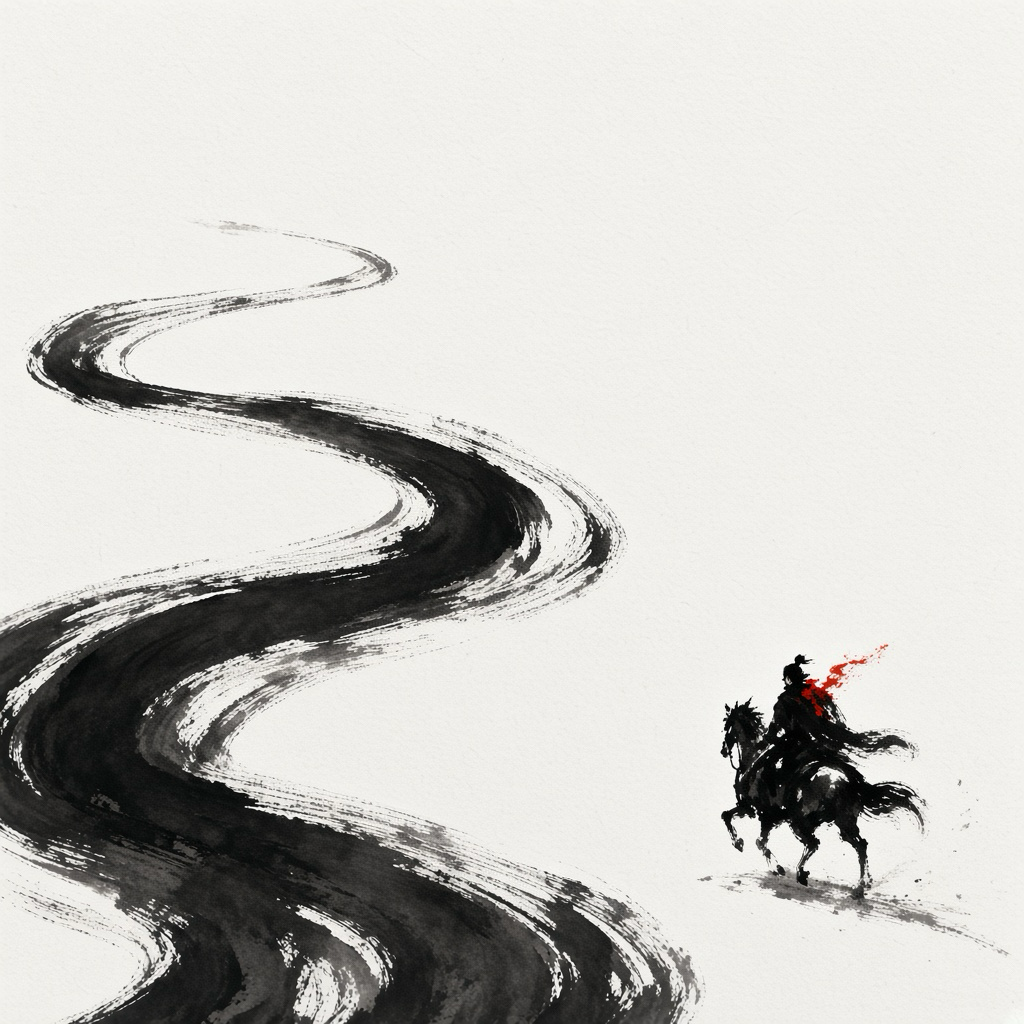
Salsu
Related works
The site keeps outlines for later books, shelved by place and century.[3] The one tied directly to this chronicle is Reignmaker (후삼제왕, “Later Three Emperors”), set from 828 to 943. Its tagline calls it the sequel: three men pick up the names of three dead kingdoms. Other outlines leave Korea for China, Persia, the steppe, and further. They are outlines, not the finished script.
Inside this work, the comic view, the painted volumes, the moving map and the wiki are not adaptations by other hands. They are other ways of sitting in the same text. The webcomic the author first intended is the form the pictures are still walking toward.[1]
See also
- The chronicle
- Episode directory
- Wiki of the cast and the set
- Map of the peninsula by year
- Author’s note
- Later outlines
- 나무위키 문서
- Three Kingdoms of Korea
- Samguk sagi
- Queen Seondeok (2009 series)
References
- ^ Heewon Ahn. “About.” King for All. The note calls the work “primarily a story — an epic set in 7th-century Samhan,” names Queen Seondeok (2009) as the inspiration, and names political satire of each kingdom’s social system as a major theme. It also describes the bilingual script, the unnamed storyteller, the painted stills, and the single map. About.
- ^ Heewon Ahn. “The rooms.” King for All guide. Describes the reading modes, the episode directory, and the cards, records, maps and diagrams that sit inside the script. Guide.
- ^ “Stories.” King for All. Outlines for the books after this one, including Reignmaker (후삼제왕), tagged as the sequel and set in the Later Three Kingdoms, 828–943. Stories.
- ^ Kim Busik. Samguk sagi (三國史記). 1145. The principal annal the chronicle dramatizes and, where an episode quotes the record, leaves in the record’s wording. Later myth and biography also draw on Samguk yusa and, for Yamato, the Nihon shoki.
- Korean historical fiction
- Works about the Three Kingdoms of Korea
- Interactive fiction
- Bilingual books
- 21st-century novels
- Silla
- Baekje
- Goguryeo