

Huaxia
華夏 화하
Near Lands. China proper is the heartland. The court outlives the dynasty. Subtitle: 서토, Western Lands.옆나라. 중국 본토가 심장이다. 조정은 왕조보다 오래 간다. 부제: 서토.
Huaxia · 서토. Dynasties change. The civilizational world does not.
- Title
- The Western Empire
- Modern
- China · 중국
- Ruler
- Huangdi · 皇帝 · 황제 Emperor
- Lands
- Near Lands· 옆나라
- Accent
#b45309
Famous people
Polities
Sobriquets
- the Heavenly Court
- the Middle Court
- Zhonghua
- the Han land
- Western Lands
Nature
Hwa is a Near Land. Kings from Samhan went there in person, so the heartland is sharp: China proper, east of the Tibetan plateau and south of the nomad band, with Chang’an as its city. The civilizational reach is wider than any dynasty. Protectorates, the script, and the robes other courts copy are how far the court can still be felt. A dynasty is a roof on that heartland. 華 is the short name, “the flowered centre.” The name a Silla king actually says is older and more precise. In 648, in the Samguk Sagi, Chunchu tells the Tang he has served the Heavenly Court for years, and asks to follow the Zhonghua system of dress. The next year the annals say Silla first wore the robes and caps of the Middle Court. 천조 and 중조 are the Korean words. 중화 is the system. Hyecho, travelling in 727, calls the same land the Han land, and Chinese monks Han monks, and says Persian ships run to Guangzhou there. Dynasties are episodes inside this world. Han, the southern courts, Sui, Tang. The West in this chronicle is the Tang episode. The civilization is the court those dynasties keep inheriting. Chang’an is its city. A protectorate stamped on a neighbour is the court’s reach, a claim, a season.
About this nation
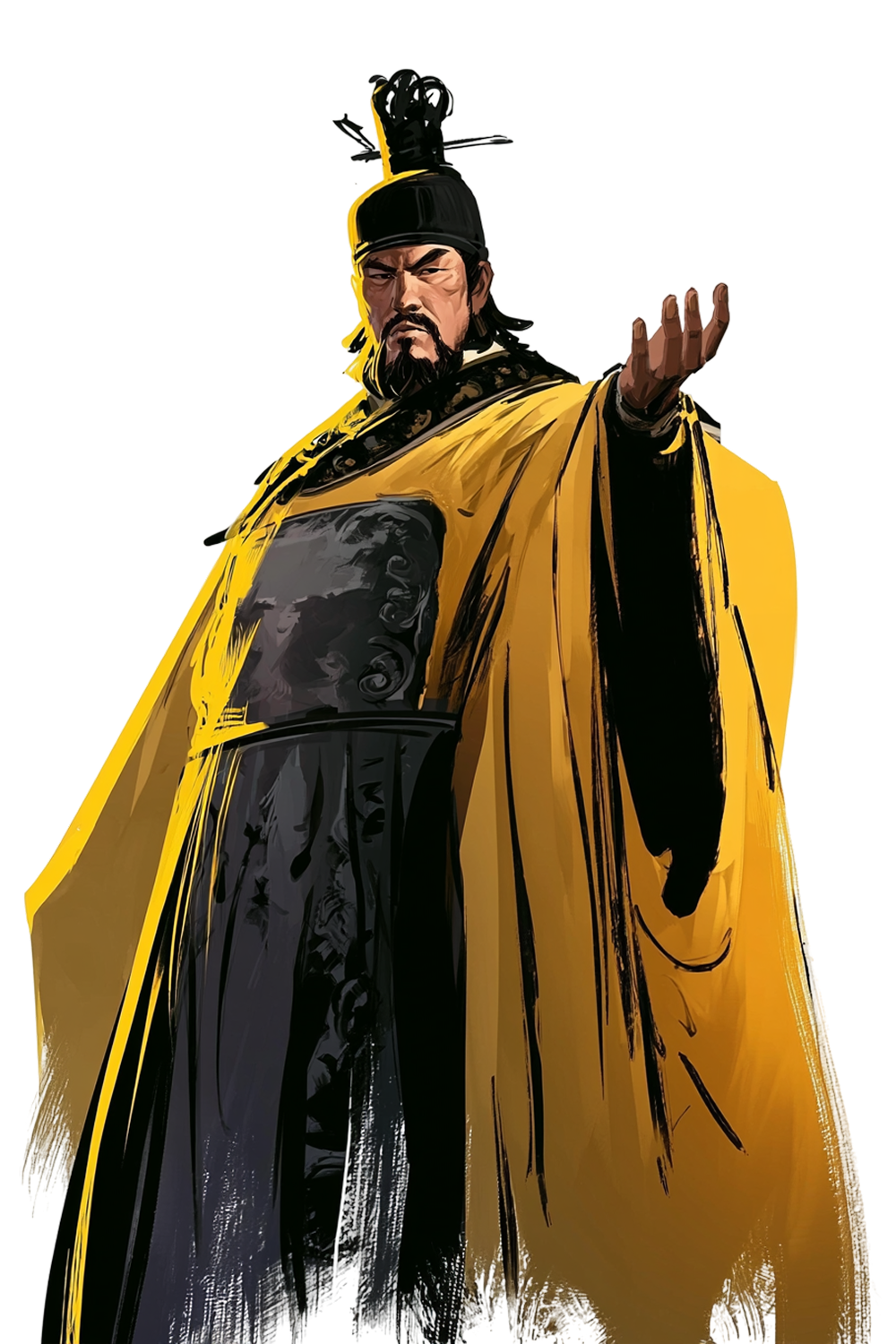
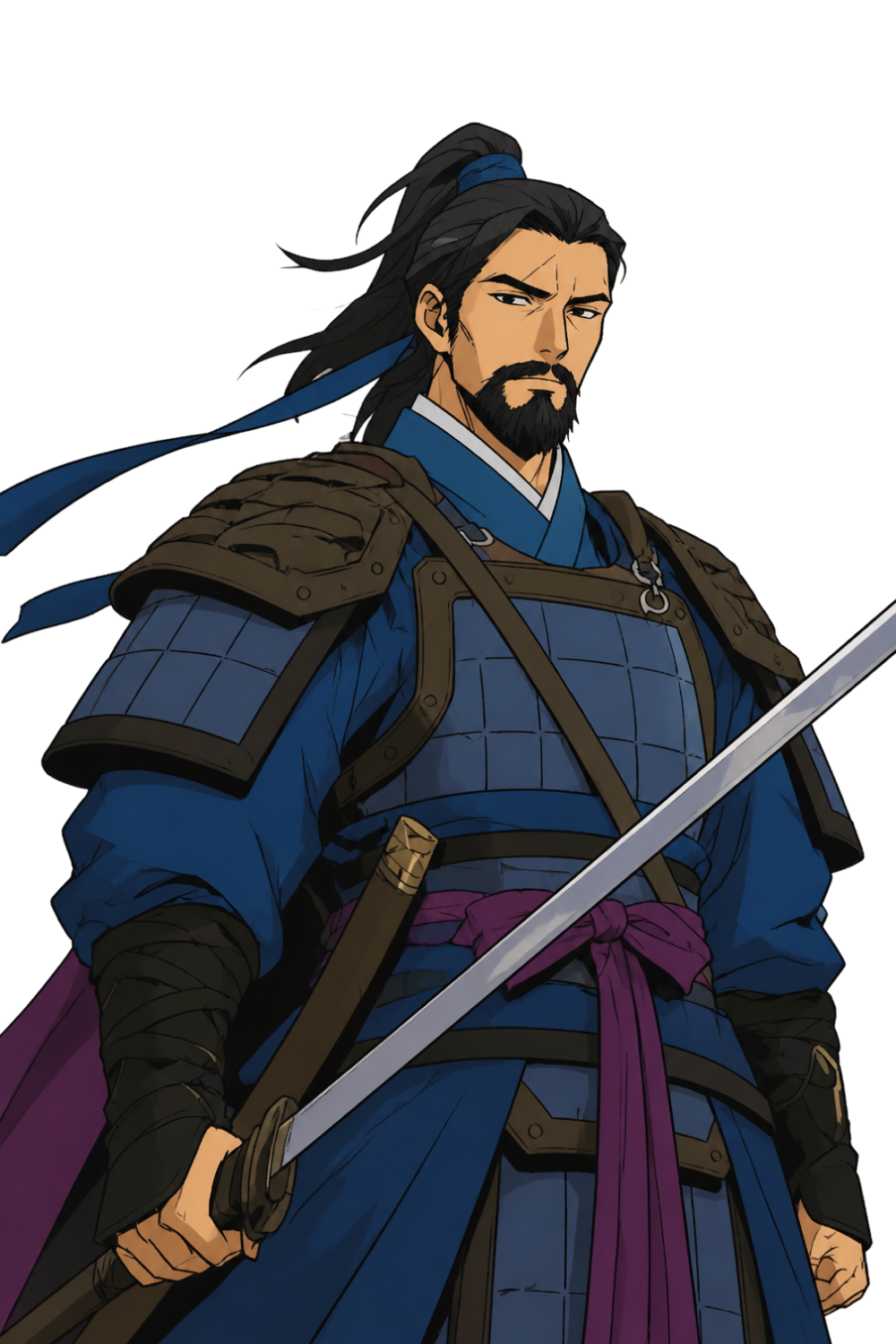
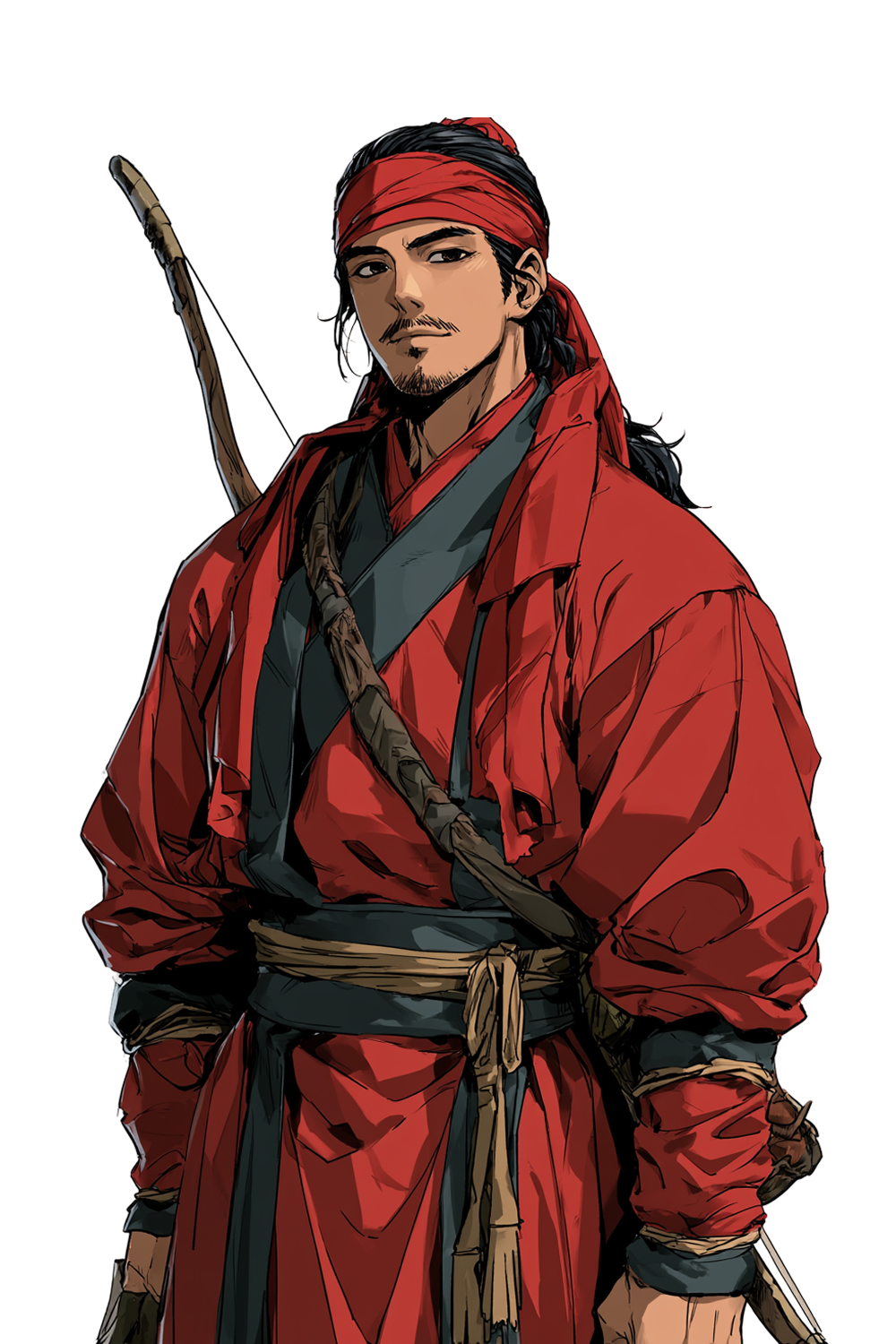
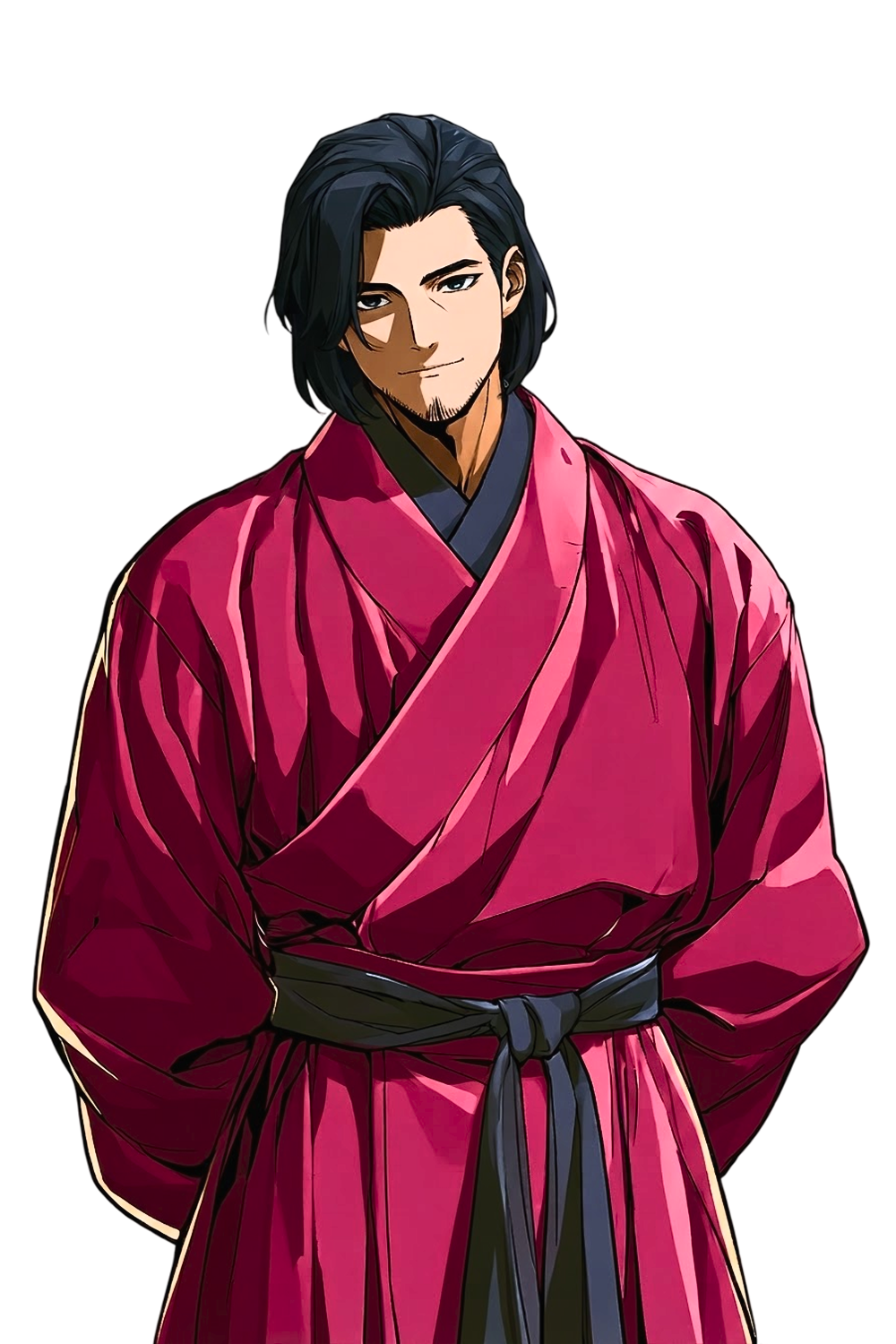
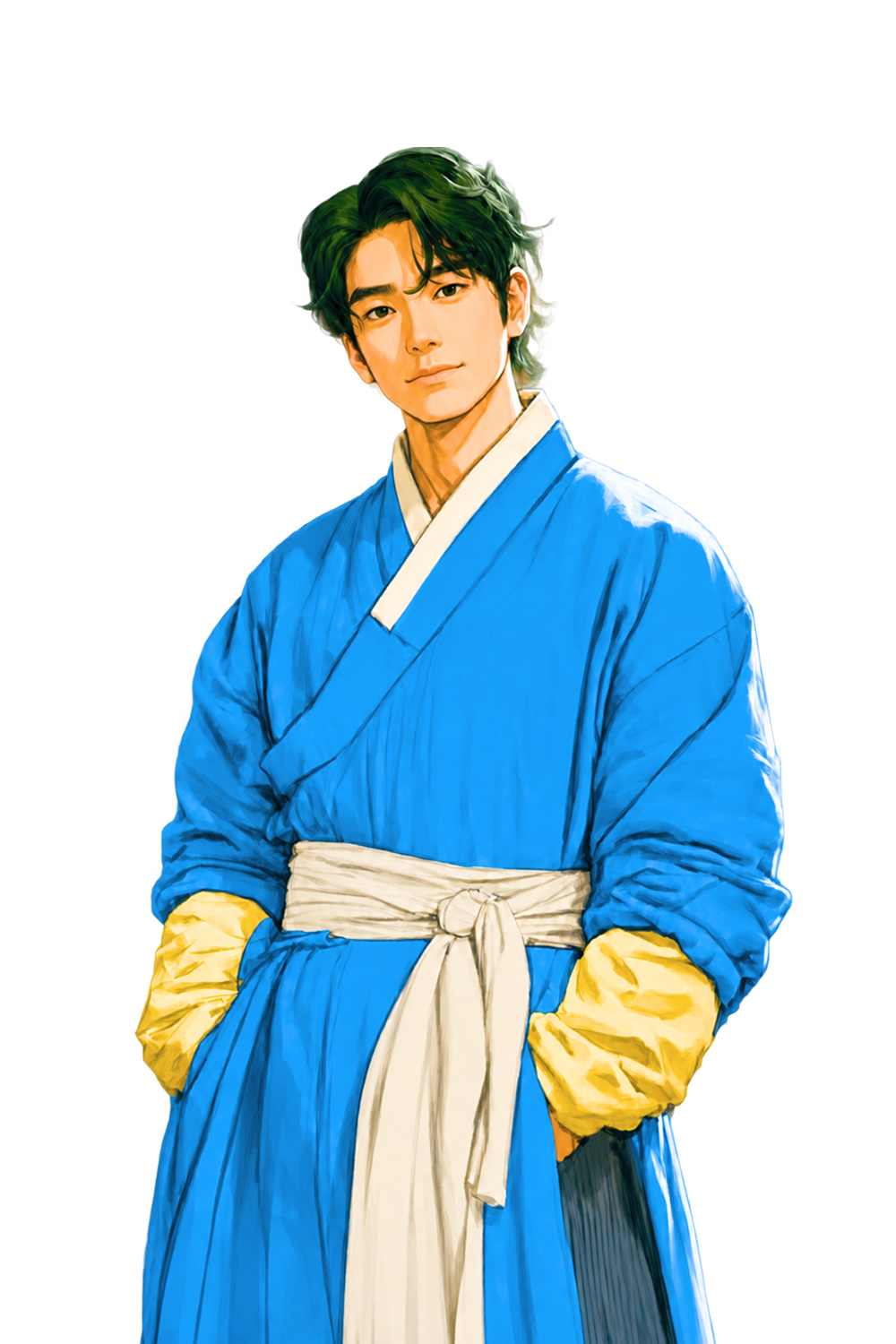
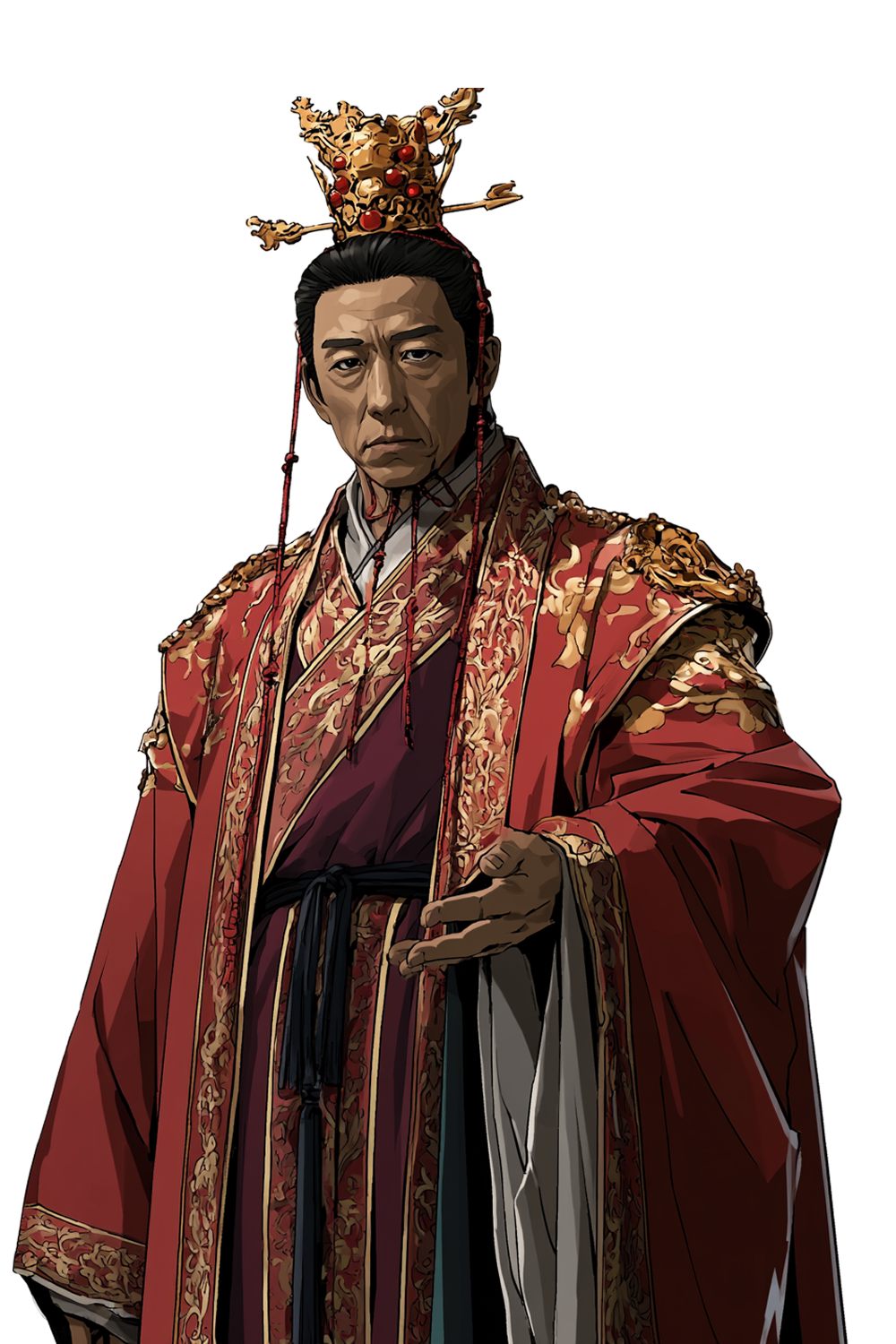
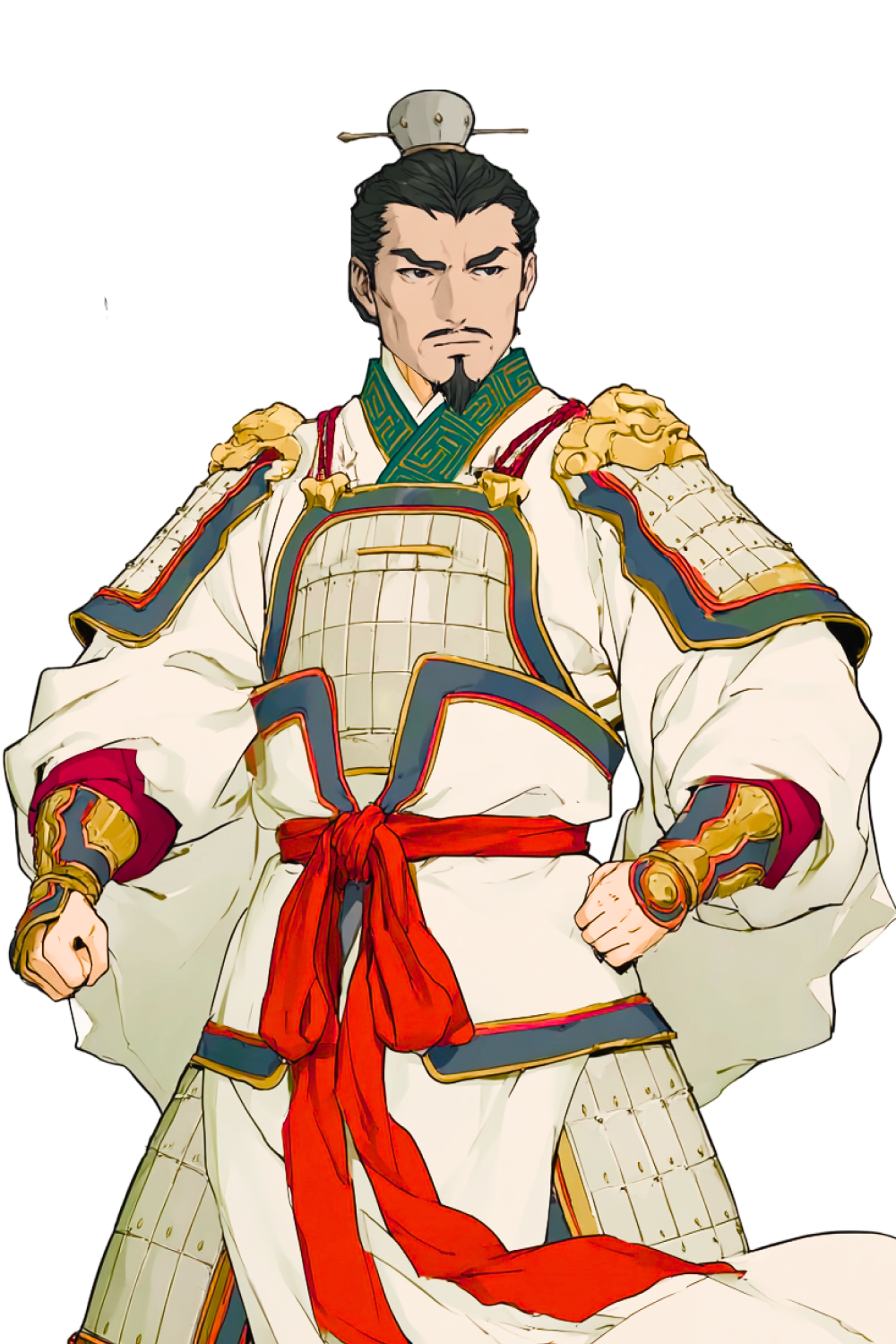
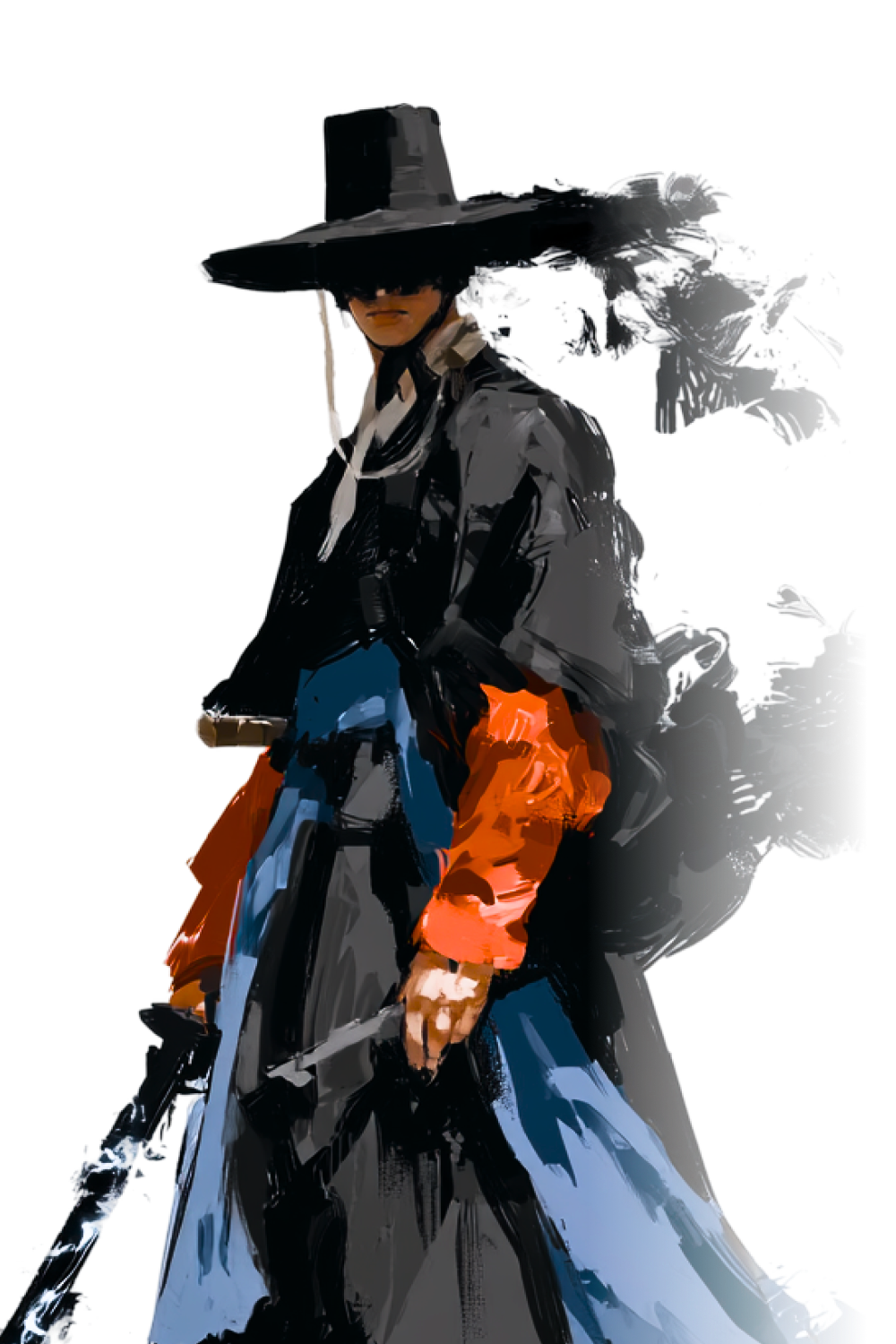
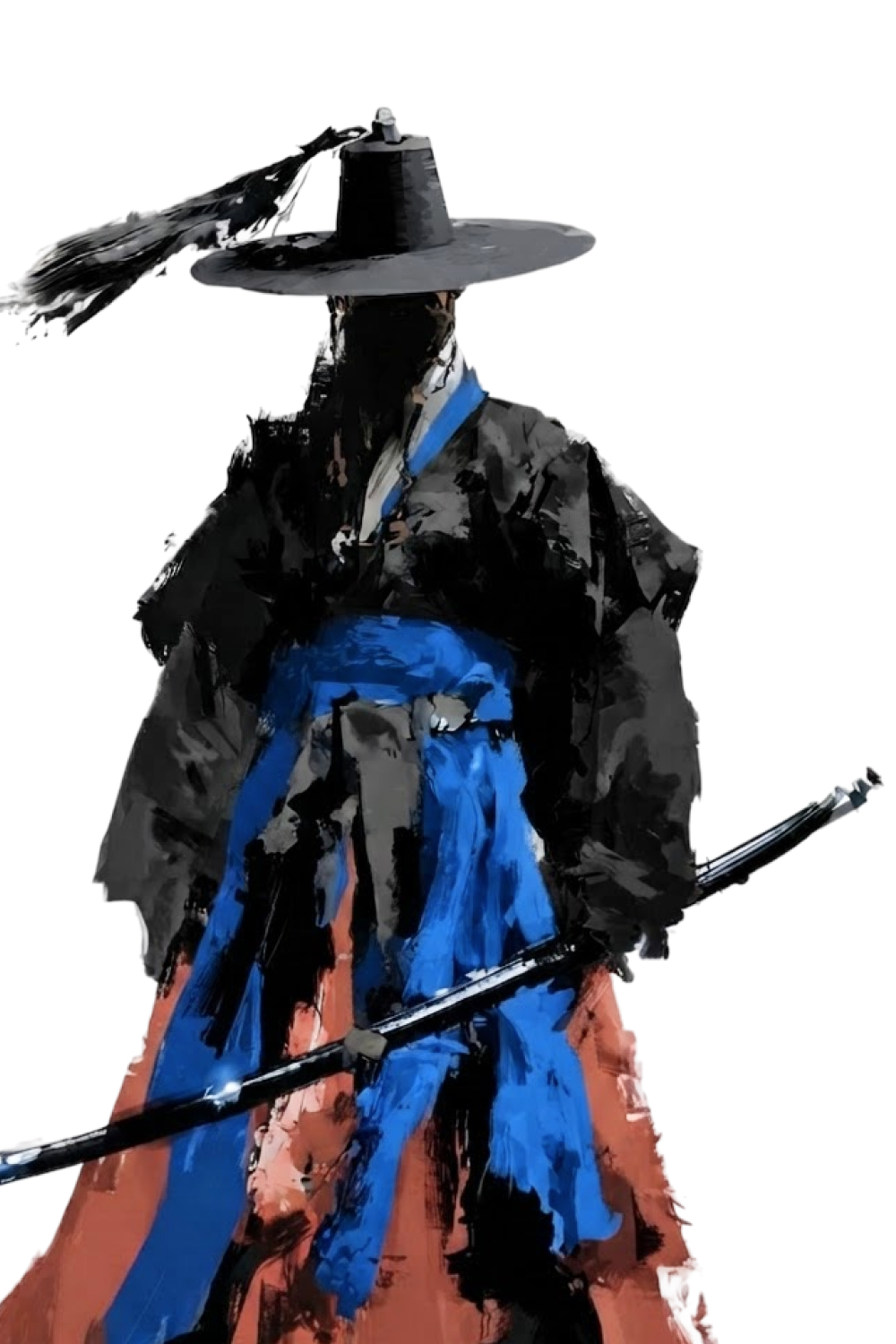
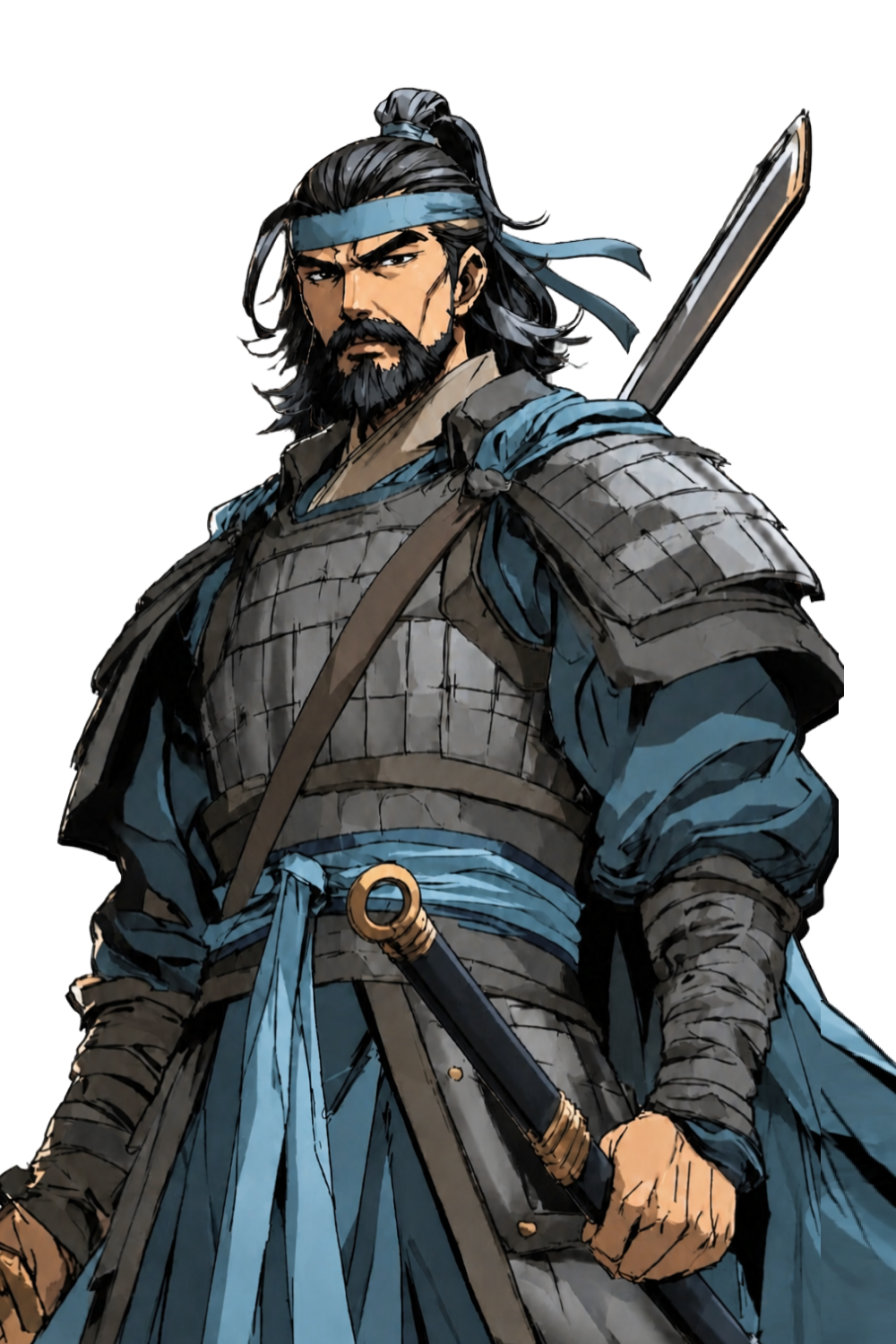
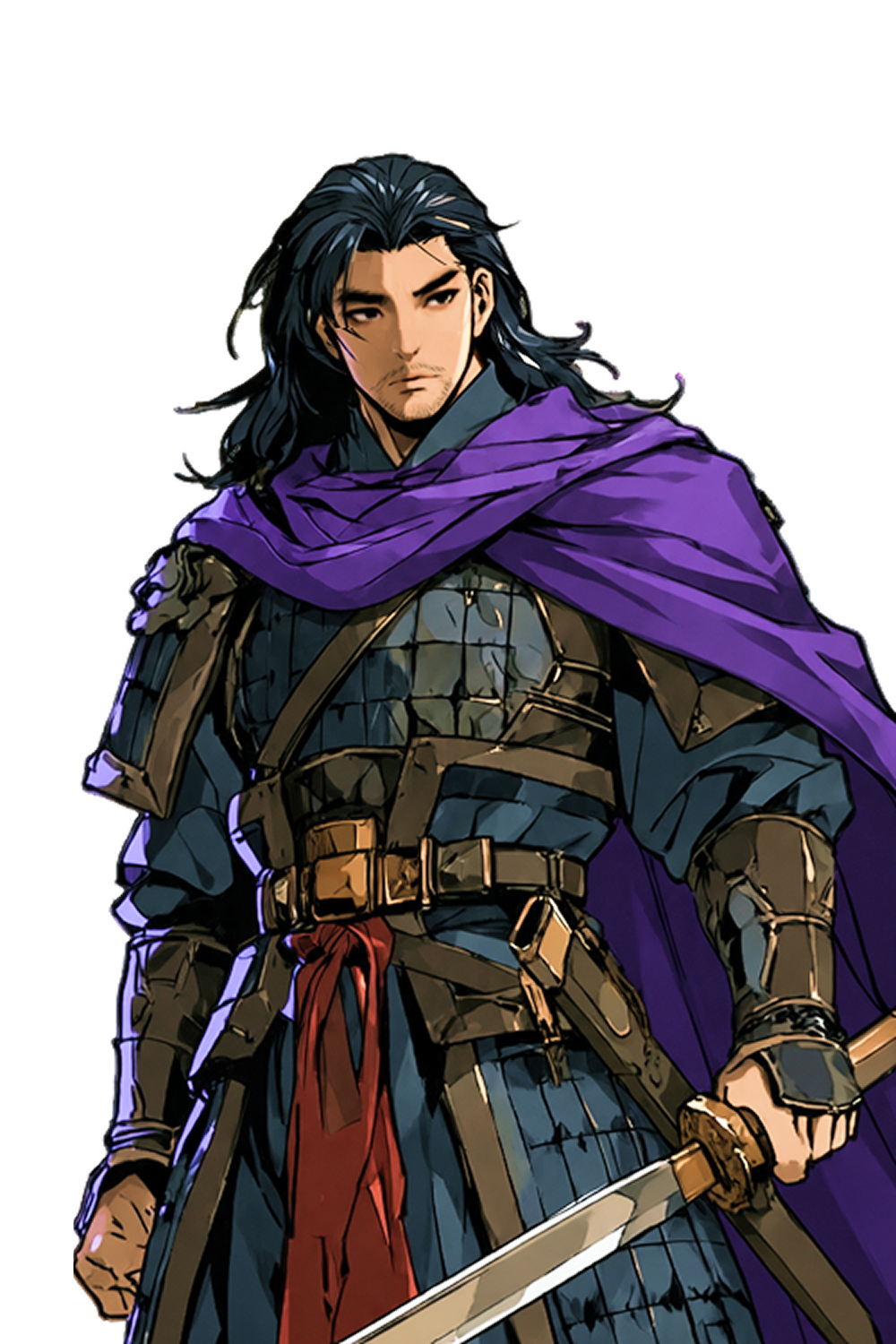
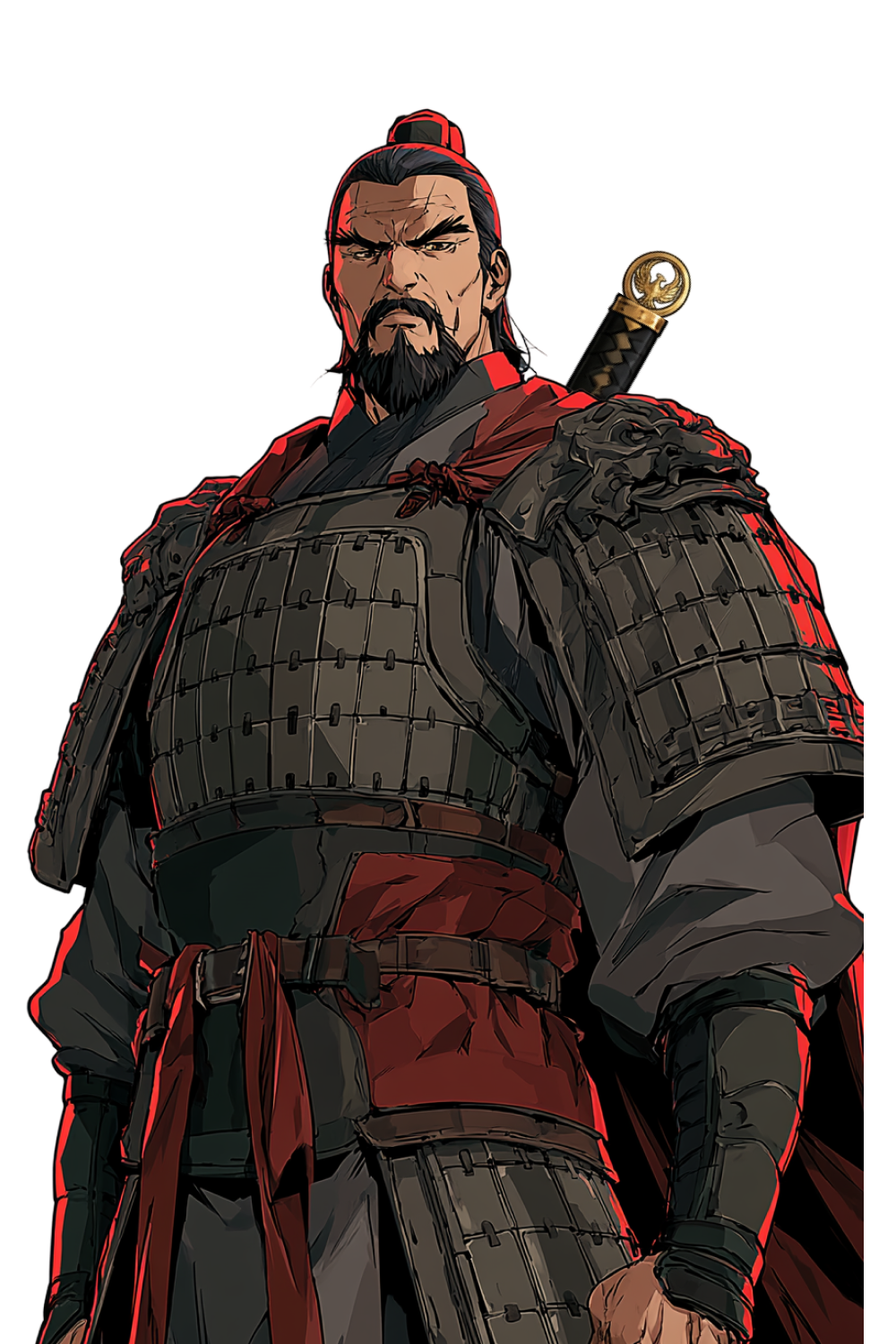
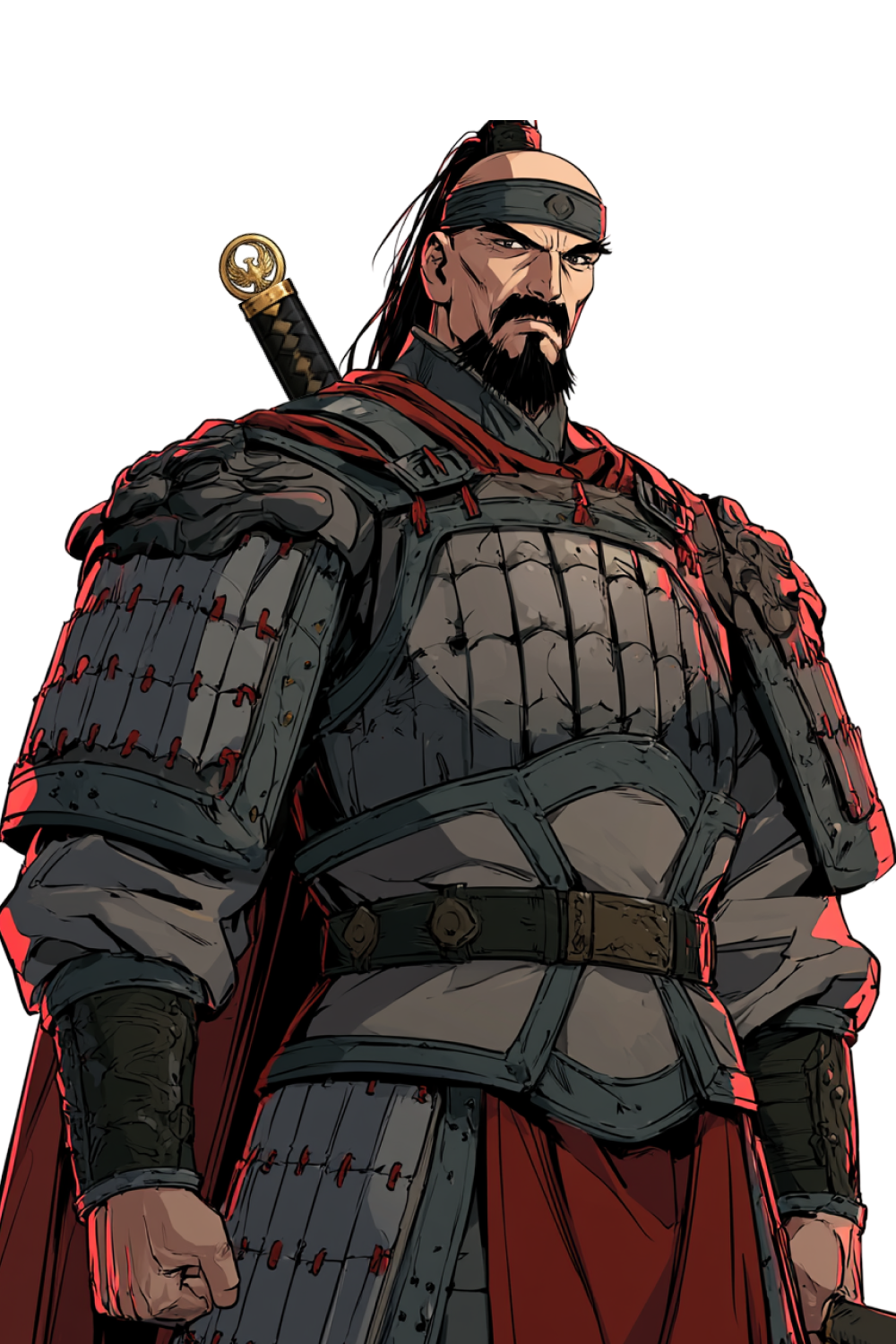
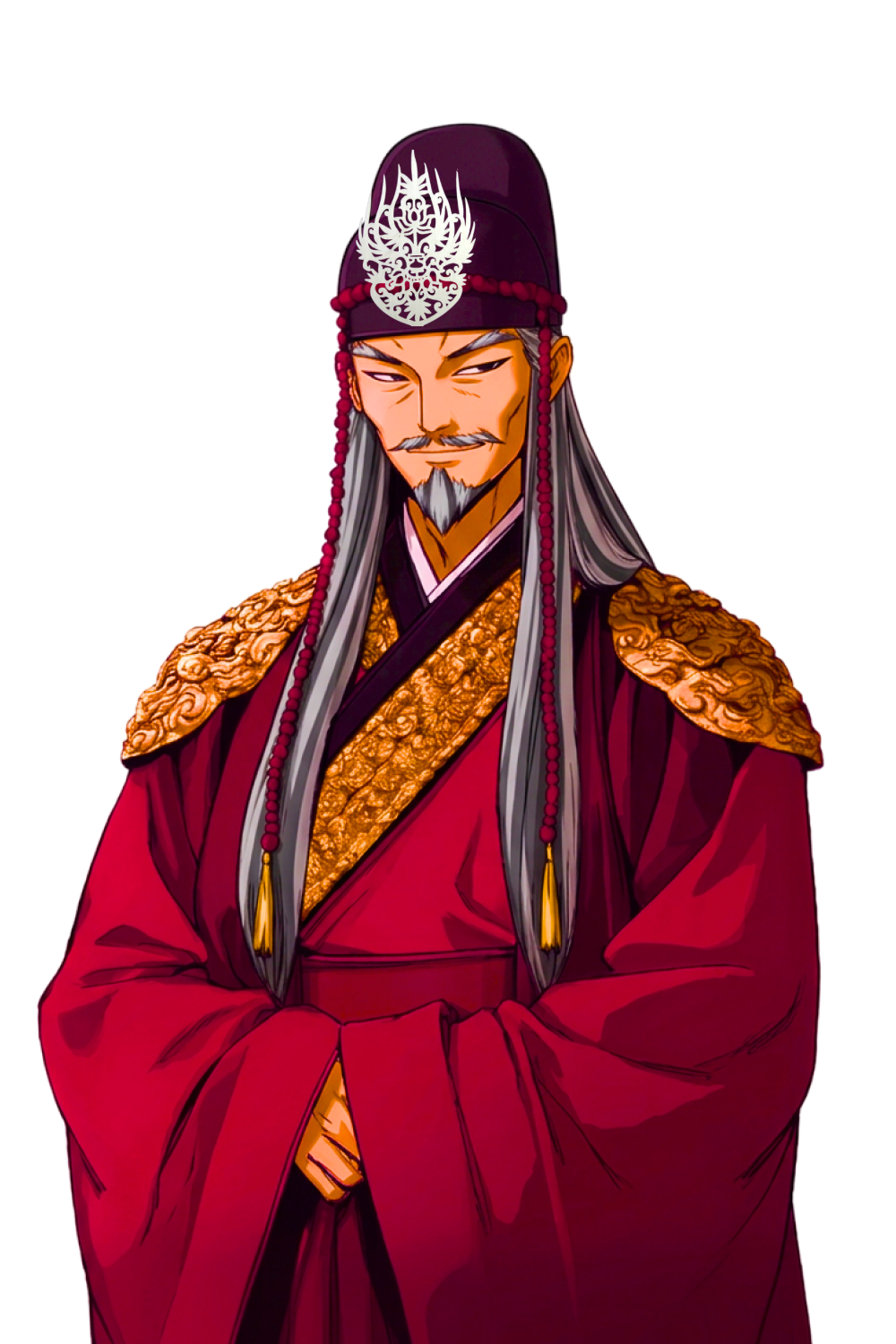
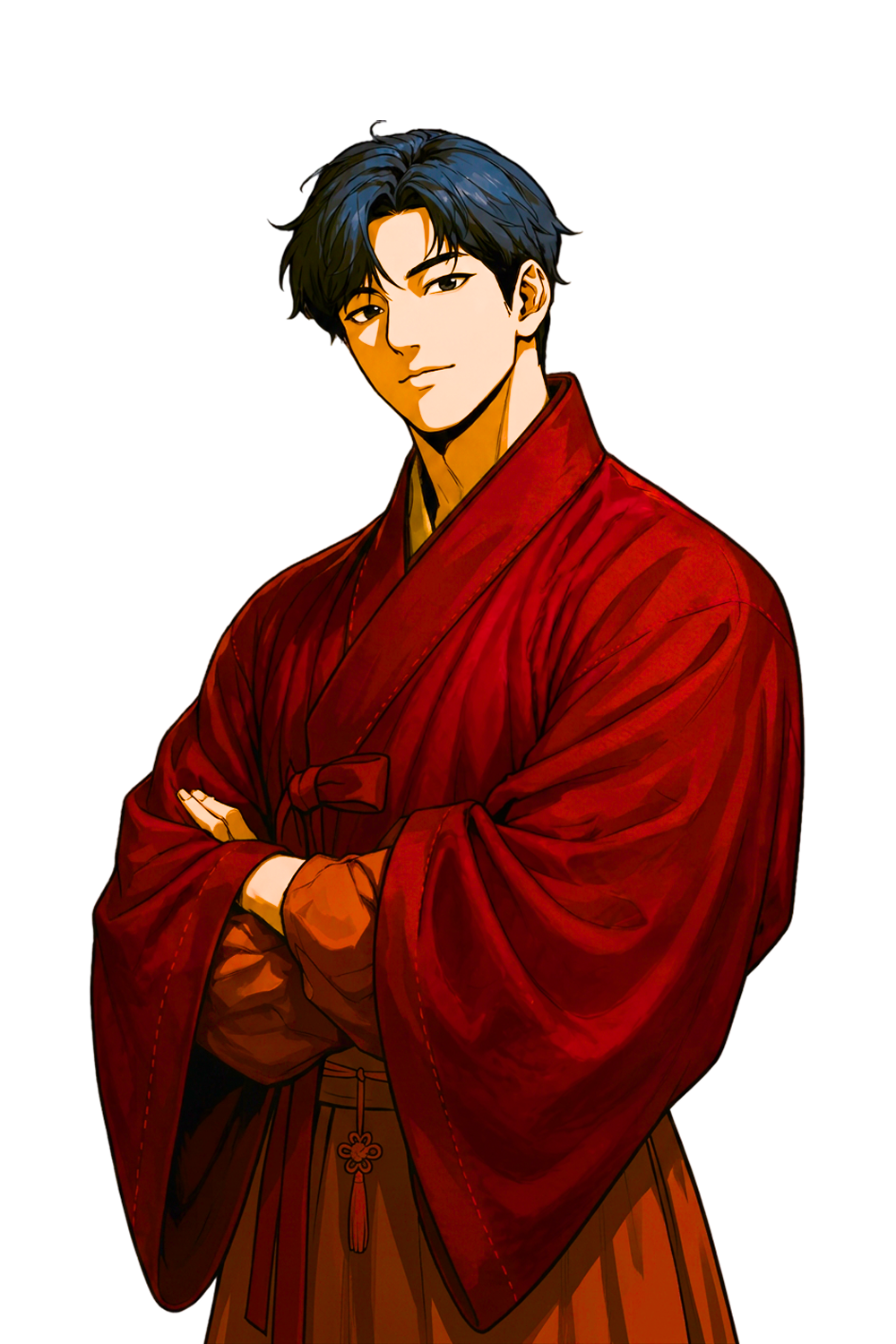
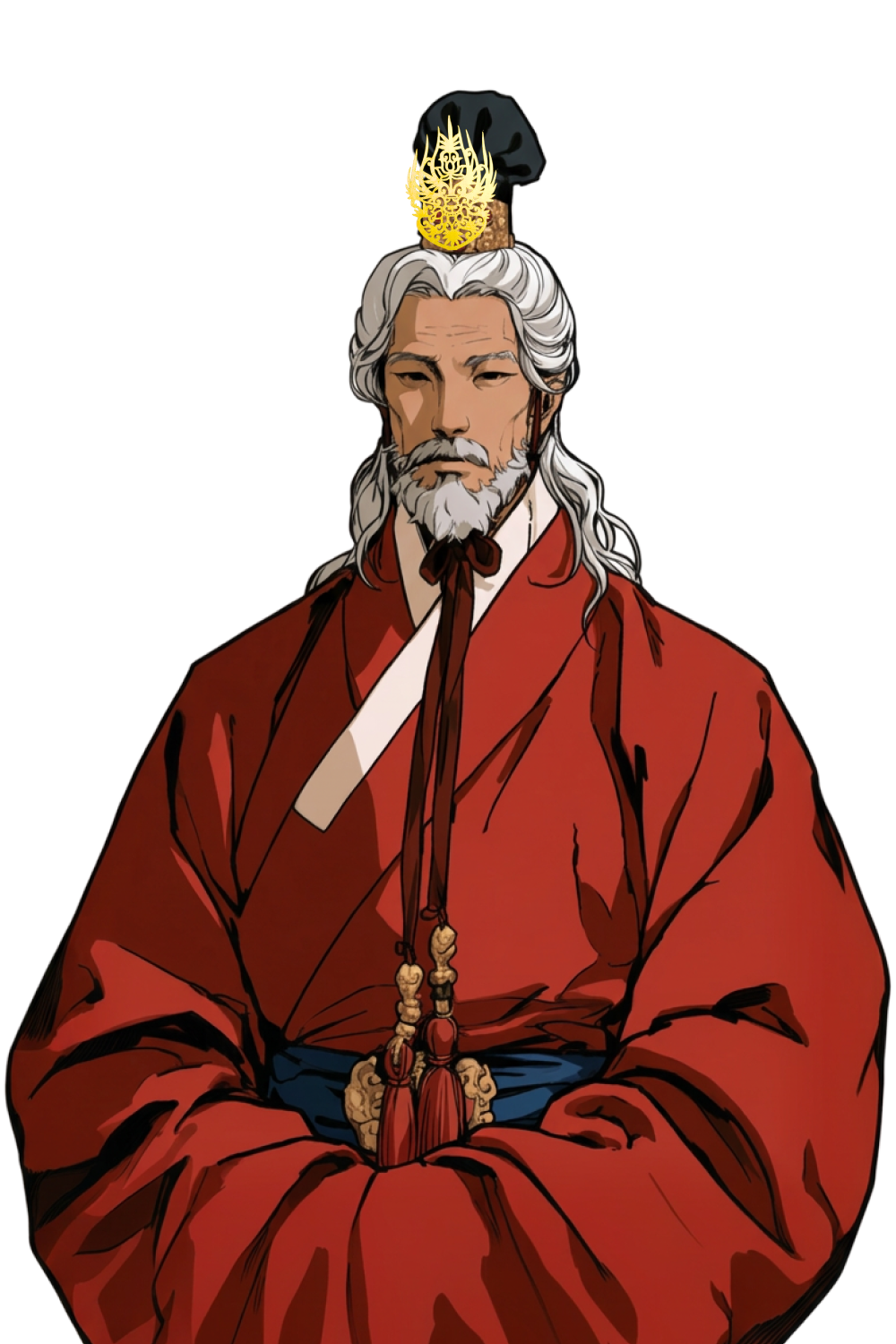
Tang dress is the look the neighbours copy when they want to be read as civilized. Men who matter tie the hair under a black gauze Futou, two tails at the back, and wear a round-collar robe. Yellow is the emperor’s colour. Roofs in the capital are grey and green-glazed, walls vermilion and white. The Samguk Sagi treats that wardrobe as a decision: 649 for the men of Silla, and under Munmu the women follow. Before that decision, a Samhan envoy in Chang’an was visible by the Jougwan. After it, he was trying to look like the room. The Liang tribute scroll of the 530s already lines the world’s envoys up in one painting, Baekje beside Persia, each in his own cut, so a Chinese court could tell them apart at a glance. Writing is the other uniform. The state script of Hwa is what Samhan, Wa and the western roads all borrow. Buddhism and the Daoist isles travel on the same pages. Hyecho’s “Han land” is the pilgrim’s word for this whole world, dynasty unnamed, because the road cares about the port and the monastery more than about the reign title.
Key events
Also known as
- Huaxia
- Hua
- Hwa
- 화
- 화하
- 華
- 華夏
- China
- the Heavenly Court
- Heavenly Court
- Cheonjo
- the Middle Court
- Middle Court
- Zhonghua
- the Han land
- Han land
- Western Lands
- 서토