
Samhan
三韓 삼한
Near Lands. The peninsula is the heartland. The Three Kingdoms sit inside it.옆나라. 반도가 본토다. 삼국은 그 안에 있다.
Joseon is the old name of this world. Goguryeo, Baekje, Silla and Gaya are its kingdoms.
- Title
- The Three Hans
- Modern
- Korea · 한국
- Ruler
- Wanggum · 王儉 · 왕검 King for All
- Lands
- Near Lands· 옆나라
- Accent
#1a4d6d
Famous people
Polities
Sobriquets
- Han
- Haedong
- the Three Han
- Joseon
- East of the Sea
Nature
Samhan is a Near Land, the home ring, and the Korean civilization. The heartland is the peninsula itself. Goguryeo, Baekje, Silla and Gaya are polities inside that heartland, the way a dynasty is a polity inside Hwa. The civilizational reach takes in the older houses around it: Joseon, Buyeo, Jolbon, Tamla. This close to home, the edge is the sharpest of the ten. Joseon is the older name of the same world: the mandate Dangun is said to have opened, and the word later crowns still answer to. In 651 Tang Gaozong’s letter already calls them the three kingdoms east of the sea, and their people the people of the Three Han. Haedong is that Tang frame. Samhan is the name the peninsula kept. Buyeo and Jolbon are the parent houses. Tamla is the island that shares the language of myth. A border between Sabi and Surabol is a quarrel inside one nation, the way a border between dynasties never made two Chinas.
About this nation
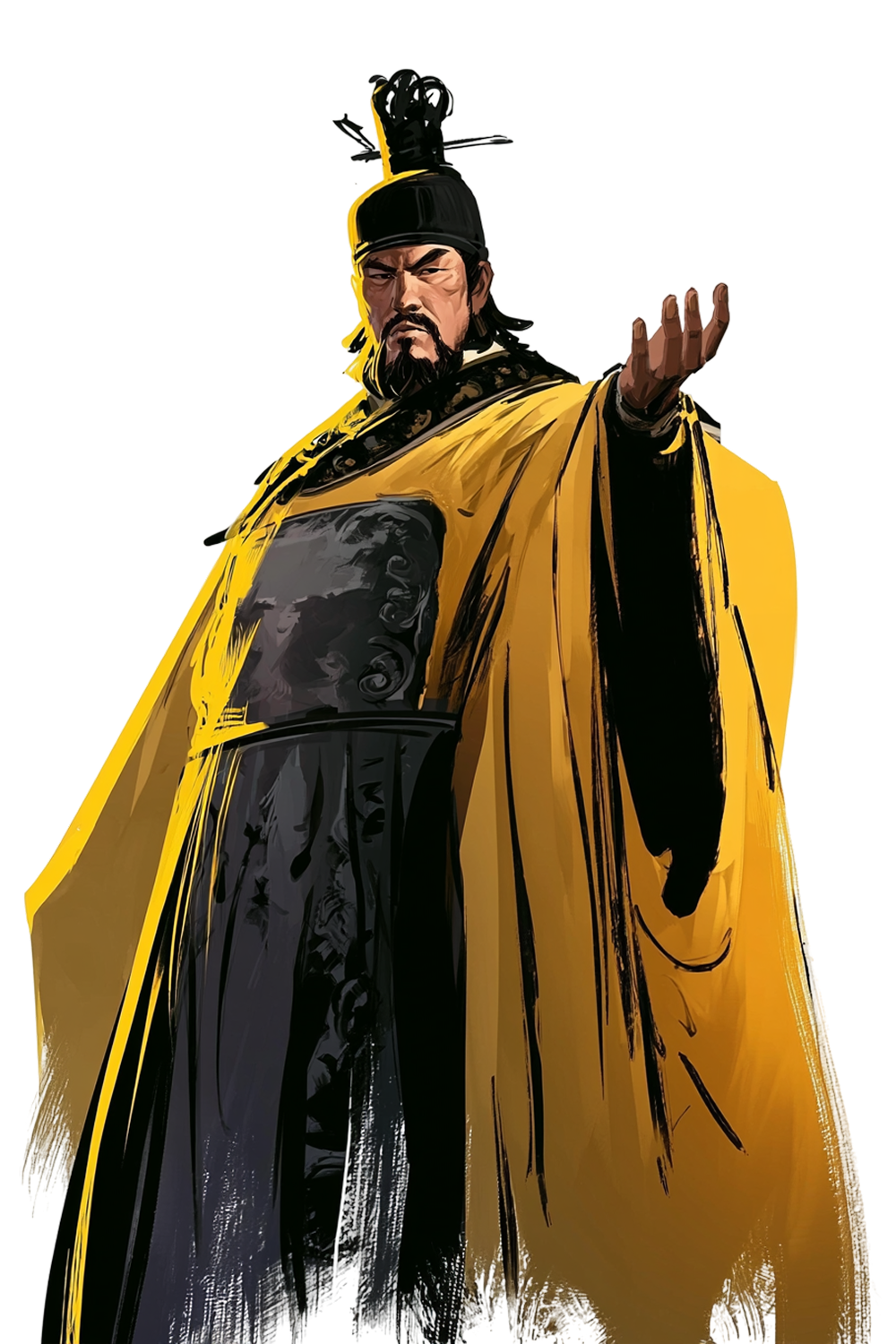
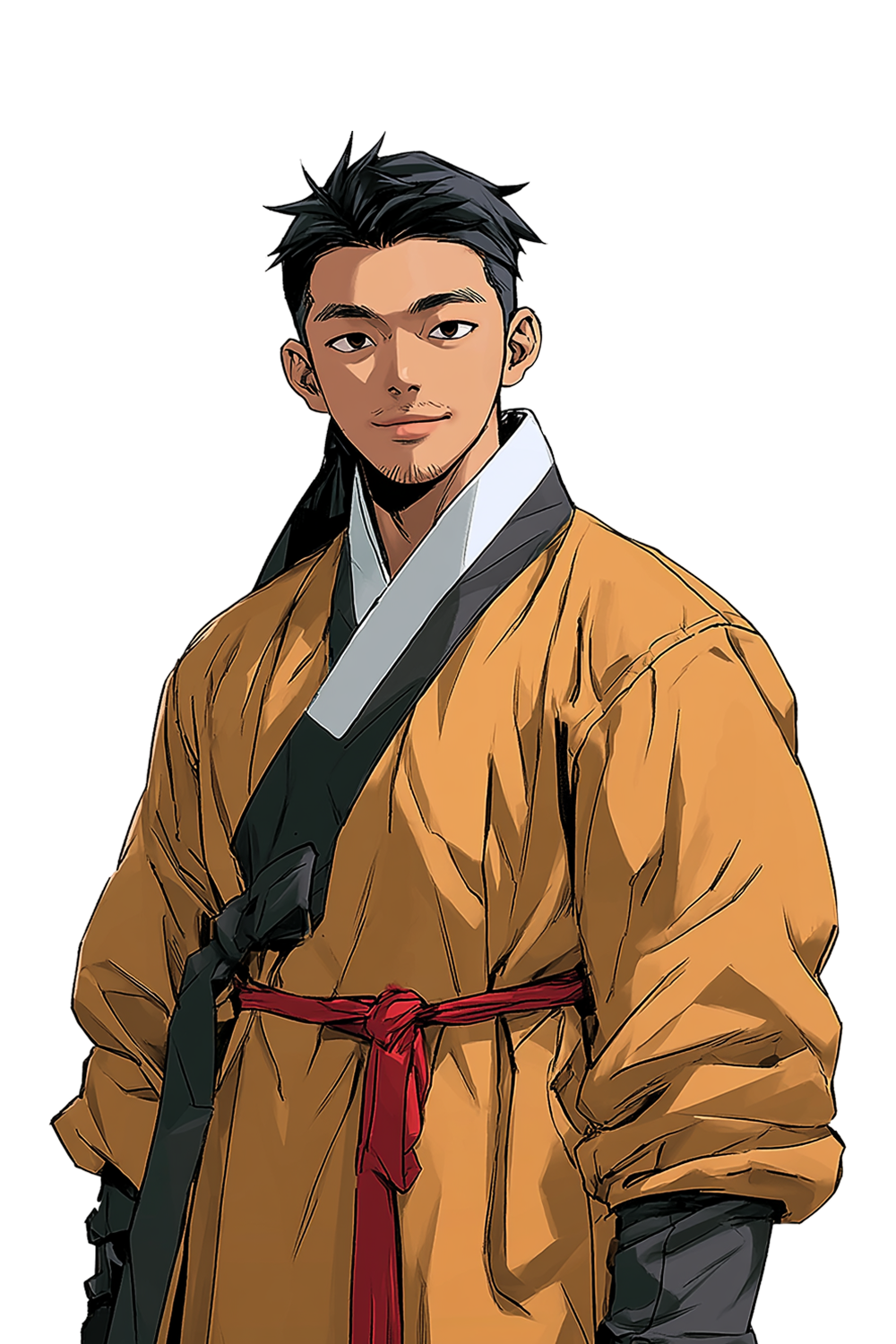
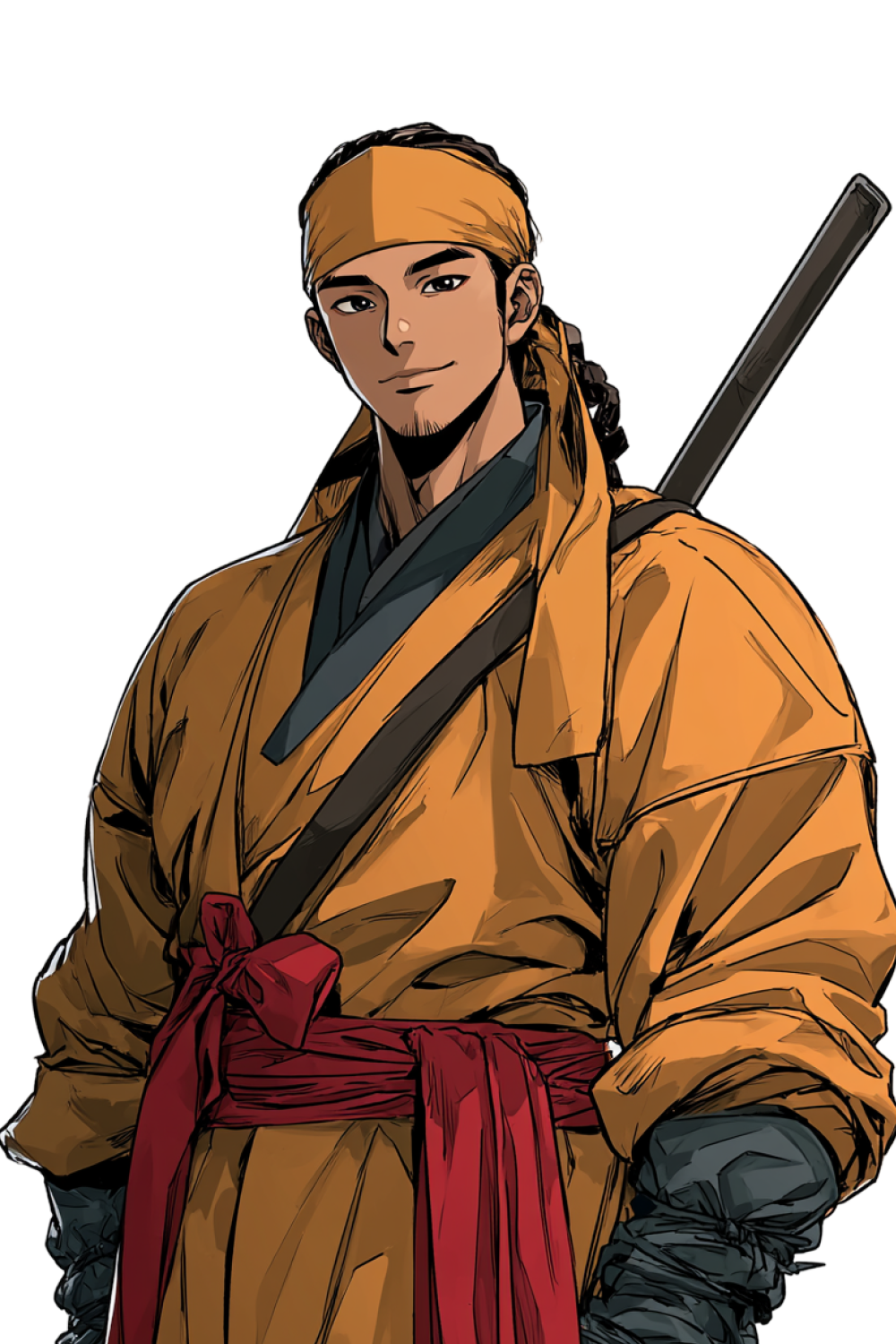
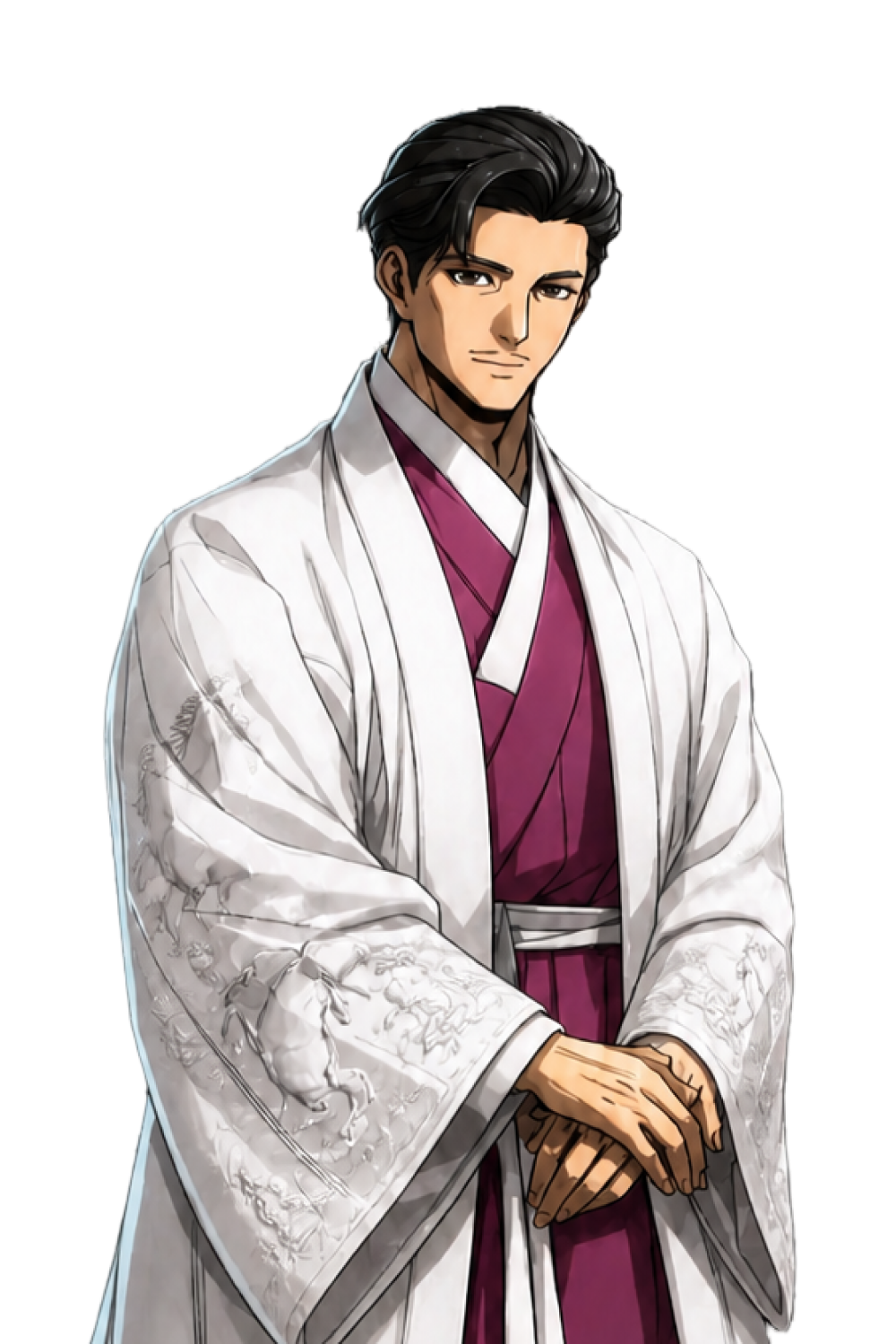
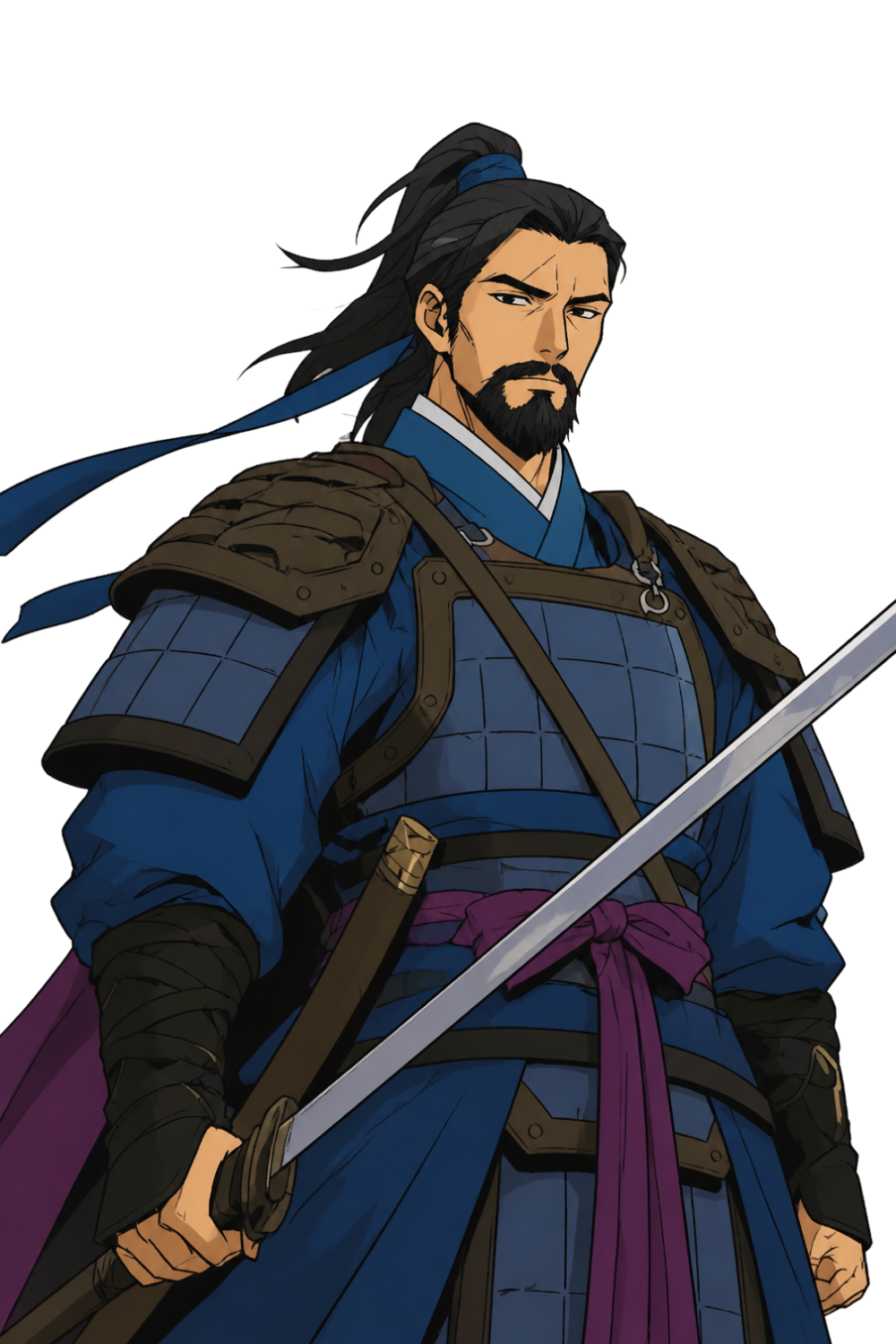
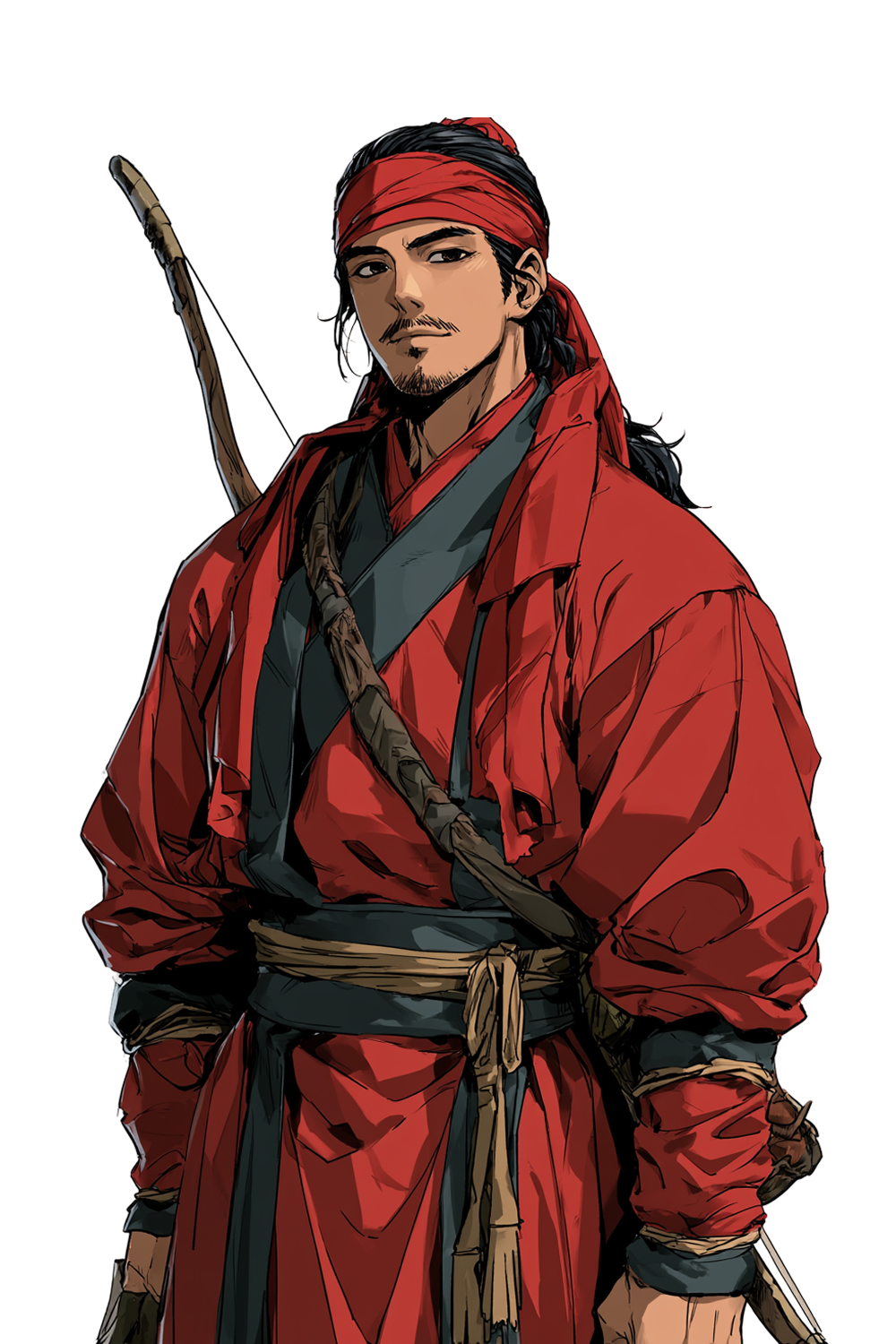
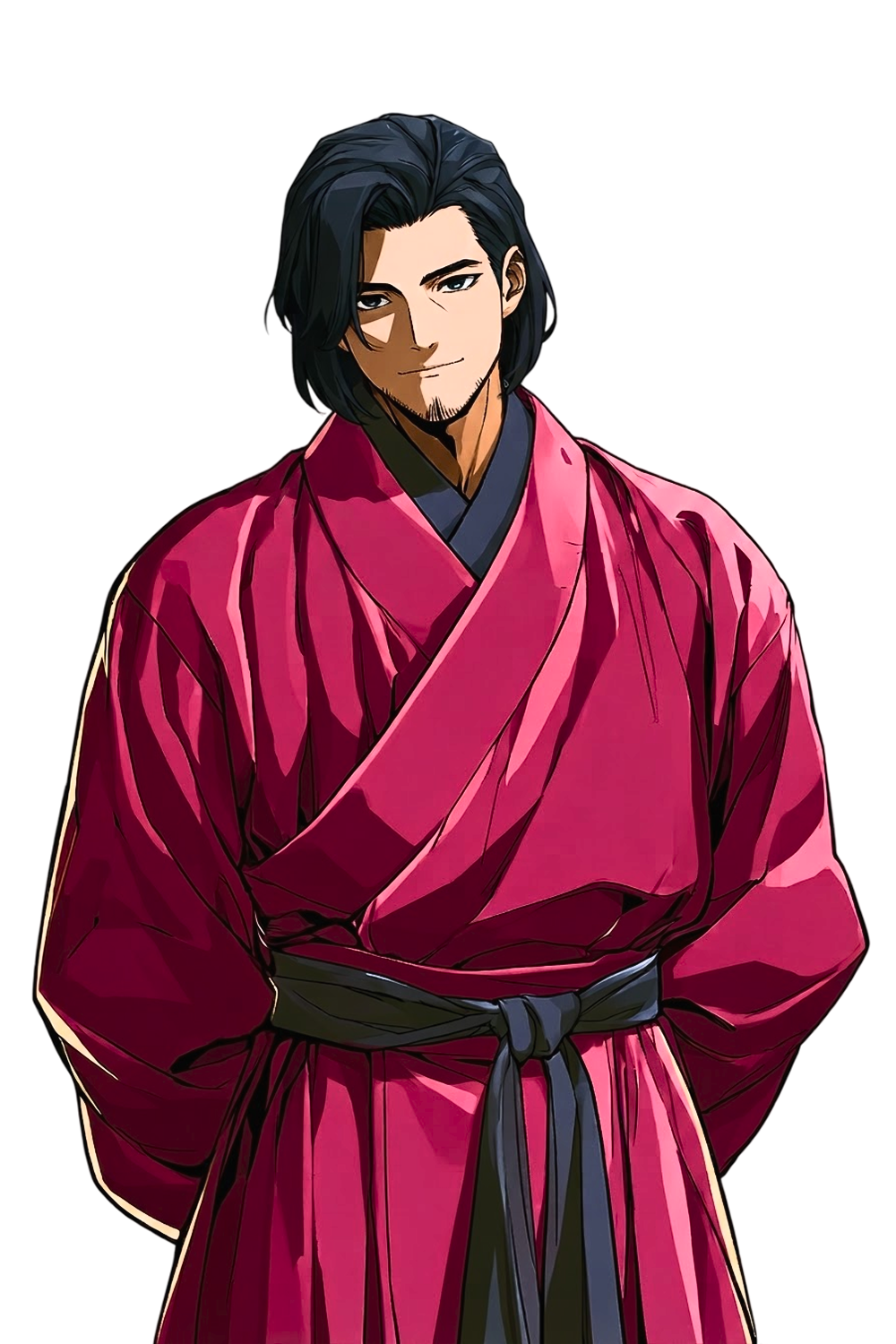
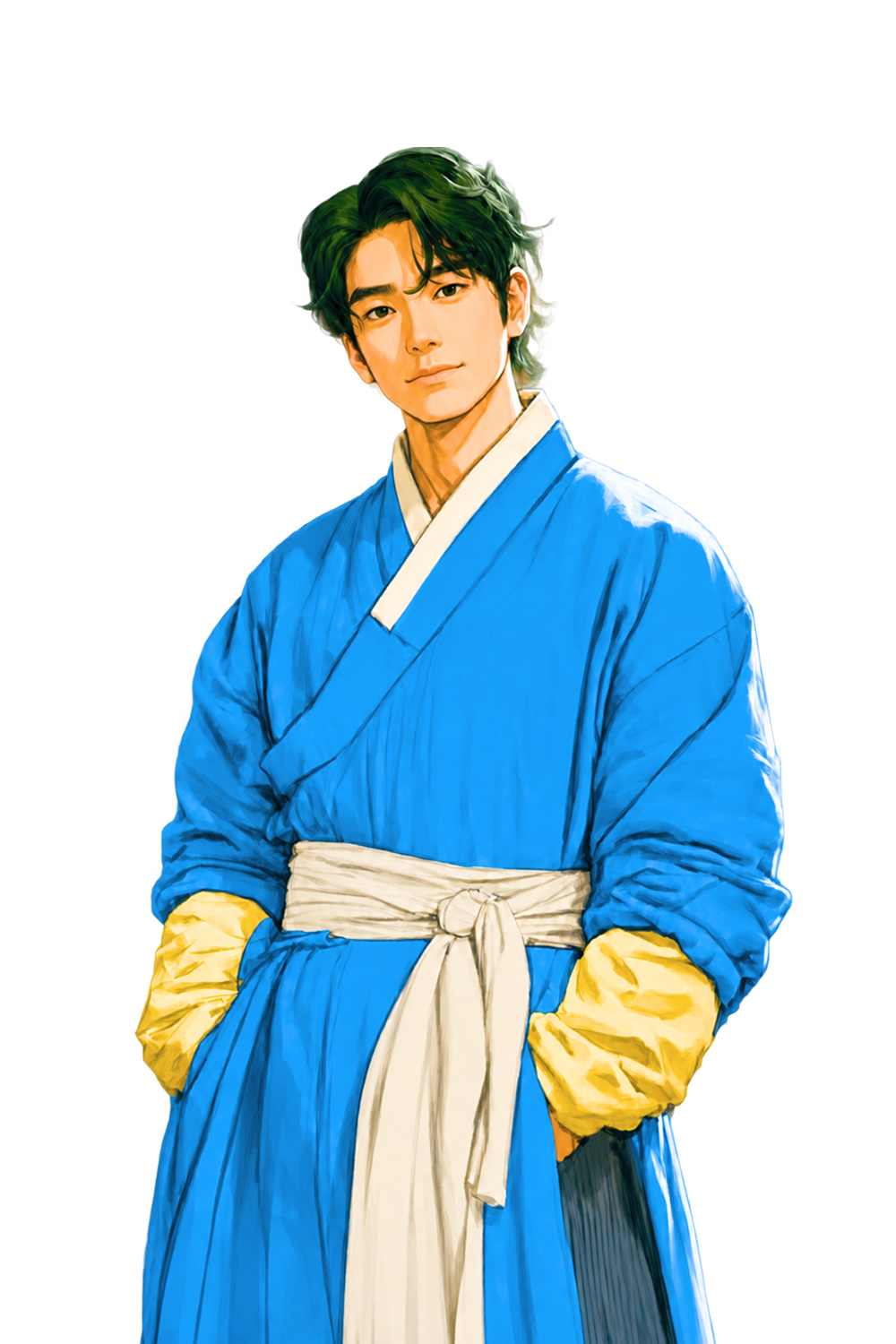
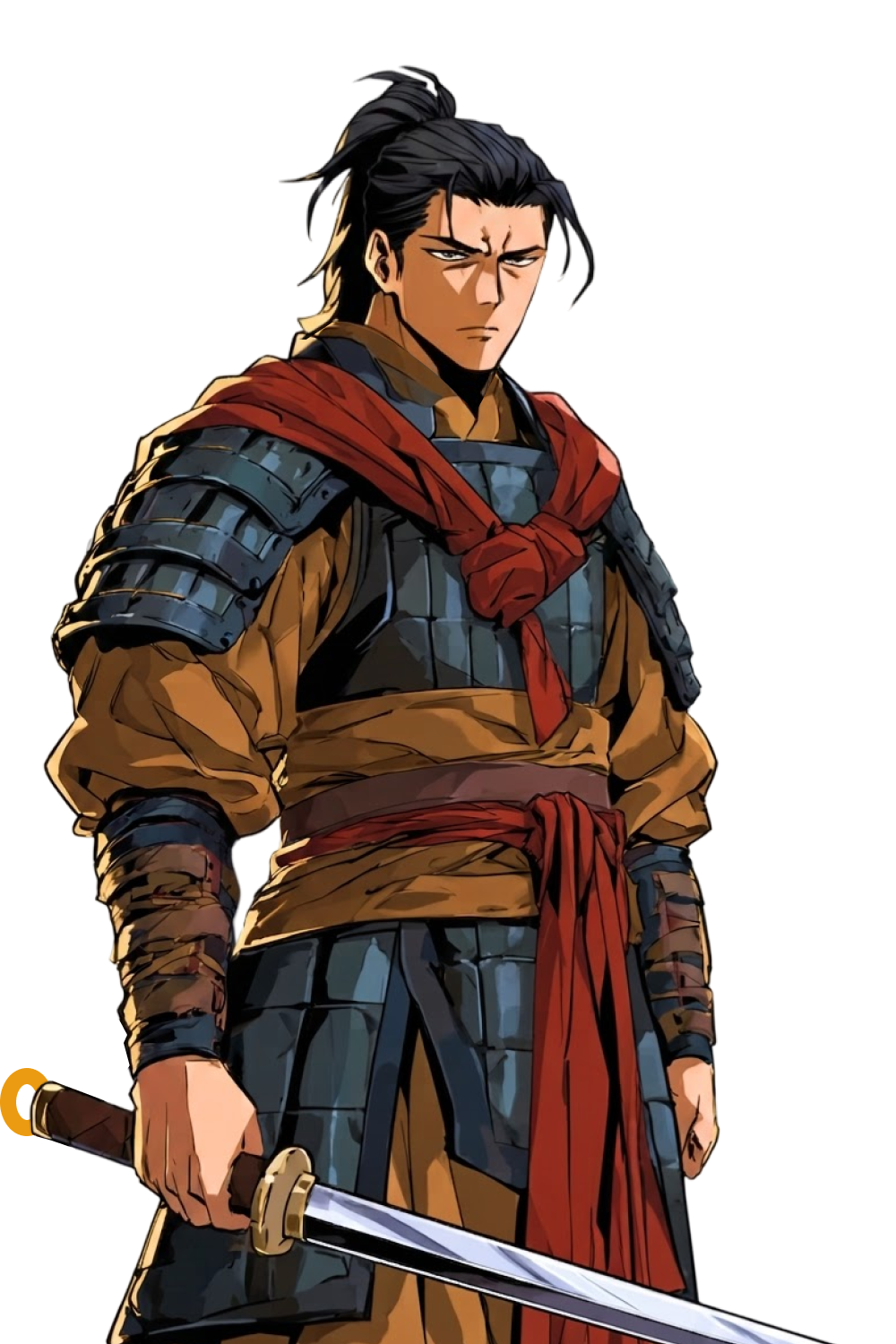
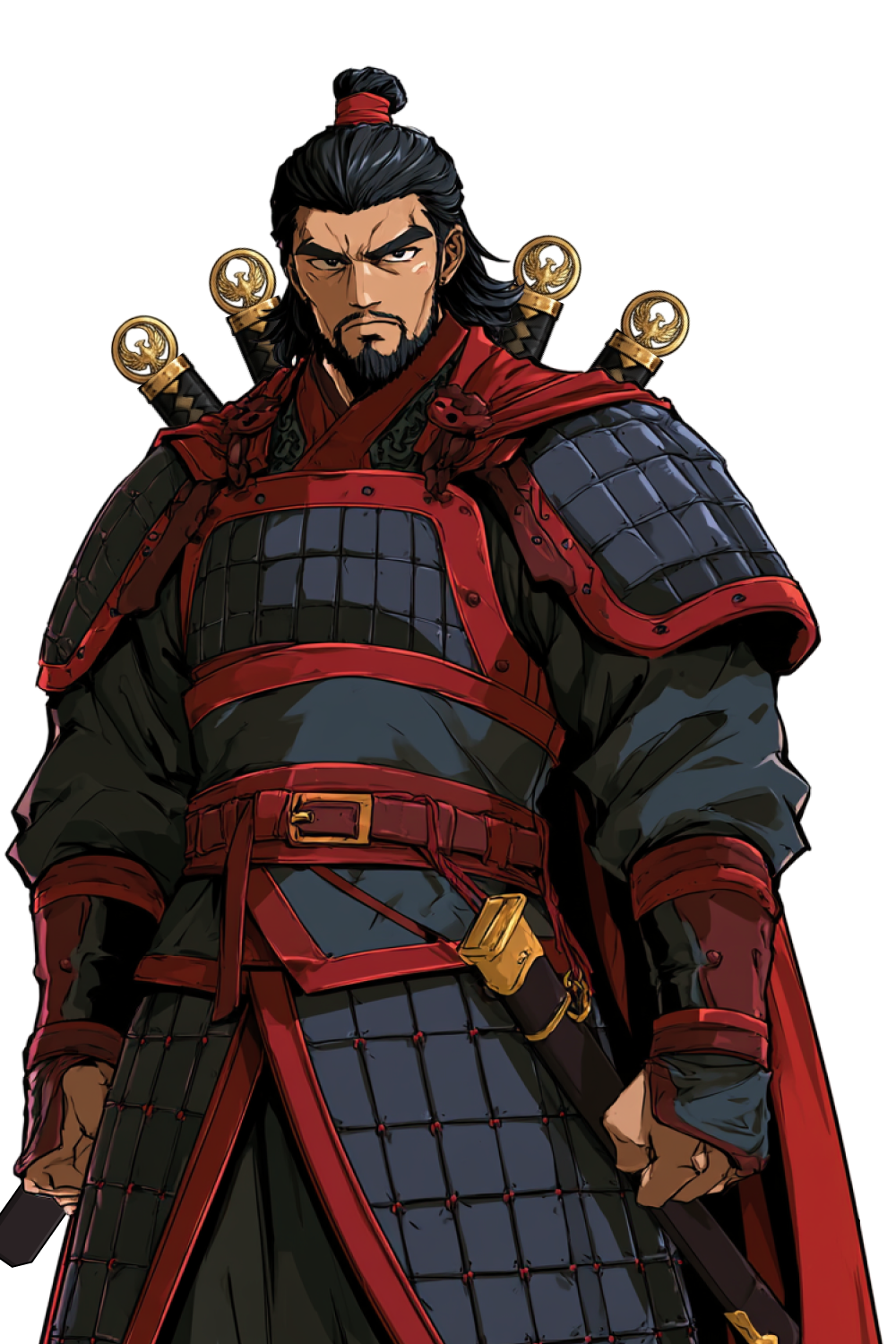
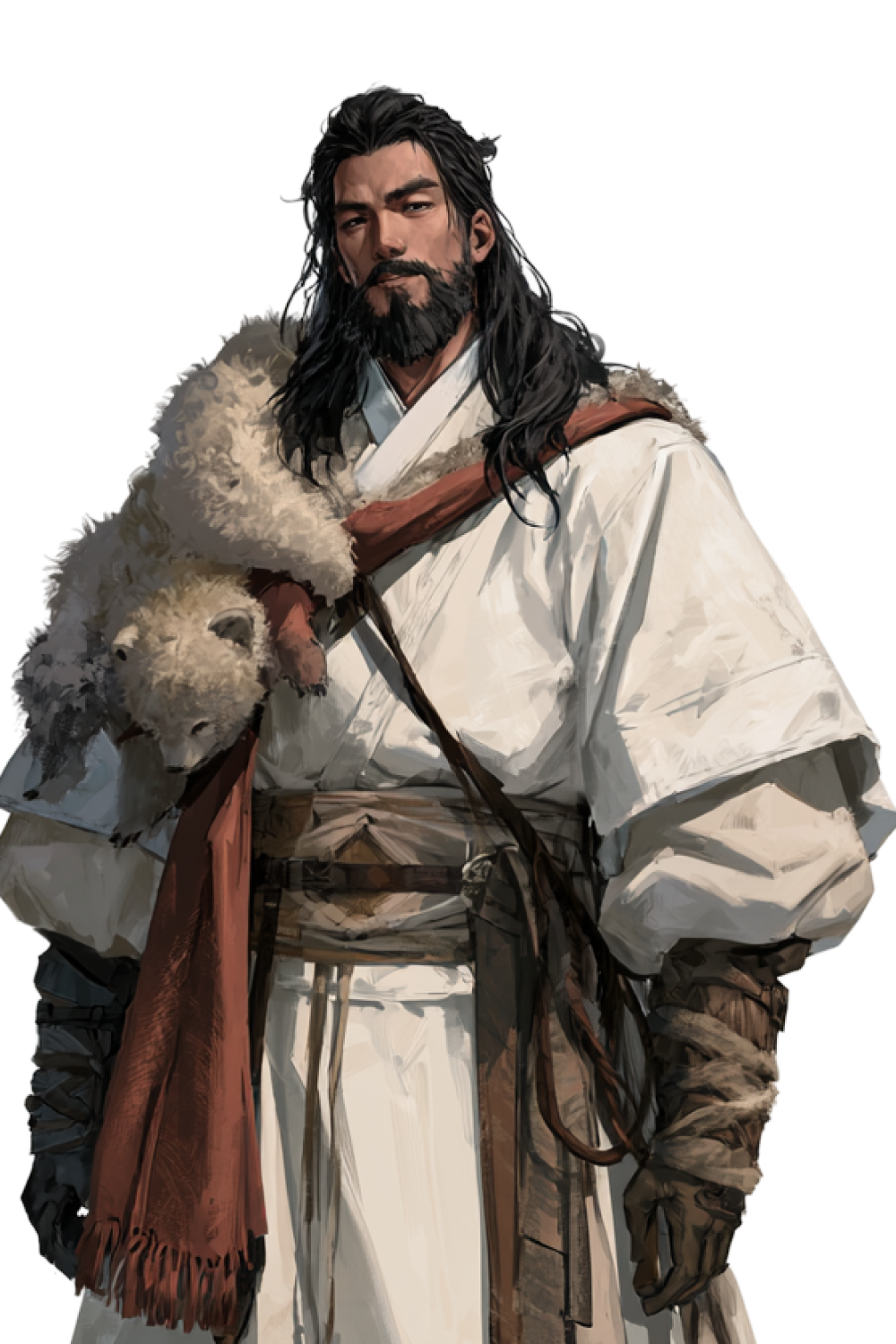
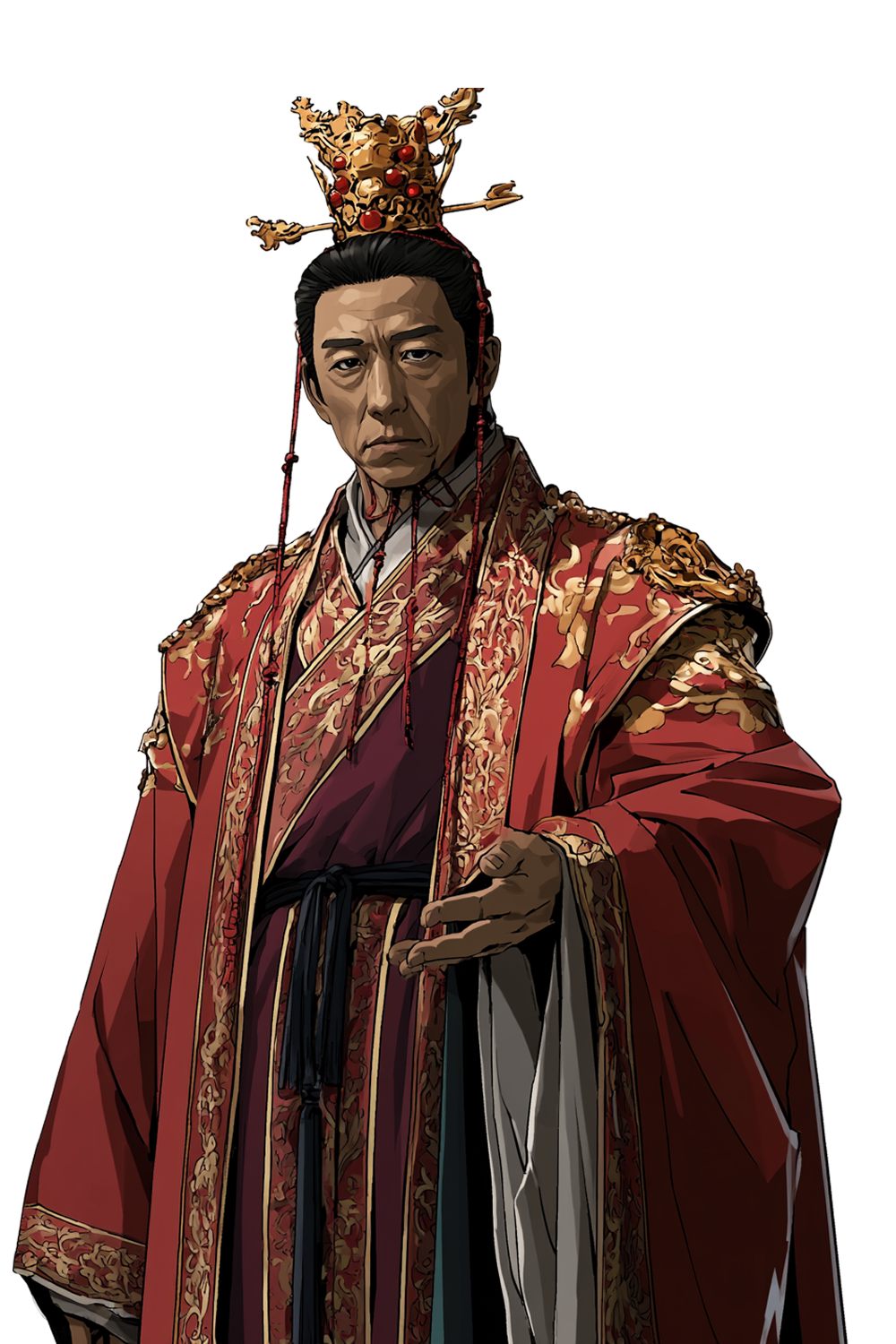
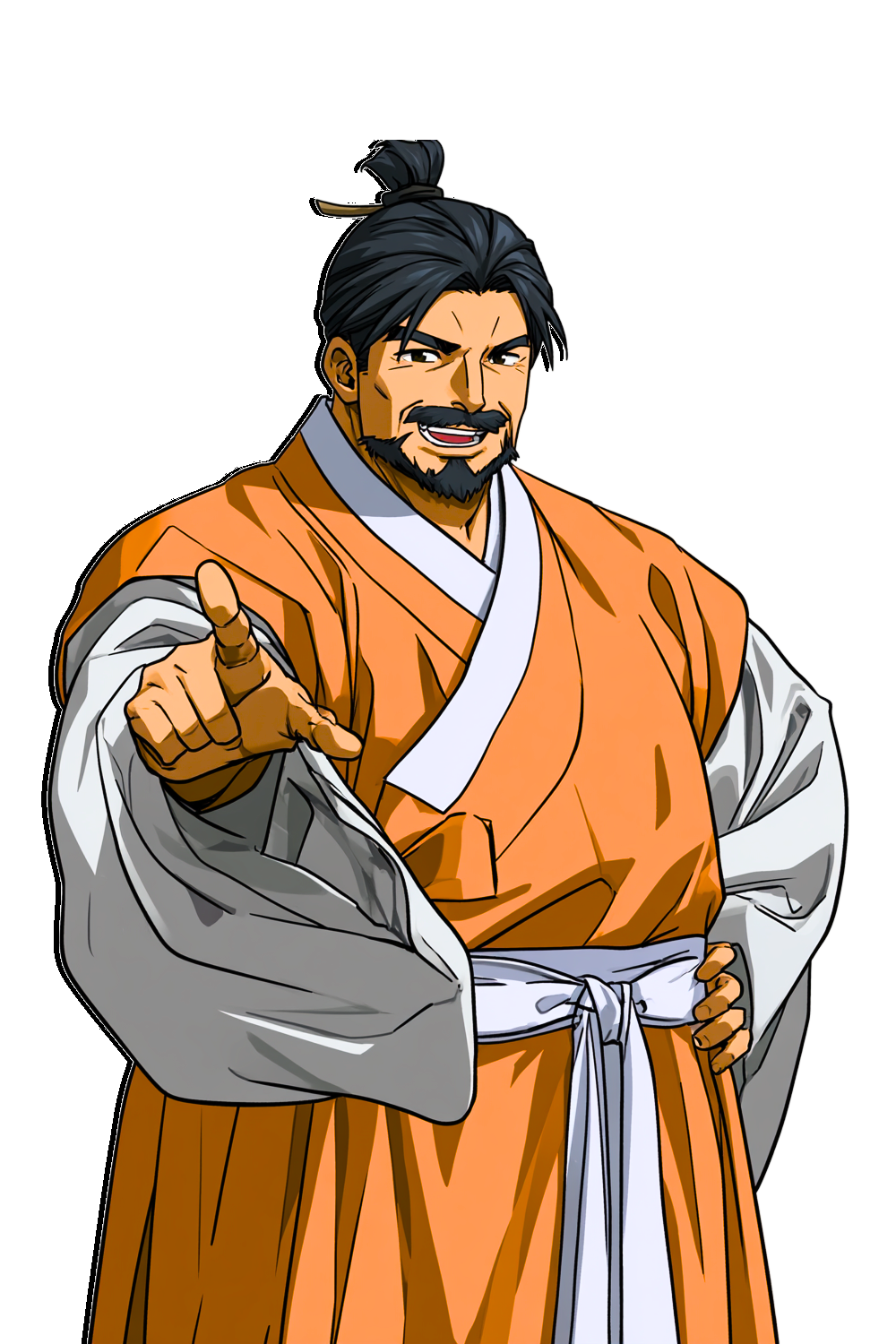
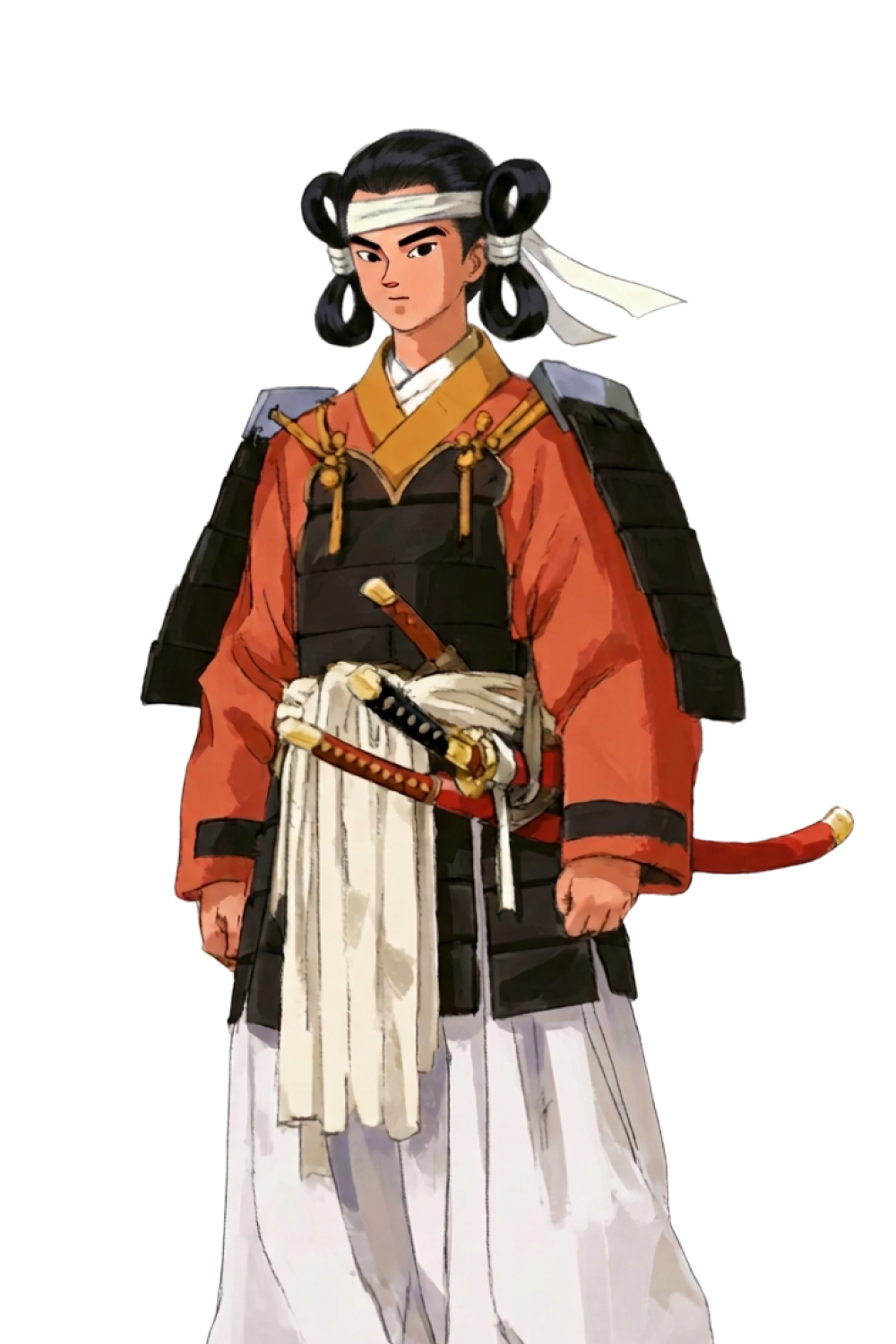
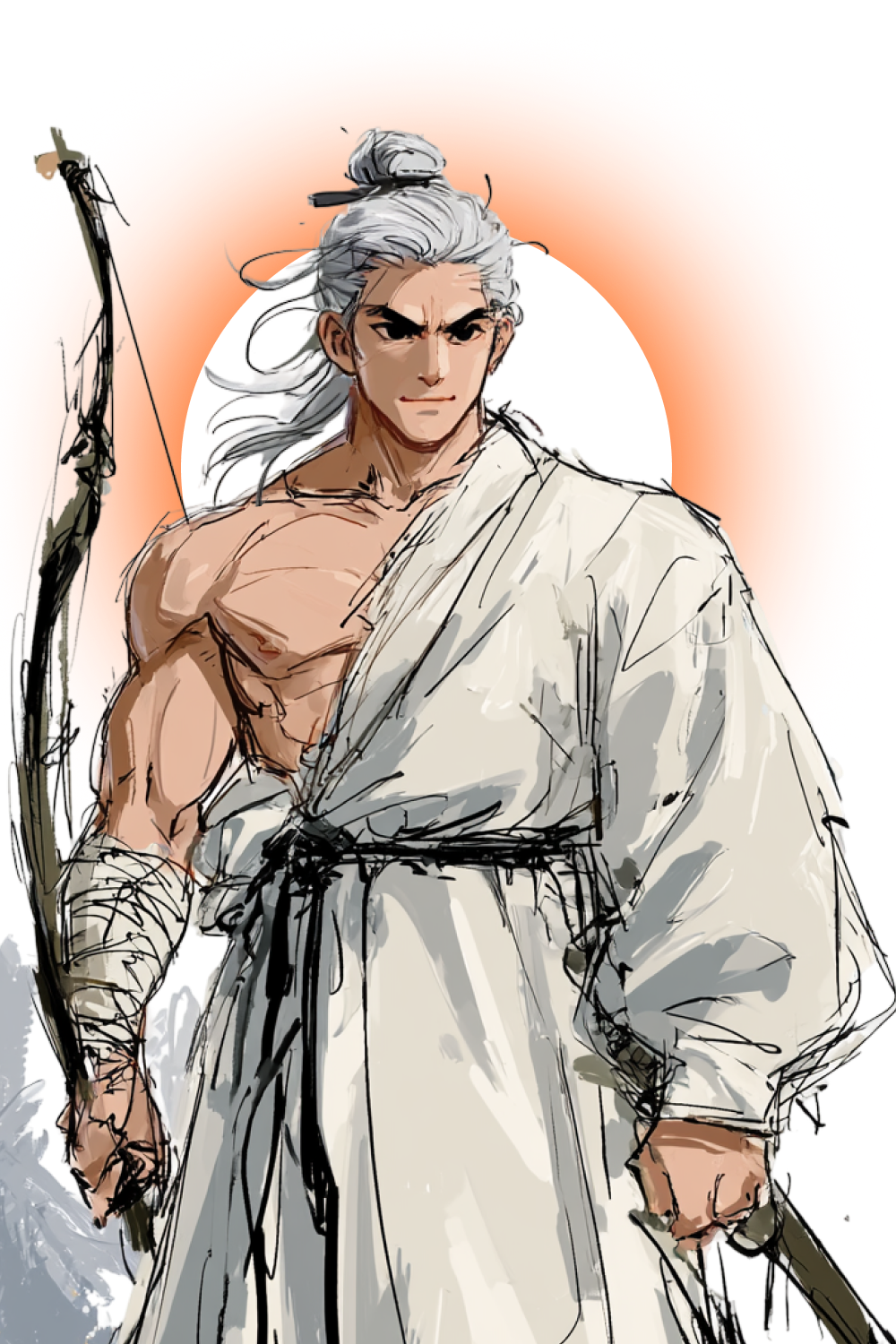
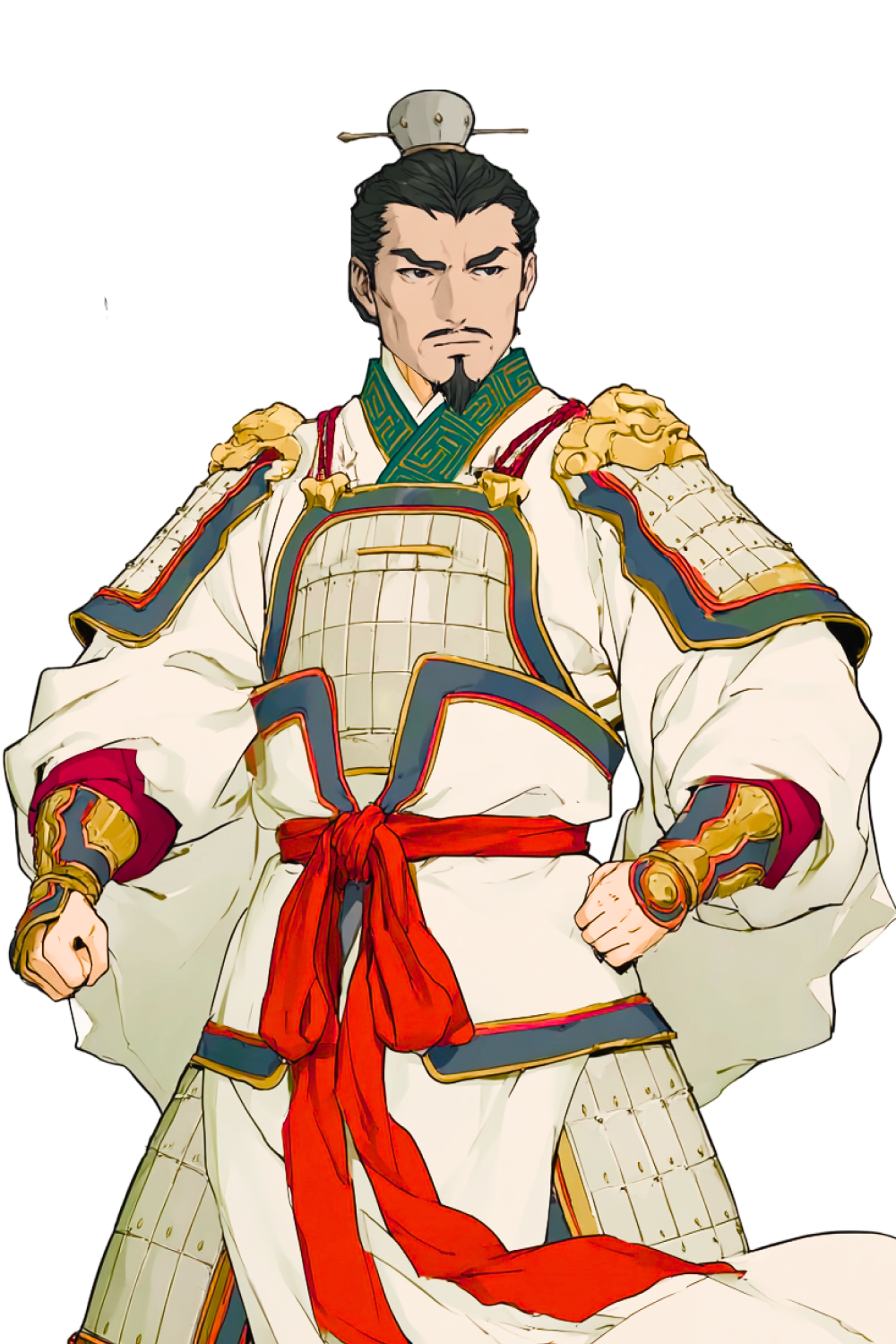
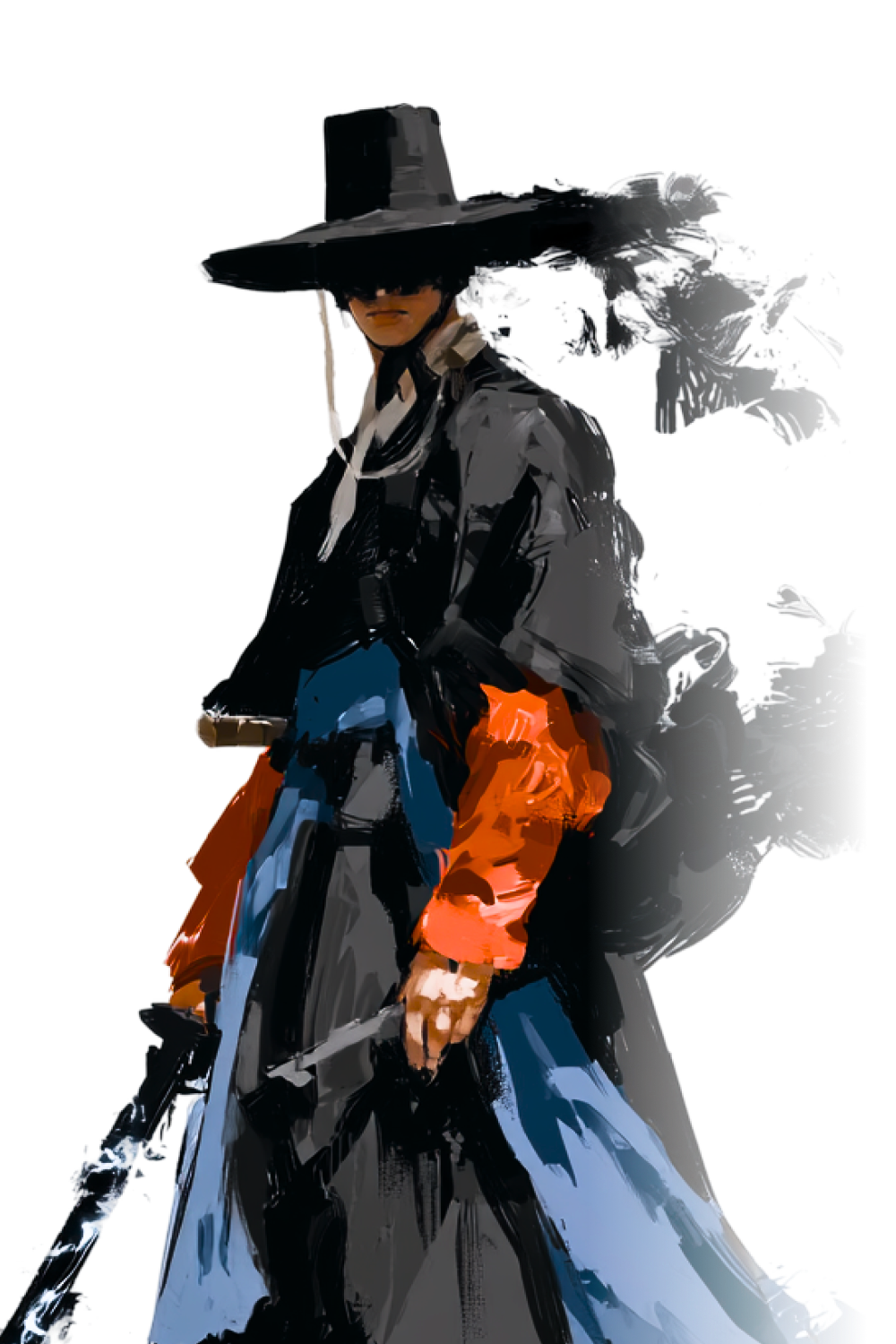
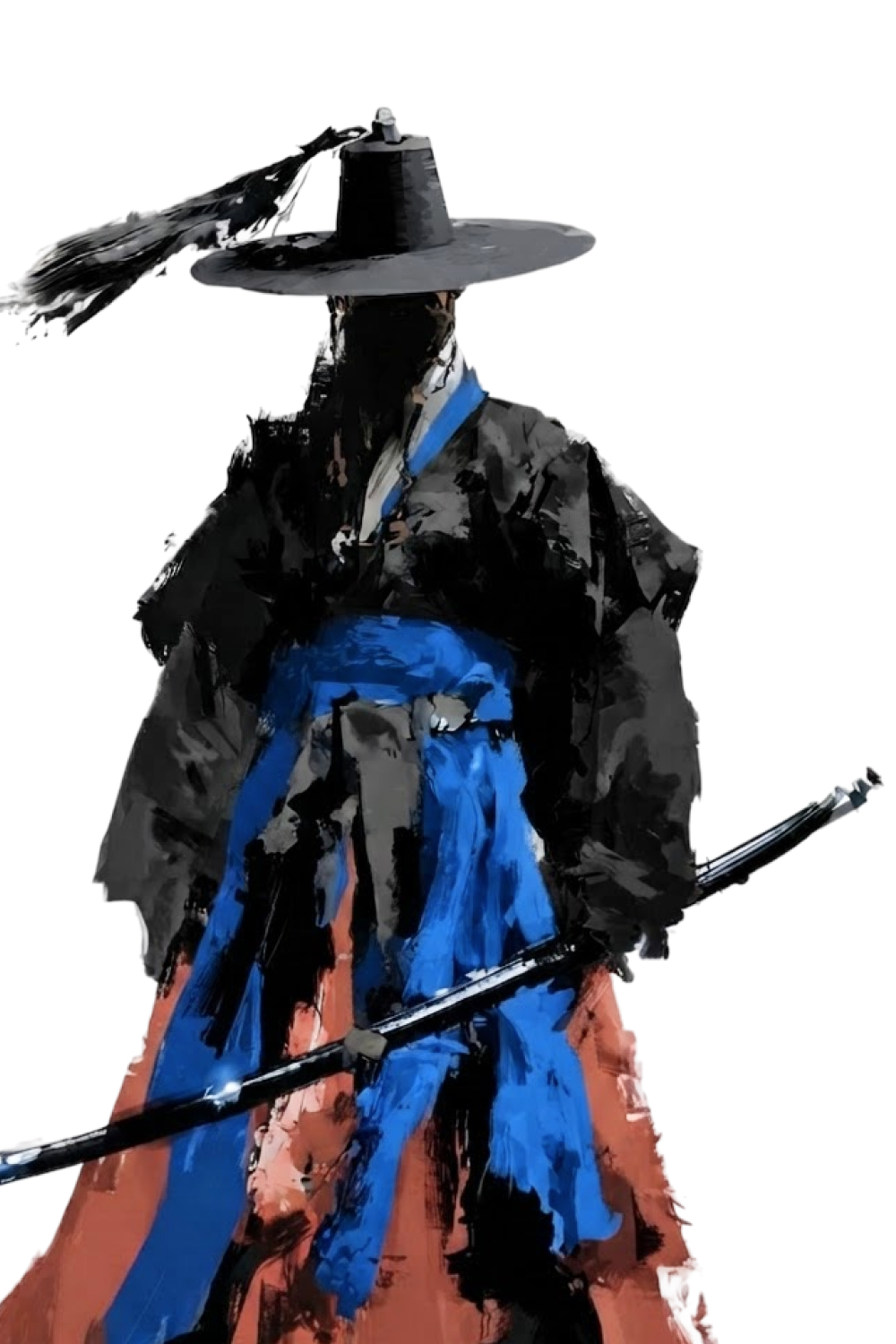
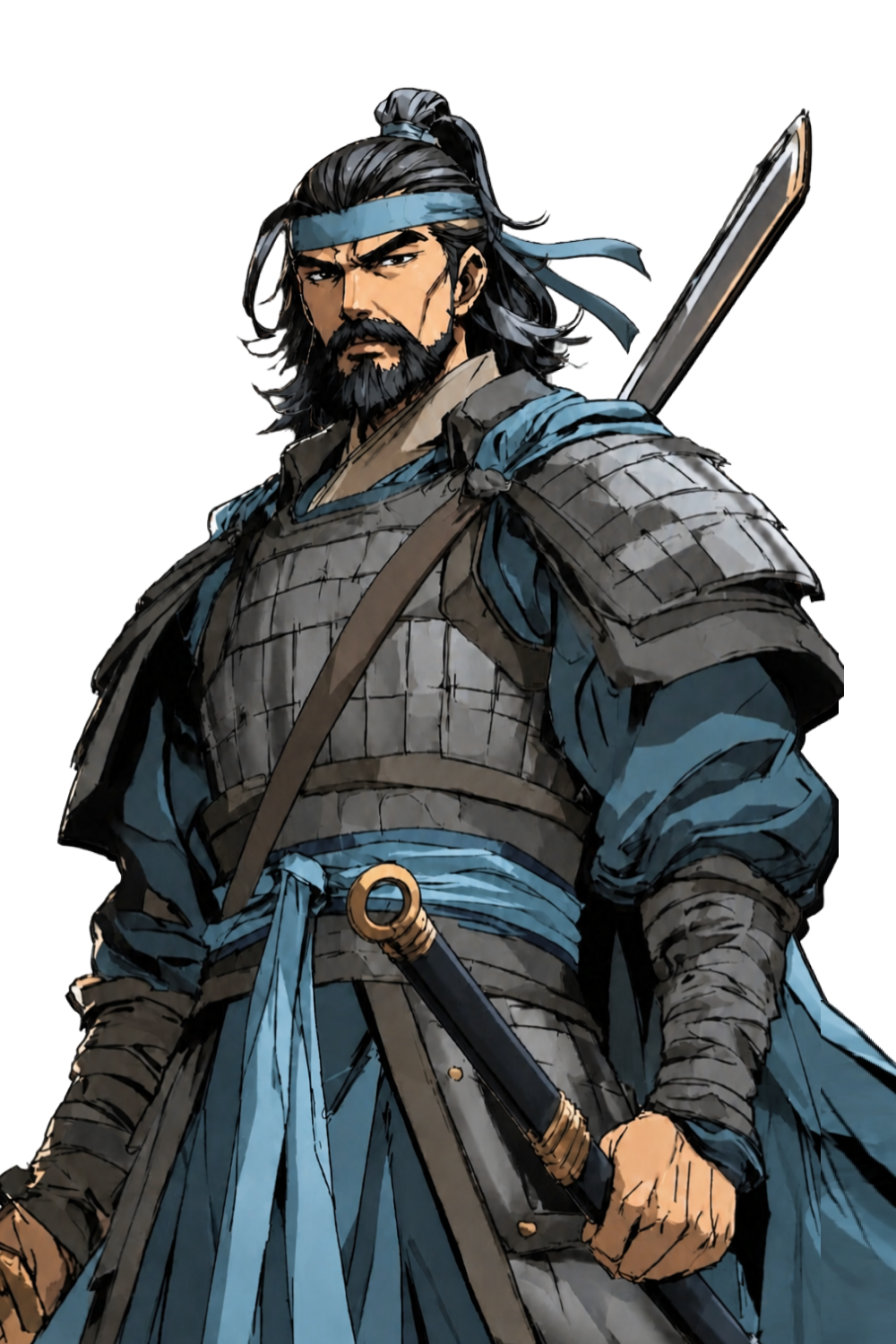
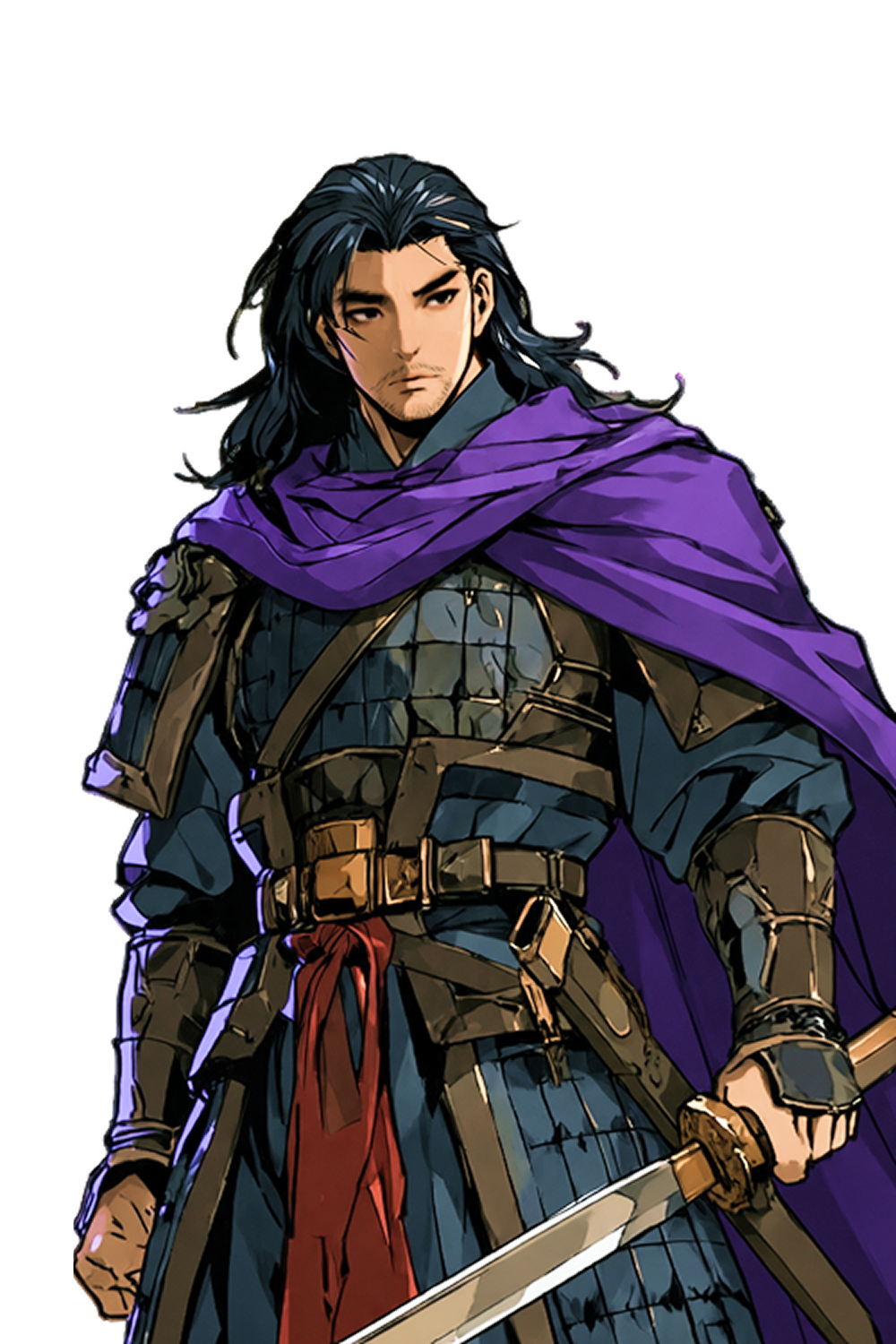
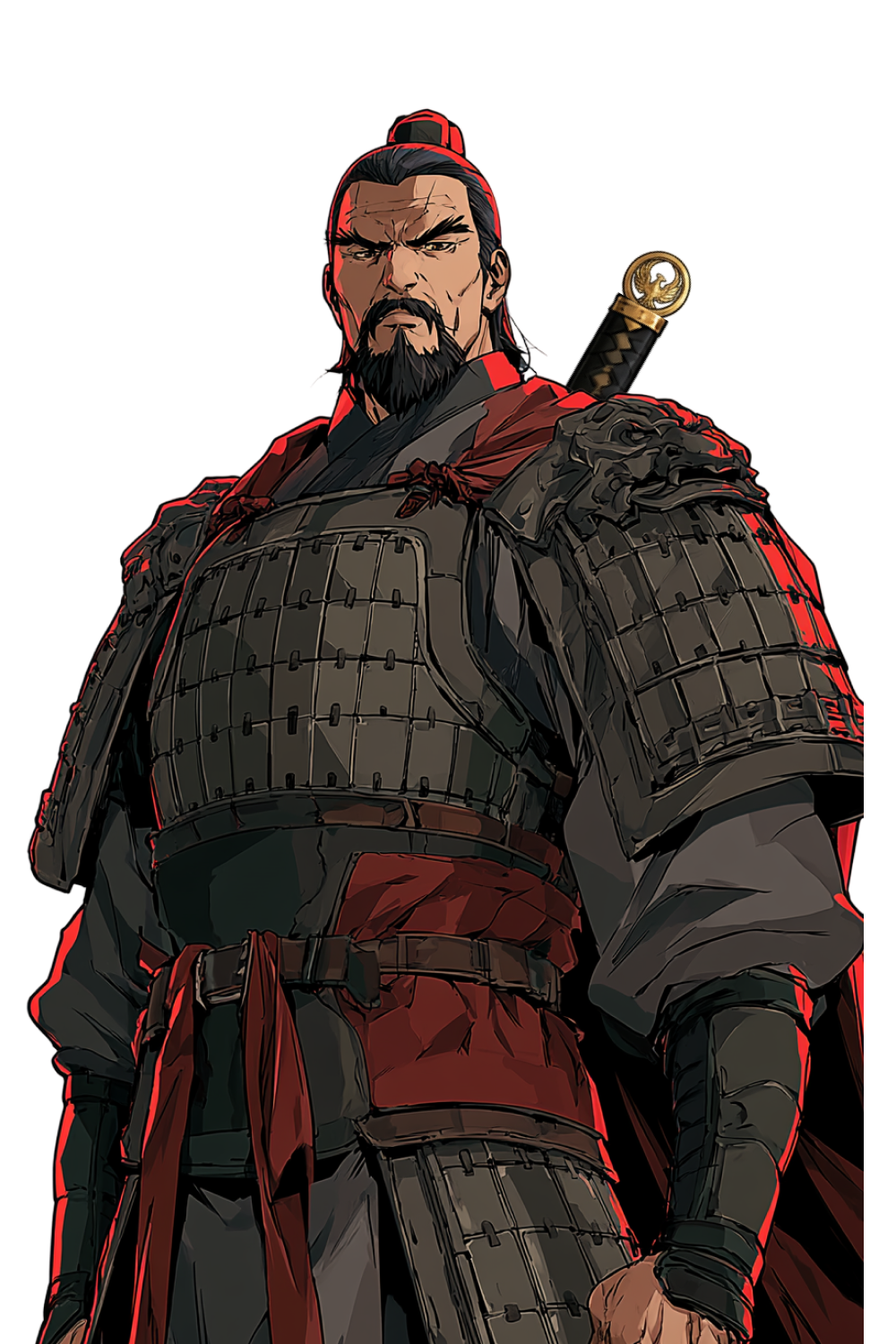
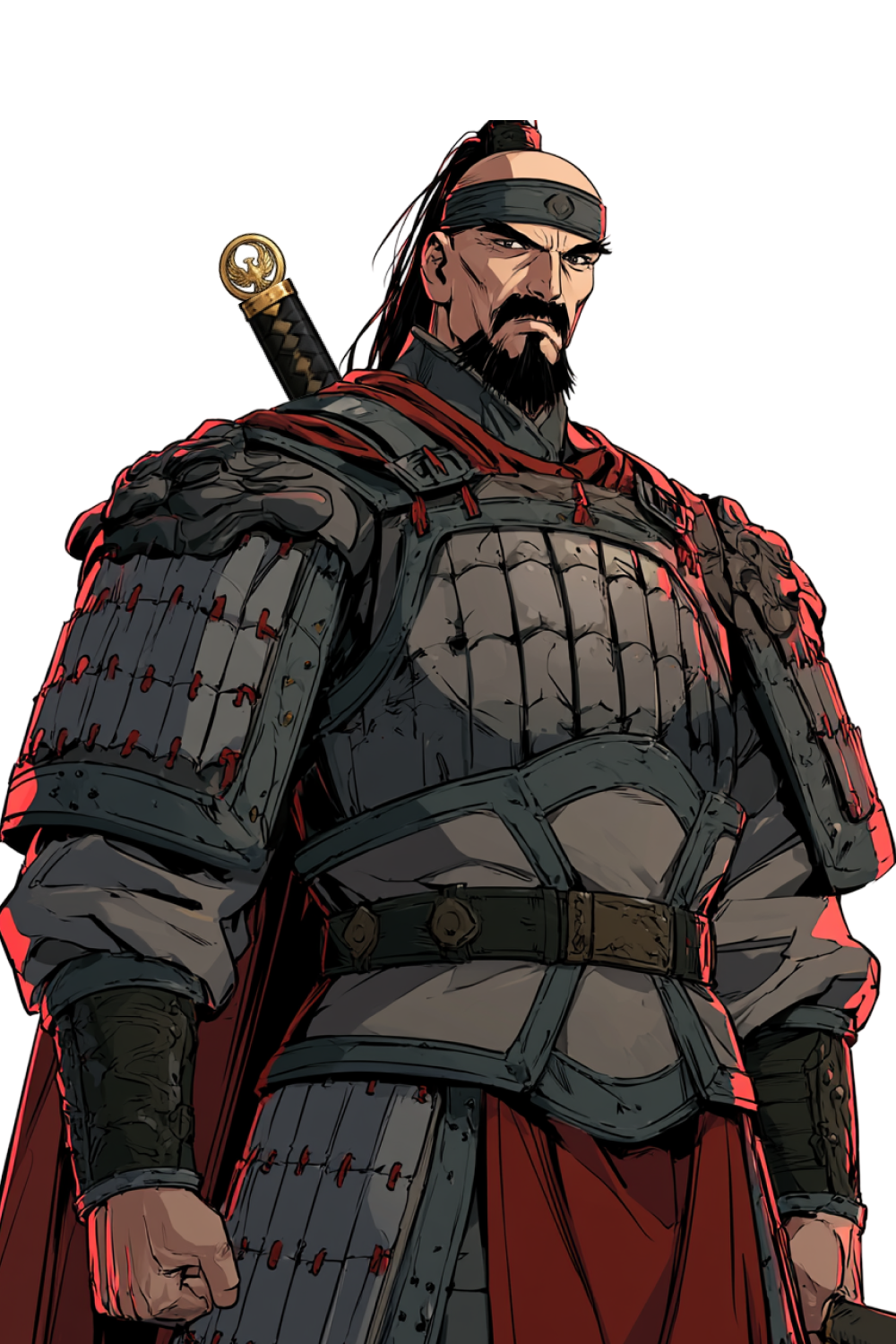
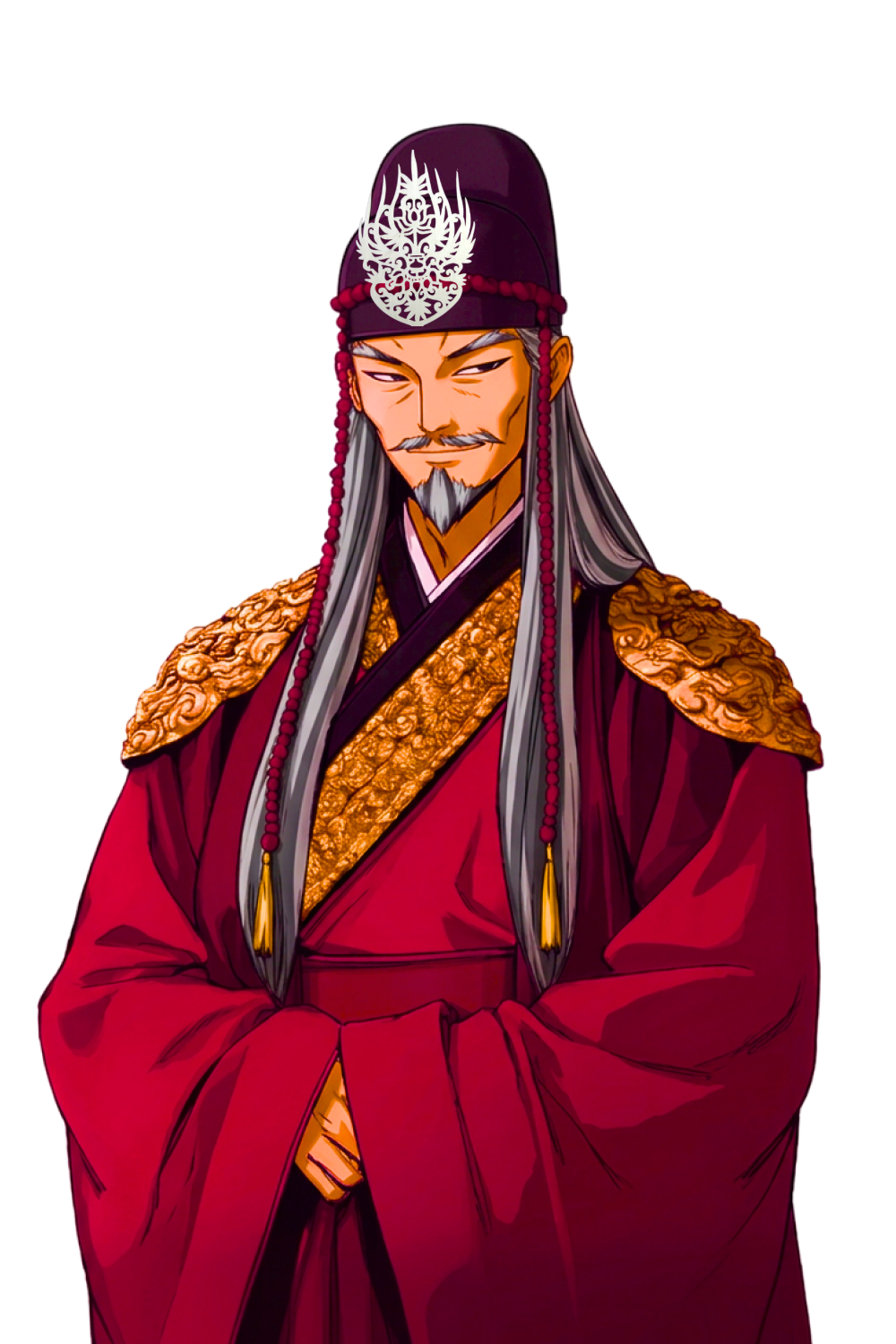
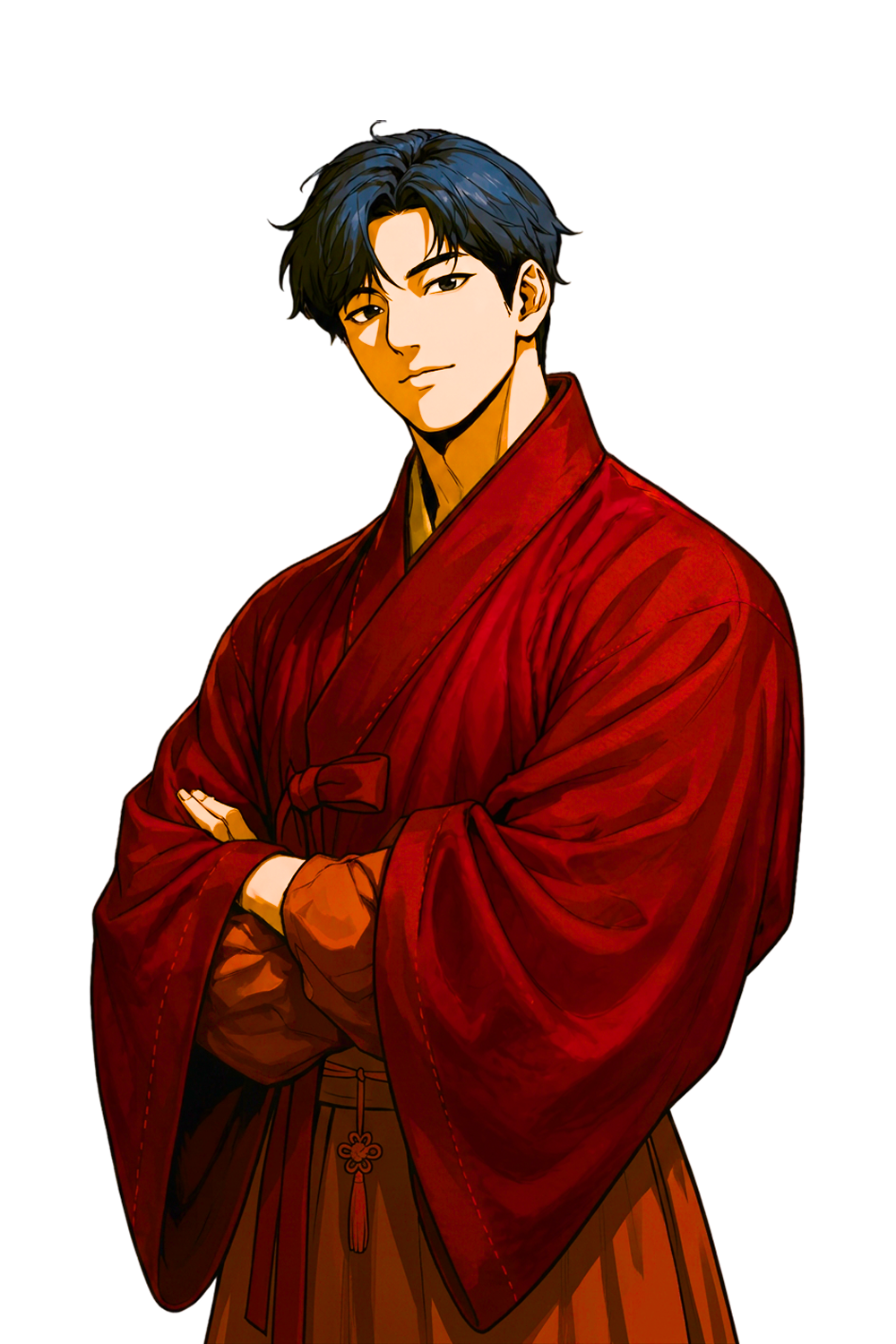
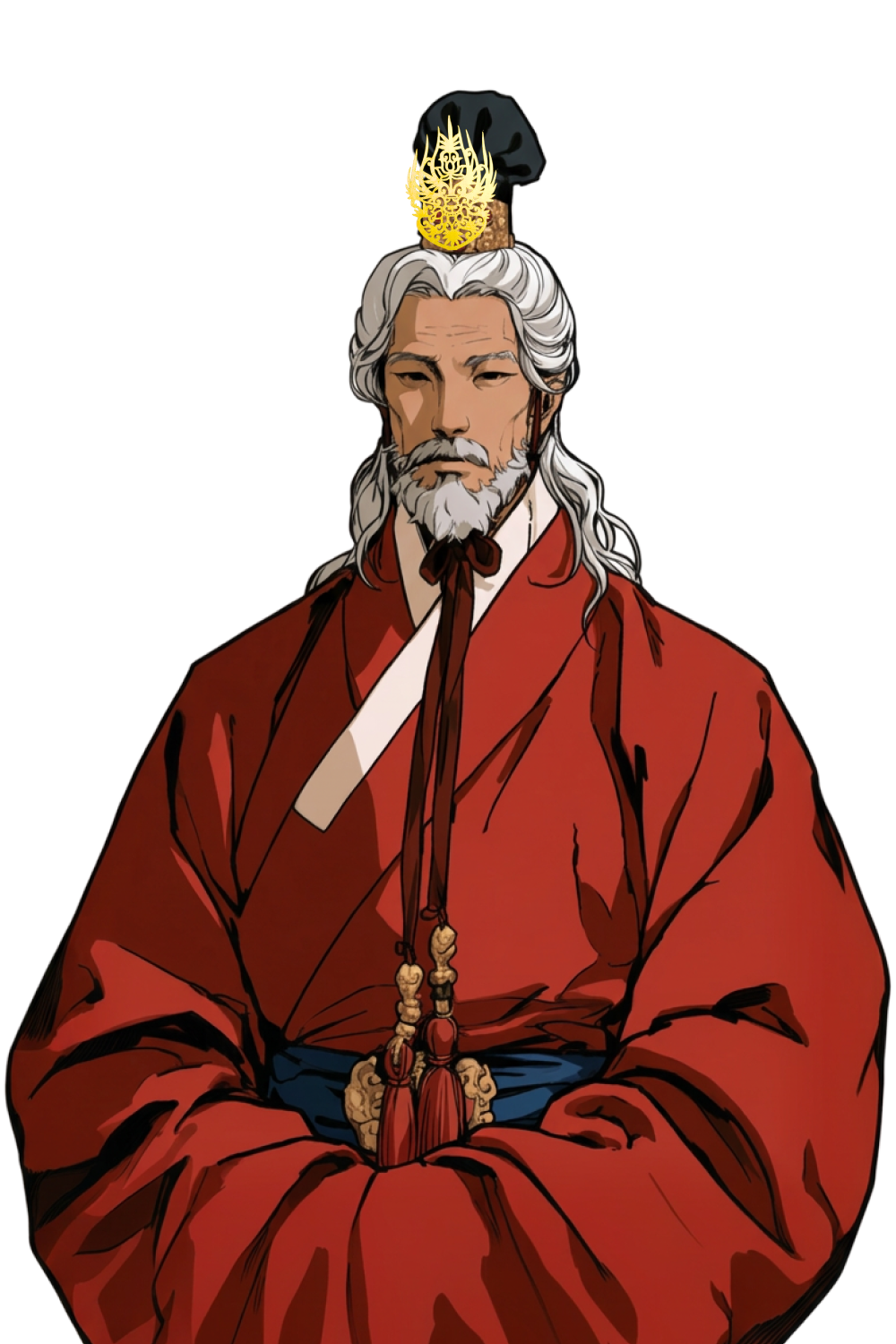
What a Samhan writer or a Chinese historian used to tell them apart was cut, cap and colour, and even that was a family resemblance. The Sanguozhi account of the eastern peoples says Buyeo prized white at home: wide sleeves, robes and trousers, leather shoes, and abroad the great men added fox, sable and hats trimmed in gold and silver. Goguryeo met in brocade. Its great officers wore the jeolpung, a bent cap like a byeon, which the later murals and the Jougwan still remember as feathers. Yijing, writing in 691, says the west called Goguryeo Kukkuṭeśvara, honoured for a rooster, and that its men wore feathers in their caps. The Afrasiab mural at Samarkand paints the same feathered caps. Baekje, in the Book of Sui, dresses in that Goguryeo line and then makes it courtly: a black silk cap and the Antler Crown, and for the great clans the Gilt Hood. Gaya’s Leaf Crown is grass in gold over iron towns. Silla’s Tree Crown is a forest of sheet gold. In 649 the Samguk Sagi says Silla first put on the robes and caps of the Middle Court. That is a dated change of fashion at Surabol, after centuries of its own silk. Commoners across the kingdoms wear plain undyed white. The costume charts are ref_hanbok_gojoseon.png, ref_hanbok_goguryeo.png, ref_hanbok_baekje_gaya.png and ref_hanbok_silla.png. They write in Chinese for the state, and they keep mountain gods, bone rank, and a Buddhism that arrives kingdom by kingdom. Pyongyang, Sabi and Surabol argue. They argue in one world.
Key events
- 649Samguk Sagi, Jindeok 3: Silla first wears the robes and caps of the Middle Court.
- 651Tang letter to Uija: the three kingdoms east of the sea, the people of the Three Han.
- 691Yijing: the west calls Goguryeo the rooster-honoured land; feathered caps.
Also known as
- Samhan
- Han
- 韓
- 한
- 삼한
- 三韓
- Haedong
- the Three Han
- Three Han
- Joseon
- Korea
- East of the Sea
- the Korean world