

Bukjuk
北狄 북적
Near Lands. The band north of China and Korea. Turks live inside it.옆나라. 중국과 고구려 북쪽의 띠. 돌궐은 그 안에 산다.
The old Northern Plains: steppe riders and forest hunters north of Huaxia and Samhan. Turks live here.
- Title
- The Northern Nomads
- Modern
- The Steppe · 초원
- Ruler
- Khagan · 可汗 · 가한 Khagan
- Lands
- Near Lands· 옆나라
- Accent
#5e5240
Famous people
Sobriquets
- Northern Nomads
- the Northern Plains
- north of the desert
- Makbuk
Nature
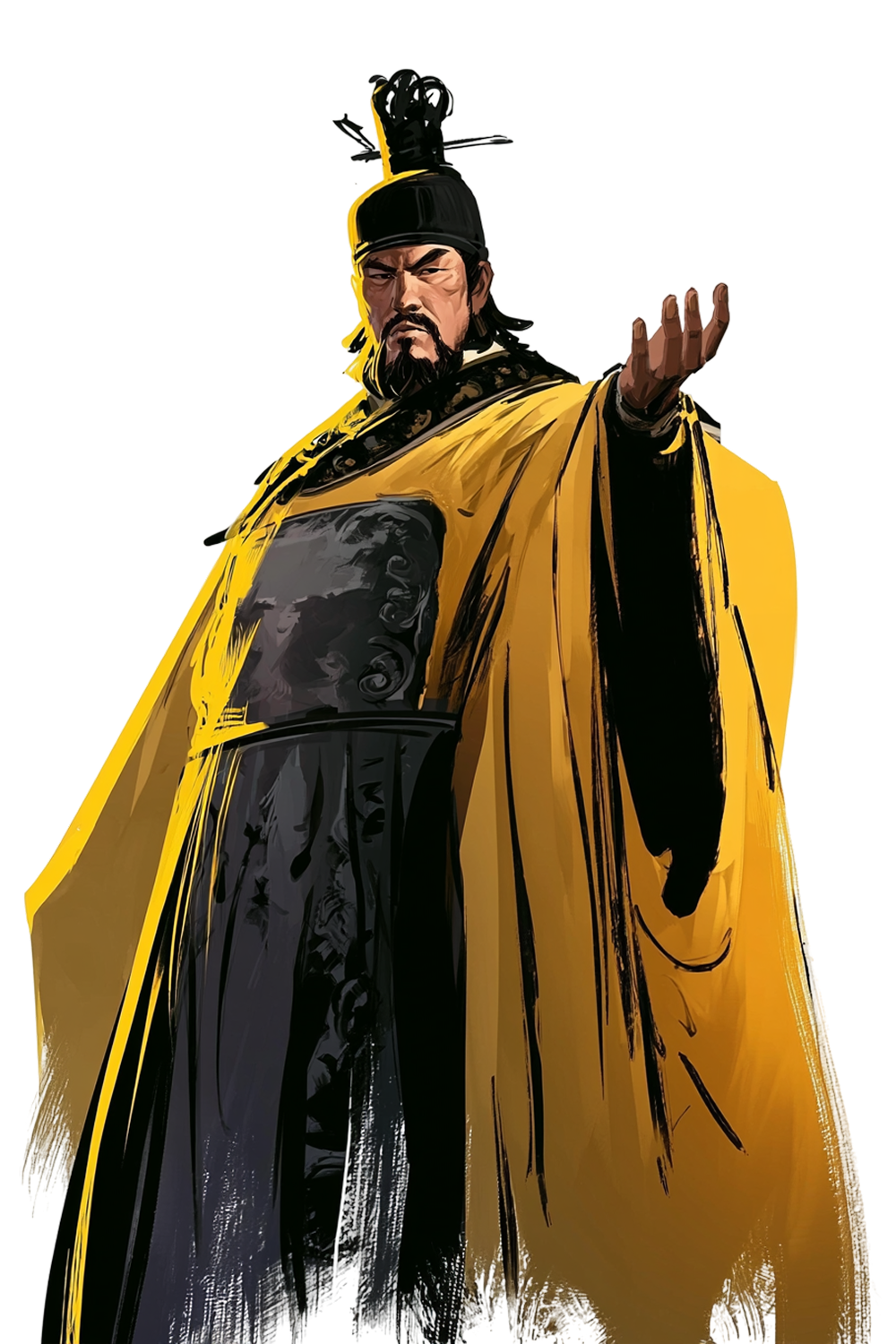
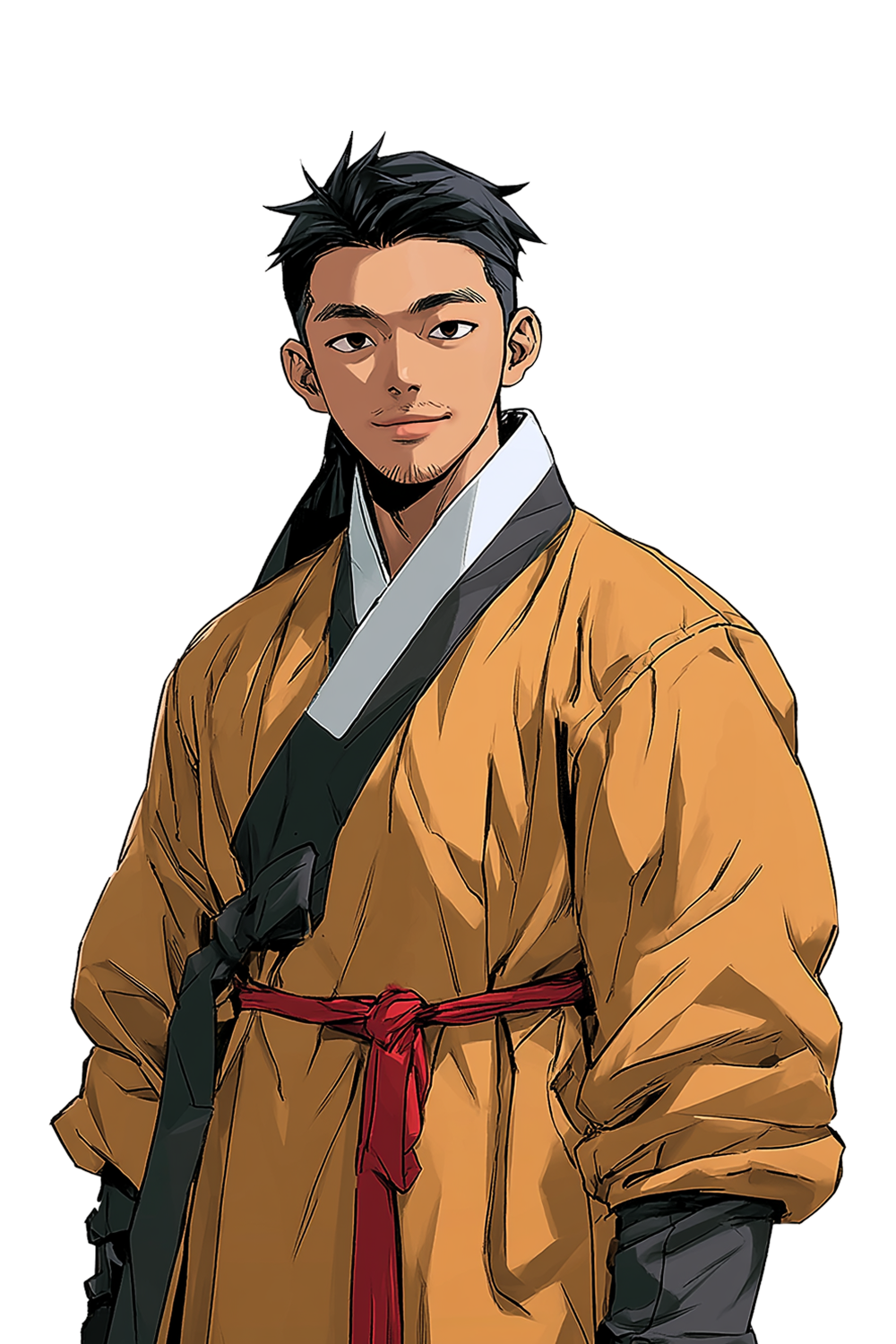
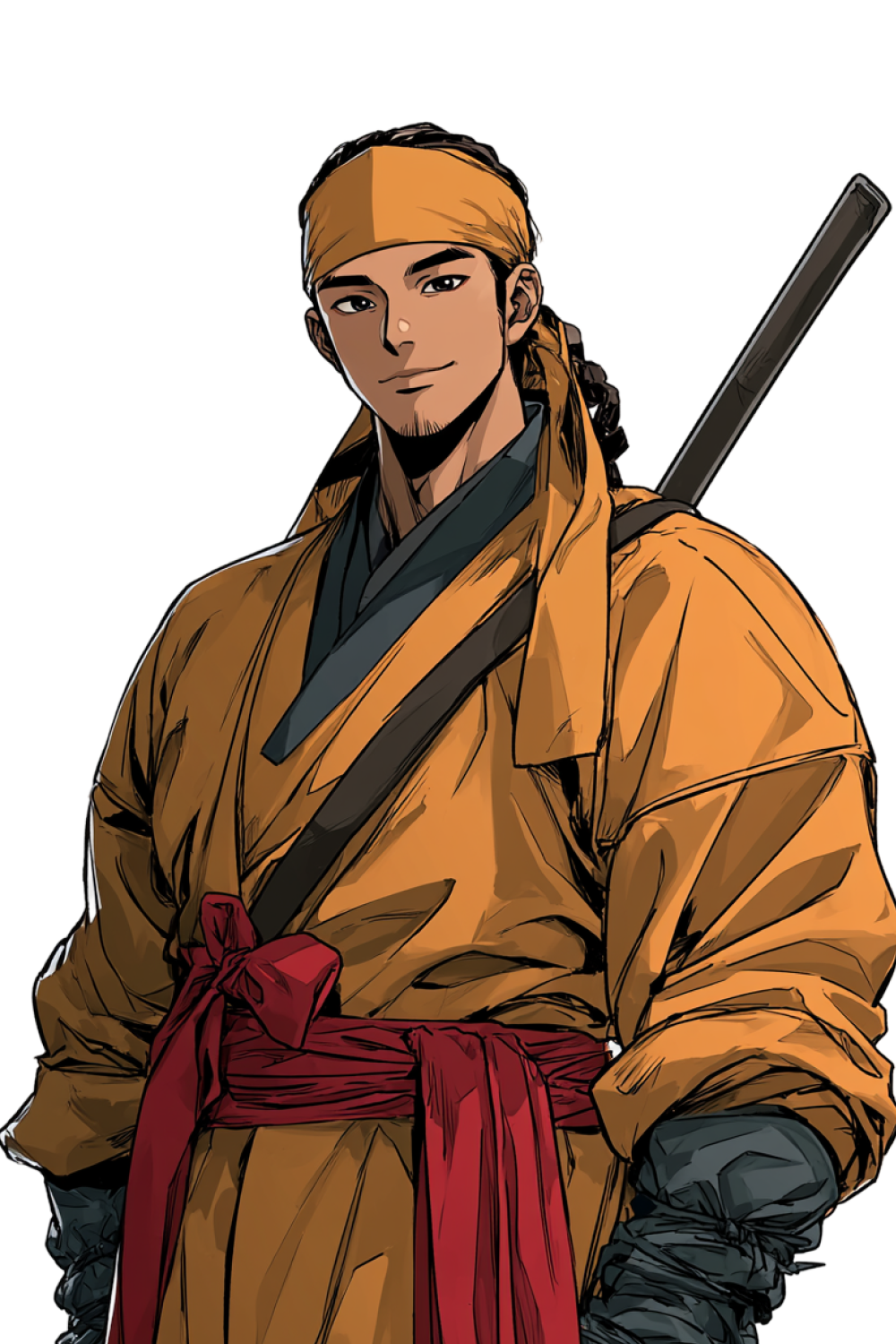
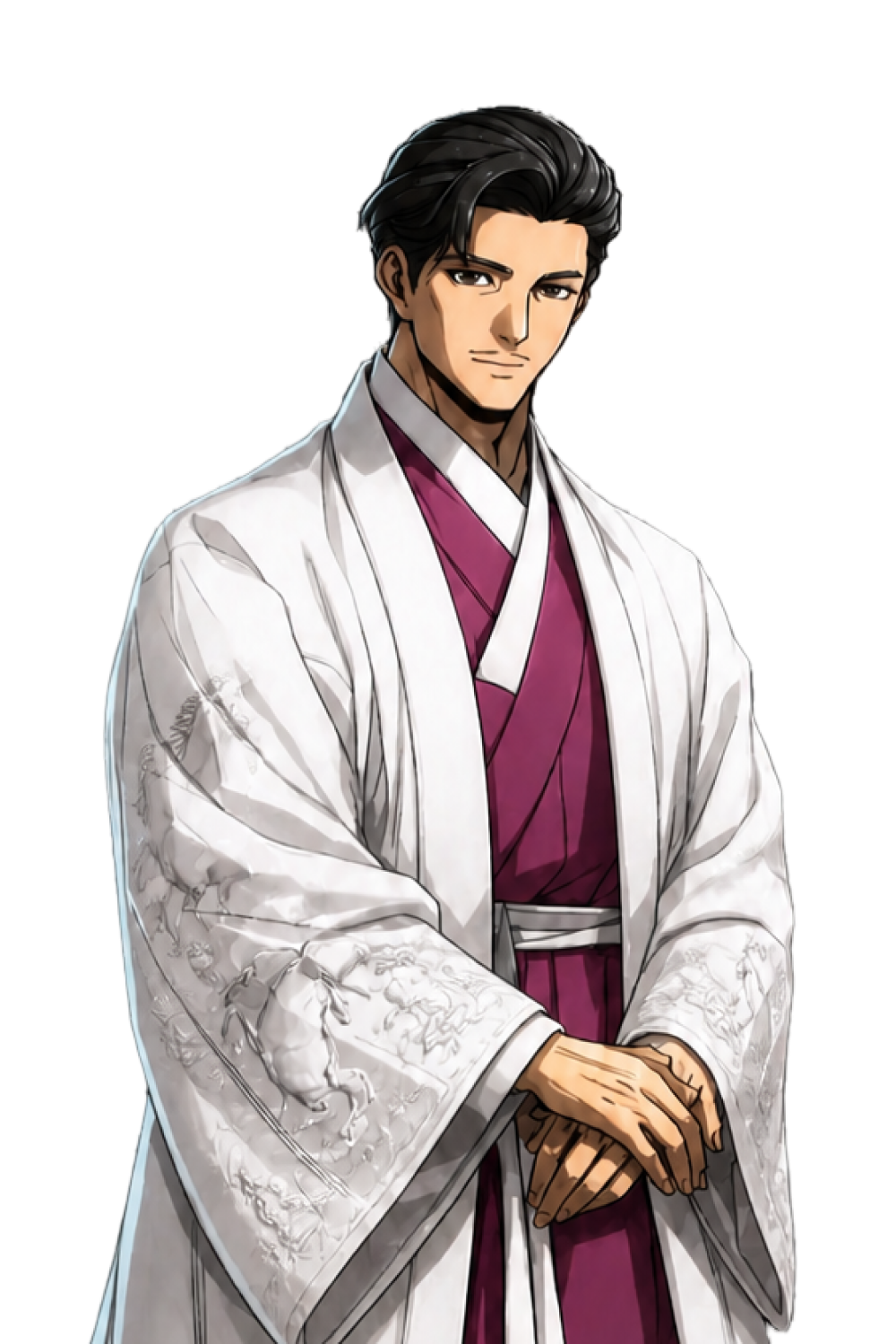
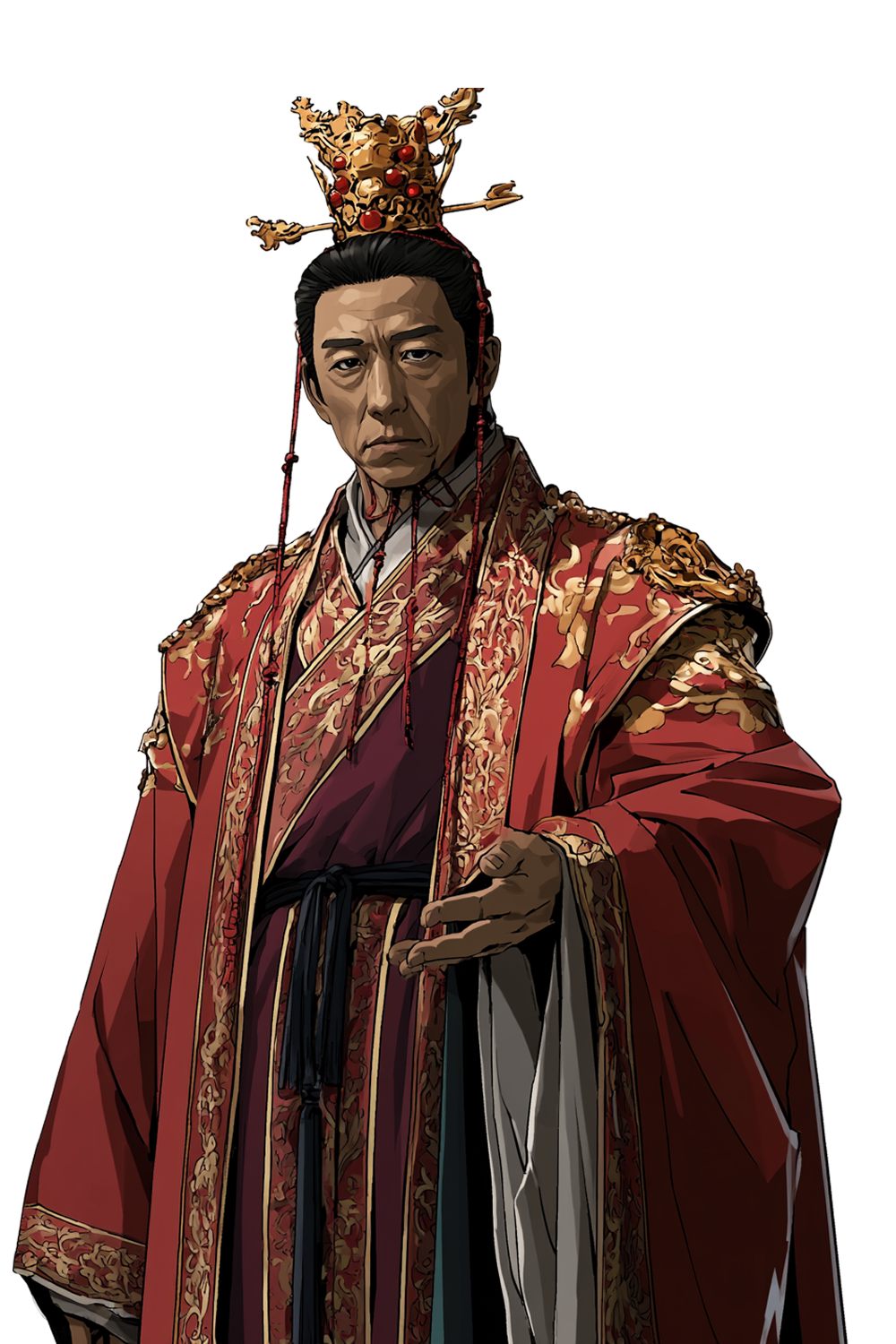
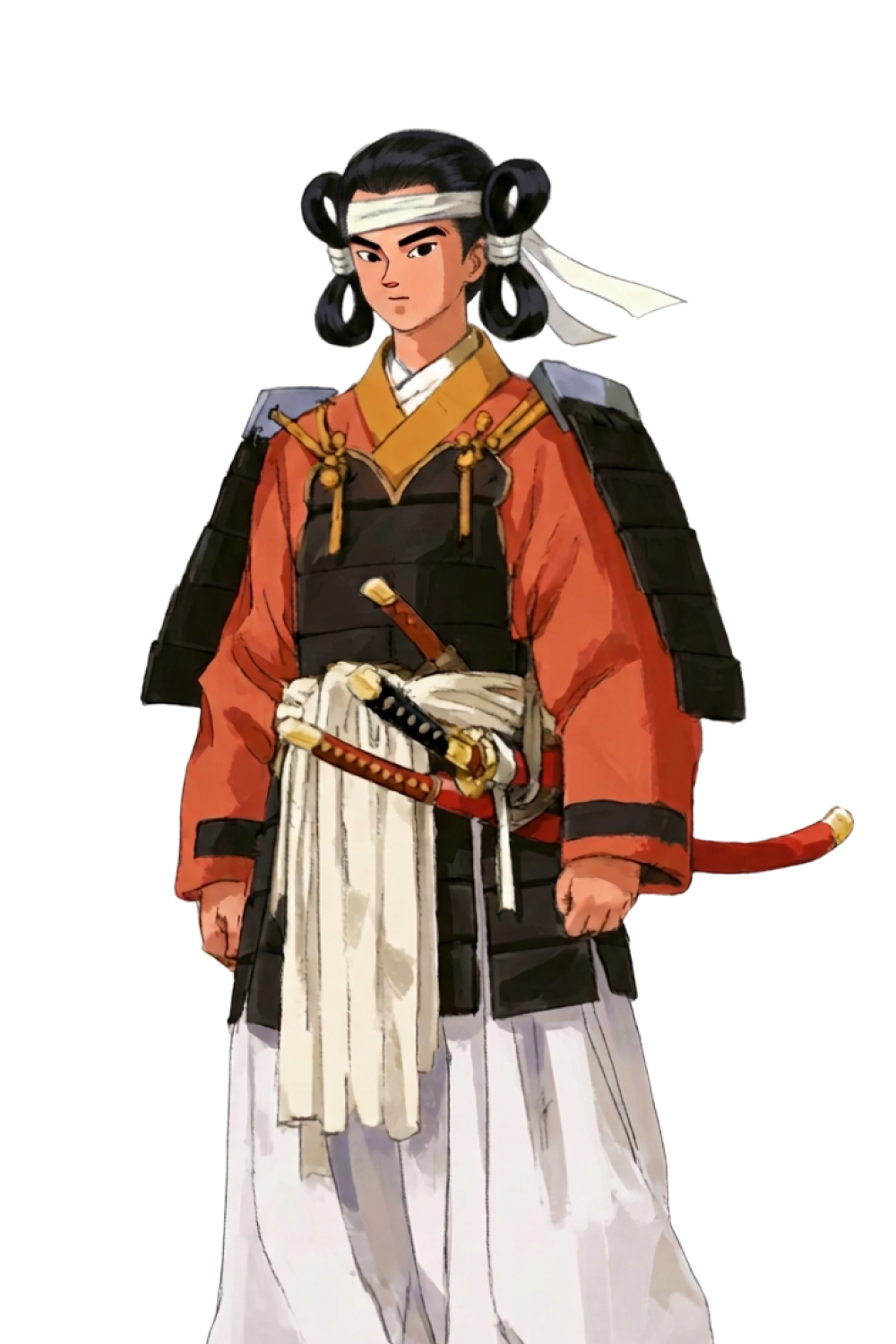
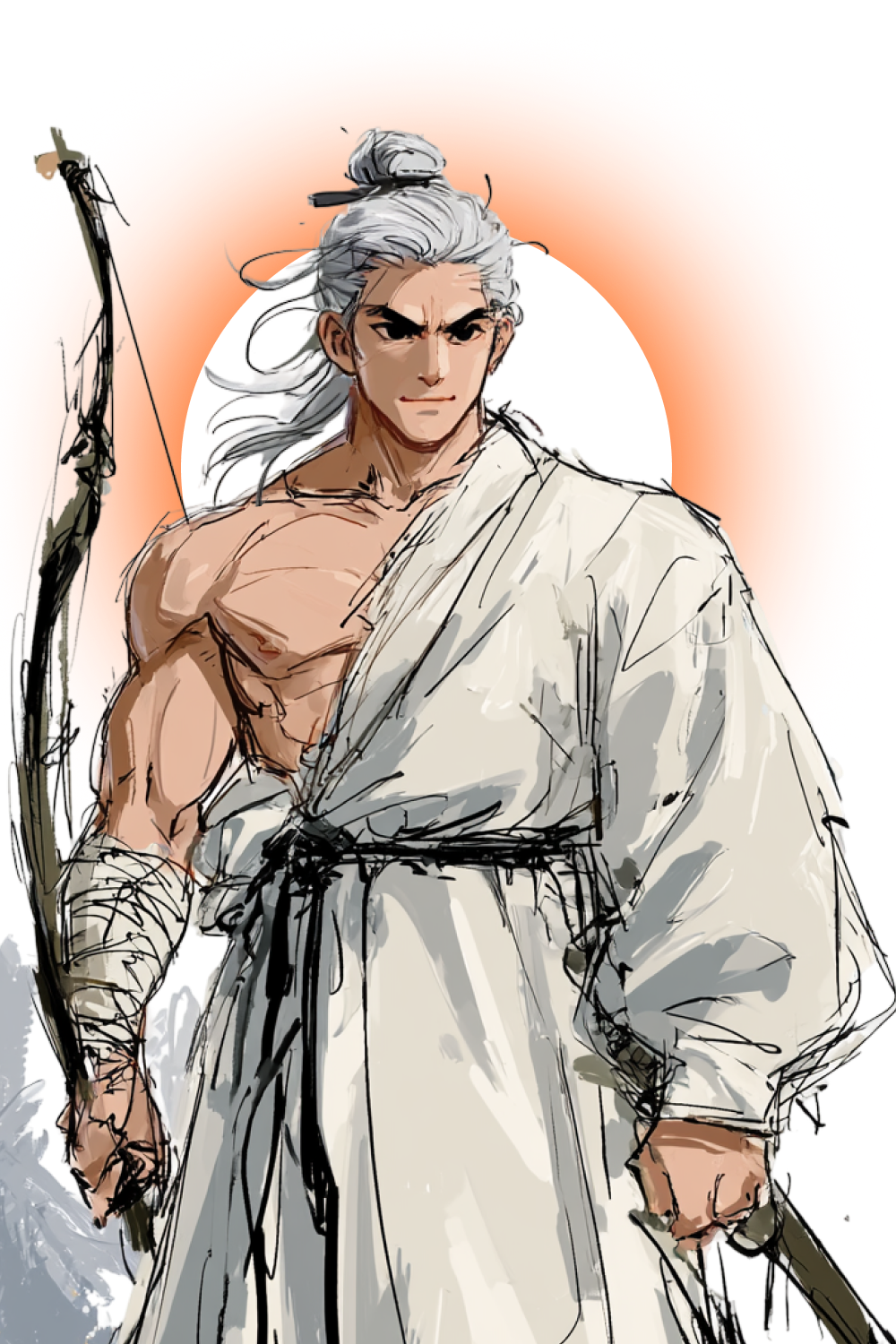
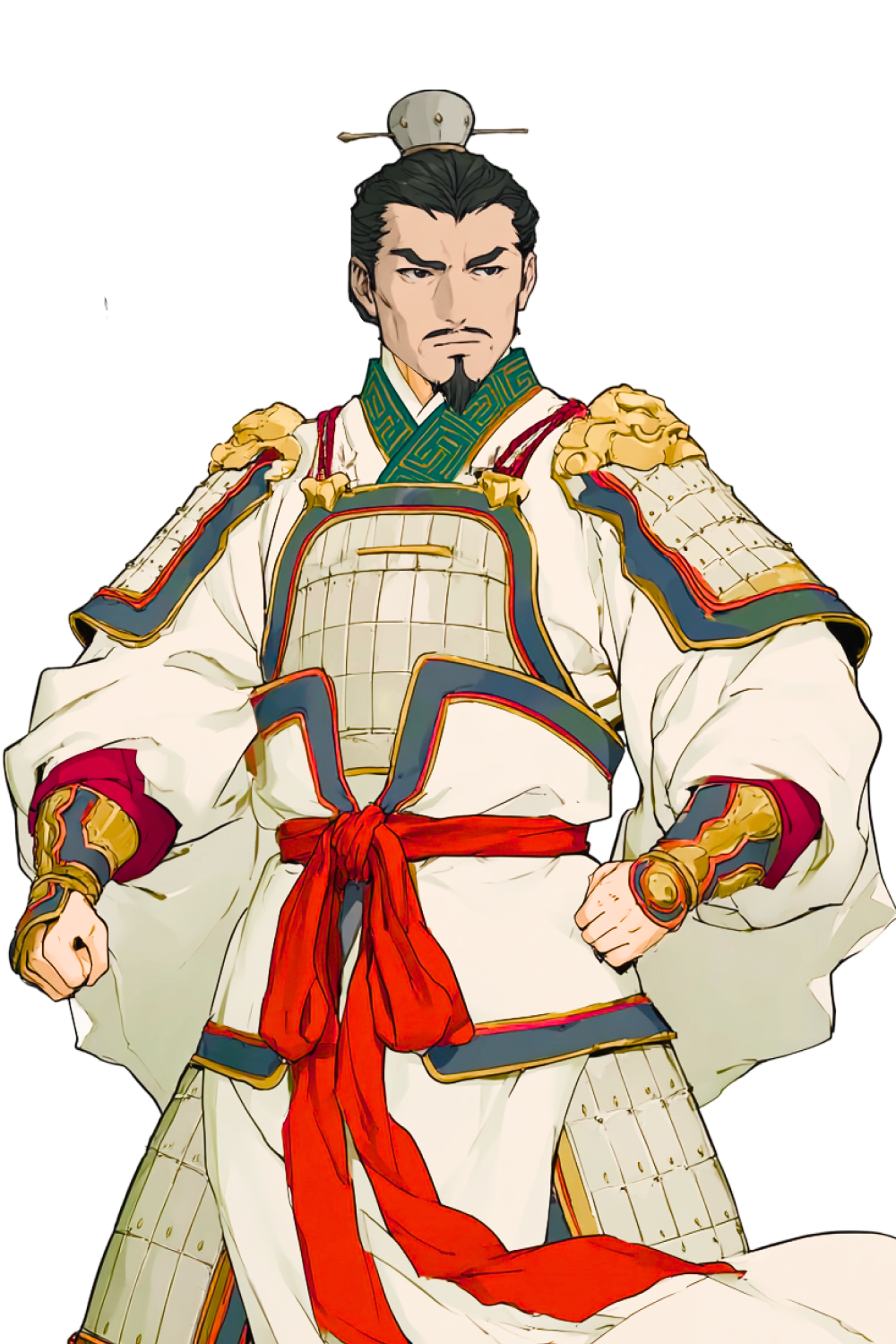
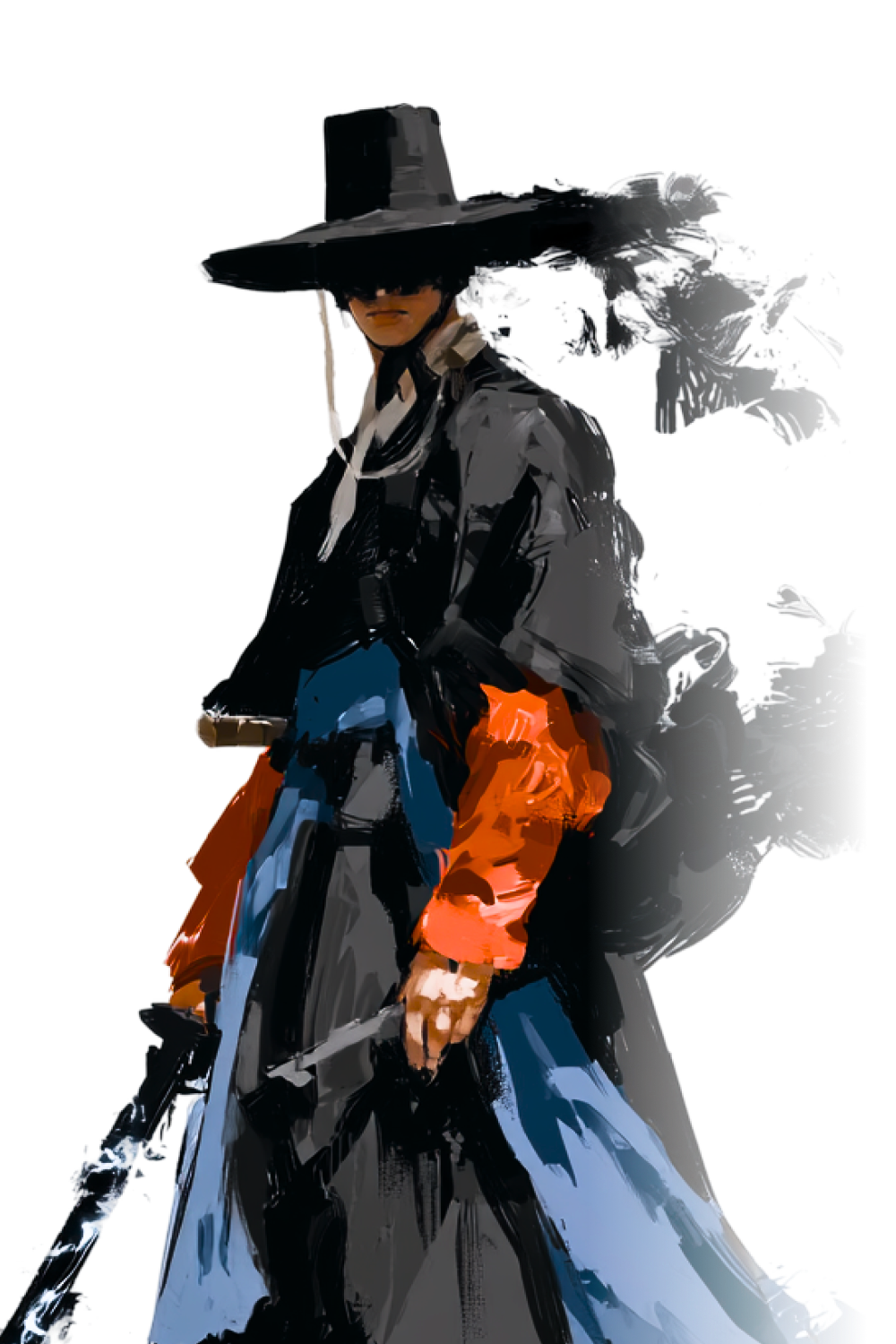
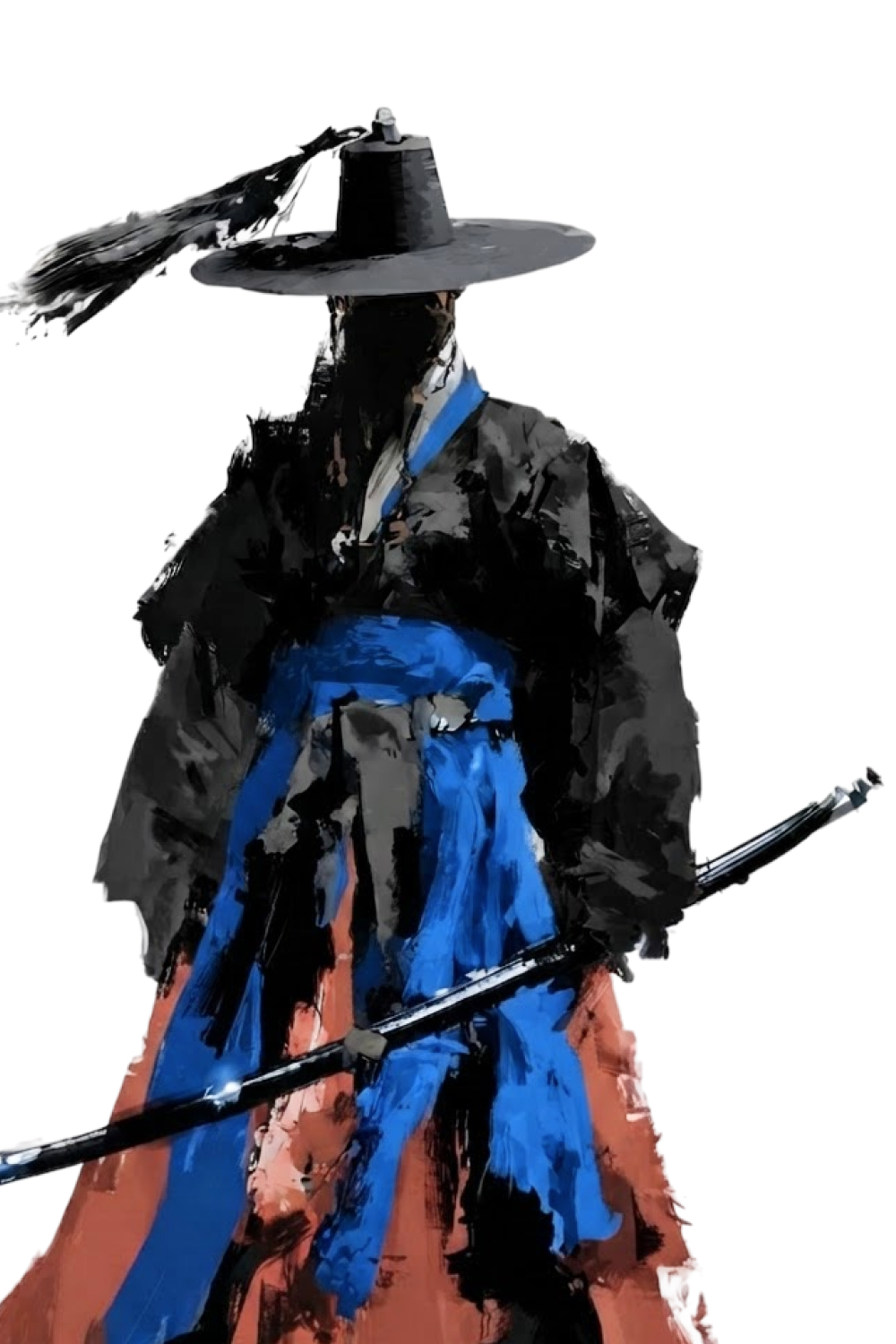
Northern Nomads are a Near Land, the band directly north of Hwa and north of Goguryeo. The heartland is that band, from north of China through north of Korea, and it stops at the Altai. Turks, Khitan, Mohe and the later Jurchen are peoples inside it. There is no separate Turk nation. The civilizational reach is the felt-and-leather life they share. Past the Altai the grass goes on, and a Korean record of it grows soft. Chinese books file them under the old quarter-name 北狄, the northern peoples. The chronicle’s map used to say Northern Plains, 막북, the land north of the desert. That is the region. This is the nation those peoples share. The Turks are inside it. So are the Khitan, the Mohe, the Shiwei, the Rouran before the Turks broke them, and the Tiele. The Jurchen are the later name of the forest tradition. Seventh-century books say Mohe. The Goguryeo annals for 551 already have Turks besieging a fortress. Hyecho meets Turkish kings ruling Gandhara, Kapisa and Zabul. The Kül Tegin inscription of 732, in Turkic, remembers Goguryeo among the eastern peoples at a khagan’s funeral, under the name Bökli. One felt-and-leather world, many khagans. A new qaghanate is a new roof. It is the same grass.
About this nation
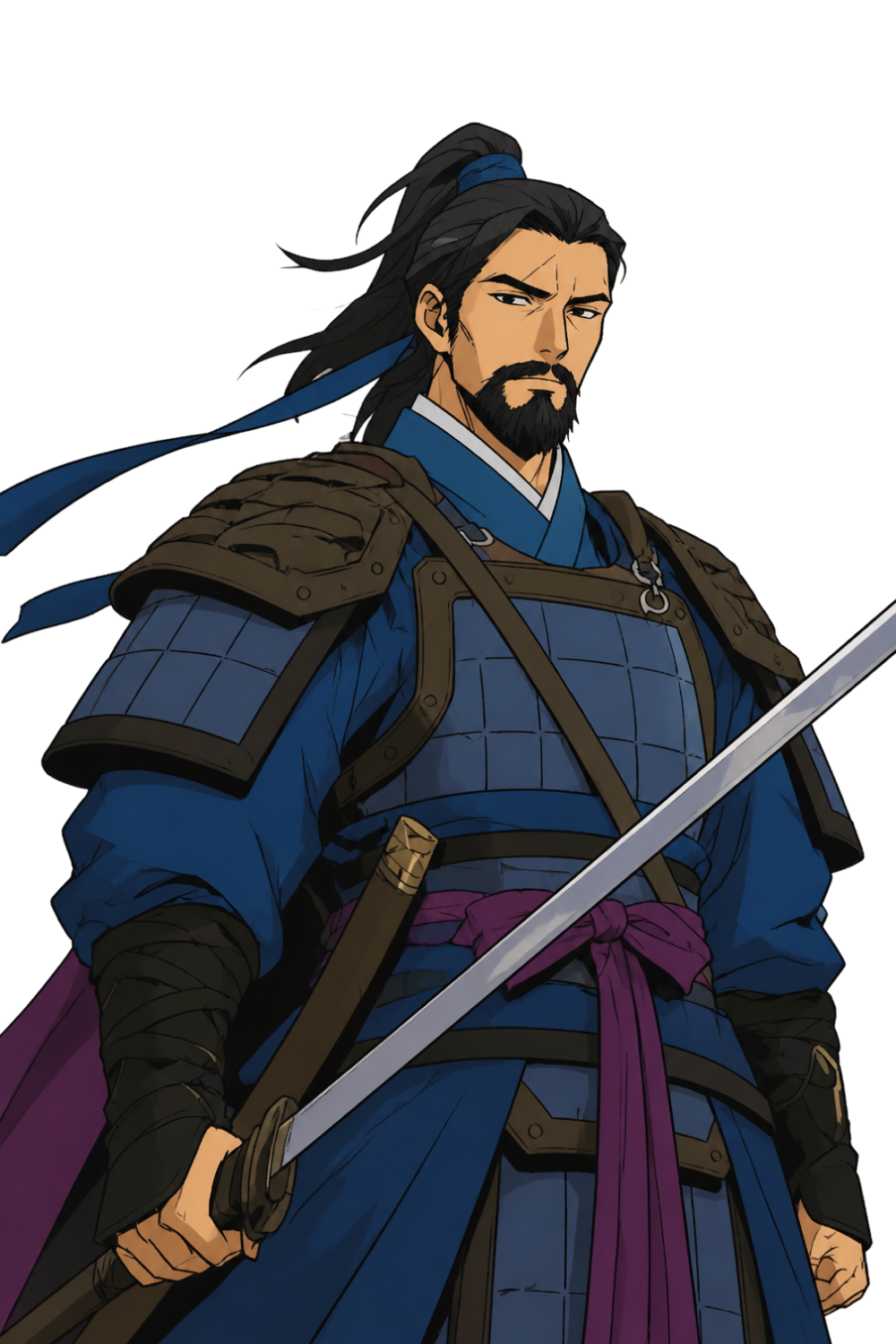
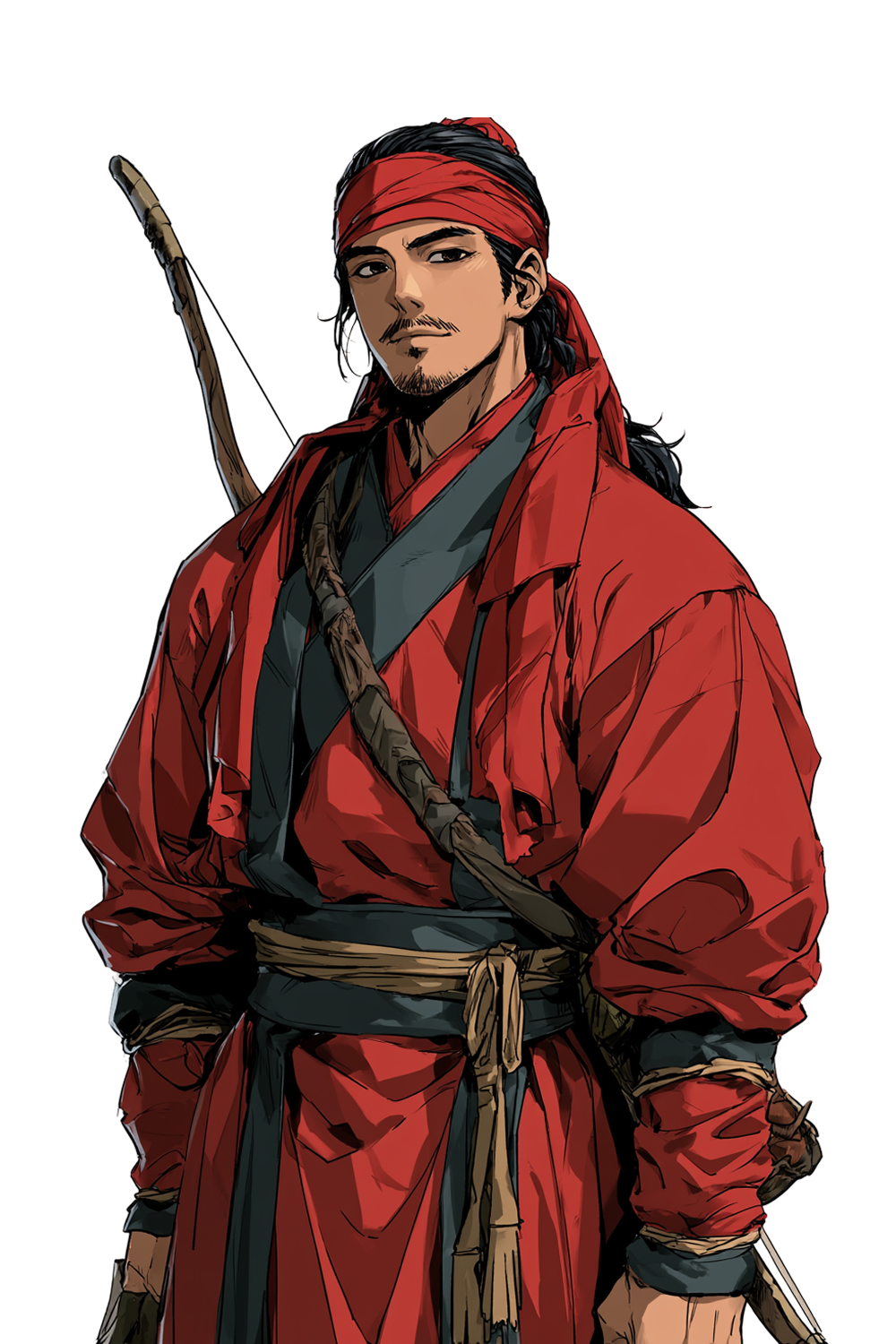
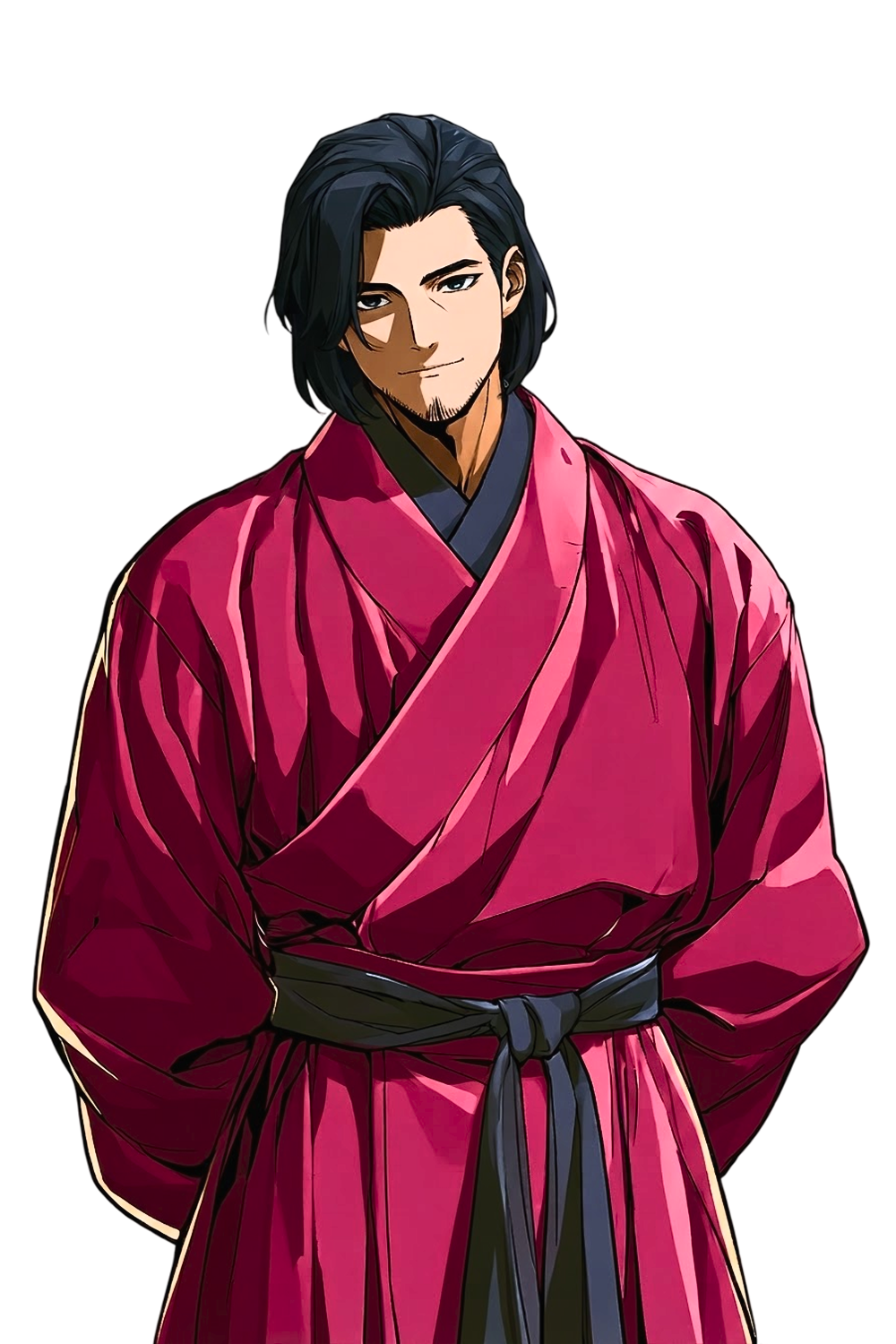
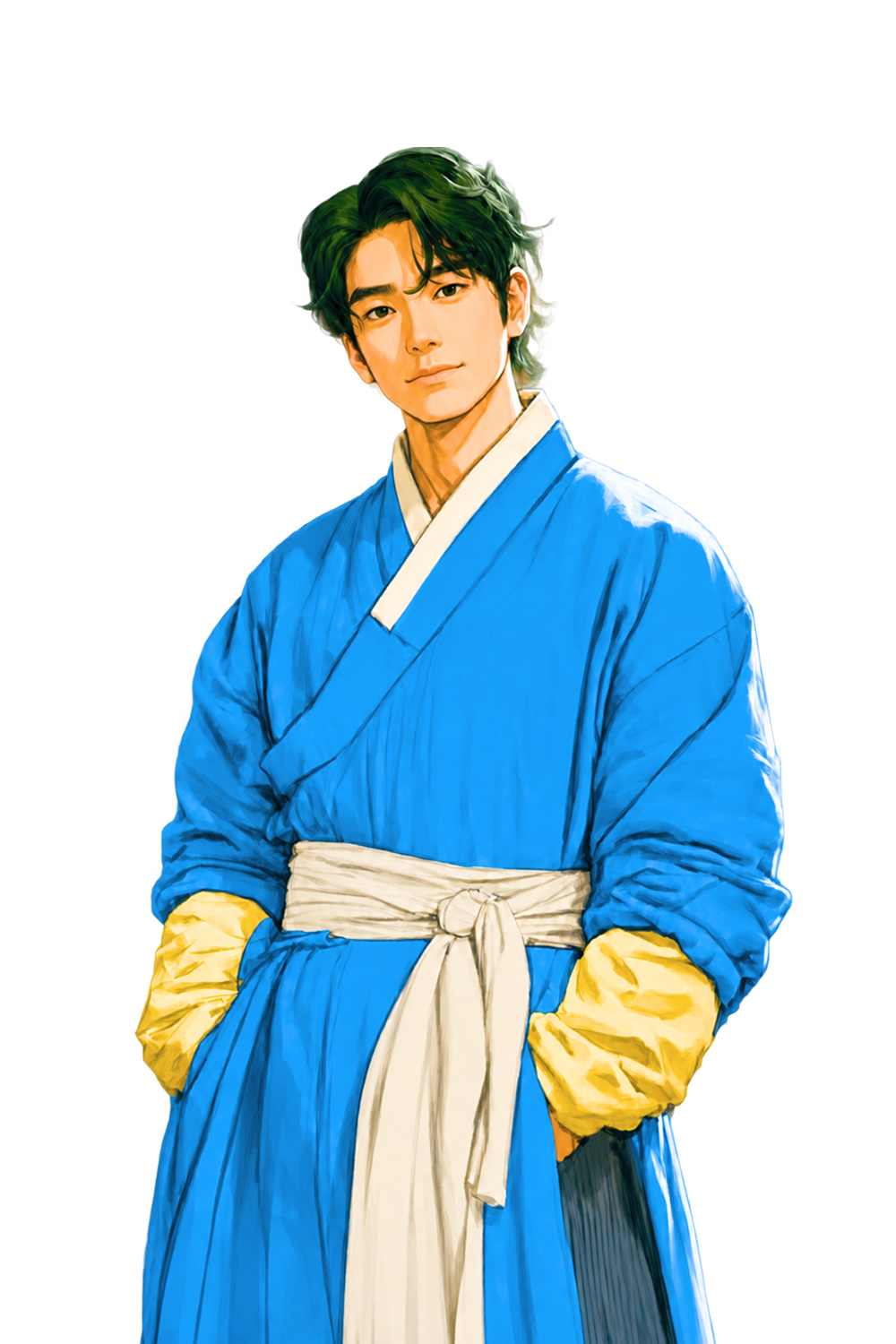
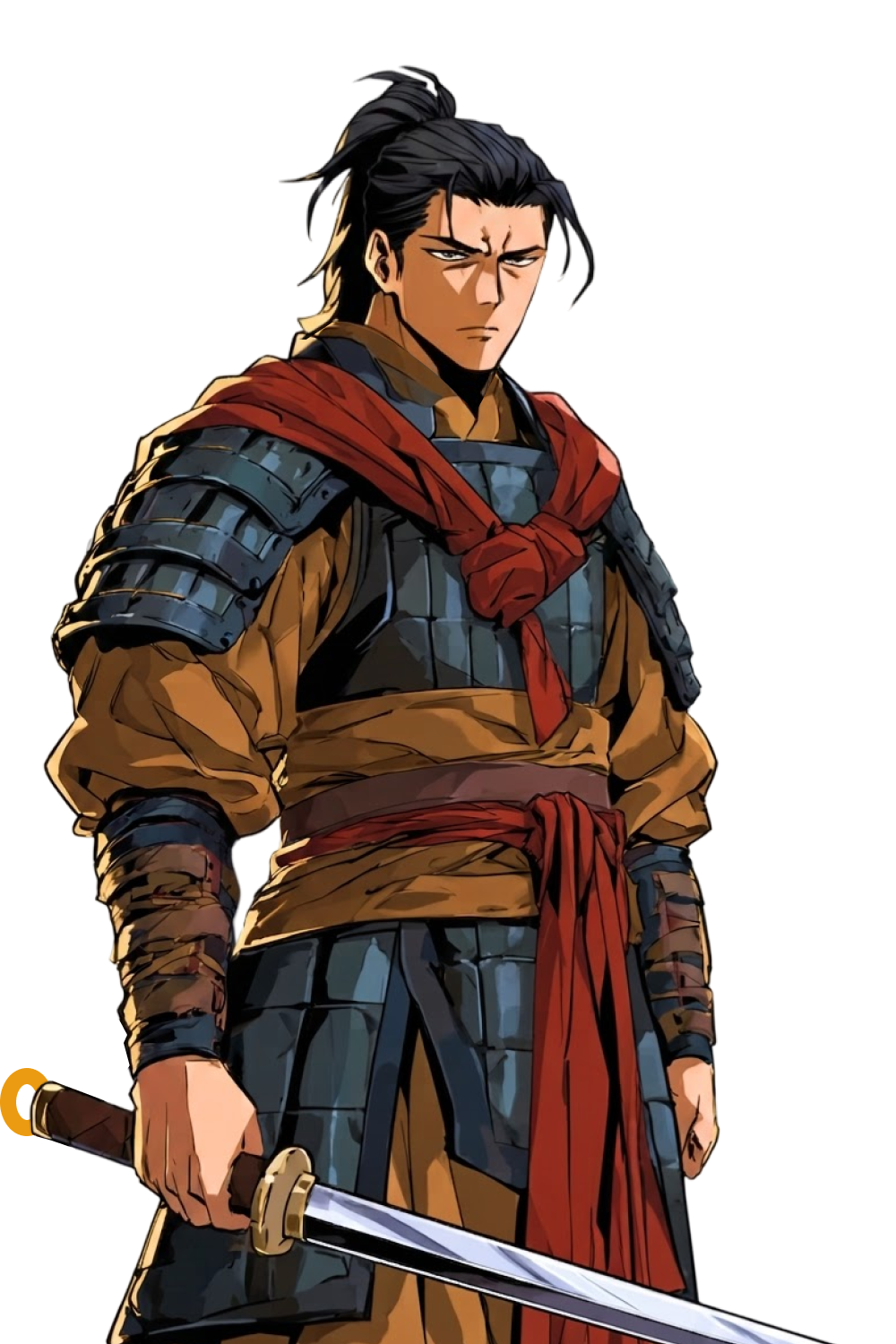
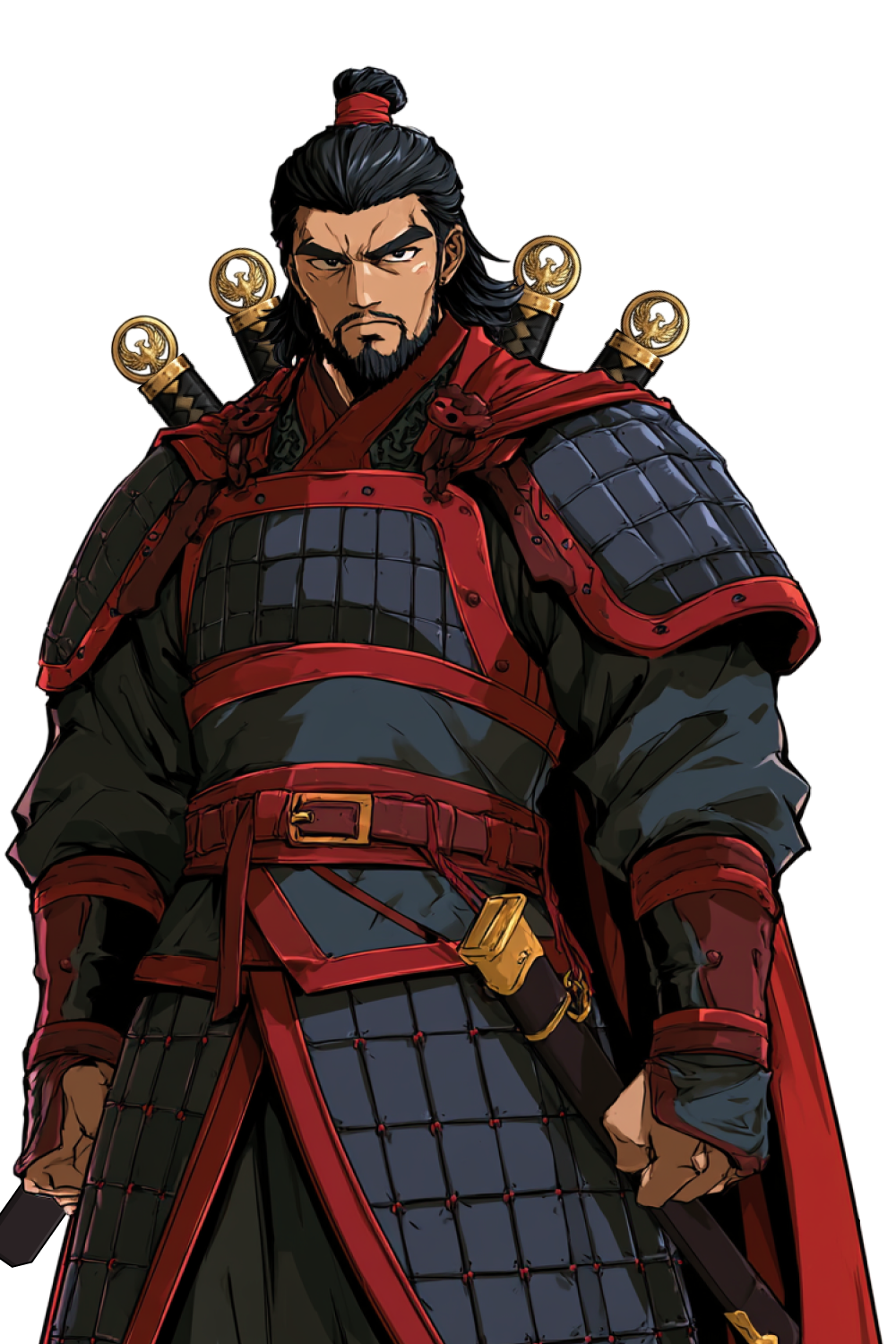
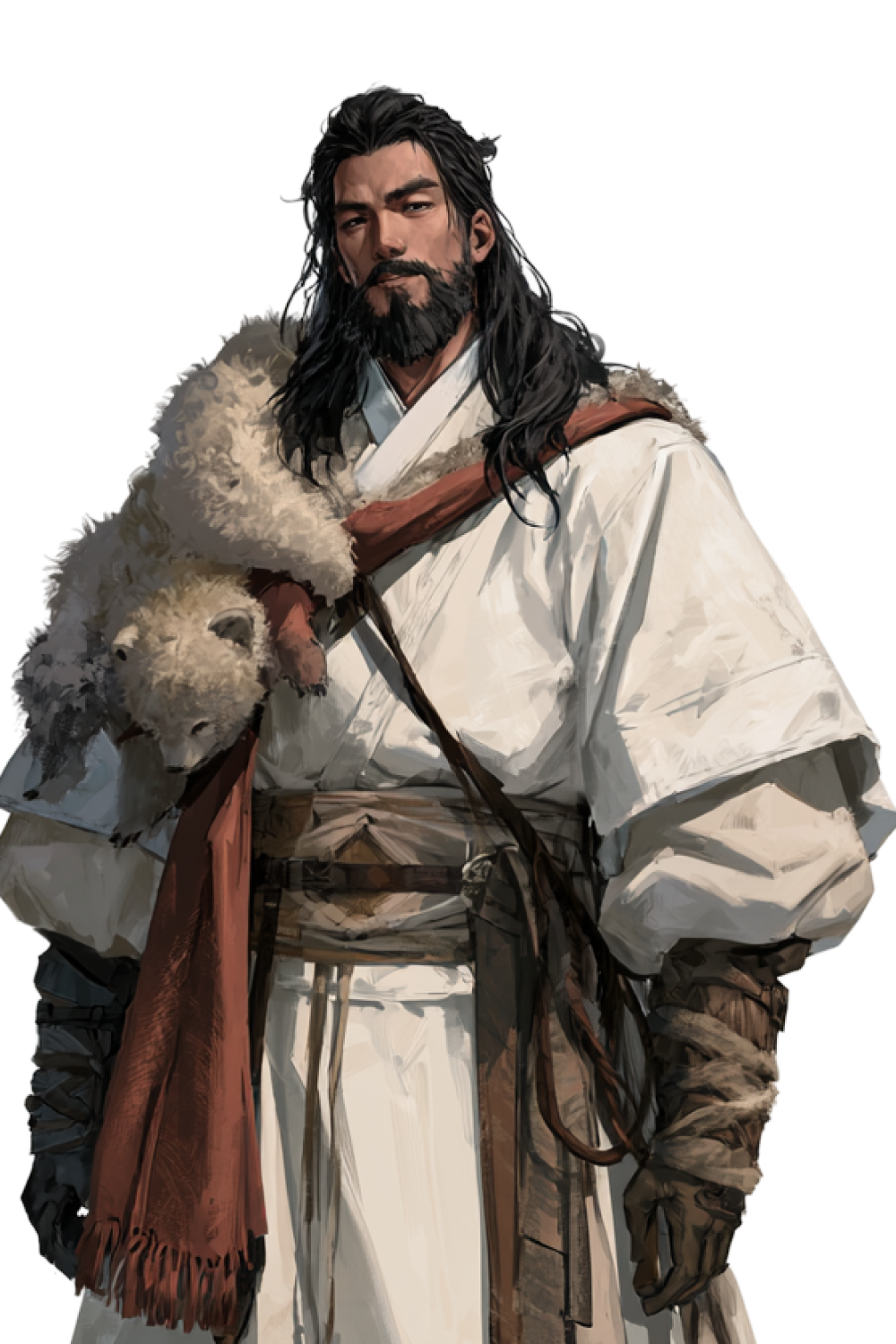
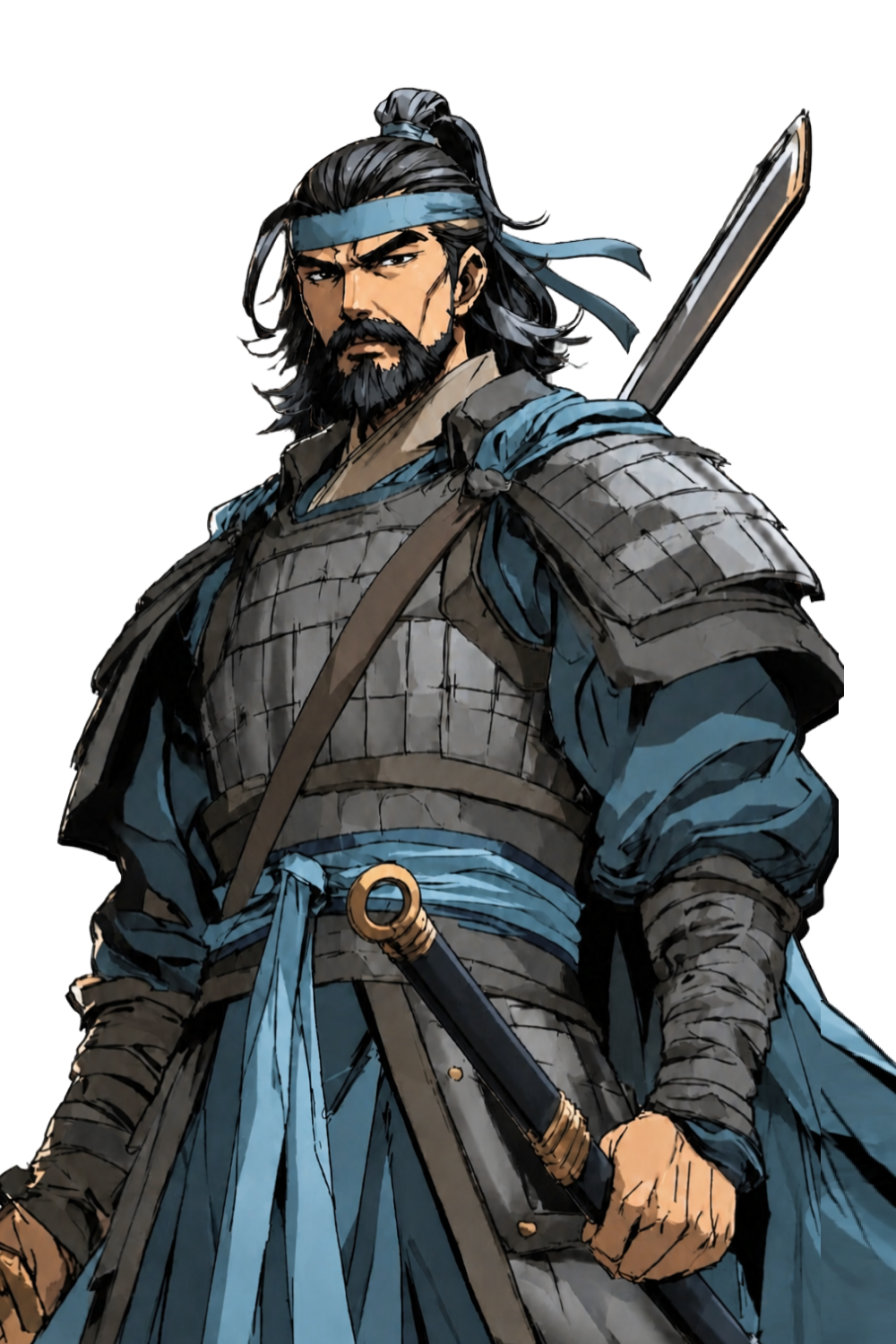
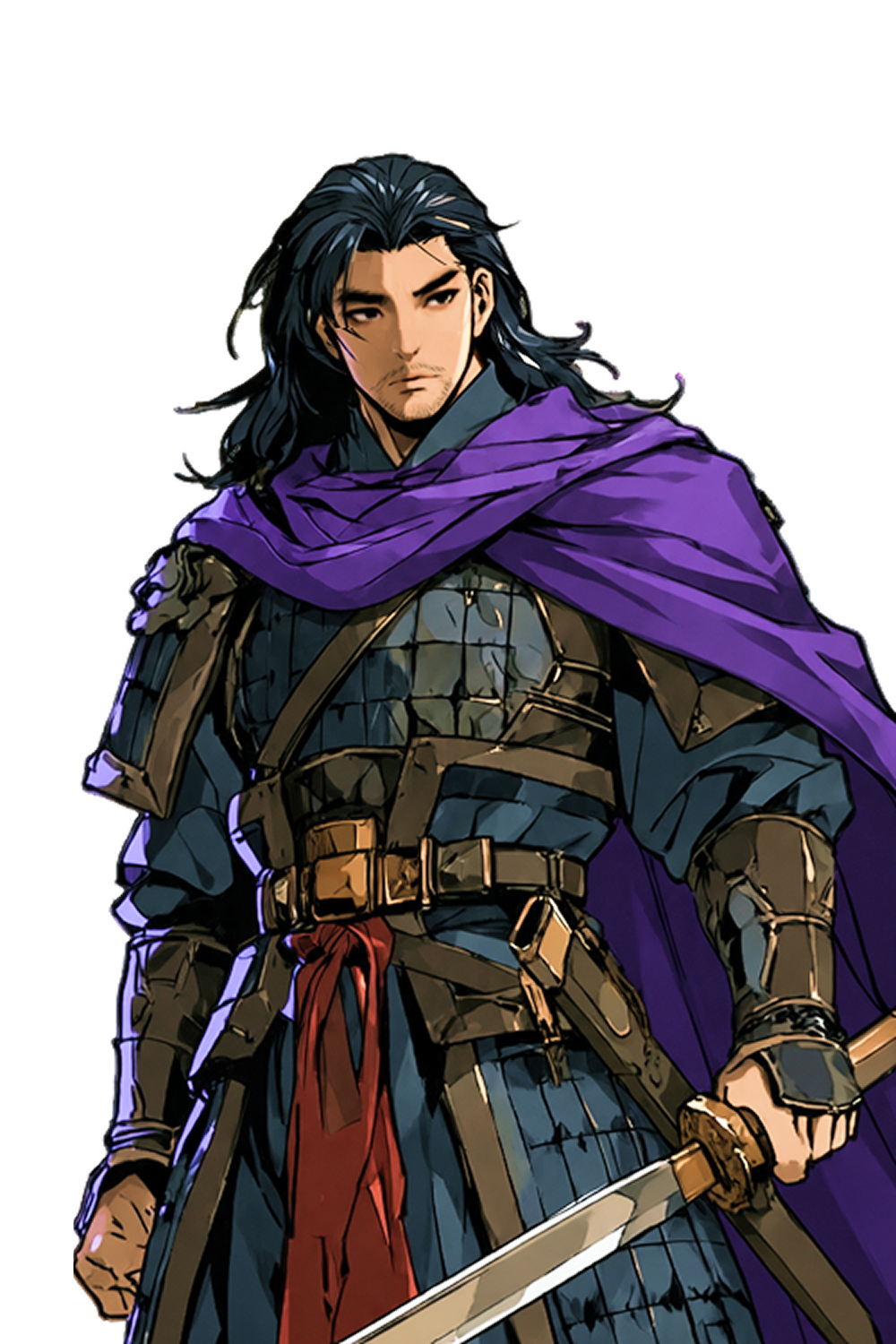
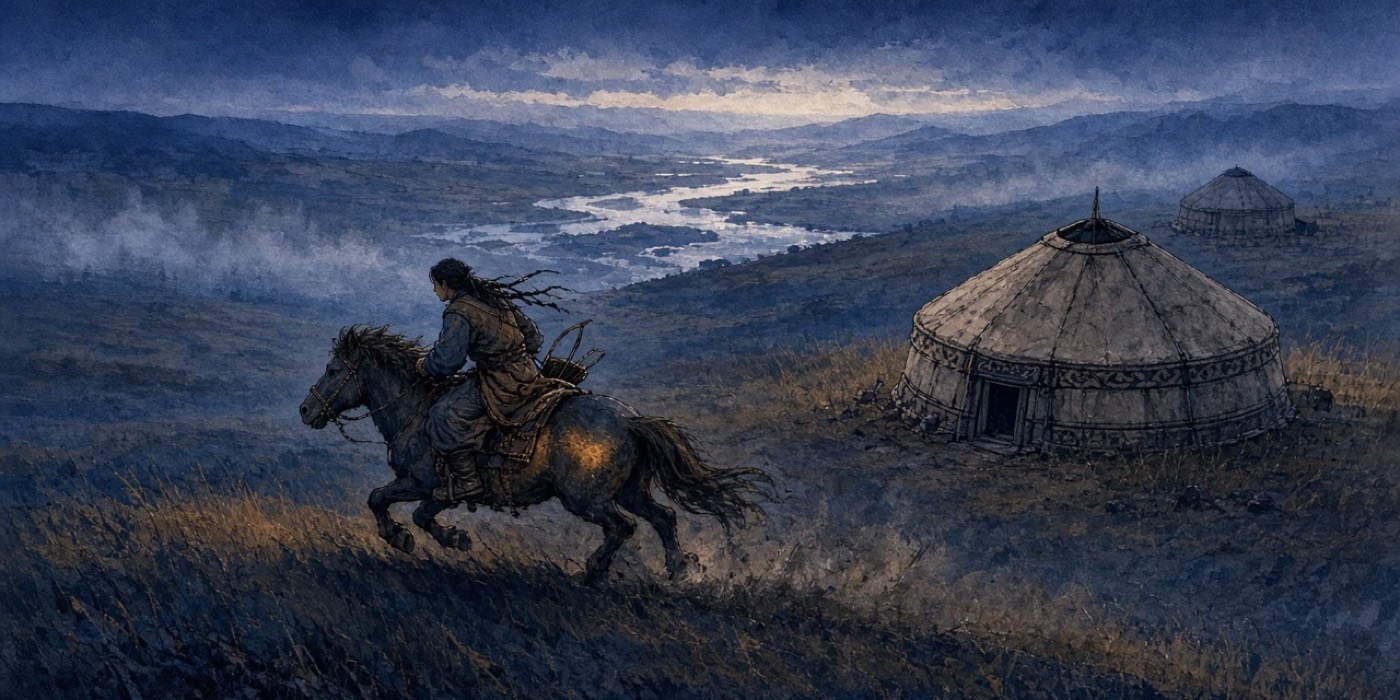
Court writers told the steppe from the sown by hair, closure and house. The Turk accounts in the Zhou and Sui histories give braided hair, tents of felt, and a people who move with water and grass. The left-closing robe is the old shelf’s mark for a life that is not the Middle Court. The Khitan, west of Goguryeo on the Shira Muren, appear on the Gwanggaeto Stele’s campaigns and later as Tang auxiliaries sent across the Liao marshes. The Rouran are the felt empire before 552. The Mohe are the other half of this nation, and the Book of Sui is careful about them. It lists seven tribes, Sokmal through Heuksu and Baeksan, and it describes hunters: poison on the arrows, houses of timber roofed with earth, pigs where the steppe counts horses. Shiwei, north of the Khitan, bought iron from Goguryeo. A Samhan soldier meeting Turks at a fortress and a Samhan soldier meeting Mohe in the northeast forest is meeting two peoples of one civilization. He is meeting riders and hunters. He is in the same north. There is no separate Turk nation in this wiki. The Turks are the most famous roof on this grass, and for a while the largest.
Key events
- 414Gwanggaeto Stele: a campaign against a Khitan tribe. The north is already on Goguryeo’s stone.
- 551Samguk Sagi, Yangwon 7: Turks come against a fortress. The date is disputed. The name is in the annals.
- 636Book of Sui: seven Mohe tribes, hunters of the forest rivers. A different life from the felt tents.
- 727Hyecho: Turkish kings rule Gandhara, Kapisa and Zabul.
- 732Kül Tegin inscription: Goguryeo, as Bökli, among the eastern peoples at a Turk funeral.
Also known as
- Bukjuk
- 북적
- 北狄
- Northern Nomads
- the Northern Nomads
- Northern Plains
- the Northern Plains
- Makbuk
- 막북
- the Turks
- Turks
- Khitan
- Mohe
- Malgal
- Jurchen