

Yamato
倭國 왜국
Near Lands. The main islands are the heartland. Waeguk until 670, then Ilbon.옆나라. 큰 섬들이 본토다. 670년까지 왜국, 그 뒤는 일본.
Names
The islands east of Samhan. Yamato · 왜국 until 670, when they took the name Ilbon.
- Title
- The Eastern Islands
- Modern
- Japan · 일본
- Ruler
- Okimi · 大王 · 오키미 Great King
- Lands
- Near Lands· 옆나라
- Accent
#ec4899
Famous people
Polities
Sobriquets
- Waeguk
- Wa
- Japan
- Ilbon
- Nihon
- Where the Sun Comes Up
Nature
Japan is a Near Land, one strait from Samhan. The heartland is the main islands and the Yamato court in the Nara basin. The civilizational reach is the sea lane that learned from Baekje and then from Hwa, and the islands that court claimed, out to the Hairy People and, in Chinese myth geography, Fusang. A Korean knew this world by ships, so the edge is clear and still a little soft at the eastern islands. Koreans wrote it 倭, Wa, through the seventh century. The Gwanggaeto Stele already fights Wa. In 670 the Samguk Sagi, copying the Tang history, says Wa changed its name to Ilbon, because they are near where the sun comes out. The Book of Sui had already kept their own letter of 607, the Son of Heaven where the sun rises writing to the Son of Heaven where the sun sets. Yamato is the Nara-basin reading. No Korean source of the age spells that reading. The Nihon Shoki of 720 is the islands’ own book, useful and secondary. Fusang, in Chinese myth geography, is the sunrise land further out. The Hairy People in the fifth-century Wa king’s letter are the eastern edge of the same island world.
About this nation
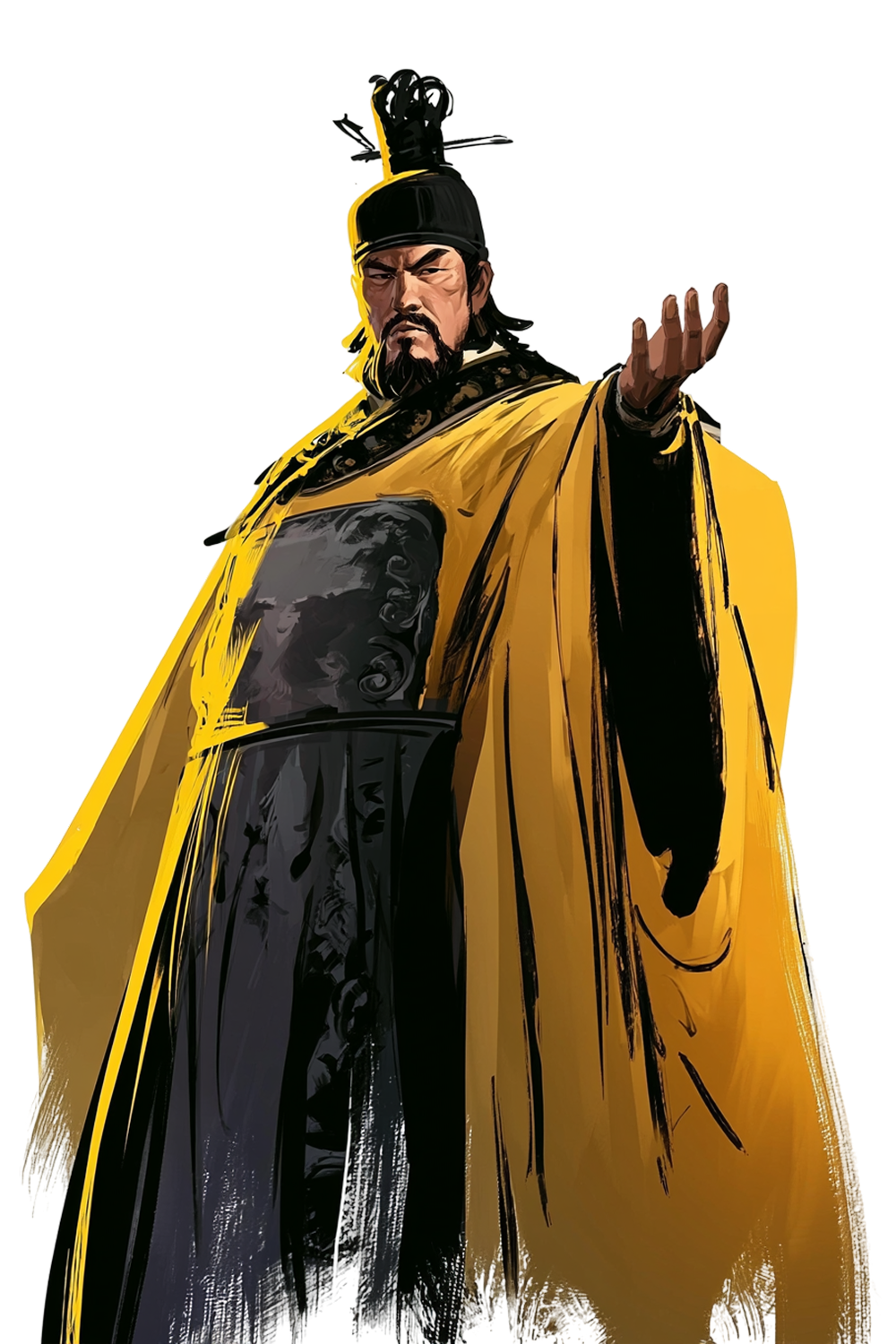
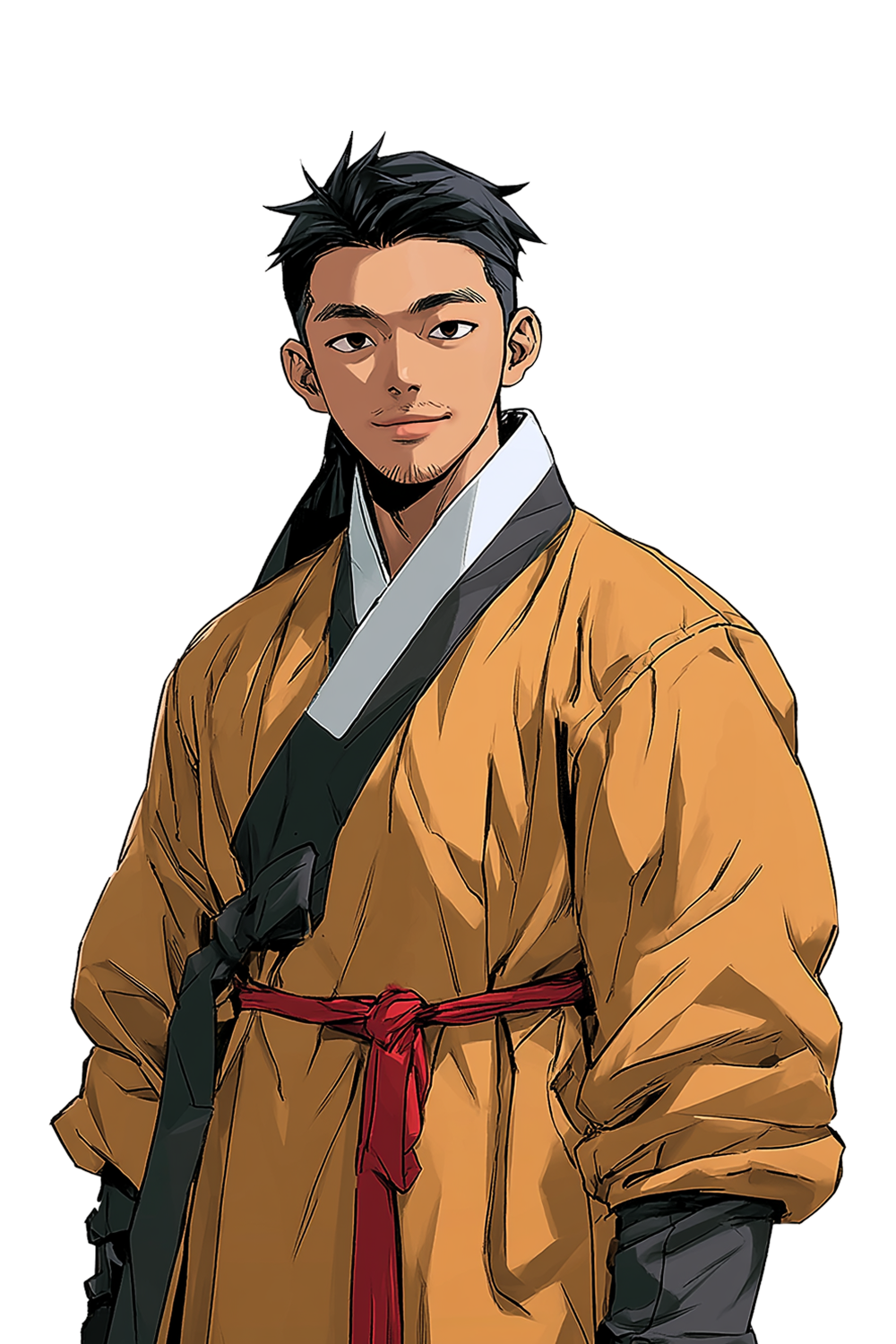
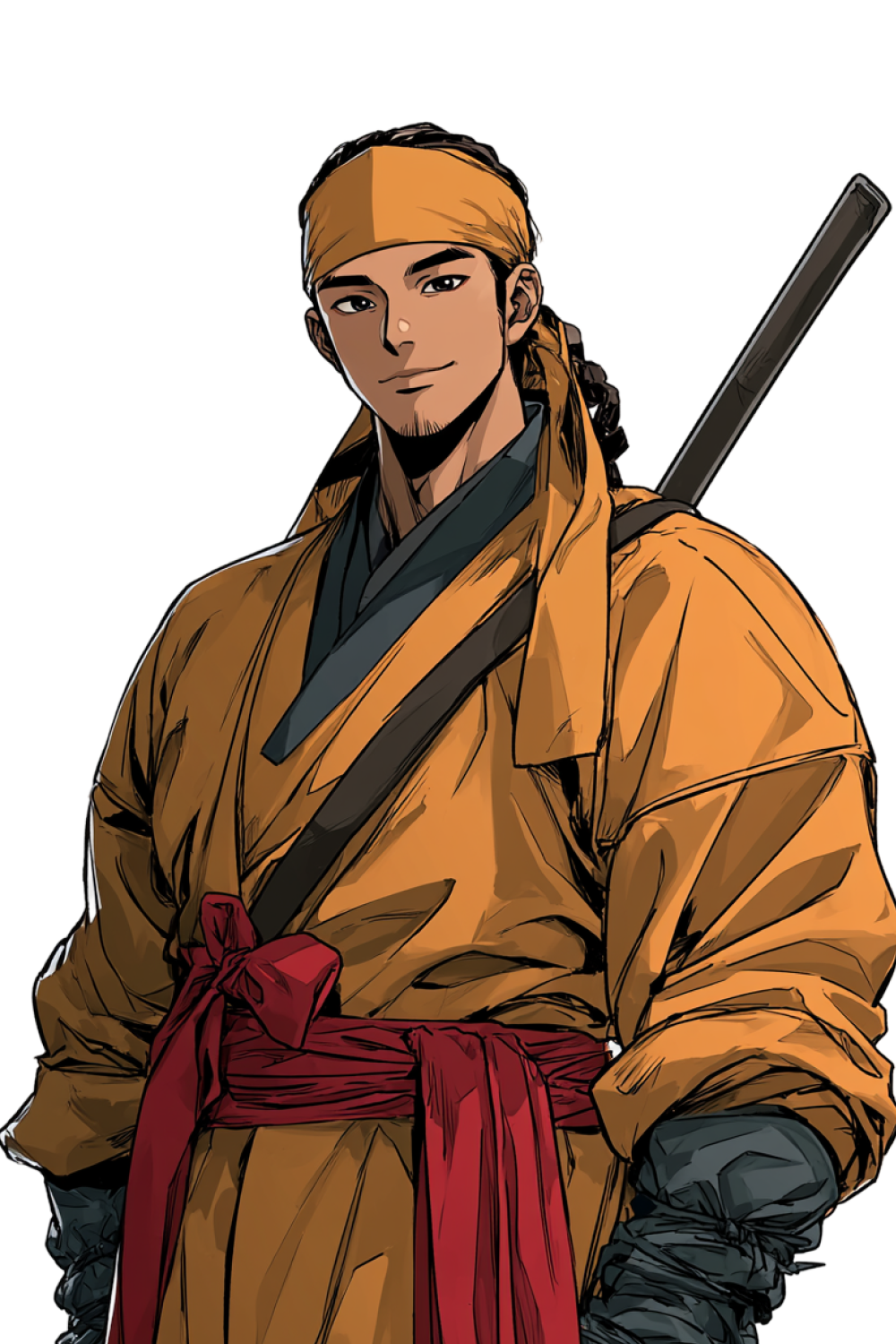
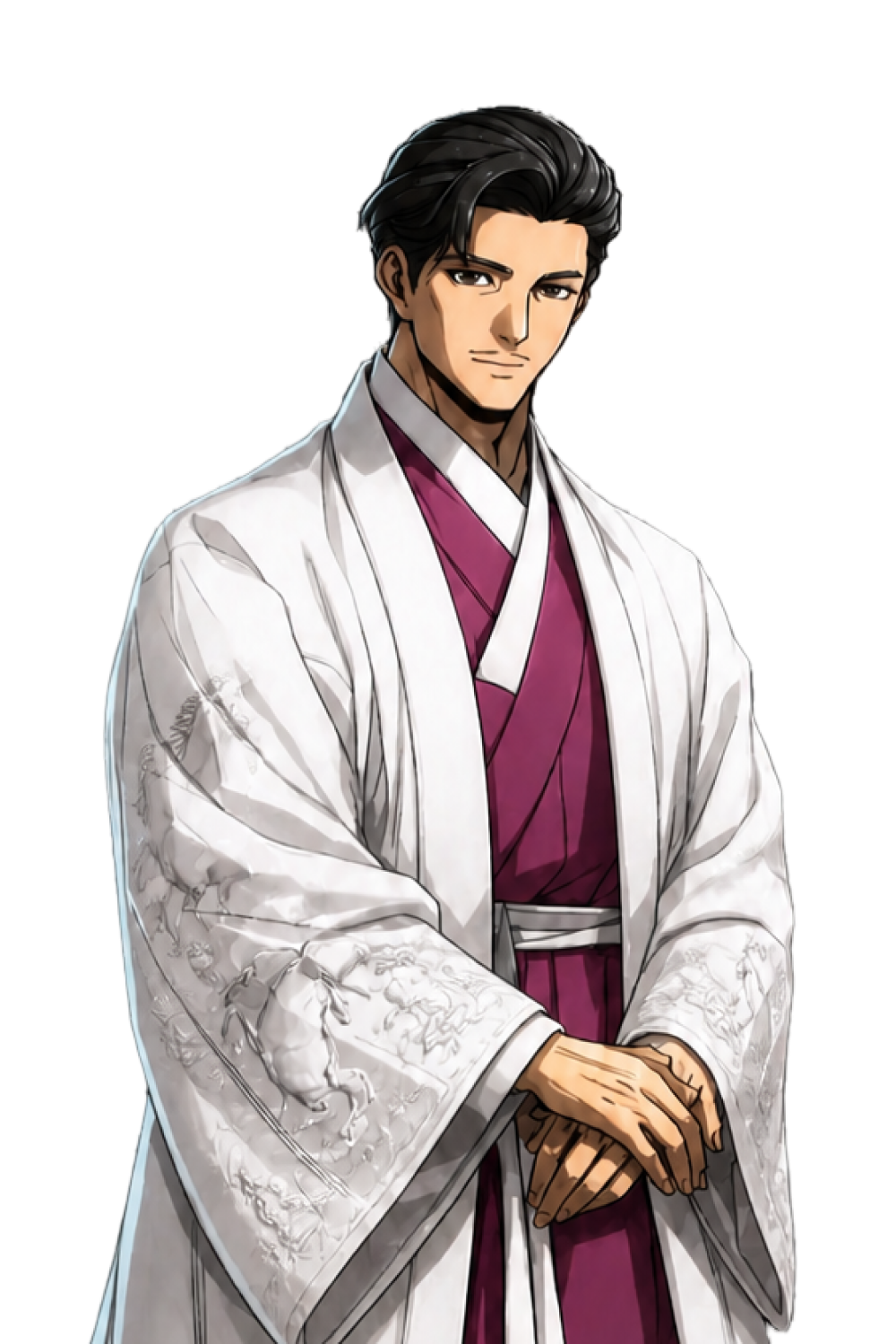
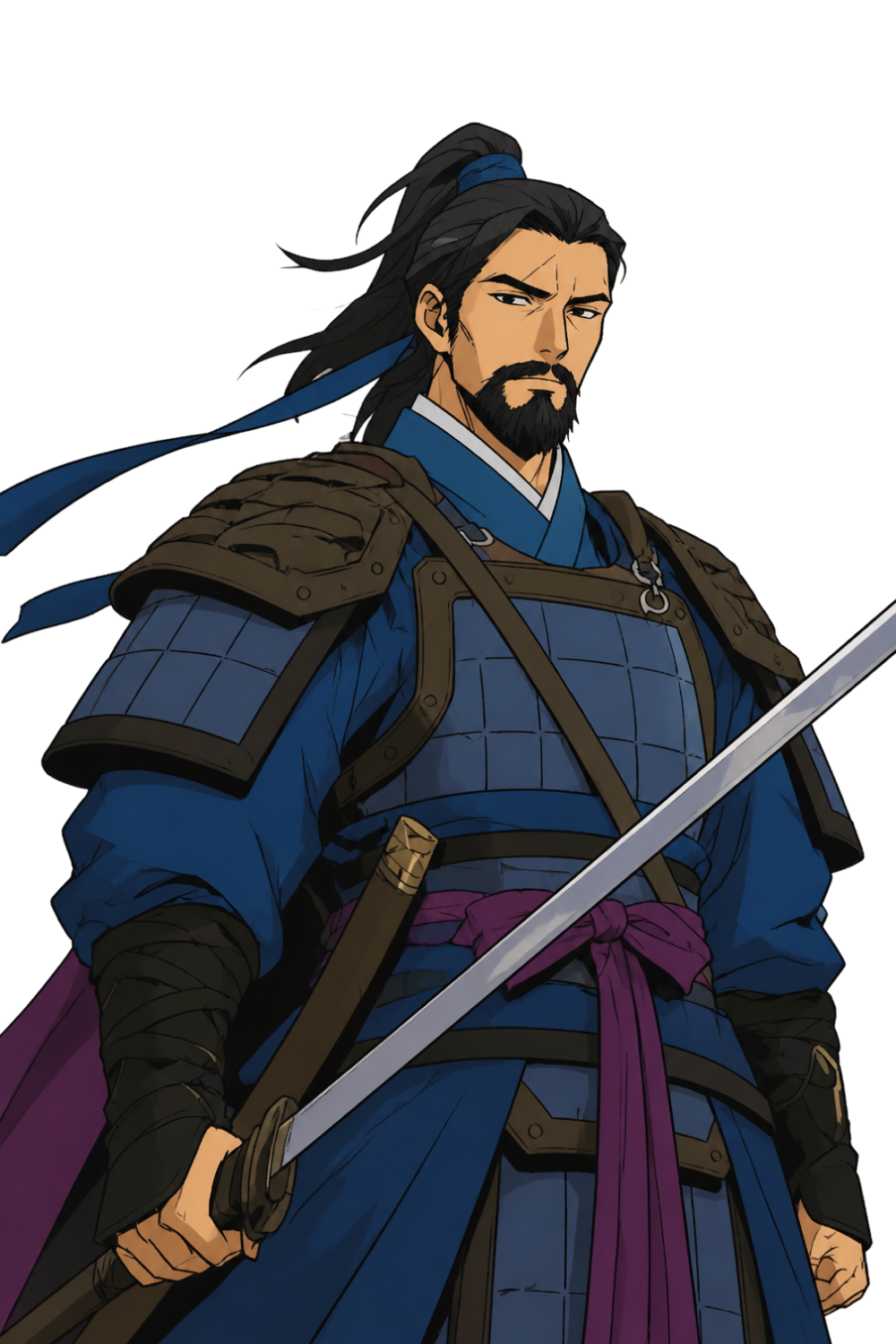
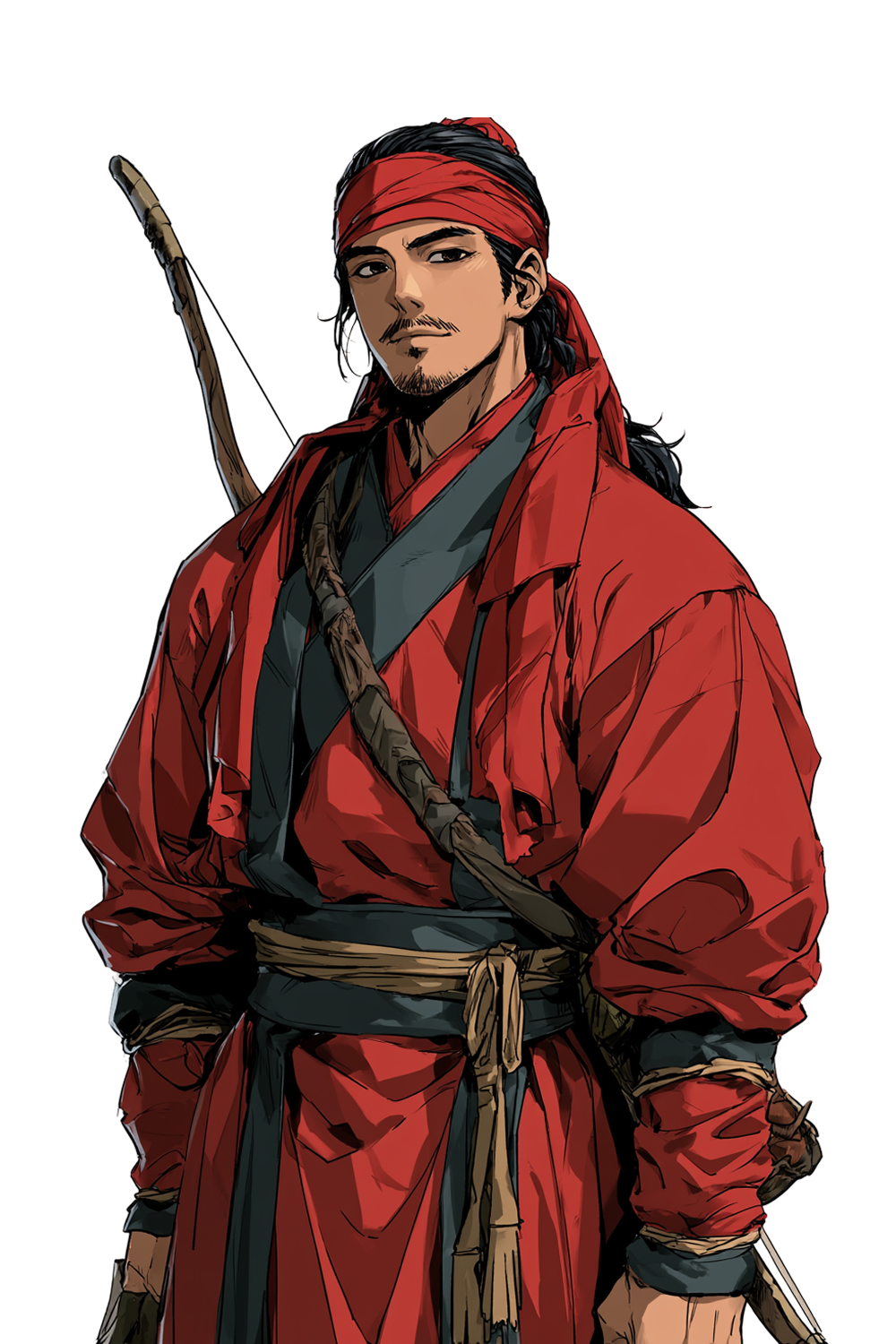
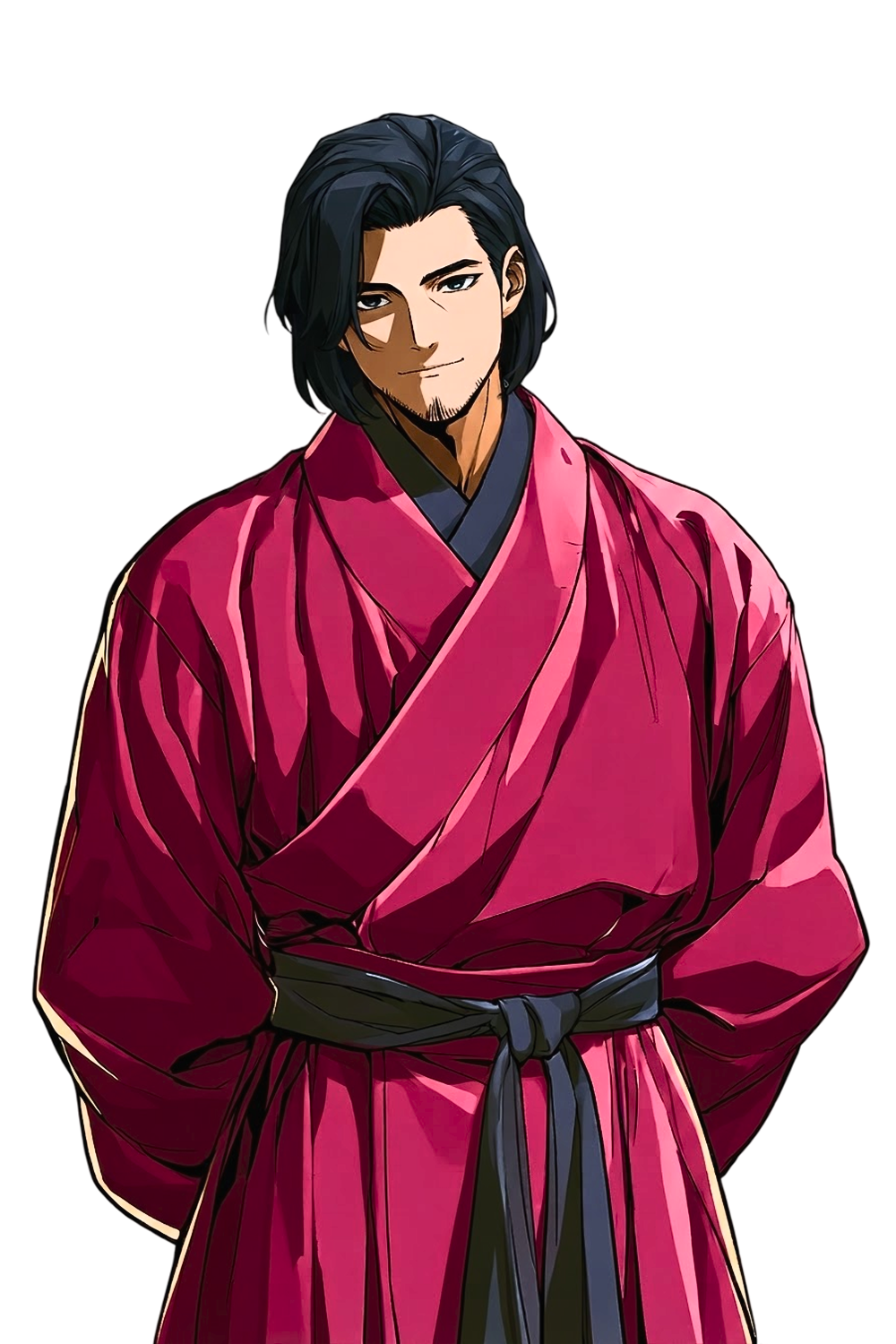
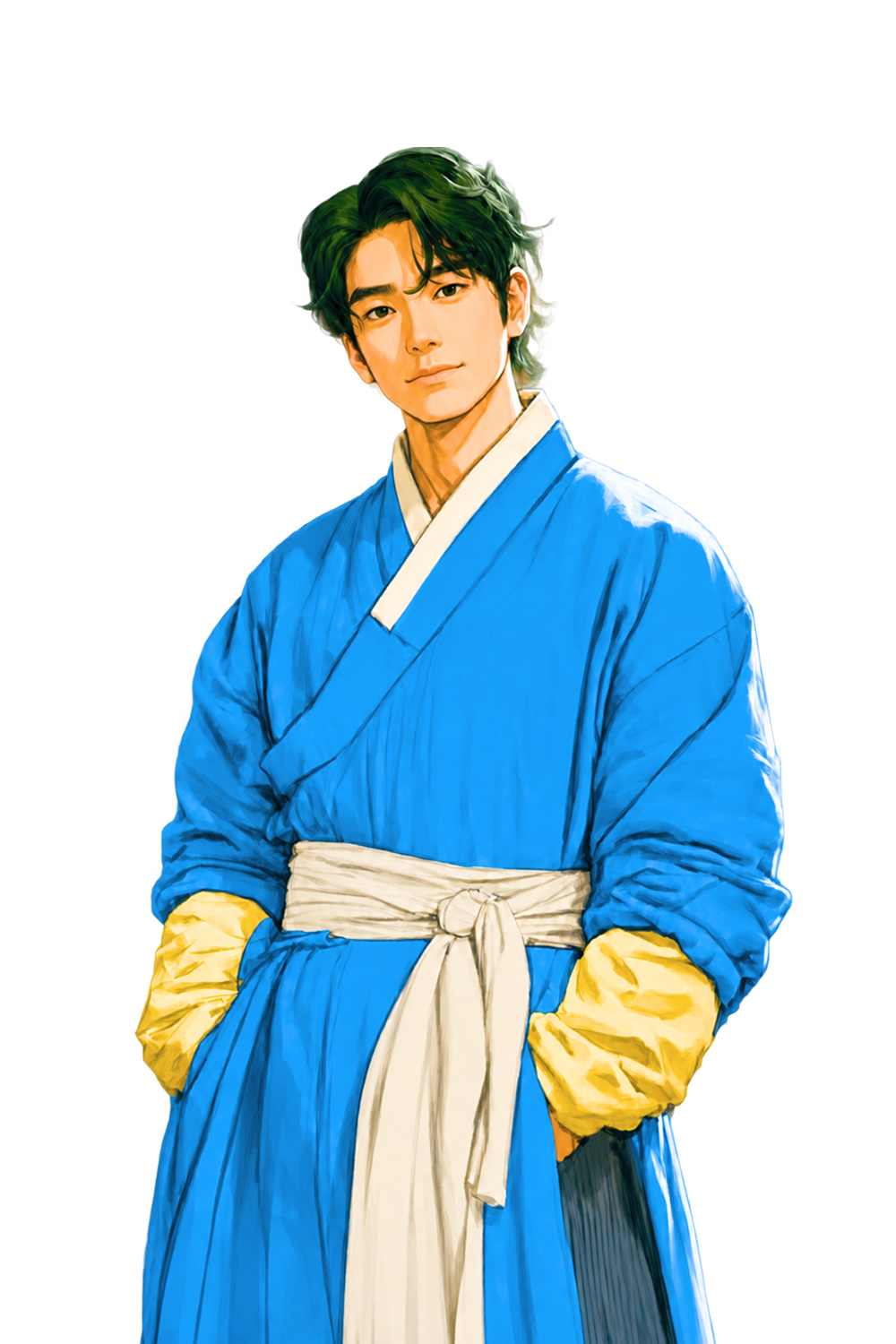
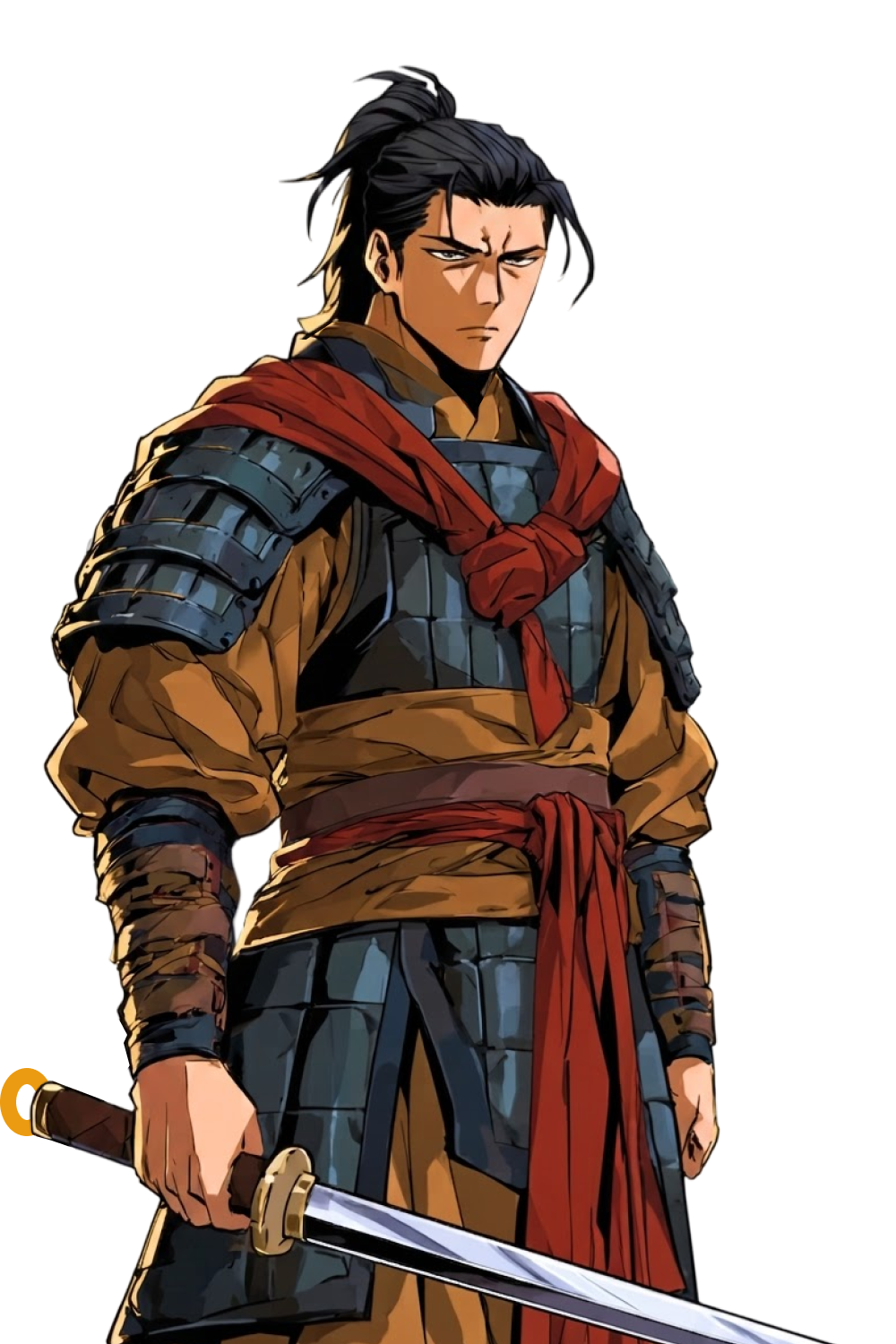
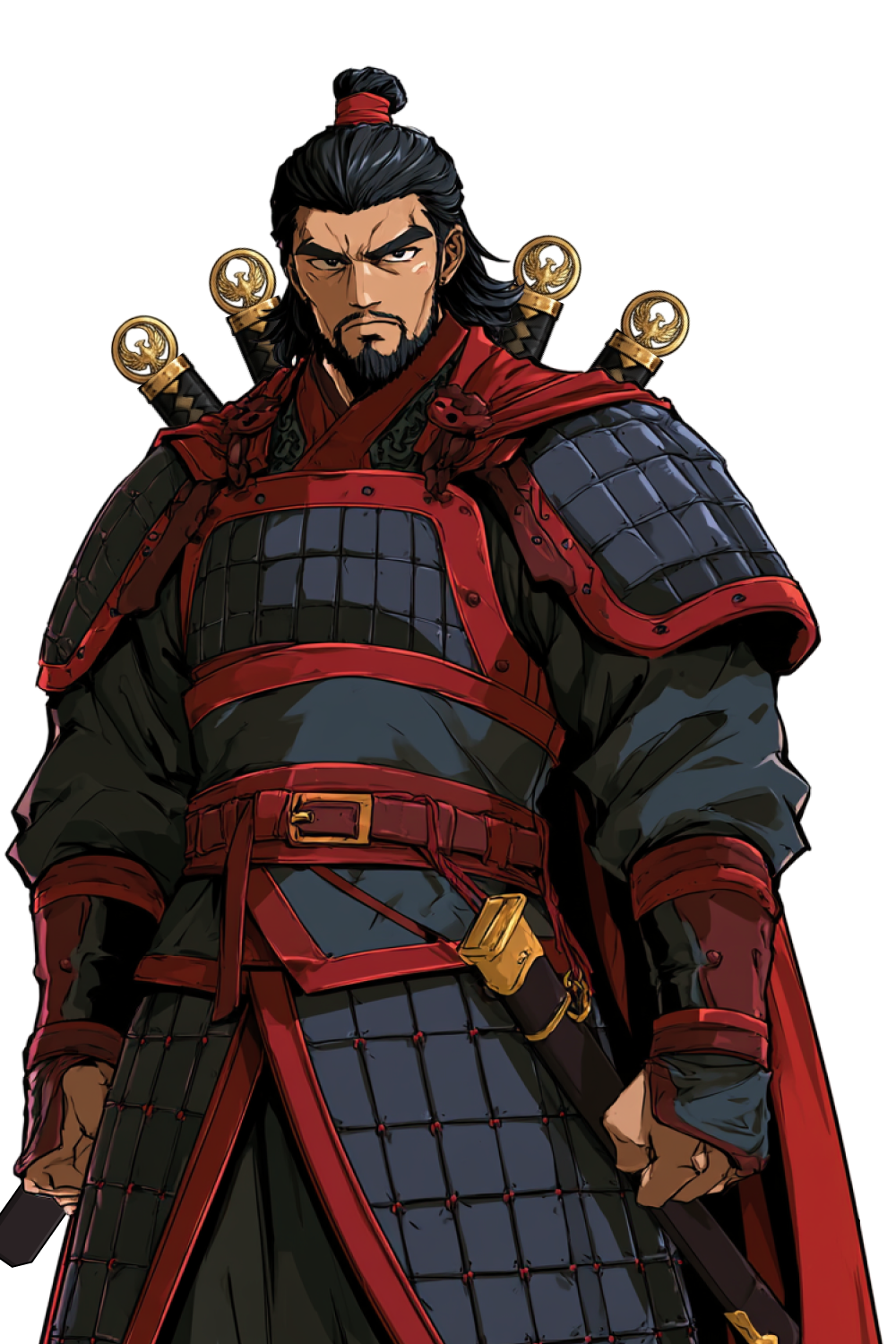
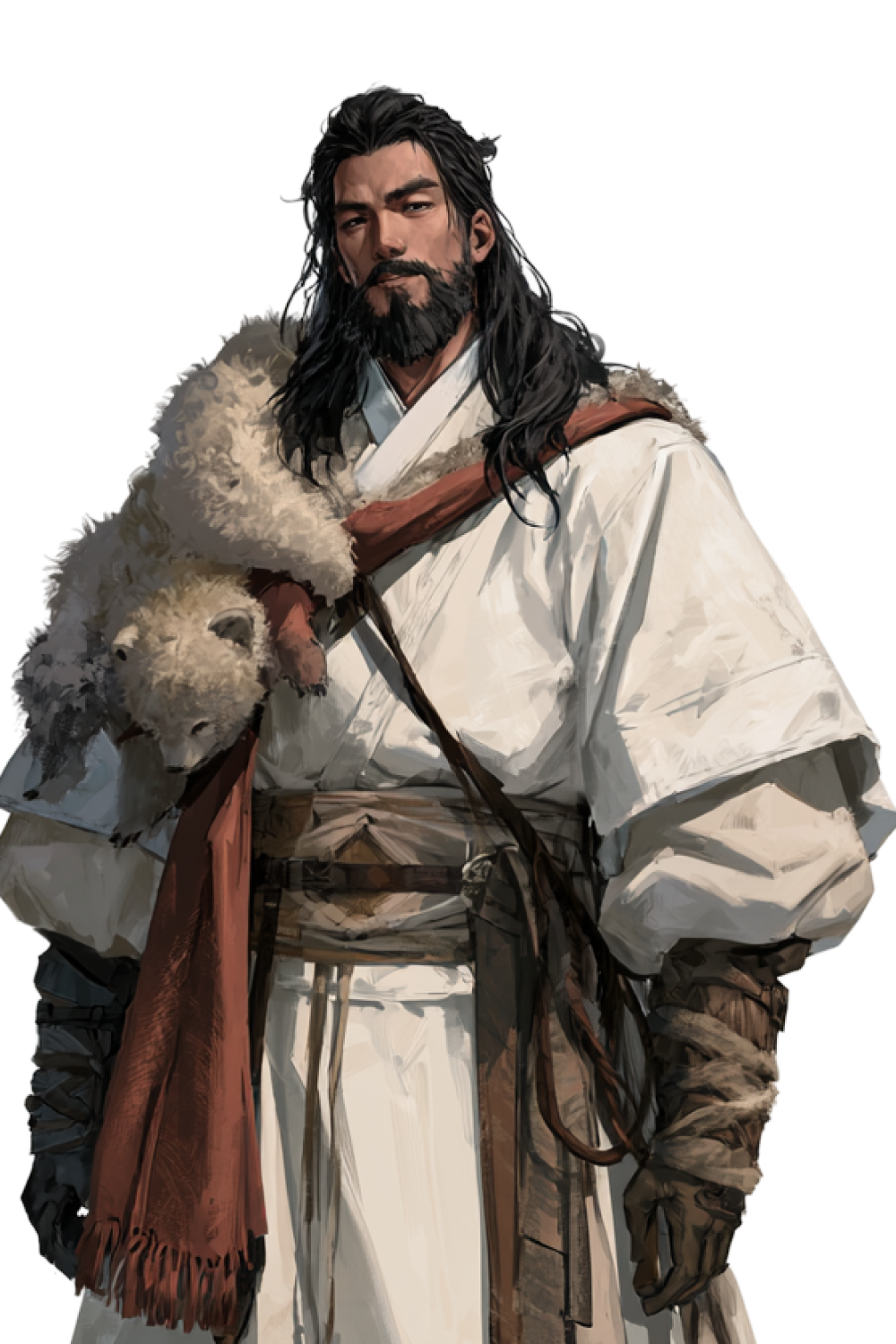
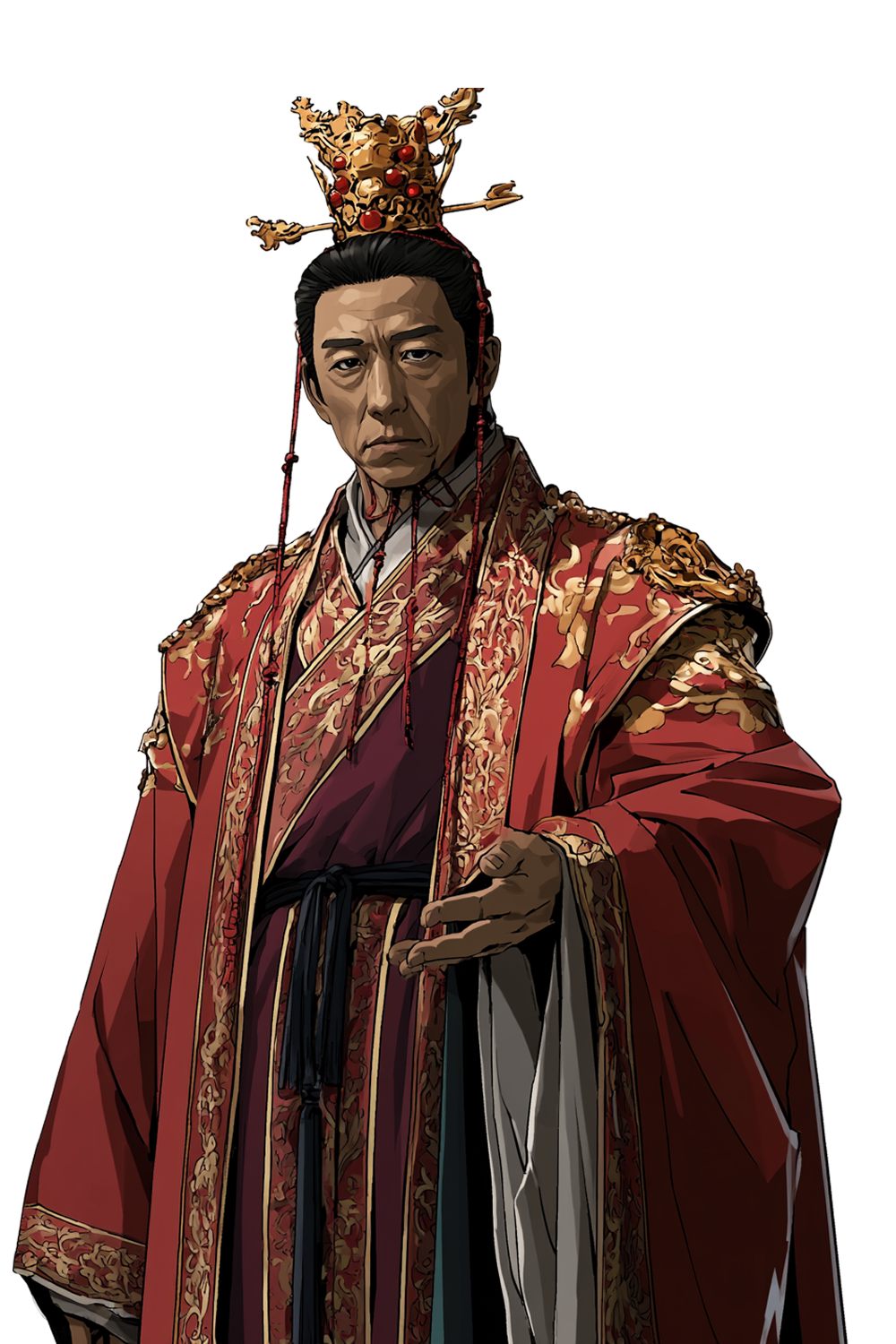
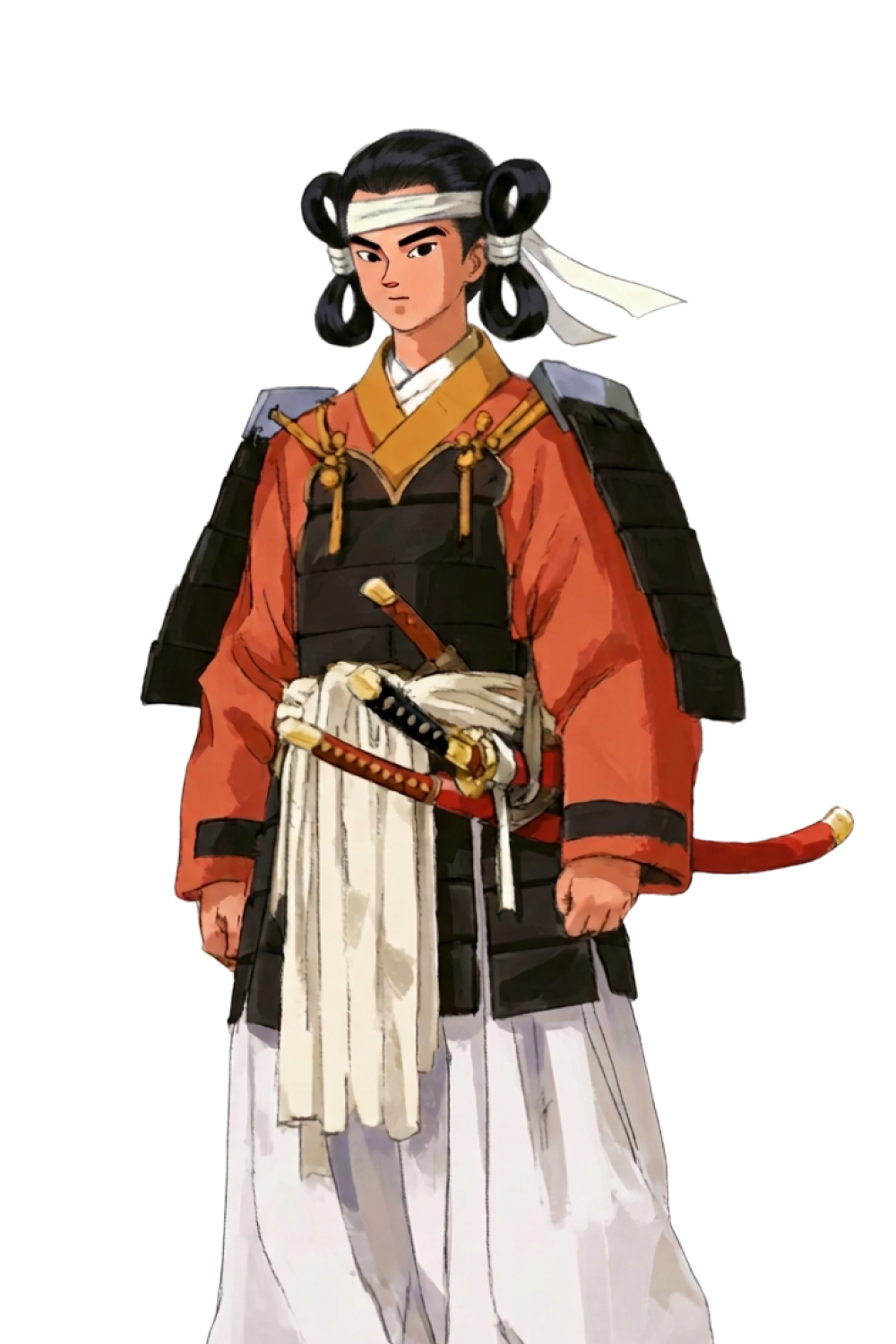
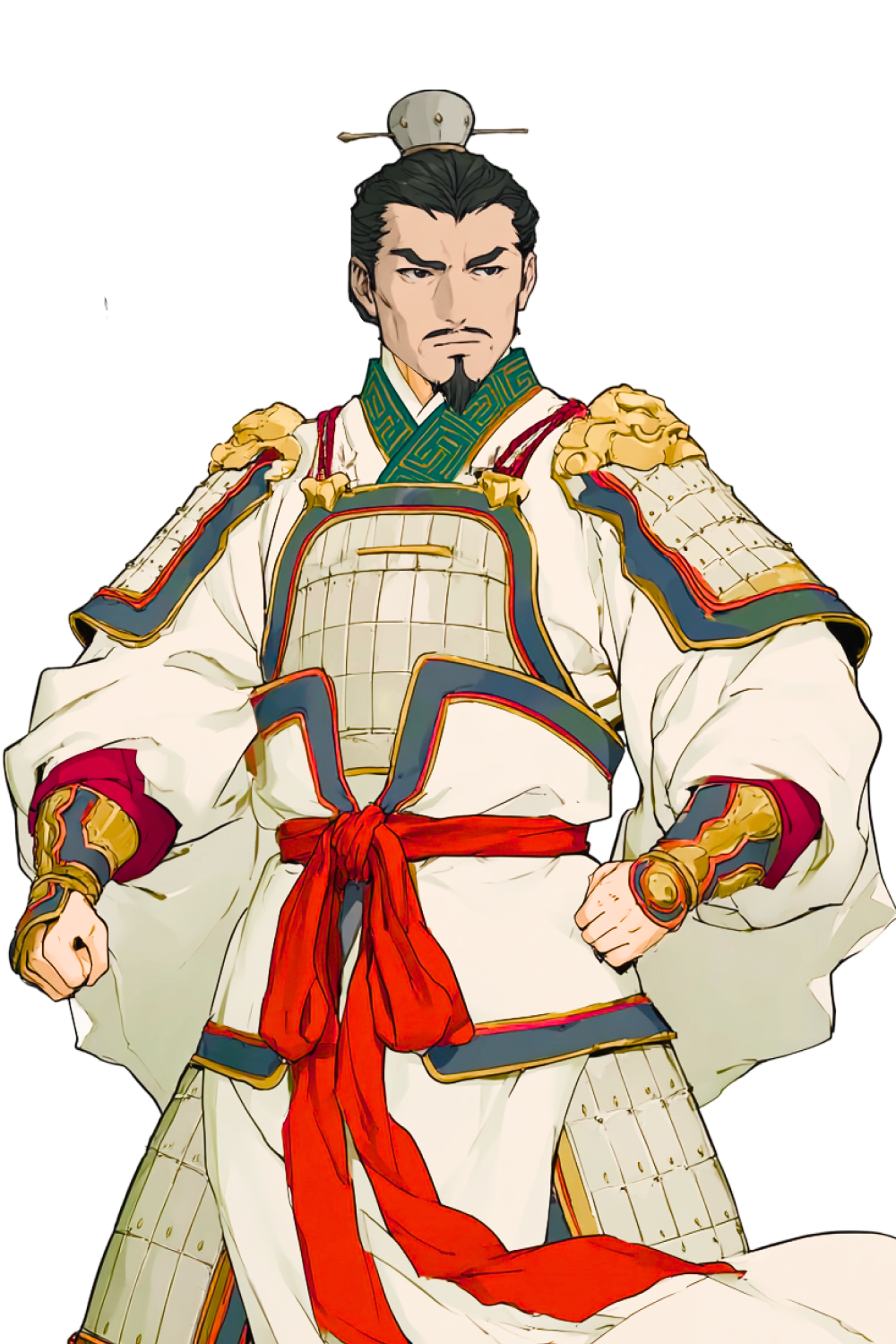
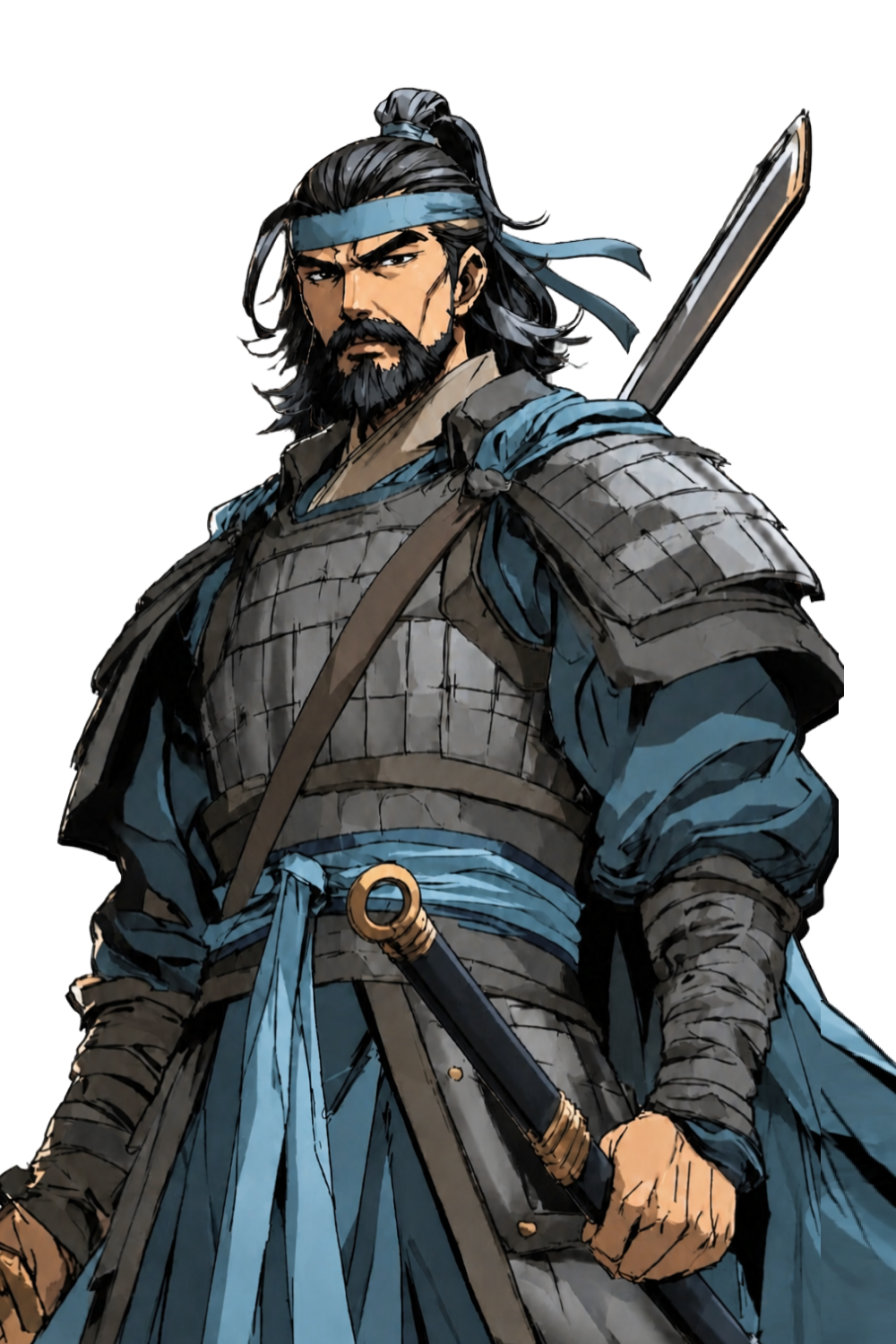
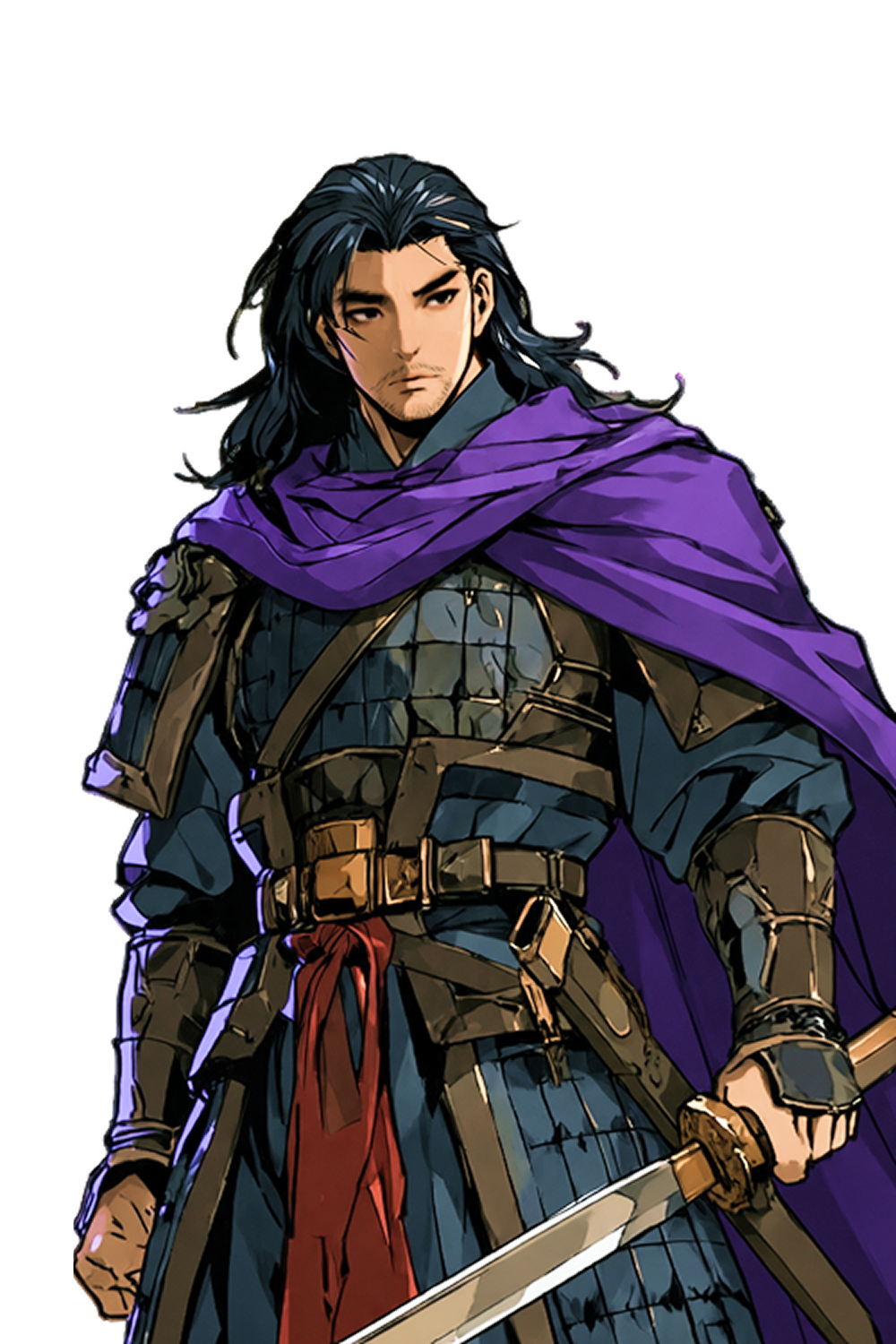
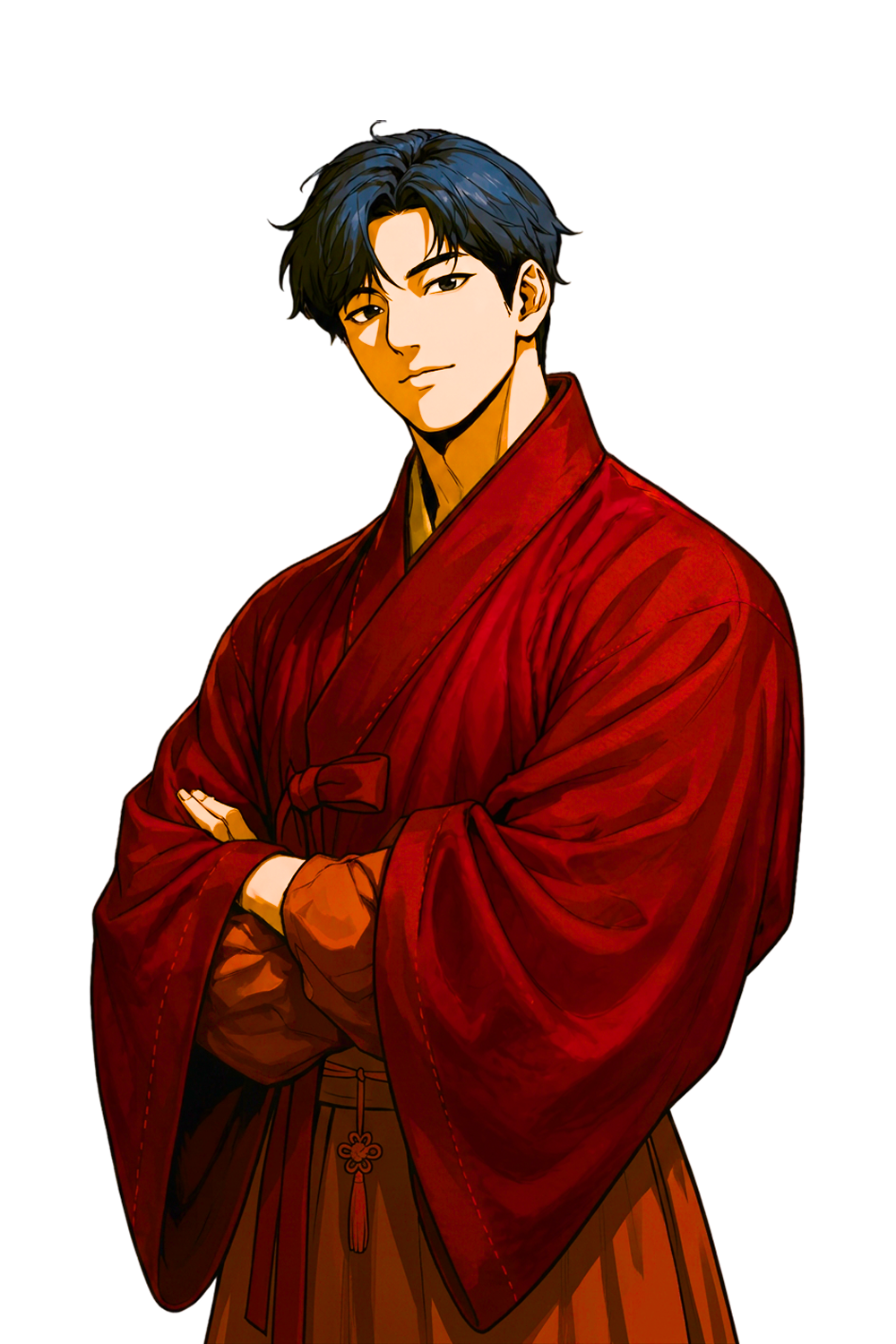
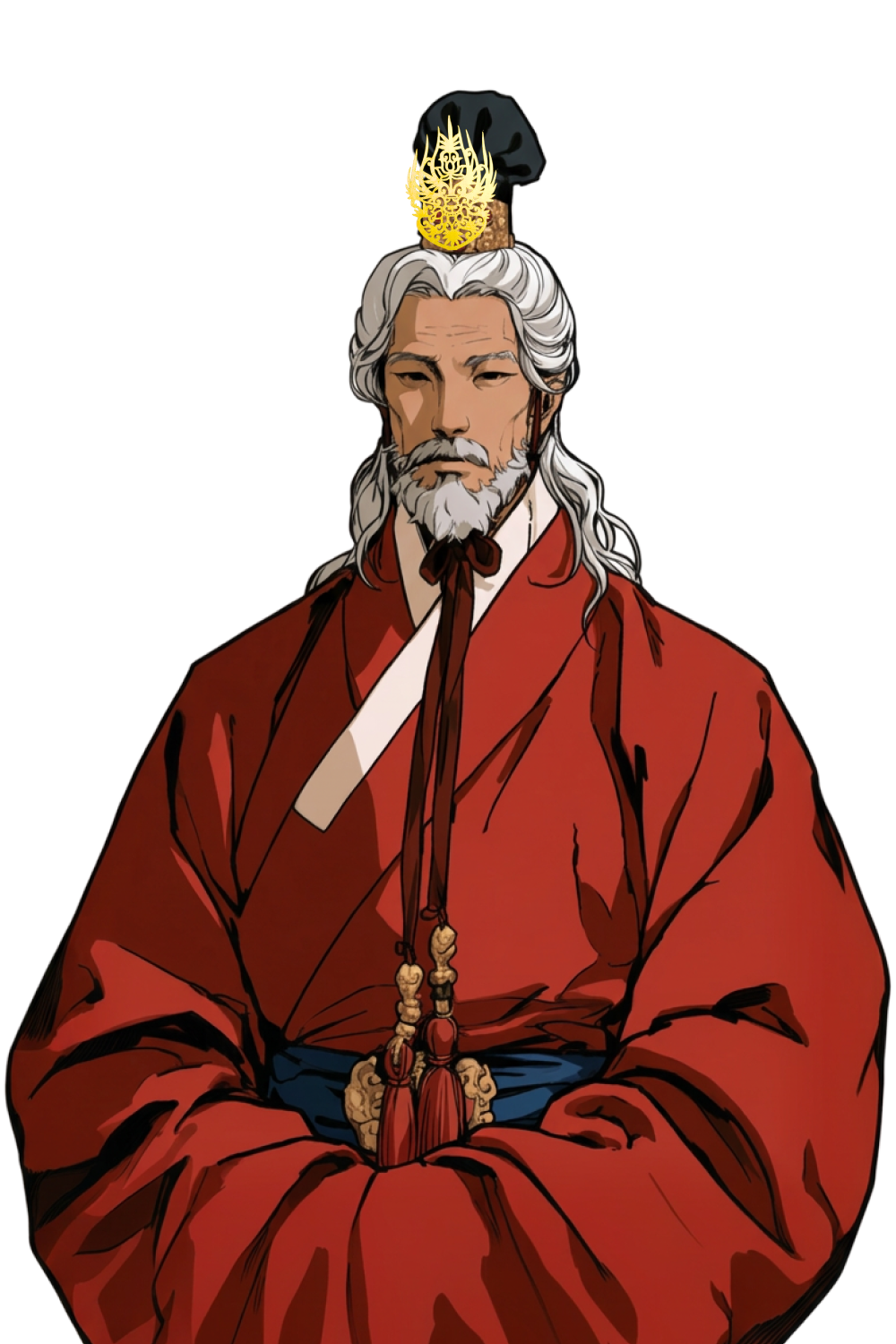
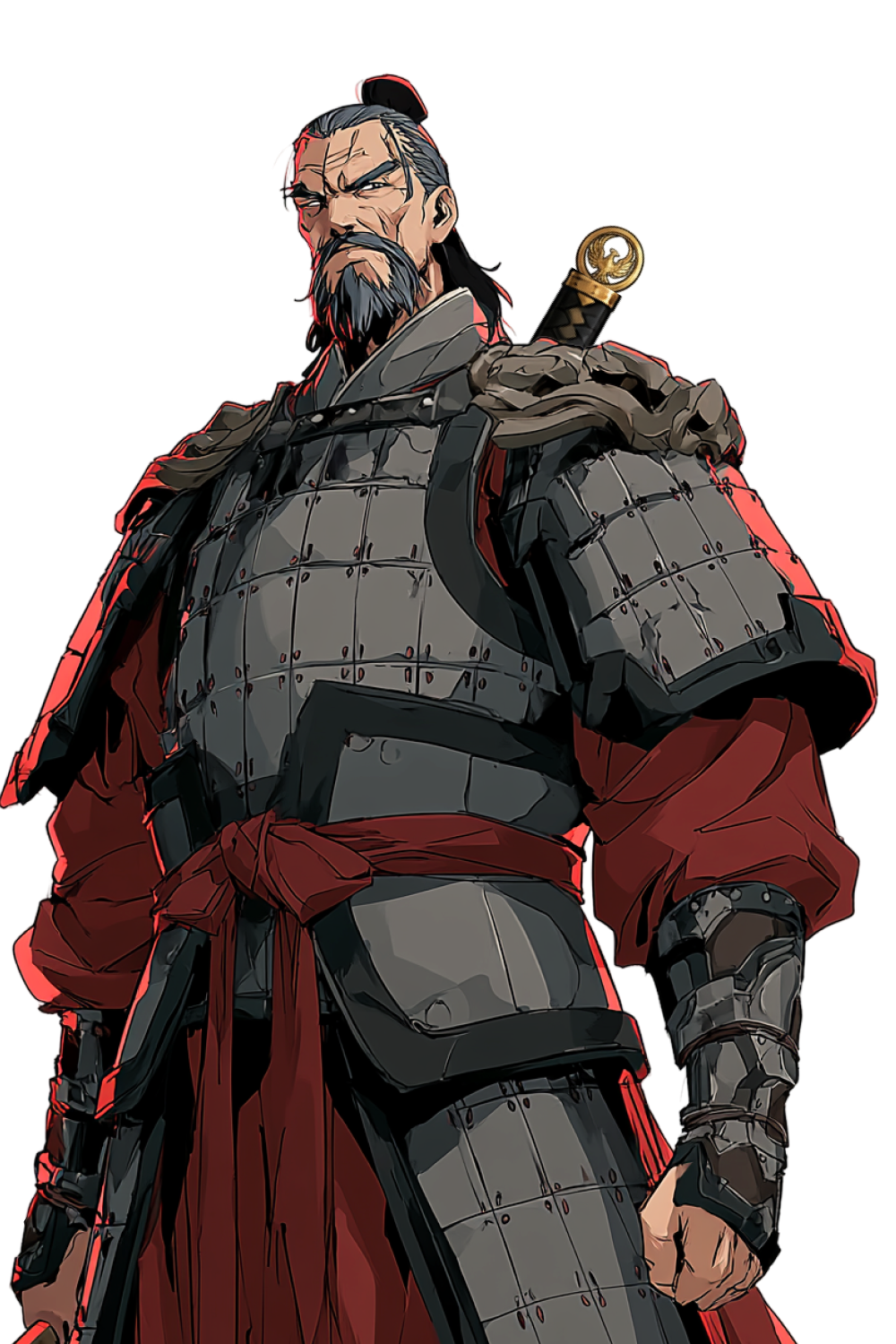
Dress is how the Wei and Sui writers marked the islands off from Samhan. The third-century account already notes an unsewn cross-cloth, lengths of fabric tied rather than cut and stitched. The Book of Sui still has men and women binding the head in white cloth, jackets with narrow sleeves, lacquered shoes tied at the ankle, and commoners often barefoot. Gold and silver were not for everyone. That is a different head from the Jougwan. Two feathers on a black cap meant the peninsula. A white cloth on the brow meant the islands. Through the seventh century the court in Asuka takes continental rank-caps and colour grades. The Nihon Shoki tells that reform in its own voice. Baekje had been the teacher: writing, Buddhism, temple plans, and the guesthouse at Naniwa that the Sui envoys found sitting under a newer roof built for them. A Baekje wooden tablet from Sabi even writes a Naniwa clan name. The civilization stays one when the name changes. Wa and Ilbon are the same world on the chronicle’s slider, 670 the hinge.
Key events
- 414Gwanggaeto Stele: Wa is already a power across the water.
- 478Book of Song: Wa king Bu’s letter, hairy men to the east, Haebuk to the west.
- 607Book of Sui: the sunrise Son of Heaven writes to the sunset Son of Heaven.
Also known as
- Yamato
- Waeguk
- Wa
- 왜
- 왜국
- 倭
- 倭國
- Japan
- Ilbon
- Nihon
- Where the Sun Comes Up