


Chunchuk
天竺 천축
Far Lands. The Indic core is the heartland. South Asia is the wider reach.먼나라. 인도의 심지가 본토다. 남아시아가 더 넓은 닿음이다.
Chunchuk · India, in the word Hyecho put on his book: the Five Indias.
- Title
- The Land of Earth
- Modern
- India · 인도
- Ruler
- Devaraja · देवराज · 데바라자 God-King
- Lands
- Far Lands· 먼나라
- Accent
#c9a227
Famous people
Sobriquets
- India
- the Five Indias
- Ocheonchuk
Nature
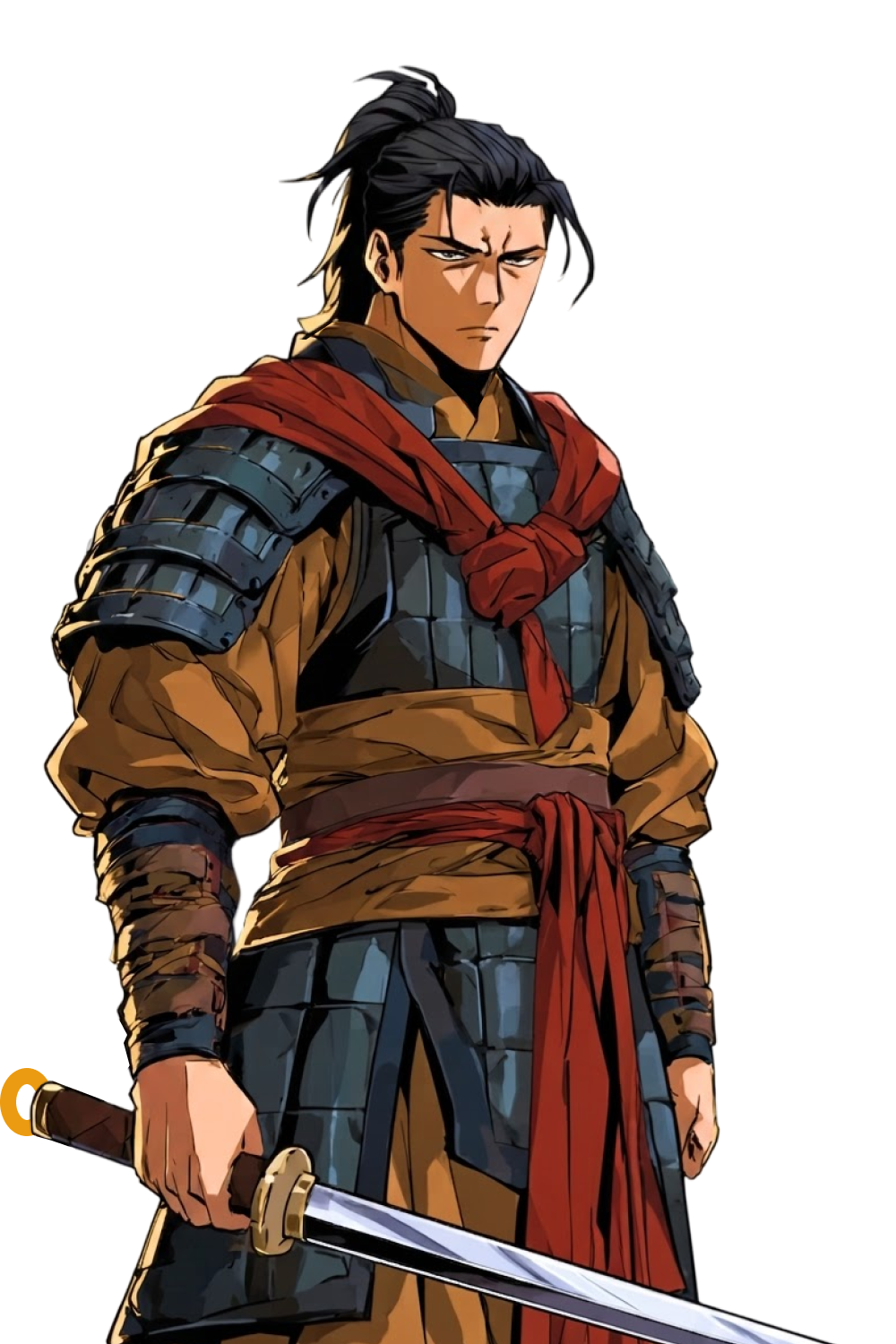
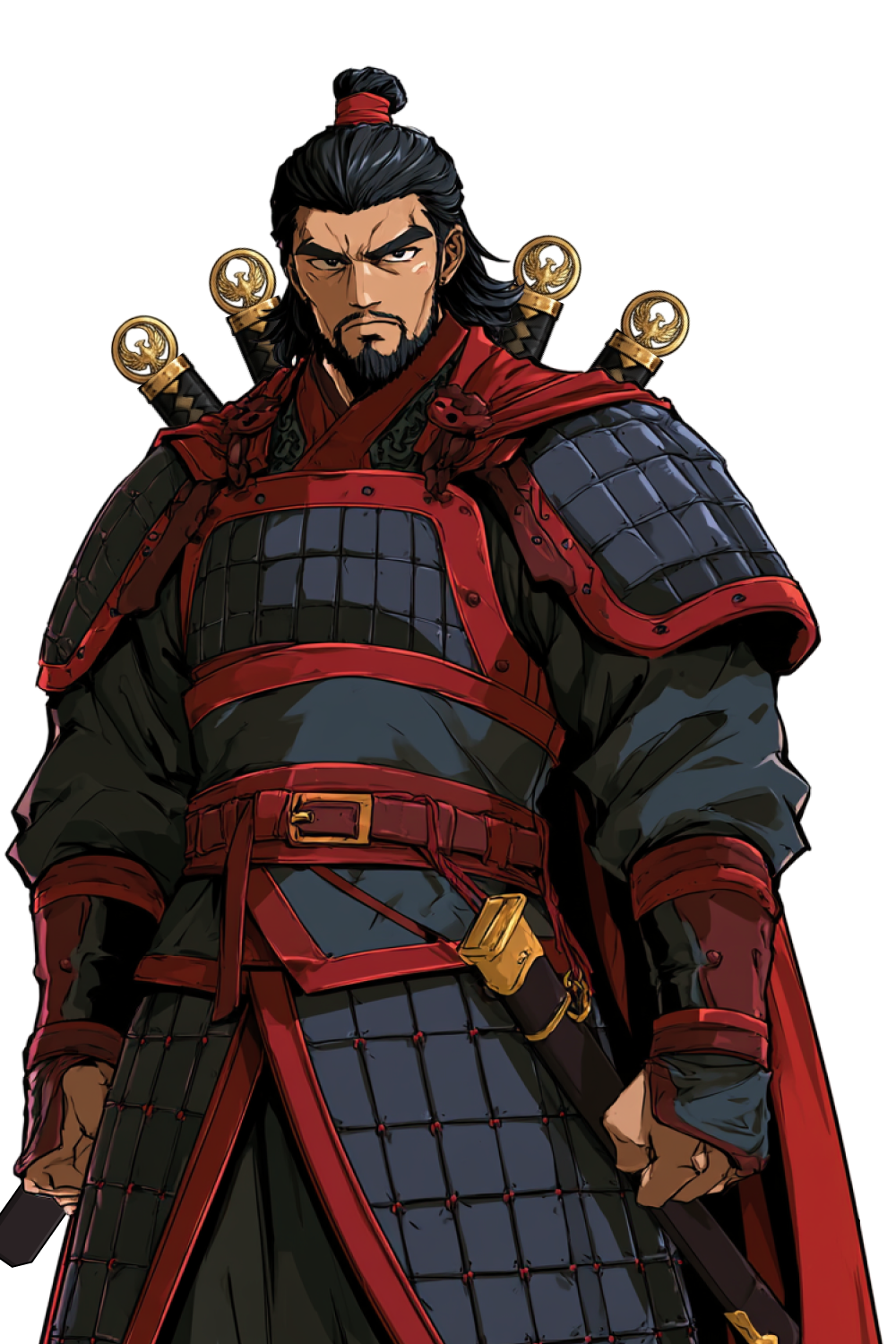
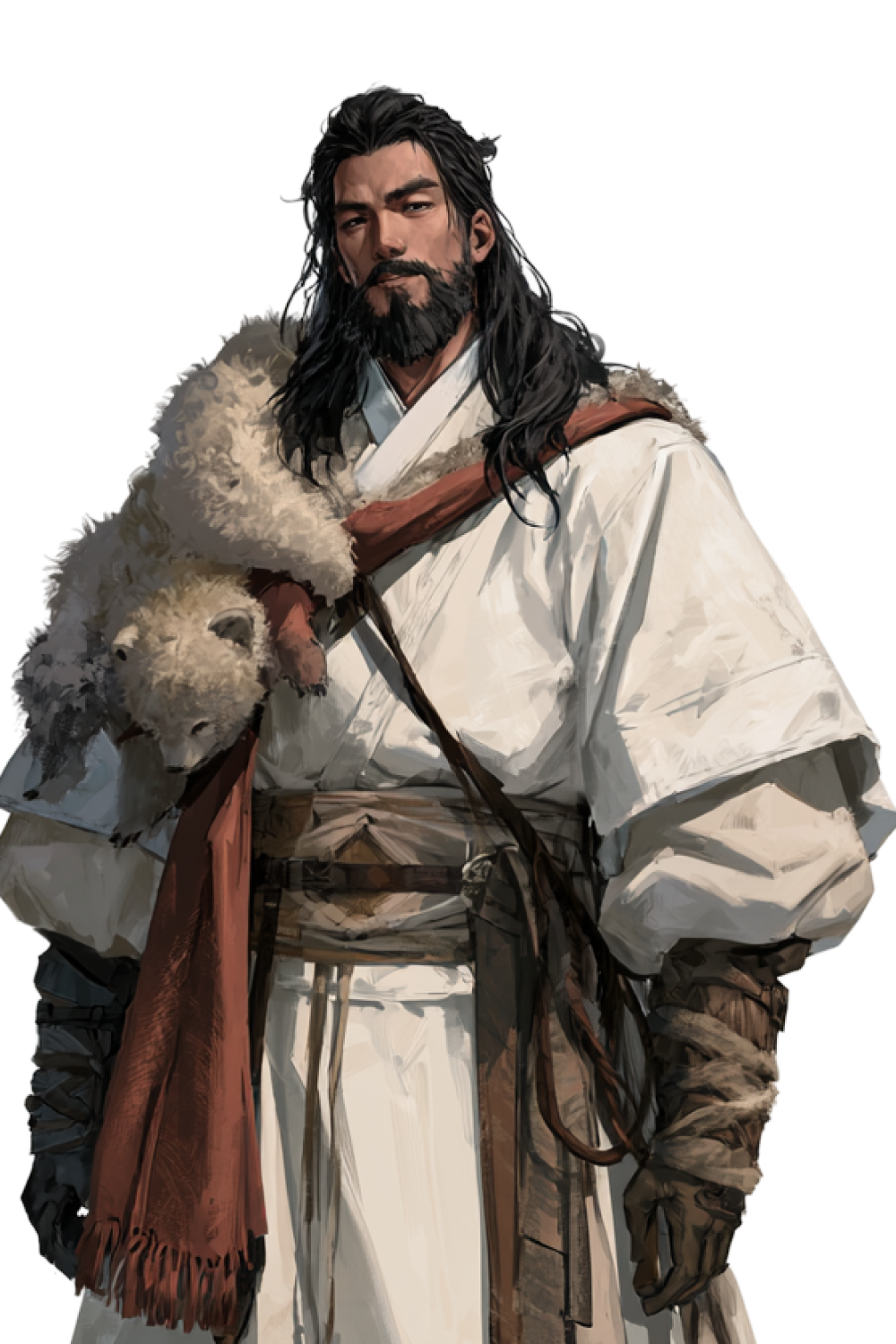
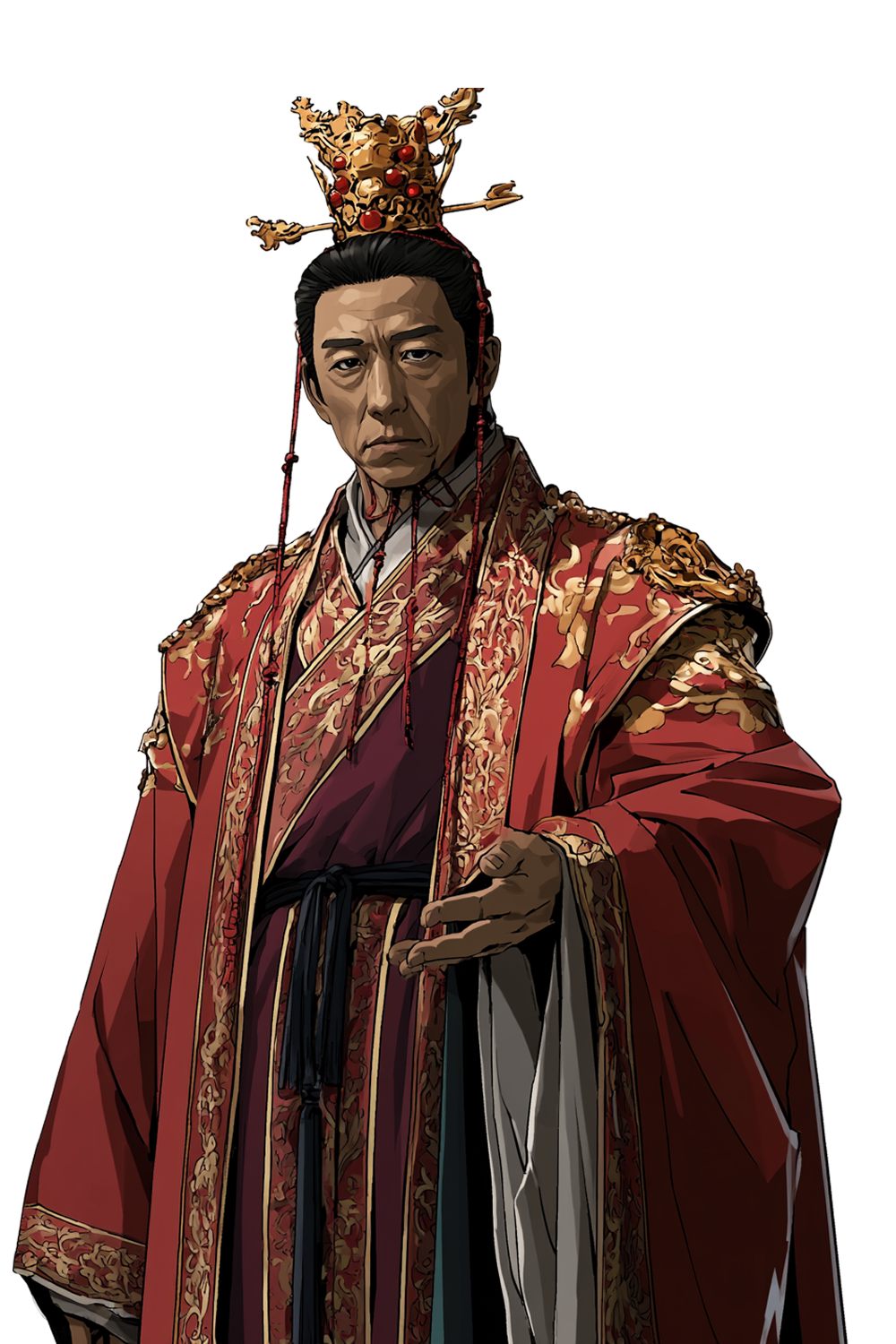
Cheonchuk is a Far Land, India as one civilization, named in parallel with China’s Cheonjo. The heartland is the Indic core: the Five Indias, Magadha, the Gangetic kings. The civilizational reach is the broader South Asian world, cotton and stupas and Sanskrit, including coasts a Korean pilgrim only heard named. The further from the peninsula, the softer that outer reach becomes. Heaven’s court stands in the east of the Buddhist road, and heaven’s land at the west of it. 天竺 is the ordinary word, in Yijing, in the Samguk Yusa, in every monk’s mouth. The best period label is Hyecho’s own title, the Account of a Journey to the Five Indias, 往五天竺國傳, written about 727 and kept at Dunhuang. He divides the land into central, south, west, north and east, and he still treats it as one world: a king at Kanauj with nine hundred elephants, and a country he says has no cangues and no prisons. Magadha holds the four great stupas. Korean monks had been dying there for a generation. Yijing records the Silla monk Aryavarman living and dying at Nalanda, past seventy. Gandhara, when Hyecho reaches it, is ruled by Turks, its people Hu, with Brahmins among them. The rulers can be foreign. The civilization is the land, the cotton, the stupas, the Sanskrit. Queen Heo’s Ayuta, in the later Gaya legend, is this world’s story told from the peninsula.
About this nation
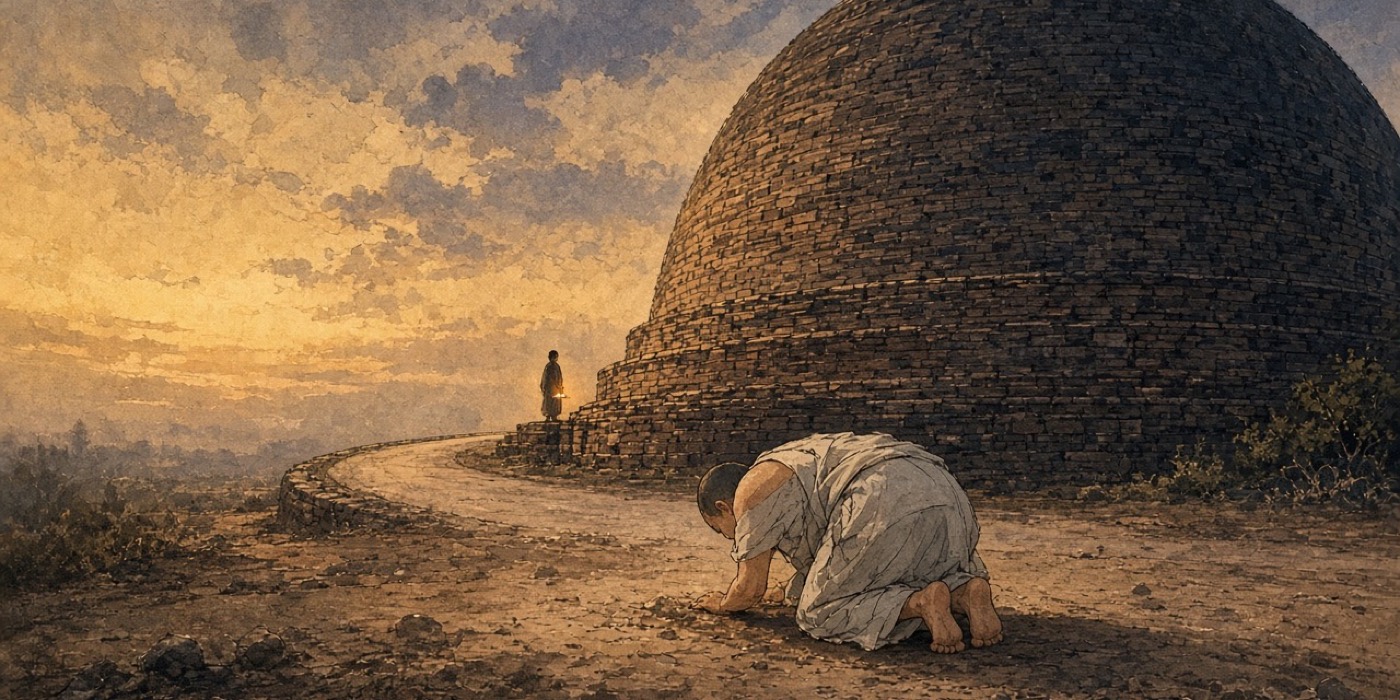
A Korean pilgrim knew he had left Hwa when the silk robe stopped being the default and the cotton wrap began. Hyecho’s Five Indias are hot, elephant-rich, and dressed for that heat: a cloth at the waist, a shoulder bare or lightly covered, jewelry on a king, the monk’s robe on the man who came from Silla. He notes where grapes fail, from Gandhara through the Five Indias to the Kunlun countries, which is a stomach’s way of drawing a map. Brahmins and Buddhists share the cities. In Gandhara the king is a Turk and the people are still of India. That is the same rule as everywhere on this wiki. A conqueror is a roof. Cheonchuk is the house. The Samguk Yusa later enjoys the legend that Silla’s king was of India’s kshatriya caste, and names Jinpyeong’s house with the Buddha’s parents’ names. Pretty, and late. The seventh-century fact is the road: Nalanda, the Bodhi tree, and monks who did not come home.
Key events
- 691Yijing: Aryavarman of Silla lives and dies at Nalanda. Other Silla monks reach the Bodhi tree.
- 727Hyecho’s Account of a Journey to the Five Indias. Kanauj, nine hundred elephants, Magadha’s stupas.
Also known as
- Chunchuk
- Cheonchuk
- 천축
- 天竺
- India
- the Five Indias
- Five Indias
- Ocheonchuk
- 오천축