










Namyang
南洋 남양
Far Lands. The sea road is the heartland. Sanskrit: दक्षिणसागर. The harbours beyond it are softer.먼나라. 바닷길이 본토다. 산스크리트: दक्षिणसागर. 그 너머의 항구는 더 부드럽다.
Namyang · Southern Seas · दक्षिणसागर. The peoples Chinese books called Kunlun.
- Title
- The Southern Seafarers
- Modern
- Southeast Asia · 동남아시아
- Ruler
- Maharaja · महाराज · 마하라자 Great King
- Lands
- Far Lands· 먼나라
- Accent
#3f7f9e
Famous people
Sobriquets
- Kunlun
- Southern Seas
- दक्षिणसागर
- the Southern Sea
Nature
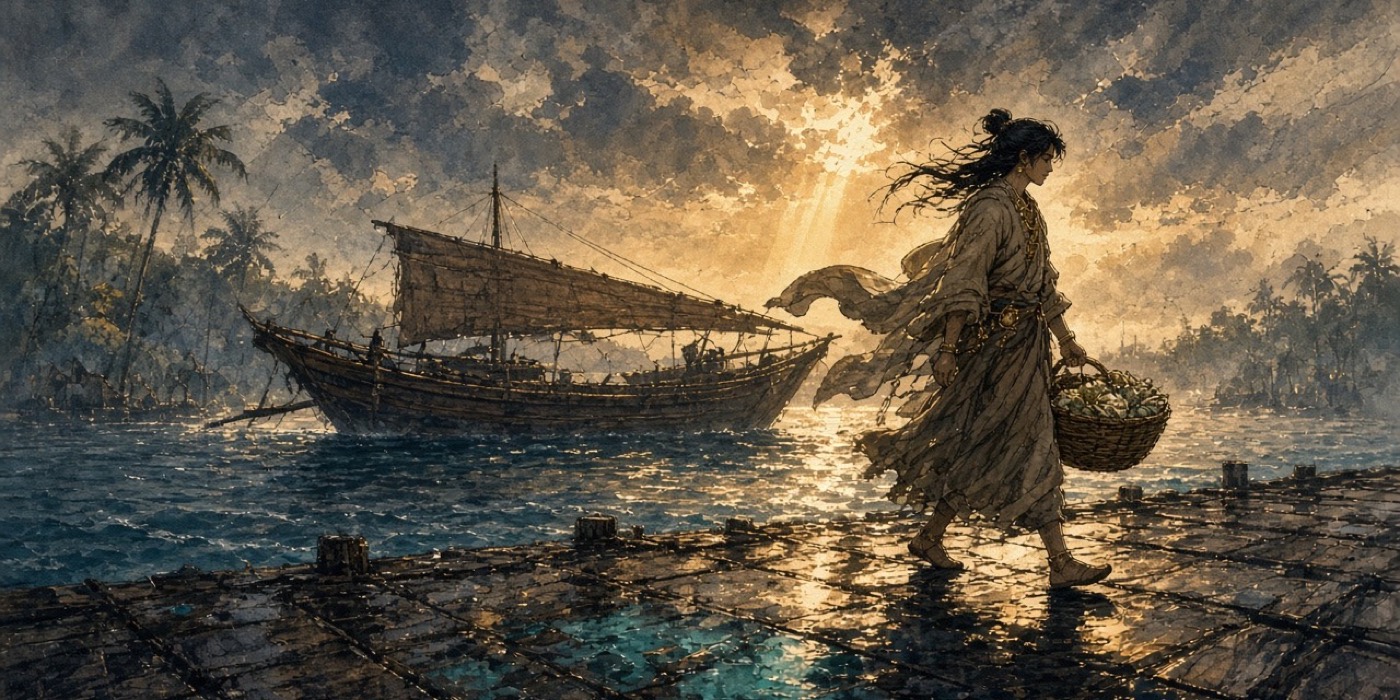
Southern Seas are a Far Land, and the softest edge of the ten, because the records name a sea more often than a crown. The heartland is the sea road itself and its great ports, Srivijaya above all, where Korean monks died. The civilizational reach runs from the mainland’s southern shore through the Malay world and on into Indonesia. A monsoon is a wide reach. A Korean death at one port is the sharp part. 南海 is the sea itself, and the right umbrella. Yijing says two Silla monks left Chang’an for the Southern Sea. Hyecho says Persian ships sail into that same sea, and that south India reaches it. The people-word, in both men’s Chinese, is Kunlun, 곤륜. Hyecho has Persians going to the Kunlun countries for gold, and he draws a line from Gandhara through the Five Indias to the Kunlun countries by the simple fact that none of them grow grapes. Kunlun in this century is a civilizational label for the dark-skinned sea peoples, a blunt Chinese word covering many ports. Srivijaya, 室利佛逝, is the one southern state where a Korean death is recorded: Yijing’s two monks sailed on to Srivijaya and to Barus, fell ill, and died. Funan’s goods show up in the Nihon Shoki as a Baekje gift to Yamato in 543. The Liang scroll seats a Langyaxiu envoy in the same world-procession as Baekje. Champa and Zhenla are in Chinese books. They have no Korean attestation of the age. They still belong to this sea.
About this nation
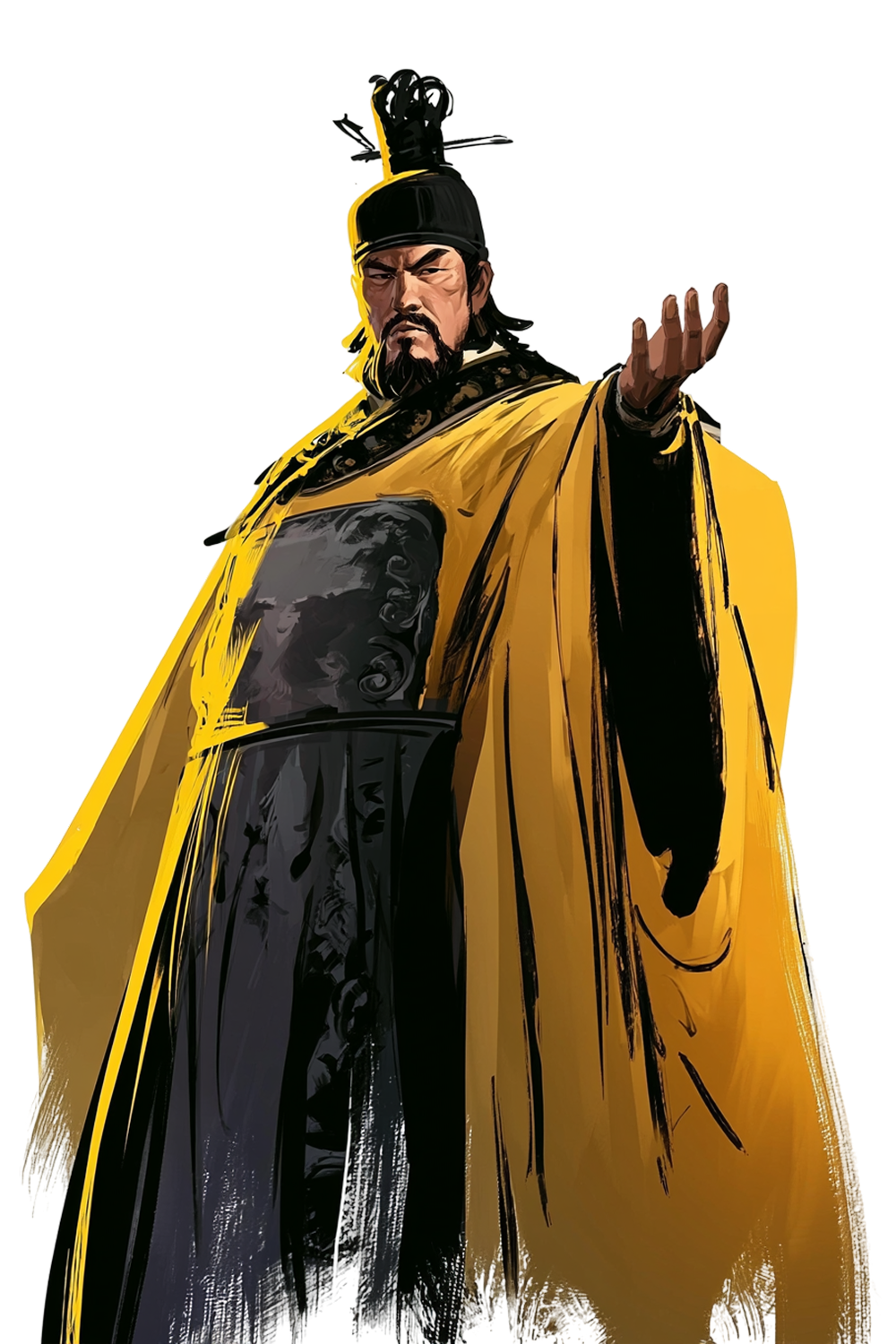
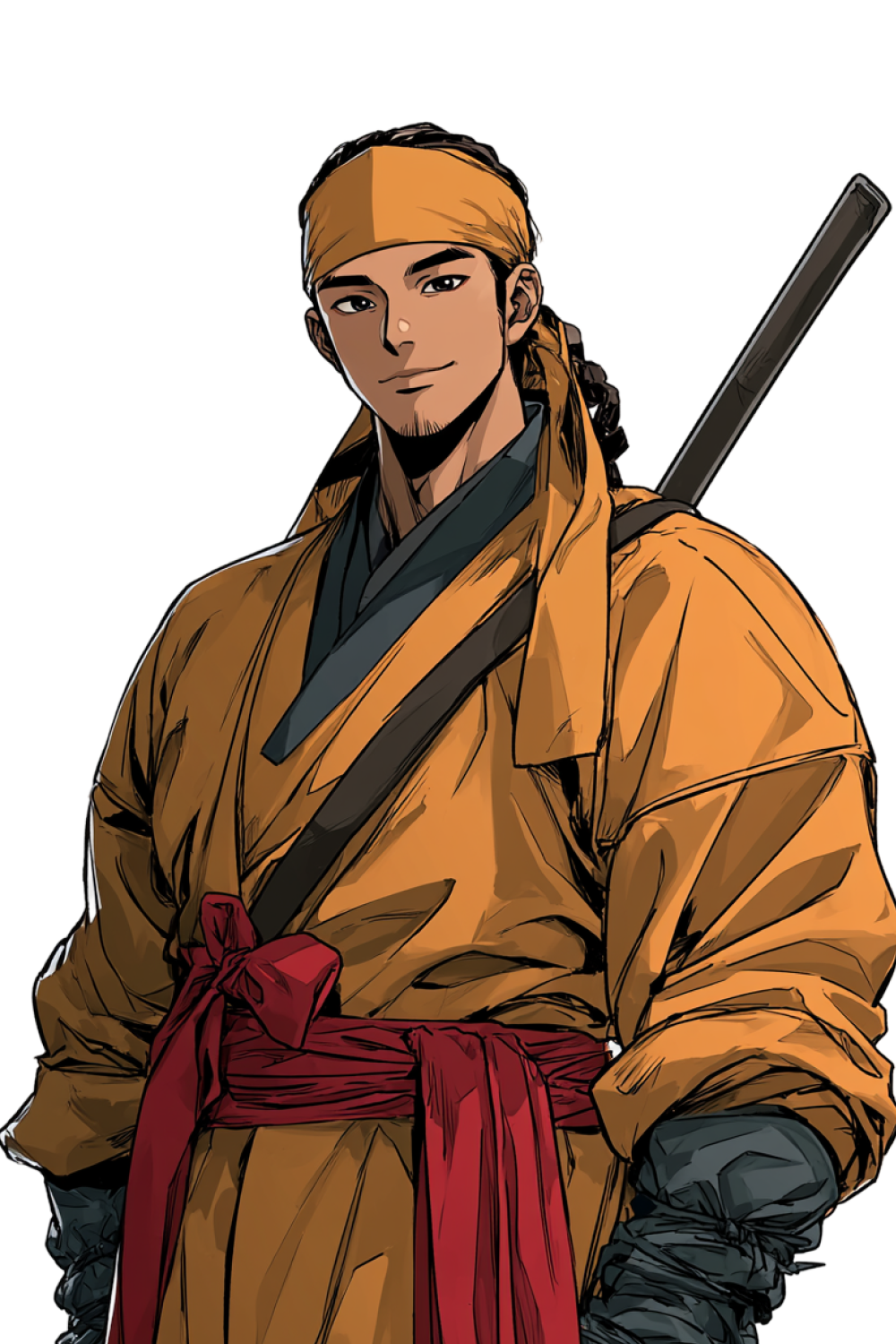
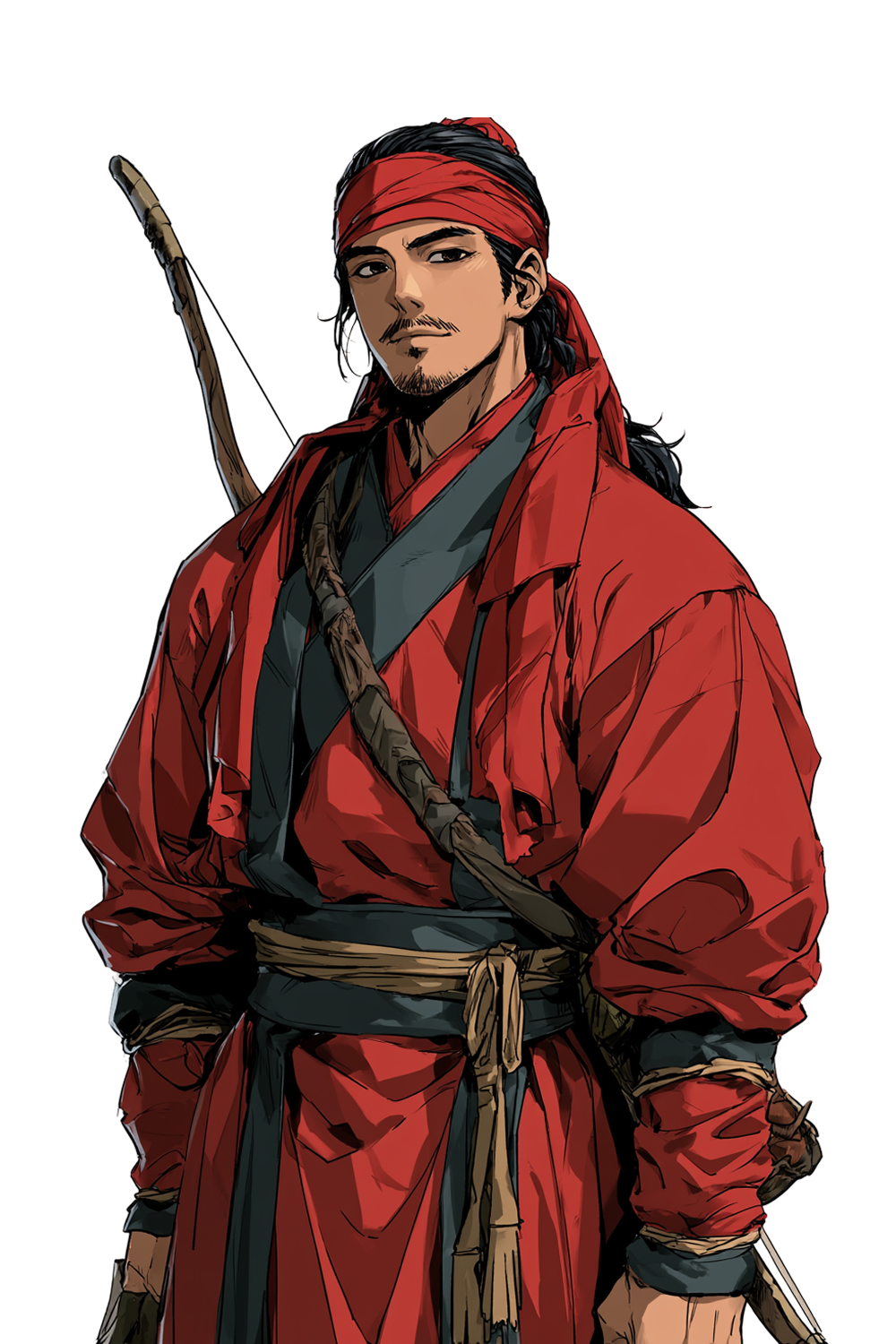
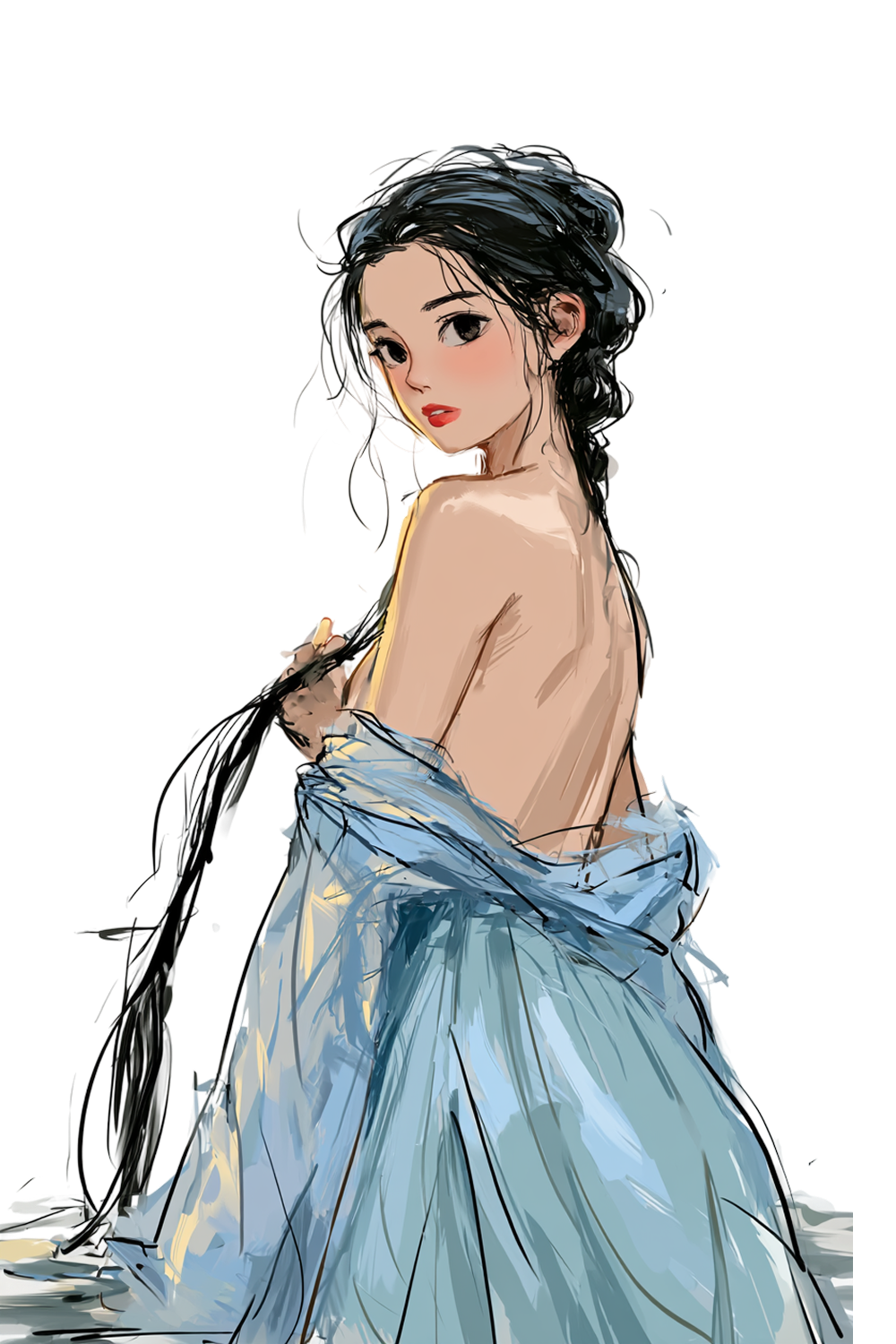
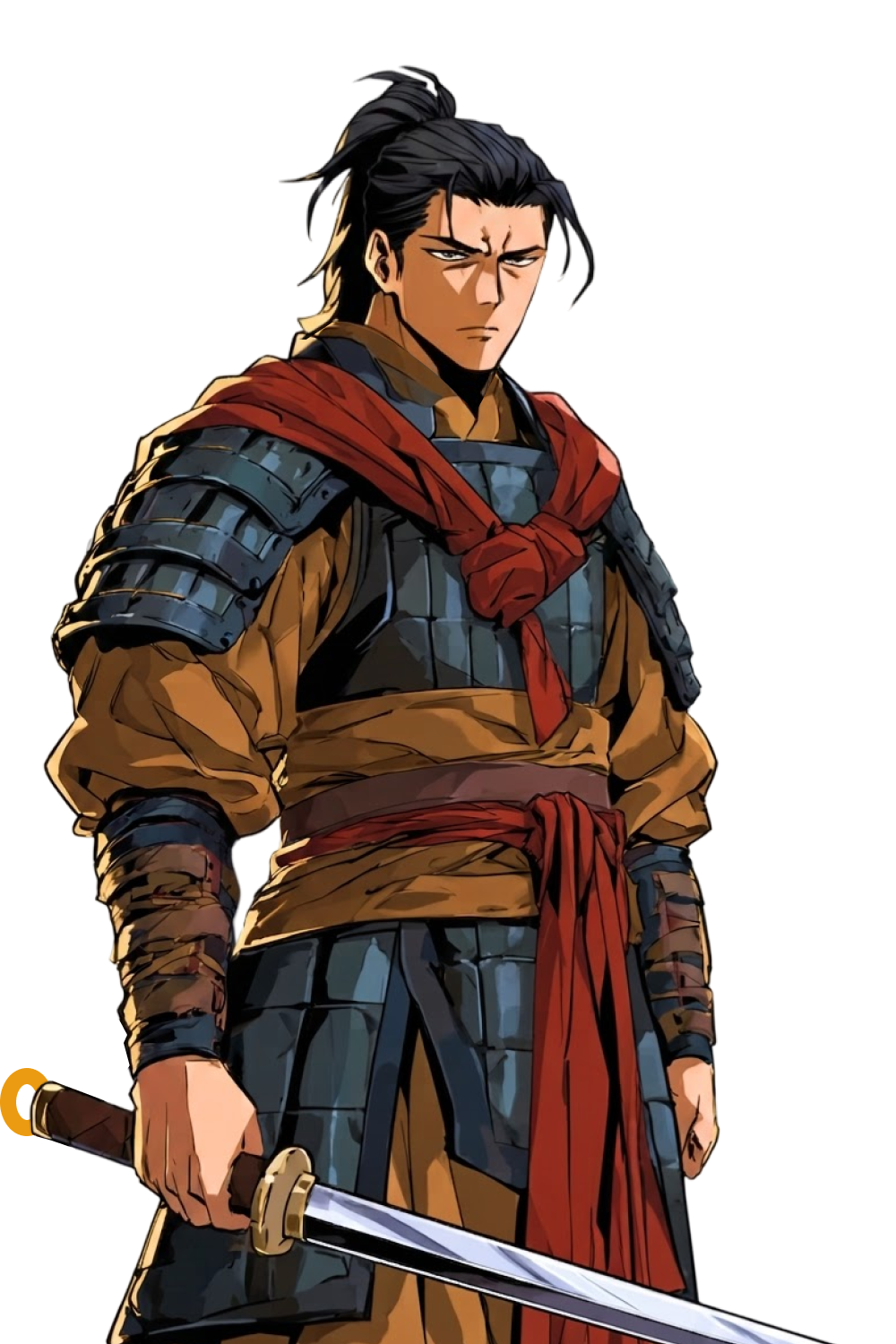
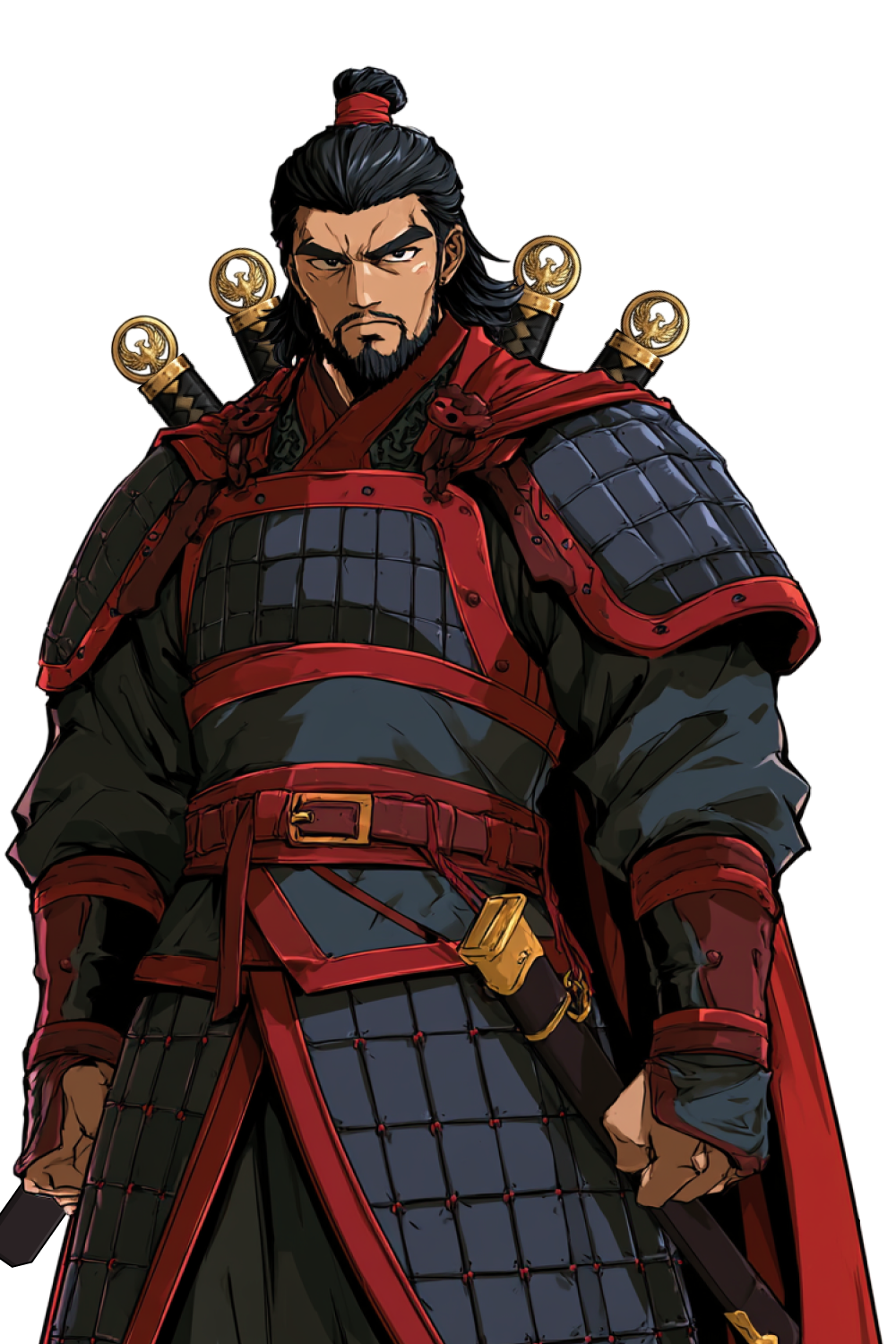
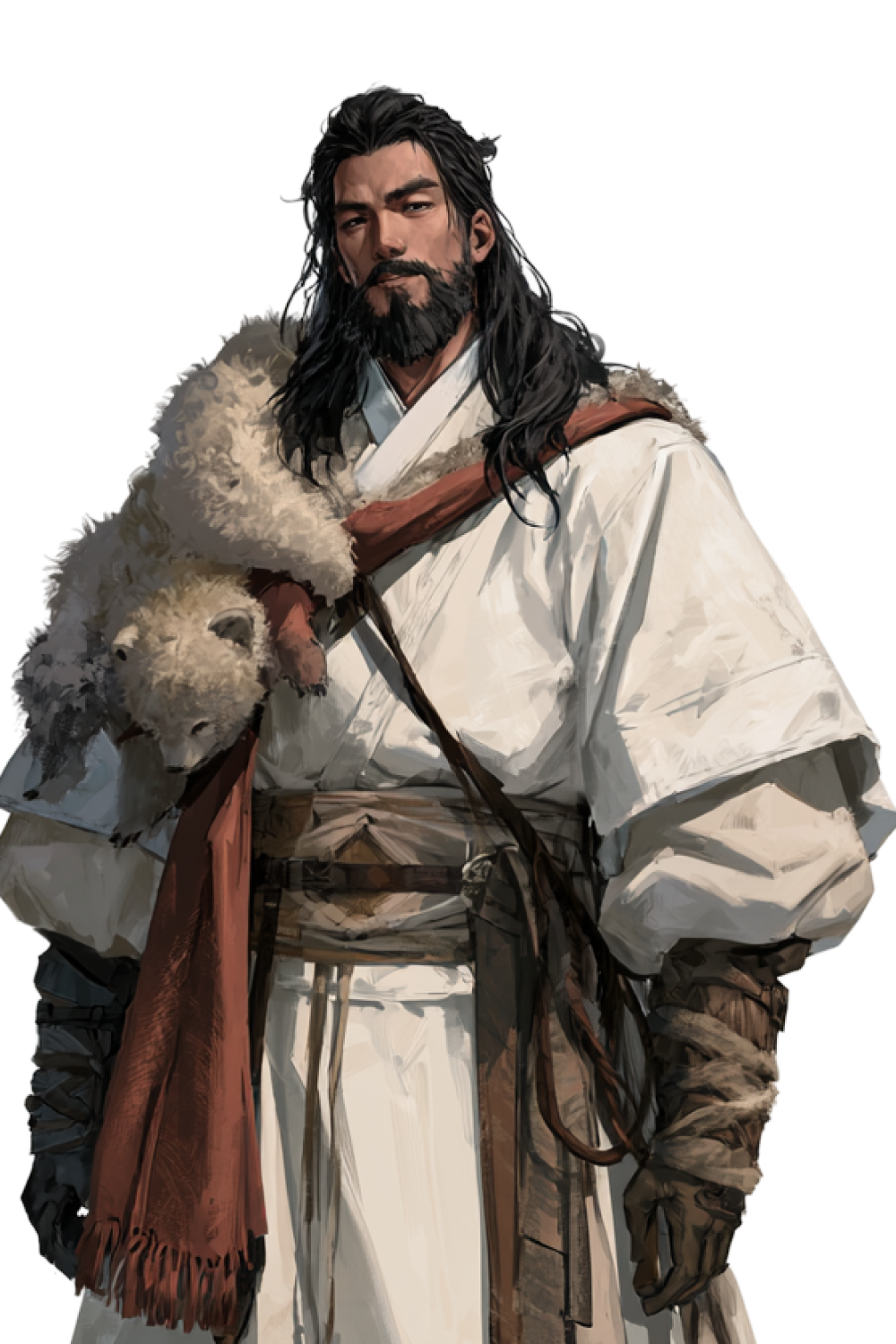
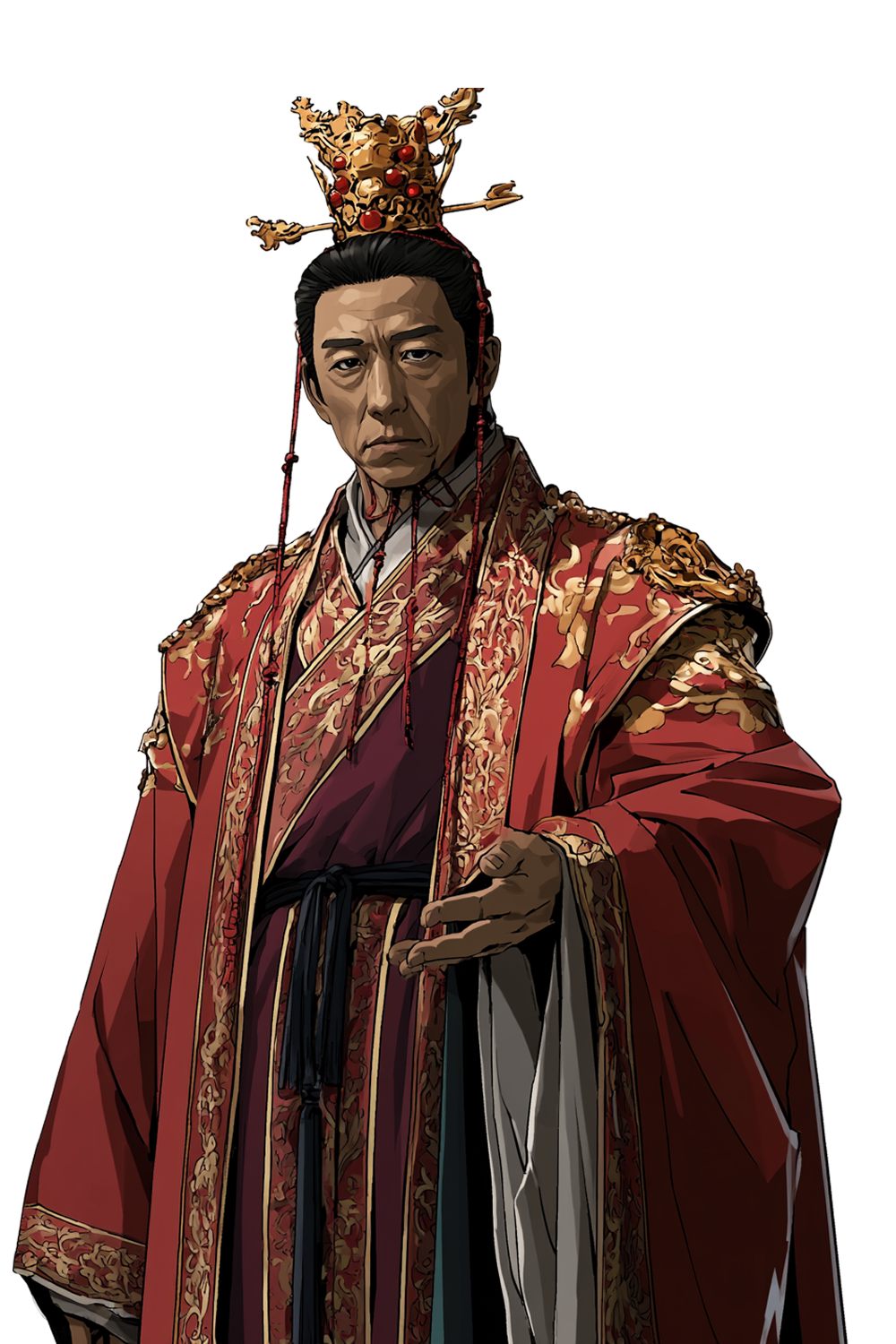
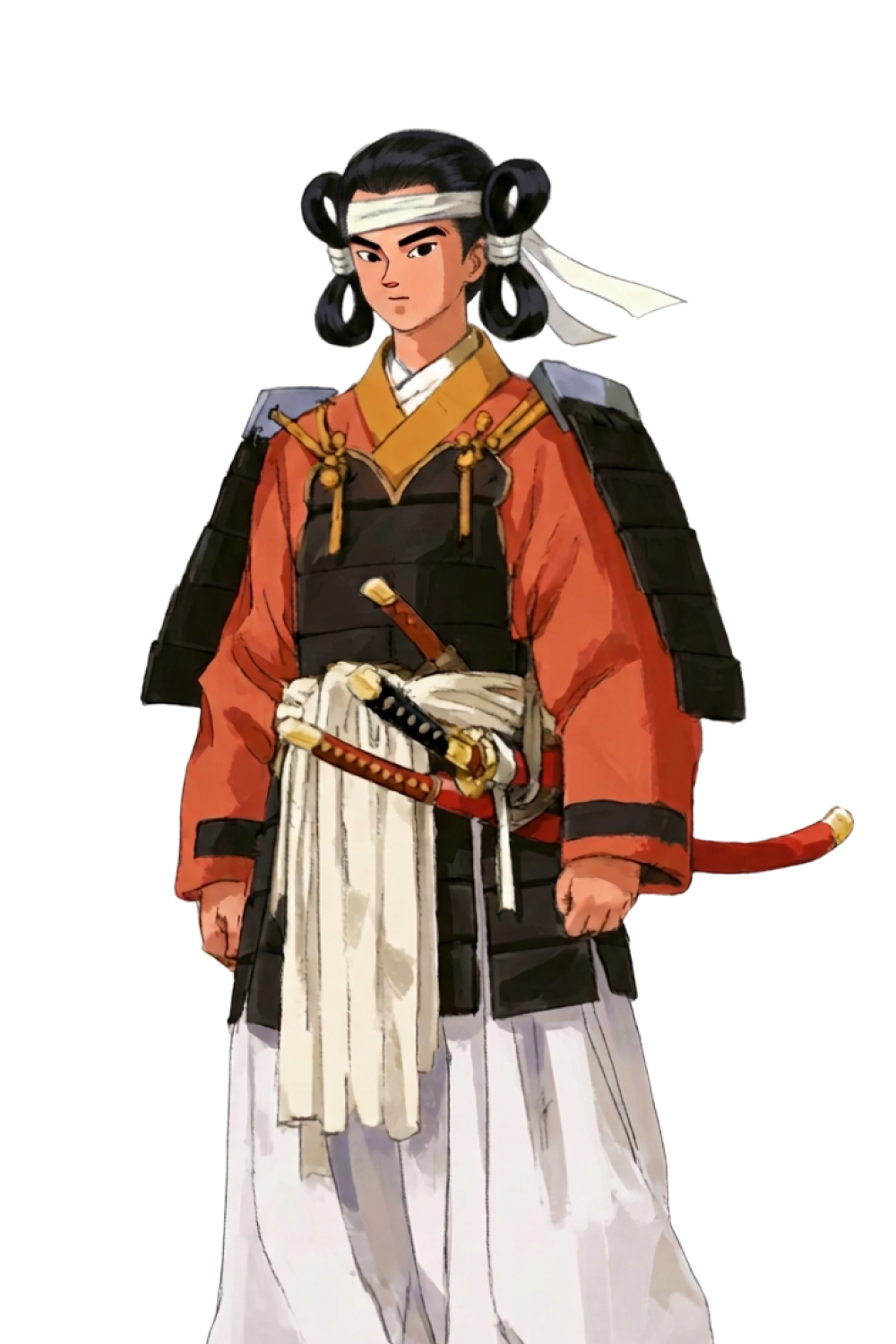
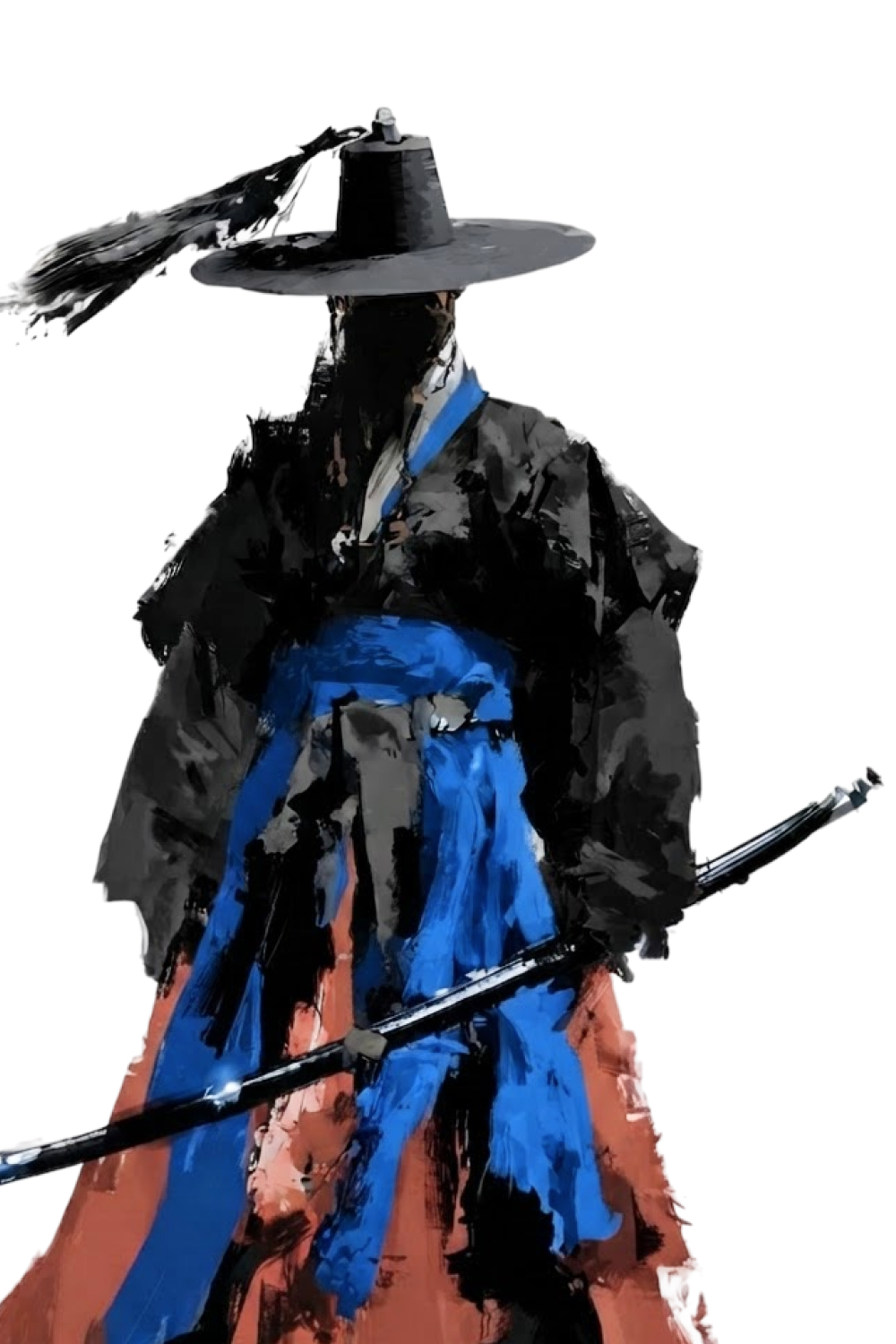
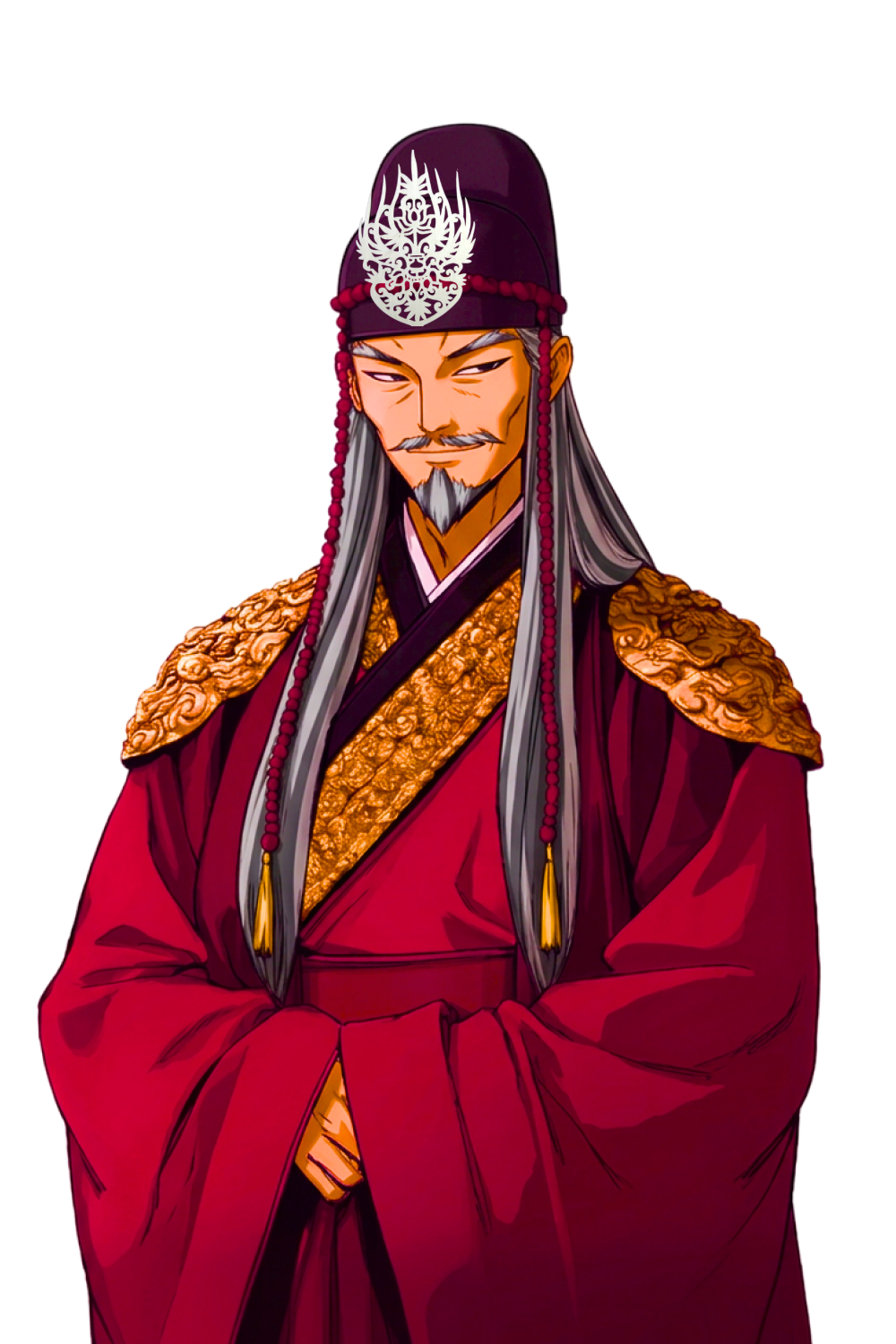
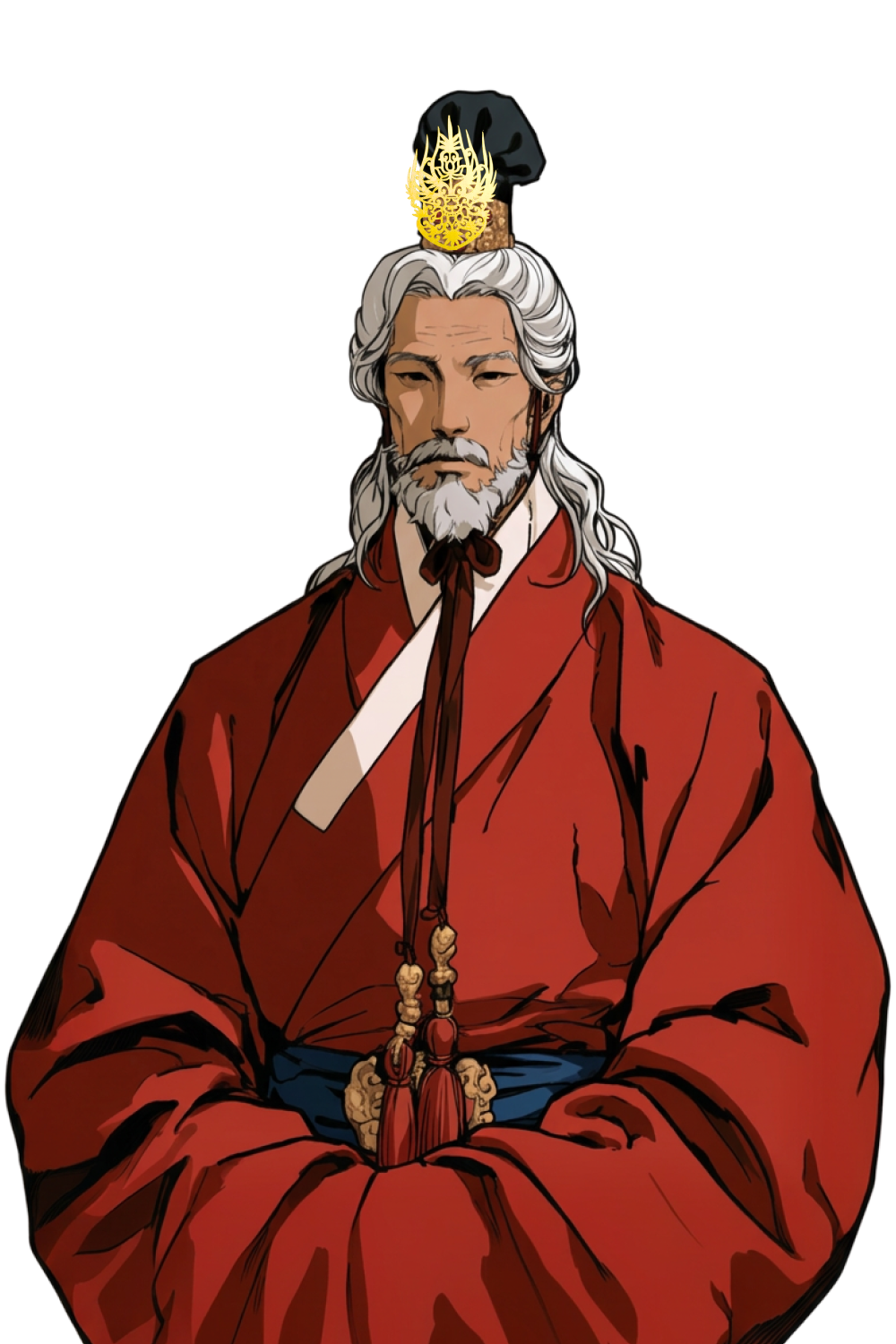
What a Tang or Silla writer used to mark this world was the sea, the ship, and the word Kunlun, more than any single crown. Court dress in a Malay port is cotton and gold against the salt, hair and cloth cut for the heat, a different silhouette from the Futou and from the Jougwan. The Chinese notices are crude about faces and precise about trade: gold, aromatics, the monsoon. Yijing’s book is a better witness than a tribute painting, because his monks actually sailed. Two of them died at Srivijaya. That death makes the south a Korean fact. Funan, by the 540s, is already a warehouse Baekje can shop in, if the Nihon Shoki’s 扶南 is the Mekong kingdom and a gift of goods and two slaves. One minority reading takes the word as “south of Buyeo.” Most readers take the goods. Either way the southern sea is in the story as cargo. The civilization has many kings. Srivijaya, Funan’s successors, the harbour towns. This page is the sea they share, the way Samhan is the world its kingdoms share.
Key events
- 530Liang tribute scroll: a Langyaxiu envoy in the same procession as Baekje.
- 543Nihon Shoki: King Seong of Baekje sends Yamato Funan goods and two slaves.
- 691Yijing: two Silla monks sail to Srivijaya and Barus, fall ill, and die.
- 727Hyecho: Persians sail the Southern Sea and buy gold in the Kunlun countries.
Also known as
- Namyang
- 남양
- 南洋
- Southern Seas
- the Southern Seas
- the Southern Sea
- Southern Sea
- Kunlun
- 곤륜
- Srivijaya
- Nanhai
- 남해
- 南海